Closed Circuit Rebreather Diver
Recycling breathing gas to extend duration, reduce bubbles and optimise oxygen exposure.
Closed-circuit rebreathers recycle breathing gas and continuously manage the breathing loop's composition, removing carbon dioxide with a scrubber and adding oxygen as it is consumed.
The benefits are substantial: long gas duration largely independent of depth, near-silent operation with minimal bubbles, warm moist breathing gas and an optimised oxygen partial pressure throughout the dive.
The risks are equally real and are different in kind from open-circuit diving. CCR training is unit-specific, and so is the support a dive centre can provide.
The risks are different, not merely greater
Open-circuit diving fails obviously — a regulator free-flows, a cylinder empties. Rebreather failures are frequently silent, and the diver may feel fine while the loop becomes unbreathable.
- hypoxia from insufficient oxygen addition
- hyperoxia from excessive oxygen
- carbon dioxide buildup from scrubber exhaustion or channelling
- oxygen sensor failure or drift
- loop flooding
- electronics failure
Support is unit specific
CCR support is not a single capability. A centre may service one manufacturer's units, stock a particular sorb, and have instructors qualified on specific models.
A centre page should name supported units where possible, because a rebreather diver arriving with the wrong unit has no support at all.
Before you sign up
Are you ready?
- Choose the unit first only after understanding local instructor, service, cylinder, oxygen and sorb support.
- The diver needs the discipline to complete checks identically even when rushed, cold or familiar with the unit.
Comparing programmes
- CCR qualifications are unit-specific. A generic agency comparison matters less than the instructor's history on the exact unit.
- Compare minimum bailout carried, open-circuit prerequisites, decompression limits, unit maintenance and post-course mentorship.
What you come out with
- A successful diver can recognise and respond to oxygen, carbon-dioxide, loop and electronics failures before symptoms become the warning.
- Initial certification is the beginning of unit experience, not evidence of readiness for deep expedition profiles.
Questions to ask the centre
- How many hours does the instructor have on this unit?
- What bailout planning standard is used?
- What local servicing, cells, sorb and cylinders are available?
Sources: PADI — Technical Diving Education · SSI — Extended Range training · TDI — current diver standards
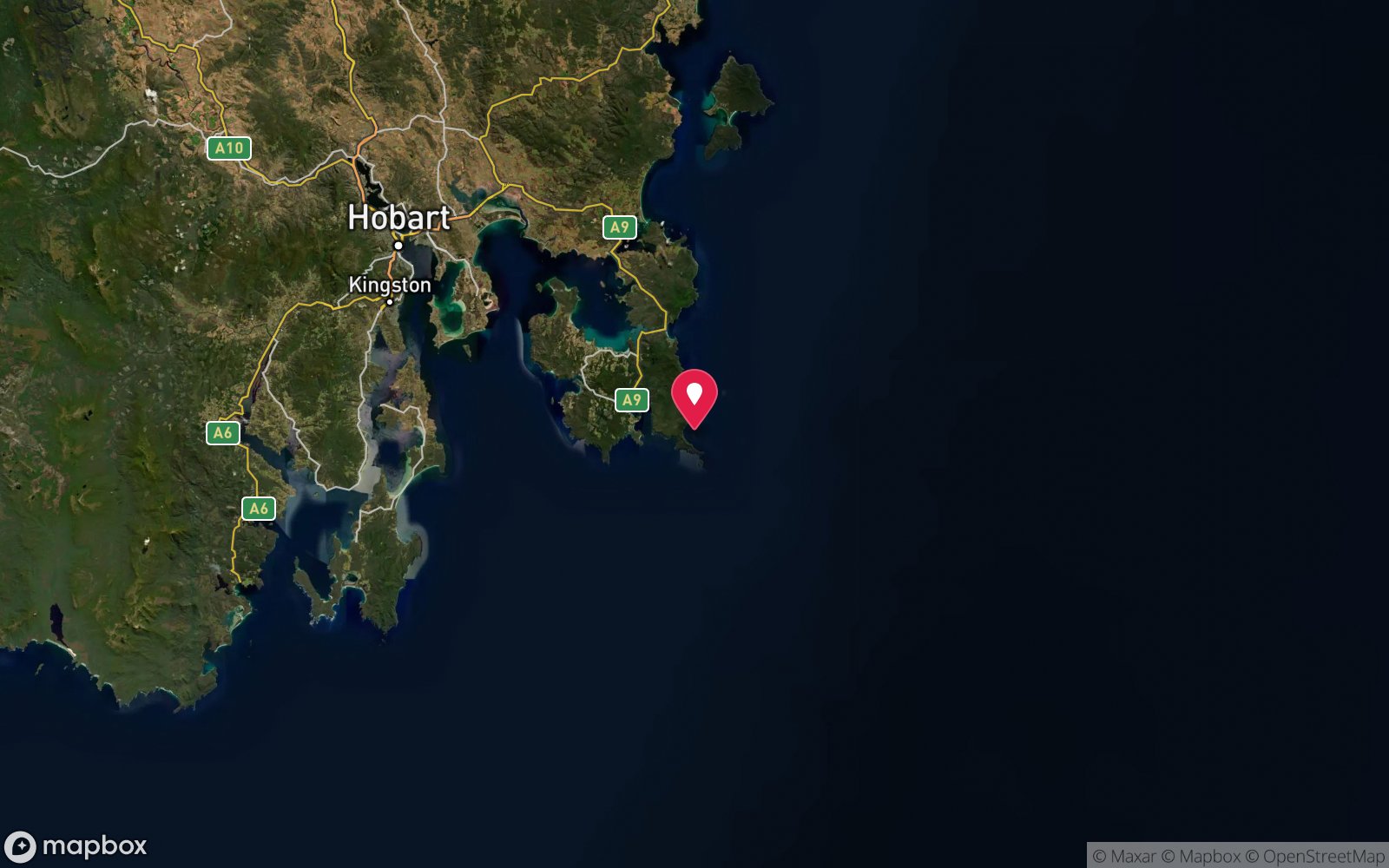
Dive sites where Closed Circuit Rebreather Diver matters
Sites where the skills this course teaches are directly useful.
Dive centres that teach at this level
Centres whose training capability covers this course. Availability, schedules and the exact agency programme vary; confirm with the centre.
Perth Scuba
ProfiledCanning Vale · Perth · WA
One of the most fully documented operations in Western Australia, covering recreational, professional, technical and freediving training alongside substantial equipment facilities.
perthscuba.com · (08) 9455 4448
Abyss Scuba Diving
ProfiledRamsgate · Sydney South & Botany Bay · NSW
A Sydney operation associated with training across recreational and technical levels, boat diving and equipment services.
abyss.com.au · +61 2 9583 9662
Dolphin Scuba Diving
ProfiledWelshpool · Perth · WA
A Perth business providing training, equipment and service support.
dolphinscuba.com.au · (08) 9353 2488
Dive Darwin
ProfiledDarwin · Darwin Harbour · NT
The main verified dive operation in the Northern Territory, offering recreational training through professional level alongside technical diving and a large specialty range.
divedarwin.com.au · +61 401 751 651
Frog Dive Sydney
ProfiledGladesville · Sydney South & Botany Bay · NSW
A Willoughby PADI 5 Star IDC founded in 1985, teaching recreational through Trimix and rebreather courses with PADI, SDI and TDI, and testing cylinders in-store.
frogdive.com.au · (02) 9958 5699
Dive Centre Manly
ProfiledManly · Sydney South & Botany Bay · NSW
A Northern Beaches operation with a long-standing presence at Shelly Beach, offering recreational training, boat diving and technical pathways.
divesydney.com.au · (02) 9977 4355
Dive Centre Bondi
ProfiledBondi · Sydney South & Botany Bay · NSW
An Eastern Suburbs PADI 5 Star IDC on Bondi Road teaching through Instructor and technical levels, with air, Nitrox and Trimix fills and manufacturer-approved servicing.
divebondi.com.au · +61 2 9369 3855
Grey Nurse Charters
ProfiledNelson Bay · Port Stephens · NSW
A PADI-registered dive boat running charters around Port Stephens, Newcastle and Swansea, with PADI courses to Divemaster and TecRec.
greynurse.com.au · 0408 633 793
Feet First Dive
ProfiledNelson Bay · Port Stephens · NSW
A Nelson Bay SSI centre running Broughton Island boat dives and Port Stephens shore dives, with rebreather and Extended Range training.
feetfirstdive.com.au · (02) 4984 2092
Dive Experience
ProfiledMount Gambier · Mount Gambier Sinkholes & Caves · SA
A Mount Gambier business serving the region's cave and sinkhole diving community, including equipment and gas support.
dive-experience.com.au · 0478 693 760
Scuba Haven Port Macquarie
ProfiledPort Macquarie · Port Macquarie & Camden Haven · NSW
A Port Macquarie SSI centre offering air and Nitrox, equipment servicing, and boat, shore and river dives around Port Macquarie and Laurieton.
scubahaven.com.au · 0407 457 542
Shellharbour Scuba
ProfiledShellharbour · Wollongong & Kiama · NSW
A Shellharbour Village dive shop giving access to Bass Point and Bushrangers Bay, teaching SDI and TDI courses from beginner to technical levels.
shellharbourscuba.com.au · +61 2 4296 4266
Closed Circuit Rebreather Diver: frequently asked questions
Is a rebreather worth it for recreational diving?
For most recreational divers, no. The cost, maintenance burden and training commitment are substantial, and the benefits are most valuable on long, deep or wildlife-sensitive dives.
Can I get sorb and support anywhere in Australia?
Support is concentrated in the major cities and specific technical centres, and is unit-dependent. Confirm both sorb availability and unit support before any trip.
Which unit should I train on?
Consider what your local centre supports and services, because ongoing support matters more than the initial purchase decision.