Dive slate · divesites.com.au · printed 9 Nov 2026
Tank Cave
Mount Gambier Sinkholes & Caves, South Australia · near Tantanoola
| Depth | 0–30 m |
|---|---|
| Minimum level | Cave/Cavern certification |
| Difficulty | Expert/Technical |
| Access | Shore |
| Entry | Underground entrance – climb down a short ladder to a small surface lake |
| Current | None |
| Visibility | 15-40 m |
| Water | summer 14-15 °C, winter 14-15 °C |
| Suit | Drysuit strongly recommended (constant ~14-15°C groundwater, long dives); 7 mm wetsuit with hood minimum for short dives |
| Best season | Year-round (constant groundwater temperature); summer/autumn gives warmer surface intervals; forestry sites close on Total Fire Ban days |
| Bottom time | 90 min |
| Position | -37.73432, 140.53623 (GPS) |
| Permit | CDAA-owned – Advanced Cave membership and CDAA booking required |
| Nearest chamber | Royal Adelaide Hospital hyperbaric medicine unit (Adelaide) – about 450 km by road from Mount Gambier; evacuation is normally by aeromedical retrieval (RFDS/MedSTAR) via Mount Gambier Hospital. The Alfred (Melbourne) is a similar distance. DAN/Divers Emergency Service 1800 088 200. |
| Emergency | 000 · DAN Asia-Pacific diving emergency 1800 088 200 |
Tank Cave
Also known as Tank Cave – Green Waterhole system
More than 7 km of shallow, lined maze passage – Australia's premier Advanced Cave training and exploration site.
Near Tantanoola · Mount Gambier Sinkholes & Caves, South Australia
- Depth
- 0–30 m
- Minimum level
- Cave/Cavern certification
- Access
- Shore
- Boat ride
- —
- Water
- 14-15 °C
- Visibility
- 15-40 m
Tank Cave0–30 m · Cave/Cavern certification · Shore
Dive factsDepths, conditions, location & safety
Season
In season nowBest months: year-round.
Year-round (constant groundwater temperature); summer/autumn gives warmer surface intervals; forestry sites close on Total Fire Ban days
- Best months
- Now (November)
Dive facts
- Depth
- 0–30 m
- Typical depth
- 10 m
- Certification
- Cave/Cavern certification
- Difficulty
- Expert/Technical
- Depth tier
- Advanced Open Water (18–30 m)
- Access
- Shore
- Dive centre needed
- Yes – permit/guide required
- Shore / independent
- No
- Current
- None
- Visibility
- 15-40 m
- Water temp (summer)
- 14-15 °C
- Water temp (winter)
- 14-15 °C
- Water
- Cold Freshwater
- Bottom time
- 90 min
- Dive traffic
- Moderate (occasional charters/club dives)
- Night dive
- No
- Snorkel friendly
- No
Exposure suit
Drysuit strongly recommended (constant ~14-15°C groundwater, long dives); 7 mm wetsuit with hood minimum for short dives
Location
Tantanoola · Limestone Coast – Mount Gambier sinkholes & caves
-37.73432, 140.53623
Published GPS position.
Open in Google MapsPrimary source: cavedivers.com.auMarine park & permits
CDAA-owned – Advanced Cave membership and CDAA booking required
Nearest recompression chamber
Royal Adelaide Hospital hyperbaric medicine unit (Adelaide) – about 450 km by road from Mount Gambier; evacuation is normally by aeromedical retrieval (RFDS/MedSTAR) via Mount Gambier Hospital. The Alfred (Melbourne) is a similar distance. DAN/Divers Emergency Service 1800 088 200.
Diving emergency: call 000, then DAN AP 1800 088 200.
Trip planner
Build a trip around Tank Cave →
A day-by-day plan for Mount Gambier Sinkholes & Caves with this site locked in.
This guide is a planning aid. Conditions change daily — confirm with a local dive centre and dive within your training. Data & safety notes.
Dive profile
How this site rates
Scores are computed from the recorded data, not opinions. How?
At a glance
Tank Cave is a cave / cavern dive in Mount Gambier Sinkholes & Caves, SA, 0–30 m, suited to Cave/Cavern certification divers.
Rated expert/technical because of depth beyond 18 m, an overhead environment, cold water.
Why dive here
- More than 7 km of shallow, lined maze passage – Australia's premier Advanced Cave training and exploration site.
- Visibility often reaches 15-40 m.
About Tank Cave
Tank Cave is the most extensive underwater cave in South Australia and the benchmark Advanced Cave site in the country. It lies near Tantanoola, is owned outright by the Cave Divers Association of Australia, and its entrance is underground: a short ladder leads down to a small surface lake, and from there the system spreads out into a maze of more than 7 km of diveable passage, around 10 km including the connected Green Waterhole (Fossil Cave) system. That makes it the second-longest underwater cave in Australia after the Nullarbor systems.
What makes Tank special is its character rather than its depth. Most of the cave lies shallower than 15 m, with typical depths around 10 m, so dives can last two hours or more with modest decompression. The passages are a labyrinth of low bedding planes, wider tunnels, chambers and connections, with white and brown limestone, fine clay banks and silt floors. Fixed lines run through most main passages, but side passages need jumps, and the sheer number of junctions is the challenge – navigation, line protocol and gas management matter more here than anywhere else in the region. Divers continue to find new passages and connections decades after exploration began.
Tank has seen deaths: two divers died in 2011, including explorer Agnes Milowka, and an experienced Victorian cave diver died in November 2025, after which the CDAA ran an internal investigation. Access is therefore controlled by an Access Officer roster and a staged familiarisation schedule. It suits CDAA Advanced Cave divers who want long, shallow, navigation-heavy cave dives – sidemount and rebreather divers especially.
Getting there & entry
Owned by the CDAA, an underground-entrance maze cave near Tantanoola about 25 km north-west of Mount Gambier, with more than 7 km of lined passage (about 10 km with the connected Green Waterhole system).
From Mount Gambier take the Princes Highway north-west about 25 km towards Tantanoola; the property (owned by the CDAA) is off the highway and exact directions are issued to booked divers. Keep the property gate closed at all times. Park at the entrance area, carry gear to the underground entrance and climb down the short ladder to the small surface lake where divers kit up.
The site is open most weekends and by request; bookings through the CDAA website at least one week ahead, and a qualified Tank Cave Site Access Officer must be present each day.
Entry: Underground entrance – climb down a short ladder to a small surface lake
Facilities: CDAA-owned site with parking at the entrance; no public facilities. Fills in Mount Gambier (25 km).
Weather, swell & tides
Underground and unaffected by weather; heavy winter rain can raise water levels and cloud some sections. Access depends on an Access Officer being available, and farmland rules on Total Fire Ban days apply. Water is a constant ~15°C, so long dives need drysuits and heating.
Surface conditions only matter for kitting up at the entrance.
Best season: Year-round (constant groundwater temperature); summer/autumn gives warmer surface intervals; forestry sites close on Total Fire Ban days
If it's blown out
Sheltered or shore sites within 25 km that often work when Tank Cave doesn't.
- Engelbrecht Cave – East · 23 km · Max 8 m
- Engelbrecht Cave – West · 23 km · Max 12 m
- Cape Banks – Carpenter Rocks · 24 km · Max 12 m
How the dive is usually run
Follow the Tank Cave familiarisation schedule: early dives stay on the main lined circuits close to the entrance lake at around 8-12 m, using thirds on gas and noting every junction with personal markers. Later dives add jumps into side passages with a reel. Turn on thirds (or tighter for sidemount restrictions) and exit the same way; decompression is rarely significant at these depths.
Marine life
- Minimal – occasional cave-adapted crustaceans (syncarids) and small invertebrates
Linked species have their own page listing every site where they are recorded. All marine life →
Training required
Beyond 18 m an Advanced certification (which includes a deep dive to 30 m) is the accepted minimum. Anything past 25 m is a deep dive in practice.
At more than 25 m this counts as a deep dive: watch no-decompression limits and gas.
Courses that help here
- Enriched Air Nitrox – Longer no-decompression time at 25 m and deeper.
- Cavern Diver – An overhead environment.
- Drysuit Diver – Cold water; locals dive dry for much of the year.
- Underwater Navigation – Navigation is part of the dive plan.
Depth tiers: 0–10 m easy · to 18 m Open Water · 18–30 m Advanced (25 m+ is a deep dive) · 30–40 m Deep specialty · 40 m+ technical. All courses
Hazards & warnings
Complex maze with many junctions – high risk of navigational error; silt-outs in low passages; fatalities in 2011 (two, including Agnes Milowka) and November 2025. Long exposure in 15°C water. Strict access conditions.
Technical notes
CDAA grade: Advanced Cave only. Book through CDAA ≥1 week ahead; Site Access Officer required daily; follow the Tank Cave familiarisation schedule. Continuous guideline to the surface lake at all times; jumps need reels and personal line markers (cookies/arrows).
Rule of thirds minimum; redundant lights (3); sidemount advantageous in low sections; rebreathers common. Depths mostly <15 m – nitrox 32-36% ideal.
Dive centres that go here
No commercial access – CDAA Advanced Cave members only, on days when a Tank Cave Site Access Officer is rostered (most weekends). Advanced Cave training and familiarisation dives run by CDAA instructors (e.g. Deep Blue Ventures, Diving Adelaide technical staff).
Operators recorded for Tank Cave
Dive Experience
ProfiledMount Gambier · Mount Gambier Sinkholes & Caves · SA
A Mount Gambier business serving the region's cave and sinkhole diving community, including equipment and gas support.
dive-experience.com.au · 0478 693 760
Diving Adelaide
ListedMarleston · Adelaide Metro · SA
An Adelaide training and guided diving operation serving local sites and organised trips.
divingadelaide.com.au · (08) 8122 5003
Deep Blue Ventures
Named by sitesMcCrae · Mount Gambier Sinkholes & Caves · SA
Victoria-based technical/cave training operator running Mount Gambier courses (Kilsby-approved).
deepblueventures.com.au · 0413 429 533
Other dive centres in Mount Gambier Sinkholes & Caves
Total Immersion Diving
Named by sitesMount Gambier Sinkholes & Caves · SA
Kilsby Sinkhole approved operator running CDAA cave courses in Mount Gambier; Facebook-only presence.
Reef 2 Ridge
Reported closedMount Gambier · Mount Gambier Sinkholes & Caves · SA
TripAdvisor marks it temporarily closed until further notice with the last review in 2018; the SDFSA directory lists only Dive Experience for Mount Gambier.
Map
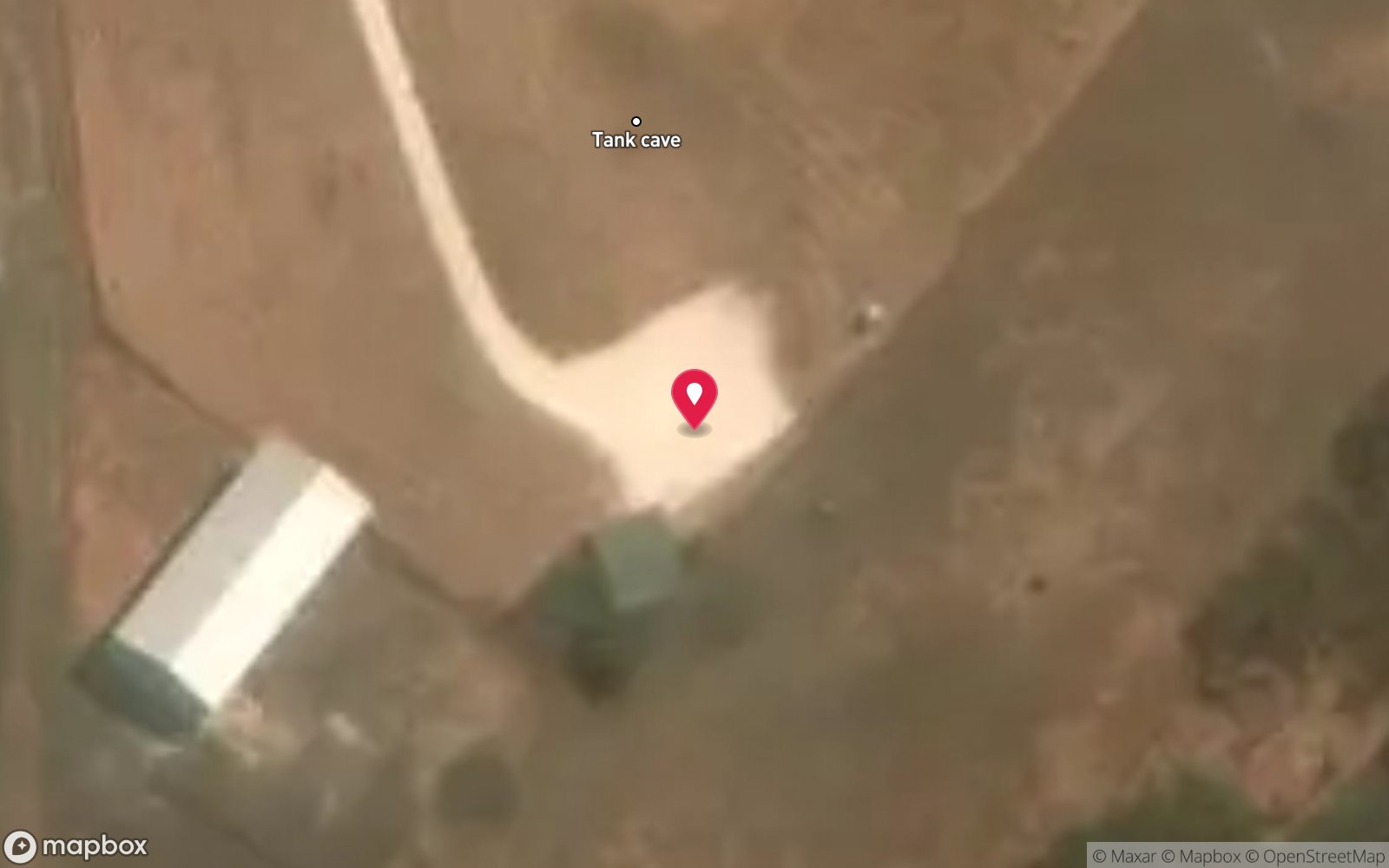
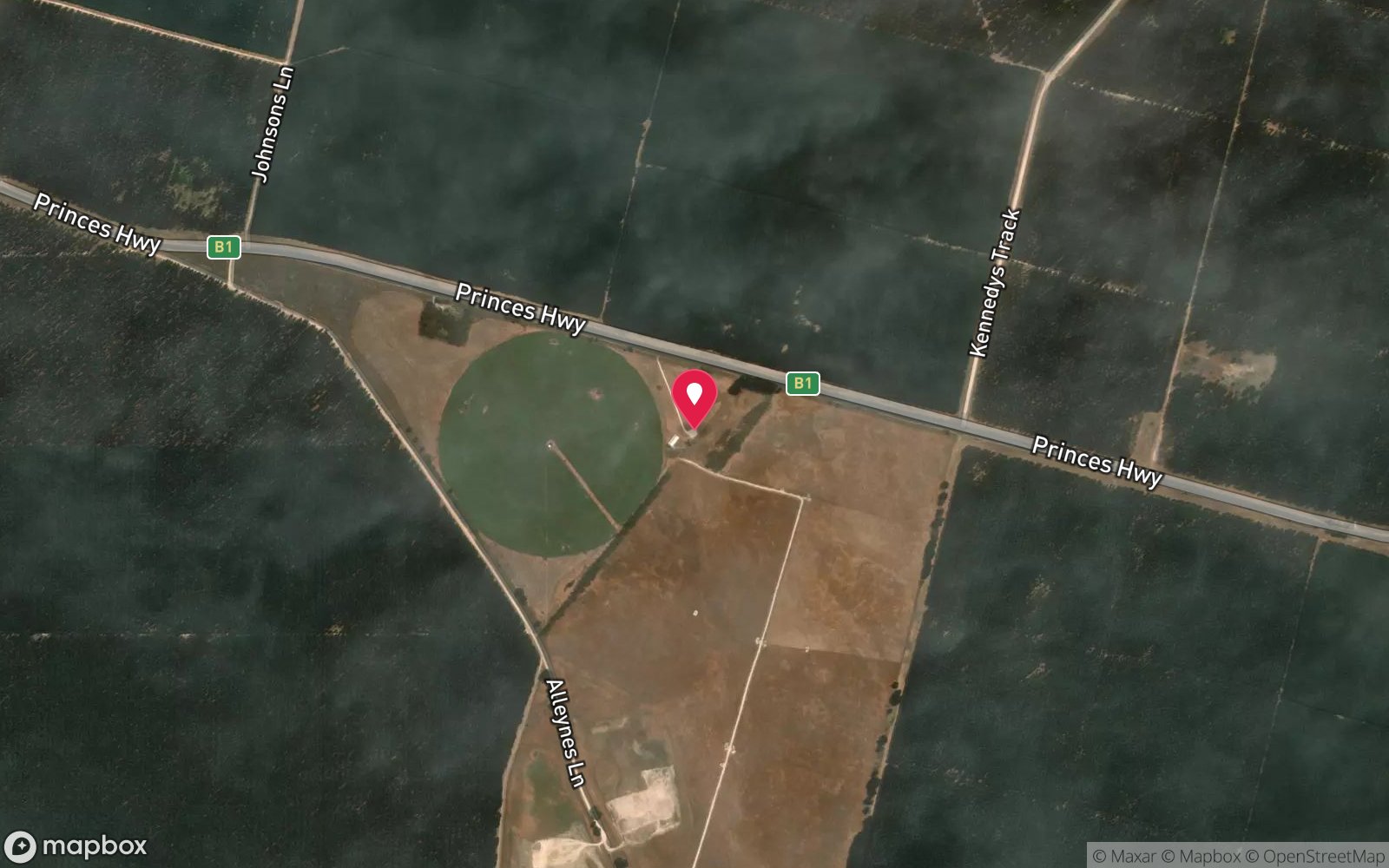
7 pinned sites. Pins marked approximate on their pages show the general area only; not for navigation.
Satellite views
Tank Cave: frequently asked questions
How deep is Tank Cave?
Tank Cave reaches a maximum depth of 30 m, with the shallowest part at about 0 m; most of the dive is spent around 10 m.
What certification do I need to dive Tank Cave?
Cave/Cavern certification is the recommended minimum. At more than 25 m this counts as a deep dive: watch no-decompression limits and gas. Rated expert/technical because of depth beyond 18 m, an overhead environment, cold water.
Can I shore dive Tank Cave?
No, it is reached by boat. A dive centre is required: permit/guide required.
When is the best time to dive Tank Cave?
Year-round (constant groundwater temperature); summer/autumn gives warmer surface intervals; forestry sites close on Total Fire Ban days.
What marine life will I see at Tank Cave?
Regularly recorded: Minimal – occasional cave-adapted crustaceans (syncarids) and small invertebrates.
What wetsuit do I need at Tank Cave?
Drysuit strongly recommended (constant ~14-15°C groundwater, long dives); 7 mm wetsuit with hood minimum for short dives.
How cold is the water at Tank Cave?
Typically 14-15 °C in summer and 14-15 °C in winter.
What are the main hazards at Tank Cave?
Complex maze with many junctions – high risk of navigational error; silt-outs in low passages; fatalities in 2011 (two, including Agnes Milowka) and November 2025. See the hazards section above for the full list.
Where is the nearest recompression chamber to Tank Cave?
Royal Adelaide Hospital hyperbaric medicine unit (Adelaide) – about 450 km by road from Mount Gambier; evacuation is normally by aeromedical retrieval (RFDS/MedSTAR) via Mount Gambier Hospital. The Alfred (Melbourne) is a similar distance. DAN/Divers Emergency Service 1800 088 200. In an emergency call 000, then DAN Asia-Pacific on 1800 088 200.
Diving in Mount Gambier Sinkholes & Caves
The limestone around Mount Gambier is riddled with water-filled sinkholes and caves, and they are the heart of Australian cave diving. Kilsby Sinkhole (65 m, clear as air), the Shaft (124 m), Piccaninnie Ponds' Chasm and Cathedral, Ewens Ponds' spring-fed creek, and the Tank Cave system with more than 8 km of passage. Most sites require Cave Divers Association of Australia rating; Kilsby and Ewens are open to recreational divers by booking.
Getting there: Five hours south-east of Adelaide or four from Melbourne. Sites are on private farmland or in national parks; all need bookings, some need guides.
All Mount Gambier Sinkholes & Caves dive sites and a suggested itinerary →
Sources
- cavedivers.com.au/index.cfm?leca=1831&module=BUSINESSDIRECTORY&pageMode=indiv&action=details&page_id=1413279
- divernet.com/scuba-news/health-safety/death/diver-dies-in-south-australias-tank-cave
- divedb.net/sites/tank-cave
- scuba.com/blog/dive-craters-sinkholes-mount-gambier
- en.wikipedia.org/wiki/Cave_diving_regions_of_the_world
Data confidence: High · Being verified: Maximum depth not published; 30 m carried from v1 is unverified (sources give 'mostly under 15 m').. Last updated September 2026. Know this site better? How to send a correction
Nearby dive sites
More cave/cavern dives in South Australia
Explore more
This region
Similar dives