Dive slate · divesites.com.au · printed 9 Nov 2026
Fossil Cave
Mount Gambier Sinkholes & Caves, South Australia · near Tantanoola
| Depth | 0–15 m |
|---|---|
| Minimum level | Cave/Cavern certification |
| Difficulty | Advanced |
| Access | Shore |
| Entry | Small pond entry into the broad chamber |
| Current | None |
| Visibility | 5-20 m |
| Water | summer 14-15 °C, winter 14-15 °C |
| Suit | Drysuit strongly recommended (constant ~14-15°C groundwater, long dives); 7 mm wetsuit with hood minimum for short dives |
| Best season | Year-round (constant groundwater temperature); summer/autumn gives warmer surface intervals; forestry sites close on Total Fire Ban days |
| Bottom time | 45 min |
| Position | -37.73190, 140.53100 (GPS) |
| Permit | DEW booking via parks.sa.gov.au with indemnity and CDAA verification; fossils protected |
| Nearest chamber | Royal Adelaide Hospital hyperbaric medicine unit (Adelaide) – about 450 km by road from Mount Gambier; evacuation is normally by aeromedical retrieval (RFDS/MedSTAR) via Mount Gambier Hospital. The Alfred (Melbourne) is a similar distance. DAN/Divers Emergency Service 1800 088 200. |
| Emergency | 000 · DAN Asia-Pacific diving emergency 1800 088 200 |
Fossil Cave
Also known as Green Waterhole (former name), Fossil Cave (5L81)
A cave with a fossil record of thylacines, marsupial lions and giant kangaroos, connected to the Tank Cave system.
Near Tantanoola · Mount Gambier Sinkholes & Caves, South Australia
- Depth
- 0–15 m
- Minimum level
- Cave/Cavern certification
- Access
- Shore
- Boat ride
- —
- Water
- 14-15 °C
- Visibility
- 5-20 m
Fossil Cave0–15 m · Cave/Cavern certification · Shore
Dive factsDepths, conditions, location & safety
Season
In season nowBest months: year-round.
Year-round (constant groundwater temperature); summer/autumn gives warmer surface intervals; forestry sites close on Total Fire Ban days
- Best months
- Now (November)
Dive facts
- Depth
- 0–15 m
- Typical depth
- 10 m
- Certification
- Cave/Cavern certification
- Difficulty
- Advanced
- Depth tier
- Open Water (10–18 m)
- Access
- Shore
- Dive centre needed
- Yes – permit/guide required
- Shore / independent
- No
- Current
- None
- Visibility
- 5-20 m
- Water temp (summer)
- 14-15 °C
- Water temp (winter)
- 14-15 °C
- Water
- Cold Freshwater
- Bottom time
- 45 min
- Dive traffic
- Moderate (occasional charters/club dives)
- Night dive
- No
- Snorkel friendly
- No
Exposure suit
Drysuit strongly recommended (constant ~14-15°C groundwater, long dives); 7 mm wetsuit with hood minimum for short dives
Location
Tantanoola · Limestone Coast – Mount Gambier sinkholes & caves
-37.73190, 140.53100
Published GPS position.
Open in Google MapsPrimary source: cavedivers.com.auMarine park & permits
DEW booking via parks.sa.gov.au with indemnity and CDAA verification; fossils protected
Nearest recompression chamber
Royal Adelaide Hospital hyperbaric medicine unit (Adelaide) – about 450 km by road from Mount Gambier; evacuation is normally by aeromedical retrieval (RFDS/MedSTAR) via Mount Gambier Hospital. The Alfred (Melbourne) is a similar distance. DAN/Divers Emergency Service 1800 088 200.
Diving emergency: call 000, then DAN AP 1800 088 200.
Trip planner
Build a trip around Fossil Cave →
A day-by-day plan for Mount Gambier Sinkholes & Caves with this site locked in.
This guide is a planning aid. Conditions change daily — confirm with a local dive centre and dive within your training. Data & safety notes.
Dive profile
How this site rates
Scores are computed from the recorded data, not opinions. How?
At a glance
Fossil Cave is a cave / cavern dive in Mount Gambier Sinkholes & Caves, SA, 0–15 m, suited to Cave/Cavern certification divers.
Rated advanced because of an overhead environment, cold water.
Why dive here
- A cave with a fossil record of thylacines, marsupial lions and giant kangaroos, connected to the Tank Cave system.
- Visibility often reaches 5-20 m.
About Fossil Cave
Fossil Cave, formerly known as the Green Waterhole and renamed on 4 May 1989, is a water-filled karst sinkhole in 30-million-year-old Oligocene coralline limestone beside the Princes Highway near Tantanoola. At the surface it is a modest depression about 20 x 10 m, but underwater it opens into a chamber roughly 70 m long and 30 m wide, reaching about 15 m deep. The CDAA describes it as a small pond leading to a broad chamber with dark silt at the bottom, and a small pool at the other end leading to a single small chamber.
Its fame is palaeontological. Since the mid-1960s divers and researchers have recovered Pleistocene subfossil material from depths up to 15 m, deposited mainly between 15,000 and 40,000 years ago. The species include the thylacine, the marsupial lion, giant kangaroos and two extinct birds – a giant coucal (Centropus colossus) and a large logrunner (Orthonyx hypsilophus). It is also the type locality for rare syncarid crustaceans otherwise known only from the Blue Lake. Fossils must of course be left undisturbed.
For divers the site is a Cave-category dive: Cave-rated divers may explore the chambers to 13 m but must not pass the signed restriction into the phreatic passage, which is for Advanced Cave divers only and forms part of the wider Tank Cave–Green Waterhole system (Wikipedia states Advanced Cave for all cave diving). The dark silt is the practical issue – it clouds instantly – so small teams and gentle technique are essential. It suits Cave-rated divers with an interest in natural history and good silt discipline.
Getting there & entry
A water-filled karst sinkhole beside the Princes Highway near Tantanoola, 22 km north-west of Mount Gambier; 70 x 30 m underwater and 15 m deep, famous for Pleistocene megafauna fossils.
Book through parks.sa.gov.au (listed under Piccaninnie Ponds Conservation Park) at least 48 hours ahead, with a signed indemnity per diver and CDAA verification. Drive about 22 km north-west of Mount Gambier on the Princes Highway towards Tantanoola; the site is adjacent to the highway (it is part of the Tank Cave/Green Waterhole system). Park as directed, carry gear to the small entry pond.
Three timeslots daily: 8-10 am, noon-2 pm and 4-6 pm, max five divers per slot.
Entry: Small pond entry into the broad chamber
Facilities: Roadside parking; no toilets. Tantanoola has a hotel; fills in Mount Gambier (22 km).
Weather, swell & tides
Unaffected by weather; the constraint is the DEW booking (three two-hour slots daily, max five divers). Heavy rain can wash silt into the entry pond. Constant ~15°C water.
Highway noise at the surface. Slots are short (two hours), so arrive early to be kitted up at the start of your window; the site sits right beside the Princes Highway, so park well clear of traffic. Summer is no different underwater from winter, but hot days make kitting up in drysuits uncomfortable.
Best season: Year-round (constant groundwater temperature); summer/autumn gives warmer surface intervals; forestry sites close on Total Fire Ban days
If it's blown out
Sheltered or shore sites within 25 km that often work when Fossil Cave doesn't.
- Engelbrecht Cave – East · 23 km · Max 8 m
- Engelbrecht Cave – West · 23 km · Max 12 m
- Cape Banks – Carpenter Rocks · 24 km · Max 12 m
How the dive is usually run
Enter via the small pond into the broad chamber, stay well above the dark silt, and circuit to the small pool at the other end that leads to a single small chamber, keeping within 13 m. Cave-rated divers stop at the signed restriction before the phreatic passage; Advanced Cave divers may continue on the line into the Green Waterhole/Tank connection.
Marine life
- Syncarid crustaceans (type locality)
- small freshwater invertebrates; Pleistocene megafauna subfossils in the sediments
Linked species have their own page listing every site where they are recorded. All marine life →
Training required
Within the 18 m limit of an entry-level certification.
Courses that help here
- Cavern Diver – An overhead environment.
- Drysuit Diver – Cold water; locals dive dry for much of the year.
- Peak Performance Buoyancy – Silt and low visibility punish poor trim.
Depth tiers: 0–10 m easy · to 18 m Open Water · 18–30 m Advanced (25 m+ is a deep dive) · 30–40 m Deep specialty · 40 m+ technical. All courses
Hazards & warnings
Dark silt – rapid silt-out; overhead environment; signed restriction to phreatic passage (Advanced Cave only); fragile fossil deposits – do not touch.
Technical notes
CDAA grade: Cave (to 13 m, not beyond signed restriction) / Advanced Cave (phreatic passage) – 5L81, owner DEW. Book via parks.sa.gov.au ≥48 h; slots 08-10, 12-14, 16-18; max 5 divers per slot; min 2 per booking; max 2 slots/day; indemnity. Continuous guideline, thirds, three lights.
Dive centres that go here
CDAA Cave and Advanced Cave members on DEW bookings; no commercial tours.
Other dive centres in Mount Gambier Sinkholes & Caves
Dive Experience
ProfiledMount Gambier · Mount Gambier Sinkholes & Caves · SA
A Mount Gambier business serving the region's cave and sinkhole diving community, including equipment and gas support.
dive-experience.com.au · 0478 693 760
Diving Adelaide
ListedMarleston · Adelaide Metro · SA
An Adelaide training and guided diving operation serving local sites and organised trips.
divingadelaide.com.au · (08) 8122 5003
Deep Blue Ventures
Named by sitesMcCrae · Mount Gambier Sinkholes & Caves · SA
Victoria-based technical/cave training operator running Mount Gambier courses (Kilsby-approved).
deepblueventures.com.au · 0413 429 533
Total Immersion Diving
Named by sitesMount Gambier Sinkholes & Caves · SA
Kilsby Sinkhole approved operator running CDAA cave courses in Mount Gambier; Facebook-only presence.
Reef 2 Ridge
Reported closedMount Gambier · Mount Gambier Sinkholes & Caves · SA
TripAdvisor marks it temporarily closed until further notice with the last review in 2018; the SDFSA directory lists only Dive Experience for Mount Gambier.
All dive centres in South Australia →
Operators mentioned: CDAA instructors
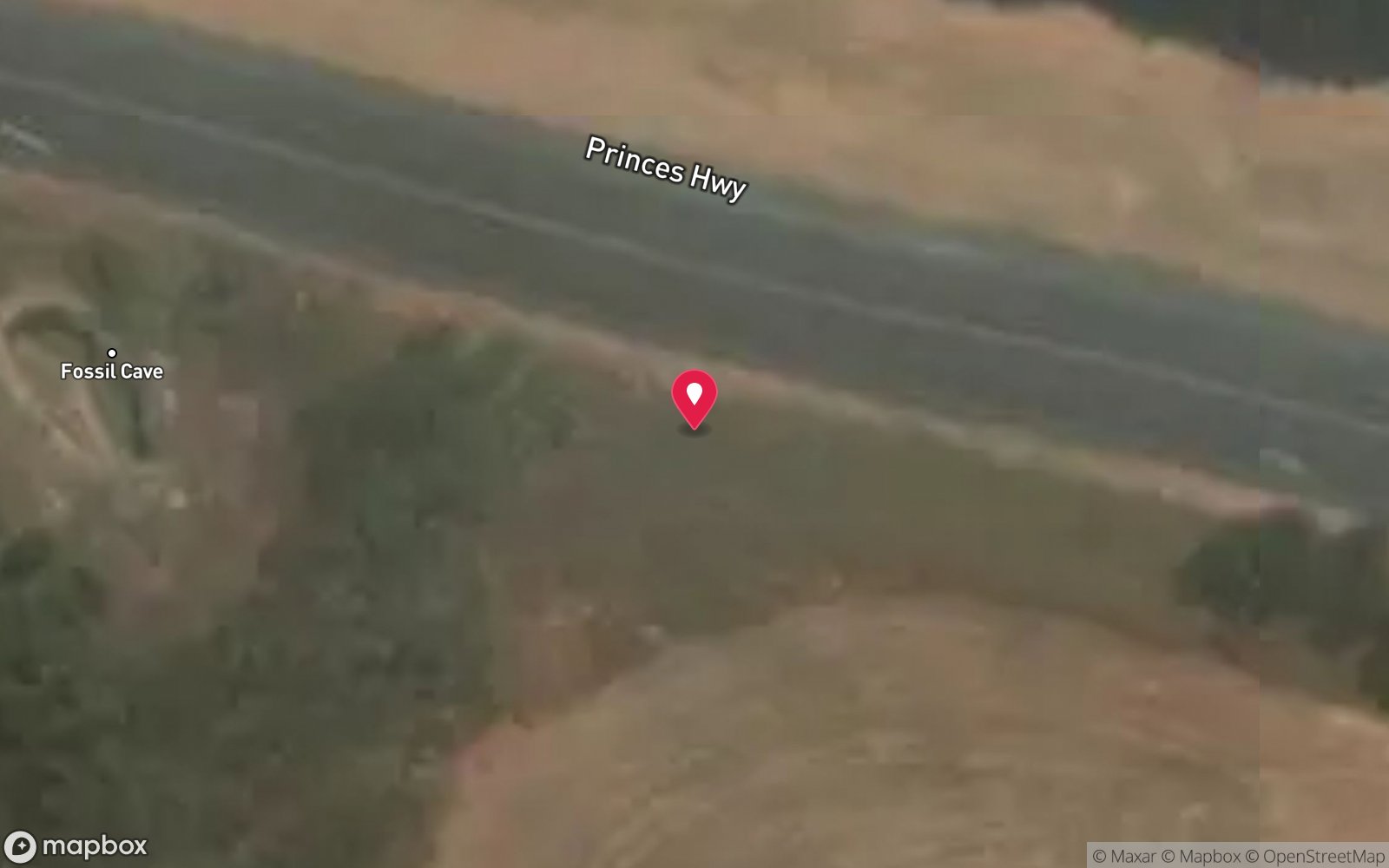
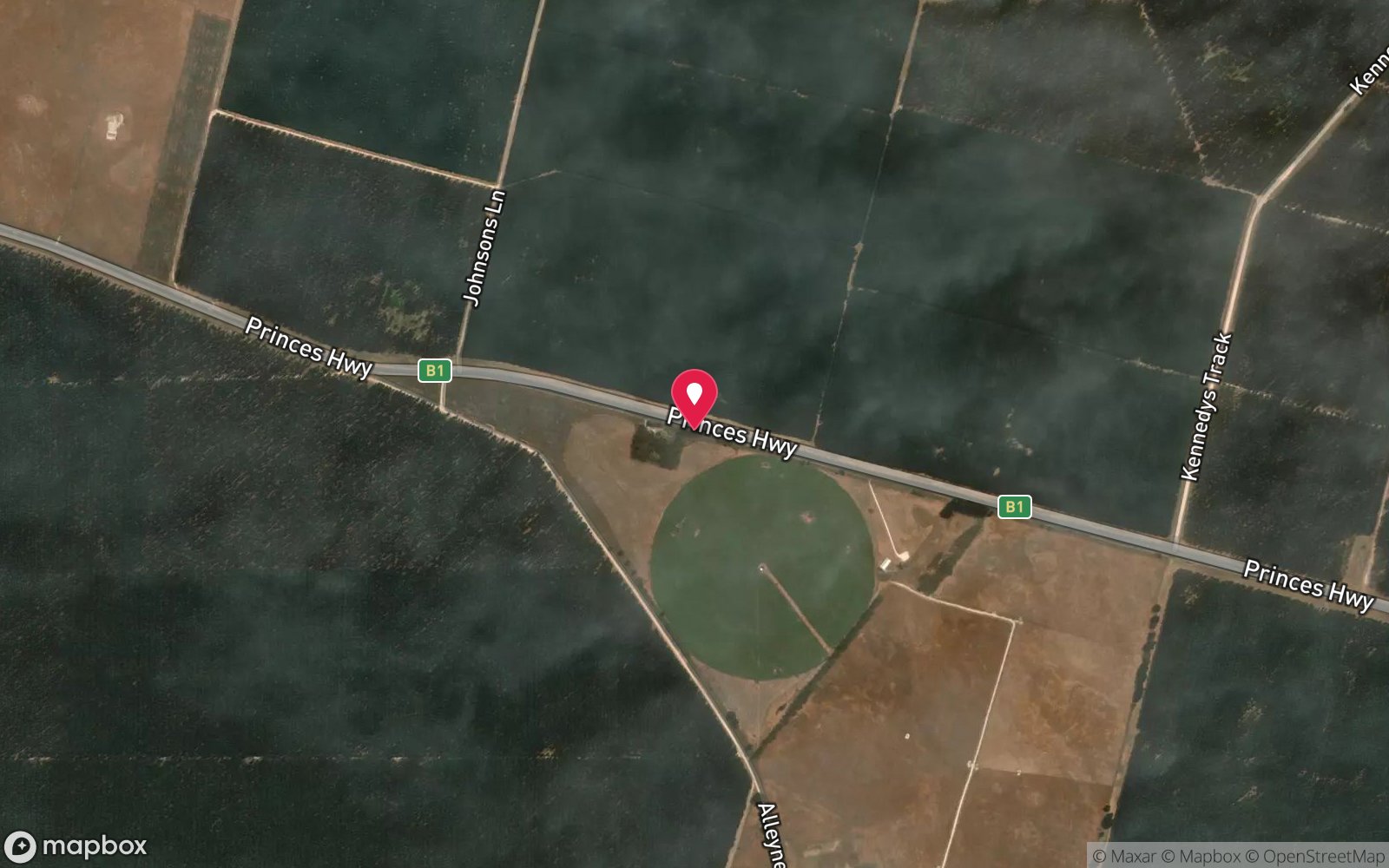
Map
7 pinned sites. Pins marked approximate on their pages show the general area only; not for navigation.
Satellite views
Fossil Cave: frequently asked questions
How deep is Fossil Cave?
Fossil Cave reaches a maximum depth of 15 m, with the shallowest part at about 0 m; most of the dive is spent around 10 m.
What certification do I need to dive Fossil Cave?
Cave/Cavern certification is the recommended minimum. Rated advanced because of an overhead environment, cold water.
Can I shore dive Fossil Cave?
No, it is reached by boat. A dive centre is required: permit/guide required.
When is the best time to dive Fossil Cave?
Year-round (constant groundwater temperature); summer/autumn gives warmer surface intervals; forestry sites close on Total Fire Ban days.
What marine life will I see at Fossil Cave?
Regularly recorded: Syncarid crustaceans (type locality), small freshwater invertebrates; Pleistocene megafauna subfossils in the sediments.
What wetsuit do I need at Fossil Cave?
Drysuit strongly recommended (constant ~14-15°C groundwater, long dives); 7 mm wetsuit with hood minimum for short dives.
How cold is the water at Fossil Cave?
Typically 14-15 °C in summer and 14-15 °C in winter.
What are the main hazards at Fossil Cave?
Dark silt – rapid silt-out; overhead environment; signed restriction to phreatic passage (Advanced Cave only); fragile fossil deposits – do not touch. See the hazards section above for the full list.
Where is the nearest recompression chamber to Fossil Cave?
Royal Adelaide Hospital hyperbaric medicine unit (Adelaide) – about 450 km by road from Mount Gambier; evacuation is normally by aeromedical retrieval (RFDS/MedSTAR) via Mount Gambier Hospital. The Alfred (Melbourne) is a similar distance. DAN/Divers Emergency Service 1800 088 200. In an emergency call 000, then DAN Asia-Pacific on 1800 088 200.
Diving in Mount Gambier Sinkholes & Caves
The limestone around Mount Gambier is riddled with water-filled sinkholes and caves, and they are the heart of Australian cave diving. Kilsby Sinkhole (65 m, clear as air), the Shaft (124 m), Piccaninnie Ponds' Chasm and Cathedral, Ewens Ponds' spring-fed creek, and the Tank Cave system with more than 8 km of passage. Most sites require Cave Divers Association of Australia rating; Kilsby and Ewens are open to recreational divers by booking.
Getting there: Five hours south-east of Adelaide or four from Melbourne. Sites are on private farmland or in national parks; all need bookings, some need guides.
All Mount Gambier Sinkholes & Caves dive sites and a suggested itinerary →
Sources
Nearby dive sites
More cave/cavern dives in South Australia
Explore more
This region
Similar dives