Dive slate · divesites.com.au · printed 8 Nov 2026
Cape Banks – Carpenter Rocks
Limestone Coast, South Australia · near Carpenter Rocks
| Depth | 1–12 m |
|---|---|
| Minimum level | Advanced Open Water |
| Difficulty | Advanced |
| Access | Shore or Boat |
| Entry | Rock-platform or gutter entries; small boats from the Bucks Bay/Carpenter Rocks landing |
| Current | Moderate |
| Visibility | 5-15 m |
| Water | summer 16-19 °C, winter 12-13 °C |
| Suit | 7 mm wetsuit with hood, gloves and boots; drysuit in winter |
| Best season | Autumn flat spells |
| Bottom time | 45 min |
| Position | -37.91660, 140.39940 (approximate) |
| Permit | Check Lower South East Marine Park zoning (sanctuary zones adjoining Canunda NP) |
| Nearest chamber | Royal Adelaide Hospital hyperbaric medicine unit (Adelaide) – about 450 km by road from Mount Gambier; evacuation is normally by aeromedical retrieval (RFDS/MedSTAR) via Mount Gambier Hospital. The Alfred (Melbourne) is a similar distance. DAN/Divers Emergency Service 1800 088 200. |
| Emergency | 000 · DAN Asia-Pacific diving emergency 1800 088 200 |
Cape Banks – Carpenter Rocks
Also known as Carpenter Rocks, Cape Banks, Carpenters Rocks
Prolific kelp-reef life on the rugged lobster coast around Cape Banks lighthouse and the Admella story.
Near Carpenter Rocks · Limestone Coast, South Australia
- Depth
- 1–12 m
- Minimum level
- Advanced Open Water
- Access
- Shore or Boat
- Boat ride
- —
- Water
- 16-19 °C
- Visibility
- 5-15 m
Cape Banks – Carpenter Rocks1–12 m · Advanced Open Water · Shore
Dive factsDepths, conditions, location & safety
Season
Off-peak nowBest months: March, April, May.
Dive facts
- Depth
- 1–12 m
- Typical depth
- 5 m
- Certification
- Advanced Open Water
- Difficulty
- Advanced
- Depth tier
- Open Water (10–18 m)
- Access
- Shore or Boat
- Dive centre needed
- No – independently diveable
- Shore / independent
- Possible (experienced only)
- Current
- Moderate
- Visibility
- 5-15 m
- Water temp (summer)
- 16-19 °C
- Water temp (winter)
- 12-13 °C
- Water
- Cold Temperate
- Bottom time
- 45 min
- Dive traffic
- Rarely dived (private boat/club only)
- Night dive
- No
- Snorkel friendly
- Partial
Exposure suit
7 mm wetsuit with hood, gloves and boots; drysuit in winter
Location
Carpenter Rocks / Cape Banks · Limestone Coast – coast
-37.91660, 140.39940
Approximate position — not for navigation.
Open in Google MapsPrimary source: en.wikipedia.orgMarine park & permits
Check Lower South East Marine Park zoning (sanctuary zones adjoining Canunda NP)
Nearest recompression chamber
Royal Adelaide Hospital hyperbaric medicine unit (Adelaide) – about 450 km by road from Mount Gambier; evacuation is normally by aeromedical retrieval (RFDS/MedSTAR) via Mount Gambier Hospital. The Alfred (Melbourne) is a similar distance. DAN/Divers Emergency Service 1800 088 200.
Diving emergency: call 000, then DAN AP 1800 088 200.
Trip planner
Build a trip around Cape Banks – Carpenter Rocks →
A day-by-day plan for Limestone Coast with this site locked in.
This guide is a planning aid. Conditions change daily — confirm with a local dive centre and dive within your training. Data & safety notes.
Dive profile
How this site rates
Scores are computed from the recorded data, not opinions. How?
At a glance
Cape Banks – Carpenter Rocks is a reef shore dive for experienced divers in Limestone Coast, SA, 1–12 m, suited to Advanced Open Water divers, moderate current.
Rated advanced because of surge on the entry or in the shallows, boat traffic overhead, cold water.
Why dive here
- Prolific kelp-reef life on the rugged lobster coast around Cape Banks lighthouse and the Admella story.
- Rarely dived: expect to have the site to yourself, and plan your own logistics.
Conditions to avoid
- Afternoon north-easterlies
- Outgoing tide or run-off after rain (poor visibility)
About Cape Banks – Carpenter Rocks
The coast between Cape Banks and Carpenter Rocks is the heart of South Australia's southern rock lobster industry and some of the most rugged shoreline in the state. Wikipedia notes its reputation for exceptional fishing and diving, and the Marine Life Network describes interesting diving with prolific marine life – while warning that the area is particularly exposed to the Southern Ocean and requires great care. Shore diving is possible.
Underwater the limestone forms platforms, gutters, ledges and boulder fields covered in dense kelp and brown algae, with a rich fish community: blue-throat wrasse, magpie morwong, sweep, old wives, leatherjackets, and big schools of salmon in the white water. Rock lobster fill the ledges (heavily fished outside sanctuary zones) and abalone cling to the rocks. The cold, nutrient-rich water from summer upwelling gives the reefs a lush Southern Ocean character, and the occasional seal or dolphin passes through.
History surrounds the site. The Admella struck Carpenter Reef off Cape Banks in 1859 with the loss of 89 lives, and the Cape Banks lighthouse, now state heritage-listed, followed. The disintegrated 1950s wreck Corio lies in waist-deep water nearby. The Lower South East Marine Park, proclaimed in 2009, includes sanctuary zones along the Canunda coast to the north, so check zoning maps before taking anything.
The rewards are real, but this is not a place for casual shore diving. Pick a genuinely flat day, dive at the calmest part of the tide cycle, and choose gutters with protected exits. It suits experienced cold-water shore divers and small-boat owners.
Getting there & entry
Rugged limestone reefs and rock platforms between Cape Banks and the Carpenter Rocks lobster-fishing township, 35 km south-west of Mount Gambier.
Drive about 35 km south-west from Mount Gambier to Carpenter Rocks. The Cape Banks lighthouse is 4 km from the township along the coast road, with the Admella memorial cairn nearby, and Canunda National Park begins to the north. Park at the township foreshore or at the lighthouse car park and pick an entry through a sheltered gutter onto the reef; check the exit before getting in.
Small boats launch from the Bucks Bay area used by the lobster fleet.
Entry: Rock-platform or gutter entries; small boats from the Bucks Bay/Carpenter Rocks landing
Facilities: Carpenter Rocks township (limited services), Cape Banks lighthouse car park; nearest fills and full services Mount Gambier (35 km).
Weather, swell & tides
The Limestone Coast faces the full Southern Ocean, and prevailing south-westerly swells of 2-4 m are the norm, especially May-October. Open-coast dives need a genuine calm spell: swell under about 1 m, light winds, ideally northerly or north-easterly offshore breezes, and a few settled days for visibility to recover. Summer south-easterly sea breezes build most afternoons, so dive early.
Heavy winter rain brings run-off that reduces visibility near shore. Autumn (March-May) usually has the most calm days. The Marine Life Network singles this stretch out as particularly exposed to the Southern Ocean and requiring great care.
Best season: Autumn flat spells
How the dive is usually run
Enter through a sheltered gutter at slack conditions, fin out along the reef face at 4-10 m exploring ledges and kelp, and return well before surge increases; always keep the exit point in mind.
Marine life
- Southern rock lobster
- abalone
- kelp
- blue-throat wrasse
- magpie morwong
- sweep
- old wives
- leatherjackets
- salmon schools
- seals and dolphins occasionally →
Linked species have their own page listing every site where they are recorded. All marine life →
Training required
Within the 18 m limit of an entry-level certification.
Courses that help here
- Drysuit Diver – Cold water; locals dive dry for much of the year.
Depth tiers: 0–10 m easy · to 18 m Open Water · 18–30 m Advanced (25 m+ is a deep dive) · 30–40 m Deep specialty · 40 m+ technical. All courses
Hazards & warnings
Extremely exposed to Southern Ocean swell; surge and breaking waves on rock platforms; limited safe exits; cold; boat traffic from the lobster fleet; marine park sanctuary zones to the north.
Dive centres that go here
No regular operator – experienced locals and private boats. Fills: Dive Experience, Mount Gambier.
Other dive centres in Limestone Coast
Map
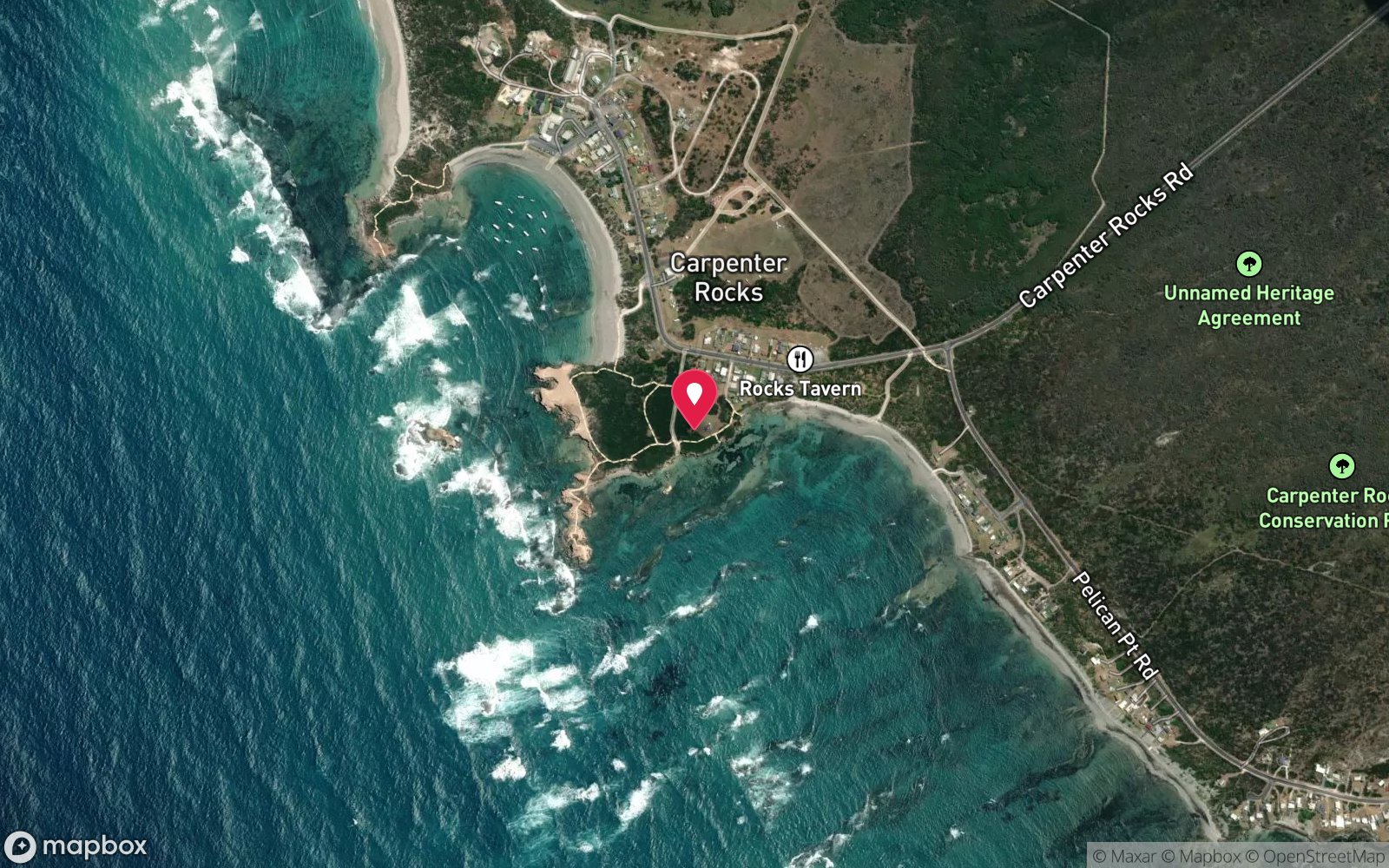
7 pinned sites. Pins marked approximate on their pages show the general area only; not for navigation.
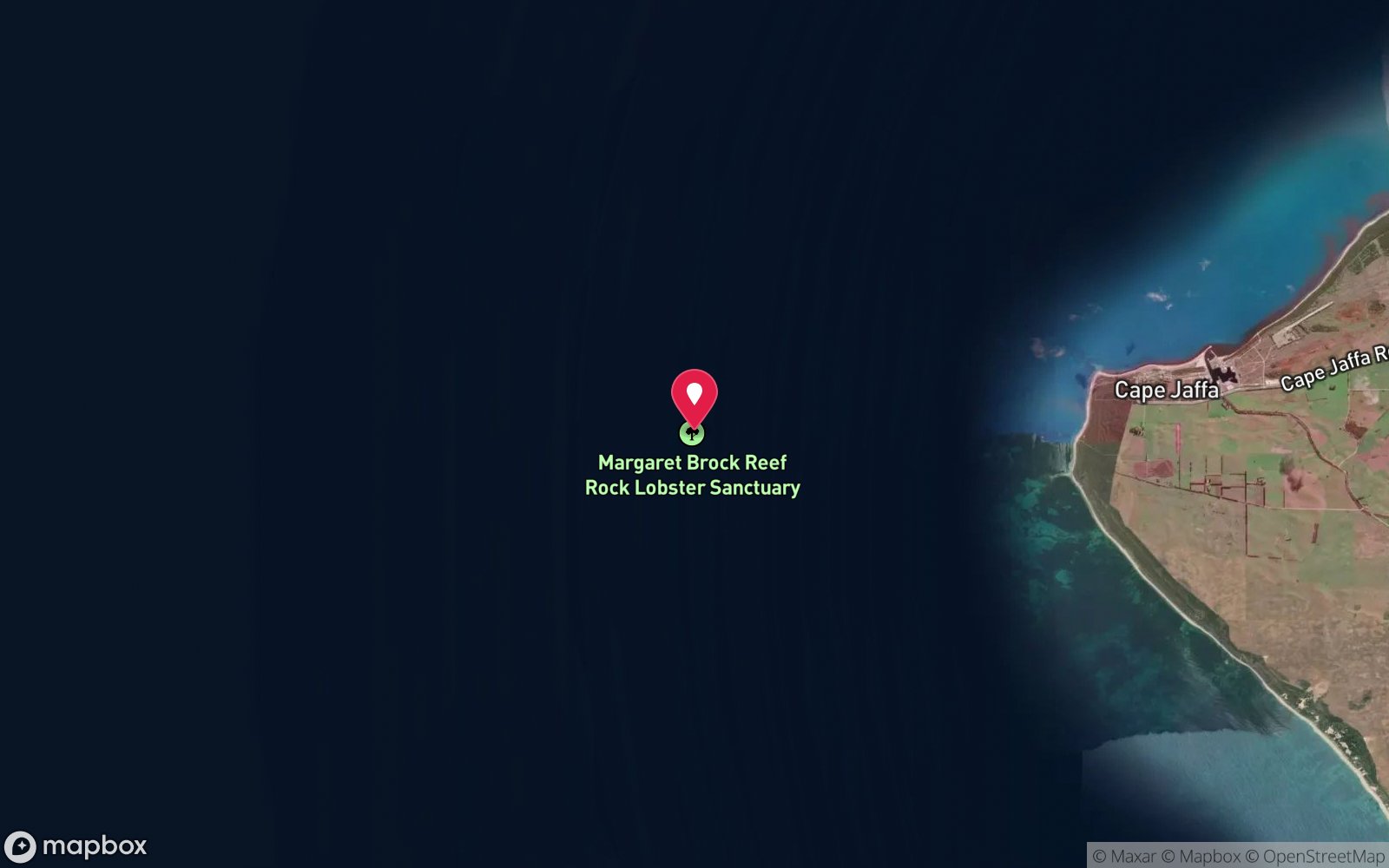
Satellite views
Cape Banks – Carpenter Rocks: frequently asked questions
How deep is Cape Banks – Carpenter Rocks?
Cape Banks – Carpenter Rocks reaches a maximum depth of 12 m, with the shallowest part at about 1 m; most of the dive is spent around 5 m.
What certification do I need to dive Cape Banks – Carpenter Rocks?
Advanced Open Water is the recommended minimum. Rated advanced because of surge on the entry or in the shallows, boat traffic overhead, cold water.
Can I shore dive Cape Banks – Carpenter Rocks?
Experienced divers do dive Cape Banks – Carpenter Rocks from the shore, but the entry or conditions make it unsuitable for newer divers without local guidance. Entry: Rock-platform or gutter entries; small boats from the Bucks Bay/Carpenter Rocks landing.
When is the best time to dive Cape Banks – Carpenter Rocks?
Autumn flat spells.
What marine life will I see at Cape Banks – Carpenter Rocks?
Regularly recorded: Southern rock lobster, abalone, kelp, blue-throat wrasse, magpie morwong, sweep, old wives, leatherjackets, salmon schools, seals and dolphins occasionally.
What wetsuit do I need at Cape Banks – Carpenter Rocks?
7 mm wetsuit with hood, gloves and boots; drysuit in winter.
How cold is the water at Cape Banks – Carpenter Rocks?
Typically 16-19 °C in summer and 12-13 °C in winter.
What are the main hazards at Cape Banks – Carpenter Rocks?
Extremely exposed to Southern Ocean swell; surge and breaking waves on rock platforms; limited safe exits; cold; boat traffic from the lobster fleet; marine park sanctuary zones to the north. See the hazards section above for the full list.
Where is the nearest recompression chamber to Cape Banks – Carpenter Rocks?
Royal Adelaide Hospital hyperbaric medicine unit (Adelaide) – about 450 km by road from Mount Gambier; evacuation is normally by aeromedical retrieval (RFDS/MedSTAR) via Mount Gambier Hospital. The Alfred (Melbourne) is a similar distance. DAN/Divers Emergency Service 1800 088 200. In an emergency call 000, then DAN Asia-Pacific on 1800 088 200.
Diving in Limestone Coast
South of the Coorong the Limestone Coast has the shallow reefs and jetties of Robe, Beachport and Port MacDonnell, with rock lobster, blue devils and sea sweep, and the freshwater ponds inland at Mount Gambier. It is dived mainly by locals and by cave divers on their way to the sinkholes.
Getting there: Four to five hours from Adelaide. Shore and jetty dives with easy parking.
Sources
- en.wikipedia.org/wiki/Carpenter_Rocks
- marinelife.org.au/?page_id=139
- en.wikipedia.org/wiki/SS_Admella
- en.wikipedia.org/wiki/Lower_South_East_Marine_Park
Data confidence: Medium · Being verified: Depths estimated; coordinates are the township.. Last updated September 2026. Know this site better? How to send a correction