Dive slate · divesites.com.au · printed 9 Nov 2026
Robe – Cape Dombey and Obelisk Reefs
Limestone Coast, South Australia · near Robe
| Depth | 5–12 m |
|---|---|
| Minimum level | Open Water |
| Difficulty | Intermediate |
| Access | Boat |
| Entry | Back-roll from small boat; shore entry possible in the lee on very calm days |
| Current | Mild |
| Visibility | 5-12 m |
| Water | summer 16-19 °C, winter 12-13 °C |
| Suit | 7 mm wetsuit with hood, gloves and boots; drysuit in winter |
| Best season | Late summer-autumn calm spells |
| Bottom time | 50 min |
| Position | -37.16000, 139.75000 (approximate) |
| Permit | None required (check SA fisheries rules for lobster) |
| Nearest chamber | Royal Adelaide Hospital hyperbaric medicine unit (Adelaide) – about 450 km by road from Mount Gambier; evacuation is normally by aeromedical retrieval (RFDS/MedSTAR) via Mount Gambier Hospital. The Alfred (Melbourne) is a similar distance. DAN/Divers Emergency Service 1800 088 200. |
| Emergency | 000 · DAN Asia-Pacific diving emergency 1800 088 200 |
Robe – Cape Dombey and Obelisk Reefs
Also known as Cape Dombey, Robe Obelisk, Robe lighthouse reefs
Kelp-topped limestone ledges, overhangs and boulders beneath Robe's historic Obelisk.
Near Robe · Limestone Coast, South Australia
- Depth
- 5–12 m
- Minimum level
- Open Water
- Access
- Boat
- Boat ride
- ~10 min
- Water
- 16-19 °C
- Visibility
- 5-12 m
Robe – Cape Dombey and Obelisk Reefs5–12 m · Open Water
Dive factsDepths, conditions, location & safety
Season
Off-peak nowBest months: January, February, March, April, May, December.
Dive facts
- Depth
- 5–12 m
- Typical depth
- 9 m
- Certification
- Open Water
- Difficulty
- Intermediate
- Depth tier
- Open Water (10–18 m)
- Access
- Boat
- Offshore
- 0.5 km
- Dive centre needed
- Yes – boat access only
- Shore / independent
- No
- Boat ride
- ~10 min
- Current
- Mild
- Visibility
- 5-12 m
- Water temp (summer)
- 16-19 °C
- Water temp (winter)
- 12-13 °C
- Water
- Cold Temperate
- Bottom time
- 50 min
- Dive traffic
- Rarely dived (private boat/club only)
- Night dive
- No
- Snorkel friendly
- Partial
Exposure suit
7 mm wetsuit with hood, gloves and boots; drysuit in winter
Location
Robe / Guichen Bay · Limestone Coast – coast
-37.16000, 139.75000
Approximate position — not for navigation.
Open in Google MapsPrimary source: marinelife.org.auMarine park & permits
None required (check SA fisheries rules for lobster)
Nearest recompression chamber
Royal Adelaide Hospital hyperbaric medicine unit (Adelaide) – about 450 km by road from Mount Gambier; evacuation is normally by aeromedical retrieval (RFDS/MedSTAR) via Mount Gambier Hospital. The Alfred (Melbourne) is a similar distance. DAN/Divers Emergency Service 1800 088 200.
Diving emergency: call 000, then DAN AP 1800 088 200.
Trip planner
Build a trip around Robe – Cape Dombey and Obelisk Reefs →
A day-by-day plan for Limestone Coast with this site locked in.
This guide is a planning aid. Conditions change daily — confirm with a local dive centre and dive within your training. Data & safety notes.
Dive profile
How this site rates
Scores are computed from the recorded data, not opinions. How?
At a glance
Robe – Cape Dombey and Obelisk Reefs is a reef boat dive in Limestone Coast, SA, 5–12 m, suited to Open Water divers, about 10 minutes by boat.
Rated intermediate because of surge on the entry or in the shallows, boat traffic overhead, cold water.
Why dive here
- Kelp-topped limestone ledges, overhangs and boulders beneath Robe's historic Obelisk.
- Rarely dived: expect to have the site to yourself, and plan your own logistics.
Conditions to avoid
- Afternoon north-easterlies
- Outgoing tide or run-off after rain (poor visibility)
About Robe – Cape Dombey and Obelisk Reefs
The reefs off Cape Dombey, below Robe's white-and-red Obelisk and the modern lighthouse, are the town's main open-coast dive. The Marine Life Network describes a shallow, kelp-covered rocky bottom at 7-12 m, with limestone reef cut by crevices and overhangs, large boulders and caves with interesting marine life. The Obelisk, built in 1855 as a navigation marker, and the 1972 lighthouse are popular lookouts, and from either you can read the swell before committing.
Underwater it is classic Limestone Coast terrain: a canopy of kelp and brown algae over pale limestone that the swell has carved into ledges, undercuts and small caves. The crevices hold southern rock lobster, blue-throat wrasse, magpie morwong, sweep, leatherjackets and old wives, and the sand channels host rays and flathead. Seadragons – both weedy and leafy occur along this coast – may be found in the weed. Cold water and upwelling in summer give the reef a lush, temperate feel similar to western Victoria.
The catch is exposure. Cape Dombey takes the full force of the Southern Ocean and there is no dive shop or charter in Robe, so the site is dived by locals and visitors with boats on genuinely flat days. Robe itself is a historic 1840s port with accommodation, restaurants and a sheltered harbour, making it a pleasant base for a Limestone Coast trip that combines coast and Mount Gambier caves. It suits self-sufficient divers with boat experience in temperate open water. Fills and hire are 130 km away in Mount Gambier, so bring enough cylinders for the trip.
Getting there & entry
Shallow kelp-covered limestone reef with crevices, overhangs and boulders off Cape Dombey and the Obelisk on the western edge of Robe.
Robe is about 130 km north-west of Mount Gambier and 340 km south-east of Adelaide. Launch from the Robe marina/boat ramp (Lake Butler) and run a few minutes west around the point to the reef off Cape Dombey below the Obelisk and the Robe lighthouse. The Obelisk car park and lighthouse lookout on Cape Dombey Road give a view of conditions before launching.
There is no dive charter in Robe; divers use private boats.
Entry: Back-roll from small boat; shore entry possible in the lee on very calm days
Facilities: Robe marina/boat ramp, toilets and parking at the marina and Obelisk lookout; accommodation and cafes in Robe. Nearest air fills and hire: Dive Experience, Mount Gambier.
Weather, swell & tides
The Limestone Coast faces the full Southern Ocean, and prevailing south-westerly swells of 2-4 m are the norm, especially May-October. Open-coast dives need a genuine calm spell: swell under about 1 m, light winds, ideally northerly or north-easterly offshore breezes, and a few settled days for visibility to recover. Summer south-easterly sea breezes build most afternoons, so dive early.
Heavy winter rain brings tannin-stained run-off from drains and creeks that reduces visibility near shore. Autumn (March-May) usually has the most calm days and the best visibility. Cape Dombey is fully exposed to south-westerly swell; the Godfrey Islands and Guichen Bay give lee options on marginal days.
Best season: Late summer-autumn calm spells
If it's blown out
Sheltered or shore sites within 25 km that often work when Robe – Cape Dombey and Obelisk Reefs doesn't.
- Robe – Guichen Bay and Robe Jetty · 1 km · Max 6 m
- Stinky Bay (Nora Creina) · 21 km · Max 8 m
- Cape Jaffa Jetty · 25 km · Max 3 m
How the dive is usually run
Anchor in a sand patch near the reef edge at 8-10 m, work along the crevices and overhangs under the kelp, check boulders and small caves for lobster and fish, and return to the anchor at half gas.
Marine life
- Kelp and brown algae
- southern rock lobster
- blue-throat wrasse
- magpie morwong
- sweep
- old wives
- leatherjackets
- rays
- flathead
- seadragons possible
Linked species have their own page listing every site where they are recorded. All marine life →
Training required
Within the 18 m limit of an entry-level certification.
Courses that help here
- Drysuit Diver – Cold water; locals dive dry for much of the year.
Depth tiers: 0–10 m easy · to 18 m Open Water · 18–30 m Advanced (25 m+ is a deep dive) · 30–40 m Deep specialty · 40 m+ technical. All courses
Hazards & warnings
Fully exposed to Southern Ocean swell; surge in crevices; boat traffic from the marina and cray boats; cold; no local dive services.
Dive centres that go here
No regular operator – private boats from Robe marina; visiting Adelaide/Mount Gambier clubs occasionally.
Operators recorded for Robe – Cape Dombey and Obelisk Reefs
Map
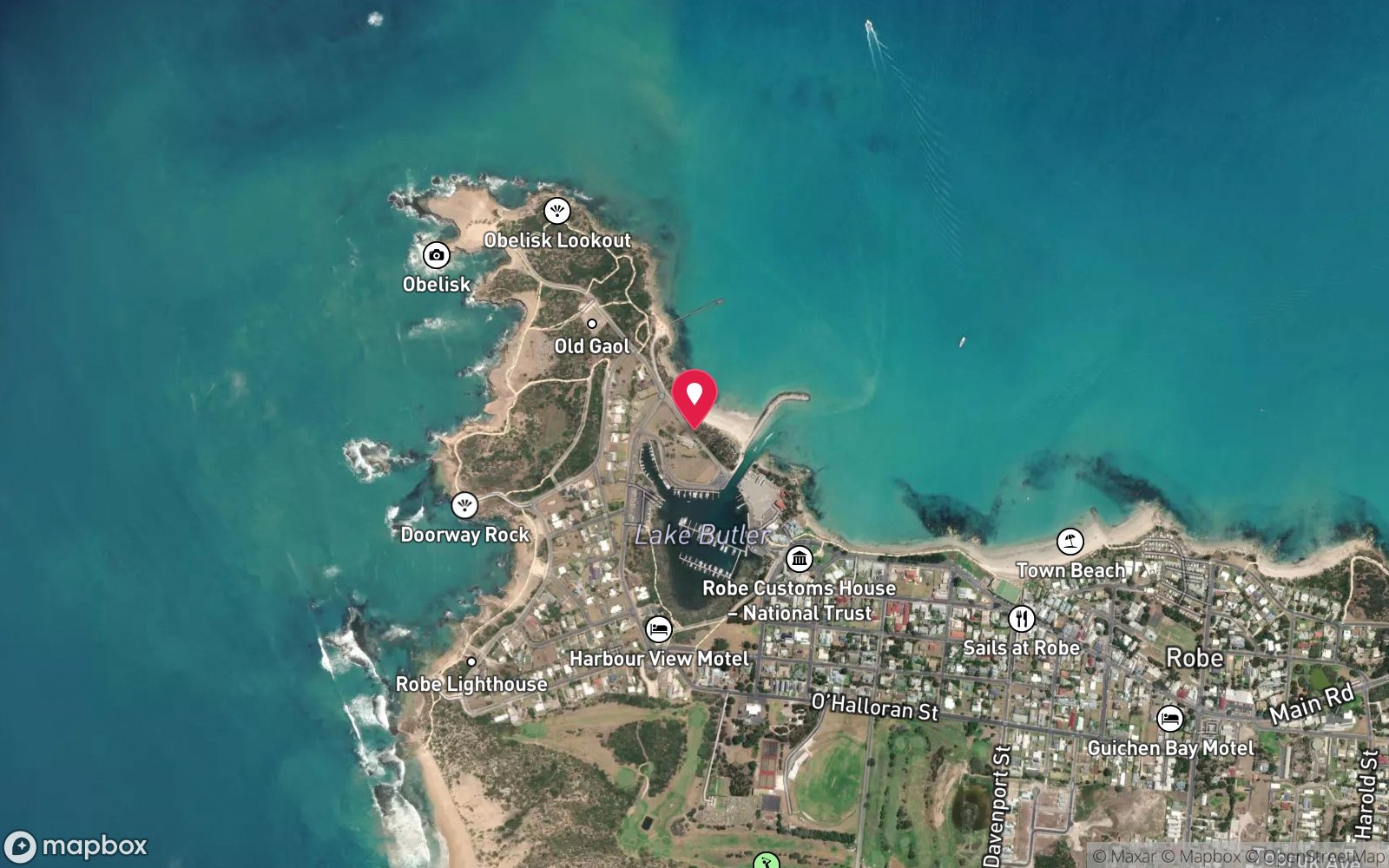
7 pinned sites. Pins marked approximate on their pages show the general area only; not for navigation.
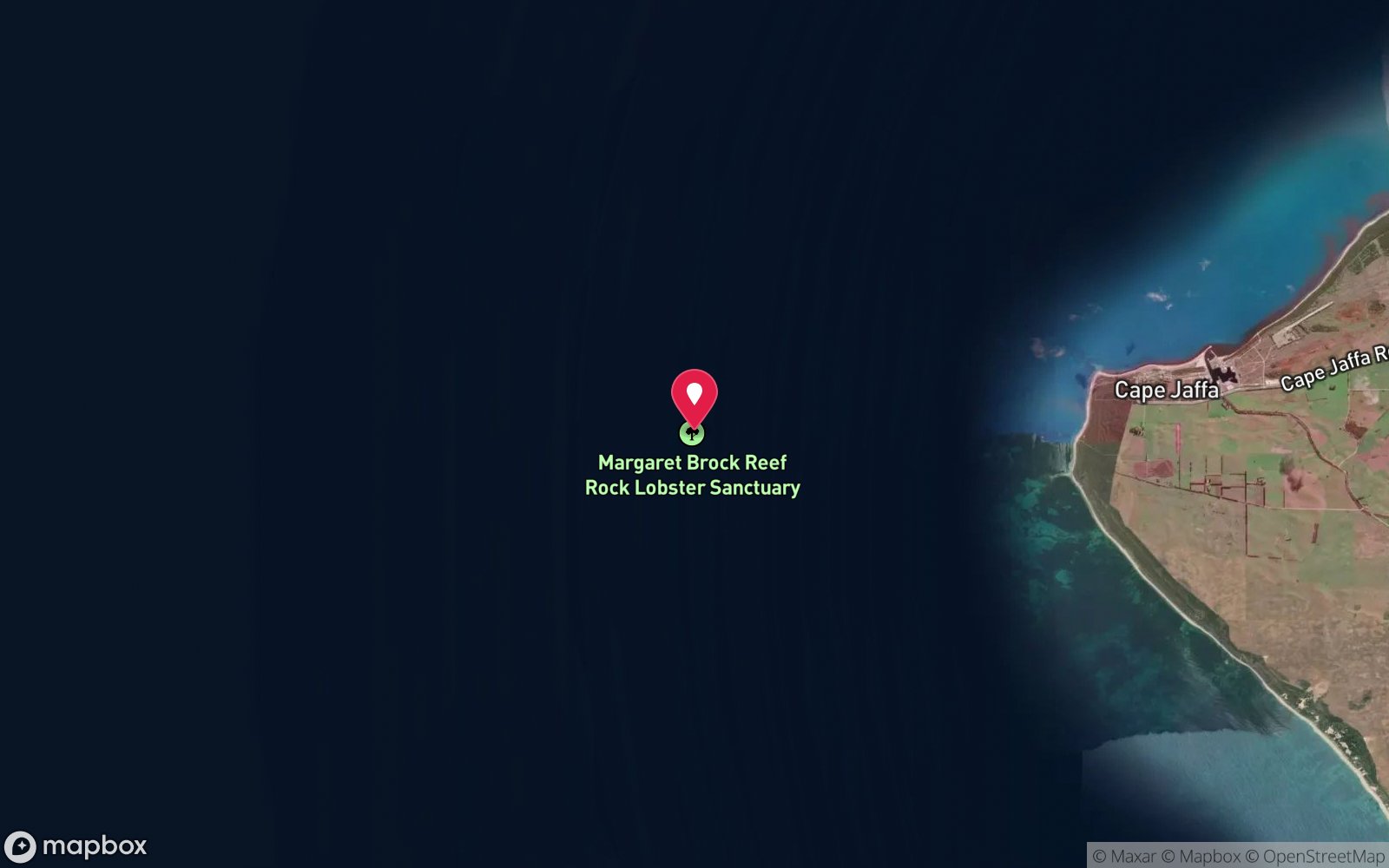
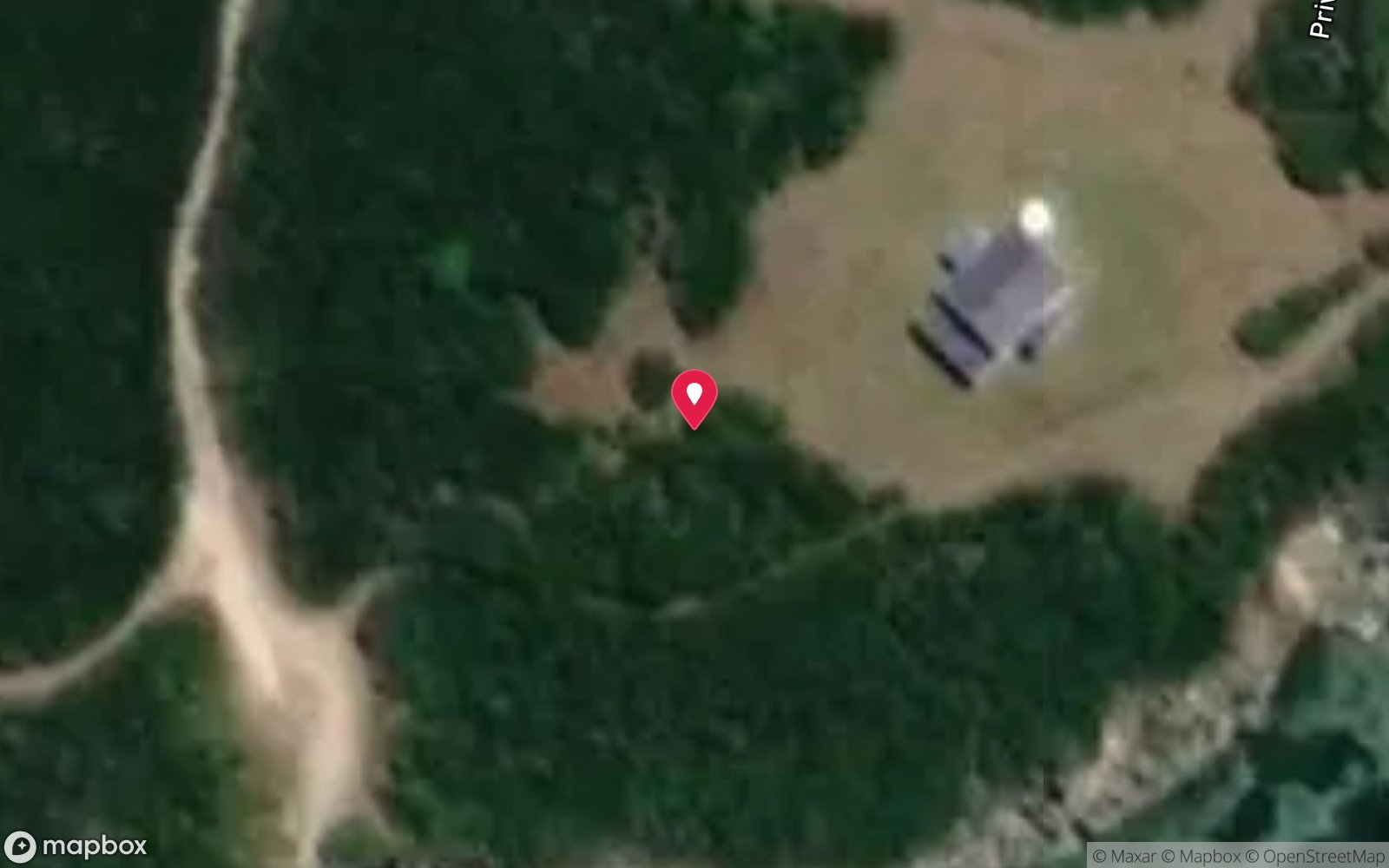
Satellite views
Robe – Cape Dombey and Obelisk Reefs: frequently asked questions
How deep is Robe – Cape Dombey and Obelisk Reefs?
Robe – Cape Dombey and Obelisk Reefs reaches a maximum depth of 12 m, with the shallowest part at about 5 m; most of the dive is spent around 9 m.
What certification do I need to dive Robe – Cape Dombey and Obelisk Reefs?
Open Water is the recommended minimum. Rated intermediate because of surge on the entry or in the shallows, boat traffic overhead, cold water.
Can I shore dive Robe – Cape Dombey and Obelisk Reefs?
No, it is reached by boat (about 10 minutes). A dive centre is required: boat access only.
When is the best time to dive Robe – Cape Dombey and Obelisk Reefs?
Late summer-autumn calm spells.
What marine life will I see at Robe – Cape Dombey and Obelisk Reefs?
Regularly recorded: Kelp and brown algae, southern rock lobster, blue-throat wrasse, magpie morwong, sweep, old wives, leatherjackets, rays, flathead, seadragons possible.
What wetsuit do I need at Robe – Cape Dombey and Obelisk Reefs?
7 mm wetsuit with hood, gloves and boots; drysuit in winter.
How cold is the water at Robe – Cape Dombey and Obelisk Reefs?
Typically 16-19 °C in summer and 12-13 °C in winter.
What are the main hazards at Robe – Cape Dombey and Obelisk Reefs?
Fully exposed to Southern Ocean swell; surge in crevices; boat traffic from the marina and cray boats; cold; no local dive services. See the hazards section above for the full list.
Where is the nearest recompression chamber to Robe – Cape Dombey and Obelisk Reefs?
Royal Adelaide Hospital hyperbaric medicine unit (Adelaide) – about 450 km by road from Mount Gambier; evacuation is normally by aeromedical retrieval (RFDS/MedSTAR) via Mount Gambier Hospital. The Alfred (Melbourne) is a similar distance. DAN/Divers Emergency Service 1800 088 200. In an emergency call 000, then DAN Asia-Pacific on 1800 088 200.
Diving in Limestone Coast
South of the Coorong the Limestone Coast has the shallow reefs and jetties of Robe, Beachport and Port MacDonnell, with rock lobster, blue devils and sea sweep, and the freshwater ponds inland at Mount Gambier. It is dived mainly by locals and by cave divers on their way to the sinkholes.
Getting there: Four to five hours from Adelaide. Shore and jetty dives with easy parking.
Sources
Data confidence: Medium · Being verified: Coordinates approximate; Obelisk construction year from general knowledge.. Last updated September 2026. Know this site better? How to send a correction