Dive slate · divesites.com.au · printed 8 Nov 2026
Cape Jaffa Jetty
Limestone Coast, South Australia · near Cape Jaffa
| Depth | 1–3 m |
|---|---|
| Minimum level | Open Water |
| Difficulty | Beginner |
| Access | Shore |
| Entry | Steps/ladders from the jetty or walk-in from the beach |
| Current | None |
| Visibility | 2-8 m |
| Water | summer 16-19 °C, winter 12-13 °C |
| Suit | 7 mm wetsuit with hood, gloves and boots; drysuit in winter |
| Best season | Year-round in calm weather; evenings for rays |
| Bottom time | 45 min |
| Position | -36.94500, 139.67300 (approximate) |
| Permit | None required |
| Nearest chamber | Royal Adelaide Hospital hyperbaric medicine unit (Adelaide) – about 450 km by road from Mount Gambier; evacuation is normally by aeromedical retrieval (RFDS/MedSTAR) via Mount Gambier Hospital. The Alfred (Melbourne) is a similar distance. DAN/Divers Emergency Service 1800 088 200. |
| Emergency | 000 · DAN Asia-Pacific diving emergency 1800 088 200 |
Cape Jaffa Jetty
Also known as Cape Jaffa jetty
Big stingrays visiting a working cray-boat jetty in the evenings – a sheltered option when the reef is blown out.
Near Cape Jaffa · Limestone Coast, South Australia
- Depth
- 1–3 m
- Minimum level
- Open Water
- Access
- Shore
- Boat ride
- Shore entry
- Water
- 16-19 °C
- Visibility
- 2-8 m
Cape Jaffa Jetty1–3 m · Open Water · Shore
Dive factsDepths, conditions, location & safety
Season
In season nowBest months: year-round.
Dive facts
- Depth
- 1–3 m
- Typical depth
- 2 m
- Certification
- Open Water
- Difficulty
- Beginner
- Depth tier
- Easy (0–10 m)
- Access
- Shore
- Dive centre needed
- No – independently diveable
- Shore / independent
- Yes
- Current
- None
- Visibility
- 2-8 m
- Water temp (summer)
- 16-19 °C
- Water temp (winter)
- 12-13 °C
- Water
- Cold Temperate
- Bottom time
- 45 min
- Dive traffic
- Rarely dived (private boat/club only)
- Night dive
- Possible
- Snorkel friendly
- Yes
Exposure suit
7 mm wetsuit with hood, gloves and boots; drysuit in winter
Location
Cape Jaffa / Lacepede Bay · Limestone Coast – coast
-36.94500, 139.67300
Approximate position — not for navigation.
Open in Google MapsPrimary source: marinelife.org.auMarine park & permits
None required
Nearest recompression chamber
Royal Adelaide Hospital hyperbaric medicine unit (Adelaide) – about 450 km by road from Mount Gambier; evacuation is normally by aeromedical retrieval (RFDS/MedSTAR) via Mount Gambier Hospital. The Alfred (Melbourne) is a similar distance. DAN/Divers Emergency Service 1800 088 200.
Diving emergency: call 000, then DAN AP 1800 088 200.
Trip planner
Build a trip around Cape Jaffa Jetty →
A day-by-day plan for Limestone Coast with this site locked in.
This guide is a planning aid. Conditions change daily — confirm with a local dive centre and dive within your training. Data & safety notes.
Dive profile
How this site rates
Scores are computed from the recorded data, not opinions. How?
At a glance
Cape Jaffa Jetty is a jetty / pier shore dive you can do independently in Limestone Coast, SA, 1–3 m, suited to Open Water divers.
Rated beginner: sheltered, shallow and manageable for a newly certified diver on a normal day, though note boat traffic overhead and cold water.
Why dive here
- Big stingrays visiting a working cray-boat jetty in the evenings – a sheltered option when the reef is blown out.
- Snorkel-friendly, so non-diving companions can join at the surface.
- Rarely dived: expect to have the site to yourself, and plan your own logistics.
About Cape Jaffa Jetty
Cape Jaffa's jetty is a working fishing jetty rather than a tourist one – boats unload lobster and a trolley runs along rails to carry the catch to the coldstores – but the Marine Life Network recommends it as a sheltered option when the weather rules out the reef. It is shallow, at only 1-3 m, and does not usually hold large fish, but it has its own attractions.
The main one is rays. In the evening large stingrays come in to feed on scraps around the jetty, and snorkellers and divers can watch them glide over the sand. Among the pylons you find cowfish, toadies (pufferfish) and the typical small life of a South Australian jetty: sponges, ascidians, crabs and juvenile fish. The water is often greenish and visibility modest, but the depth means long, easy dives.
The warnings are practical. Cray boats use the jetty constantly in season, their propellers and lines are real hazards, and fishers working the jetty do not expect divers, so talk to people before getting in and use a surface marker. The nearby settlement and marina have limited facilities, with Kingston SE 20 km away for supplies.
It suits snorkellers and new divers, anyone stuck ashore by swell, and photographers after rays. For better diving in calm weather, take a boat out to Margaret Brock Reef. Kingston SE and Cape Jaffa have no dive shop, so bring cylinders for the trip. The Cape Jaffa marina development and the old lighthouse story add interest to a visit, and the settlement makes a quiet base for divers with boats waiting for a calm day on the reef.
Getting there & entry
A working fishing jetty with a seafood trolley line at the Cape Jaffa settlement, 20 km south-west of Kingston SE; a shallow sheltered dive.
Drive 20 km south-west from Kingston SE on Cape Jaffa Road to the settlement (formerly King's Camp). Park near the jetty base, gear up at the car and walk onto the jetty, entering from a ladder or from the beach beside it. The jetty is a working structure where a trolley on rails moves seafood from the boats to the coldstores, so keep clear of crews and equipment and dive outside unloading times.
Entry: Steps/ladders from the jetty or walk-in from the beach
Facilities: Parking near jetty; limited facilities at Cape Jaffa; Kingston SE has toilets, fuel and accommodation. Nearest air fills and hire: Dive Experience, Mount Gambier.
Weather, swell & tides
Lacepede Bay is sheltered from the south-westerly swell, which is why the Marine Life Network recommends the jetty as a bad-weather option. Strong northerly to westerly winds make it choppy and stir the sand. Visibility is modest and drops after wind.
Cray boats come and go at all hours in lobster season (October-May), so check with the jetty users. Evening visits bring the big stingrays in.
Best season: Year-round in calm weather; evenings for rays
If it's blown out
Sheltered or shore sites within 25 km that often work when Cape Jaffa Jetty doesn't.
- Cape Jaffa – Margaret Brock Reef · 7 km · Max 12 m
- Kingston SE Jetty · 20 km · Max 5 m
- Robe – Cape Dombey and Obelisk Reefs · 25 km · Max 12 m
How the dive is usually run
Enter at the jetty, drift slowly along the pylons in 1-3 m looking for cowfish, toadies and rays, and stay well clear of vessel berths.
Marine life
- Large stingrays (evenings)
- cowfish
- toadies (pufferfish)
- sponges
- ascidians
- crabs
- juvenile fish
Linked species have their own page listing every site where they are recorded. All marine life →
Training required
Shallow enough for snorkellers and for a first dive under supervision. Any certified diver can dive it.
Courses that help here
- Drysuit Diver – Cold water; locals dive dry for much of the year.
- Peak Performance Buoyancy – Silt and low visibility punish poor trim.
Depth tiers: 0–10 m easy · to 18 m Open Water · 18–30 m Advanced (25 m+ is a deep dive) · 30–40 m Deep specialty · 40 m+ technical. All courses
Hazards & warnings
Cray boat traffic and propellers; mooring lines; fishing line; shallow, low visibility; working area – keep clear of unloading.
Dive centres that go here
No regular operator. Nearest air fills and hire: Dive Experience, Mount Gambier.
Other dive centres in Limestone Coast
Map
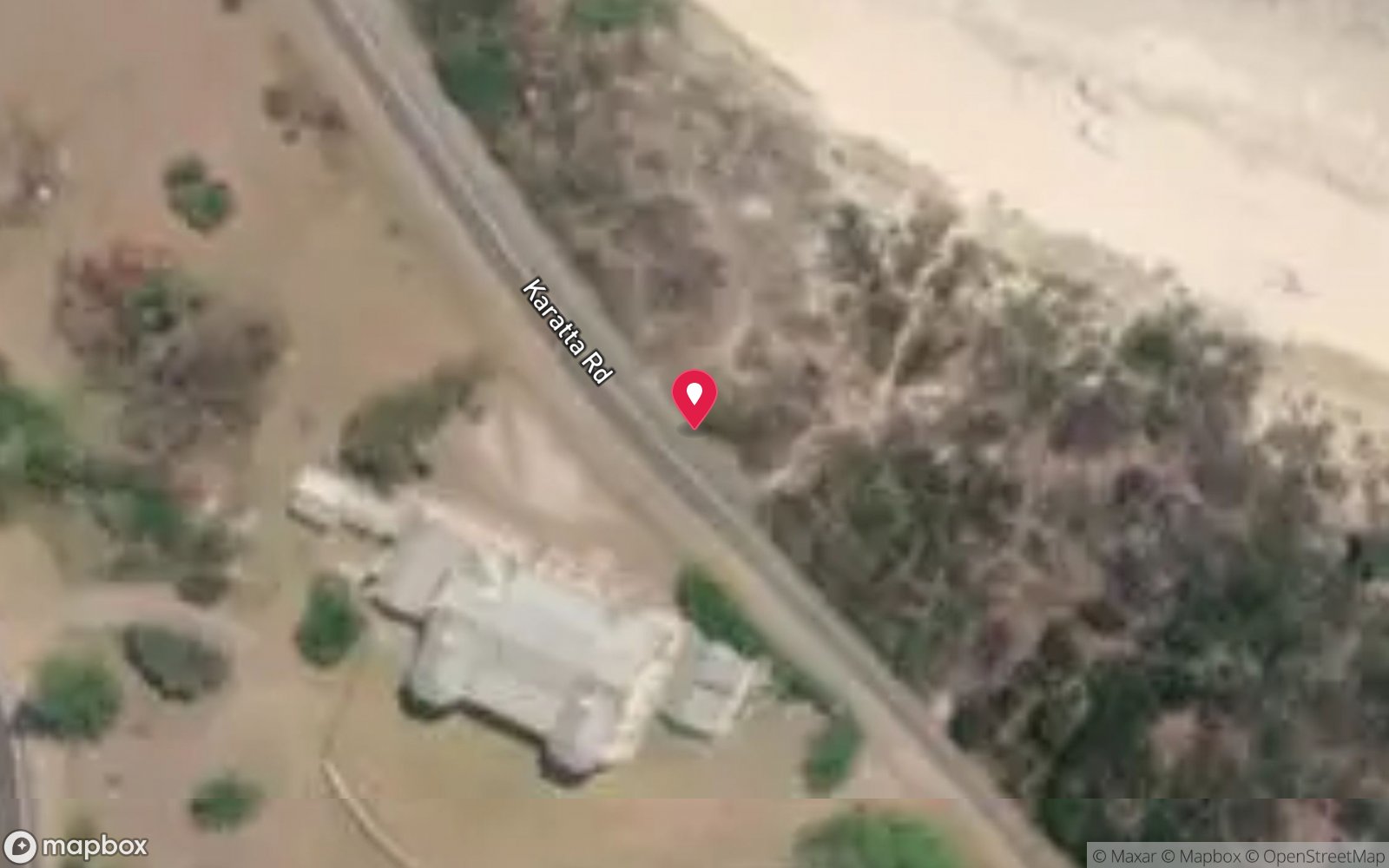
7 pinned sites. Pins marked approximate on their pages show the general area only; not for navigation.
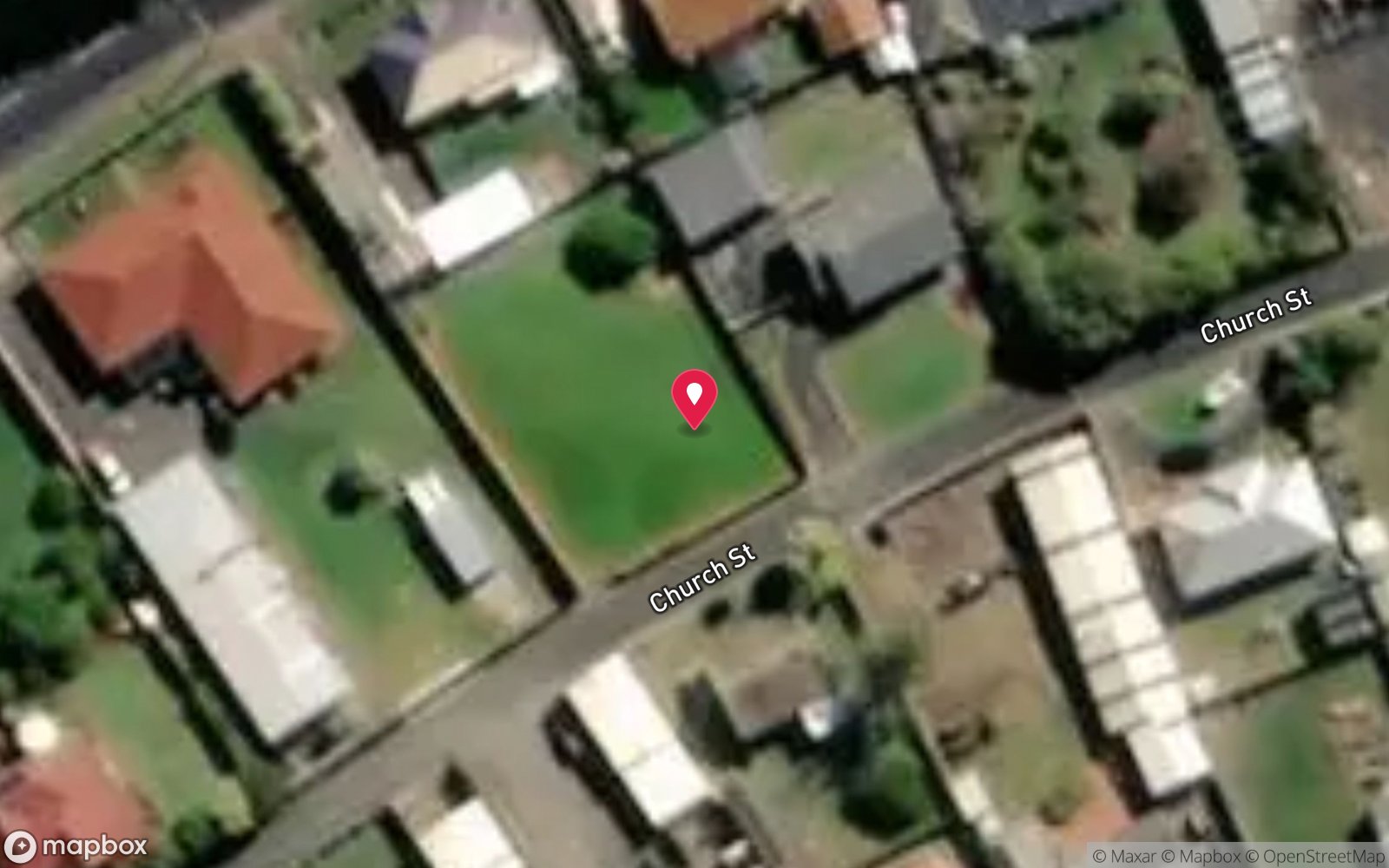
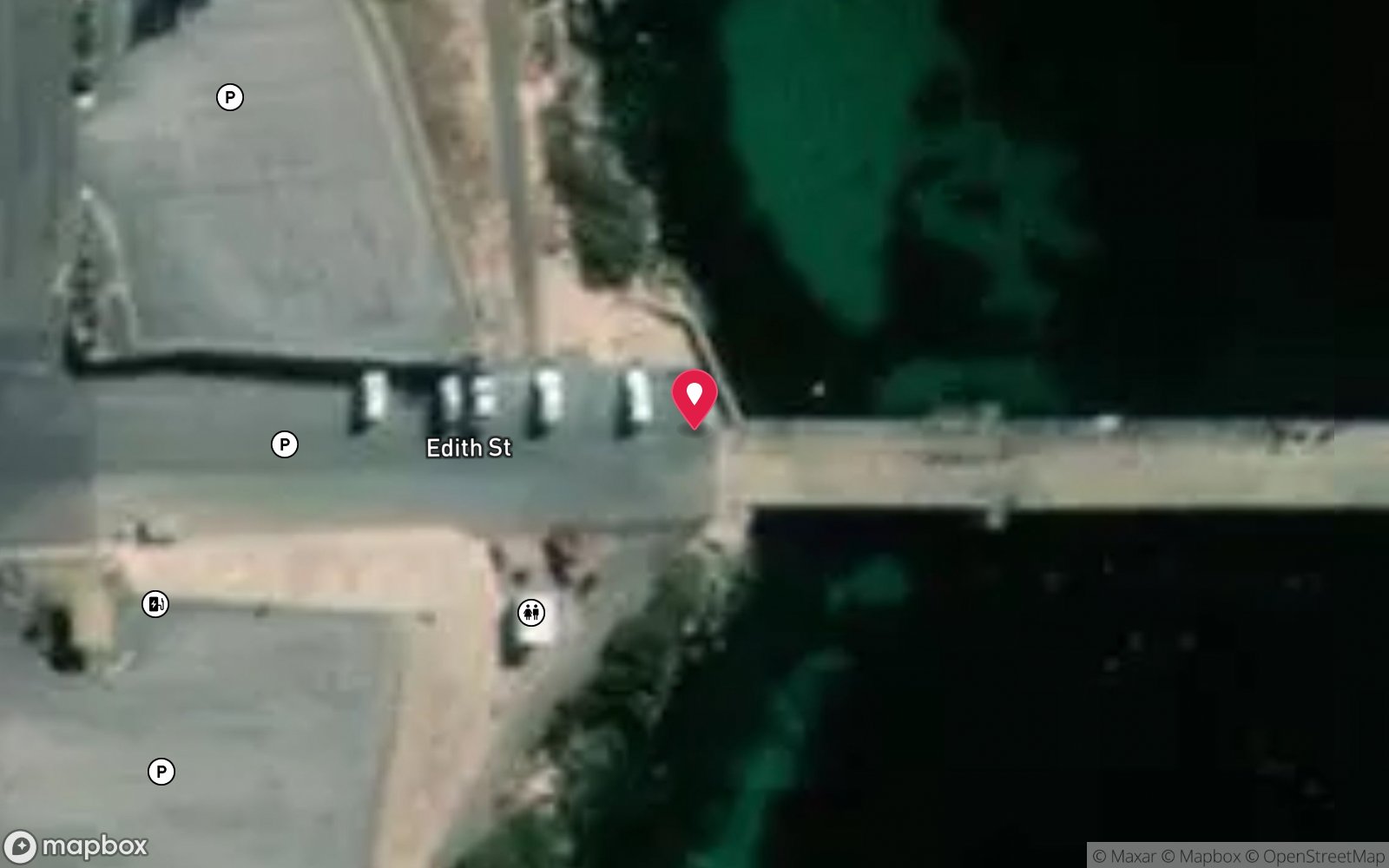
Satellite views
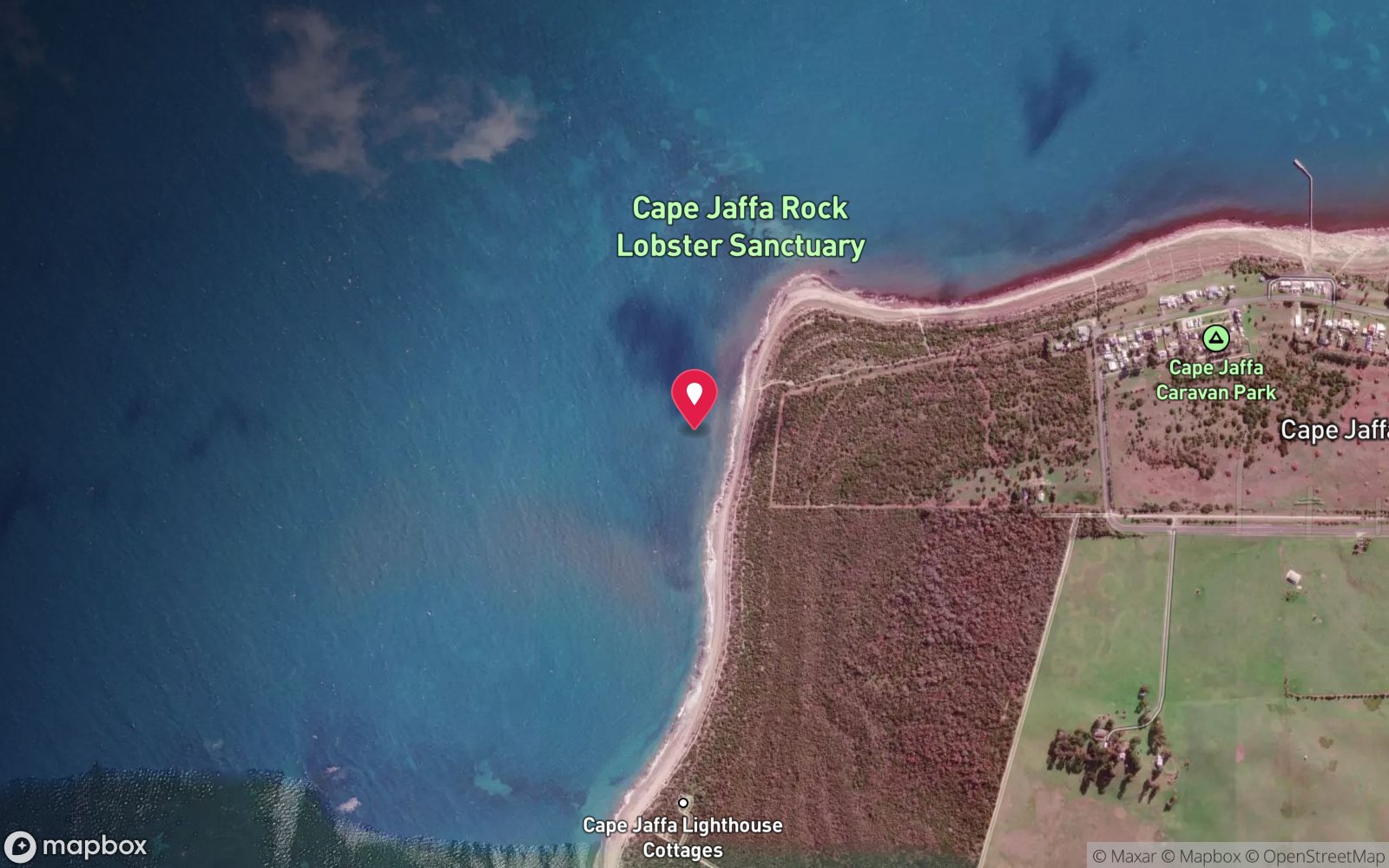
Cape Jaffa Jetty: frequently asked questions
How deep is Cape Jaffa Jetty?
Cape Jaffa Jetty reaches a maximum depth of 3 m, with the shallowest part at about 1 m; most of the dive is spent around 2 m.
What certification do I need to dive Cape Jaffa Jetty?
Open Water is the recommended minimum. Rated beginner: sheltered, shallow and manageable for a newly certified diver on a normal day, though note boat traffic overhead and cold water.
Can I shore dive Cape Jaffa Jetty?
Yes. Cape Jaffa Jetty is a shore dive that can be done independently: steps/ladders from the jetty or walk-in from the beach.
When is the best time to dive Cape Jaffa Jetty?
Year-round in calm weather; evenings for rays.
What marine life will I see at Cape Jaffa Jetty?
Regularly recorded: Large stingrays (evenings), cowfish, toadies (pufferfish), sponges, ascidians, crabs, juvenile fish.
What wetsuit do I need at Cape Jaffa Jetty?
7 mm wetsuit with hood, gloves and boots; drysuit in winter.
How cold is the water at Cape Jaffa Jetty?
Typically 16-19 °C in summer and 12-13 °C in winter.
What are the main hazards at Cape Jaffa Jetty?
Cray boat traffic and propellers; mooring lines; fishing line; shallow, low visibility; working area – keep clear of unloading. See the hazards section above for the full list.
Where is the nearest recompression chamber to Cape Jaffa Jetty?
Royal Adelaide Hospital hyperbaric medicine unit (Adelaide) – about 450 km by road from Mount Gambier; evacuation is normally by aeromedical retrieval (RFDS/MedSTAR) via Mount Gambier Hospital. The Alfred (Melbourne) is a similar distance. DAN/Divers Emergency Service 1800 088 200. In an emergency call 000, then DAN Asia-Pacific on 1800 088 200.
Diving in Limestone Coast
South of the Coorong the Limestone Coast has the shallow reefs and jetties of Robe, Beachport and Port MacDonnell, with rock lobster, blue devils and sea sweep, and the freshwater ponds inland at Mount Gambier. It is dived mainly by locals and by cave divers on their way to the sinkholes.
Getting there: Four to five hours from Adelaide. Shore and jetty dives with easy parking.
Sources
Data confidence: Low · Being verified: Coordinates approximate.. Last updated September 2026. Know this site better? How to send a correction
Nearby dive sites
More shore dives in South Australia
Explore more
This region
Similar dives