State guide · SA
Scuba diving in South Australia
Leafy seadragons, giant cuttlefish, the Mount Gambier sinkholes and great white cage diving.
- Dive sites
- 258
- Regions
- 8
- Wrecks
- 52
- Shore dives
- 80
- Beginner sites
- 96
South Australia has four things no other state can offer. The leafy seadragon, found only in southern Australia, is easiest to see on the Fleurieu Peninsula, at Rapid Bay Jetty, Second Valley and Victor Harbor. The giant Australian cuttlefish aggregation at Whyalla, where tens of thousands gather to breed in 2–6 m of water from May to August, is one of the world's great wildlife events. The Mount Gambier sinkholes (Kilsby, the Shaft, Piccaninnie Ponds, Ewens Ponds and the Tank Cave system) are the centre of Australian cave diving, with visibility measured in the hundreds of metres. And the Neptune Islands off Port Lincoln are the country's only great white shark cage-diving site.
Between these headline acts is a huge amount of quiet, excellent temperate diving: the jetties of the Yorke Peninsula (Edithburgh, Port Hughes, Wool Bay, Stenhouse Bay) with their sponge gardens and blue devils; the ex-HMAS Hobart, a 133 m destroyer scuttled off Yankalilla in 2002; the ships' graveyard at Garden Island in the Port River; sea lions at Hopkins Island and Baird Bay; and Kangaroo Island's granite coast, dived by very few.
Adelaide itself has more than 40 sites, from the Glenelg Dredge and the Barge to the reefs off Hallett Cove and Port Noarlunga, where a marked snorkel trail on the reef is one of the state's most-visited marine attractions.
The gulfs and the tide
Gulf St Vincent and Spencer Gulf are shallow, protected and warm relative to the open coast, which is why SA has so many good jetty dives: Edithburgh, Rapid Bay and Port Hughes are 5–12 m deep, entered from a ladder or beach, and full of life. The gulfs have a peculiarity called the 'dodge tide': every fortnight the tides cancel out and there is almost no water movement for 24 hours, giving the calmest possible conditions. Outside the gulfs, on Kangaroo Island, the Eyre Peninsula's west coast and the Limestone Coast, the Southern Ocean swell dominates and diving is limited to settled spells in summer and autumn.
Cave diving and permits
The Mount Gambier sinkholes are managed by the Cave Divers Association of Australia (CDAA). All sinkhole and cave sites require CDAA membership and site rating (Sinkhole, Cave or Advanced Cave) plus landowner bookings; Kilsby Sinkhole and Ewens Ponds are exceptions open to recreational divers by booking. Piccaninnie Ponds is currently closed to diving under a National Parks review; check before travelling. Water is a constant 14–16 °C year-round and drysuits are standard.
Operators
Adelaide's shops run charters to the Hobart and the metro reefs and hire gear for the jetties. Port Lincoln has the shark cage operators and sea lion tours; Whyalla and the Yorke Peninsula have small shops that gear up for the cuttlefish season; Mount Gambier has dedicated cave-diving instructors. Shore diving is independent everywhere.
When to dive South Australia
February – May
Warmest water (19–23 °C in the gulfs), calmest mornings, best visibility at the jetties and the Hobart.
May – August
Giant cuttlefish aggregation at Whyalla (Point Lowly and Stony Point). Cold (12–14 °C) but unmissable.
Year-round
Sinkholes and caves at a constant 14–16 °C; summer weekends need early bookings.
The five dives to do first
1. Fleurieu Peninsula & Victor Harbor · SA
Rapid Bay Jetty
The most reliable leafy seadragon dive in the world, on the pylons of the old and new jetties.
2. Yorke Peninsula · SA
Edithburgh Jetty
A macro photographer's jetty: blue devils, pyjama squid, seahorses, tasselled anglerfish and nudibranchs in 6–9 m.
3. Fleurieu Peninsula & Victor Harbor · SA
Ex-HMAS Hobart
A 133 m Adams-class destroyer off Yankalilla with wide-open penetration routes and a resident school of bullseyes.
4. Mount Gambier Sinkholes & Caves · SA
Kilsby Sinkhole
The open-access showpiece of the Mount Gambier sinkholes: 65 m deep, clear as air, recreational depth on the upper platforms.
Sinkhole/CenoteMax 65 mIntermediateTechnical (decompression)Shore accessMore in Mount Gambier Sinkholes & Caves →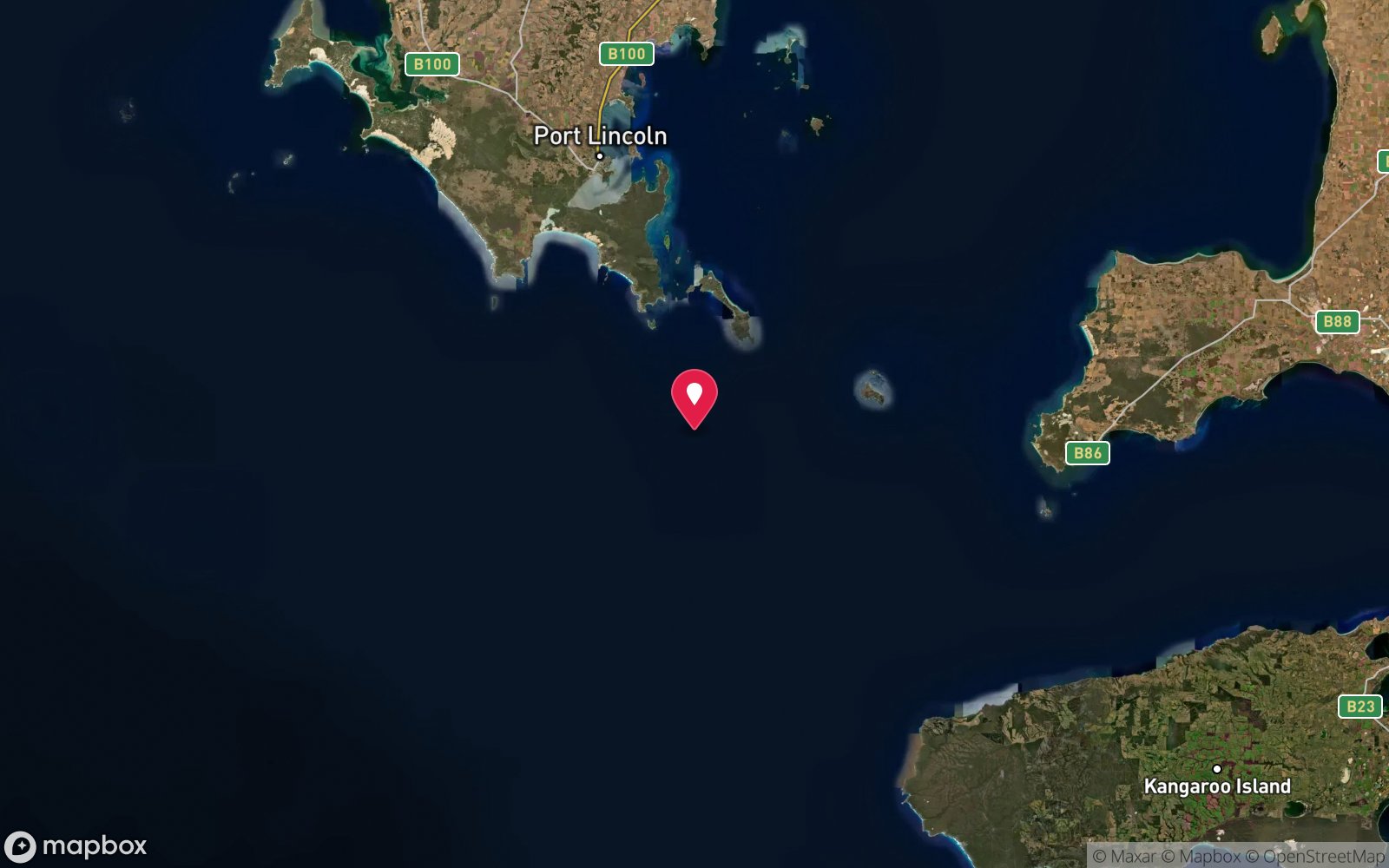
5. Eyre Peninsula · SA
Neptune Islands – Great White Shark Cage Diving
The only great white cage diving in Australia, from Port Lincoln.
Also worth planning around
1. Whyalla & Upper Spencer Gulf · SA
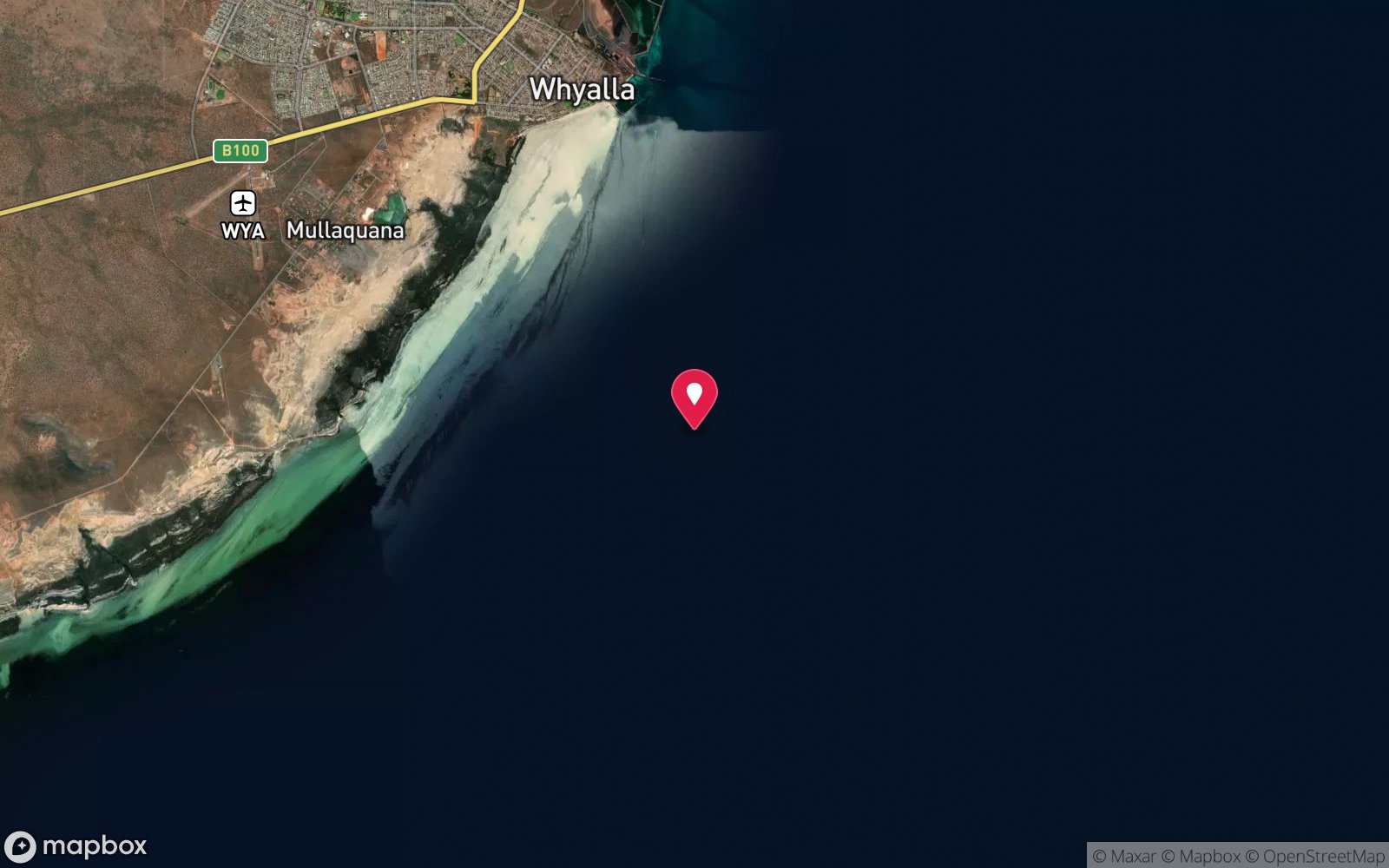
Marek's Reef (Whyalla)
Point Lowly's giant cuttlefish breeding ground, May to August.
2. Mount Gambier Sinkholes & Caves · SA
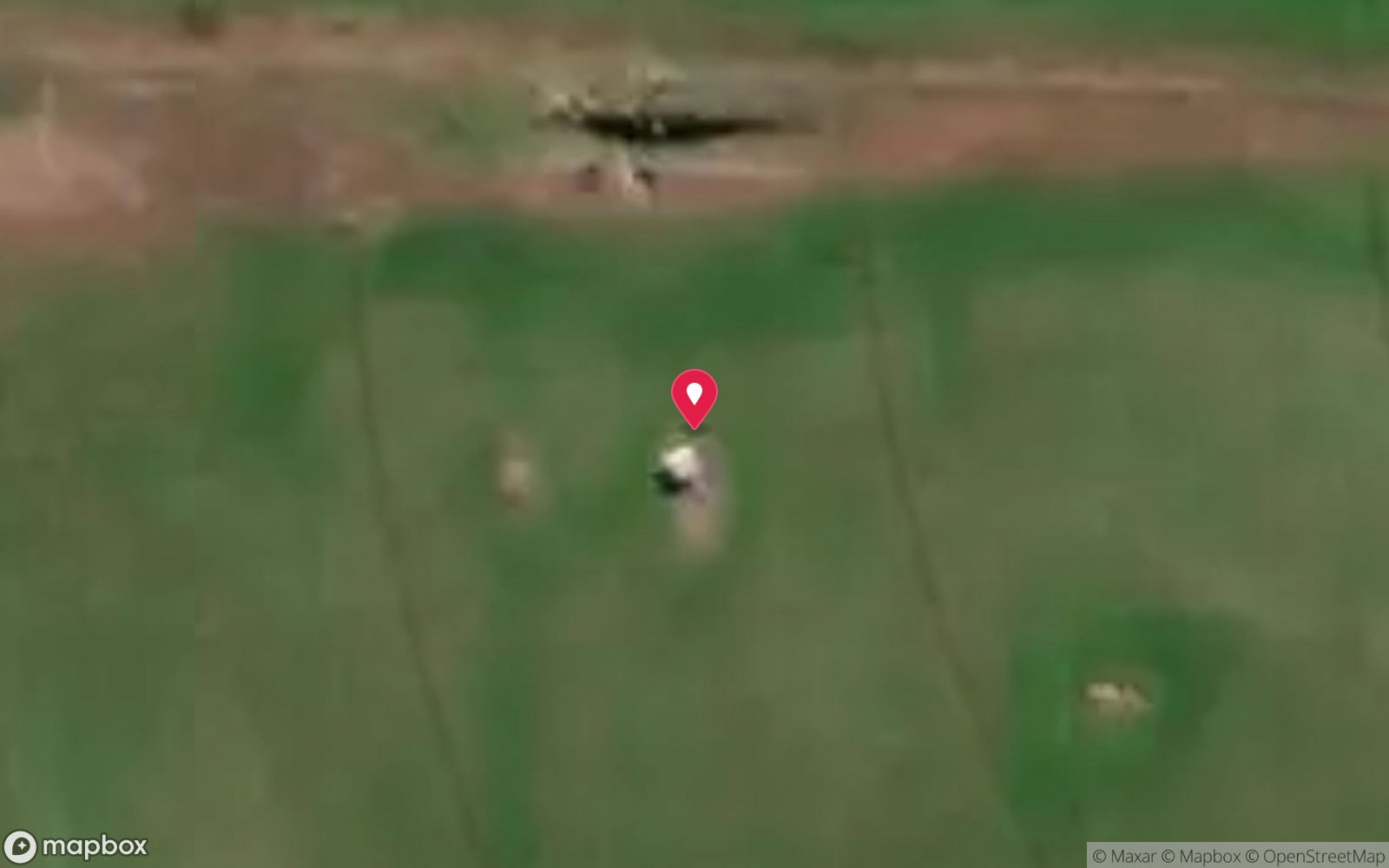
The Shaft
A 124 m deep sinkhole entered through a hole in a paddock. Advanced cave rating only.
Sinkhole/CenoteMax 124 mExpert/TechnicalCave/Cavern certificationShore accessMore in Mount Gambier Sinkholes & Caves →
3. Adelaide Metro · SA
Garden Island Ships' Graveyard
Twenty-five hulks in the Port River, an easy shore dive with history.
4. Mount Gambier Sinkholes & Caves · SA
Ewens Ponds
Three spring-fed limestone ponds joined by a creek, with 60 m visibility and no permit needed.
Freshwater Lake/RiverMax 10 mBeginnerOpen WaterShore accessMore in Mount Gambier Sinkholes & Caves →
Dive regions of South Australia
8 regions, 258 sites. Each region page has a written introduction, a suggested itinerary and every site with depth, level and access.
The Yorke Peninsula is jetty country. Edithburgh, Port Hughes, Wool Bay, Stenhouse Bay and Port Victoria have some of the richest macro…
Adelaide's coast has more than 40 dive sites in 30 minutes of the city: the Glenelg Dredge and the Barge off Glenelg, the reef and snorkel…
The limestone around Mount Gambier is riddled with water-filled sinkholes and caves, and they are the heart of Australian cave diving.…
The Fleurieu is where you go to see a leafy seadragon. Rapid Bay Jetty is the most reliable site anywhere, and Second Valley, the Bluff at…
Port Lincoln is the base for Australia's only great white shark cage diving at the Neptune Islands, and for sea lion swims at Hopkins…
Kangaroo Island has clear water, granite reefs, sea lions and leafy seadragons, and almost nobody dives it. The north coast around…
Every winter tens of thousands of giant Australian cuttlefish gather on the rocky reef between Point Lowly and Stony Point to breed, in 2–6…
South of the Coorong the Limestone Coast has the shallow reefs and jetties of Robe, Beachport and Port MacDonnell, with rock lobster, blue…
Popular, well-documented dives in South Australia
South Australia diving FAQ
Where can I see leafy seadragons?
Rapid Bay Jetty is the most reliable site, followed by Second Valley, Victor Harbor's Bluff and Port Noarlunga. Look on the kelp and sea grass edges in 5–12 m; they are perfectly camouflaged and easy to miss.
When is the cuttlefish season at Whyalla?
Giant Australian cuttlefish aggregate at Point Lowly and Stony Point from May to August, peaking in June and July. It is a shallow shore dive or snorkel in 12–14 °C water.
Can I dive the Mount Gambier sinkholes without cave training?
Only Kilsby Sinkhole (by booking, with a guide) and Ewens Ponds (open water, no permit beyond a booking) are open to recreational divers. Every other sinkhole and cave requires CDAA membership and rating.