Dive slate · divesites.com.au · printed 8 Nov 2026
Neptune Islands – Great White Shark Cage Diving
Eyre Peninsula, South Australia · near Port Lincoln
| Depth | 0–22 m |
|---|---|
| Minimum level | Advanced Open Water |
| Difficulty | Beginner |
| Access | Boat (day trip) |
| Entry | Surface cage attached to the vessel (non-divers breathe from surface-supplied regulators or snorkel); ocean-floor cage lowered to the seabed for certified divers (Rodney Fox) |
| Current | Variable/Tidal |
| Visibility | 5-25 m |
| Water | summer 17-20 °C, winter 14-15 °C |
| Suit | 7 mm full wetsuit with hood (supplied by operators); drysuit for ocean-floor cage in winter |
| Best season | Year-round; April/May-August for the largest females; summer for calmer seas and resident males |
| Bottom time | 30 min |
| Position | -35.23000, 136.07000 (approximate) |
| Permit | Neptune Islands Group (Ron and Valerie Taylor) Marine Park and Neptune Islands Conservation Park; white shark cage diving only through operators licensed under the SA White Shark Tour Licensing Policy (attraction methods, days and practices regulated); no landing without authority |
| Nearest chamber | Royal Adelaide Hospital hyperbaric medicine unit (Adelaide) – evacuation via RFDS Central Operations aeromedical retrieval from the nearest airstrip |
| Emergency | 000 · DAN Asia-Pacific diving emergency 1800 088 200 |
Neptune Islands – Great White Shark Cage Diving
Also known as North Neptune Island, South Neptune Islands, Neptune Islands Group (Ron and Valerie Taylor) Marine Park
Australia's only licensed great white shark cage diving, beside the country's largest fur seal colony – surface cages for anyone, and Rodney Fox's unique ocean-floor cage for certified divers.
Near Port Lincoln · Eyre Peninsula, South Australia
- Depth
- 0–22 m
- Minimum level
- Advanced Open Water
- Access
- Boat (day trip)
- Boat ride
- ~165 min
- Water
- 17-20 °C
- Visibility
- 5-25 m
Neptune Islands – Great White Shark Cage Diving0–22 m · Advanced Open Water
Dive factsDepths, conditions, location & safety
Season
In season nowBest months: year-round.
Year-round; April/May-August for the largest females; summer for calmer seas and resident males
- Best months
- Now (November)
Dive facts
- Depth
- 0–22 m
- Typical depth
- 2 m
- Certification
- Advanced Open Water
- Difficulty
- Beginner
- Depth tier
- Advanced Open Water (18–30 m)
- Access
- Boat (day trip)
- Offshore
- 70 km
- Dive centre needed
- Yes – permit/guide required
- Shore / independent
- No
- Boat ride
- ~165 min
- Current
- Variable/Tidal
- Visibility
- 5-25 m
- Water temp (summer)
- 17-20 °C
- Water temp (winter)
- 14-15 °C
- Water
- Cold Temperate
- Bottom time
- 30 min
- Dive traffic
- Very popular (dived daily)
- Night dive
- No
- Snorkel friendly
- Yes
Exposure suit
7 mm full wetsuit with hood (supplied by operators); drysuit for ocean-floor cage in winter
Location
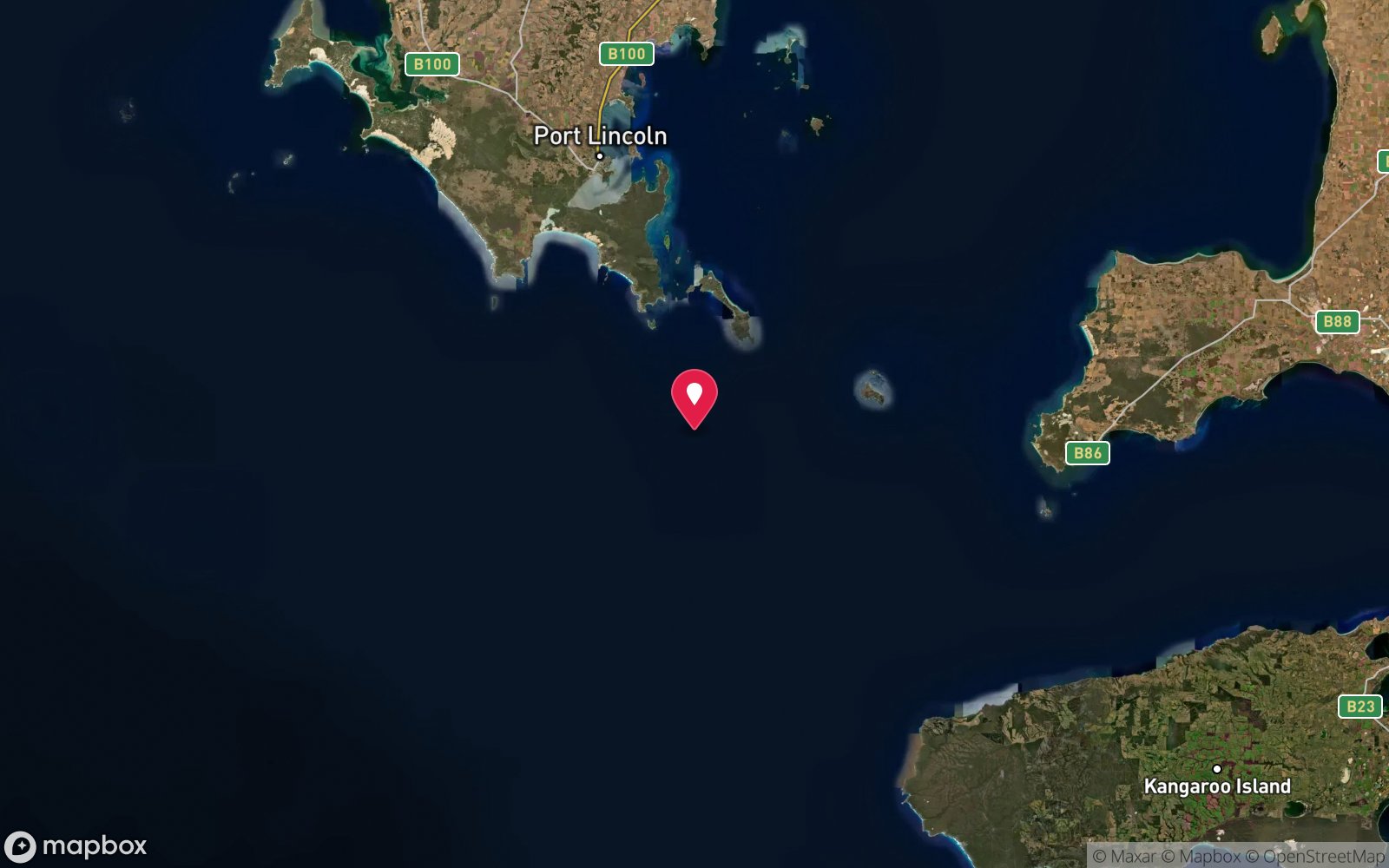
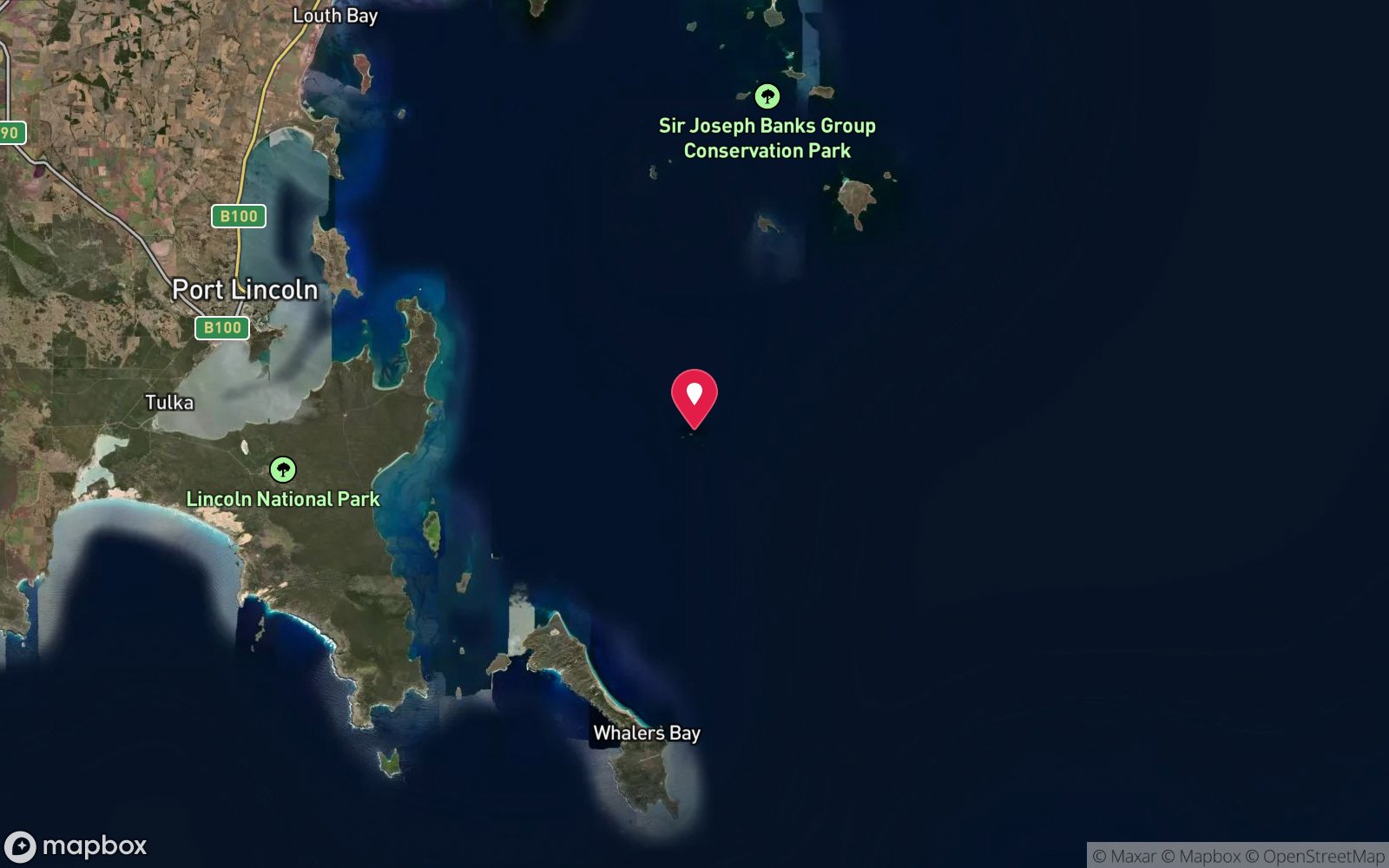
Neptune Islands Group · Eyre Peninsula – Port Lincoln / Lower Eyre
-35.23000, 136.07000
Approximate position — not for navigation.
Open in Google MapsPrimary source: marineparks.sa.gov.auMarine park & permits
Neptune Islands Group (Ron and Valerie Taylor) Marine Park and Neptune Islands Conservation Park; white shark cage diving only through operators licensed under the SA White Shark Tour Licensing Policy (attraction methods, days and practices regulated); no landing without authority
Nearest recompression chamber
Royal Adelaide Hospital hyperbaric medicine unit (Adelaide) – evacuation via RFDS Central Operations aeromedical retrieval from the nearest airstrip
Diving emergency: call 000, then DAN AP 1800 088 200.
Trip planner
Build a trip around Neptune Islands – Great White Shark Cage Diving →
A day-by-day plan for Eyre Peninsula with this site locked in.
This guide is a planning aid. Conditions change daily — confirm with a local dive centre and dive within your training. Data & safety notes.
Dive profile
How this site rates
Scores are computed from the recorded data, not opinions. How?
At a glance
Neptune Islands – Great White Shark Cage Diving is a island boat dive in Eyre Peninsula, SA, 0–22 m, suited to Advanced Open Water divers, variable/tidal current, about 165 minutes by boat.
Rated beginner: sheltered, shallow and manageable for a newly certified diver on a normal day, though note depth beyond 18 m and tidal current that must be timed and cold water.
Why dive here
- Australia's only licensed great white shark cage diving, beside the country's largest fur seal colony – surface cages for anyone, and Rodney Fox's unique ocean-floor cage for certified divers.
- Regarded as one of the iconic dives of the region.
- Snorkel-friendly, so non-diving companions can join at the surface.
- Visibility often reaches 5-25 m.
About Neptune Islands – Great White Shark Cage Diving
The Neptune Islands are the centre of Australian white shark tourism and one of a handful of places in the world where great whites can be reliably seen from a cage. Named by Matthew Flinders in 1802, the two groups – North Neptune and the South Neptunes – are rocky granite islands about 40 nautical miles south of Port Lincoln. They support Australia's largest colony of long-nosed (New Zealand) fur seals, around half the national breeding population, plus Australian sea lions, and it is the seals that draw the sharks.
The waters are protected as the Neptune Islands Group (Ron and Valerie Taylor) Marine Park, named for the pioneering underwater filmmakers who shot shark footage here. Port Lincoln's association with white sharks goes back to Rodney Fox, who survived a near-fatal attack in 1963 and went on to design the first shark-viewing cage; footage filmed in these waters contributed to Jaws. Today the South Australian White Shark Tour Licensing Policy limits cage diving to two licensed, eco-certified operators and regulates how they attract sharks, and the Department for Environment and Water publishes annual reports on shark visitation.
The experience is straightforward. The boat anchors in the lee of an island, a cage is lowered alongside, and small groups take turns in the water breathing from regulators fed from the surface or snorkelling. Sharks – males of up to about 5 m year-round, and females up to 6 m mainly in winter when seal pups take to the water – circle the boat and pass within arm's reach of the bars.
No dive certification is needed for the surface cage. Rodney Fox's liveaboard adds an ocean-floor cage for certified divers, lowered to the seabed at around 20 m, and island walks on North Neptune. Bronze whalers, dolphins, seals and occasionally mako sharks and whales are also seen.
Sightings are never guaranteed – some trips see several sharks, others none – and the crossing can be rough. For anyone who can handle a long boat day, it is one of the world's great wildlife encounters.
Getting there & entry
Two remote clusters of granite islands (North and South Neptunes) about 40 nautical miles (70 km) south of Port Lincoln at the entrance to Spencer Gulf, home to Australia's largest long-nosed fur seal colony and the only place in Australia licensed for white shark cage diving.
Port Lincoln is about 650 km (7 hours) by road from Adelaide via Port Augusta and the Lincoln Highway, or a 45-50 minute flight (Rex/QantasLink). All trips depart from Port Lincoln's Lincoln Cove Marina. Calypso Star Charters runs one-day trips (typically a 6-7am departure, 2.5-3 hours each way, returning in the evening).
Rodney Fox Shark Expeditions runs liveaboard expeditions aboard MV Rodney Fox of 2, 3 or 5+ nights, anchoring in protected coves at the islands. There is no independent access: diving with white sharks at the Neptunes is only permitted through licensed operators.
Entry: Surface cage attached to the vessel (non-divers breathe from surface-supplied regulators or snorkel); ocean-floor cage lowered to the seabed for certified divers (Rodney Fox)
Facilities: Lincoln Cove Marina, Port Lincoln (departure point) – parking, cafes, accommodation; operators supply wetsuits, masks and weights.
Weather, swell & tides
The Neptune Islands sit in open ocean at the mouth of Spencer Gulf, about 70 km (40 nautical miles) south of Port Lincoln, and are very exposed and remote. Trips run year-round but are regularly cancelled or rescheduled for south-westerly swell and strong winds; day boats need a reasonable forecast for the 2.5-3 hour crossing each way, and seasickness is common. Operators hold the cages in the lee of the islands.
Winter (roughly April-August) is colder and less predictable but brings the largest females; summer and autumn offer calmer weather with regular sightings of males. Water is typically 14-20°C, and visibility varies from 5 m to more than 25 m.
Best season: Year-round; April/May-August for the largest females; summer for calmer seas and resident males
How the dive is usually run
Surface cage: operators rotate small groups into the cage alongside the boat in 30-45 minute sessions while sharks are attracted with berley (Calypso) or other licensed methods. Ocean-floor cage (Rodney Fox): certified divers are lowered to the sand at about 18-22 m inside the cage, watching sharks cruise past at eye level, then winched back up; bottom time is limited by depth and cold.
Marine life
- Great white shark
- long-nosed (New Zealand) fur seals →
- Australian sea lions →
- bronze whaler sharks
- mako sharks (occasional)
- bottlenose dolphins
- whales (seasonal)
- yellowtail kingfish
- samson fish
- white-bellied sea eagles
- ospreys
- albatrosses
Linked species have their own page listing every site where they are recorded. All marine life →
Training required
Beyond 18 m an Advanced certification (which includes a deep dive to 30 m) is the accepted minimum. Anything past 25 m is a deep dive in practice.
Snorkellers and introductory divers can dive the shallower section (typical depth 2 m); the full site to 22 m needs Advanced Open Water. Operators often quote Snorkel/Any.
Operators' own listing: Snorkel/Any.
Courses that help here
- Drysuit Diver – Cold water; locals dive dry for much of the year.
Depth tiers: 0–10 m easy · to 18 m Open Water · 18–30 m Advanced (25 m+ is a deep dive) · 30–40 m Deep specialty · 40 m+ technical. All courses
Hazards & warnings
Great white sharks – remain inside the cage at all times and follow crew instructions; long, exposed open-ocean crossing with frequent seasickness; cold water; trips cancelled in bad weather; no independent diving or landing – licensed operators only.
Technical notes
Ocean-floor cage dives are short, cold, deep-ish (18-22 m) bottom dives with surface support; bring or hire a drysuit in winter.
Dive centres that go here
Two licensed operators under the SA White Shark Tour Licensing Policy, both advanced eco-certified: Calypso Star Charters (Port Lincoln, one-day trips several times a week; the only day operator permitted to use berley; it has also purchased Adventure Bay Charters, formerly known for acoustic/music attraction) and Rodney Fox Shark Expeditions (MV Rodney Fox liveaboard, 2-5+ nights, surface and ocean-floor cages, landing rights on North Neptune).
Operators recorded for Neptune Islands – Great White Shark Cage Diving
Calypso Star Charters
ListedPort Lincoln · Eyre Peninsula · SA
A Port Lincoln operation running great white shark cage experiences and sea lion swims. Classified as wildlife tourism rather than a scuba dive centre.
sharkcagediving.com.au · 1300 788 378
Rodney Fox Shark Expeditions
Named by sitesMile End · Eyre Peninsula · SA
Office in Adelaide; expeditions depart Port Lincoln.
rodneyfox.com.au · (08) 8363 1788
Adventure Bay Charters
Reported closedPort Lincoln · Eyre Peninsula · SA
A Port Lincoln wildlife tourism operation running great white shark cage experiences and sea lion swims. These are wildlife tourism products rather than certified scuba diving.
Other dive centres in Eyre Peninsula
The Dive Shop Port Lincoln
ListedPort Lincoln · Eyre Peninsula · SA
A Port Lincoln business providing equipment, fills and dive services — a conventional dive business distinct from the region's cage tourism operators.
thediveshopportlincoln.com.au · (08) 8682 1656
Coffin Bay Scuba Co
Named by sitesCoffin Bay · Eyre Peninsula · SA
Website blocked fetch; phone from Tripadvisor listing (latest review 2023).
coffinbayscuba.com · 0401 811 020
Baird Bay Ocean Eco Experience
Named by sitesBaird Bay · Eyre Peninsula · SA
Sea lion and dolphin swim tours (snorkel), not a scuba operator.
bairdbay.com · (08) 8351 1489
Tumby Bay charters
Named by sitesTumby Bay · Eyre Peninsula · SA
No dive charter operator found in Tumby Bay; only fishing charters located.
Map
7 pinned sites. Pins marked approximate on their pages show the general area only; not for navigation.
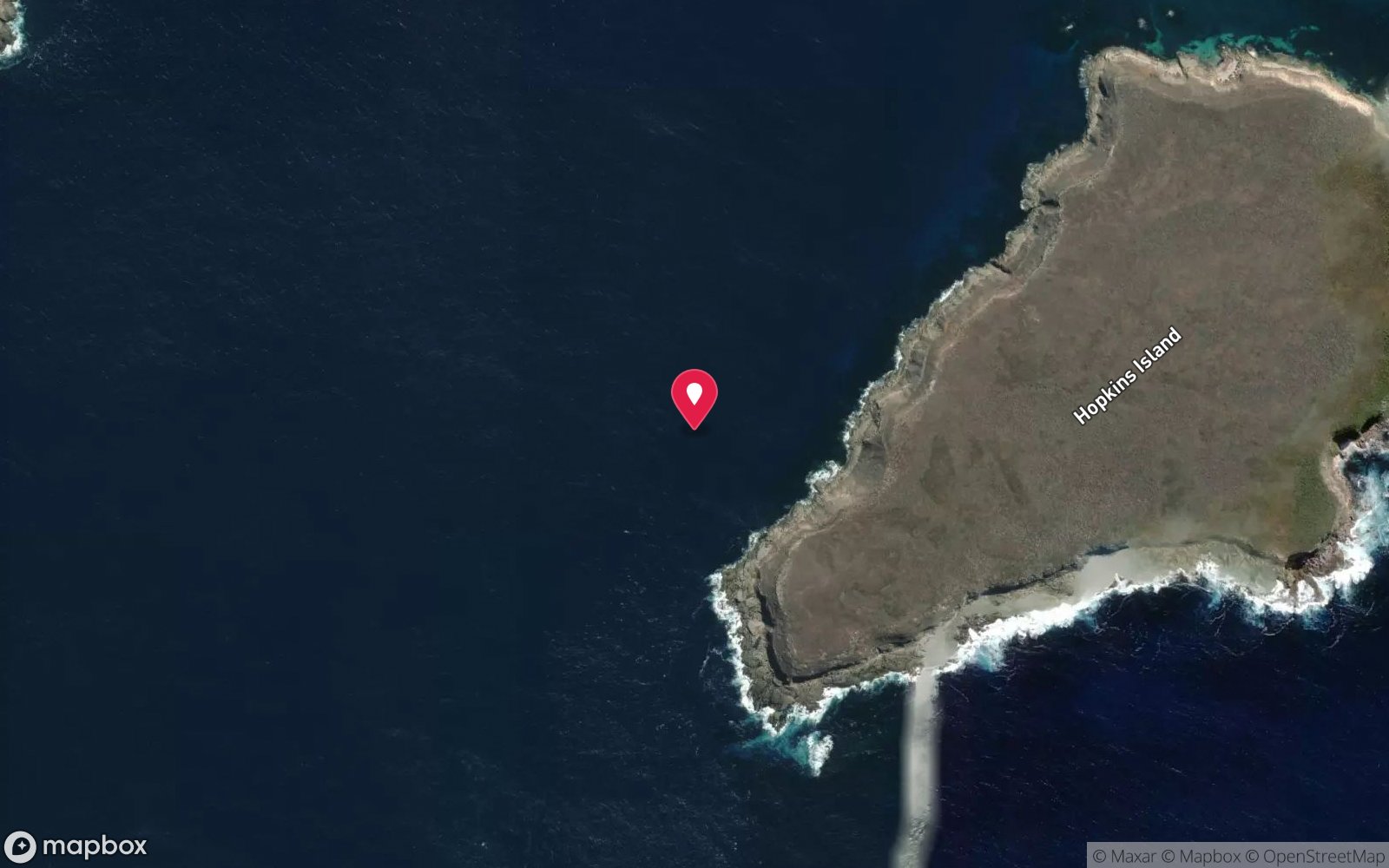
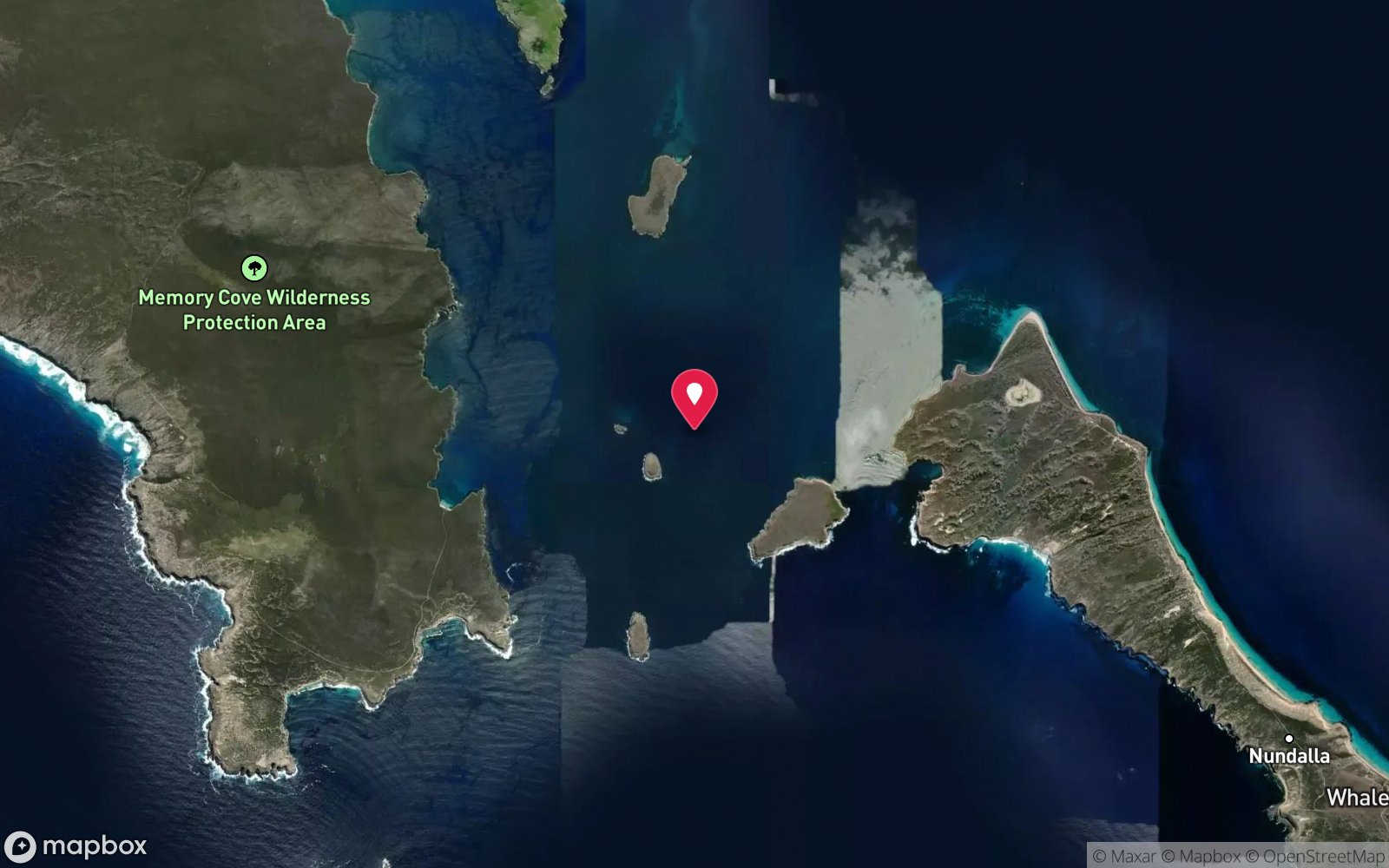
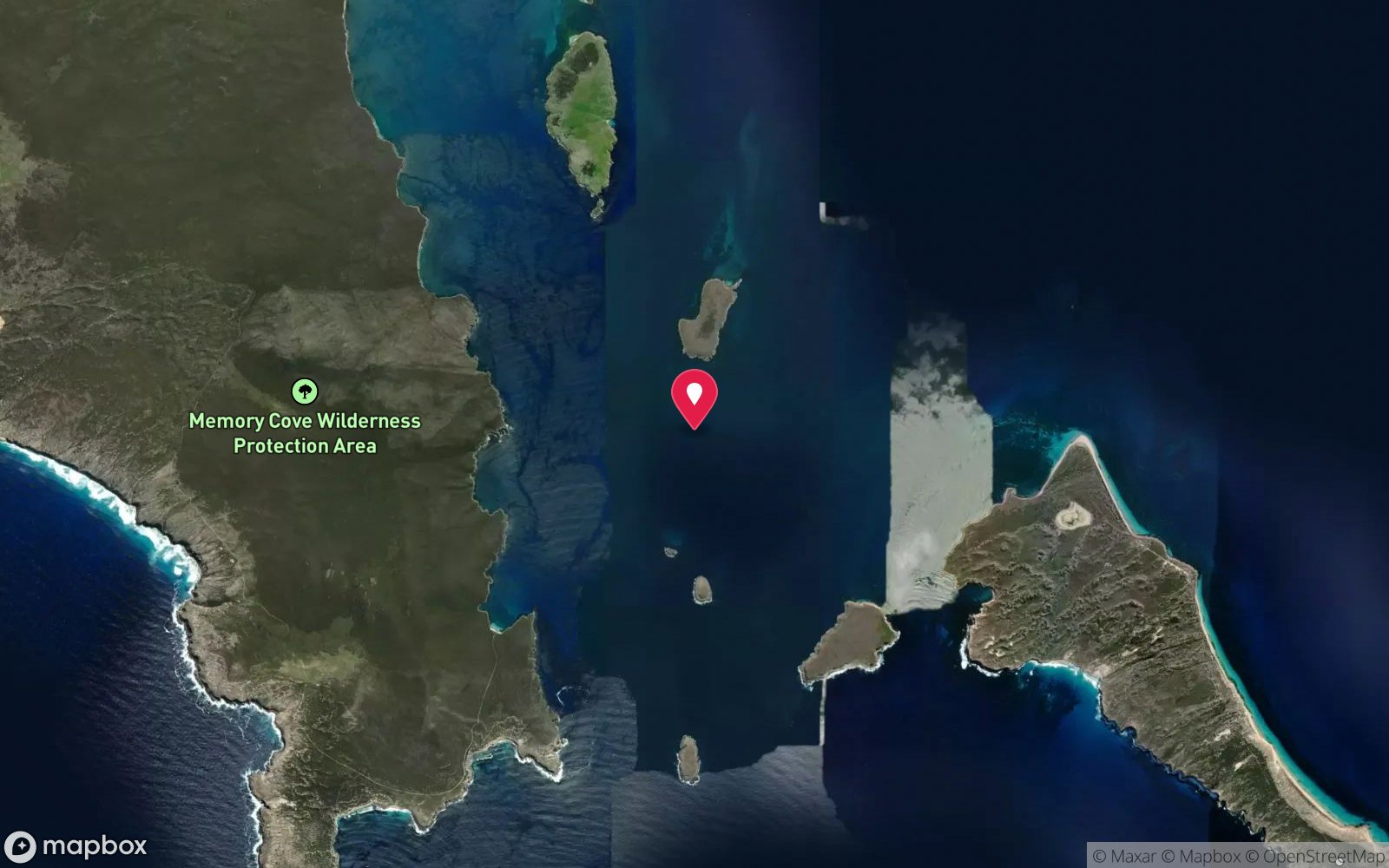
Satellite views
Neptune Islands – Great White Shark Cage Diving: frequently asked questions
How deep is Neptune Islands – Great White Shark Cage Diving?
Neptune Islands – Great White Shark Cage Diving reaches a maximum depth of 22 m, with the shallowest part at about 0 m; most of the dive is spent around 2 m.
What certification do I need to dive Neptune Islands – Great White Shark Cage Diving?
Advanced Open Water is the recommended minimum. Snorkellers and introductory divers can dive the shallower section (typical depth 2 m); the full site to 22 m needs Advanced Open Water. Operators often quote Snorkel/Any. Rated beginner: sheltered, shallow and manageable for a newly certified diver on a normal day, though note depth beyond 18 m and tidal current that must be timed and cold water.
Can I shore dive Neptune Islands – Great White Shark Cage Diving?
No, it is reached by boat (about 165 minutes). A dive centre is required: permit/guide required.
When is the best time to dive Neptune Islands – Great White Shark Cage Diving?
Year-round; April/May-August for the largest females; summer for calmer seas and resident males.
What marine life will I see at Neptune Islands – Great White Shark Cage Diving?
Regularly recorded: Great white shark, long-nosed (New Zealand) fur seals, Australian sea lions, bronze whaler sharks, mako sharks (occasional), bottlenose dolphins, whales (seasonal), yellowtail kingfish, samson fish, white-bellied sea eagles, ospreys, albatrosses.
What wetsuit do I need at Neptune Islands – Great White Shark Cage Diving?
7 mm full wetsuit with hood (supplied by operators); drysuit for ocean-floor cage in winter.
How cold is the water at Neptune Islands – Great White Shark Cage Diving?
Typically 17-20 °C in summer and 14-15 °C in winter.
What are the main hazards at Neptune Islands – Great White Shark Cage Diving?
Great white sharks – remain inside the cage at all times and follow crew instructions; long, exposed open-ocean crossing with frequent seasickness; cold water; trips cancelled in bad weather; no independent diving or landing – licensed operators only. See the hazards section above for the full list.
Where is the nearest recompression chamber to Neptune Islands – Great White Shark Cage Diving?
Royal Adelaide Hospital hyperbaric medicine unit (Adelaide) – evacuation via RFDS Central Operations aeromedical retrieval from the nearest airstrip. In an emergency call 000, then DAN Asia-Pacific on 1800 088 200.
Diving in Eyre Peninsula
Port Lincoln is the base for Australia's only great white shark cage diving at the Neptune Islands, and for sea lion swims at Hopkins Island and Baird Bay. Around the peninsula's coast are the Port Lincoln jetties, Tumby Bay, the wreck of the Fides and a great deal of clear, cold, unvisited reef.
Getting there: Fly to Port Lincoln or drive seven hours from Adelaide. Shark and sea lion operators run from Port Lincoln and Baird Bay; jetties are shore dives.
Sources
- marineparks.sa.gov.au/enjoy/shark-cage-diving
- rodneyfox.com.au/great-white-shark-central/the-neptune-islands
- rodneyfox.com.au
- sharkcagediving.com.au
- sharkcagediving.com.au/adventurebaycharters
- parks.sa.gov.au/parks/neptune-islands-group
- indopacificimages.com/australia/guide-to-the-australian-great-white-shark/diving-australia-great-white-shark-cage-diving-operators
- marinelife.org.au/?page_id=142
Data confidence: High · Being verified: Current attraction-method rules for each licence (berley/acoustic days) should be confirmed with DEW.. Last updated September 2026. Know this site better? How to send a correction
Nearby dive sites
More island dives in South Australia
Explore more
This region