Dive slate · divesites.com.au · printed 9 Nov 2026
Hopkins Island – Australian Sea Lions
Eyre Peninsula, South Australia · near Port Lincoln
| Depth | 1–30 m |
|---|---|
| Minimum level | Advanced Open Water |
| Difficulty | Beginner |
| Access | Boat (day trip) |
| Entry | Giant stride or ladder from the tour vessel into shallow water in Seal Cove; divers from private boats |
| Current | Mild |
| Visibility | 10-20 m |
| Water | summer 17-20 °C, winter 13-15 °C |
| Suit | 7 mm full wetsuit with hood (supplied on tours) |
| Best season | Year-round, weather permitting; summer and autumn most comfortable |
| Bottom time | 45 min |
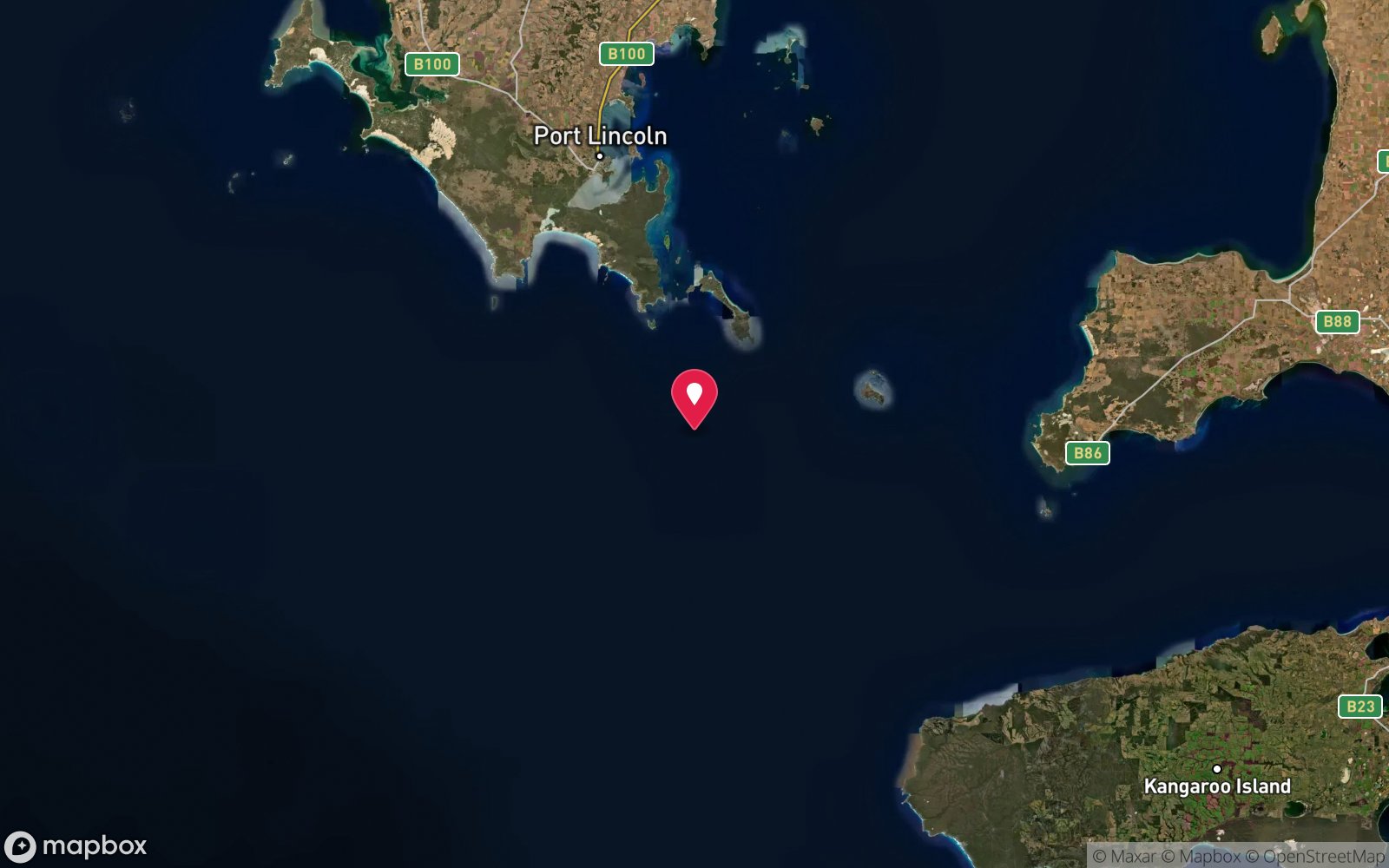
| Position | -34.96500, 136.05000 (approximate) |
| Permit | Sir Joseph Banks Group / Thorny Passage marine park zoning; island landing prohibited; marine mammal interaction regulations apply (licensed tour operators) |
| Nearest chamber | Royal Adelaide Hospital hyperbaric medicine unit (Adelaide) – evacuation via RFDS Central Operations aeromedical retrieval from the nearest airstrip |
| Emergency | 000 · DAN Asia-Pacific diving emergency 1800 088 200 |
Hopkins Island – Australian Sea Lions
Also known as Hopkins Island, Seal Cove (Hopkins)
Playful, endangered Australian sea lions spinning around snorkellers in a clear, shallow cove, plus a 30 m-to-4 m pinnacle for divers.
Near Port Lincoln · Eyre Peninsula, South Australia
- Depth
- 1–30 m
- Minimum level
- Advanced Open Water
- Access
- Boat (day trip)
- Boat ride
- ~60 min
- Water
- 17-20 °C
- Visibility
- 10-20 m
Hopkins Island – Australian Sea Lions1–30 m · Advanced Open Water
Dive factsDepths, conditions, location & safety
Season
In season nowBest months: year-round.
Year-round, weather permitting; summer and autumn most comfortable
- Best months
- Now (November)
Dive facts
- Depth
- 1–30 m
- Typical depth
- 4 m
- Certification
- Advanced Open Water
- Difficulty
- Beginner
- Depth tier
- Advanced Open Water (18–30 m)
- Access
- Boat (day trip)
- Offshore
- 30 km
- Dive centre needed
- Yes – boat access only
- Shore / independent
- No
- Boat ride
- ~60 min
- Current
- Mild
- Visibility
- 10-20 m
- Water temp (summer)
- 17-20 °C
- Water temp (winter)
- 13-15 °C
- Water
- Temperate
- Bottom time
- 45 min
- Dive traffic
- Popular (weekly charters)
- Night dive
- No
- Snorkel friendly
- Yes
Exposure suit
7 mm full wetsuit with hood (supplied on tours)
Location
Thorny Passage / Sir Joseph Banks · Eyre Peninsula – Port Lincoln / Lower Eyre
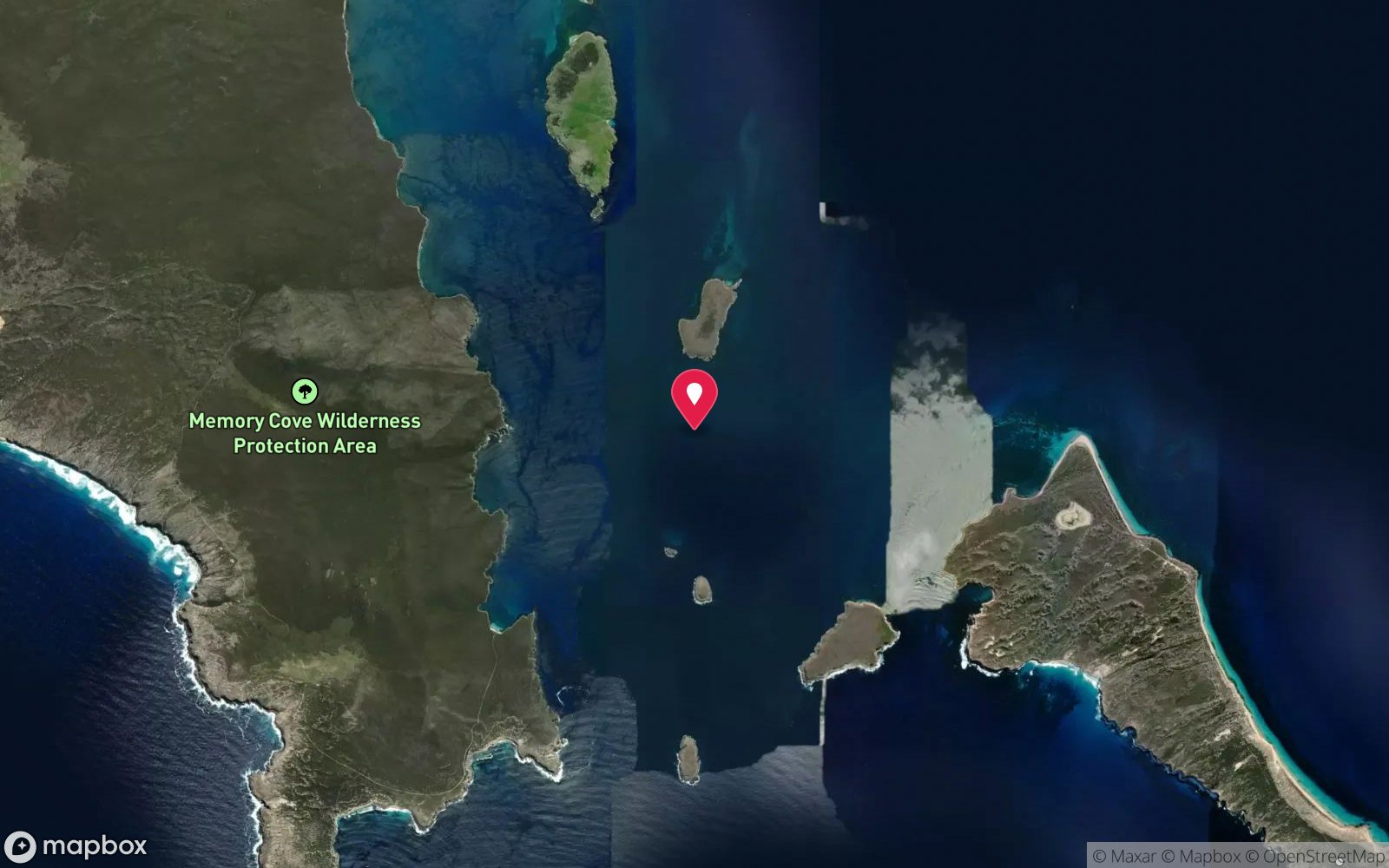
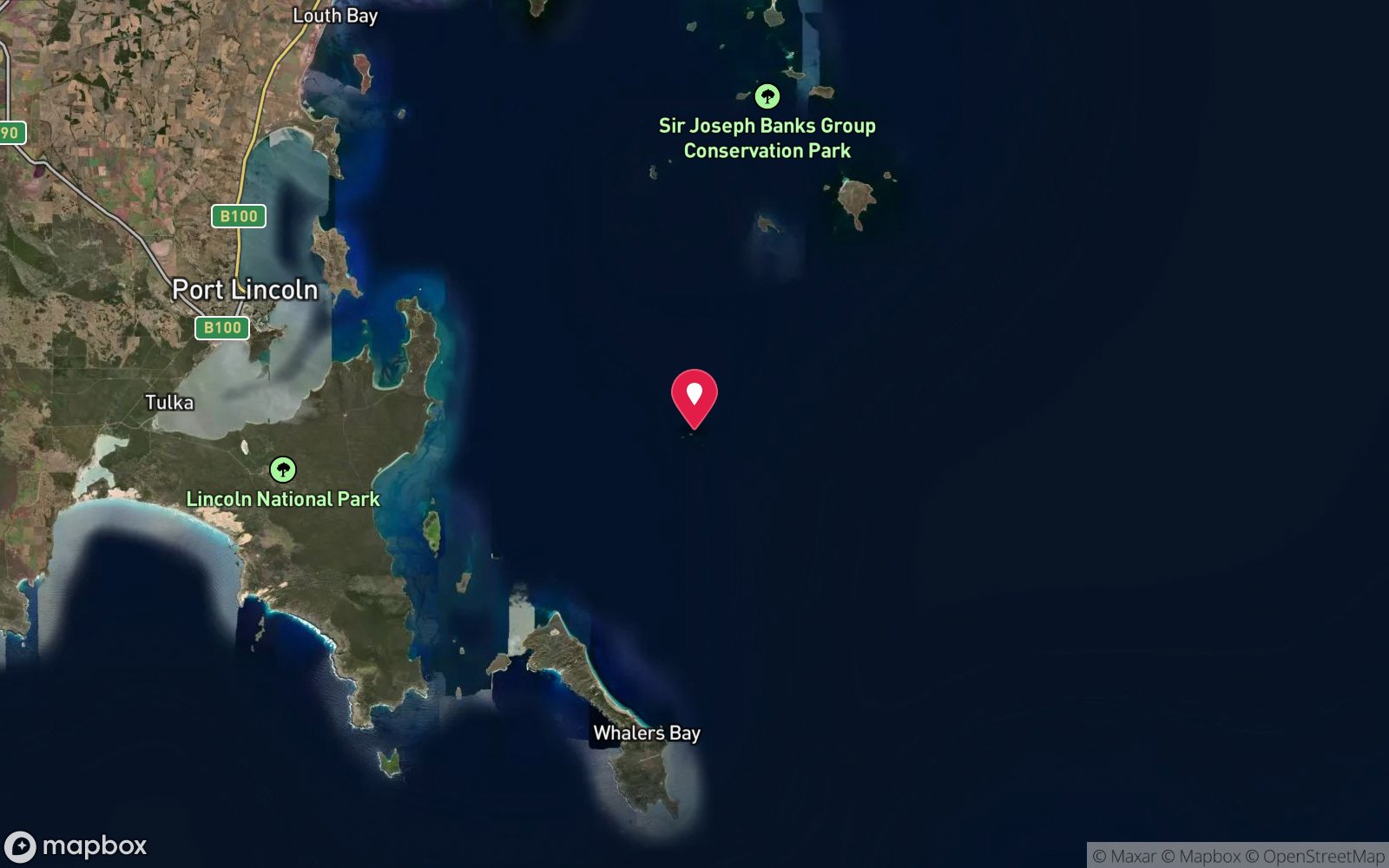
-34.96500, 136.05000
Approximate position — not for navigation.
Open in Google MapsPrimary source: southaustralia.comMarine park & permits
Sir Joseph Banks Group / Thorny Passage marine park zoning; island landing prohibited; marine mammal interaction regulations apply (licensed tour operators)
Nearest recompression chamber
Royal Adelaide Hospital hyperbaric medicine unit (Adelaide) – evacuation via RFDS Central Operations aeromedical retrieval from the nearest airstrip
Diving emergency: call 000, then DAN AP 1800 088 200.
Trip planner
Build a trip around Hopkins Island – Australian Sea Lions →
A day-by-day plan for Eyre Peninsula with this site locked in.
This guide is a planning aid. Conditions change daily — confirm with a local dive centre and dive within your training. Data & safety notes.
Dive profile
How this site rates
Scores are computed from the recorded data, not opinions. How?
At a glance
Hopkins Island – Australian Sea Lions is a island boat dive in Eyre Peninsula, SA, 1–30 m, suited to Advanced Open Water divers, about 60 minutes by boat.
Rated beginner: sheltered, shallow and manageable for a newly certified diver on a normal day, though note depth beyond 18 m.
Why dive here
- Playful, endangered Australian sea lions spinning around snorkellers in a clear, shallow cove, plus a 30 m-to-4 m pinnacle for divers.
- Snorkel-friendly, so non-diving companions can join at the surface.
- Visibility often reaches 10-20 m.
About Hopkins Island – Australian Sea Lions
Swimming with Australian sea lions at Hopkins Island is one of Port Lincoln's signature experiences. The Marine Life Society describes the island as a relatively small rock with smooth slabs of stone along sandy beaches and a tiny protected bay, Seal Cove, where sea lions enter the water and come over when divers arrive. Landing is prohibited, but that does not matter: as the boat anchors, the animals slide off the rocks and into the water to investigate.
Australian sea lions are an endangered species found only in South and Western Australia, and they are famously curious. In the clear, shallow water of the cove, juveniles in particular twist and spin around snorkellers, blow bubbles, mouth fins and mimic swimmers' movements – behaviour that has earned them the nickname 'puppy dogs of the sea'. The bay floor is sand and seagrass with granite boulders, and small reef fish and rays are seen alongside the sea lions.
For scuba divers, the island has more to offer. A pinnacle off the south-west tip rises from about 30 m to 4 m, with boulders and numerous caves and a variety of marine life, making a fine deeper dive when conditions allow. The sea lion swim suits everyone who can snorkel, including families, and tours supply wetsuits and gear.
It is often combined with a Neptune Islands shark trip. Best practice is to let the animals come to you and never to touch them, and bull sea lions should be given space. Water temperatures around 14-19°C mean even summer swimmers appreciate the thick wetsuits supplied on tours.
Getting there & entry
Small granite island south of Port Lincoln with a tiny protected bay (Seal Cove) where Australian sea lions enter the water to play with snorkellers; a pinnacle off the south-west tip rises from 30 m to 4 m.
Port Lincoln is about 650 km (7 hours) by road from Adelaide via Port Augusta and the Lincoln Highway, or a 45-50 minute flight (Rex/QantasLink). Sea lion tours leave Lincoln Cove Marina and run south through Boston Bay and Thorny Passage to Hopkins Island (about an hour each way depending on conditions); Calypso Star Charters visits Hopkins, Grindal or Blyth Island depending on weather. Landing on the island is prohibited – the sea lions come into the water when the boat arrives.
Entry: Giant stride or ladder from the tour vessel into shallow water in Seal Cove; divers from private boats
Facilities: Lincoln Cove Marina, Port Lincoln; tour vessels provide wetsuits and snorkelling gear.
Weather, swell & tides
Boston Bay and the waters around Port Lincoln are sheltered from Southern Ocean swell by Boston Island and the Lincoln National Park coast, so the town jetties can be dived in most weather; strong south-easterly and easterly winds are what chop them up. The islands of Thorny Passage and the lower Eyre coast are progressively more exposed to south-westerly swell and strong tidal streams, and need swell under about 1.5-2 m and light winds. Winter (May-August) brings frequent cold fronts with big south-westerly swell but also calm, clear spells; summer has more reliable weather but regular afternoon south-easterly sea breezes.
Water is cooler than the gulfs, around 13-15°C in winter and 17-20°C in summer. Tours choose between Hopkins, Grindal and Blyth islands to find the lee on the day.
Best season: Year-round, weather permitting; summer and autumn most comfortable
If it's blown out
Sheltered or shore sites within 25 km that often work when Hopkins Island – Australian Sea Lions doesn't.
- Memory Cove · 3 km · Max 10 m
- Taylors Island · 4 km · Max 12 m
How the dive is usually run
Snorkel quietly in the shallow bay and let the sea lions approach; stay horizontal and avoid reaching out. Divers can drop to the sand at 3-5 m. On the pinnacle, descend to the boulders at 20-30 m and spiral up the rock through the caves to 4 m.
Marine life
- Australian sea lions (endangered) →
- bottlenose dolphins
- rays
- sweep
- wrasse
- western blue groper (pinnacle) →
- sponges and gorgonians (pinnacle)
- seagrass
Linked species have their own page listing every site where they are recorded. All marine life →
Training required
Beyond 18 m an Advanced certification (which includes a deep dive to 30 m) is the accepted minimum. Anything past 25 m is a deep dive in practice.
Snorkellers and introductory divers can dive the shallower section (typical depth 4 m); the full site to 30 m needs Advanced Open Water. Operators often quote Snorkel/Any. At more than 25 m this counts as a deep dive: watch no-decompression limits and gas.
Operators' own listing: Snorkel/Any.
Courses that help here
- Enriched Air Nitrox – Longer no-decompression time at 25 m and deeper.
Depth tiers: 0–10 m easy · to 18 m Open Water · 18–30 m Advanced (25 m+ is a deep dive) · 30–40 m Deep specialty · 40 m+ technical. All courses
Hazards & warnings
Do not touch sea lions; give bulls space (they can bite); cold water; open-water boat trip; white sharks occur in the region; landing prohibited.
Dive centres that go here
Calypso Star Charters runs half-day 'Swim with the Sealions' tours (Hopkins, Grindal or Blyth Island) and shark/sea lion combos; the former Adventure Bay Charters sea lion swims are now under Calypso Star. Scuba on the pinnacle is by private boat or arrangement.
Operators recorded for Hopkins Island – Australian Sea Lions
Calypso Star Charters
ListedPort Lincoln · Eyre Peninsula · SA
A Port Lincoln operation running great white shark cage experiences and sea lion swims. Classified as wildlife tourism rather than a scuba dive centre.
sharkcagediving.com.au · 1300 788 378
Adventure Bay Charters
Reported closedPort Lincoln · Eyre Peninsula · SA
A Port Lincoln wildlife tourism operation running great white shark cage experiences and sea lion swims. These are wildlife tourism products rather than certified scuba diving.
Other dive centres in Eyre Peninsula
The Dive Shop Port Lincoln
ListedPort Lincoln · Eyre Peninsula · SA
A Port Lincoln business providing equipment, fills and dive services — a conventional dive business distinct from the region's cage tourism operators.
thediveshopportlincoln.com.au · (08) 8682 1656
Coffin Bay Scuba Co
Named by sitesCoffin Bay · Eyre Peninsula · SA
Website blocked fetch; phone from Tripadvisor listing (latest review 2023).
coffinbayscuba.com · 0401 811 020
Baird Bay Ocean Eco Experience
Named by sitesBaird Bay · Eyre Peninsula · SA
Sea lion and dolphin swim tours (snorkel), not a scuba operator.
bairdbay.com · (08) 8351 1489
Rodney Fox Shark Expeditions
Named by sitesMile End · Eyre Peninsula · SA
Office in Adelaide; expeditions depart Port Lincoln.
rodneyfox.com.au · (08) 8363 1788
Tumby Bay charters
Named by sitesTumby Bay · Eyre Peninsula · SA
No dive charter operator found in Tumby Bay; only fishing charters located.
Map
7 pinned sites. Pins marked approximate on their pages show the general area only; not for navigation.
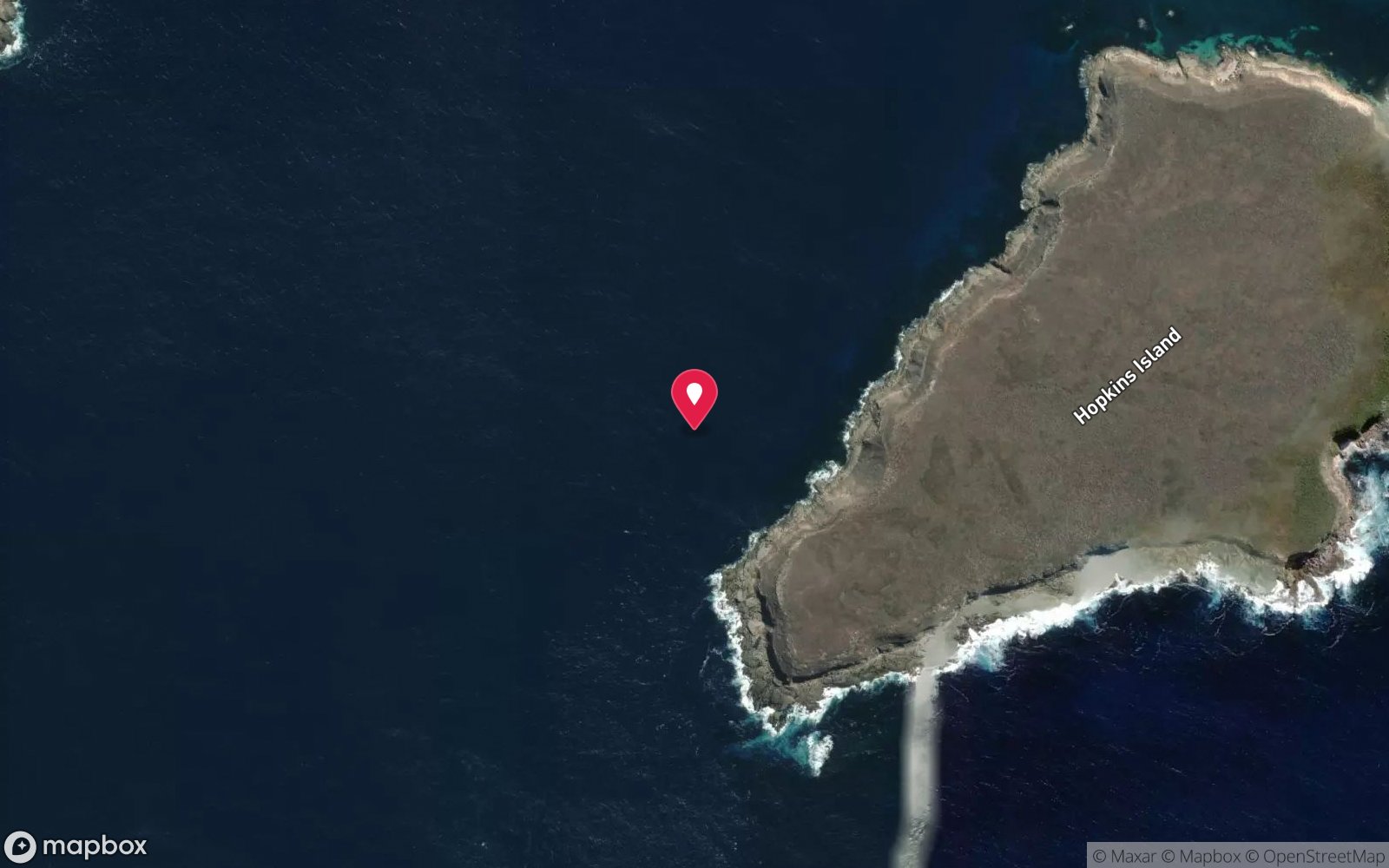
Satellite views
Hopkins Island – Australian Sea Lions: frequently asked questions
How deep is Hopkins Island – Australian Sea Lions?
Hopkins Island – Australian Sea Lions reaches a maximum depth of 30 m, with the shallowest part at about 1 m; most of the dive is spent around 4 m.
What certification do I need to dive Hopkins Island – Australian Sea Lions?
Advanced Open Water is the recommended minimum. Snorkellers and introductory divers can dive the shallower section (typical depth 4 m); the full site to 30 m needs Advanced Open Water. Operators often quote Snorkel/Any. At more than 25 m this counts as a deep dive: watch no-decompression limits and gas. Rated beginner: sheltered, shallow and manageable for a newly certified diver on a normal day, though note depth beyond 18 m.
Can I shore dive Hopkins Island – Australian Sea Lions?
No, it is reached by boat (about 60 minutes). A dive centre is required: boat access only.
When is the best time to dive Hopkins Island – Australian Sea Lions?
Year-round, weather permitting; summer and autumn most comfortable.
What marine life will I see at Hopkins Island – Australian Sea Lions?
Regularly recorded: Australian sea lions (endangered), bottlenose dolphins, rays, sweep, wrasse, western blue groper (pinnacle), sponges and gorgonians (pinnacle), seagrass.
What wetsuit do I need at Hopkins Island – Australian Sea Lions?
7 mm full wetsuit with hood (supplied on tours).
How cold is the water at Hopkins Island – Australian Sea Lions?
Typically 17-20 °C in summer and 13-15 °C in winter.
What are the main hazards at Hopkins Island – Australian Sea Lions?
Do not touch sea lions; give bulls space (they can bite); cold water; open-water boat trip; white sharks occur in the region; landing prohibited. See the hazards section above for the full list.
Where is the nearest recompression chamber to Hopkins Island – Australian Sea Lions?
Royal Adelaide Hospital hyperbaric medicine unit (Adelaide) – evacuation via RFDS Central Operations aeromedical retrieval from the nearest airstrip. In an emergency call 000, then DAN Asia-Pacific on 1800 088 200.
Diving in Eyre Peninsula
Port Lincoln is the base for Australia's only great white shark cage diving at the Neptune Islands, and for sea lion swims at Hopkins Island and Baird Bay. Around the peninsula's coast are the Port Lincoln jetties, Tumby Bay, the wreck of the Fides and a great deal of clear, cold, unvisited reef.
Getting there: Fly to Port Lincoln or drive seven hours from Adelaide. Shark and sea lion operators run from Port Lincoln and Baird Bay; jetties are shore dives.
Sources
- southaustralia.com/products/eyre-peninsula/tour/calypso-star-charters/swim-with-the-sealions
- marinelife.org.au/?page_id=142
- sharkcagediving.com.au
- sharkcagediving.com.au/adventurebaycharters
Data confidence: Medium · Being verified: Coordinates approximate; confirm current tour schedule.. Last updated September 2026. Know this site better? How to send a correction
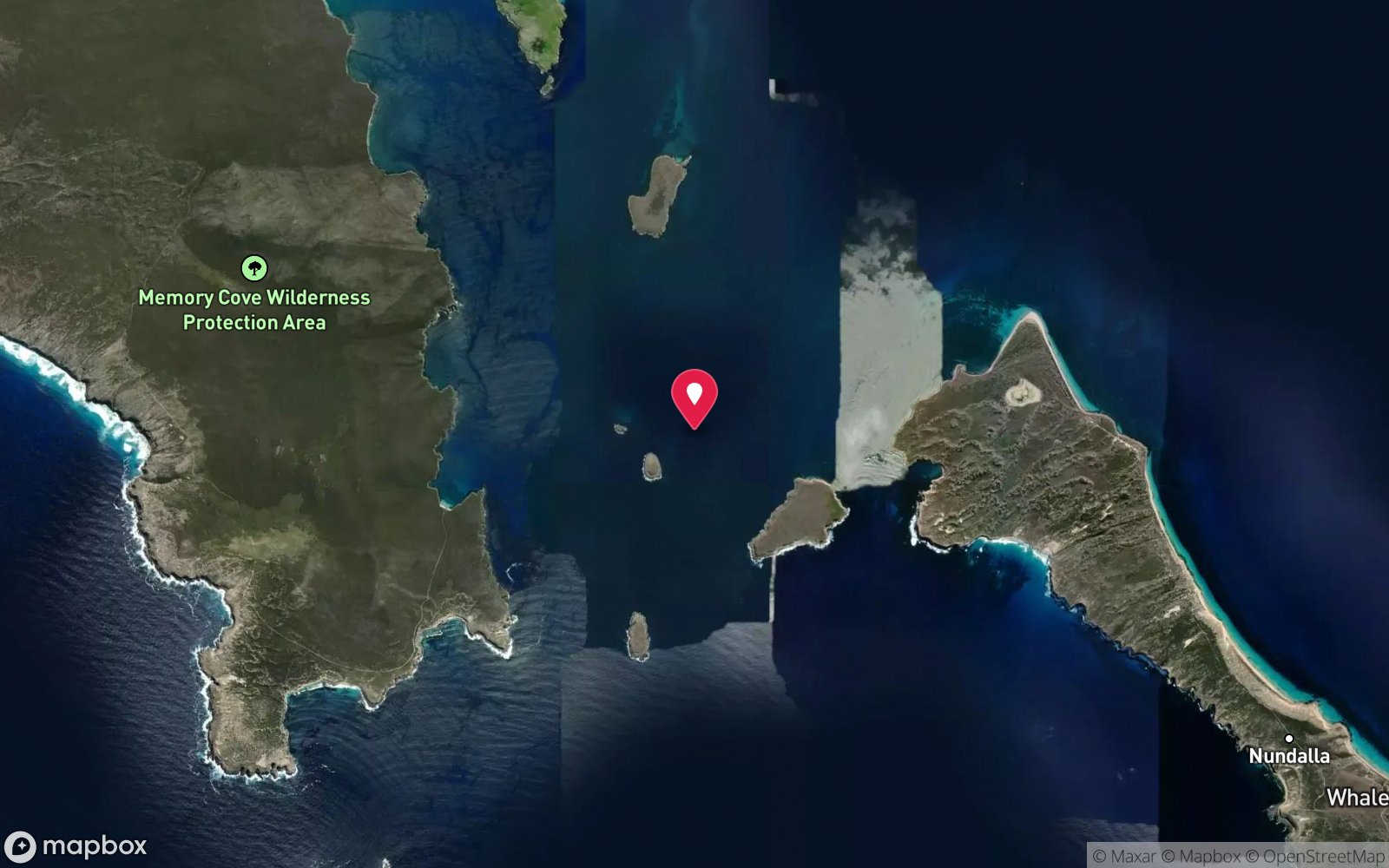
Nearby dive sites
More island dives in South Australia
Explore more
This region