Fur seals
Australian and New Zealand fur seals haul out on islands from Montague Island to Kangaroo Island and play with divers in the shallows.
Arctocephalus pusillus doriferus and A. forsteri
Fur seal colonies line the south-eastern coast, and diving or snorkelling with them is one of the most engaging wildlife encounters in the country. Montague Island off Narooma, the Tollgates at Batemans Bay, Seal Rocks and Kanowna Island at Wilsons Promontory, the Pinnacles at Phillip Island, Lady Julia Percy Island off Port Fairy, Hippolyte Rocks and the Friars in Tasmania, and dozens of smaller haul-outs hold Australian fur seals; New Zealand fur seals dominate in South Australia and southern WA. Juveniles are curious and will spin around divers, nibble fins and blow bubbles; large males should be given space, especially during the November–January breeding season.
Field notes
How to find fur seals on the dive
- Depth
- Surface to 15 m.
- Habitat
- Rocky colonies and haul-outs in Bass Strait, the NSW south coast (Montague Island, Steamers Beach), Tasmania and the Victorian coast; they meet divers in the shallows beside the rocks.
- The tell
- Snorkel or hover in 5–10 m off the colony and wait: the seals come to you, first one or two juveniles, then a dozen. They spin, blow bubbles, mouth fins and stare into masks from a hand's length.
- Behaviour
- Juveniles are playful and fearless; adults keep their distance. Activity peaks in the mornings and when the sea is calm. Large bulls on the rocks in the breeding season (November–December) should be given a wide berth.
- Etiquette
- Let them approach; never chase, touch or grab. Do not land on the colony. Groups are best kept small and calm; a boat crew that knows the colony will position you well.
- Photographing them
- Wide lens, fast shutter, shoot into the light for the bubble trails; video is often better than stills.
Season heat map
When fur seals sites are in season
Share of the 218 fur seals sites with a stated best season that includes each month.
Stated season: Year-round; most playful in summer and autumn, most numerous after the pupping season.
Best sites for fur seals249 sites
Ordered by how regularly the site is dived and how well it is documented. The species is listed in each site's recorded marine life; sightings are never guaranteed.
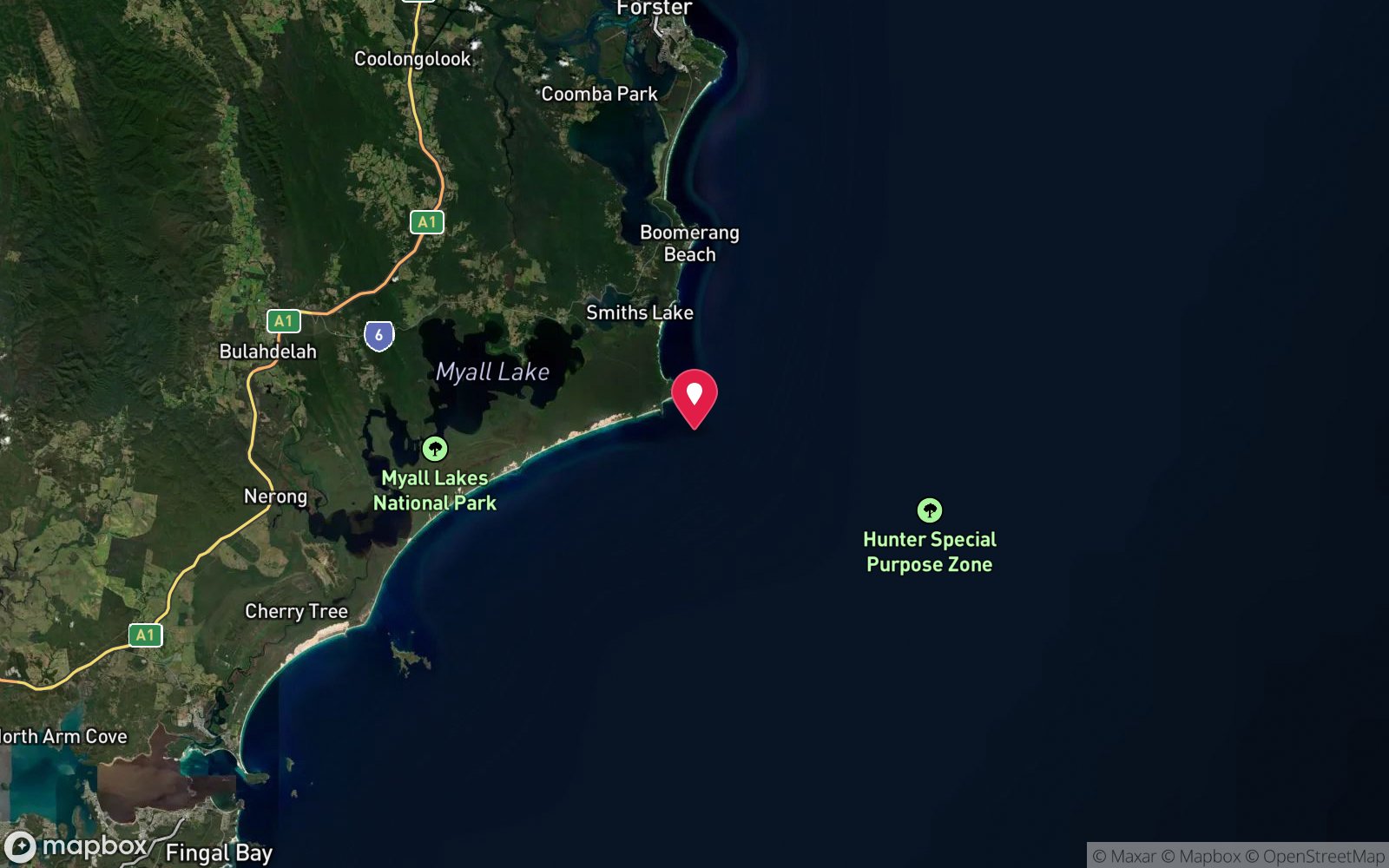
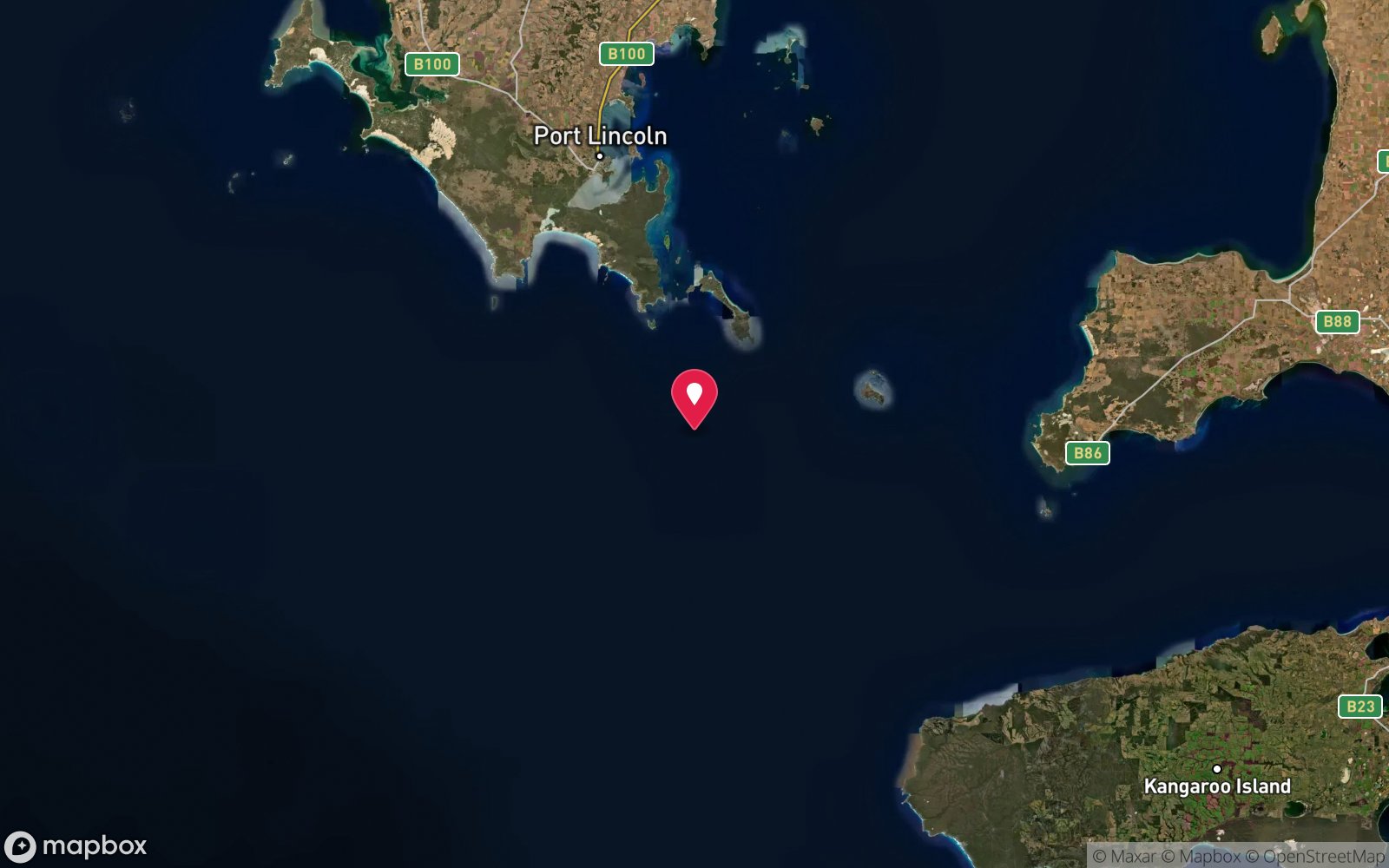
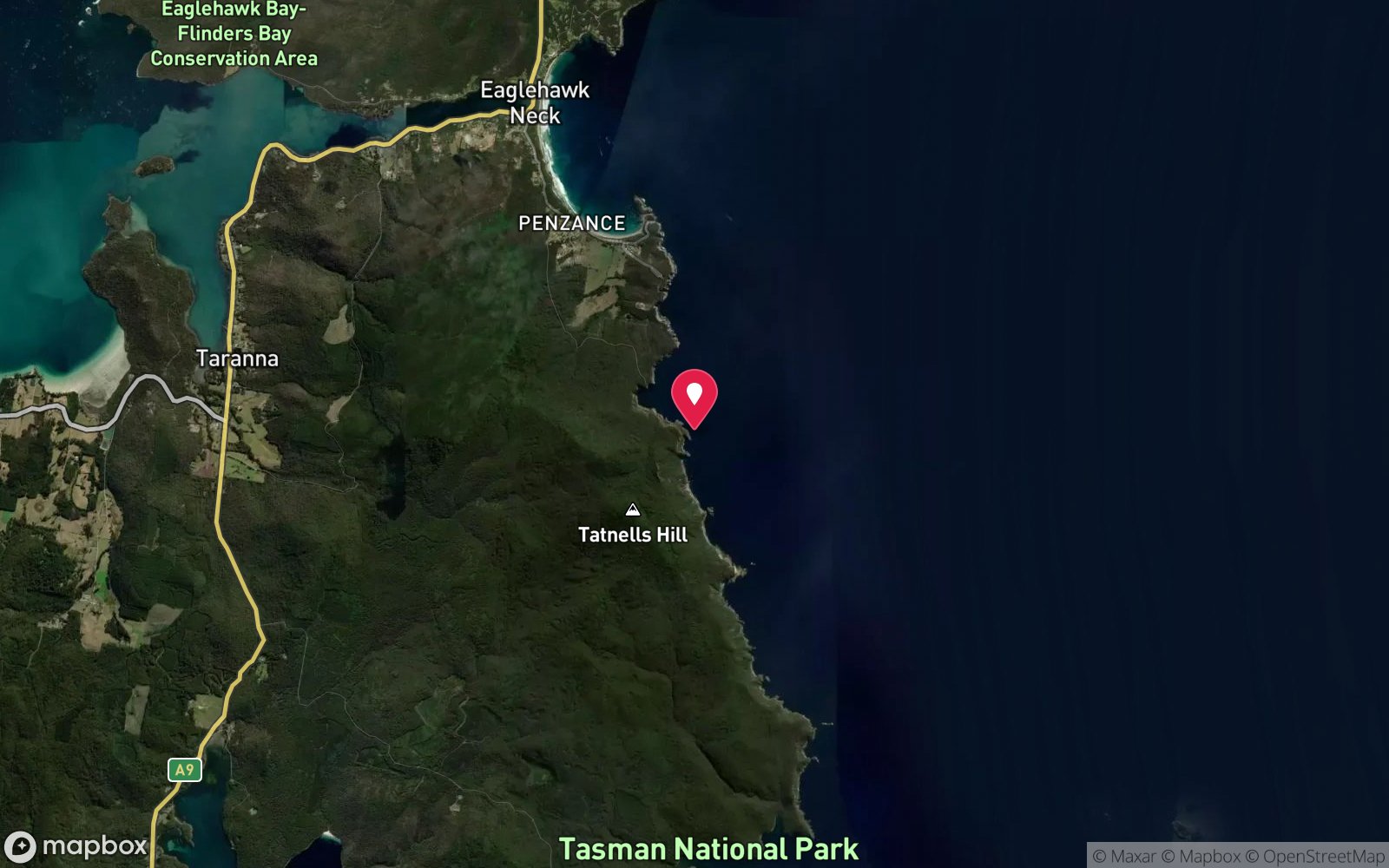
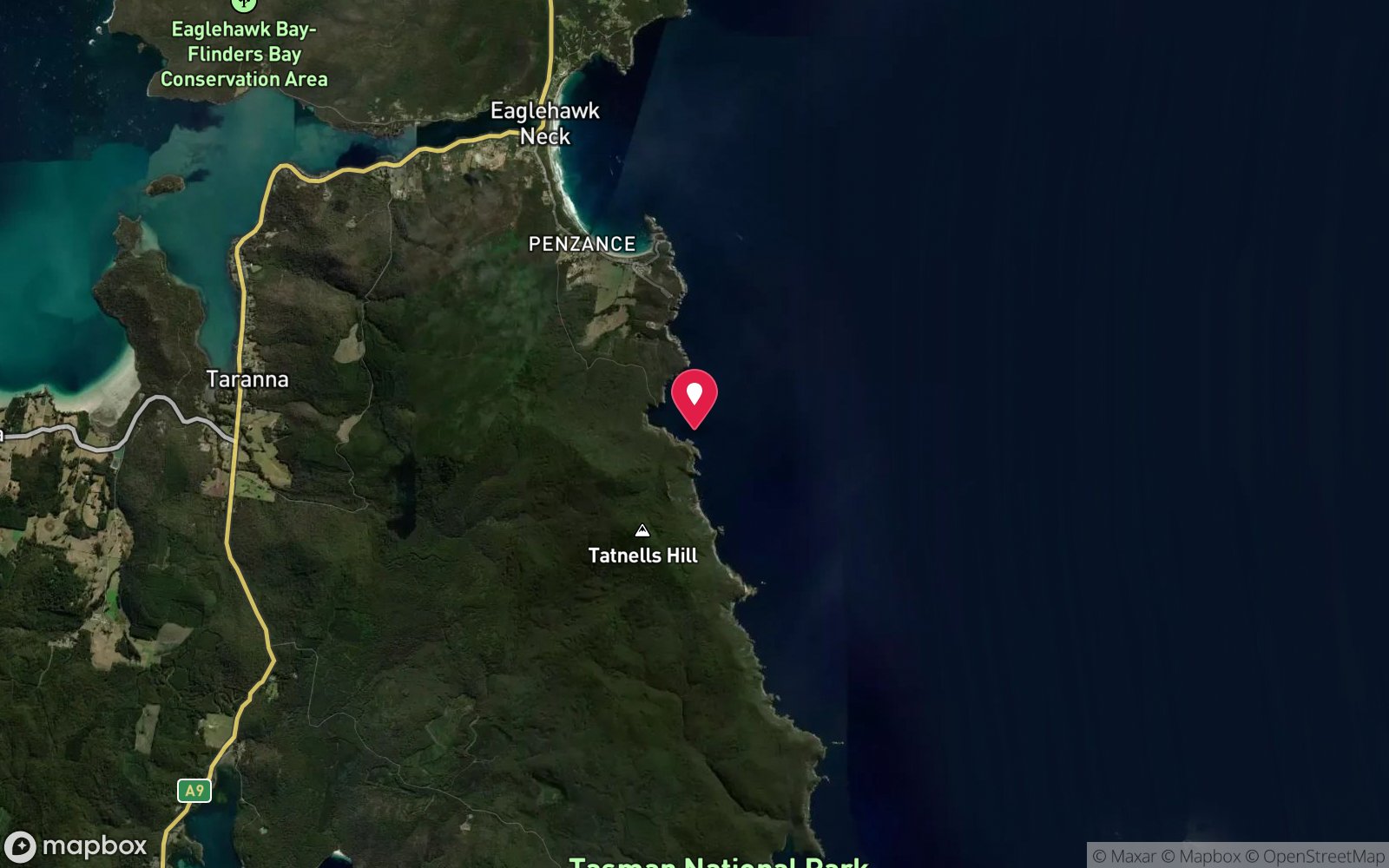
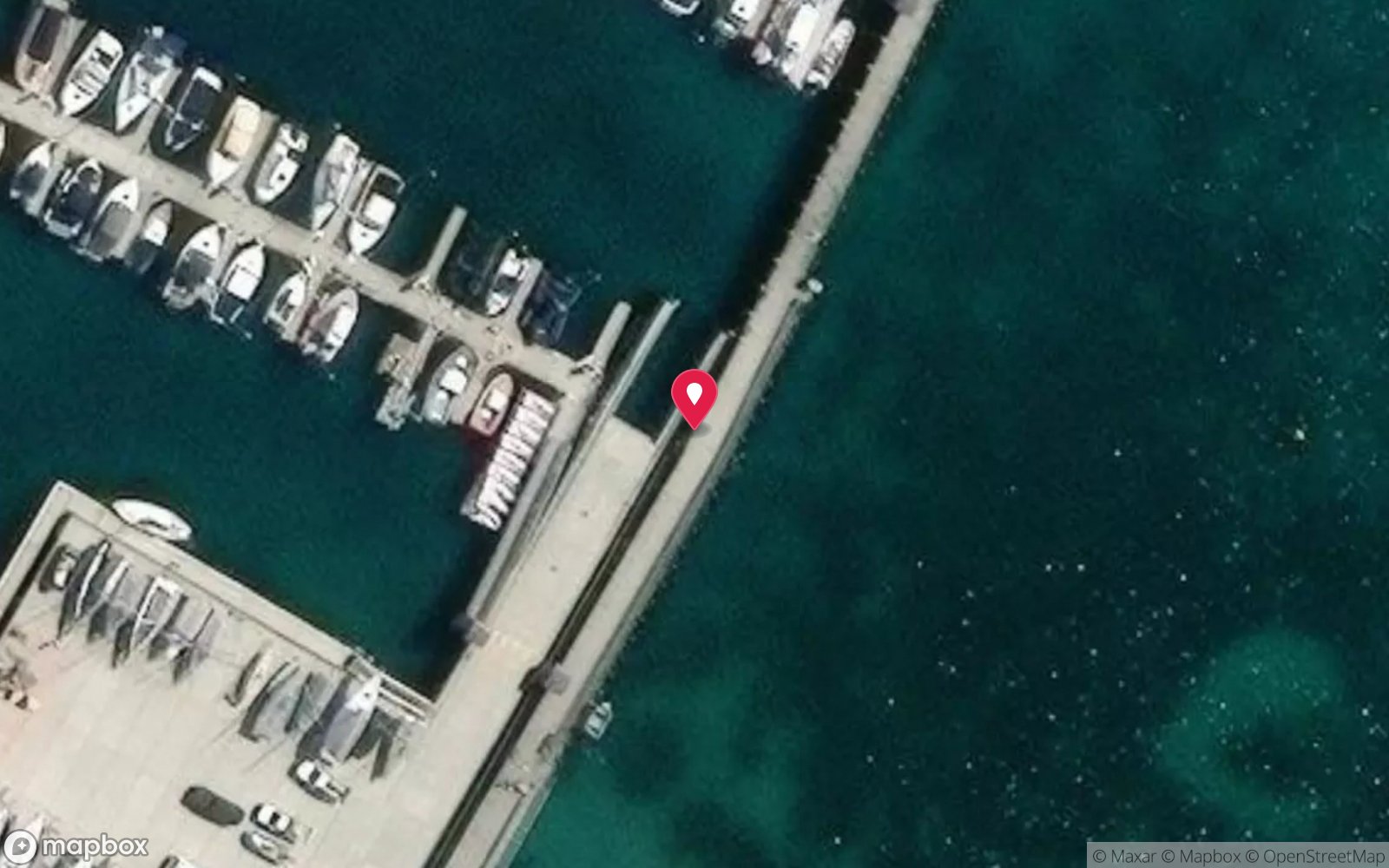
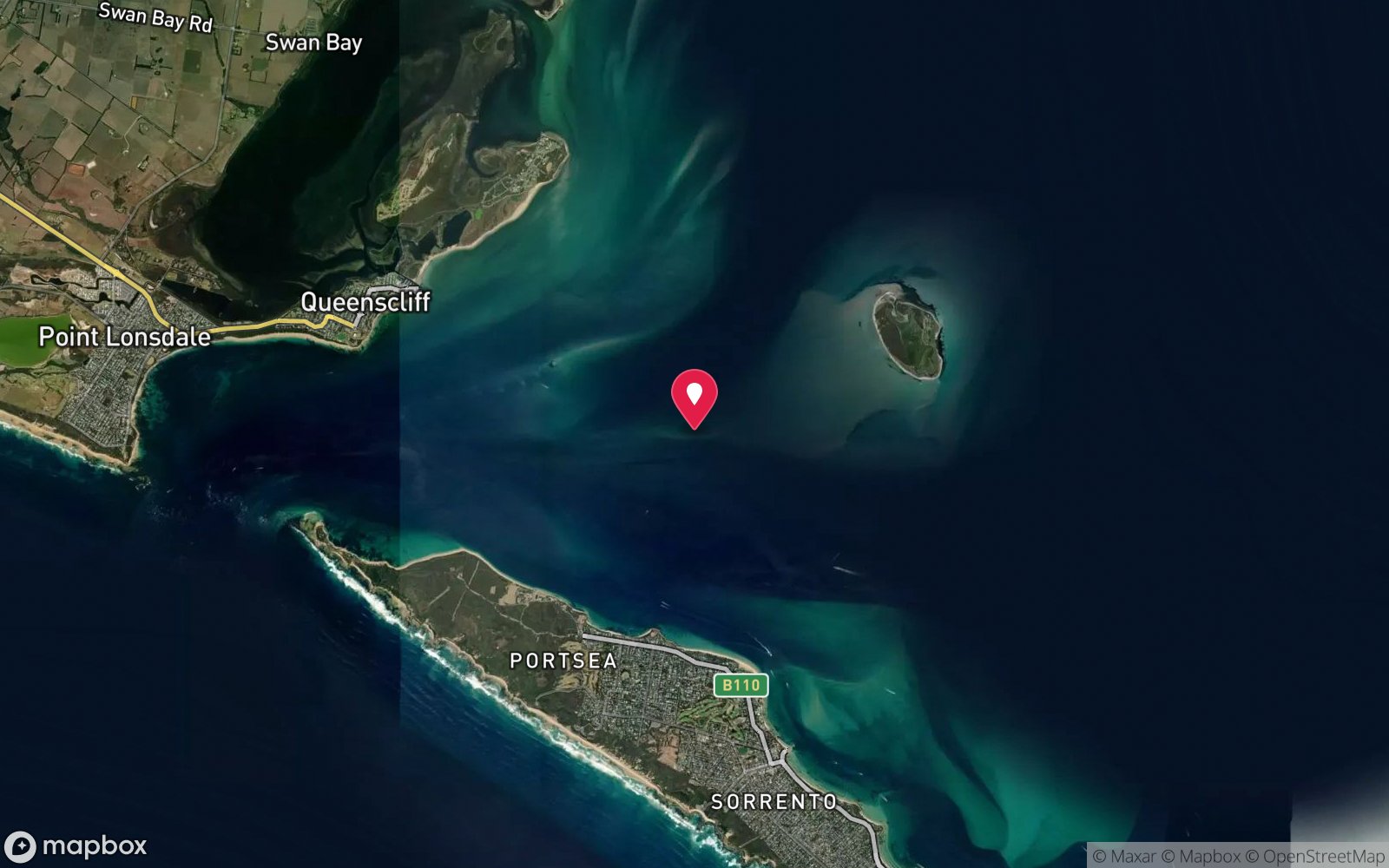
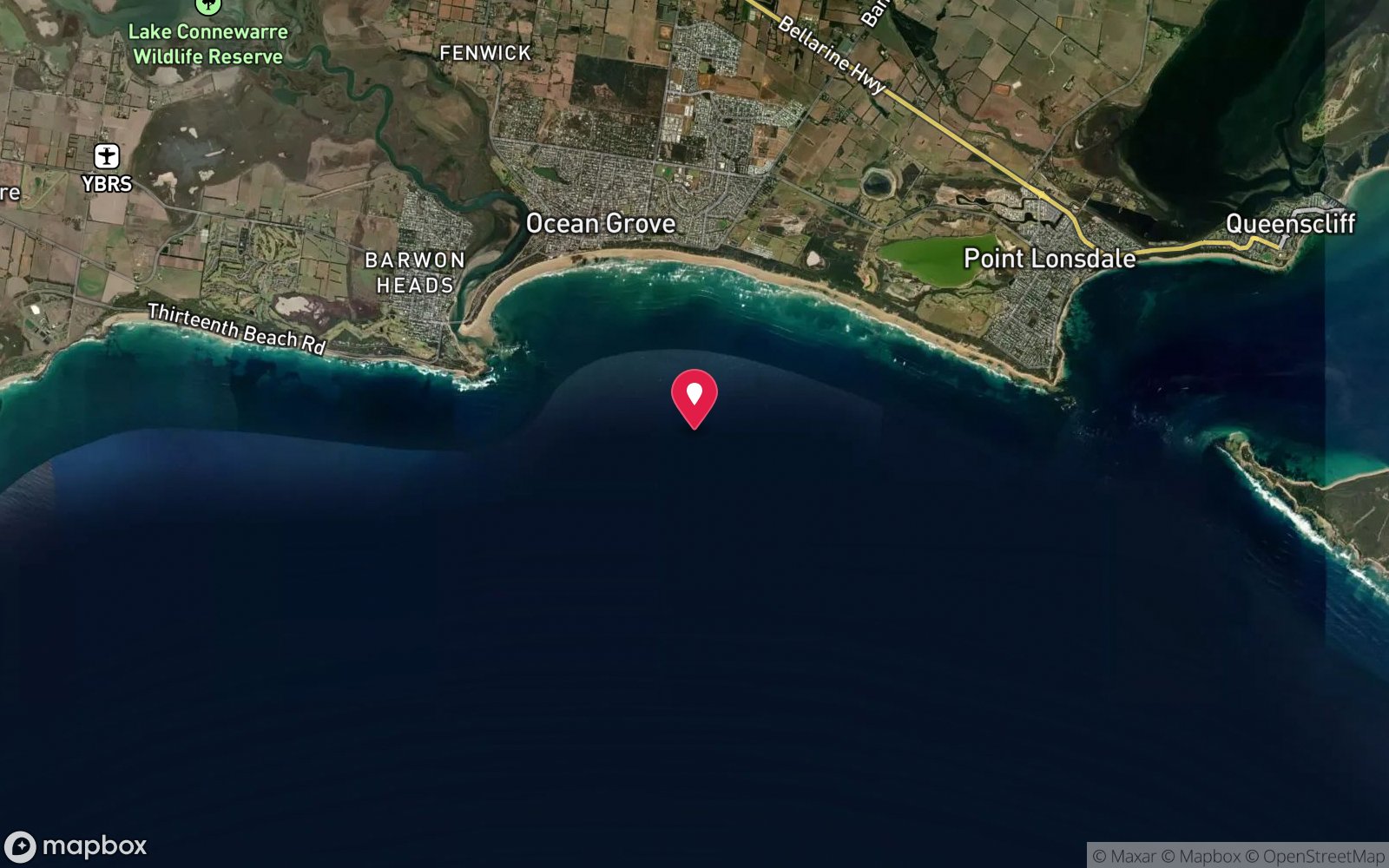
All other sites recording fur seals
- Flinders Pier · Max 6 m · Mornington Peninsula
- Popes Eye · Max 14 m · Port Phillip Heads
- Rye Pier · Max 7 m · Mornington Peninsula
- Busselton Jetty · Max 9 m · Geographe Bay & Busselton
- Drum and Drumsticks · Max 30 m · Jervis Bay
- Martin Island · Max 30 m · Wollongong & Kiama
- Shark Point (Clovelly) · Max 26 m · Sydney South & Botany Bay
- Steamers Beach Seal Colony · Max 25 m · Jervis Bay
- TSS Wandra · Max 28 m · Jervis Bay
- The Bluff (Rosetta Head) · Max 18 m · Fleurieu Peninsula & Victor Harbor
- Deep Glen Bay North Wall · Max 40 m · Tasman Peninsula
- Fortescue Bay · Max 20 m · Tasman Peninsula
- Sisters Rocks · Max 45 m · Tasman Peninsula
- 16lb Reef · Max 18 m · Port Phillip Heads
- Devils Drop Off · Max 55 m · Port Phillip Heads
- Foggy Reef · Max 30 m · Port Phillip Heads
- J4 Submarine · Max 28 m · Port Phillip Heads
- J5 Submarine · Max 36 m · Port Phillip Heads
- Lady Cheryl · Max 14 m · Port Phillip Heads
- Lonsdale Arches · Max 18 m · Port Phillip Heads
- Lonsdale Bommies · Max 18 m · Port Phillip Heads
- Middle Island, Warrnambool · Max 15 m · Shipwreck Coast & Warrnambool
- Nepean Bay · Max 12 m · Port Phillip Heads
- Nepean Wall · Max 65 m · Port Phillip Heads
- Popes Eye Anchor Farm · Max 11 m · Port Phillip Heads
- Portland Lee Breakwater · Max 14 m · Portland & the West
- Quarantine Station Reef · Max 22 m · Port Phillip Heads
- South Channel Fort · Max 12 m · Mornington Peninsula
- Stingray Bay · Max 12 m · Shipwreck Coast & Warrnambool
- Twin Bommies · Max 18 m · Port Phillip Heads
- Home Bommie (Ulladulla) · Max 26 m · Ulladulla
- Lighthouse Bay (Montague Island) · Max 16 m · Narooma & Montague Island
- Shark Gutters (Montague Island) · Max 35 m · Narooma & Montague Island
- The Pinnacles (Montague Island) · Max 32 m · Narooma & Montague Island
- Marengo Reefs Marine Sanctuary · Max 10 m · Surf Coast & Great Ocean Road
- Old Aquarium (Breakwater Rock) · Max 14 m · Shipwreck Coast & Warrnambool
- Queenscliff Pier · Max 8 m · Geelong & Bellarine
- Seal Rocks (Phillip Island) · Max 20 m · Phillip Island & Western Port
- Sponge Garden Drift, Queenscliff · Max 20 m · Geelong & Bellarine
- Breaksea Island · Max 28 m · Albany & Great Southern
- Tanker Jetty Artificial Reef ('The Island') · Max 9 m · Esperance & Recherche Archipelago
- SS Tuggerah wreck · Max 49 m · Sydney South & Botany Bay
- Western River Cove · Max 18 m · Kangaroo Island
- Whale Bones · Max 10 m · Fleurieu Peninsula & Victor Harbor
- Hippolyte Rocks · Max 65 m · Tasman Peninsula
- SS Nord · Max 42 m · Tasman Peninsula
- Captain Nitro Drop Off · Max 60 m · Port Phillip Heads
- Corsair Rock · Max 30 m · Port Phillip Heads
- Cottage by the Sea Reef · Max 10 m · Port Phillip Heads
- Deep Pinnacles · Max 25 m · Port Phillip Heads
- Eagle Rock, Aireys Inlet · Max 10 m · Surf Coast & Great Ocean Road
- George Kermode · Max 20 m · Phillip Island & Western Port
- Inner Corsair Wall · Max 60 m · Port Phillip Heads
- J1 Submarine · Max 38 m · Port Phillip Heads
- J2 Submarine · Max 39 m · Port Phillip Heads
- Mushroom Reef Marine Sanctuary · Max 12 m · Mornington Peninsula
- North Wall · Max 60 m · Port Phillip Heads
- North Wall Corner · Max 66 m · Port Phillip Heads
- Point Addis · Max 10 m · Surf Coast & Great Ocean Road
- Point Franklin Reef, Portsea · Max 15 m · Mornington Peninsula
- Portsea Back Beach Wall · Max 26 m · Port Phillip Heads
- Rip Bank · Max 60 m · Port Phillip Heads
- SS Orungal · Max 10 m · Surf Coast & Great Ocean Road
- SS Rotomahana · Max 39 m · Port Phillip Heads
- The Abyss · Max 40 m · Port Phillip Heads
- The Far Side · Max 60 m · Port Phillip Heads
- The Pinnacles (Cape Woolamai) · Max 38 m · Phillip Island & Western Port
- Sanko Harvest Wreck · Max 44 m · Esperance & Recherche Archipelago
- Aughinish Rock · Max 30 m · Narooma & Montague Island
- Bubble Cave (Montague Island) · Max 30 m · Narooma & Montague Island
- Edith Breaker · Max 30 m · Forster & Seal Rocks
- Haycock Point · Max 18 m · Merimbula
- Smugglers Cave · Max 33 m · Jervis Bay
- Statis Rock · Max 22 m · Forster & Seal Rocks
- Haystack Reef · Max 22 m · Yorke Peninsula
- Rapid Head · Max 12 m · Fleurieu Peninsula & Victor Harbor
- Adventure Bay (Bruny Island) · Max 25 m · Bruny Island & D'Entrecasteaux Channel
- Ile des Phoques · Max 30 m · Tasmania East Coast
- Munro Bight · Max 40 m · Tasman Peninsula
- O'Hara Bluff Kelp Forest · Max 20 m · Tasman Peninsula
- The Thumbs · Max 40 m · Tasman Peninsula
- Twin Peaks (Sundial Caves) · Max 40 m · Tasman Peninsula
- Beach 10B, Queenscliff · Max 10 m · Geelong & Bellarine
- Big Reef, Portland · Max 15 m · Portland & the West
- Cape Woolamai Reef · Max 15 m · Phillip Island & Western Port
- Emily S · Max 24 m · Portland & the West
- Flat Rock, Cape Nelson · Max 24 m · Portland & the West
- Flynns Reef · Max 8 m · Phillip Island & Western Port
- La Bella · Max 15 m · Shipwreck Coast & Warrnambool
- Lawrence Rocks · Max 30 m · Portland & the West
- North Point, Lawrence Rocks · Max 12 m · Portland & the West
- Outer Corsair Wall · Max 65 m · Port Phillip Heads
- Phillip Island Cray Reef · Max 20 m · Phillip Island & Western Port
- Pickering Point · Max 20 m · Shipwreck Coast & Warrnambool
- Point Bunbury, Apollo Bay · Max 7 m · Surf Coast & Great Ocean Road
- Port Fairy Lighthouse Reefs (Griffiths Island) · Max 30 m · Shipwreck Coast & Warrnambool
- Shortland Bluff · Max 15 m · Geelong & Bellarine
- The Nursery, Lawrence Rocks · Max 25 m · Portland & the West
- The Saddle, Lawrence Rocks · Max 10 m · Portland & the West
- Thunder Point · Max 20 m · Shipwreck Coast & Warrnambool
- Toms Reef · Max 24 m · Mornington Peninsula
- North Michaelmas Island · Max 18 m · Albany & Great Southern
- Seal Island (King George Sound) · Max 20 m · Albany & Great Southern
- Woody Island (Recherche Archipelago) · Max 10 m · Esperance & Recherche Archipelago
- Neverfail Reef · Depth not published · Narooma & Montague Island
- Old Wharf (Montague Island) · Max 8 m · Narooma & Montague Island
- Seal Rocks – Western Gutter · Max 28 m · Forster & Seal Rocks
- Snug Cove Wharf · Max 10 m · Eden & Green Cape
- The Keyhole (Montague Island) · Max 40 m · Narooma & Montague Island
- Betsey Island · Max 25 m · Hobart & Derwent
- Cape Hauy / The Candlestick · Max 40 m · Tasman Peninsula
- Governor Island Wave Deflection Wall · Max 6 m · Tasmania East Coast
- Fish Hook Bay · Max 10 m · Rottnest Island
- Tuna Hut · Max 18 m · Rottnest Island
- Jibbon Bombora (Fish Reef) · Max 22 m · Sydney South & Botany Bay
- Maccas Reef (Jibbon) · Max 27 m · Sydney South & Botany Bay
- Marley Point (Royal National Park) · Max 22 m · Sydney South & Botany Bay
- Middle Ground (Cronulla) · Max 33 m · Sydney South & Botany Bay
- Pizza Reef (Jibbon) · Max 27 m · Sydney South & Botany Bay
- SS Undola wreck · Max 45 m · Sydney South & Botany Bay
- Ethel Wreck · Max 2 m · Yorke Peninsula
- Buckleys Cave · Max 10 m · Port Phillip Heads
- Cape Schanck West (Pulpit Rock) · Max 7 m · Mornington Peninsula
- George Roper · Max 6 m · Port Phillip Heads
- Holyhead · Max 10 m · Port Phillip Heads
- Petriana · Max 6 m · Port Phillip Heads
- RMS Australia · Max 8 m · Port Phillip Heads
- SS Cheviot · Max 7 m · Port Phillip Heads
- Manly Beach (South Steyne – Queenscliff) · Max 8 m · Sydney Northern Beaches
- Red Rooster Reef (Jibbon) · Max 27 m · Sydney South & Botany Bay
- The Crossroads · Max 42 m · Jervis Bay
- Althorpe Island · Max 40 m · Yorke Peninsula
- Cape Banks – Carpenter Rocks · Max 12 m · Limestone Coast
- Cape du Couedic – Admirals Arch · Depth not published · Kangaroo Island
- Dangerous Reef · Depth not published · Eyre Peninsula
- Haystack Island · Max 15 m · Yorke Peninsula
- Mylor Star Wreck · Max 15 m · Yorke Peninsula
- Seal Cove (Althorpe Island) · Max 15 m · Yorke Peninsula
- SS Pareora Wreck · Max 15 m · Yorke Peninsula
- The Blowhole (Deep Creek) · Max 12 m · Fleurieu Peninsula & Victor Harbor
- Wedge Island · Max 50 m · Yorke Peninsula
- West Island (Encounter Bay) · Max 25 m · Fleurieu Peninsula & Victor Harbor
- Actaeon Island · Max 15 m · Huon & Far South
- Tasman Island · Max 40 m · Tasman Peninsula
- The Friars (Bruny Island) · Max 40 m · Bruny Island & D'Entrecasteaux Channel
- The Needle (Hippolyte) · Max 65 m · Tasman Peninsula
- Troy D · Depth not published · Tasmania East Coast
- Back Beach Cray Reef · Max 20 m · Mornington Peninsula
- Bay of Islands · Max 20 m · Shipwreck Coast & Warrnambool
- Beware Reef · Max 30 m · East Gippsland
- Buckleys Cave, Point Lonsdale · Max 10 m · Geelong & Bellarine
- Bum Rock · Max 30 m · Wilsons Promontory
- Cape Nelson Lighthouse Reef · Max 36 m · Portland & the West
- Cape Schanck Cray Reef · Max 20 m · Mornington Peninsula
- Cathedral Rock, Lorne · Max 8 m · Surf Coast & Great Ocean Road
- Cowrie Beach · Max 8 m · Phillip Island & Western Port
- Crayfish Bay, Cape Otway · Max 10 m · Surf Coast & Great Ocean Road
- Dannevig Island North East · Max 30 m · Wilsons Promontory
- Eagle Nest Reef, Aireys Inlet · Max 10 m · Surf Coast & Great Ocean Road
- Eagle Rock, Warrnambool · Max 20 m · Shipwreck Coast & Warrnambool
- Fenwick Bight · Max 30 m · Wilsons Promontory
- Flinders Cray Reef · Max 20 m · Mornington Peninsula
- Kanowna Island, Seal Colony · Max 50 m · Wilsons Promontory
- Kanowna Island, Seal School · Max 40 m · Wilsons Promontory
- Kanowna Island, South East · Max 55 m · Wilsons Promontory
- Lady Julia Percy Island (Deen Maar) · Max 25 m · Portland & the West
- Landing Bay, Lady Julia Percy Island · Max 10 m · Portland & the West
- Light of the Age · Max 6 m · Port Phillip Heads
- Loch Ard · Max 25 m · Shipwreck Coast & Warrnambool
- Loch Ard Gorge · Max 25 m · Shipwreck Coast & Warrnambool
- London Bridge, Portsea · Max 7 m · Mornington Peninsula
- Nepean Reef (Time and Campbell wrecks) · Max 9 m · Port Phillip Heads
- Point Franklin, Cape Otway · Max 14 m · Surf Coast & Great Ocean Road
- Ramsbotham Rocks · Max 30 m · Wilsons Promontory
- Sandy Gully Beach, Aireys Inlet · Max 10 m · Surf Coast & Great Ocean Road
- Seal Colony, Cape Bridgewater · Max 10 m · Portland & the West
- Skull Rock · Max 65 m · Wilsons Promontory
- South East Point (Wilsons Promontory Lighthouse) · Max 70 m · Wilsons Promontory
- South Point (Wilsons Promontory) · Max 50 m · Wilsons Promontory
- Speke · Max 26 m · Phillip Island & Western Port
- SS Barwon & Horseshoe Reef, Cape Bridgewater · Max 8 m · Portland & the West
- SS Gulf of Carpentaria · Max 50 m · Wilsons Promontory
- Sweep Reef · Max 9 m · Port Phillip Heads
- TSS Kanowna · Max 82 m · Wilsons Promontory
- Waterloo Bay, North Wall · Max 60 m · Wilsons Promontory
- Wilsons Promontory Lighthouse Landing · Max 30 m · Wilsons Promontory
- Cathedral Rocks Caverns · Max 18 m · Rottnest Island
- Kiryo Maru I Wreck · Max 9 m · Rottnest Island
- Remark Island & Frederick Island · Max 50 m · Esperance & Recherche Archipelago
- Salmon Holes (Torndirrup) · Max 8 m · Albany & Great Southern
- Disaster Bay · Depth not published · Eden & Green Cape
- Lennards Island · Max 25 m · Eden & Green Cape
- Mewstone (Eden) · Depth not published · Eden & Green Cape
- Quarantine Bay · Max 8 m · Eden & Green Cape
- Seal Rocks – Little Rock · Max 20 m · Forster & Seal Rocks
- Seal Rocks – Sawtooth Rocks · Max 25 m · Forster & Seal Rocks
- The Plateau (Montague Island) · Max 33 m · Narooma & Montague Island
- Cape Spencer · Max 12 m · Yorke Peninsula
- Cape Torrens · Max 40 m · Kangaroo Island
- Cape Wiles Lagoon · Max 15 m · Eyre Peninsula
- Cape Willoughby · Max 20 m · Kangaroo Island
- Godfrey Islands (Robe) · Depth not published · Limestone Coast
- Granite Island · Max 15 m · Fleurieu Peninsula & Victor Harbor
- Granite Island Jetty & Breakwater · Max 6 m · Fleurieu Peninsula & Victor Harbor
- Lewis Island · Max 15 m · Eyre Peninsula
- Pearson Island · Max 30 m · Eyre Peninsula
- Seal Island (Seal Rocks) · Max 25 m · Fleurieu Peninsula & Victor Harbor
- Topgallant Island · Max 20 m · Eyre Peninsula
- Barrenjoey (Tenth Island) · Max 8 m · Tasmania North-East
- Cape Connella · Max 18 m · Bruny Island & D'Entrecasteaux Channel
- Cape Pillar · Max 50 m · Tasman Peninsula
- Cape Queen Elizabeth (Bruny Island) · Max 30 m · Bruny Island & D'Entrecasteaux Channel
- Cape Sonnerat (Schouten Island) · Max 40 m · Tasmania East Coast
- Cape Surville · Max 35 m · Tasman Peninsula
- Courts Island · Max 25 m · Bruny Island & D'Entrecasteaux Channel
- Crescent Bay – Mt Brown Cliffs · Max 25 m · Tasman Peninsula
- Lemon Rock (Wineglass Bay) · Max 40 m · Tasmania East Coast
- Salters Point (Cape Raoul) · Max 28 m · Tasman Peninsula
- Taillefer Rocks · Max 30 m · Tasmania East Coast
- Tasman Arch & Blowhole Reef · Max 20 m · Tasman Peninsula
- The Monument · Max 30 m · Tasman Peninsula
- Anser Island · Max 40 m · Wilsons Promontory
- Bastion Point (Mallacoota) · Max 12 m · East Gippsland
- Blowhole & Thunder Point, Lady Julia Percy Island · Max 25 m · Portland & the West
- Discovery Bay Marine National Park (Whites Beach) · Max 60 m · Portland & the West
- Flinders Ocean Beach (Flinders Back Beach) · Max 8 m · Mornington Peninsula
- Gabo Island (Santa Barbara Bay) · Max 20 m · East Gippsland
- Golden Bommies · Max 38 m · Phillip Island & Western Port
- Great Glennie Island · Max 35 m · Wilsons Promontory
- Jones Bay, Cape Nelson · Max 15 m · Portland & the West
- Leopard Seal Reef, Lady Julia Percy Island · Max 20 m · Portland & the West
- Lonsdale Rock · Max 15 m · Port Phillip Heads
- Mandeville Road, Summerlands · Max 12 m · Phillip Island & Western Port
- Phelan Bluff · Max 12 m · Phillip Island & Western Port
- Salmon Rocks / West Cape (Cape Conran) · Max 10 m · East Gippsland
- Twelve Apostles Marine National Park – Thunder Cave & outer reefs · Max 30 m · Shipwreck Coast & Warrnambool
- Bald Island · Max 30 m · Albany & Great Southern
- Breaksea Island Southern Dropoff · Max 40 m · Albany & Great Southern
- Coffin Island · Max 20 m · Albany & Great Southern
- Thomas Island & Cape Le Grand Islands · Max 30 m · Esperance & Recherche Archipelago
Frequently asked questions
How do I find fur seals on a dive?
Rocky colonies and haul-outs in Bass Strait, the NSW south coast (Montague Island, Steamers Beach), Tasmania and the Victorian coast; they meet divers in the shallows beside the rocks. Snorkel or hover in 5–10 m off the colony and wait: the seals come to you, first one or two juveniles, then a dozen. They spin, blow bubbles, mouth fins and stare into masks from a hand's length.
Where is the best place to see fur seals in Australia?
Montague Island; the Tollgates; Kanowna Island; the Pinnacles (Cape Woolamai); Lady Julia Percy Island; Hippolyte Rocks; Bruny Island's Friars; Michaelmas Island (Albany).
When is the best time to see fur seals?
Year-round; most playful in summer and autumn, most numerous after the pupping season.
How should I approach fur seals?
Stay in 5–10 m near the rocks and let them come to you. Do not approach the haul-out or the water's edge where bulls are territorial.