Dive slate · divesites.com.au · printed 8 Nov 2026
Stingray Bay
Shipwreck Coast & Warrnambool, Victoria · near Warrnambool
| Depth | 4–12 m |
|---|---|
| Minimum level | Open Water |
| Difficulty | Beginner |
| Access | Shore |
| Entry | Steps from Viaduct Road to the beach; walk in from the sand |
| Current | Mild |
| Visibility | 5-15 m |
| Water | summer 15-18 °C, winter 11-13 °C |
| Suit | 7mm semi-dry with hood and gloves in summer; drysuit strongly preferred May–November |
| Best season | Autumn (Mar–May) and calm summer days at low tide |
| Bottom time | 50 min |
| Position | -38.40275, 142.47343 (GPS) |
| Permit | Merri Marine Sanctuary – no take, no collecting; Middle Island closed to landing |
| Nearest chamber | The Alfred (Melbourne) |
| Emergency | 000 · DAN Asia-Pacific diving emergency 1800 088 200 |
Stingray Bay
Also known as Breakwater Bay, The Horseshoe, Merri Marine Sanctuary
The best shore dive in Warrnambool: a kelp forest full of cuttlefish, crayfish and seahorses with stingrays on the sand, in a no-take sanctuary below the car park.
Near Warrnambool · Shipwreck Coast & Warrnambool, Victoria
- Depth
- 4–12 m
- Minimum level
- Open Water
- Access
- Shore
- Boat ride
- Shore entry
- Water
- 15-18 °C
- Visibility
- 5-15 m
Stingray Bay4–12 m · Open Water · Shore
Dive factsDepths, conditions, location & safety
Season
Off-peak nowBest months: January, February, March, April, May, December.
Autumn (Mar–May) and calm summer days at low tide
- Best months
- Now (November)
Dive facts
- Depth
- 4–12 m
- Typical depth
- 7 m
- Certification
- Open Water
- Difficulty
- Beginner
- Depth tier
- Open Water (10–18 m)
- Access
- Shore
- Offshore
- 0.05 km
- Dive centre needed
- No – independently diveable
- Shore / independent
- Yes
- Current
- Mild
- Visibility
- 5-15 m
- Water temp (summer)
- 15-18 °C
- Water temp (winter)
- 11-13 °C
- Water
- Temperate
- Bottom time
- 50 min
- Dive traffic
- Popular (weekly charters)
- Night dive
- Yes
- Snorkel friendly
- Yes
Exposure suit
7mm semi-dry with hood and gloves in summer; drysuit strongly preferred May–November
Location
Merri Marine Sanctuary · Warrnambool
-38.40275, 142.47343
Published GPS position.
Open in Google MapsPrimary source: scubadoctor.com.auMarine park & permits
Merri Marine Sanctuary – no take, no collecting; Middle Island closed to landing
Nearest recompression chamber
The Alfred (Melbourne)
Diving emergency: call 000, then DAN AP 1800 088 200.
Trip planner
Build a trip around Stingray Bay →
A day-by-day plan for Shipwreck Coast & Warrnambool with this site locked in.
This guide is a planning aid. Conditions change daily — confirm with a local dive centre and dive within your training. Data & safety notes.
Dive profile
How this site rates
Scores are computed from the recorded data, not opinions. How?
At a glance
Stingray Bay is a shore / rock platform shore dive you can do independently in Shipwreck Coast & Warrnambool, VIC, 4–12 m, suited to Open Water divers.
Rated beginner: sheltered, shallow and manageable for a newly certified diver on a normal day, though note surge on the entry or in the shallows and cold water.
Why dive here
- The best shore dive in Warrnambool: a kelp forest full of cuttlefish, crayfish and seahorses with stingrays on the sand, in a no-take sanctuary below the car park.
- Commonly dived at night, when octopus, cuttlefish and crustaceans are out.
- Snorkel-friendly, so non-diving companions can join at the surface.
Conditions to avoid
- Strong southerly or south-east swell and wind
- Afternoon north-easterlies
- Strong westerlies
- Outgoing tide or run-off after rain (poor visibility)
About Stingray Bay
Stingray Bay – also called Breakwater Bay and, for its shape, The Horseshoe – is the small bay between Pickering Point and the Warrnambool breakwater where the Merri River meets the sea, and it is the heart of the Merri Marine Sanctuary. The sanctuary, 29 hectares of no-take water declared in 2002, runs from Thunder Point to Breakwater Rock, and Stingray Bay is its sheltered centre and the best shore dive and snorkel in Warrnambool. From the beach a sandy bottom slopes into a kelp forest that stretches from one side of the bay to the other, with fringing reefs on both flanks that hold swim-throughs, ledges and small caves. On the sand are the stingrays and flathead that give the bay its name; in the kelp and on the reef the Scuba Doctor lists sea sweep, big-belly seahorses, draughtboard sharks, southern eagle rays, calm crayfish sitting out at the front of their ledges, and giant Australian cuttlefish in the caves and weed, and Parks Victoria adds an abundance of the fish and invertebrates typical of this cool-water coast. Bottlenose dolphins and Australian fur seals come into the bay, and little penguins from the Middle Island colony hunt in the sanctuary waters.
Depths of 4–12 m, a sand entry from steps below the car park and a horseshoe shape that keeps navigation simple make this a genuine beginner's dive when conditions allow, and a long, slow one – 50 minutes or more is normal. The sanctuary status shows in the size and tameness of the crayfish and the number of fish. The constraint is the weather: the bay faces south-west, and although it is more sheltered than the points either side it requires very low swell, low tide and offshore winds, and becomes treacherous in any onshore wind. From here the channel between Middle Island and Merri Island, the sanctuary's deepest and richest feature, is a short swim to the west and is recorded separately. Middle Island itself is closed to the public to protect the penguin colony.
Getting there & entry
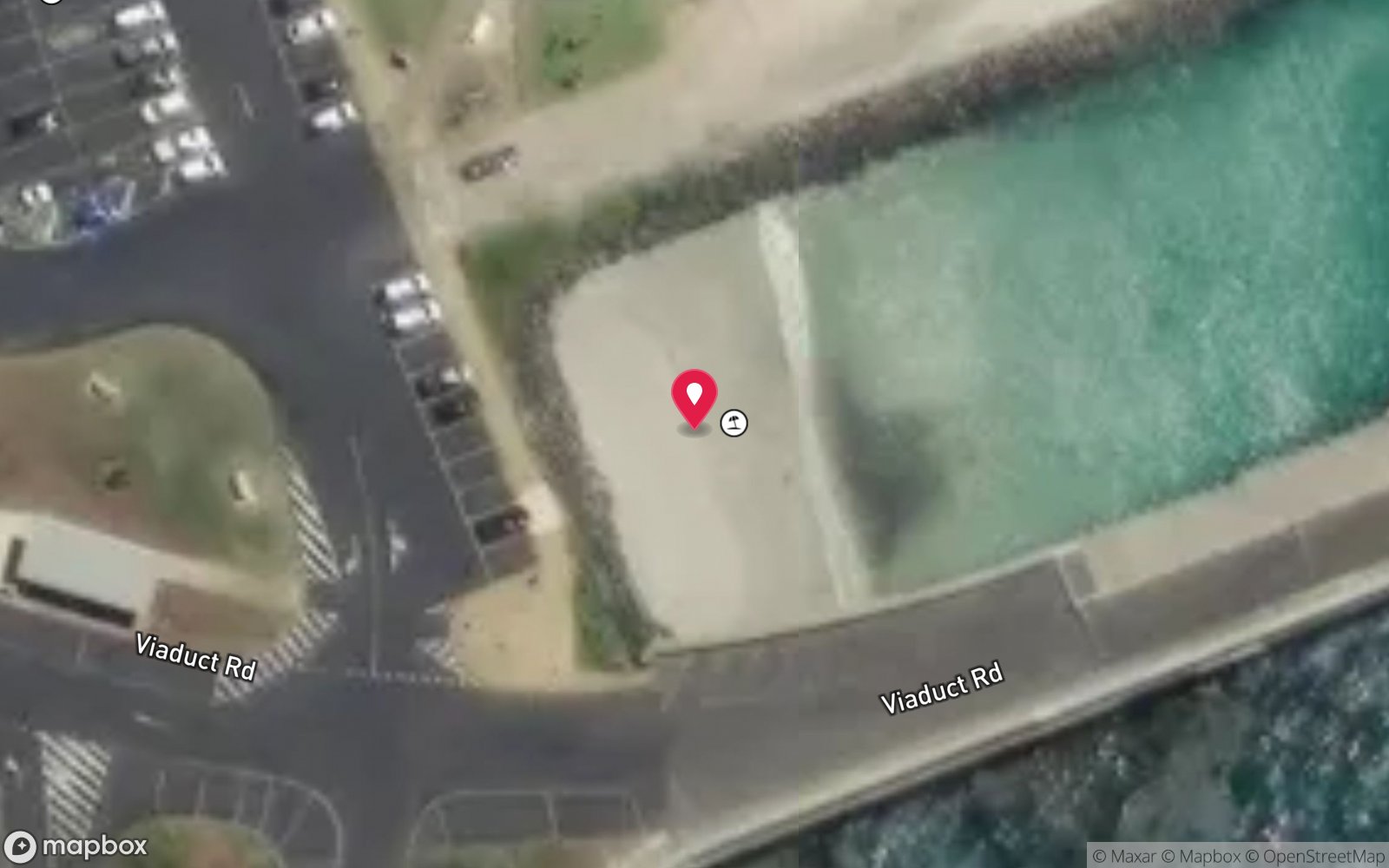
Sheltered horseshoe bay between Pickering Point and the Warrnambool breakwater, at the mouth of the Merri River, inside the Merri Marine Sanctuary; kelp forest and fringing reef in 4–12 m.
From the centre of Warrnambool follow Pertobe Road and Viaduct Road toward the breakwater; park on the western side of Viaduct Road near the first set of steps closest to the concrete wall, at the southern end of the parking area. The steps drop directly to the Stingray Bay beach, a walk of under a minute. Gear up at the car, carry down the steps and enter from the sand.
Exit the same way. Warrnambool Diving on Fairy Street, 2 km away, supplies air and guided dives; Daktari Surf & Dive hires snorkel gear.
Entry: Steps from Viaduct Road to the beach; walk in from the sand
Facilities: Large car parks off Viaduct Road and at the breakwater; toilets and showers at the breakwater and Stingray Bay; Warrnambool Diving (179A Fairy Street) for air fills, gear and guided dives; Pavilion cafe at the breakwater; Flagstaff Hill Maritime Museum nearby.
Weather, swell & tides
The Merri Marine Sanctuary sites face south-west into the Southern Ocean and are, in the Scuba Doctor's words, prone to surge and swell, with conditions able to change quickly into dangerously rough seas with big swells and strong currents. Dive at low tide with a low swell (under about 1 m at Stingray Bay, under 0.5 m for the exposed sites) and light offshore northerly to north-easterly winds; any onshore southerly through westerly wind makes the sites treacherous. Check the water from the car park – if you see lots of white water, head home.
Visibility is best after settled northerly weather in autumn and poor after rain from the Merri River. Warm-water upwelling is absent; the Bonney Upwelling can bring cold green water in summer. Stingray Bay is the most sheltered of the sanctuary sites and is workable on more days than Pickering or Thunder Point, but the Scuba Doctor still requires very low swell and low tide.
Best season: Autumn (Mar–May) and calm summer days at low tide
If it's blown out
Sheltered or shore sites within 25 km that often work when Stingray Bay doesn't.
- Middle Island, Warrnambool · 0 km · Max 15 m
- Old Aquarium (Breakwater Rock) · 0 km · Max 14 m
- Warrnambool Breakwater Inside · 0 km · Max 9 m
- Edinburgh Castle · 2 km · Max 5 m
How the dive is usually run
Enter from the beach, swim out over the sand and descend on the edge of the kelp in 4–5 m. Work across the bay through the kelp forest from left to right, checking the fringing reef on each side for swim-throughs, crayfish under the ledges and cuttlefish in the caves, and the sand patches for stingrays and flathead. Turn at half gas, return through the kelp to the beach; toward the western side the channel to Middle Island begins and can be added in calm conditions.
Marine life
- Stingrays and flathead
- southern eagle rays
- draughtboard sharks
- giant Australian cuttlefish →
- big-belly seahorses →
- southern rock lobster
- sea sweep
- blue-throat wrasse
- magpie perch
- leatherjackets
- bottlenose dolphins
- Australian fur seals →
- little penguins
- kelp forest
Linked species have their own page listing every site where they are recorded. All marine life →
Training required
Within the 18 m limit of an entry-level certification.
Courses that help here
- Night Diver – Commonly dived at night.
- Drysuit Diver – Cold water; locals dive dry for much of the year.
Depth tiers: 0–10 m easy · to 18 m Open Water · 18–30 m Advanced (25 m+ is a deep dive) · 30–40 m Deep specialty · 40 m+ technical. All courses
Hazards & warnings
Treacherous in any onshore southerly to westerly wind; surge and swell; strong currents and undertows when the outer reefs break; no take in the sanctuary; Middle Island closed to the public. Exit at the beach steps.
Dive centres that go here
Warrnambool Diving (Fairy Street) – air fills, PADI courses, divemaster-led local shore dives on request; Daktari Surf & Dive (Warrnambool) – snorkel gear and guided snorkels; Warrnambool dive club members dive the sanctuary regularly on calm days.
Operators recorded for Stingray Bay
Warrnambool Diving
Named by sitesWarrnambool · Shipwreck Coast & Warrnambool · VIC
Trades as Warrnambool Diving & Firearms.
divingandfirearms.com.au · (03) 5562 1685
Daktari Sport (Daktari Surf & Dive)
Named by sitesPort Fairy · Shipwreck Coast & Warrnambool · VIC
Website live for 2026 with current PADI course prices; stores in Port Fairy, Hamilton and Mount Gambier.
daktarisport.com.au
Other dive centres in Shipwreck Coast & Warrnambool
Map
7 pinned sites. Pins marked approximate on their pages show the general area only; not for navigation.
Satellite views
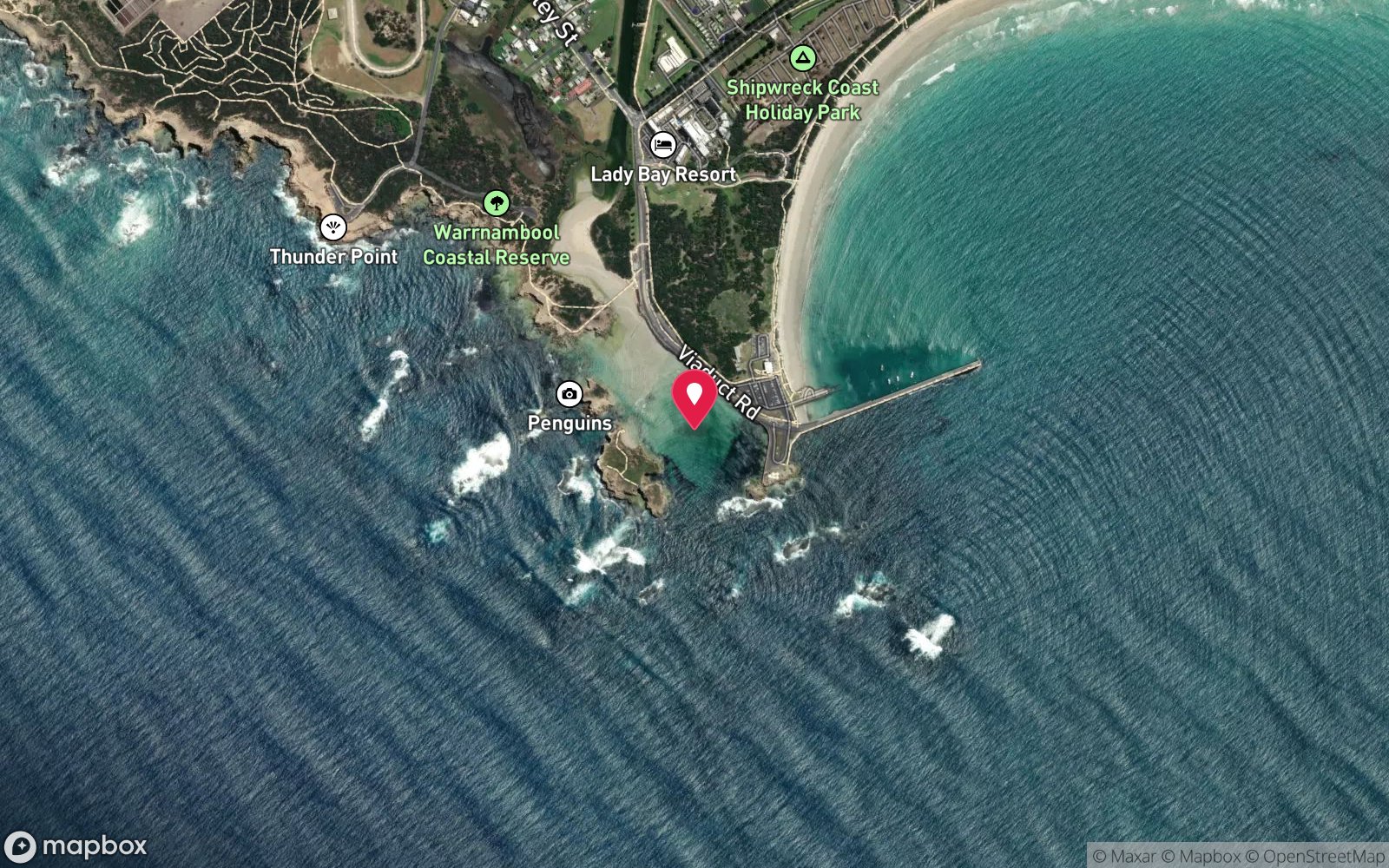
Stingray Bay: frequently asked questions
How deep is Stingray Bay?
Stingray Bay reaches a maximum depth of 12 m, with the shallowest part at about 4 m; most of the dive is spent around 7 m.
What certification do I need to dive Stingray Bay?
Open Water is the recommended minimum. Rated beginner: sheltered, shallow and manageable for a newly certified diver on a normal day, though note surge on the entry or in the shallows and cold water.
Can I shore dive Stingray Bay?
Yes. Stingray Bay is a shore dive that can be done independently: steps from Viaduct Road to the beach; walk in from the sand.
When is the best time to dive Stingray Bay?
Autumn (Mar–May) and calm summer days at low tide.
What marine life will I see at Stingray Bay?
Regularly recorded: Stingrays and flathead, southern eagle rays, draughtboard sharks, giant Australian cuttlefish, big-belly seahorses, southern rock lobster, sea sweep, blue-throat wrasse, magpie perch, leatherjackets, bottlenose dolphins, Australian fur seals and more.
What wetsuit do I need at Stingray Bay?
7mm semi-dry with hood and gloves in summer; drysuit strongly preferred May–November.
How cold is the water at Stingray Bay?
Typically 15-18 °C in summer and 11-13 °C in winter.
What are the main hazards at Stingray Bay?
Treacherous in any onshore southerly to westerly wind; surge and swell; strong currents and undertows when the outer reefs break; no take in the sanctuary; Middle Island closed to the public. See the hazards section above for the full list.
Can you night dive Stingray Bay?
Yes, Stingray Bay is commonly dived at night.
Diving in Shipwreck Coast & Warrnambool
The coast between Cape Otway and Port Fairy earned its name honestly: the Loch Ard, the Falls of Halladale, the Schomberg and dozens of others lie in the shallows below the limestone cliffs. Warrnambool's Breakwater, Port Fairy's Griffiths Island and the Lady Bay reefs are dived on the rare days of nil swell, and Julia Percy Island has fur seals.
Getting there: Three to four hours west of Melbourne along the Great Ocean Road. Shore dives at Warrnambool and Port Fairy; local club boat dives.
All Shipwreck Coast & Warrnambool dive sites and a suggested itinerary →
Sources
Nearby dive sites
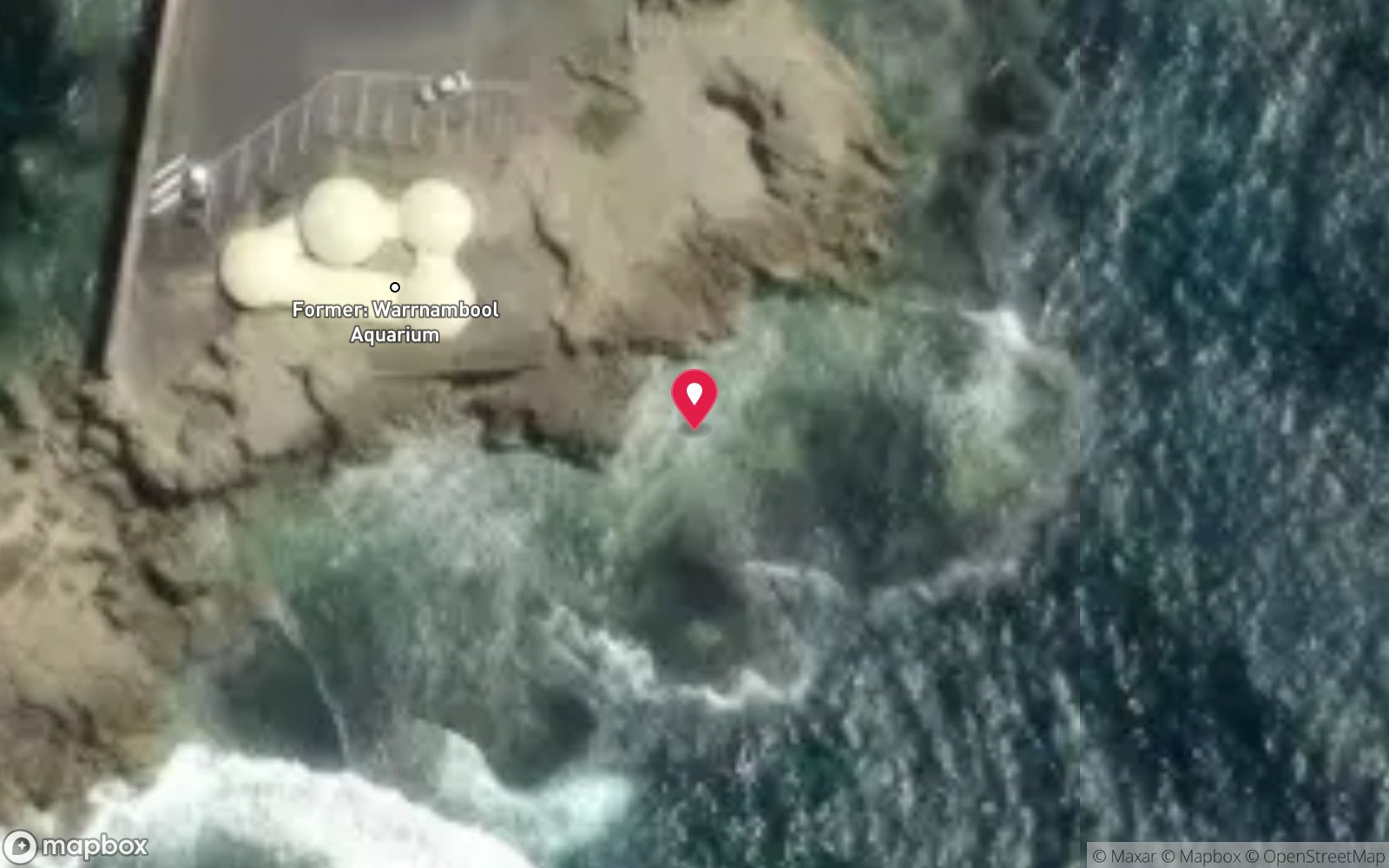
More shore dives in Victoria
Explore more
This region
Similar dives
Marine life