State guide · VIC
Scuba diving in Victoria
Pier macro life, Port Phillip Heads walls and the biggest concentration of wrecks in the country.
- Dive sites
- 395
- Regions
- 11
- Wrecks
- 112
- Shore dives
- 120
- Beginner sites
- 127
Victoria is cold-water diving at its best, and the divers who do it are among the most dedicated in the country. The 600-plus documented sites cluster in three places: the piers and shore reefs of the Mornington Peninsula and Melbourne's bayside suburbs, the ferocious tidal channel at Port Phillip Heads, and the exposed granite coast around Wilsons Promontory and the Shipwreck Coast. Roughly one site in four is a wreck. The Ships' Graveyard outside the Heads holds more than 40 scuttled vessels including the J-class submarines, and the Bass Strait coast between Cape Otway and Port Fairy is lined with 19th-century sailing-ship wrecks.
The signature Victorian dive is a pier: Blairgowrie, Rye, Portsea and Flinders are shallow, sheltered and packed with weedy seadragons, giant cuttlefish (in spring), spider crab aggregations (May and June), pyjama squid, seahorses and frogfish. They are dived at night as often as by day and are among the best macro sites in the world. Port Phillip Heads, by contrast, is a serious dive: Lonsdale Wall, Nepean Wall and the Boulders are only diveable on slack water, which lasts 20–40 minutes, in a channel with 6–8 knot currents and container-ship traffic; the payoff is walls of sponge, sea whips and jewel anemones that rival anything in Australia.
The 2009 scuttling of the ex-HMAS Canberra off Ocean Grove gave Victoria a modern artificial reef that is now dived daily in season, and Wilsons Promontory's granite pinnacles and the Kanowna and SS Coogee wrecks offer deeper, wilder diving for those willing to wait for the weather.
Port Phillip Bay, the Heads and the tide
Everything inside the bay is governed by the tide at the Rip. Slack water at the Heads occurs roughly three hours after high or low water at Port Phillip Heads, but the offset varies with wind and barometric pressure, and dive operators use their own tables. Charters out of Queenscliff, Portsea and Sorrento run the Heads walls, the ships' graveyard wrecks and the Canberra on the appropriate slack, often with two dives on the same tide cycle. Inside the bay the piers and shore reefs from Rye to Portsea are almost tide-independent but are exposed to northerly winds; the bayside suburbs (Black Rock, Beaumaris, Ricketts Point) are shallow, silty and best on southerlies. Bass Strait and the back beaches of the Peninsula need swell under 1.5 m and are typically only diveable a handful of days a month.
When to go
Late summer and autumn (February to May) bring the warmest water (17–20 °C), the most settled weather and the clearest water at the Heads. Winter is cold (11–13 °C) but frequently flat, and the giant spider crab aggregation in May and June and the giant cuttlefish season in late winter are worth the discomfort. Wilsons Promontory and the Shipwreck Coast are summer and autumn destinations, dived in windows of northerly or light winds when the swell drops.
Operators and independent diving
Victoria has a strong club culture and shore diving is completely independent: fill up, check the tide, and go. Shops in Portsea, Rye, Mornington, Queenscliff, Melbourne's bayside and Geelong hire drysuits and run charters. Heads dives are boat-only and most operators want Advanced Open Water and a log of recent cold-water dives; the deeper graveyard wrecks and the J4 and J5 submarines suit technical or very experienced recreational divers.
When to dive Victoria
February – May
Warmest water (17–20 °C), settled weather, best Heads visibility. Peak charter season.
May – June
Giant spider crab aggregation at Blairgowrie and Rye piers; cold but calm.
August – October
Giant cuttlefish and dragon breeding season on the piers; drysuit weather.
The five dives to do first
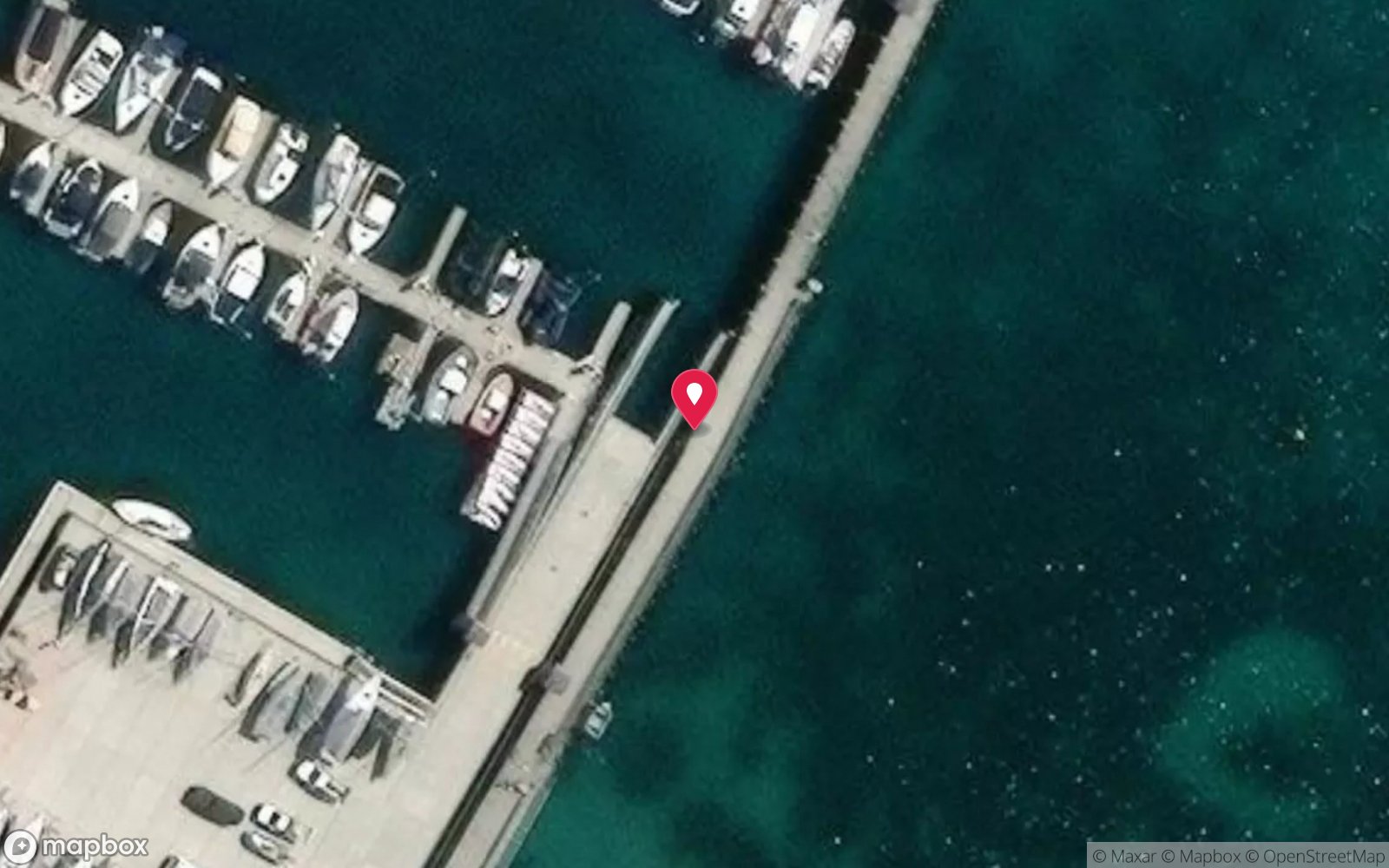
1. Mornington Peninsula · VIC
Blairgowrie Pier
The best pier dive in Australia: seadragons, cuttlefish, frogfish, seahorses and the spider crab aggregation in May.
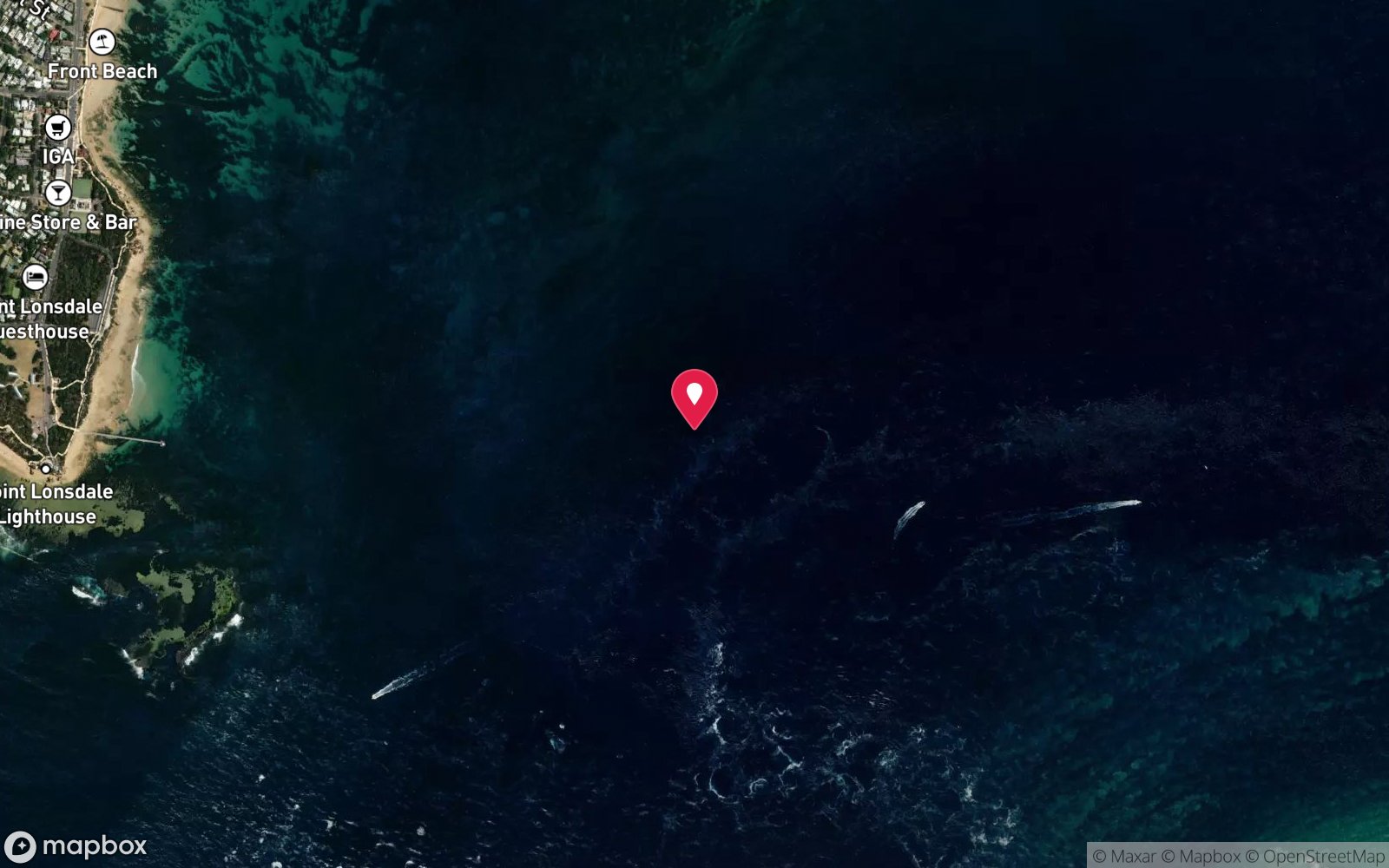
2. Port Phillip Heads · VIC
Lonsdale Wall
The signature Heads wall, dropping past 40 m under sponge gardens, dived on a 20-minute slack.
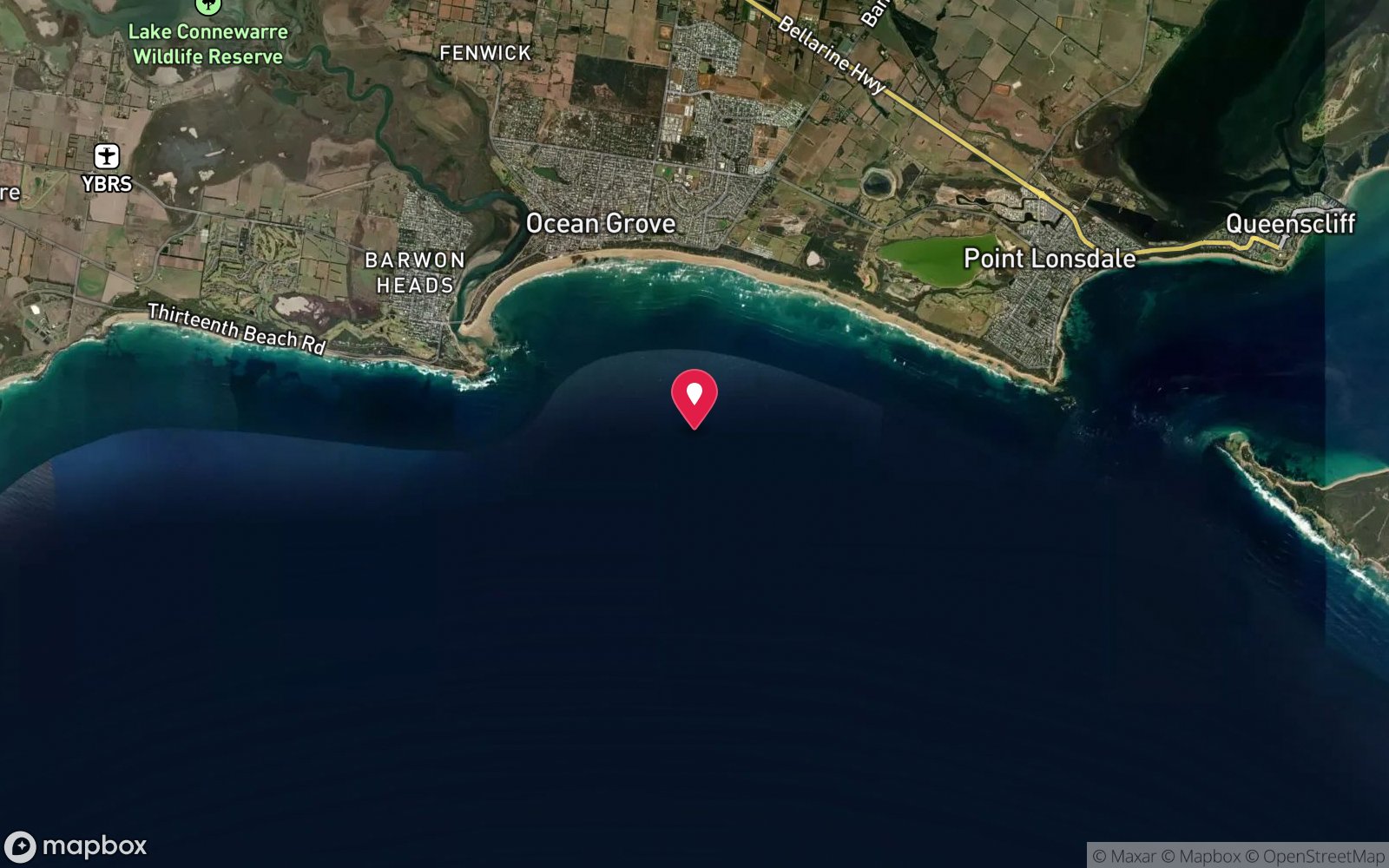
3. Port Phillip Heads · VIC
ex-HMAS Canberra
A 138 m frigate scuttled off Ocean Grove with cut access points at every deck, dived daily in season.
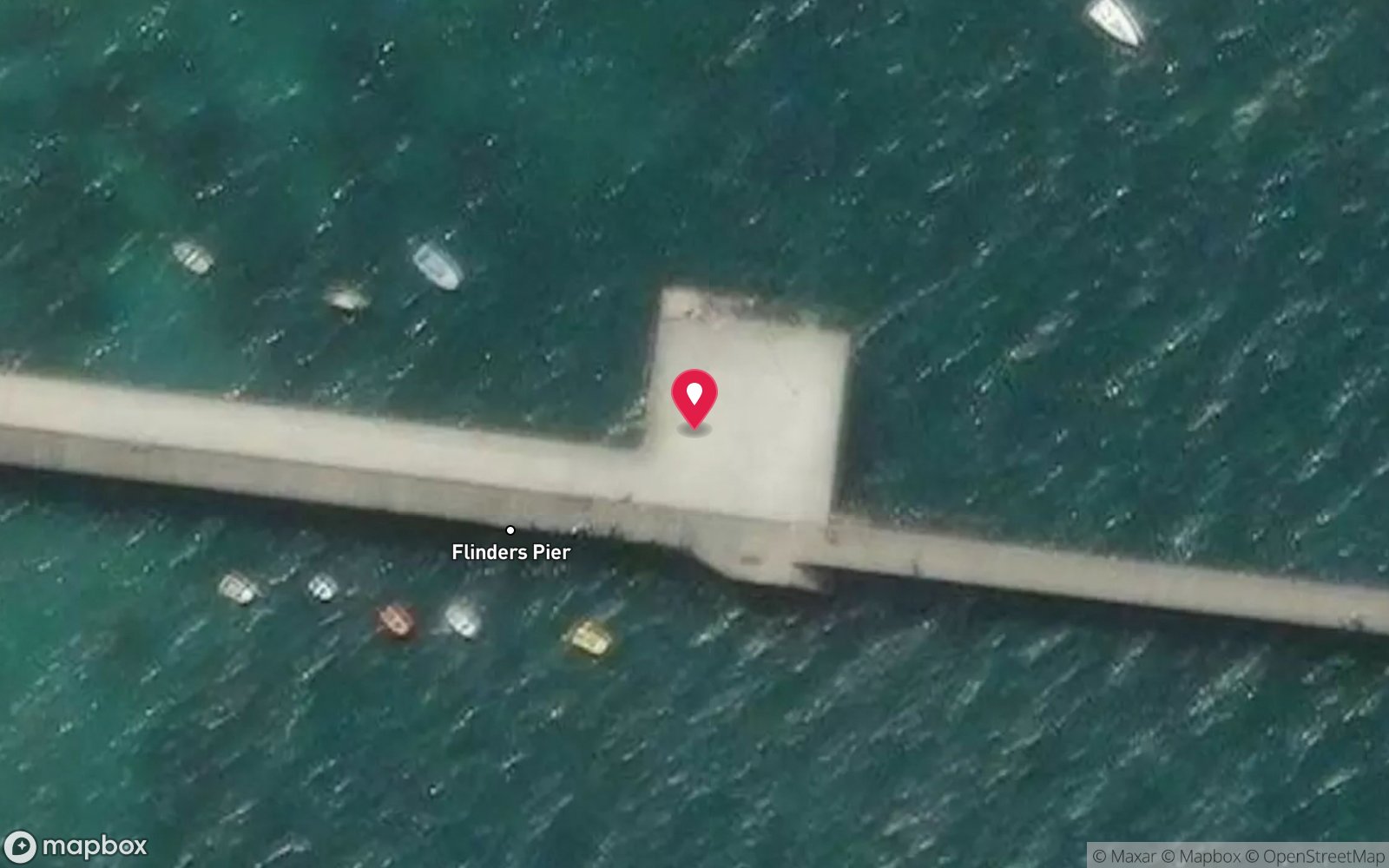
4. Mornington Peninsula · VIC
Flinders Pier
Weedy seadragons almost guaranteed in 5 m of water on Western Port.
5. Port Phillip Heads · VIC
J5 Submarine
A WWI J-class submarine in 36 m in the Ships' Graveyard, the most intact of the four.
Also worth planning around
1. Phillip Island & Western Port · VIC
The Pinnacles (Cape Woolamai)
Phillip Island's granite pinnacles with fur seals and bull rays.
2. Mornington Peninsula · VIC
Portsea Pier
Port Phillip's oldest dive pier, with sea dragons and night-dive octopus.
3. Port Phillip Heads · VIC
Castle Rock
A Portsea back-beach reef dived only on flat days, with caves and swim-throughs.
4. Mornington Peninsula · VIC
Crawfish Rock
Western Port's tidal pinnacle, one of the most colourful sponge gardens in the state.
Dive regions of Victoria
11 regions, 395 sites. Each region page has a written introduction, a suggested itinerary and every site with depth, level and access.
The entrance to Port Phillip Bay is a 3 km gap through which the whole bay drains and fills twice a day, and the currents have carved…
The Mornington Peninsula's piers are among the best macro dives in the world. Blairgowrie, Rye, Portsea and Flinders piers have weedy…
Melbourne's bayside suburbs, from Williamstown around to Frankston, have shallow, easy shore dives: Ricketts Point Marine Sanctuary, Black…
The Prom is Victoria's wildest and clearest diving: granite pinnacles, walls and boulder fields around the Glennie and Anser groups and…
The coast between Cape Otway and Port Fairy earned its name honestly: the Loch Ard, the Falls of Halladale, the Schomberg and dozens of…
Phillip Island's Pinnacles at Cape Woolamai are granite towers with fur seals, bull rays and sponge walls in 20–38 m; Flinders Pier and…
Torquay, Anglesea, Lorne and Apollo Bay face the Southern Ocean, and diving is limited to flat days at the piers and reefs (Lorne Pier,…
The Bellarine side of Port Phillip has Queenscliff and the Heads charters on its doorstep, plus gentler shore diving at Portarlington, St…
Portland, at the western edge of Victoria, has deep, clear water close to shore, the Lawrence Rocks seal colony, the Portland harbour…
Between Phillip Island and the Prom, Inverloch, Cape Paterson and Kilcunda have shallow reef shore dives and the Bunurong Marine Park's…
Mallacoota and the far east of Victoria have clear water, Gabo Island's seals and the reefs of the Croajingolong coast, dived by locals and…
Popular, well-documented dives in Victoria
Victoria diving FAQ
Where can I see weedy seadragons in Victoria?
Flinders Pier is the most reliable, followed by Blairgowrie, Portsea and Rye piers and the shore reefs from Sorrento to Portsea. Kelp edges in 3–10 m are where to look.
Do I need a drysuit to dive Melbourne?
Not in summer and autumn, when a 7 mm semi-dry with hood and gloves is fine. From May to November most locals dive dry; hire drysuits are widely available.
How do I dive Port Phillip Heads?
Book a charter from Queenscliff, Portsea or Sorrento. Dives are timed to slack water, which lasts 20–40 minutes; operators generally want Advanced Open Water and recent cold-water experience.