Dive slate · divesites.com.au · printed 9 Nov 2026
Eagle Rock, Warrnambool
Shipwreck Coast & Warrnambool, Victoria · near Warrnambool
| Depth | 5–20 m |
|---|---|
| Minimum level | Advanced Open Water |
| Difficulty | Advanced |
| Access | Boat |
| Entry | Giant stride from a boat anchored on sand beside the reef |
| Current | Strong |
| Visibility | 5-15 m |
| Water | summer 15-18 °C, winter 11-13 °C |
| Suit | 7mm semi-dry with hood and gloves in summer; drysuit strongly preferred May–November |
| Best season | Autumn (Mar–May) on very good conditions with low swell |
| Bottom time | 40 min |
| Position | -38.39507, 142.45456 (GPS) |
| Permit | None – outside the Merri Marine Sanctuary; Victorian bag limits apply |
| Nearest chamber | The Alfred (Melbourne) |
| Emergency | 000 · DAN Asia-Pacific diving emergency 1800 088 200 |
Eagle Rock, Warrnambool
Also known as Eagle Rock reef, Shelly Beach reef, Golf Club reef
Five-metre-deep crevasses with walls and caves running out to a lone rock off the golf course cliffs – the most rugged reef on the Warrnambool coast, rich from racing currents.
Near Warrnambool · Shipwreck Coast & Warrnambool, Victoria
- Depth
- 5–20 m
- Minimum level
- Advanced Open Water
- Access
- Boat
- Boat ride
- ~15 min
- Water
- 15-18 °C
- Visibility
- 5-15 m
Eagle Rock, Warrnambool5–20 m · Advanced Open Water
Dive factsDepths, conditions, location & safety
Season
Off-peak nowBest months: March, April, May.
Autumn (Mar–May) on very good conditions with low swell
- Best months
- Now (November)
Dive facts
- Depth
- 5–20 m
- Typical depth
- 12 m
- Certification
- Advanced Open Water
- Difficulty
- Advanced
- Depth tier
- Advanced Open Water (18–30 m)
- Access
- Boat
- Offshore
- 0.3 km
- Dive centre needed
- Yes – boat access only
- Shore / independent
- No
- Boat ride
- ~15 min
- Current
- Strong
- Visibility
- 5-15 m
- Water temp (summer)
- 15-18 °C
- Water temp (winter)
- 11-13 °C
- Water
- Temperate
- Bottom time
- 40 min
- Dive traffic
- Rarely dived (private boat/club only)
- Night dive
- No
- Snorkel friendly
- No
Exposure suit
7mm semi-dry with hood and gloves in summer; drysuit strongly preferred May–November
Location
Thunder Point west / Shelly Beach · Warrnambool
-38.39507, 142.45456
Published GPS position.
Open in Google MapsPrimary source: scubadoctor.com.auMarine park & permits
None – outside the Merri Marine Sanctuary; Victorian bag limits apply
Nearest recompression chamber
The Alfred (Melbourne)
Diving emergency: call 000, then DAN AP 1800 088 200.
Trip planner
Build a trip around Eagle Rock, Warrnambool →
A day-by-day plan for Shipwreck Coast & Warrnambool with this site locked in.
This guide is a planning aid. Conditions change daily — confirm with a local dive centre and dive within your training. Data & safety notes.
Dive profile
How this site rates
Scores are computed from the recorded data, not opinions. How?
At a glance
Eagle Rock, Warrnambool is a reef boat dive in Shipwreck Coast & Warrnambool, VIC, 5–20 m, suited to Advanced Open Water divers, strong current, about 15 minutes by boat.
Rated advanced because of depth beyond 18 m, strong current, an overhead environment, surge on the entry or in the shallows, cold water.
Why dive here
- Five-metre-deep crevasses with walls and caves running out to a lone rock off the golf course cliffs – the most rugged reef on the Warrnambool coast, rich from racing currents.
- Rarely dived: expect to have the site to yourself, and plan your own logistics.
About Eagle Rock, Warrnambool
Eagle Rock is a solitary rock standing off the cliffs below the Warrnambool Golf Club, about 900 m north-west of Thunder Point and east of Shelly Beach, and the reef that links it to the shore is one of the most rugged pieces of bottom on the Warrnambool coast. The Scuba Doctor describes a long finger-like reef extending about 30 m out from the shore toward the rock, with crevasses carved 5 m deep into the bottom and walls and caves cut into them, on a rocky seabed that continues to deepen gradually for about 2 km to seaward. The whole site faces south-west into the Southern Ocean and takes racing currents and rough seas, and it is that water movement, the Scuba Doctor notes, that makes it so rich in marine life. It is a well-known abalone and crayfish ground, outside the Merri Marine Sanctuary, and the crevasses and caves are where those animals live in numbers; the walls carry sponges, ascidians and bryozoans, the ridge tops kelp, and the fish are the western Victorian reef community with the sharks and rays that frequent the sanctuary next door – Port Jackson sharks, wobbegongs, eagle rays and stingrays – plus fur seals and the occasional passing school of salmon or kingfish in summer.
It is a boat dive, and an awkward one: the Warrnambool ramp is close but the run around Thunder Point is exposed, so the Scuba Doctor recommends the long run from Port Fairy instead. That, and the need for very good conditions, keeps traffic to a handful of local boats. Given a flat autumn day it is a more dramatic dive than anything inside the sanctuary, with genuine walls and caves in 10–20 m, and it suits experienced Open Water divers who are comfortable with current and surge. It also represents the reef that continues west from Thunder Point past Shelly Beach and Levy's Point toward Killarney – a long stretch of productive, almost undived coast reachable only by boat on the right day.
Getting there & entry
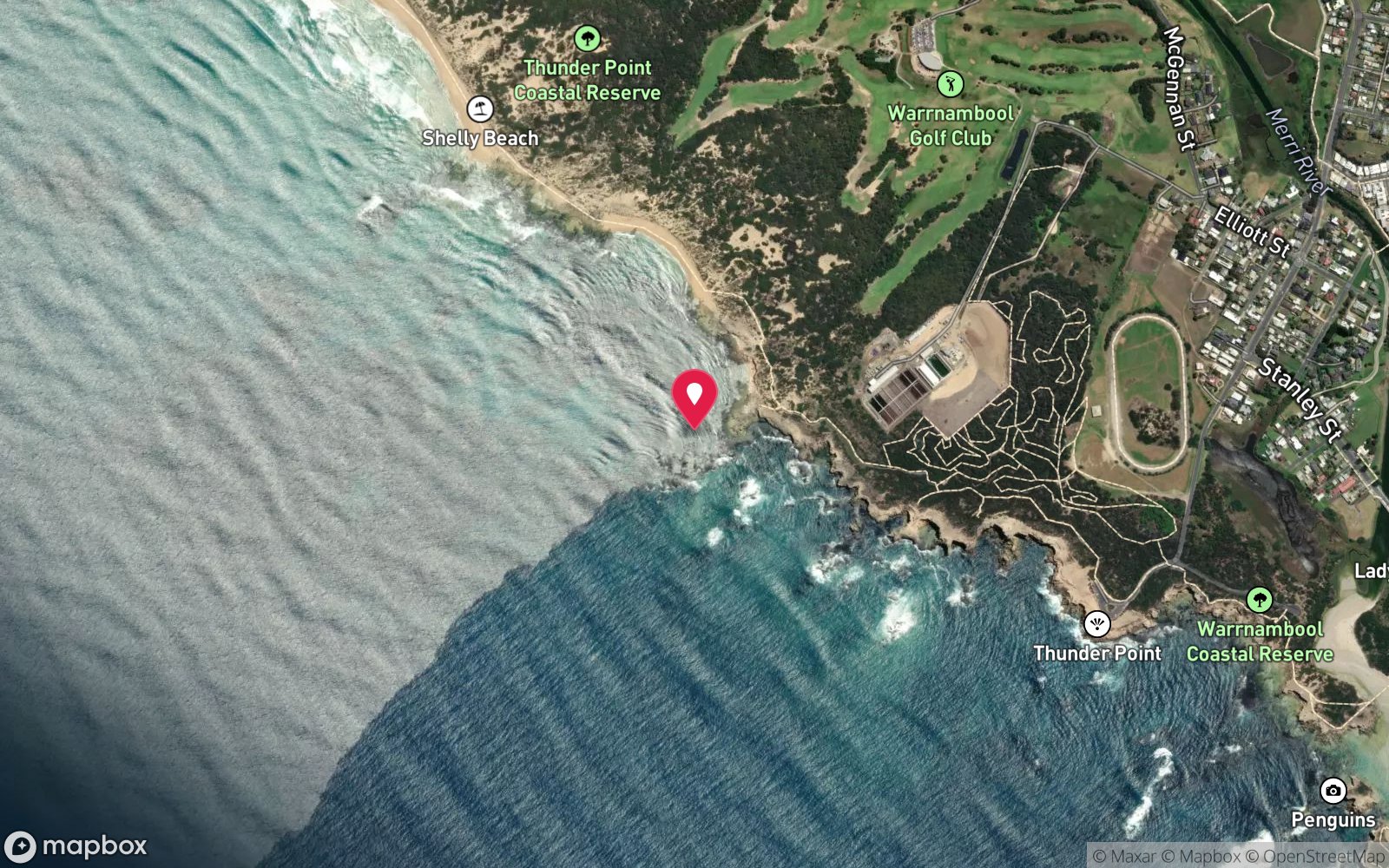
A long finger reef running out to a solitary rock 900 m north-west of Thunder Point, off the Warrnambool Golf Club between Thunder Point and Shelly Beach, with 5 m deep crevasses, walls and caves to 20 m.
Boat access only. The Scuba Doctor recommends launching at the Griffiths Street boat ramp in Port Fairy and running east about 25 km along the coast (40 minutes) because the Warrnambool (Lady Bay) ramp, although only 3 km east of the site, involves rounding Thunder Point and its reefs and is more problematic in any swell. From either ramp, anchor on sand beside the finger reef, which runs out from the shore toward the solitary Eagle Rock.
There is no practical shore access across the golf course cliffs. Warrnambool Diving on Fairy Street supplies air.
Entry: Giant stride from a boat anchored on sand beside the reef
Facilities: Boat ramps at Port Fairy (Griffiths Street) and Warrnambool (Lady Bay); Warrnambool Diving for air.
Weather, swell & tides
Eagle Rock faces south-west into the Southern Ocean with no protection and is, in the Scuba Doctor's words, prone to surge and swell, with racing currents and rough seas that feed the marine life. It requires very good conditions – a low swell under about 1 m and light offshore northerly to easterly winds – and the boat trip from either ramp is exposed. Southerly and westerly weather closes it entirely.
Visibility is best after settled northerly weather in autumn. The Bonney Upwelling can bring cold, plankton-rich water in summer. Perhaps twenty diveable days a year.
Best season: Autumn (Mar–May) on very good conditions with low swell
If it's blown out
Sheltered or shore sites within 25 km that often work when Eagle Rock, Warrnambool doesn't.
- Middle Island, Warrnambool · 2 km · Max 15 m
- Stingray Bay · 2 km · Max 12 m
- Warrnambool Breakwater Inside · 2 km · Max 9 m
- Old Aquarium (Breakwater Rock) · 2 km · Max 14 m
How the dive is usually run
Anchor on sand beside the finger reef in 12–15 m, descend and follow the reef toward Eagle Rock, dropping into the 5 m deep crevasses to explore the walls and caves cut into them. Work out toward the rock and the deeper terrain to 20 m, turn at half gas, return along the reef to the anchor and ascend the line with a 3-minute stop. Watch for current along the reef.
Marine life
- Southern rock lobster (abundant)
- black-lip abalone
- Port Jackson sharks →
- wobbegongs →
- southern eagle rays and stingrays
- blue-throat wrasse
- magpie perch
- sea sweep
- longsnout boarfish
- zebrafish
- Australian salmon and kingfish (summer)
- Australian fur seals →
- kelp
- sponges
Linked species have their own page listing every site where they are recorded. All marine life →
Training required
Beyond 18 m an Advanced certification (which includes a deep dive to 30 m) is the accepted minimum. Anything past 25 m is a deep dive in practice.
Open Water divers can dive the shallower section (typical depth 12 m); the full site to 20 m needs Advanced Open Water. Operators often quote Open Water.
Operators' own listing: Open Water.
Courses that help here
- Cavern Diver – An overhead environment.
- Drift Diver – Current is a feature of the dive.
- Drysuit Diver – Cold water; locals dive dry for much of the year.
Depth tiers: 0–10 m easy · to 18 m Open Water · 18–30 m Advanced (25 m+ is a deep dive) · 30–40 m Deep specialty · 40 m+ technical. All courses
Hazards & warnings
Fully exposed to south-west swell; racing currents; surge in the crevasses; overhead environment in the caves; exposed boat run around Thunder Point from the Warrnambool ramp; no shore exit. Victorian bag limits apply.
Dive centres that go here
No regular operator – Warrnambool club divers with private boats, mostly abalone and crayfish divers; Warrnambool Diving on request.
Operators recorded for Eagle Rock, Warrnambool
Other dive centres in Shipwreck Coast & Warrnambool
Daktari Sport (Daktari Surf & Dive)
Named by sitesPort Fairy · Shipwreck Coast & Warrnambool · VIC
Website live for 2026 with current PADI course prices; stores in Port Fairy, Hamilton and Mount Gambier.
daktarisport.com.au
Port Campbell Boat Charters
Named by sitesPort Campbell · Shipwreck Coast & Warrnambool · VIC
Listed at 32 Lord St Port Campbell offering scenic, fishing, snorkelling and diving trips; a listing says tours were suspended for pier maintenance and current status is unconfirmed.
portcampbellboatcharters.com.au · 0428 986 366
Map
7 pinned sites. Pins marked approximate on their pages show the general area only; not for navigation.
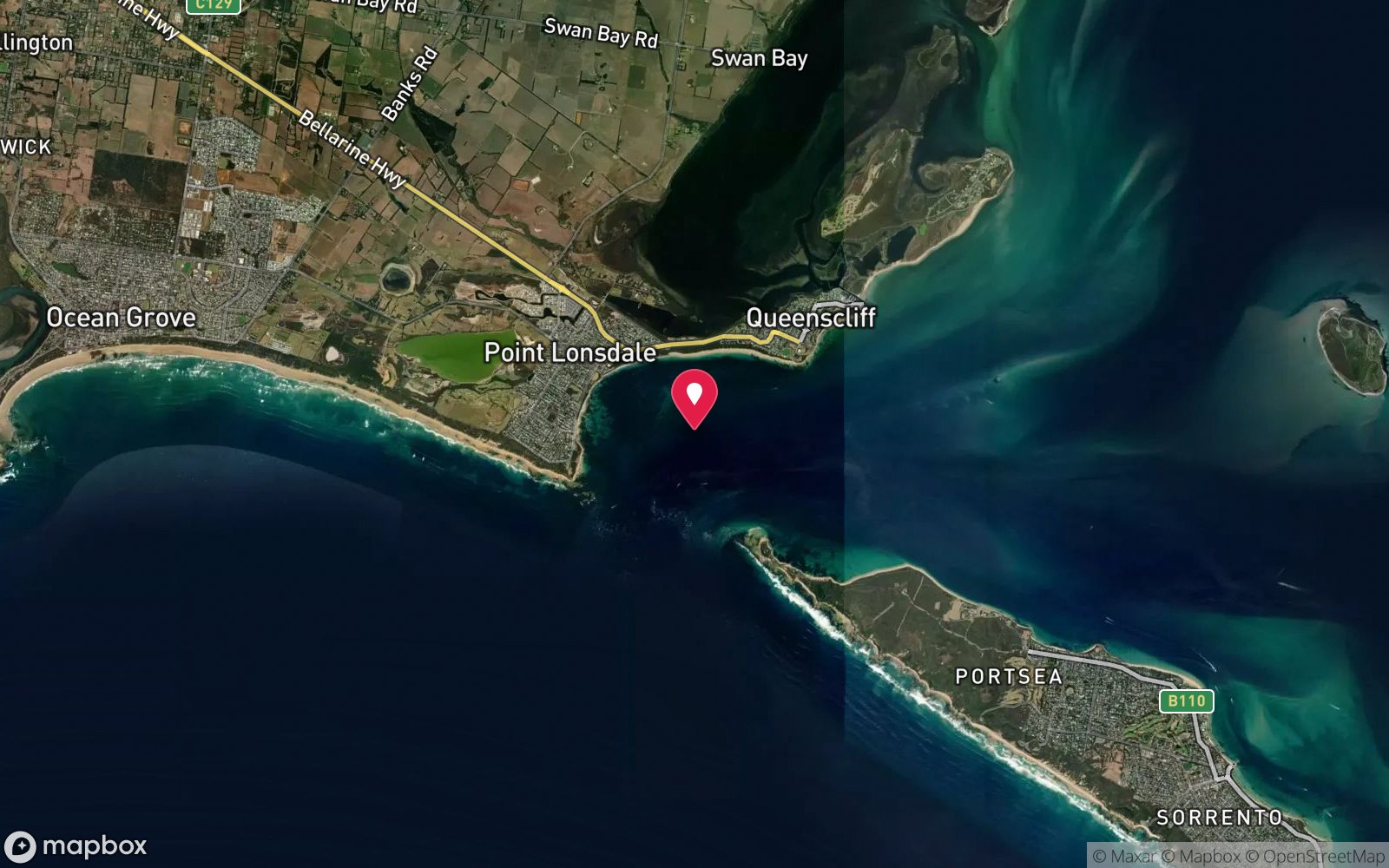
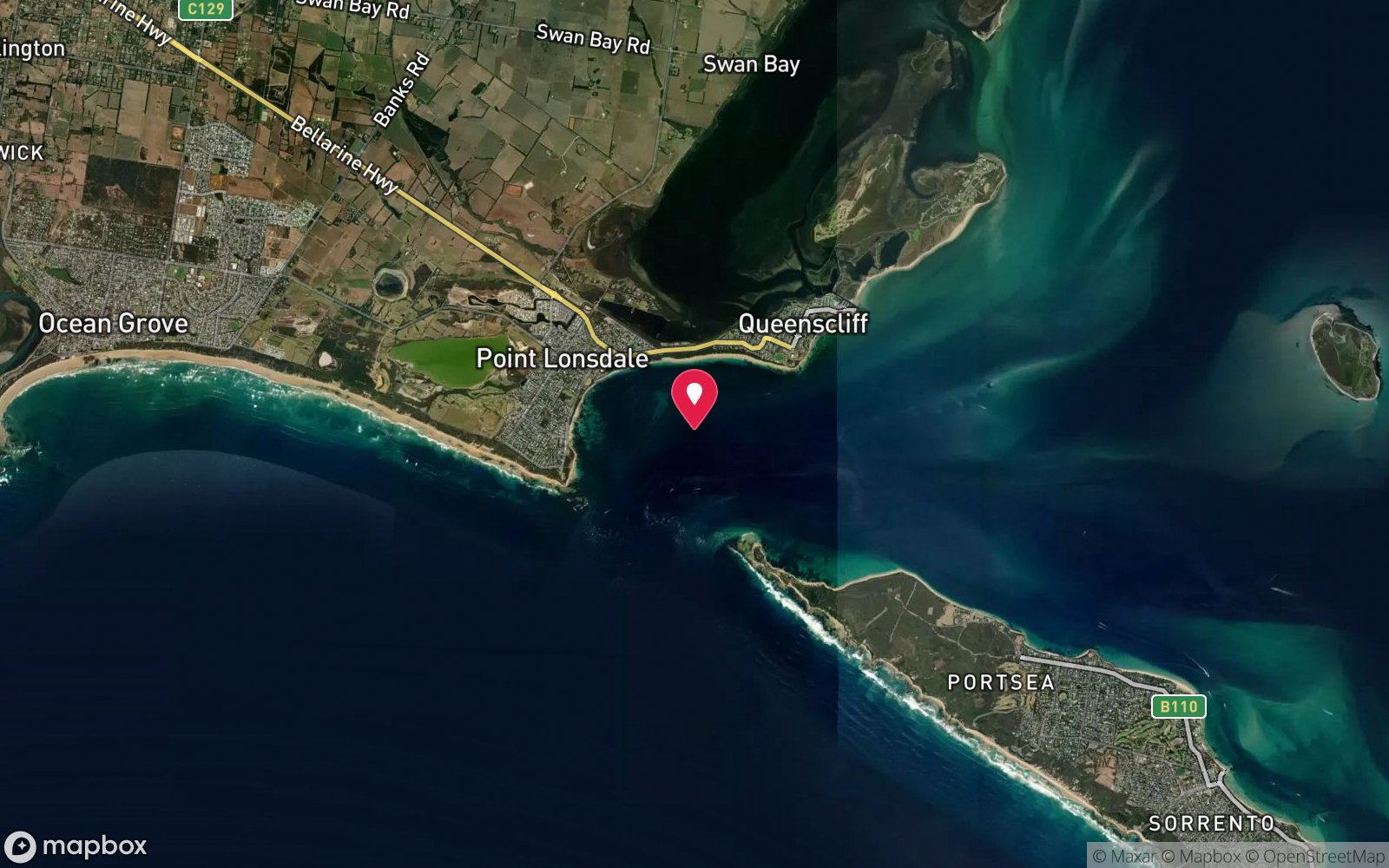
Satellite views
Eagle Rock, Warrnambool: frequently asked questions
How deep is Eagle Rock, Warrnambool?
Eagle Rock, Warrnambool reaches a maximum depth of 20 m, with the shallowest part at about 5 m; most of the dive is spent around 12 m.
What certification do I need to dive Eagle Rock, Warrnambool?
Advanced Open Water is the recommended minimum. Open Water divers can dive the shallower section (typical depth 12 m); the full site to 20 m needs Advanced Open Water. Operators often quote Open Water. Rated advanced because of depth beyond 18 m, strong current, an overhead environment, surge on the entry or in the shallows, cold water.
Can I shore dive Eagle Rock, Warrnambool?
No, it is reached by boat (about 15 minutes). A dive centre is required: boat access only.
When is the best time to dive Eagle Rock, Warrnambool?
Autumn (Mar–May) on very good conditions with low swell.
What marine life will I see at Eagle Rock, Warrnambool?
Regularly recorded: Southern rock lobster (abundant), black-lip abalone, Port Jackson sharks, wobbegongs, southern eagle rays and stingrays, blue-throat wrasse, magpie perch, sea sweep, longsnout boarfish, zebrafish, Australian salmon and kingfish (summer), Australian fur seals and more.
What wetsuit do I need at Eagle Rock, Warrnambool?
7mm semi-dry with hood and gloves in summer; drysuit strongly preferred May–November.
How cold is the water at Eagle Rock, Warrnambool?
Typically 15-18 °C in summer and 11-13 °C in winter.
What are the main hazards at Eagle Rock, Warrnambool?
Fully exposed to south-west swell; racing currents; surge in the crevasses; overhead environment in the caves; exposed boat run around Thunder Point from the Warrnambool ramp; no shore exit. See the hazards section above for the full list.
Where is the nearest recompression chamber to Eagle Rock, Warrnambool?
The Alfred (Melbourne). In an emergency call 000, then DAN Asia-Pacific on 1800 088 200.
Diving in Shipwreck Coast & Warrnambool
The coast between Cape Otway and Port Fairy earned its name honestly: the Loch Ard, the Falls of Halladale, the Schomberg and dozens of others lie in the shallows below the limestone cliffs. Warrnambool's Breakwater, Port Fairy's Griffiths Island and the Lady Bay reefs are dived on the rare days of nil swell, and Julia Percy Island has fur seals.
Getting there: Three to four hours west of Melbourne along the Great Ocean Road. Shore dives at Warrnambool and Port Fairy; local club boat dives.
All Shipwreck Coast & Warrnambool dive sites and a suggested itinerary →
Sources
Data confidence: Medium · Being verified: Boat run times; maximum depth reached in practice.. Last updated September 2026. Know this site better? How to send a correction
Nearby dive sites
More reef dives in Victoria
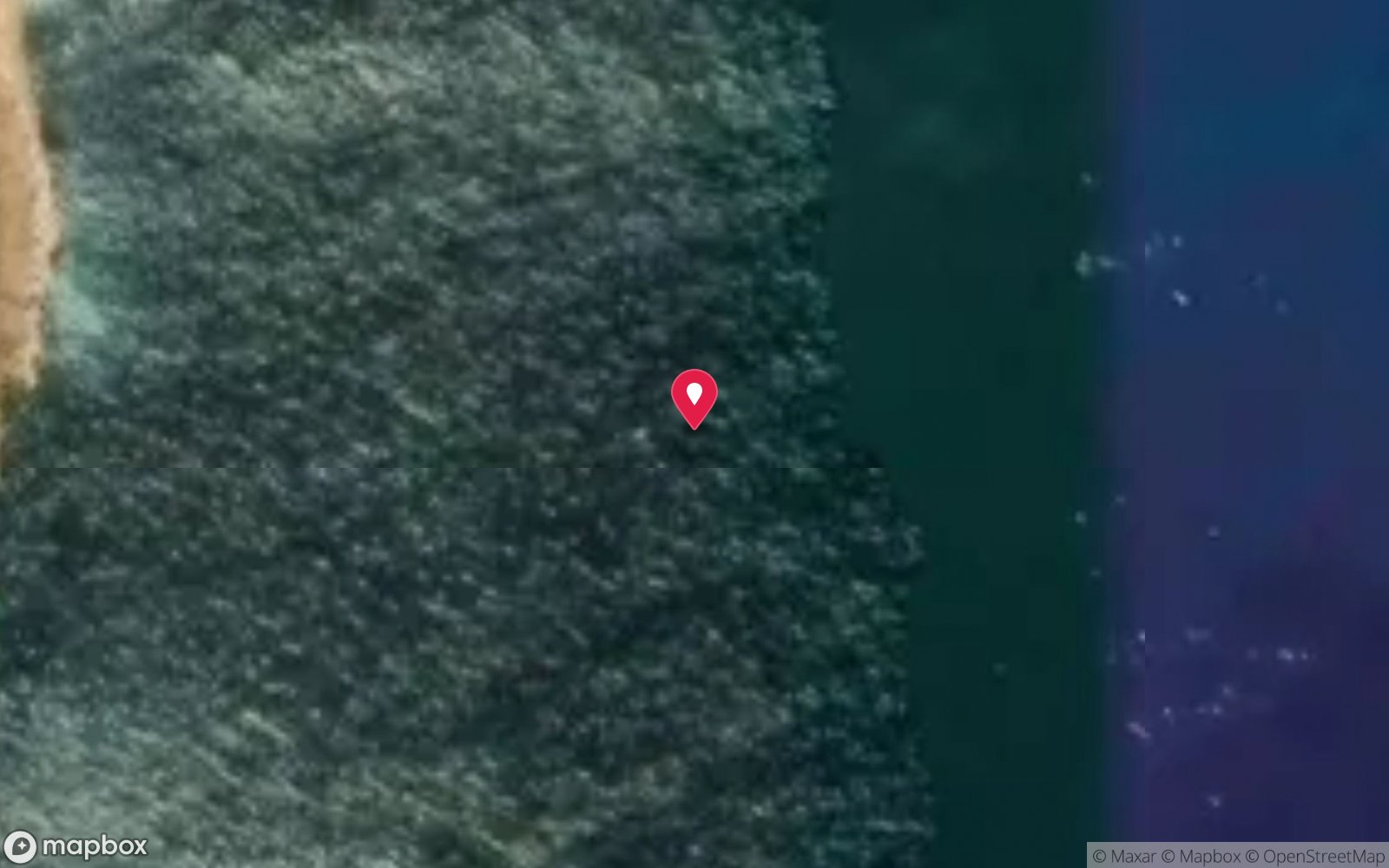
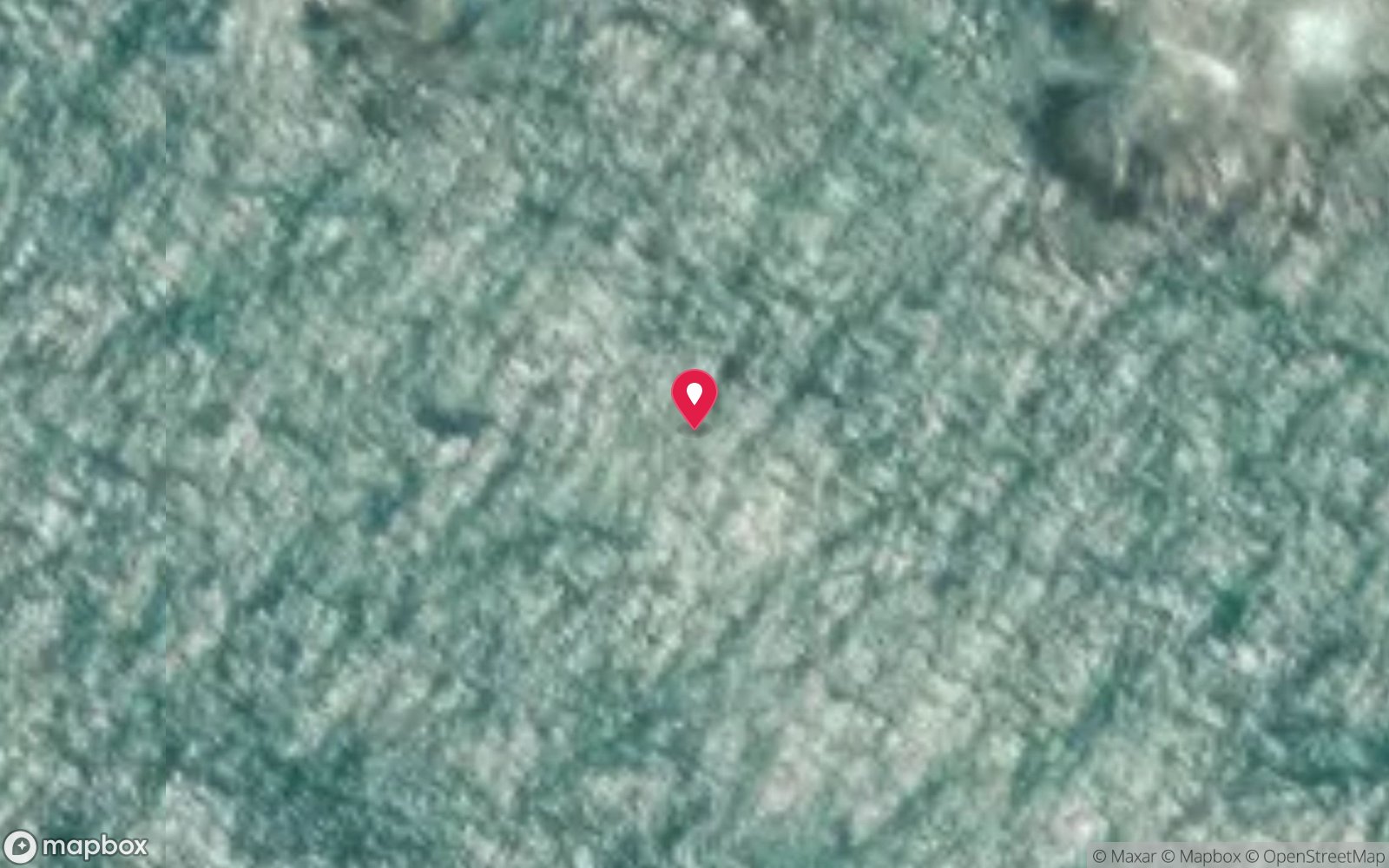
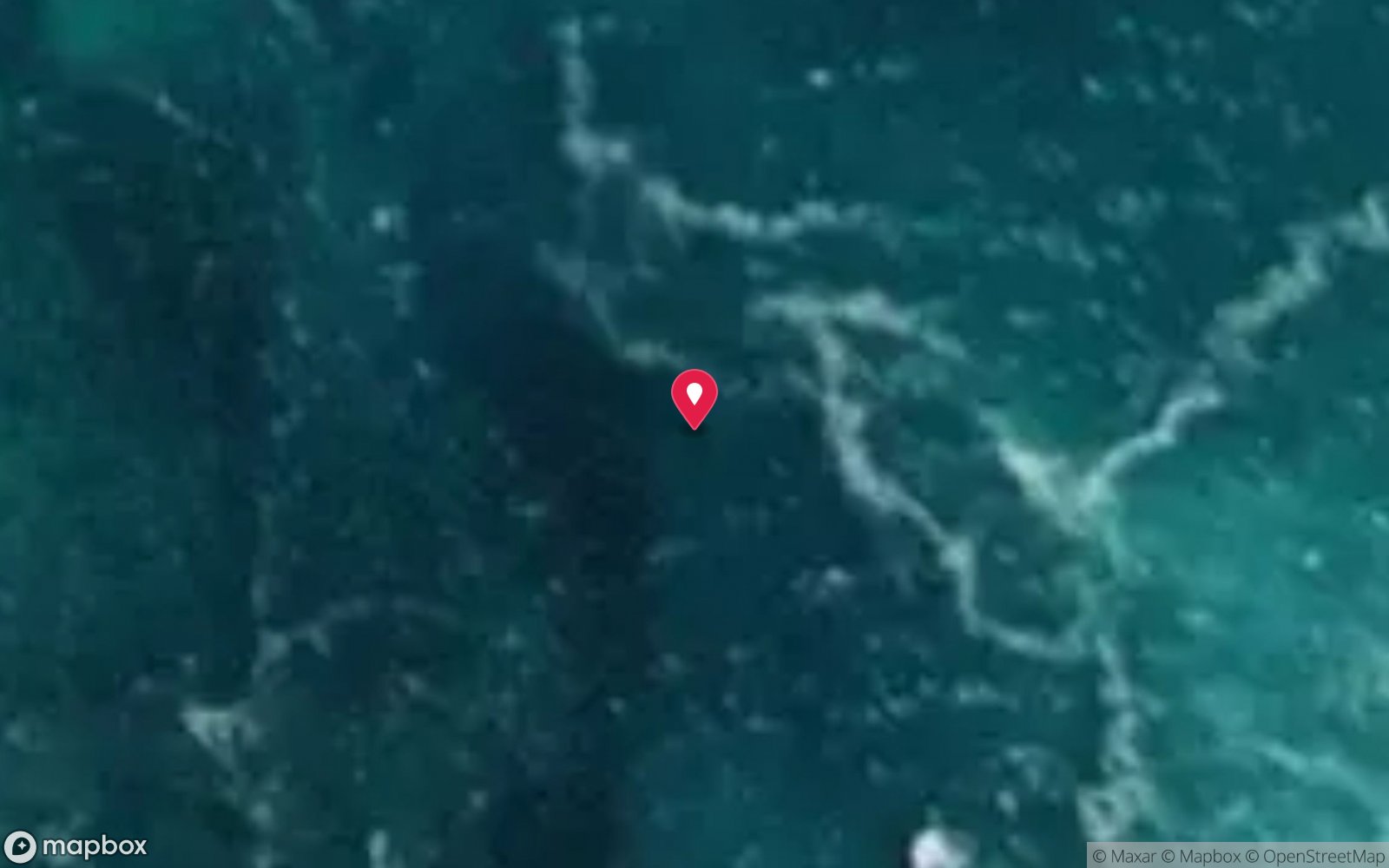
Explore more
This region
Marine life