Dive slate · divesites.com.au · printed 8 Nov 2026
Twelve Apostles Marine National Park – Thunder Cave & outer reefs
Shipwreck Coast & Warrnambool, Victoria · near Port Campbell
| Depth | 8–30 m |
|---|---|
| Minimum level | Advanced Open Water |
| Difficulty | Advanced |
| Access | Boat |
| Entry | Negative entry from a small boat standing off the cliffs |
| Current | Moderate |
| Visibility | 5-15 m |
| Water | summer 16-19 °C, winter 11-14 °C |
| Suit | 7mm semi-dry with hood and gloves in summer; drysuit strongly preferred May–November |
| Best season | Autumn (Mar–May); occasional settled summer mornings |
| Bottom time | 35 min |
| Position | -38.64000, 143.03000 (approximate) |
| Permit | Twelve Apostles Marine National Park – no take, no anchoring on reef where avoidable; Parks Victoria licence for jetty-crane launching |
| Nearest chamber | The Alfred (Melbourne) |
| Emergency | 000 · DAN Asia-Pacific diving emergency 1800 088 200 |
Twelve Apostles Marine National Park – Thunder Cave & outer reefs
Also known as Thunder Cave, Port Campbell offshore reefs, The Blowhole, The Arch, Twelve Apostles reefs
Sea caves, arches and giant kelp under the Twelve Apostles cliffs in a no-take park – Thunder Cave's crayfish-filled cavern at 25 m is the local legend.
Near Port Campbell · Shipwreck Coast & Warrnambool, Victoria
- Depth
- 8–30 m
- Minimum level
- Advanced Open Water
- Access
- Boat
- Boat ride
- ~15 min
- Water
- 16-19 °C
- Visibility
- 5-15 m
Twelve Apostles Marine National Park – Thunder Cave & outer reefs8–30 m · Advanced Open Water
Dive factsDepths, conditions, location & safety
Season
Off-peak nowBest months: January, February, March, April, May, December.
Autumn (Mar–May); occasional settled summer mornings
- Best months
- Now (November)
Dive facts
- Depth
- 8–30 m
- Typical depth
- 18 m
- Certification
- Advanced Open Water
- Difficulty
- Advanced
- Depth tier
- Advanced Open Water (18–30 m)
- Access
- Boat
- Offshore
- 0.5 km
- Dive centre needed
- Yes – boat access only
- Shore / independent
- No
- Boat ride
- ~15 min
- Current
- Moderate
- Visibility
- 5-15 m
- Water temp (summer)
- 16-19 °C
- Water temp (winter)
- 11-14 °C
- Water
- Temperate
- Bottom time
- 35 min
- Dive traffic
- Rarely dived (private boat/club only)
- Night dive
- No
- Snorkel friendly
- No
Exposure suit
7mm semi-dry with hood and gloves in summer; drysuit strongly preferred May–November
Location
Twelve Apostles Marine National Park · Shipwreck Coast – Port Campbell
-38.64000, 143.03000
Approximate position — not for navigation.
Open in Google MapsPrimary source: parks.vic.gov.auMarine park & permits
Twelve Apostles Marine National Park – no take, no anchoring on reef where avoidable; Parks Victoria licence for jetty-crane launching
Nearest recompression chamber
The Alfred (Melbourne)
Diving emergency: call 000, then DAN AP 1800 088 200.
Trip planner
Build a trip around Twelve Apostles Marine National Park – Thunder Cave & outer reefs →
A day-by-day plan for Shipwreck Coast & Warrnambool with this site locked in.
This guide is a planning aid. Conditions change daily — confirm with a local dive centre and dive within your training. Data & safety notes.
Dive profile
How this site rates
Scores are computed from the recorded data, not opinions. How?
At a glance
Twelve Apostles Marine National Park – Thunder Cave & outer reefs is a reef boat dive in Shipwreck Coast & Warrnambool, VIC, 8–30 m, suited to Advanced Open Water divers, moderate current, about 15 minutes by boat.
Rated advanced because of depth beyond 18 m, an overhead environment, surge on the entry or in the shallows, cold water.
Why dive here
- Sea caves, arches and giant kelp under the Twelve Apostles cliffs in a no-take park – Thunder Cave's crayfish-filled cavern at 25 m is the local legend.
- Rarely dived: expect to have the site to yourself, and plan your own logistics.
Conditions to avoid
- Swell above about 1.5 m
- Strong southerly or south-east swell and wind
About Twelve Apostles Marine National Park – Thunder Cave & outer reefs
The Twelve Apostles Marine National Park protects 7,500 hectares of Southern Ocean along the most dramatic 17 km of the Great Ocean Road, from Port Campbell east past the Apostles toward Princetown. It is the second largest marine national park in Victoria and, according to Parks Victoria, holds the state's greatest diversity of invertebrates on its limestone reefs. Underwater the coast continues what the cliffs show above: soft limestone cut by the sea into arches, canyons, overhangs and caves, interspersed with sand plains, with giant kelp forming mini-forests that reach the surface from 10 m in places and extensive beds of common and bull kelp elsewhere. Sponge gardens and colourful invertebrate communities cover the shaded faces, and the fish life includes magpie perch, blue-throat wrasse, Port Jackson sharks, southern rock lobster in large numbers and weedy seadragons on the sand edges. The Loch Ard wreck under Mutton Bird Island lies within the park and is recorded separately.
The named dive that locals talk about is Thunder Cave, a sea cave in the cliffs a short run east of Port Campbell whose underwater entrance is about 25 m deep and, in the words of one regional guide, full of crayfish. Nearby The Blowhole and the collapsed arches and stacks between it and Loch Ard Gorge give wall and cavern diving in 10–25 m, and further east the reefs off the Twelve Apostles themselves are kelp-covered limestone ridges and canyons in 15–30 m that almost nobody has dived because getting there requires a rare calm day and a long run from a crane-launched boat. All of this is expedition-grade diving on a coast where the sea is pounding the cliffs most days of the year. Parks Victoria's guidance is that diving here should only be undertaken by experienced divers with extensive local knowledge, and that is the right frame: this is not a site to plan a holiday around, but for a well-organised group with local boat support on an autumn high, it is some of the wildest and least-seen reef diving in Australia, in a no-take park where the crayfish have never been touched.
Getting there & entry
Limestone reefs, arches, canyons and sea caves along the 17 km of coast between Port Campbell and the Twelve Apostles, inside the 7,500 ha marine national park; Thunder Cave lies just east of Port Campbell.
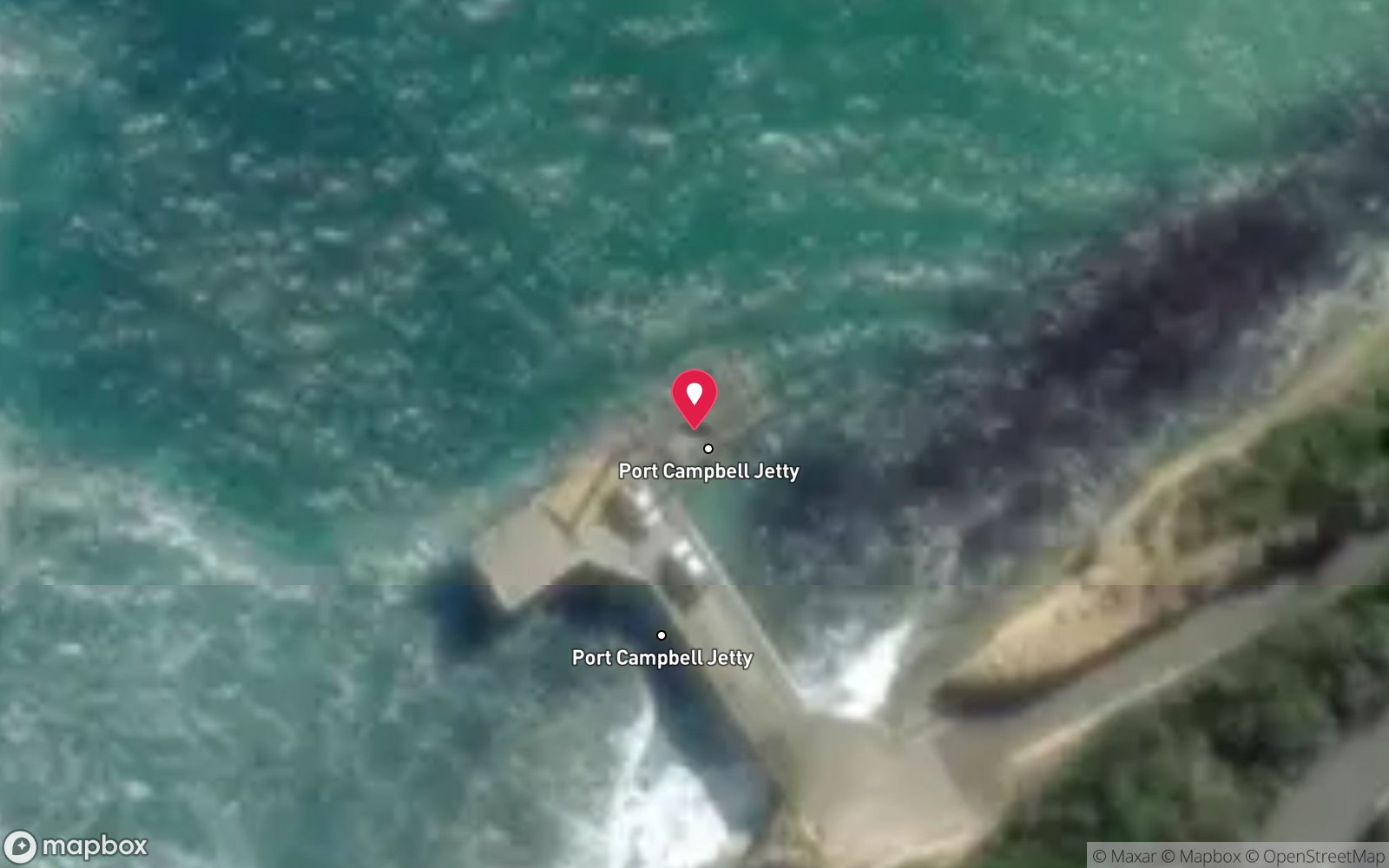
Boat only. Small boats are launched by the crane on Port Campbell jetty (licensed permit holders only; Parks Victoria 13 1963) or taken out by local charter operators. Thunder Cave and The Blowhole are 1–3 km east of the inlet, 5–10 minutes' run; the reefs off the Twelve Apostles are 10–12 km east, 25–35 minutes.
Care is needed crossing the wave break east of the Port Campbell inlet entrance. There is no shore access to any of these sites – the cliffs are 40–70 m high – and Gibson Steps (86 stairs to the beach below the Apostles) is a surf beach unsuitable for diving. Warrnambool is the nearest dive shop.
Entry: Negative entry from a small boat standing off the cliffs
Facilities: Port Campbell jetty crane (permit), Port Campbell township with toilets, cafes, fuel and visitor centre; no air fills nearer than Warrnambool.
Weather, swell & tides
This is the most exposed section of the Victorian coast, taking the full Southern Ocean swell onto vertical limestone cliffs, and Parks Victoria notes that conditions often prevent visits entirely. Boat diving needs swell under about 1 m and light northerly winds; backwash from the cliffs makes it uncomfortable well before that. Southerly and westerly winds and any swell over 1.5 m close everything, including the Port Campbell launch.
Mornings are better than afternoons, autumn better than any other season, and a run of several calm days is needed for the visibility to clear. Cold upwelled water can arrive in summer. Perhaps 10–20 diveable days a year.
Best season: Autumn (Mar–May); occasional settled summer mornings
If it's blown out
Sheltered or shore sites within 25 km that often work when Twelve Apostles Marine National Park – Thunder Cave & outer reefs doesn't.
- Port Campbell Jetty · 4 km · Max 8 m
- Port Campbell Bay · 4 km · Max 12 m
- Napier · 4 km · Max 8 m
- Newfield · 11 km · Max 7 m
How the dive is usually run
At Thunder Cave, drop from the boat off the cave mouth and descend to the floor at about 20–25 m, work into the entrance of the cavern with a torch as far as the surge allows (it is full of crayfish), then explore the walls and ledges outside to either side. Turn at a third of your gas, ascend the wall to a safety stop in the lee and surface with an SMB for pick-up clear of the cliffs. On the outer Apostles reefs, anchor on sand and work the kelp-covered limestone ridges and canyons in 15–25 m.
Marine life
- Southern rock lobster (abundant)
- weedy seadragons →
- magpie perch
- blue-throat wrasse
- Port Jackson sharks →
- sea sweep
- giant kelp
- bull kelp
- sponge gardens
- colonial ascidians
- bryozoans
- Australian fur seals →
- short-tailed shearwaters
- occasional southern right whales in winter
Linked species have their own page listing every site where they are recorded. All marine life →
Training required
Beyond 18 m an Advanced certification (which includes a deep dive to 30 m) is the accepted minimum. Anything past 25 m is a deep dive in practice.
At more than 25 m this counts as a deep dive: watch no-decompression limits and gas.
Courses that help here
- Enriched Air Nitrox – Longer no-decompression time at 25 m and deeper.
- Cavern Diver – An overhead environment.
- Drysuit Diver – Cold water; locals dive dry for much of the year.
Depth tiers: 0–10 m easy · to 18 m Open Water · 18–30 m Advanced (25 m+ is a deep dive) · 30–40 m Deep specialty · 40 m+ technical. All courses
Hazards & warnings
Fully exposed Southern Ocean coast; heavy backwash off vertical cliffs; surge in caves and canyons; overhead environment at Thunder Cave; difficult boat pick-up; launch restricted to permit holders; no shore exits anywhere along the cliffs; rapidly changing weather; depth to 30 m. No take in the park.
Technical notes
Thunder Cave is a cavern penetration in surge – torch, reel and cavern experience recommended; stay within the light zone.
Dive centres that go here
No regular charter. Port Campbell Boat Charters and local fishing charters take divers occasionally in calm weather; Warrnambool Diving and Melbourne clubs organise rare trips. Parks Victoria states diving should only be undertaken by experienced divers with extensive local knowledge.
Operators recorded for Twelve Apostles Marine National Park – Thunder Cave & outer reefs
Warrnambool Diving
Named by sitesWarrnambool · Shipwreck Coast & Warrnambool · VIC
Trades as Warrnambool Diving & Firearms.
divingandfirearms.com.au · (03) 5562 1685
Port Campbell Boat Charters
Named by sitesPort Campbell · Shipwreck Coast & Warrnambool · VIC
Listed at 32 Lord St Port Campbell offering scenic, fishing, snorkelling and diving trips; a listing says tours were suspended for pier maintenance and current status is unconfirmed.
portcampbellboatcharters.com.au · 0428 986 366
Other dive centres in Shipwreck Coast & Warrnambool
Map
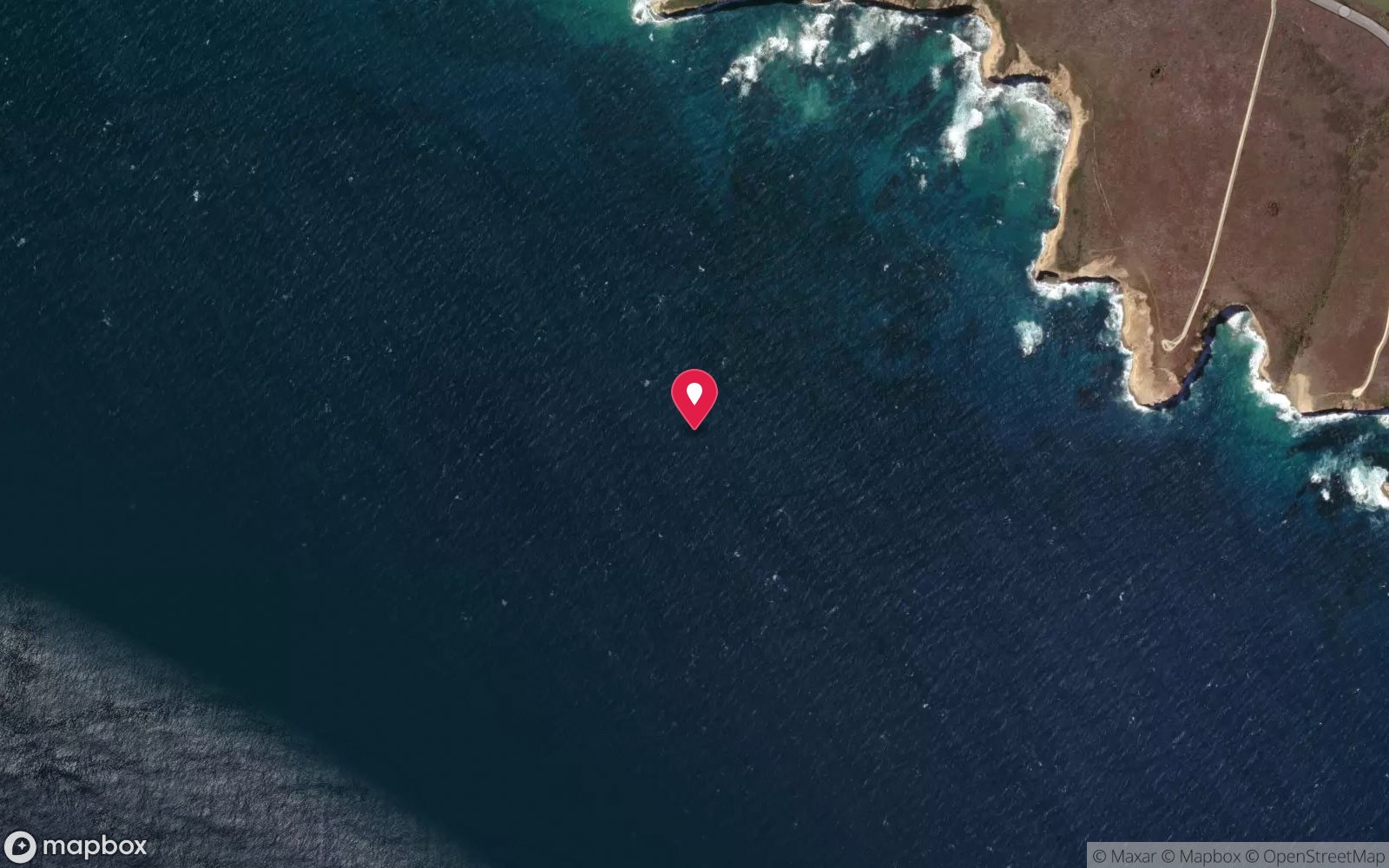
7 pinned sites. Pins marked approximate on their pages show the general area only; not for navigation.
Satellite views
Twelve Apostles Marine National Park – Thunder Cave & outer reefs: frequently asked questions
How deep is Twelve Apostles Marine National Park – Thunder Cave & outer reefs?
Twelve Apostles Marine National Park – Thunder Cave & outer reefs reaches a maximum depth of 30 m, with the shallowest part at about 8 m; most of the dive is spent around 18 m.
What certification do I need to dive Twelve Apostles Marine National Park – Thunder Cave & outer reefs?
Advanced Open Water is the recommended minimum. At more than 25 m this counts as a deep dive: watch no-decompression limits and gas. Rated advanced because of depth beyond 18 m, an overhead environment, surge on the entry or in the shallows, cold water.
Can I shore dive Twelve Apostles Marine National Park – Thunder Cave & outer reefs?
No, it is reached by boat (about 15 minutes). A dive centre is required: boat access only.
When is the best time to dive Twelve Apostles Marine National Park – Thunder Cave & outer reefs?
Autumn (Mar–May); occasional settled summer mornings.
What marine life will I see at Twelve Apostles Marine National Park – Thunder Cave & outer reefs?
Regularly recorded: Southern rock lobster (abundant), weedy seadragons, magpie perch, blue-throat wrasse, Port Jackson sharks, sea sweep, giant kelp, bull kelp, sponge gardens, colonial ascidians, bryozoans, Australian fur seals and more.
What wetsuit do I need at Twelve Apostles Marine National Park – Thunder Cave & outer reefs?
7mm semi-dry with hood and gloves in summer; drysuit strongly preferred May–November.
How cold is the water at Twelve Apostles Marine National Park – Thunder Cave & outer reefs?
Typically 16-19 °C in summer and 11-14 °C in winter.
What are the main hazards at Twelve Apostles Marine National Park – Thunder Cave & outer reefs?
Fully exposed Southern Ocean coast; heavy backwash off vertical cliffs; surge in caves and canyons; overhead environment at Thunder Cave; difficult boat pick-up; launch restricted to permit holders; no shore exits anywhere along the cliffs; rapidly changing weather; depth to 30 m. See the hazards section above for the full list.
Where is the nearest recompression chamber to Twelve Apostles Marine National Park – Thunder Cave & outer reefs?
The Alfred (Melbourne). In an emergency call 000, then DAN Asia-Pacific on 1800 088 200.
Diving in Shipwreck Coast & Warrnambool
The coast between Cape Otway and Port Fairy earned its name honestly: the Loch Ard, the Falls of Halladale, the Schomberg and dozens of others lie in the shallows below the limestone cliffs. Warrnambool's Breakwater, Port Fairy's Griffiths Island and the Lady Bay reefs are dived on the rare days of nil swell, and Julia Percy Island has fur seals.
Getting there: Three to four hours west of Melbourne along the Great Ocean Road. Shore dives at Warrnambool and Port Fairy; local club boat dives.
All Shipwreck Coast & Warrnambool dive sites and a suggested itinerary →
Sources
- parks.vic.gov.au/places-to-see/parks/twelve-apostles-marine-national-park
- visitvictoria.com/regions/great-ocean-road/see-and-do/outdoor-and-adventure/scuba-diving
- scubadoctor.com.au/divesite.htm?site=Loch-Ard
Data confidence: Low · Being verified: Thunder Cave position and depth (25 m from Visit Victoria); outer reef depths are estimates; coordinates approximate for the park section east of Port Campbell.. Last updated September 2026. Know this site better? How to send a correction
Nearby dive sites
More reef dives in Victoria
Explore more
This region
Marine life