Dive slate · divesites.com.au · printed 7 Nov 2026
Popes Eye
Port Phillip Heads, Victoria · near Queenscliff / Portsea
| Depth | 2–14 m |
|---|---|
| Minimum level | Open Water |
| Difficulty | Beginner |
| Access | Boat |
| Entry | Giant stride or backward roll from a live boat onto a drop-shot; free ascent under DSMB, pick-up by boat |
| Current | Variable/Tidal |
| Visibility | 5-15 m |
| Water | summer 17-20 °C, winter 11-14 °C |
| Suit | 7 mm semi-dry with hood and gloves, or drysuit; drysuit strongly preferred May–November |
| Best season | Year-round on slack water; February–May usually gives the calmest seas and clearest water |
| Bottom time | 45 min |
| Position | -38.27663, 144.69870 (GPS) |
| Permit | Port Phillip Heads Marine National Park – no take of any marine life; no permit needed for diving; Parks Victoria diver guide applies |
| Nearest chamber | The Alfred Hospital hyperbaric unit (Melbourne) |
| Emergency | 000 · DAN Asia-Pacific diving emergency 1800 088 200 |
Popes Eye
Also known as Pope's Eye, Popes Eye Annulus
An 1880s fort foundation turned marine reserve: a sheltered inner lagoon packed with tame fish, an outer wall of gorgonians and feather stars to 14 m, nesting gannets overhead and seals dropping in – the most reliable easy dive at the Heads.
Near Queenscliff / Portsea · Port Phillip Heads, Victoria
- Depth
- 2–14 m
- Minimum level
- Open Water
- Access
- Boat
- Boat ride
- ~15 min
- Water
- 17-20 °C
- Visibility
- 5-15 m
Popes Eye2–14 m · Open Water
Dive factsDepths, conditions, location & safety
Season
Off-peak nowBest months: February, March, April, May.
Year-round on slack water; February–May usually gives the calmest seas and clearest water
- Best months
- Now (November)
Dive facts
- Depth
- 2–14 m
- Typical depth
- 8 m
- Certification
- Open Water
- Difficulty
- Beginner
- Depth tier
- Open Water (10–18 m)
- Access
- Boat
- Offshore
- 4 km
- Dive centre needed
- Yes – boat access only
- Shore / independent
- No
- Boat ride
- ~15 min
- Current
- Variable/Tidal
- Visibility
- 5-15 m
- Water temp (summer)
- 17-20 °C
- Water temp (winter)
- 11-14 °C
- Water
- Temperate
- Bottom time
- 45 min
- Dive traffic
- Very popular (dived daily)
- Night dive
- Yes
- Snorkel friendly
- Yes
Exposure suit
7 mm semi-dry with hood and gloves, or drysuit; drysuit strongly preferred May–November
Location
Popes Eye / West Channel · Port Phillip Heads – Queenscliff
-38.27663, 144.69870
Published GPS position.
Open in Google MapsDive site map (external) →Primary source: scubadoctor.com.auTags
Marine park & permits
Port Phillip Heads Marine National Park – no take of any marine life; no permit needed for diving; Parks Victoria diver guide applies
Nearest recompression chamber
The Alfred Hospital hyperbaric unit (Melbourne)
Diving emergency: call 000, then DAN AP 1800 088 200.
Trip planner
Build a trip around Popes Eye →
A day-by-day plan for Port Phillip Heads with this site locked in.
This guide is a planning aid. Conditions change daily — confirm with a local dive centre and dive within your training. Data & safety notes.
Dive profile
How this site rates
Scores are computed from the recorded data, not opinions. How?
At a glance
Popes Eye is a artificial reef boat dive in Port Phillip Heads, VIC, 2–14 m, suited to Open Water divers, variable/tidal current, about 15 minutes by boat.
Rated beginner: sheltered, shallow and manageable for a newly certified diver on a normal day, though note tidal current that must be timed and boat traffic overhead and cold water.
Why dive here
- An 1880s fort foundation turned marine reserve: a sheltered inner lagoon packed with tame fish, an outer wall of gorgonians and feather stars to 14 m, nesting gannets overhead and seals dropping in – the most reliable easy dive at the Heads.
- A photographer's site: bring a macro lens or a wide-angle depending on the season.
- Commonly dived at night, when octopus, cuttlefish and crustaceans are out.
- Snorkel-friendly, so non-diving companions can join at the surface.
Conditions to avoid
- Swell above about 2 m
- Any time other than slack water
About Popes Eye
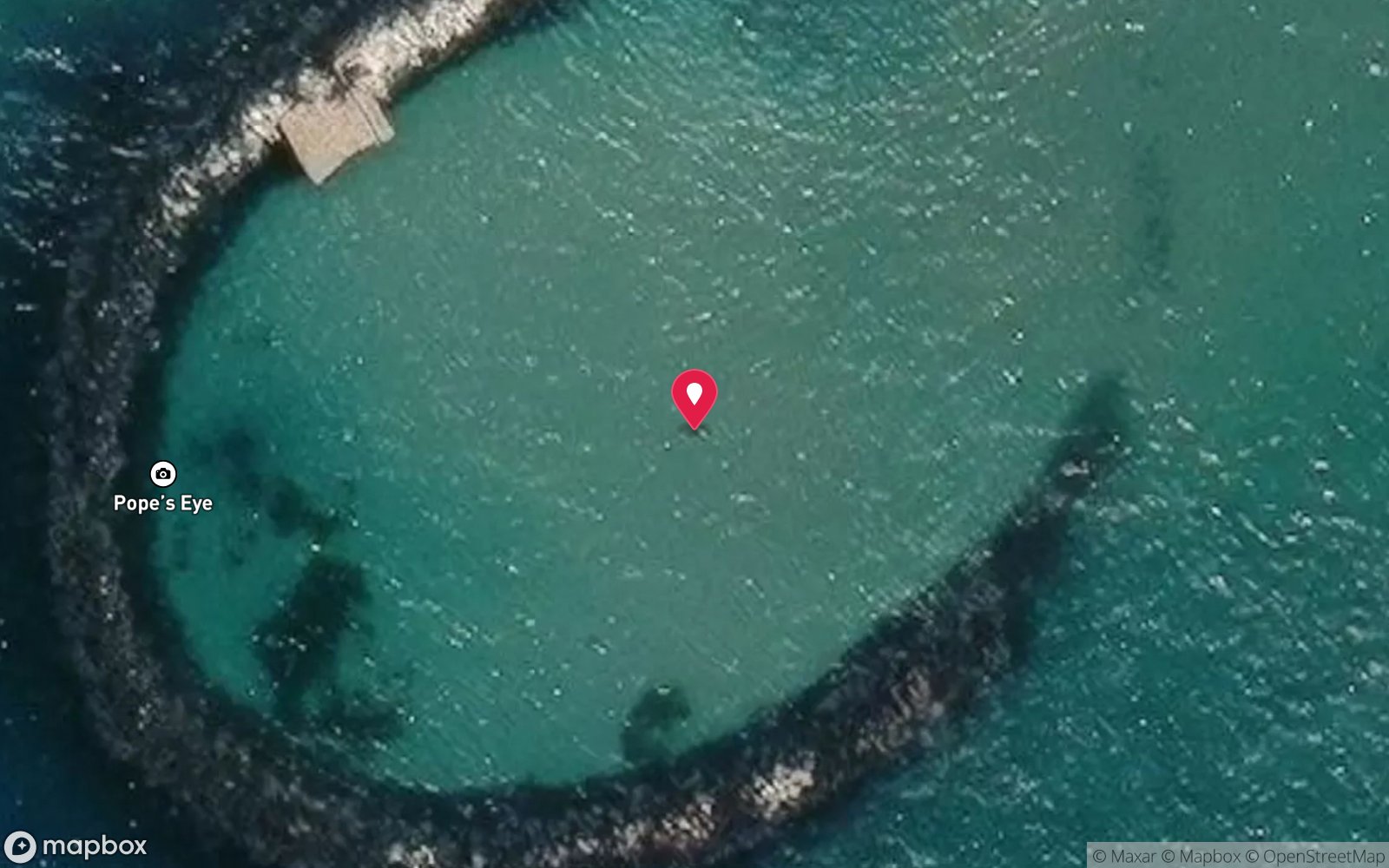
Popes Eye is an artificial island that was never finished. In the 1880s the colony of Victoria began a ring fort on a shoal 4 km inside the Heads as part of the defence of Port Phillip; a horseshoe of bluestone blocks was laid – the Scuba Doctor listing gives its dimensions as about 204 m long, 22.4 m wide at the base tapering to 1.3 m at the top and rising 2.8 m above low water – before advances in gunnery made it redundant and work stopped. Left alone, it became a reef, and since 1979 it has been a marine reserve; it is now part of Port Phillip Heads Marine National Park and the oldest protected piece of seabed in Victoria.
The horseshoe faces roughly north-east, and the dive has two parts. Inside the annulus the water is 1.5–4 m deep, calm and full of fish that have never been hunted: old wives, scalyfin, zebrafish, sweep, leatherjackets, magpie perch and big bluethroat wrasse crowd around divers and snorkellers. Outside, the bluestone drops to sand at about 10 m (14 m at the deepest) and the blocks are covered in gorgonian fans, feather stars, sponges and kelp, with sea urchins, abalone and nudibranchs among them. A ship's anchor lies at 12 m on the ebb side and an old wooden butter churn on the flood side, both useful for navigation. Giant cuttlefish are regular in winter, and Australian fur seals from Chinamans Hat 2.5 km to the east visit constantly; above the water a colony of Australasian gannets nests on the platform, the only mainland-attached gannet colony in Australia.
Popes Eye is the beginner's Heads dive and the peninsula's snorkel site, but experienced divers should not skip it: the fish density and approachability are unlike anywhere else in the bay, and the structure is a reliable night dive. It is dived on almost any tide, though the current outside the walls is strong on springs and the start of the ebb is best.
Getting there & entry
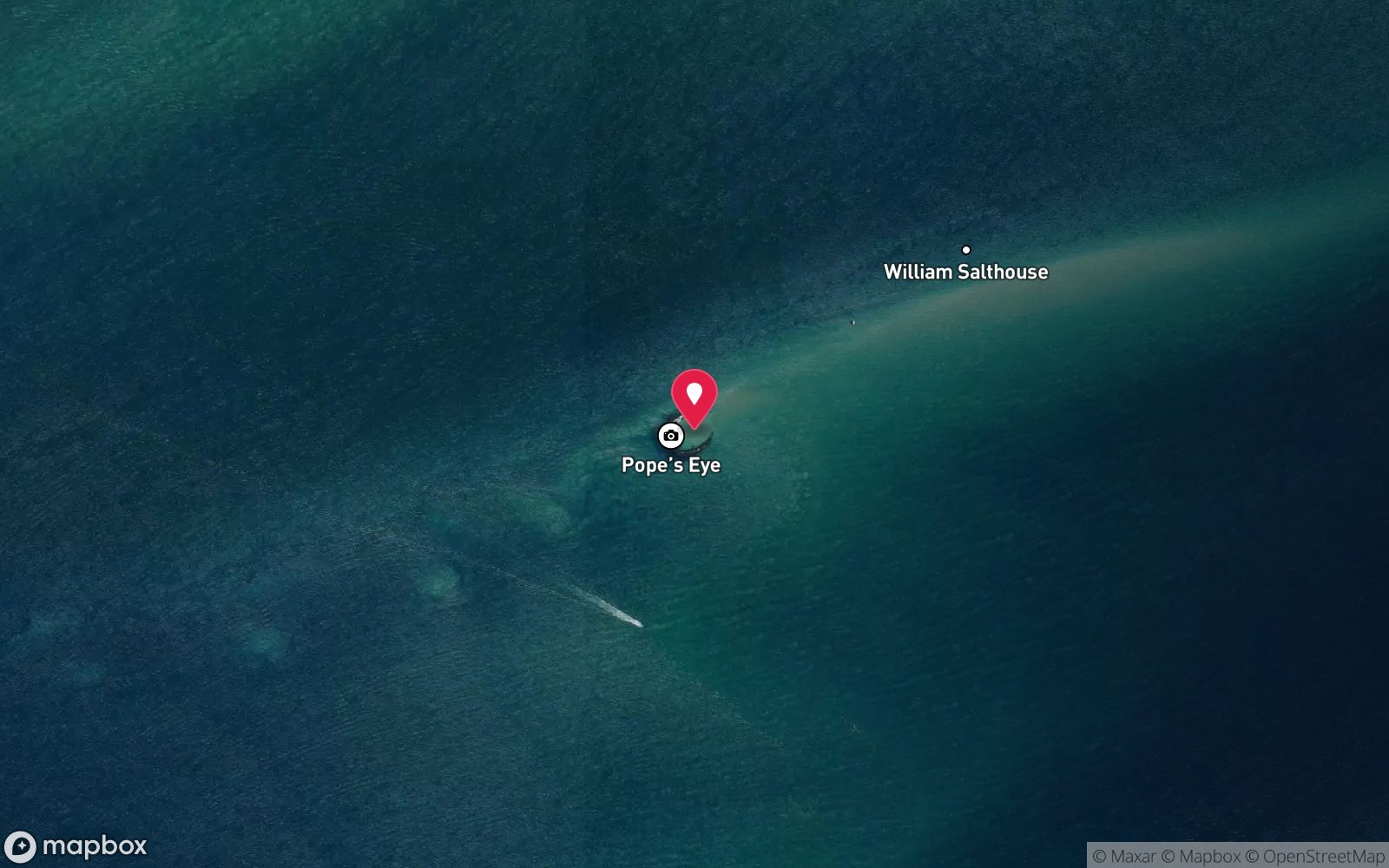
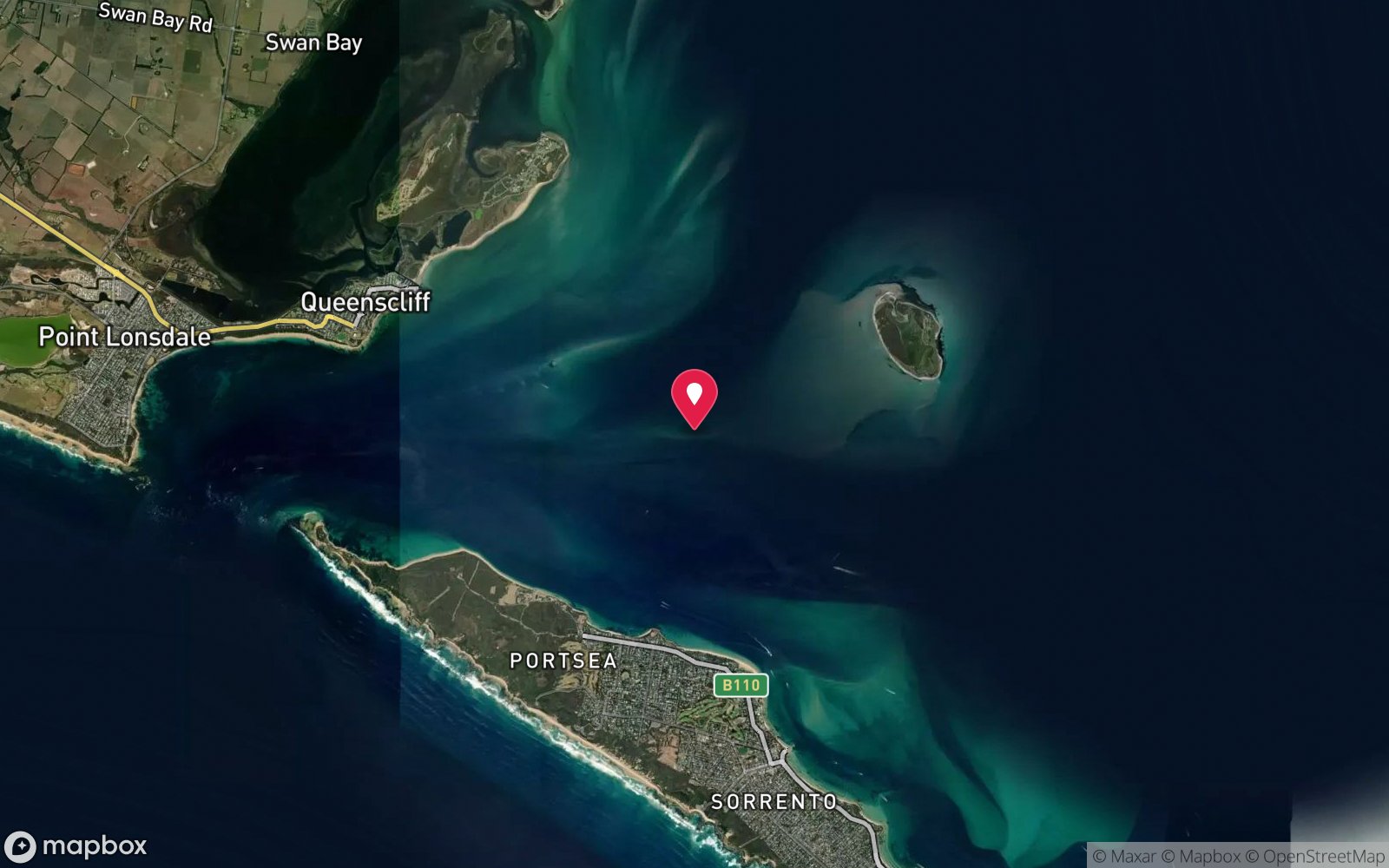
An unfinished horseshoe-shaped bluestone fort foundation about 4 km inside The Heads, midway between Queenscliff and Portsea on the edge of the West Channel; the Anchor Farm lies 88 m to the north.
Boat access only, 15 minutes from either Portsea Pier or Queenscliff Harbour and one of the few Heads sites reachable by small private boat in most weather (Sorrento or Queenscliff ramps, 15–20 minutes). The annulus is a Parks Victoria-managed structure with a gannet colony on top: landing is prohibited, and boats moor or drop divers outside the walls, usually on the western (ebb) side. The West Channel shipping lane passes close to the east, so a dive flag is mandatory and skippers watch for the ferry and channel traffic.
Snorkel and dolphin-swim boats visit throughout the day in summer.
Entry: Giant stride or backward roll from a live boat onto a drop-shot; free ascent under DSMB, pick-up by boat
Weather, swell & tides
It can be dived on most tides, but slack water gives the easiest conditions and the best visibility. Slack water at Port Phillip Heads does not coincide with high or low water: it falls roughly three hours after high or low water at Point Lonsdale, and the usable window is typically 20–40 minutes. Use the Ports Victoria / Port of Melbourne slack-water predictions for The Heads (also republished by charter operators and WillyWeather 'Rip Bank') rather than a standard tide table.
Inside the Heads it is sheltered from most swell, but a south-west swell over about 2 m still surges across the top of the wall and a westerly or south-westerly wind over 15–20 knots makes the boat work unpleasant; big seas outside drop visibility to a few metres for a day or two. Visibility is best in late summer and autumn (Feb–May) when the water is clear and the westerlies have eased; winter brings 11–13 °C water and bigger swells but often the clearest days after a run of settled weather. Heavy rain has little effect this close to the ocean.
Scuba Doctor lists it for slack water, ebb and flood – it is the one Heads site that can be dived on a running tide because the structure gives shelter, but the current outside the walls runs hard on springs and the best conditions are the start of the ebb. Diveable in almost any wind; a strong southerly makes the boat ride wet.
Best season: Year-round on slack water; February–May usually gives the calmest seas and clearest water
If it's blown out
Sheltered or shore sites within 25 km that often work when Popes Eye doesn't.
- Chinamans Hat · 3 km · Max 12 m
- Portsea Pier · 5 km · Max 7 m
- Blairgowrie Pier · 11 km · Max 7 m
- Rye Pier · 15 km · Max 7 m
How the dive is usually run
Descend on the outside of the wall in 8–10 m on the sheltered side, circle the annulus clockwise or anticlockwise with the bluestone on one shoulder – look for the ship's anchor at 12 m on the ebb side and the old butter churn on the flood side as reference points – then finish inside the horseshoe in 2–4 m among the fish before ascending in the lee. Total circuit about 250 m.
Marine life
- Australian fur seal →
- Australasian gannet (nesting)
- giant cuttlefish →
- old wife
- scalyfin
- zebrafish
- silver sweep
- leatherjackets
- magpie perch
- bluethroat wrasse
- gorgonian fans
- feather stars
- sponges
- sea urchins
- abalone
- nudibranchs →
- octopus →
Linked species have their own page listing every site where they are recorded. All marine life →
Training required
Within the 18 m limit of an entry-level certification.
Courses that help here
- Night Diver – Commonly dived at night.
- Drysuit Diver – Cold water; locals dive dry for much of the year.
Depth tiers: 0–10 m easy · to 18 m Open Water · 18–30 m Advanced (25 m+ is a deep dive) · 30–40 m Deep specialty · 40 m+ technical. All courses
Hazards & warnings
Strong tidal current outside the structure on springs; West Channel shipping lane and ferry to the east – dive flag mandatory; heavy tour-boat and snorkel traffic in summer; shallow rock; no landing on the structure (gannet colony)
Dive centres that go here
Dive Victoria Group (Portsea/Queenscliff) – daily as a training, second or snorkel site; Bayplay (Portsea) – daily in season, dive and snorkel; Red Boats (Queenscliff) – frequent; Sea All Dolphin Swims (Queenscliff) and Moonraker (Sorrento) – snorkel tours; Polperro Dolphin Swims – snorkel.
Operators recorded for Popes Eye
The Scuba Doctor
ProfiledRye · Melbourne & Port Phillip Bay · VIC
A Victorian equipment and service business with an extensive retail presence, located to serve both Melbourne and Mornington Peninsula divers.
scubadoctor.com.au · (03) 5985 3322
Diveline Scuba Centre
ListedFrankston · Melbourne & Port Phillip Bay · VIC
A Victorian business associated with technical training and gas support alongside recreational courses.
diveline.com.au · (03) 9783 7166
Scubabo Dive Victoria (Dive Victoria Group)
Named by sitesQueenscliff · Port Phillip Heads · VIC
Rebranded as Scubabo Dive Victoria, Queenscliff; dive.scubabo.com is live for 2026 with active charter bookings.
dive.scubabo.com · (03) 5258 1188
Bayplay
Named by sitesPortsea · Port Phillip Heads · VIC
PADI dive resort and adventure tours.
bayplay.com.au · (03) 5984 0888
Red Boats
Reported closedPortsea · Port Phillip Heads · VIC
TripAdvisor marks RedBoats Portsea as permanently closed (last review November 2021) and the domain is now an unrelated boating blog.
Other dive centres in Port Phillip Heads
Aquability
ListedMordialloc · Melbourne & Port Phillip Bay · VIC
A Victorian operation associated with technical diving training. Exact agency, course levels and gas support require verification.
aquability.com.au · (03) 9587 1811
Bay City Scuba
ListedEast Geelong · Melbourne & Port Phillip Bay · VIC
A Victorian business associated with recreational and technical training alongside equipment and gas services.
baycityscuba.com · (03) 5248 1488
Scuba Culture
ListedBurwood · Melbourne & Port Phillip Bay · VIC
A Melbourne business providing training and equipment support for local divers.
scubaculture.com.au · (03) 9808 0033
Scubabo Dive Victoria (Queenscliff)
ListedQueenscliff · Geelong & Bellarine · VIC
A Queenscliff operation, strategically located for access toward Port Phillip Heads.
dive.scubabo.com · (03) 5258 1188
Divein2Scuba (Geelong Dive Centre)
ListedGeelong · Geelong & Bellarine · VIC
A Geelong business providing training, equipment and local diving support.
divein2scuba.com · (03) 5221 3342
Ocean Divers
ListedBentleigh East · Melbourne & Port Phillip Bay · VIC
A Victorian operation associated with recreational and technical training and access to Port Phillip diving.
oceandivers.com.au · (03) 9579 2600
Map
7 pinned sites. Pins marked approximate on their pages show the general area only; not for navigation.
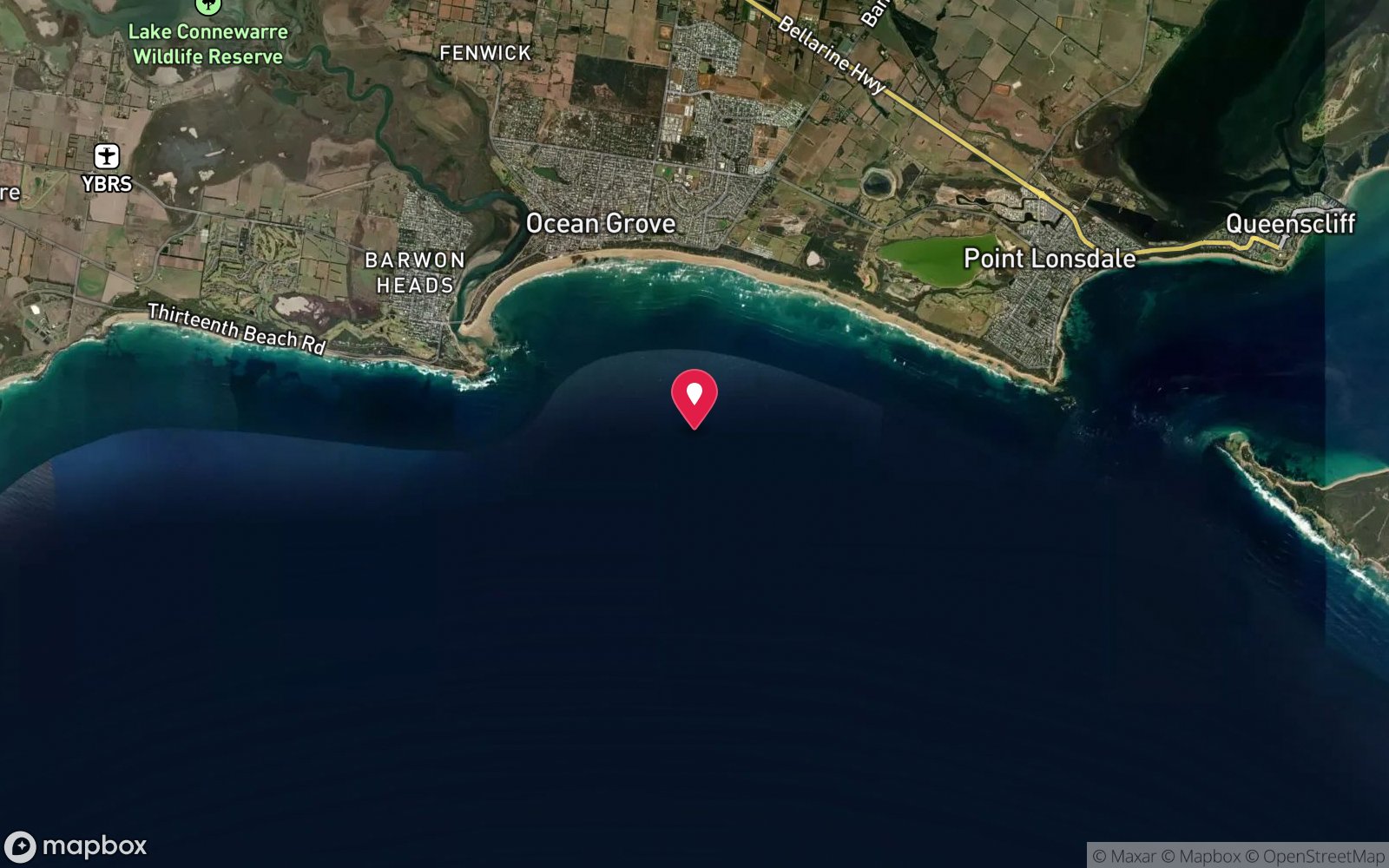
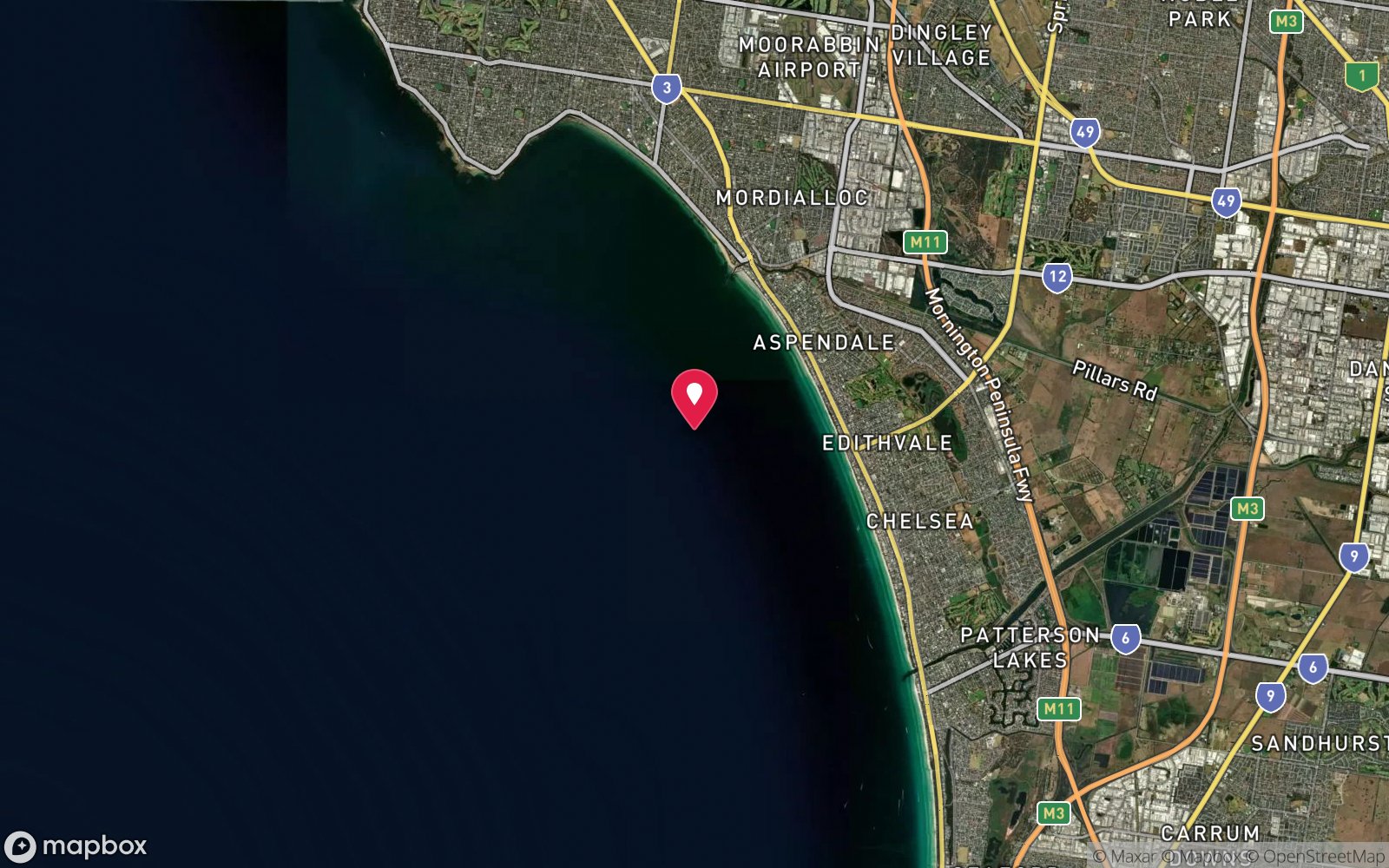
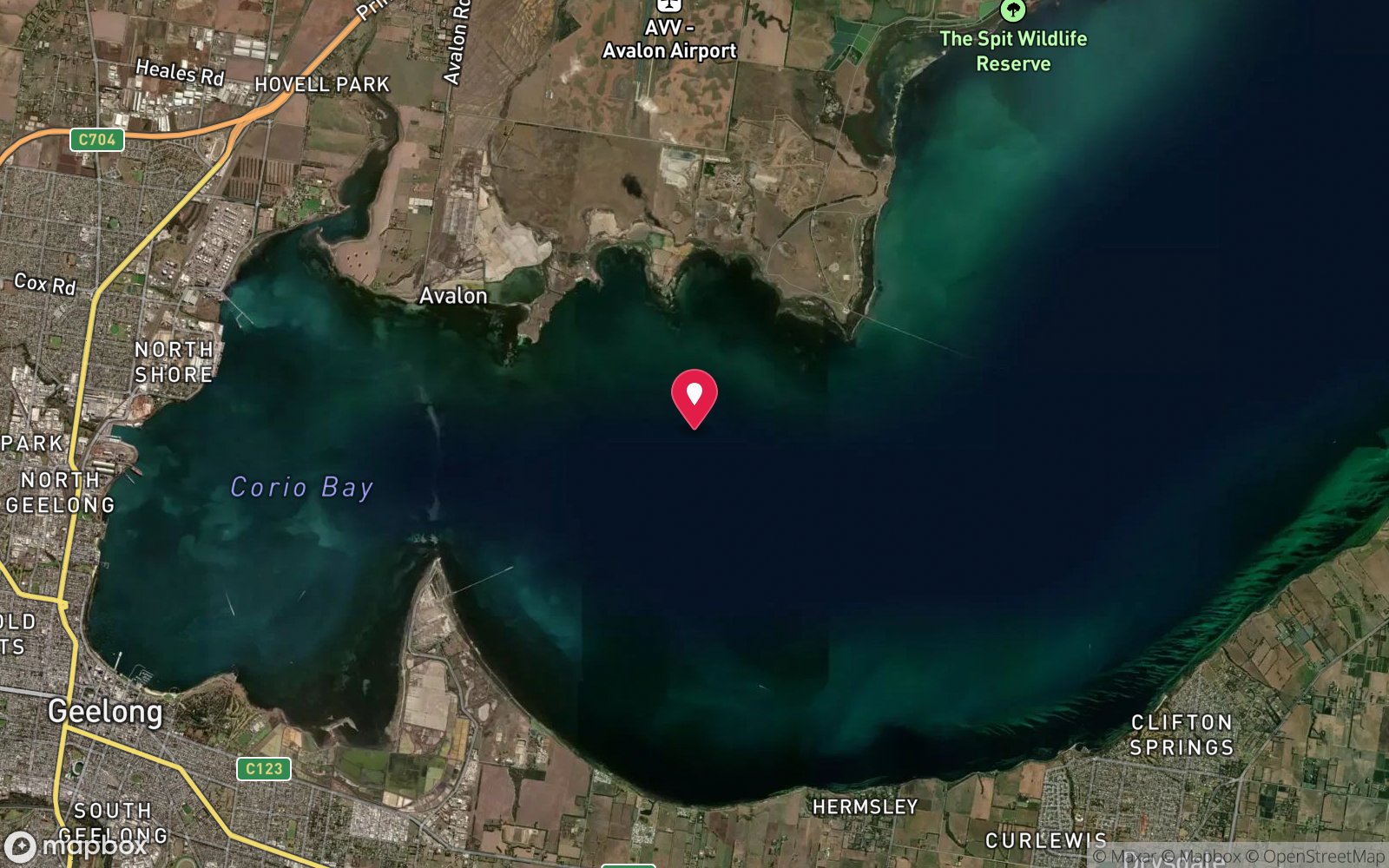
Satellite views
Popes Eye: frequently asked questions
How deep is Popes Eye?
Popes Eye reaches a maximum depth of 14 m, with the shallowest part at about 2 m; most of the dive is spent around 8 m.
What certification do I need to dive Popes Eye?
Open Water is the recommended minimum. Rated beginner: sheltered, shallow and manageable for a newly certified diver on a normal day, though note tidal current that must be timed and boat traffic overhead and cold water.
Can I shore dive Popes Eye?
No, it is reached by boat (about 15 minutes). A dive centre is required: boat access only.
When is the best time to dive Popes Eye?
Year-round on slack water; February–May usually gives the calmest seas and clearest water.
What marine life will I see at Popes Eye?
Regularly recorded: Australian fur seal, Australasian gannet (nesting), giant cuttlefish, old wife, scalyfin, zebrafish, silver sweep, leatherjackets, magpie perch, bluethroat wrasse, gorgonian fans, feather stars and more.
What wetsuit do I need at Popes Eye?
7 mm semi-dry with hood and gloves, or drysuit; drysuit strongly preferred May–November.
How cold is the water at Popes Eye?
Typically 17-20 °C in summer and 11-14 °C in winter.
What are the main hazards at Popes Eye?
Strong tidal current outside the structure on springs; West Channel shipping lane and ferry to the east – dive flag mandatory; heavy tour-boat and snorkel traffic in summer; shallow rock; no landing on the structure (gannet colony). See the hazards section above for the full list.
Can you night dive Popes Eye?
Yes, Popes Eye is commonly dived at night.
Diving in Port Phillip Heads
The entrance to Port Phillip Bay is a 3 km gap through which the whole bay drains and fills twice a day, and the currents have carved walls, canyons and caves in the limestone: Lonsdale Wall, Nepean Wall, the Boulders, the Cave, the Canyons and Popes Eye. Outside the Heads lies the Ships' Graveyard, with more than 40 scuttled vessels including the J1, J2, J4 and J5 submarines, the SS Coogee and the Eliza Ramsden. Every dive here is on slack water and every dive is from a charter.
Getting there: Charters from Queenscliff, Portsea and Sorrento, timed to the slack. Ninety minutes from Melbourne.
All Port Phillip Heads dive sites and a suggested itinerary →
Sources
- scubadoctor.com.au/divesite.htm?site=Popes-Eye
- scubadoctor.com.au/divesite.htm?site=Popes-Eye-Anchor-Farm
- en.wikipedia.org/wiki/Port_Phillip_Heads_Marine_National_Park
- parks.vic.gov.au/-/media/project/pv/main/parks/documents/visitor-guides-and-publications/port-phillip-heads-marine-national-park/port-phillip-heads-divers-guide-170620-updates-low-res.pdf
Data confidence: High. Last updated September 2026. Know this site better? How to send a correction
Nearby dive sites
More artificial reef dives in Victoria
Explore more
This region
Marine life