Dive slate · divesites.com.au · printed 9 Nov 2026
Big Reef, Portland
Portland & the West, Victoria · near Portland
| Depth | 5–15 m |
|---|---|
| Minimum level | Open Water |
| Difficulty | Intermediate |
| Access | Boat |
| Entry | Giant stride from a boat anchored on sand beside the reef |
| Current | Mild |
| Visibility | 8-15 m |
| Water | summer 14-18 °C, winter 11-13 °C |
| Suit | 7mm semi-dry with hood and gloves in summer; drysuit strongly preferred May–November |
| Best season | Autumn (Mar–May) on low swell with light winds |
| Bottom time | 45 min |
| Position | -38.40458, 141.64905 (GPS) |
| Permit | None; Point Danger gannet colony reserve on land nearby |
| Nearest chamber | The Alfred (Melbourne) – about 360–420 km by road; Royal Adelaide Hospital is a similar distance from the far west and may be used for evacuations from Portland/Nelson |
| Emergency | 000 · DAN Asia-Pacific diving emergency 1800 088 200 |
Big Reef, Portland
Also known as Big Reef, Point Danger reef, The Passage Bommie
An easily overlooked reef on the way to Lawrence Rocks with a steep eastern face to 15 m and productive ledges – Portland's handy shallow boat dive.
Near Portland · Portland & the West, Victoria
- Depth
- 5–15 m
- Minimum level
- Open Water
- Access
- Boat
- Boat ride
- ~15 min
- Water
- 14-18 °C
- Visibility
- 8-15 m
Big Reef, Portland5–15 m · Open Water
Dive factsDepths, conditions, location & safety
Season
Off-peak nowBest months: March, April, May.
Dive facts
- Depth
- 5–15 m
- Typical depth
- 10 m
- Certification
- Open Water
- Difficulty
- Intermediate
- Depth tier
- Open Water (10–18 m)
- Access
- Boat
- Offshore
- 1.2 km
- Dive centre needed
- Yes – boat access only
- Shore / independent
- No
- Boat ride
- ~15 min
- Current
- Mild
- Visibility
- 8-15 m
- Water temp (summer)
- 14-18 °C
- Water temp (winter)
- 11-13 °C
- Water
- Cold Temperate
- Bottom time
- 45 min
- Dive traffic
- Moderate (occasional charters/club dives)
- Night dive
- No
- Snorkel friendly
- No
Exposure suit
7mm semi-dry with hood and gloves in summer; drysuit strongly preferred May–November
Location
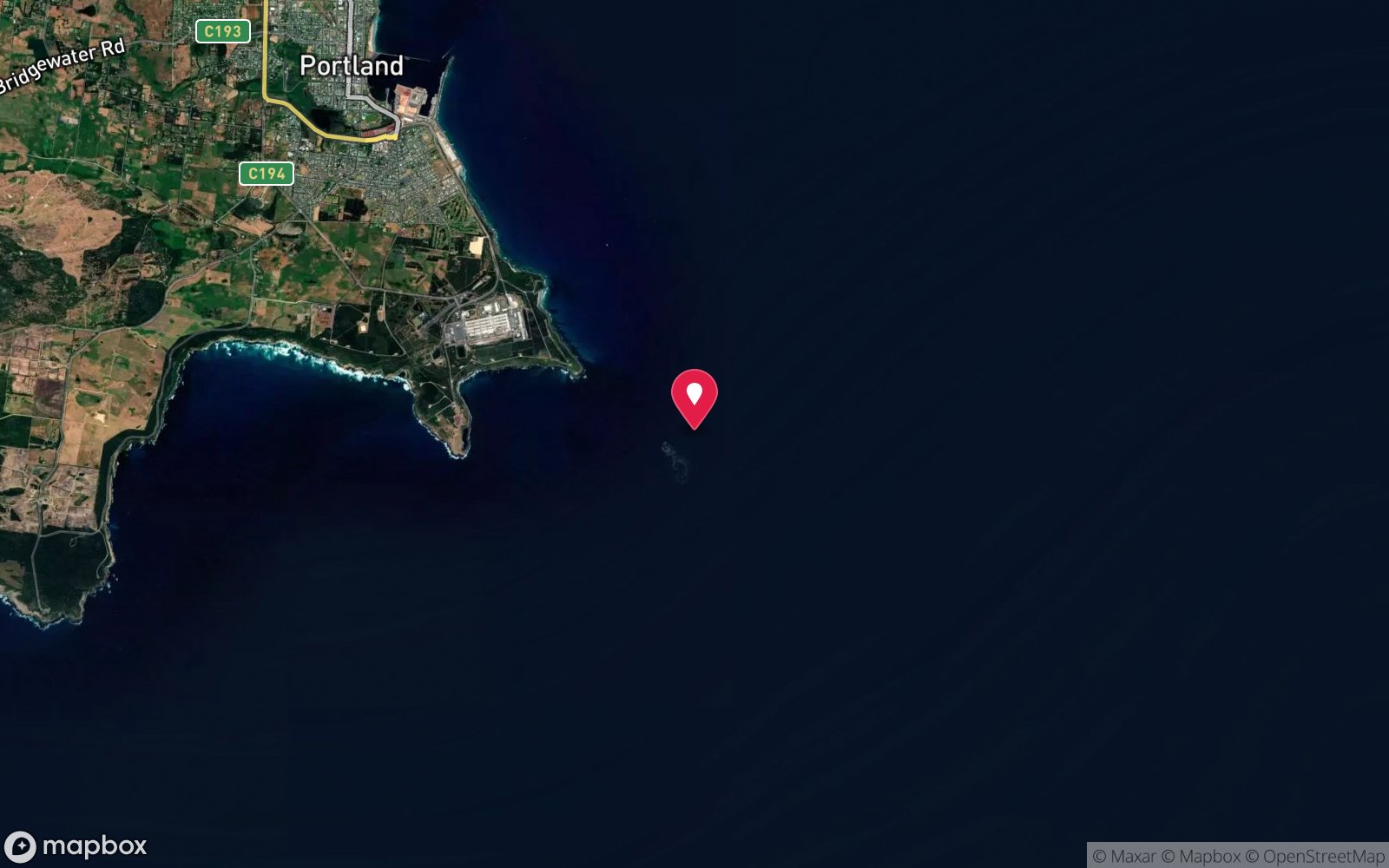
Point Danger / Portland Bay · Portland & the West – Portland
-38.40458, 141.64905
Published GPS position.
Open in Google MapsPrimary source: scubadoctor.com.auMarine park & permits
None; Point Danger gannet colony reserve on land nearby
Nearest recompression chamber
The Alfred (Melbourne) – about 360–420 km by road; Royal Adelaide Hospital is a similar distance from the far west and may be used for evacuations from Portland/Nelson
Diving emergency: call 000, then DAN AP 1800 088 200.
Trip planner
Build a trip around Big Reef, Portland →
A day-by-day plan for Portland & the West with this site locked in.
This guide is a planning aid. Conditions change daily — confirm with a local dive centre and dive within your training. Data & safety notes.
Dive profile
How this site rates
Scores are computed from the recorded data, not opinions. How?
At a glance
Big Reef, Portland is a reef boat dive in Portland & the West, VIC, 5–15 m, suited to Open Water divers, about 15 minutes by boat.
Rated intermediate because of surge on the entry or in the shallows, boat traffic overhead, cold water.
Why dive here
- An easily overlooked reef on the way to Lawrence Rocks with a steep eastern face to 15 m and productive ledges – Portland's handy shallow boat dive.
Conditions to avoid
- Swell above about 1.2 m
- Strong southerly or south-east swell and wind
About Big Reef, Portland
Big Reef lies about 1.2 km south of Point Danger, the headland with the mainland gannet colony that guards the southern side of Portland Bay, and it sits directly on the boat route from the harbour to Lawrence Rocks. The Scuba Doctor observes that it can easily be overlooked on the way to somewhere else, but that it offers a vast array of interesting dive opportunities. The eastern side drops steeply from about 5 m on the reef top to 15 m on the sand, forming a low wall with ledges and undercuts; the western side descends more gradually in a series of ridges and gutters. The reef was once an important commercial abalone ground, which tells you about the habitat – clean rock, heavy algal growth and plenty of crevices – and although the commercial fishing has moved on, the reef still carries the western Victorian community in good numbers: kelp and mixed algae on the tops, sponges and ascidians on the eastern face, crayfish and abalone in the ledges, and blue-throat wrasse, magpie perch, sea sweep, herring cale, zebrafish, leatherjackets and boarfish over and under the structure, with rays on the sand and seals from Lawrence Rocks and Point Danger passing through.
It is an easy Open Water boat dive fifteen minutes from the harbour, with a wall to follow and a reef top to cross, and it makes a sensible first or second dive of a Portland day, a fallback when Lawrence Rocks is too rough, or a shallow finish after the Emily S. The Passage Bommie 160 m to the north and Little Reef nearby extend the same ground. Like everything at Portland it is very weather dependent and needs a low swell and light winds, and since no dive charter operates from the port it is dived from private boats and by arrangement with fishing charters, with Portland SCUBA the local source of air and advice. Victorian bag limits apply to crayfish and abalone.
Getting there & entry
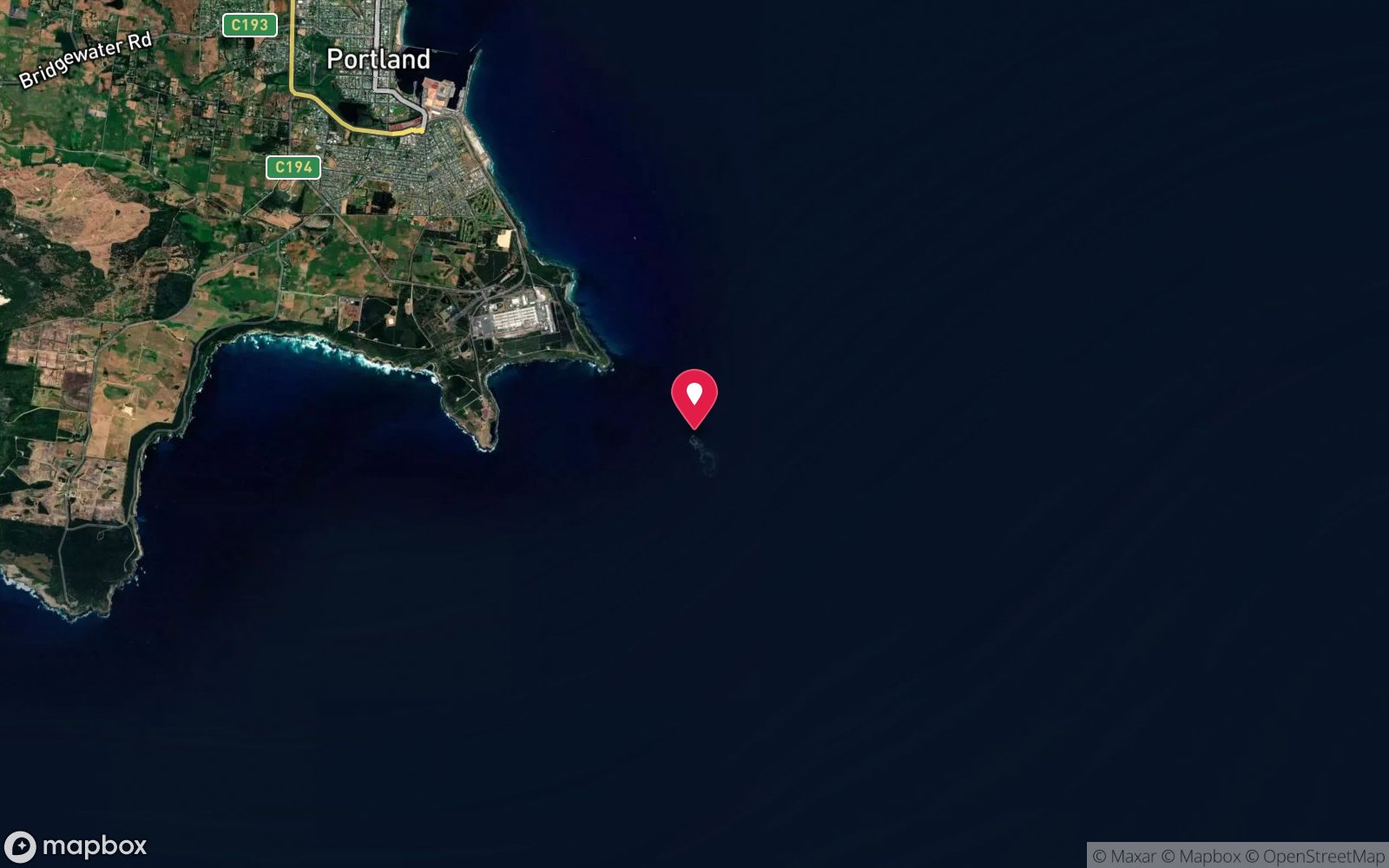
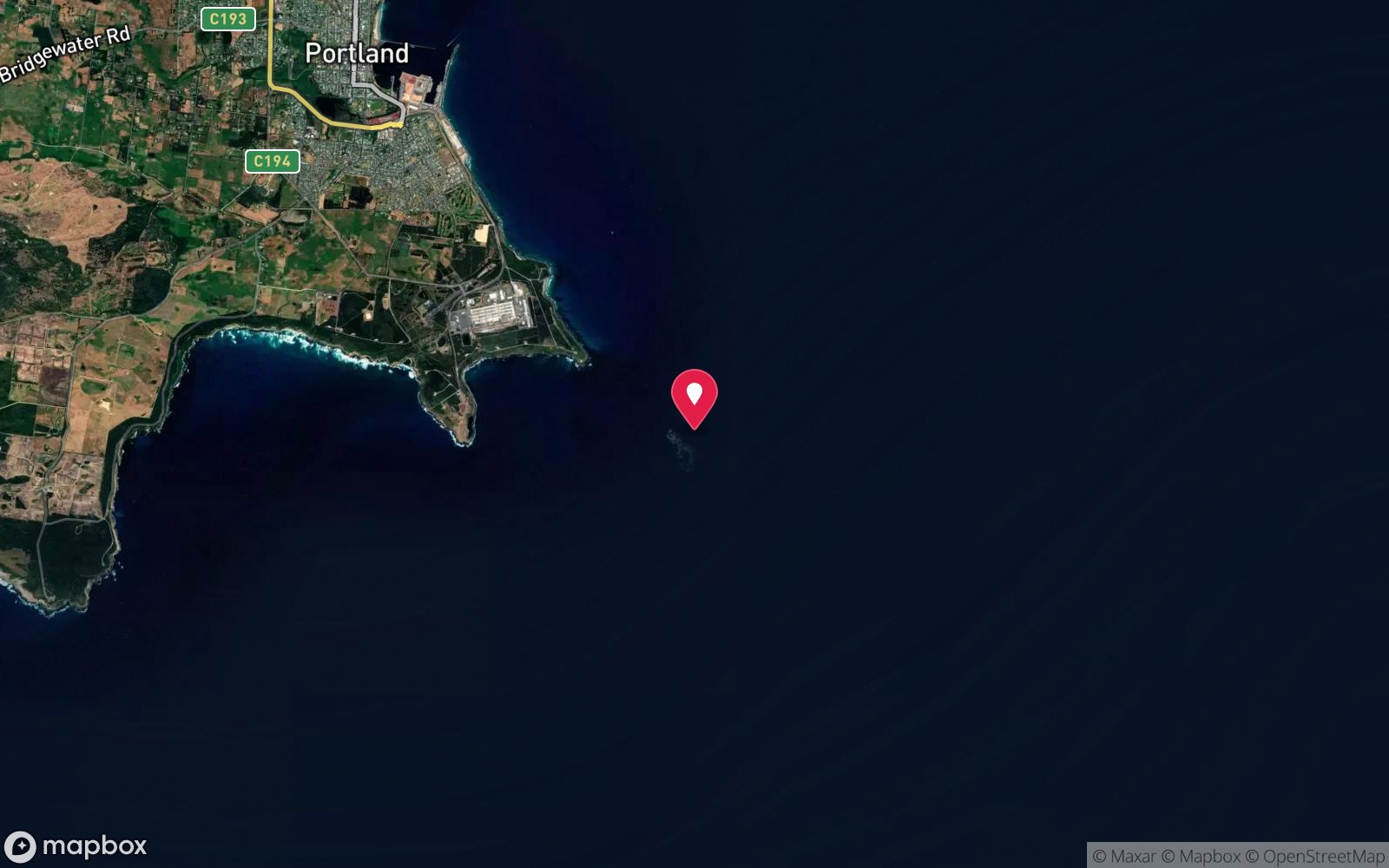
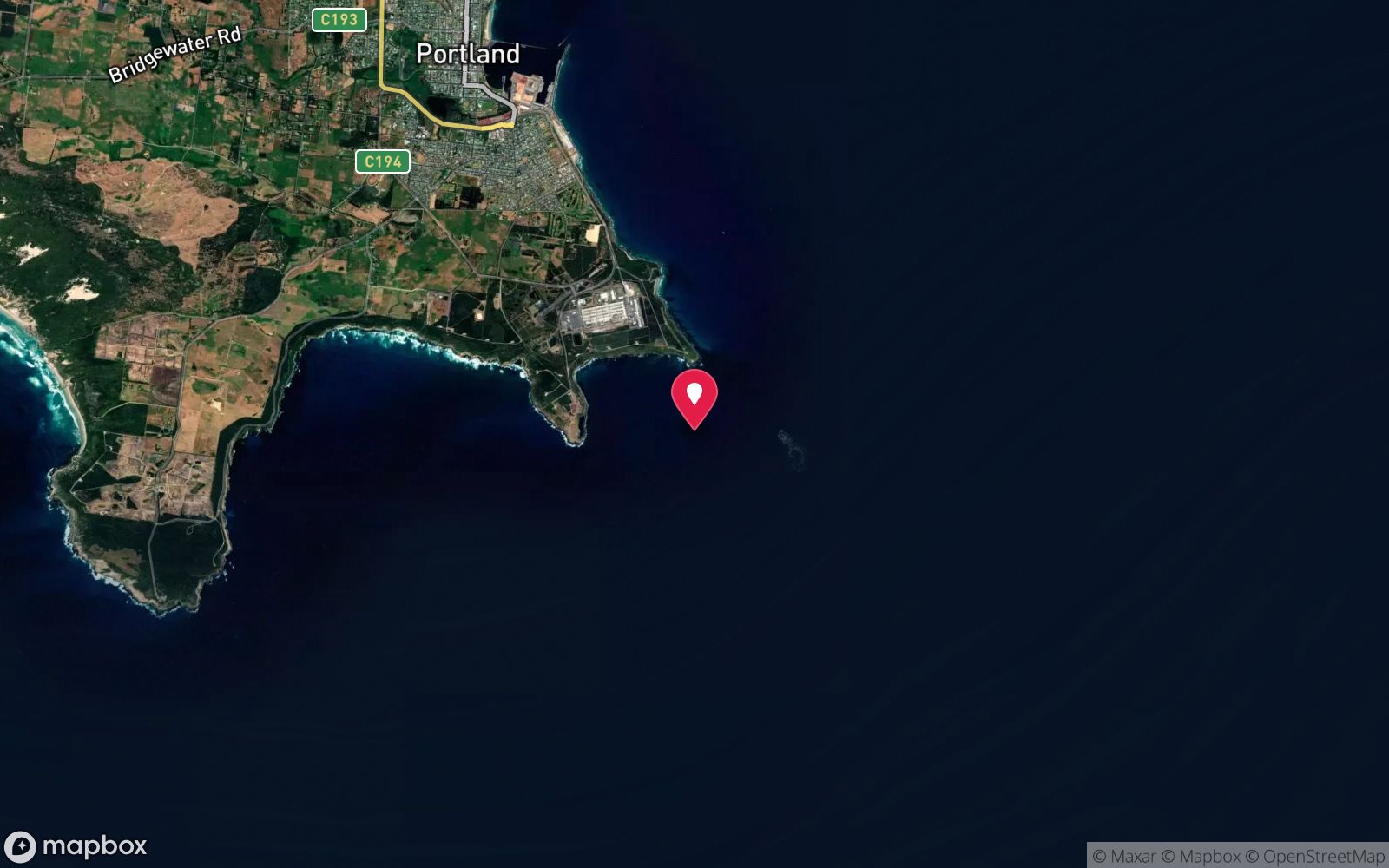
Reef about 1.2 km south of Point Danger, Portland, on the way to Lawrence Rocks, dropping steeply from 5 to 15 m on its eastern side and more gradually on the west.
Boats launch at the Portland Harbour ramps on Lee Breakwater Road (North Ramp and South Ramp), both with trailer parking, inside the harbour breakwaters. Run south out of the harbour and past Point Danger for about 5 km, roughly 15 minutes, to the reef 1.2 km south of the point; The Passage Bommie is 160 m to the north-north-west and Little Reef nearby. Anchor on sand off the steep eastern side.
Portland SCUBA in town supplies air; no dive charter operates from Portland.
Entry: Giant stride from a boat anchored on sand beside the reef
Facilities: Portland Harbour ramps with trailer parking, toilets and showers at the Lee Breakwater; Portland SCUBA for air, gear and courses; Portland town facilities, fuel and accommodation.
Weather, swell & tides
The Scuba Doctor describes Big Reef as very weather dependent, best dived in good conditions with a low swell and light winds. It lies off Point Danger in Portland Bay with some shelter from the west but open to the south and east, so a south-west swell over about 1.2 m or any easterly sea makes it surge and clouds the water. Light northerly and westerly winds are ideal.
The Bonney Upwelling can bring cold green water in summer; autumn is clearest. Point Danger tide and swell forecasts apply.
Best season: Autumn (Mar–May) on low swell with light winds
If it's blown out
Sheltered or shore sites within 25 km that often work when Big Reef, Portland doesn't.
- Portland Lee Breakwater · 8 km · Max 14 m
- North Point, Lawrence Rocks · 2 km · Max 12 m
- The Saddle, Lawrence Rocks · 2 km · Max 10 m
- New Zealander & Lighthouse Reef, Nuns Beach · 8 km · Max 4 m
How the dive is usually run
Anchor on sand off the eastern drop in 14–15 m, descend and follow the steep eastern face along its length at 10–15 m, then cross over the top of the reef and return along the gentler western slope in 5–10 m. Turn at half gas, return to the anchor and ascend with a 3-minute stop.
Marine life
- Southern rock lobster
- black-lip abalone
- blue-throat wrasse
- magpie perch
- sea sweep
- herring cale
- zebrafish
- leatherjackets
- longsnout boarfish
- rays
- Australian fur seals →
- kelp
- sponges and ascidians on the eastern face
Linked species have their own page listing every site where they are recorded. All marine life →
Training required
Within the 18 m limit of an entry-level certification.
Courses that help here
- Drysuit Diver – Cold water; locals dive dry for much of the year.
Depth tiers: 0–10 m easy · to 18 m Open Water · 18–30 m Advanced (25 m+ is a deep dive) · 30–40 m Deep specialty · 40 m+ technical. All courses
Hazards & warnings
Open to southerly and easterly swell; surge on the reef top in any sea; boat traffic on the Lawrence Rocks route; cold water; no dive charter – private boat operations. Victorian bag limits apply.
Dive centres that go here
No dedicated dive charter operates from Portland. Portland SCUBA (PADI centre) runs courses and occasional day trips; local fishing charters take divers by arrangement; Portland dive club members use private boats. Warrnambool Diving visits occasionally.
Operators recorded for Big Reef, Portland
Other dive centres in Portland & the West
Map
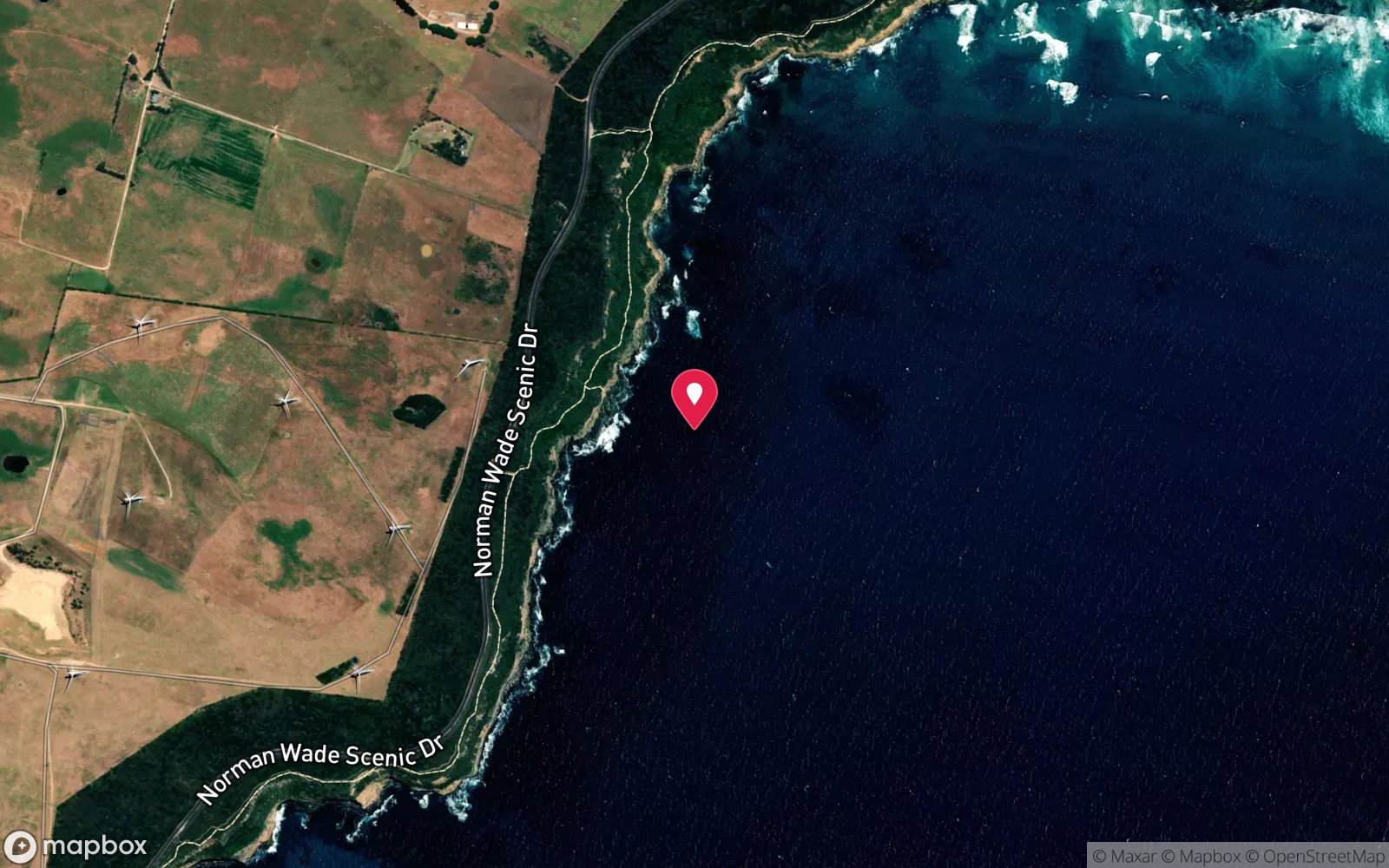
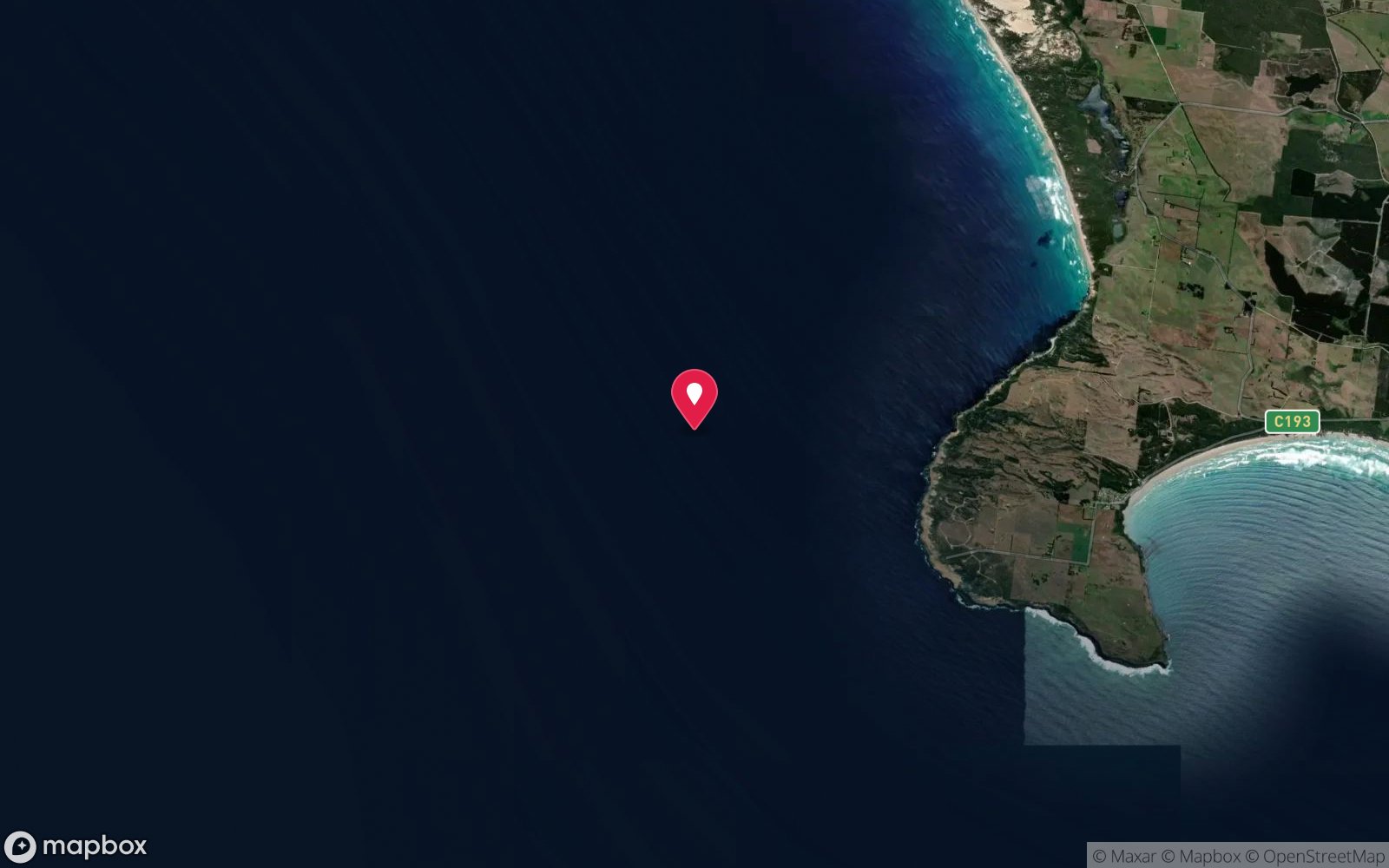
7 pinned sites. Pins marked approximate on their pages show the general area only; not for navigation.
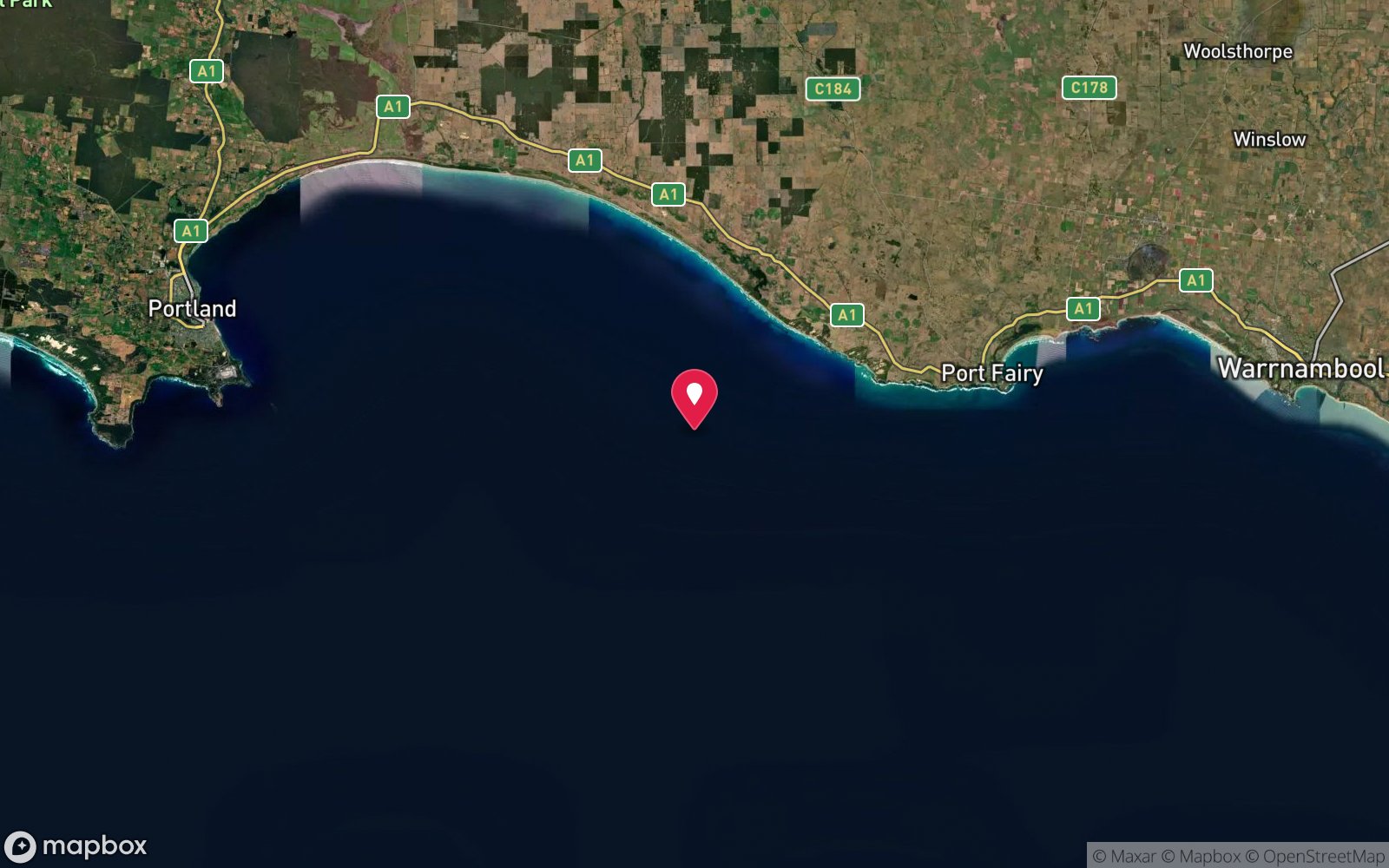
Satellite views
Big Reef, Portland: frequently asked questions
How deep is Big Reef, Portland?
Big Reef, Portland reaches a maximum depth of 15 m, with the shallowest part at about 5 m; most of the dive is spent around 10 m.
What certification do I need to dive Big Reef, Portland?
Open Water is the recommended minimum. Rated intermediate because of surge on the entry or in the shallows, boat traffic overhead, cold water.
Can I shore dive Big Reef, Portland?
No, it is reached by boat (about 15 minutes). A dive centre is required: boat access only.
When is the best time to dive Big Reef, Portland?
Autumn (Mar–May) on low swell with light winds.
What marine life will I see at Big Reef, Portland?
Regularly recorded: Southern rock lobster, black-lip abalone, blue-throat wrasse, magpie perch, sea sweep, herring cale, zebrafish, leatherjackets, longsnout boarfish, rays, Australian fur seals, kelp and more.
What wetsuit do I need at Big Reef, Portland?
7mm semi-dry with hood and gloves in summer; drysuit strongly preferred May–November.
How cold is the water at Big Reef, Portland?
Typically 14-18 °C in summer and 11-13 °C in winter.
What are the main hazards at Big Reef, Portland?
Open to southerly and easterly swell; surge on the reef top in any sea; boat traffic on the Lawrence Rocks route; cold water; no dive charter – private boat operations. See the hazards section above for the full list.
Where is the nearest recompression chamber to Big Reef, Portland?
The Alfred (Melbourne) – about 360–420 km by road; Royal Adelaide Hospital is a similar distance from the far west and may be used for evacuations from Portland/Nelson. In an emergency call 000, then DAN Asia-Pacific on 1800 088 200.
Diving in Portland & the West
Portland, at the western edge of Victoria, has deep, clear water close to shore, the Lawrence Rocks seal colony, the Portland harbour breakwater and a number of deep wrecks and reefs off Cape Nelson and Cape Bridgewater that are among the least-dived in the state.
Getting there: Four hours west of Melbourne. Local club and occasional charters; the harbour breakwater is a shore dive.
All Portland & the West dive sites and a suggested itinerary →
Sources
Data confidence: Medium · Being verified: Marine life inferred from regional norms; Little Reef and The Passage Bommie are separate Scuba Doctor listings not documented here.. Last updated September 2026. Know this site better? How to send a correction