Dive slate · divesites.com.au · printed 8 Nov 2026
Discovery Bay Marine National Park (Whites Beach)
Portland & the West, Victoria · near Cape Bridgewater / Nelson
| Depth | 2–60 m |
|---|---|
| Minimum level | Technical (decompression) |
| Difficulty | Expert/Technical |
| Access | Shore or Boat |
| Entry | Beach entry at Whites Beach in exceptional calm; boat from Cape Bridgewater or Portland for the offshore reefs |
| Current | Strong |
| Visibility | 5-20 m |
| Water | summer 13-17 °C, winter 11-13 °C |
| Suit | 7mm semi-dry with hood and gloves in summer; drysuit strongly preferred May–November |
| Best season | Autumn (Mar–May) in prolonged high-pressure calm; blue whales October–March offshore |
| Bottom time | 30 min |
| Position | -38.36000, 141.32000 (approximate) |
| Permit | Discovery Bay Marine National Park – no take, no collecting; Discovery Bay Coastal Park on land |
| Nearest chamber | The Alfred (Melbourne) – about 360–420 km by road; Royal Adelaide Hospital is a similar distance from the far west and may be used for evacuations from Portland/Nelson |
| Emergency | 000 · DAN Asia-Pacific diving emergency 1800 088 200 |
Discovery Bay Marine National Park (Whites Beach)
Also known as Discovery Bay MNP, Whites Beach, Cape Bridgewater west, Petrified Forest coast, Blowholes
Sponge-garden reefs in 30–60 m under the Bonney Upwelling's blue whale feeding ground, on Victoria's most exposed coast – an expedition frontier, not a day trip.
Near Cape Bridgewater / Nelson · Portland & the West, Victoria
- Depth
- 2–60 m
- Minimum level
- Technical (decompression)
- Access
- Shore or Boat
- Boat ride
- ~60 min
- Water
- 13-17 °C
- Visibility
- 5-20 m
Discovery Bay Marine National Park (Whites Beach)2–60 m · Technical (decompression) · Shore
Dive factsDepths, conditions, location & safety
Season
In season nowBest months: January, February, March, April, May, October, November, December.
Autumn (Mar–May) in prolonged high-pressure calm; blue whales October–March offshore
- Best months
- Now (November)
Dive facts
- Depth
- 2–60 m
- Typical depth
- 15 m
- Certification
- Technical (decompression)
- Difficulty
- Expert/Technical
- Depth tier
- Technical (40 m +)
- Access
- Shore or Boat
- Offshore
- 0.5 km
- Dive centre needed
- Recommended
- Shore / independent
- Possible (experienced only)
- Boat ride
- ~60 min
- Current
- Strong
- Visibility
- 5-20 m
- Water temp (summer)
- 13-17 °C
- Water temp (winter)
- 11-13 °C
- Water
- Cold Temperate
- Bottom time
- 30 min
- Dive traffic
- Remote/expedition only
- Night dive
- No
- Snorkel friendly
- No
Exposure suit
7mm semi-dry with hood and gloves in summer; drysuit strongly preferred May–November
Location
Discovery Bay Marine National Park · Portland & the West – Discovery Bay
-38.36000, 141.32000
Approximate position — not for navigation.
Open in Google MapsPrimary source: parks.vic.gov.auMarine park & permits
Discovery Bay Marine National Park – no take, no collecting; Discovery Bay Coastal Park on land
Nearest recompression chamber
The Alfred (Melbourne) – about 360–420 km by road; Royal Adelaide Hospital is a similar distance from the far west and may be used for evacuations from Portland/Nelson
Diving emergency: call 000, then DAN AP 1800 088 200.
Trip planner
Build a trip around Discovery Bay Marine National Park (Whites Beach) →
A day-by-day plan for Portland & the West with this site locked in.
This guide is a planning aid. Conditions change daily — confirm with a local dive centre and dive within your training. Data & safety notes.
Dive profile
How this site rates
Scores are computed from the recorded data, not opinions. How?
At a glance
Discovery Bay Marine National Park (Whites Beach) is a reef shore dive for experienced divers in Portland & the West, VIC, 2–60 m, suited to Technical (decompression) divers, strong current, about 60 minutes by boat.
Rated expert/technical because of depth to 60 m, strong current, cold water.
Why dive here
- Sponge-garden reefs in 30–60 m under the Bonney Upwelling's blue whale feeding ground, on Victoria's most exposed coast – an expedition frontier, not a day trip.
- Rarely dived: expect to have the site to yourself, and plan your own logistics.
- Visibility often reaches 5-20 m.
About Discovery Bay Marine National Park (Whites Beach)
Discovery Bay Marine National Park protects 2,770 hectares of the wildest coast in Victoria, running along the shore west of Cape Bridgewater toward the great sweep of Discovery Bay beach and Nelson. It is a place of extremes. Inshore, basalt reefs and rock platforms fringe the ends of the park and the beach between is a continuous surf zone. Offshore, in 30–60 m, lie low-profile reefs formed from ancient shorelines and capped with volcanic basalt, and on them, in Parks Victoria's description, rich sponge gardens composed of thick growths of sessile invertebrates – sponges, ascidians, bryozoans and gorgonians – interspersed with plains of sand. The Bonney Upwelling, which brings cold, nutrient-rich water to the surface along this coast every summer, drives one of the richest food webs in southern Australia: krill swarms, schools of fish, Australian fur seals, little penguins, common dolphins, southern right and humpback whales in winter and blue whales feeding offshore from October to March, the only reliable blue whale feeding ground in Australian waters.
Parks Victoria says diving should only be undertaken by trained and experienced divers, that swimmers and snorkellers must beware of strong currents and undertows, and that some areas are impassable at high tide; the offshore sponge reefs are known from research surveys rather than recreational dives, and no operator visits. Whites Beach, the most accessible part of the park, offers a shore entry beside inshore basalt reef in exceptional calm, and the Blowholes and Petrified Forest on the western side of Cape Bridgewater – the limestone tubes of the Petrified Forest are in fact solution pipes, not trees – give clifftop views of the park's eastern end but no way into the water. The Glenelg River mouth at Nelson, 65 km west at the South Australian border, is a shallow bar with a river ramp and no documented sea diving. For a well-equipped expedition with a good boat and a long autumn calm, the deep reefs off Discovery Bay are one of the last unexplored dive frontiers in Victoria; for everyone else the park is a place to watch whales and seals from the cliffs.
Getting there & entry
A 2,770 ha marine national park on the fully exposed coast west of Cape Bridgewater between Portland and Nelson, with basalt inshore reefs, sponge-garden reefs in 30–60 m offshore and Whites Beach as its most accessible point.
From Portland take the Bridgewater Road west to Cape Bridgewater (21 km), then The Blowholes Road and Scenic Drive around the western side of the cape; Whites Beach, which Parks Victoria calls the most accessible part of the park, is reached from the Portland–Nelson Road and Whites Beach Road with a walk down to the sand. The Blowholes and Petrified Forest car parks give clifftop access to the park's eastern end but no practical way into the water. Boats launch at the Cape Bridgewater beach ramp or Portland Harbour and round Cape Bridgewater into the open Southern Ocean – a serious passage.
Nelson, on the Glenelg River 65 km west, has a river ramp but the river mouth is a shallow bar.
Entry: Beach entry at Whites Beach in exceptional calm; boat from Cape Bridgewater or Portland for the offshore reefs
Facilities: Cape Bridgewater cafe and toilets, Blowholes and Petrified Forest car parks, Nelson township and Glenelg River ramp; Portland SCUBA (Portland) for air.
Weather, swell & tides
This is the most exposed coast in Victoria, facing south-west into the Southern Ocean with nothing between it and the Antarctic, and Discovery Bay's 50 km beach is a continuous surf zone with strong currents and undertows. Shore entry at Whites Beach is possible only in a rare flat calm with swell under about 0.5 m and offshore north-easterly winds, and even then rips run; Parks Victoria warns of strong currents, undertows and large unexpected waves. The offshore reefs in 30–60 m need a multi-day high with swell under 1 m and a capable boat.
The Bonney Upwelling drives cold (13–15 °C), nutrient-rich water onto this coast from November to April, feeding blue whales but reducing visibility; algal blooms occur naturally and discoloured water should be avoided. A few days a year.
Best season: Autumn (Mar–May) in prolonged high-pressure calm; blue whales October–March offshore
If it's blown out
Sheltered or shore sites within 25 km that often work when Discovery Bay Marine National Park (Whites Beach) doesn't.
- SS Barwon & Horseshoe Reef, Cape Bridgewater · 8 km · Max 8 m
- Seal Colony, Cape Bridgewater · 9 km · Max 10 m
- Isabella, Cape Nelson · 22 km · Max 10 m
How the dive is usually run
Shore: at Whites Beach in flat calm, enter beside the basalt reef at the beach end, explore the inshore ledges and kelp in 2–8 m within a short swim of the exit, and return before any change in the sea. Boat: on the deep offshore reefs, anchor on sand beside a low reef ridge in 30–40 m, keep bottom time short on EAN, work along the sponge-covered ridge and ascend the line with a full stop schedule; plan for current and a drifting deco station.
Marine life
- Rich sponge gardens (sponges, ascidians, bryozoans, gorgonians) on deep reefs
- Australian fur seals →
- little penguins
- common dolphins
- blue whales (Oct–Mar)
- southern right and humpback whales (winter) →
- Australian salmon
- reef fish on inshore basalt
- kelp
Linked species have their own page listing every site where they are recorded. All marine life →
Training required
Beyond recreational limits: decompression, mixed gas or full cave/wreck training is required.
Advanced Open Water divers can dive the shallower section (typical depth 15 m); the full site to 60 m needs Technical (decompression). Operators often quote Advanced Open Water.
Operators' own listing: Advanced Open Water.
Courses that help here
- Enriched Air Nitrox – Longer no-decompression time at 25 m and deeper.
- Drift Diver – Current is a feature of the dive.
- Drysuit Diver – Cold water; locals dive dry for much of the year.
Depth tiers: 0–10 m easy · to 18 m Open Water · 18–30 m Advanced (25 m+ is a deep dive) · 30–40 m Deep specialty · 40 m+ technical. All courses
Hazards & warnings
Extreme exposure to Southern Ocean swell; continuous surf, rips and undertows on the beach; large unexpected waves on rock platforms; strong currents offshore; depth to 60 m; cold upwelling water; algal blooms – avoid discoloured water; areas impassable at high tide; remote with no operator, no phone coverage and a long way from help; no take in the park. Nearest chambers The Alfred (Melbourne, ~450 km) or Royal Adelaide (~480 km).
Technical notes
Offshore reefs at 30–60 m are technical dives (EAN/trimix, staged deco, drifting station, surface support); no recreational infrastructure exists.
Dive centres that go here
No operator. Parks Victoria states diving should only be undertaken by trained and experienced divers; the offshore reefs have been surveyed by researchers rather than dived recreationally. Portland SCUBA is the only nearby dive business.
Operators recorded for Discovery Bay Marine National Park (Whites Beach)
Other dive centres in Portland & the West
Map
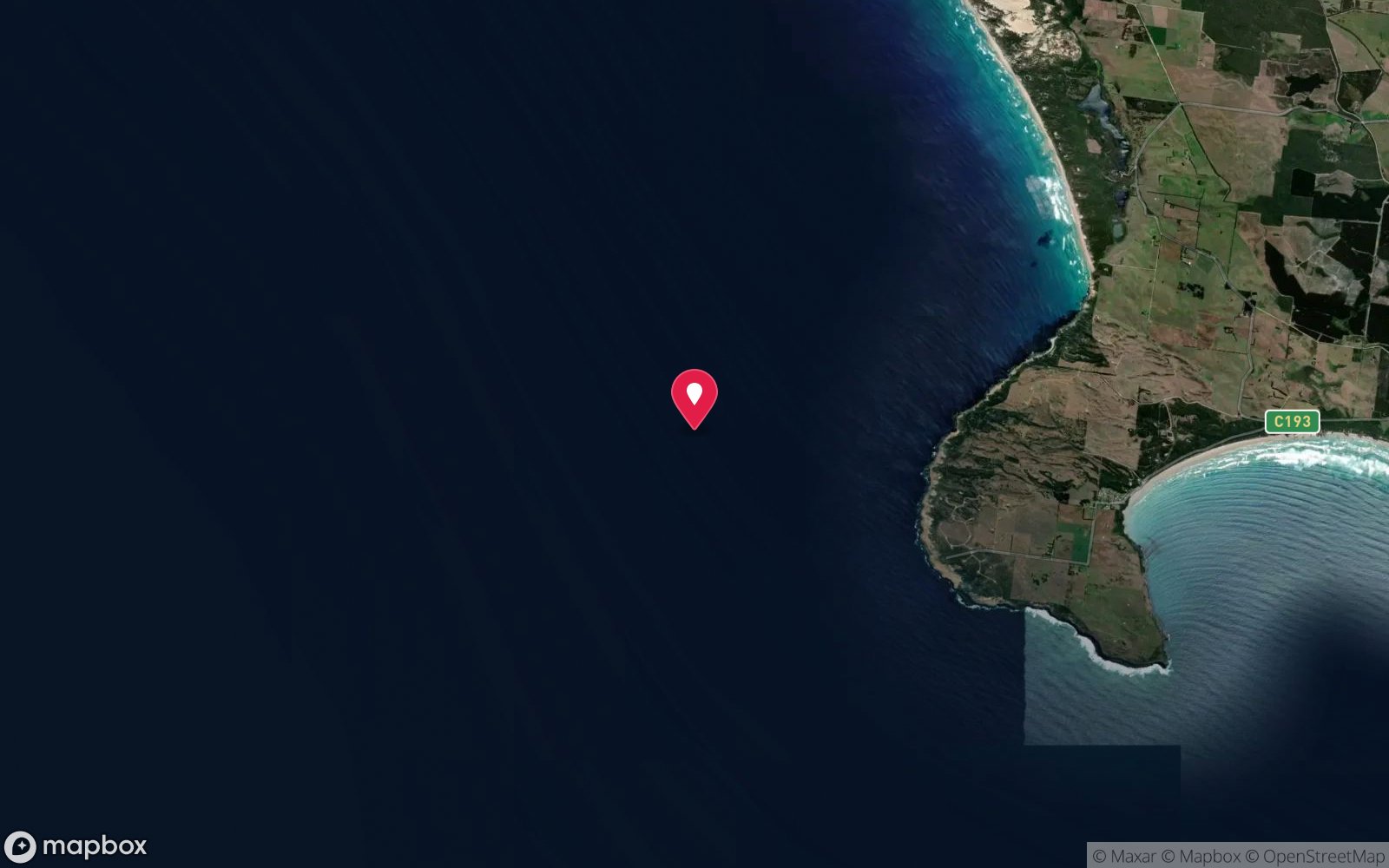
7 pinned sites. Pins marked approximate on their pages show the general area only; not for navigation.
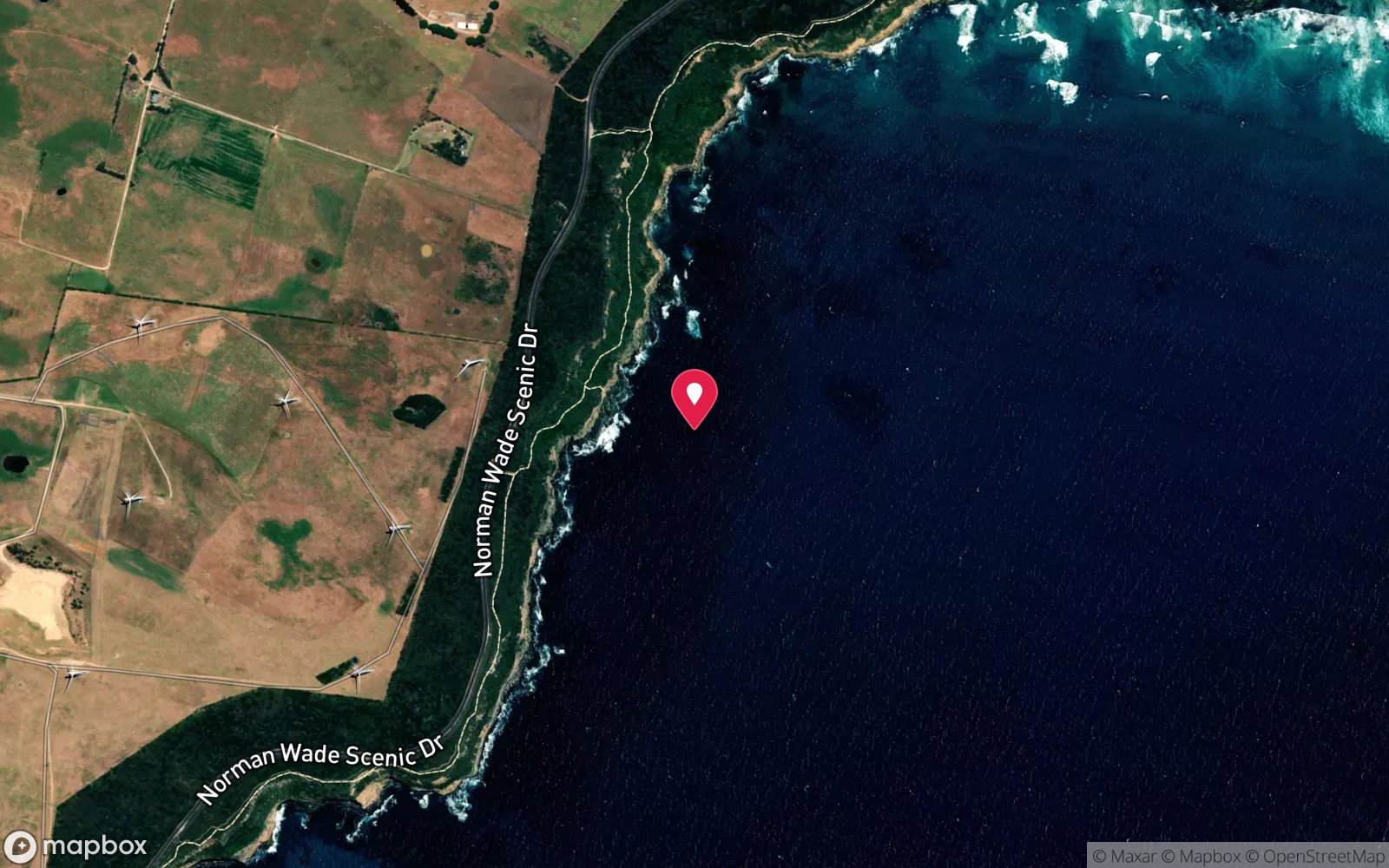
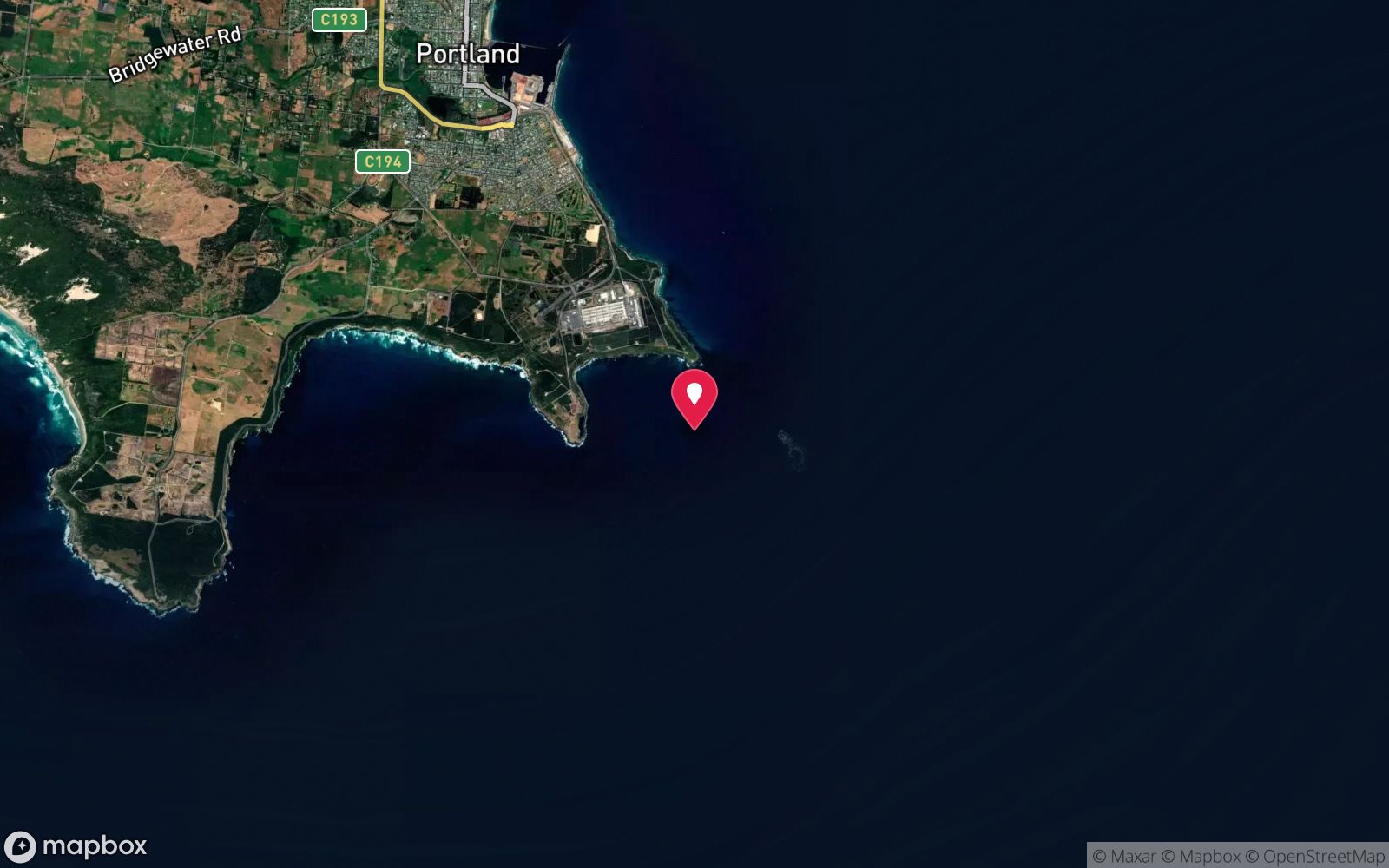
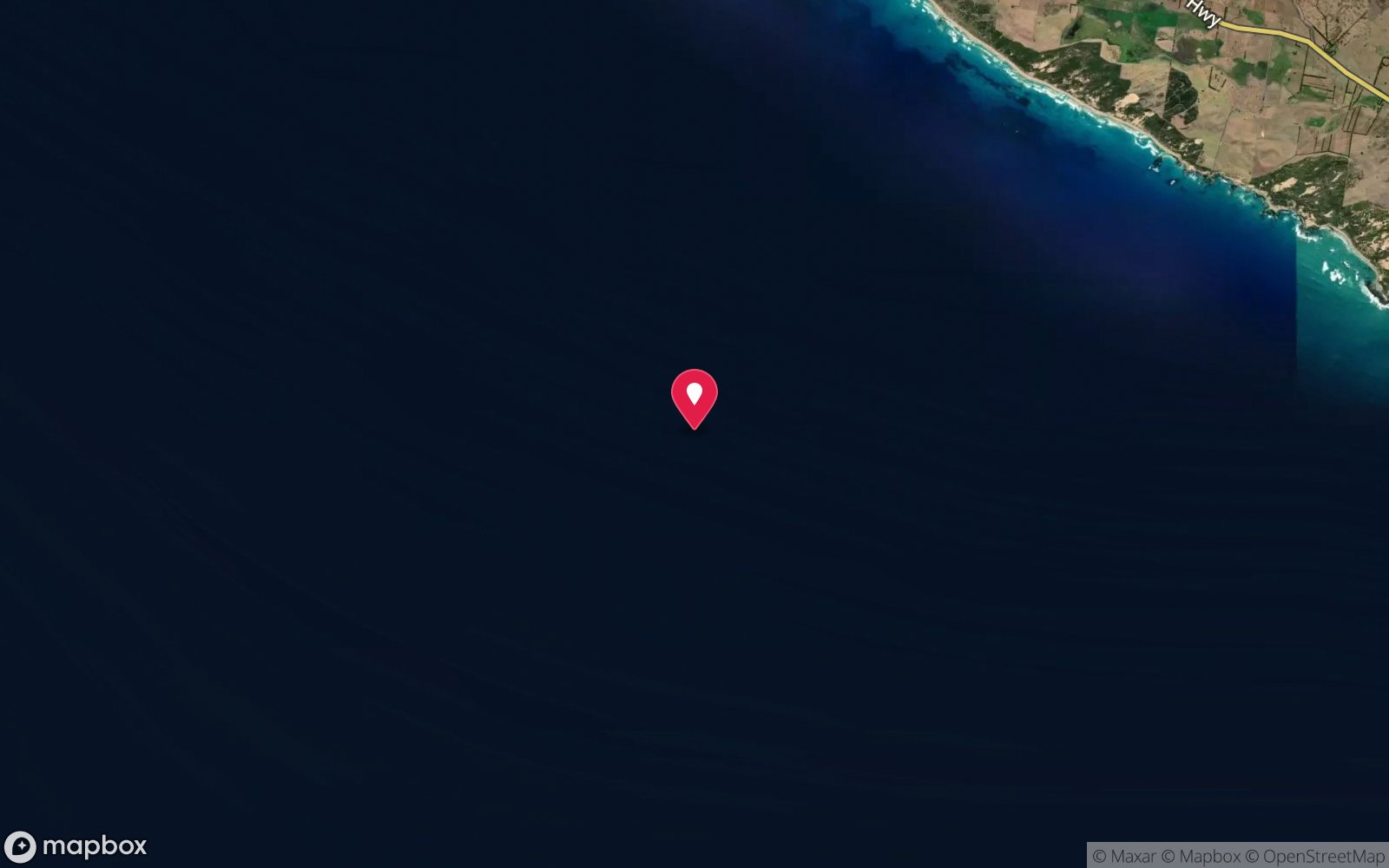
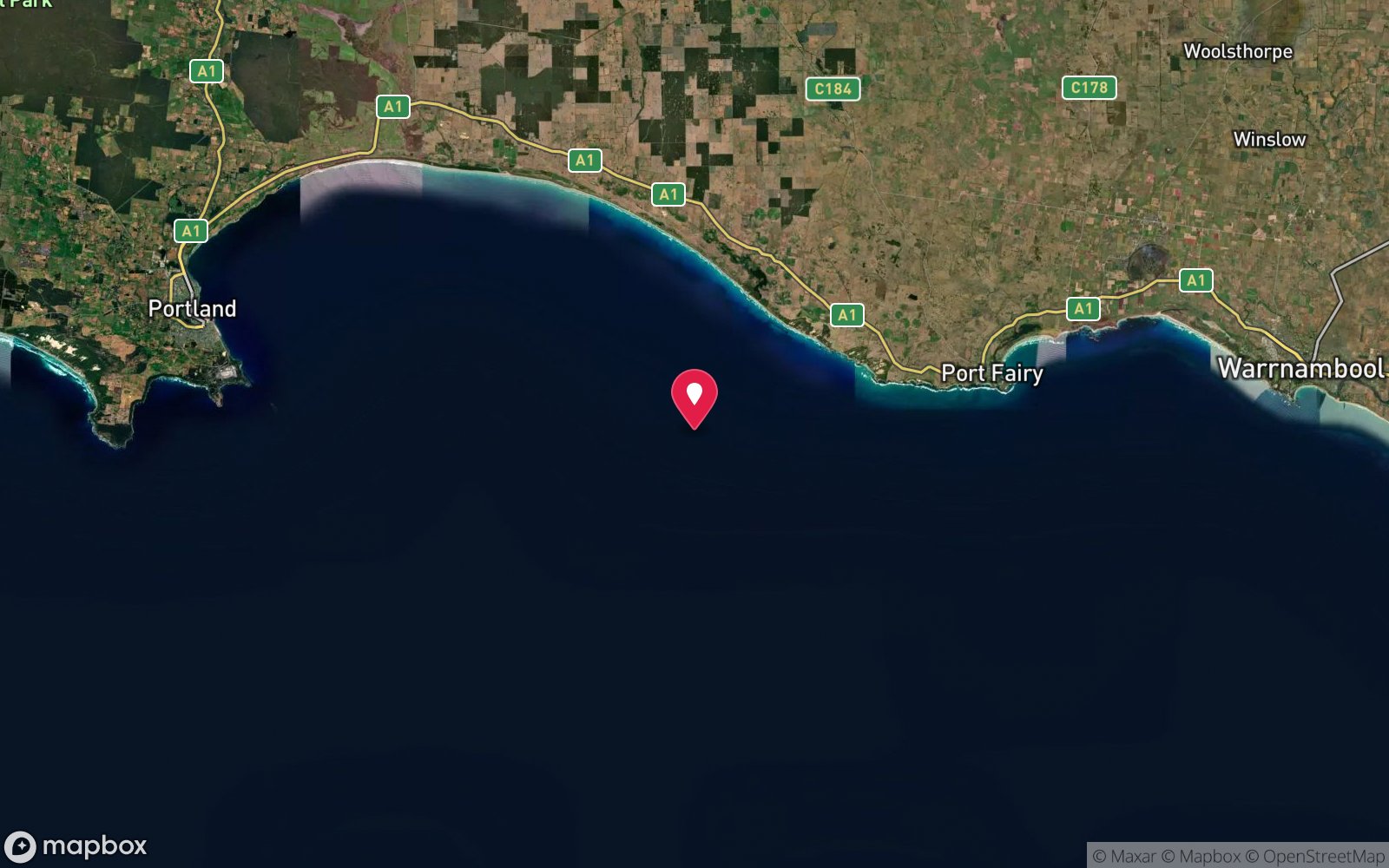
Satellite views
Discovery Bay Marine National Park (Whites Beach): frequently asked questions
How deep is Discovery Bay Marine National Park (Whites Beach)?
Discovery Bay Marine National Park (Whites Beach) reaches a maximum depth of 60 m, with the shallowest part at about 2 m; most of the dive is spent around 15 m.
What certification do I need to dive Discovery Bay Marine National Park (Whites Beach)?
Technical (decompression) is the recommended minimum. Advanced Open Water divers can dive the shallower section (typical depth 15 m); the full site to 60 m needs Technical (decompression). Operators often quote Advanced Open Water. Rated expert/technical because of depth to 60 m, strong current, cold water.
Can I shore dive Discovery Bay Marine National Park (Whites Beach)?
Experienced divers do dive Discovery Bay Marine National Park (Whites Beach) from the shore, but the entry or conditions make it unsuitable for newer divers without local guidance. Entry: Beach entry at Whites Beach in exceptional calm; boat from Cape Bridgewater or Portland for the offshore reefs.
When is the best time to dive Discovery Bay Marine National Park (Whites Beach)?
Autumn (Mar–May) in prolonged high-pressure calm; blue whales October–March offshore.
What marine life will I see at Discovery Bay Marine National Park (Whites Beach)?
Regularly recorded: Rich sponge gardens (sponges, ascidians, bryozoans, gorgonians) on deep reefs, Australian fur seals, little penguins, common dolphins, blue whales (Oct–Mar), southern right and humpback whales (winter), Australian salmon, reef fish on inshore basalt, kelp.
What wetsuit do I need at Discovery Bay Marine National Park (Whites Beach)?
7mm semi-dry with hood and gloves in summer; drysuit strongly preferred May–November.
How cold is the water at Discovery Bay Marine National Park (Whites Beach)?
Typically 13-17 °C in summer and 11-13 °C in winter.
What are the main hazards at Discovery Bay Marine National Park (Whites Beach)?
Extreme exposure to Southern Ocean swell; continuous surf, rips and undertows on the beach; large unexpected waves on rock platforms; strong currents offshore; depth to 60 m; cold upwelling water; algal blooms – avoid discoloured water; areas impassable at high tide; remote with no operator, no phone coverage and a long way from help; no take in the park. See the hazards section above for the full list.
Where is the nearest recompression chamber to Discovery Bay Marine National Park (Whites Beach)?
The Alfred (Melbourne) – about 360–420 km by road; Royal Adelaide Hospital is a similar distance from the far west and may be used for evacuations from Portland/Nelson. In an emergency call 000, then DAN Asia-Pacific on 1800 088 200.
Diving in Portland & the West
Portland, at the western edge of Victoria, has deep, clear water close to shore, the Lawrence Rocks seal colony, the Portland harbour breakwater and a number of deep wrecks and reefs off Cape Nelson and Cape Bridgewater that are among the least-dived in the state.
Getting there: Four hours west of Melbourne. Local club and occasional charters; the harbour breakwater is a shore dive.
All Portland & the West dive sites and a suggested itinerary →
Sources
- parks.vic.gov.au/places-to-see/parks/discovery-bay-marine-national-park
- visitportland.com.au/diving-portland
Data confidence: Low · Being verified: No documented recreational dive site exists in the park; depths and access are from Parks Victoria habitat descriptions; coordinates approximate for the park centre. Nelson/Glenelg River mouth has no documented dive site and is covered here only in passing.. Last updated September 2026. Know this site better? How to send a correction
Nearby dive sites
More reef dives in Victoria
Explore more
This region
Similar dives