Dive slate · divesites.com.au · printed 9 Nov 2026
Cape Nelson Lighthouse Reef
Portland & the West, Victoria · near Portland
| Depth | 6–36 m |
|---|---|
| Minimum level | Deep/Advanced + experience |
| Difficulty | Advanced |
| Access | Boat |
| Entry | Giant stride from a boat anchored on sand below the cliffs; a few shore entries via steep clifftop tracks with ladders or ropes |
| Current | Moderate |
| Visibility | 10-20 m |
| Water | summer 14-18 °C, winter 11-13 °C |
| Suit | 7mm semi-dry with hood and gloves in summer; drysuit strongly preferred May–November |
| Best season | Autumn (Mar–May) on low swell with offshore northerly winds |
| Bottom time | 35 min |
| Position | -38.43294, 141.54216 (approximate) |
| Permit | Cape Nelson State Park on land; no marine protected area – Victorian bag limits apply |
| Nearest chamber | The Alfred (Melbourne) – about 360–420 km by road; Royal Adelaide Hospital is a similar distance from the far west and may be used for evacuations from Portland/Nelson |
| Emergency | 000 · DAN Asia-Pacific diving emergency 1800 088 200 |
Cape Nelson Lighthouse Reef
Also known as Cape Nelson, Capper's Camp, Yellow Rock, Devils Kitchen
Basalt walls and ledges to 36 m under the Cape Nelson lighthouse with the richest invertebrate growth on the Portland coast – wild, deep and almost undived.
Near Portland · Portland & the West, Victoria
- Depth
- 6–36 m
- Minimum level
- Deep/Advanced + experience
- Access
- Boat
- Boat ride
- ~35 min
- Water
- 14-18 °C
- Visibility
- 10-20 m
Cape Nelson Lighthouse Reef6–36 m · Deep/Advanced + experience
Dive factsDepths, conditions, location & safety
Season
Off-peak nowBest months: March, April, May.
Autumn (Mar–May) on low swell with offshore northerly winds
- Best months
- Now (November)
Dive facts
- Depth
- 6–36 m
- Typical depth
- 15 m
- Certification
- Deep/Advanced + experience
- Difficulty
- Advanced
- Depth tier
- Deep / Advanced + experience (30–40 m)
- Access
- Boat
- Offshore
- 0.3 km
- Dive centre needed
- Yes – boat access only
- Shore / independent
- Possible (experienced only)
- Boat ride
- ~35 min
- Current
- Moderate
- Visibility
- 10-20 m
- Water temp (summer)
- 14-18 °C
- Water temp (winter)
- 11-13 °C
- Water
- Cold Temperate
- Bottom time
- 35 min
- Dive traffic
- Rarely dived (private boat/club only)
- Night dive
- No
- Snorkel friendly
- No
Exposure suit
7mm semi-dry with hood and gloves in summer; drysuit strongly preferred May–November
Location
Cape Nelson · Portland & the West – Cape Nelson
-38.43294, 141.54216
Approximate position — not for navigation.
Open in Google MapsPrimary source: scubadoctor.com.auMarine park & permits
Cape Nelson State Park on land; no marine protected area – Victorian bag limits apply
Nearest recompression chamber
The Alfred (Melbourne) – about 360–420 km by road; Royal Adelaide Hospital is a similar distance from the far west and may be used for evacuations from Portland/Nelson
Diving emergency: call 000, then DAN AP 1800 088 200.
Trip planner
Build a trip around Cape Nelson Lighthouse Reef →
A day-by-day plan for Portland & the West with this site locked in.
This guide is a planning aid. Conditions change daily — confirm with a local dive centre and dive within your training. Data & safety notes.
Dive profile
How this site rates
Scores are computed from the recorded data, not opinions. How?
At a glance
Cape Nelson Lighthouse Reef is a reef shore dive for experienced divers in Portland & the West, VIC, 6–36 m, suited to Deep/Advanced + experience divers, moderate current, about 35 minutes by boat.
Rated advanced because of depth to 36 m, cold water.
Why dive here
- Basalt walls and ledges to 36 m under the Cape Nelson lighthouse with the richest invertebrate growth on the Portland coast – wild, deep and almost undived.
- Rarely dived: expect to have the site to yourself, and plan your own logistics.
- Visibility often reaches 10-20 m.
About Cape Nelson Lighthouse Reef
Cape Nelson is the basalt headland 11 km south-west of Portland, crowned by the 1884 lighthouse and protected on land as Cape Nelson State Park, and it is the most dramatic diving coast in the far west of Victoria. The Scuba Doctor's Cape Nelson Lighthouse entry is a collective one covering a large number of different dive sites around the cape, from 6 to 36 m, and names a few: Capper's Camp at 5–14 m, Yellow Rock at 5–10 m and Devils Kitchen 1.4 km to the east-north-east, with Flat Rock, the Isabella wreck and Jones Bay recorded separately along the same shore. Visit Portland adds that there are two unidentified wrecks in the area and habitats ranging from sand to kelp forest. The cape's cliffs continue underwater as basalt walls, ledges and boulder slopes dropping steeply into cold, clear water, and the growth on them is the richest on the Portland coast: sponges, ascidians, bryozoans and gorgonians in the shade, kelp on the tops. The Scuba Doctor lists seaweed, catsharks, shrimp, cuttlefish, octopus, nudibranchs, banded morwong, sea sweep, magpie perch, leatherjackets and wrasse, and abalone and crayfish are taken here. Seals from Cape Bridgewater pass along the cape and blue whales feed offshore in the upwelling season.
It is boat diving first and foremost – a long, exposed run from Portland Harbour with the sounder as the guide to structure – and Advanced in the sense that the good sites are deep and the whole cape is exposed. A few shore entries exist, reached by steep clifftop walks with ladders and ropes, and they are for fit, experienced divers on flat days only. No dive charter operates from Portland, so the cape is dived by private boats and by arrangement with fishing charters, and it is correspondingly little known; Portland SCUBA is the source of local advice. For a group with a good boat on an autumn high it offers wall diving to 36 m under a lighthouse on one of the wildest capes in Australia.
Getting there & entry
A large group of reef sites around the basalt cliffs of Cape Nelson below the lighthouse, 11 km south-west of Portland, ranging from 6 to 36 m; named spots include Capper's Camp (5–14 m), Yellow Rock (5–10 m) and Devils Kitchen.
Boats launch at the Portland Harbour ramps on Lee Breakwater Road (North Ramp and South Ramp), both with trailer parking, inside the harbour breakwaters. From the harbour run south-west around Point Danger and along the coast to Cape Nelson, about 15 km and 30–40 minutes; the Scuba Doctor advises using the sounder to find structure below the cliffs. By land, Cape Nelson Road (C192) runs 11 km from Portland to the lighthouse and Cape Nelson State Park; a handful of shore entries such as Capper's Camp are reached by steep tracks and, in Visit Portland's words, ladders or rope work, and are for the fit and experienced only.
Portland SCUBA in town has air and local knowledge.
Entry: Giant stride from a boat anchored on sand below the cliffs; a few shore entries via steep clifftop tracks with ladders or ropes
Facilities: Portland Harbour ramps; Cape Nelson lighthouse precinct (cafe, tours) and State Park car parks on land; Portland SCUBA for air; nearest toilets at the lighthouse.
Weather, swell & tides
Cape Nelson is a fully exposed basalt headland in the open Southern Ocean and its reefs are best dived, in the Scuba Doctor's words, in good conditions with a low swell and light offshore winds. The eastern side (Flat Rock, Capper's Camp) is sheltered in westerly weather and the western side (Jones Bay) in easterlies; the cape itself needs swell under about 1 m and a northerly. Yellow Rock is very exposed to southerly swell and is ordinarily a surf beach.
The long run from Portland means a forecast that holds all day. The Bonney Upwelling brings cold, sometimes green water from November to April and autumn is clearest. Shore entries are only for flat calm.
Best season: Autumn (Mar–May) on low swell with offshore northerly winds
If it's blown out
Sheltered or shore sites within 25 km that often work when Cape Nelson Lighthouse Reef doesn't.
- Portland Lee Breakwater · 12 km · Max 14 m
- Isabella, Cape Nelson · 2 km · Max 10 m
- North Point, Lawrence Rocks · 11 km · Max 12 m
- The Saddle, Lawrence Rocks · 11 km · Max 10 m
How the dive is usually run
Anchor on sand at the base of the cliff in 18–25 m, descend the line and follow the basalt wall and boulder slope with the cliff on one side, exploring the ledges and gutters where the crays and morwong sit, then work up the wall toward the kelp zone at 8–12 m for the second half of the dive. Turn at a third of your gas and return to the anchor for a 3-minute stop; on the deeper sites to 30–36 m keep bottom time short.
Marine life
- Banded morwong
- catsharks (draughtboard sharks)
- cuttlefish →
- octopus →
- nudibranchs →
- shrimp
- sea sweep
- magpie perch
- leatherjackets
- blue-throat wrasse
- southern rock lobster
- black-lip abalone
- sponges
- gorgonians
- kelp
- Australian fur seals →
- blue whales offshore (Nov–Apr)
Linked species have their own page listing every site where they are recorded. All marine life →
Training required
The recreational limit. Operators expect a Deep Diver specialty or Advanced plus a log of similar dives, and most recommend nitrox.
Advanced Open Water divers can dive the shallower section (typical depth 15 m); the full site to 36 m needs Deep/Advanced + experience. Operators often quote Advanced Open Water. This is a deep dive: plan gas, bottom time and a safety stop accordingly, and consider nitrox.
Operators' own listing: Advanced Open Water.
Courses that help here
- Enriched Air Nitrox – Longer no-decompression time at 25 m and deeper.
- Deep Diver – The site reaches 36 m.
- Drysuit Diver – Cold water; locals dive dry for much of the year.
Depth tiers: 0–10 m easy · to 18 m Open Water · 18–30 m Advanced (25 m+ is a deep dive) · 30–40 m Deep specialty · 40 m+ technical. All courses
Hazards & warnings
Fully exposed Southern Ocean headland; depth to 36 m; long exposed boat run; backwash off the cliffs; steep cliff tracks with ladders and ropes for shore entries; cold water; no dive charter – private boat operations; Yellow Rock is a surf beach. Victorian bag limits apply.
Technical notes
Deeper sites to 30–36 m suit EAN28–32 with short bottom times; no formal deco diving documented.
Dive centres that go here
No dedicated dive charter operates from Portland. Portland SCUBA (PADI centre) runs courses and occasional day trips; local fishing charters take divers by arrangement; Portland dive club members use private boats. Warrnambool Diving visits occasionally.
Operators recorded for Cape Nelson Lighthouse Reef
Other dive centres in Portland & the West
Map
7 pinned sites. Pins marked approximate on their pages show the general area only; not for navigation.
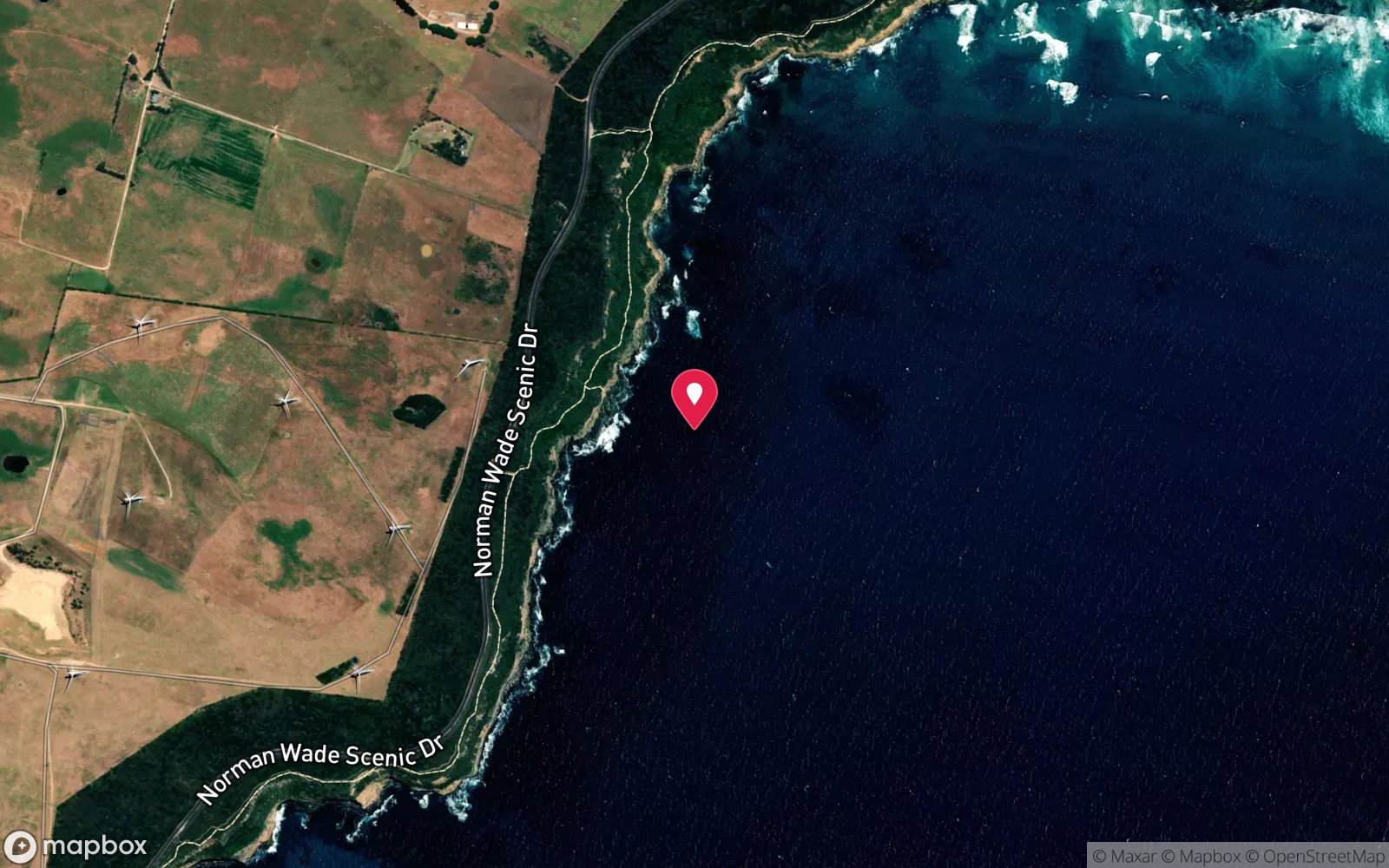
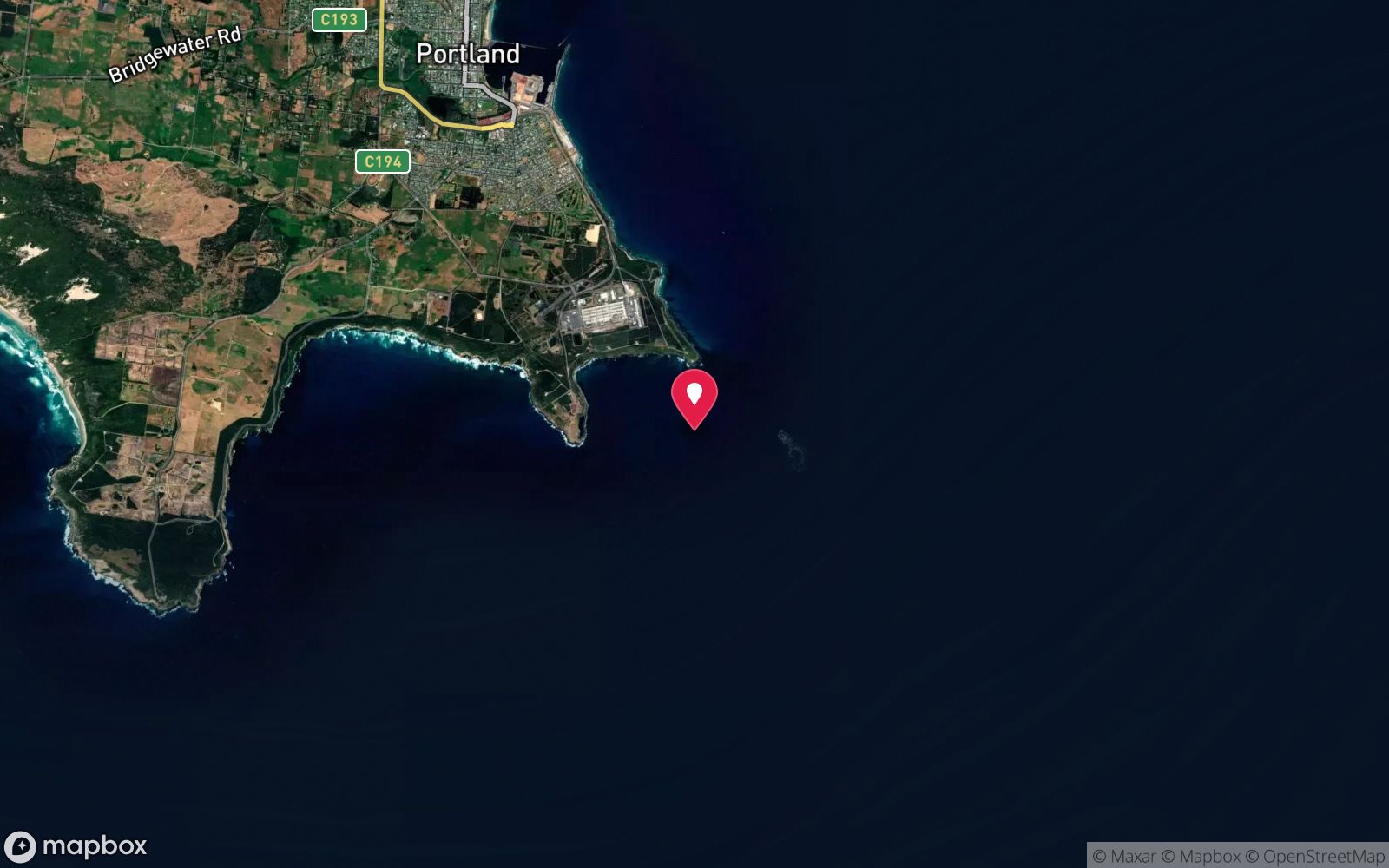
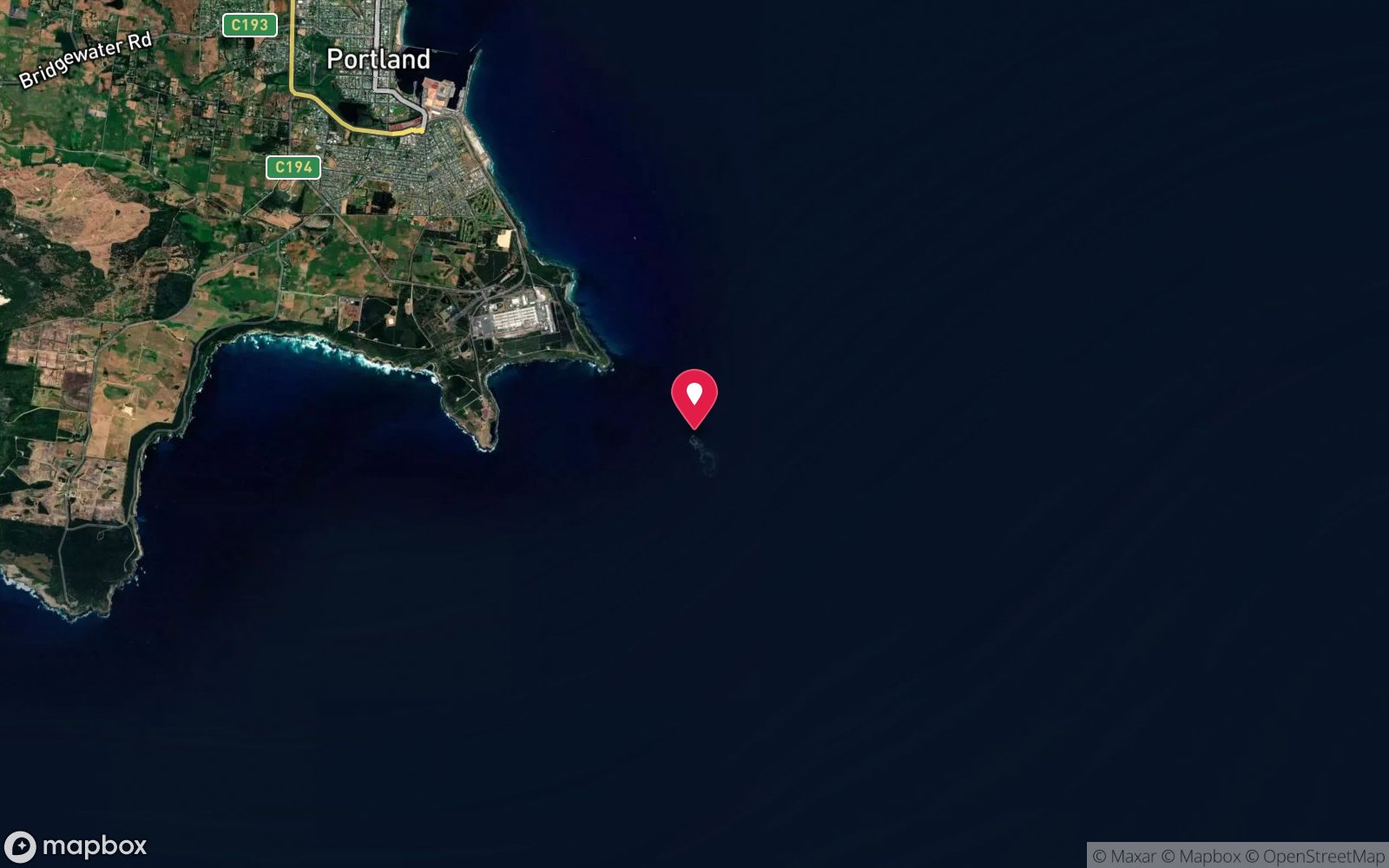
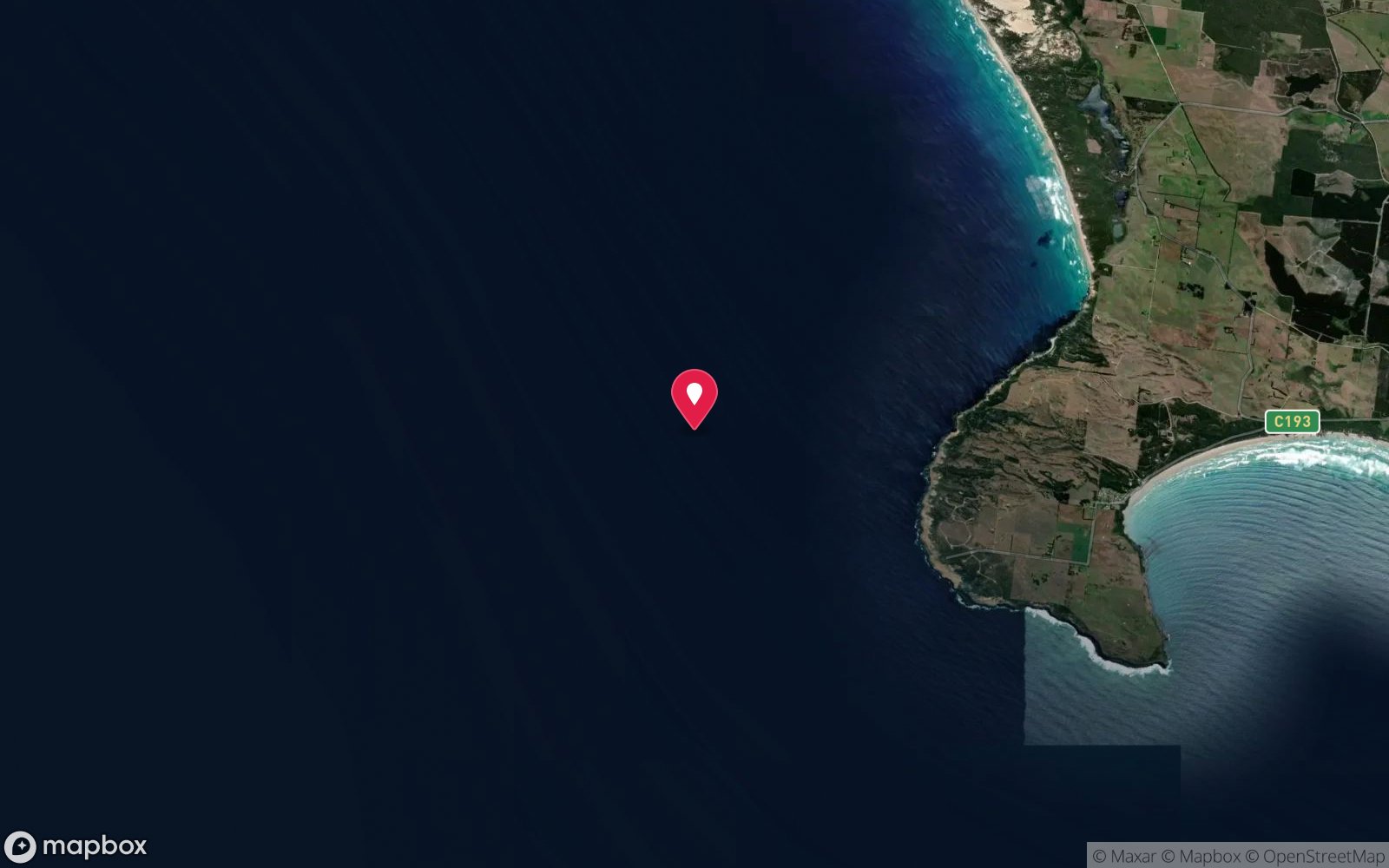
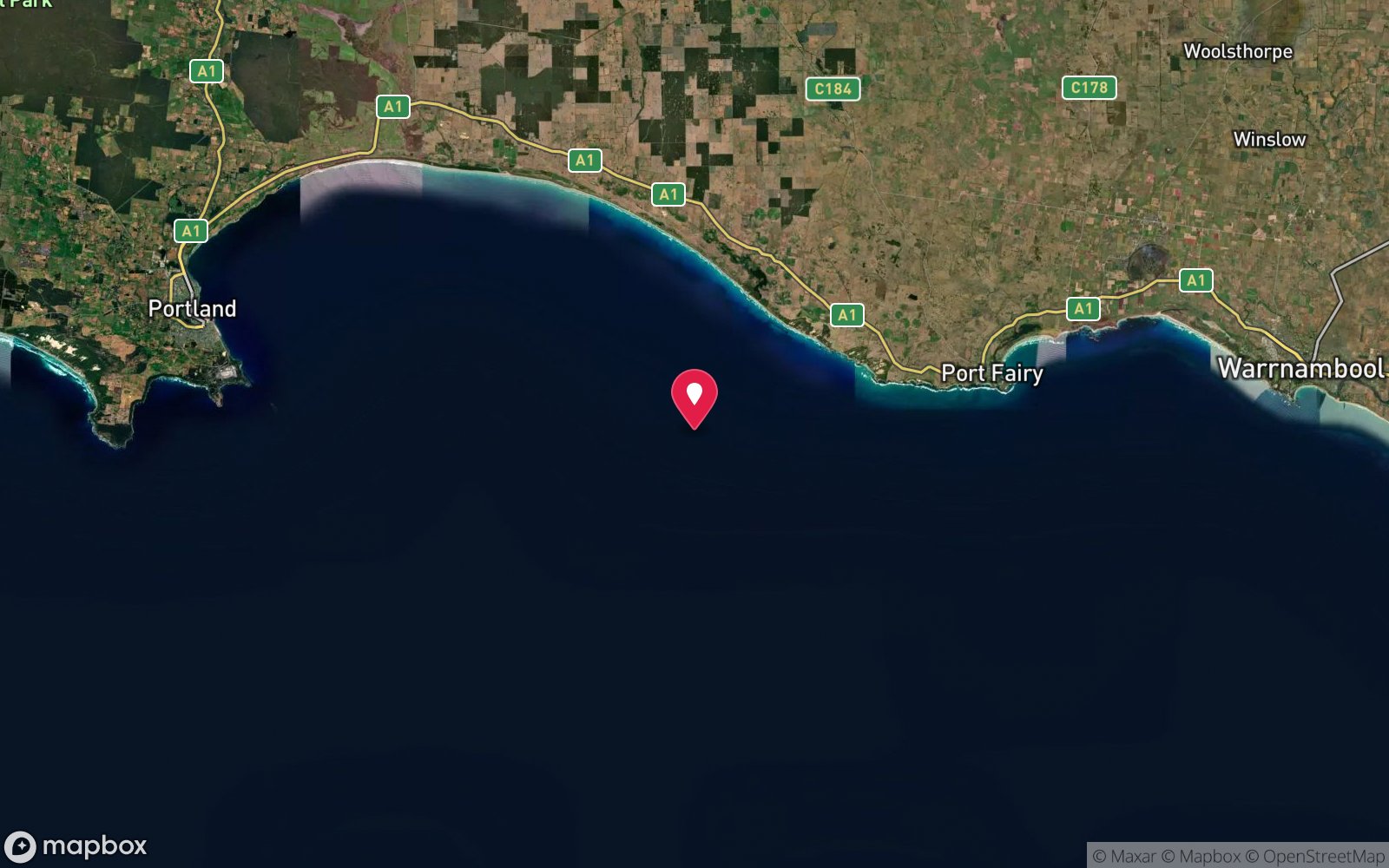
Satellite views
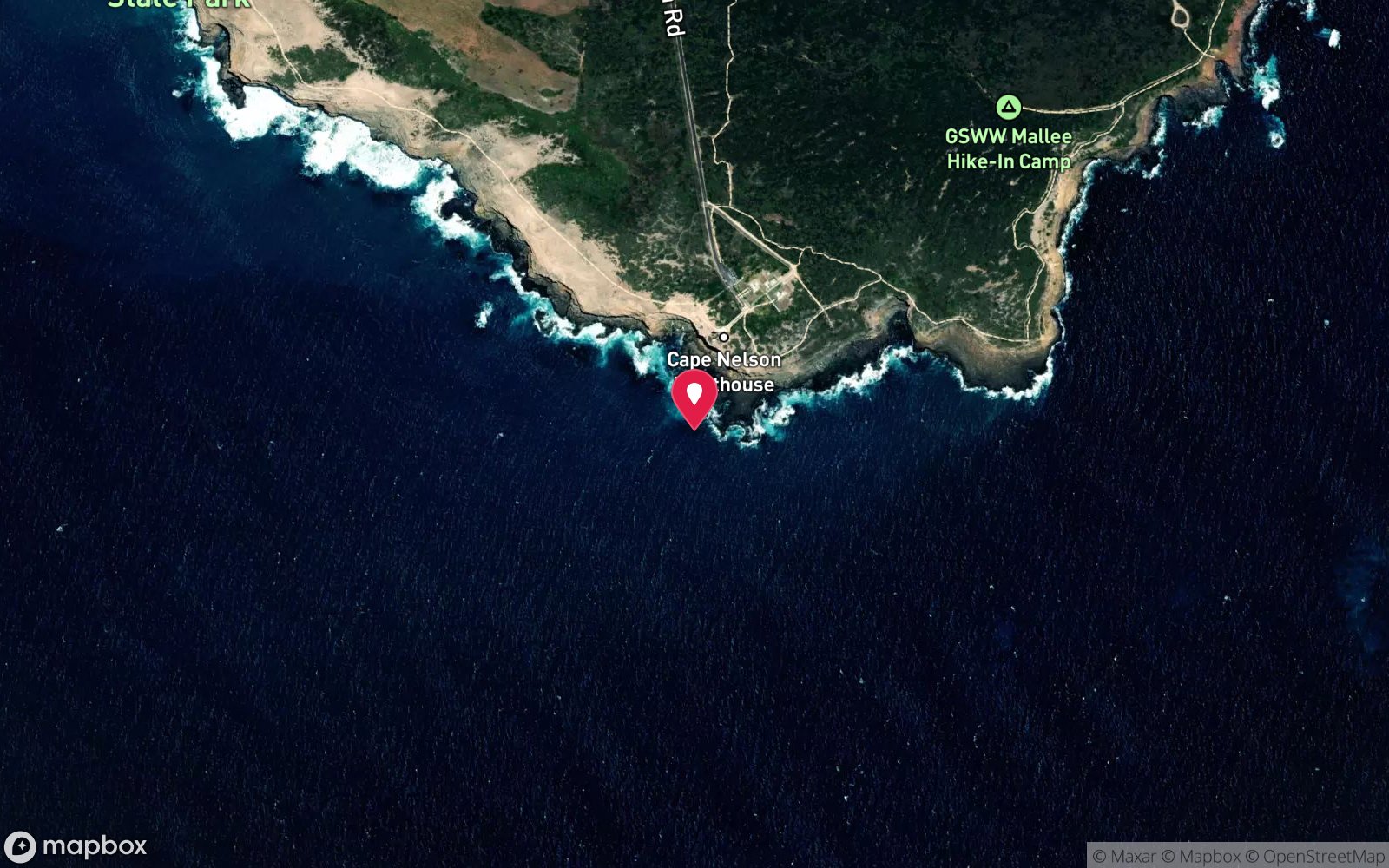
Cape Nelson Lighthouse Reef: frequently asked questions
How deep is Cape Nelson Lighthouse Reef?
Cape Nelson Lighthouse Reef reaches a maximum depth of 36 m, with the shallowest part at about 6 m; most of the dive is spent around 15 m.
What certification do I need to dive Cape Nelson Lighthouse Reef?
Deep/Advanced + experience is the recommended minimum. Advanced Open Water divers can dive the shallower section (typical depth 15 m); the full site to 36 m needs Deep/Advanced + experience. Operators often quote Advanced Open Water. This is a deep dive: plan gas, bottom time and a safety stop accordingly, and consider nitrox. Rated advanced because of depth to 36 m, cold water.
Can I shore dive Cape Nelson Lighthouse Reef?
Experienced divers do dive Cape Nelson Lighthouse Reef from the shore, but the entry or conditions make it unsuitable for newer divers without local guidance. Entry: Giant stride from a boat anchored on sand below the cliffs; a few shore entries via steep clifftop tracks with ladders or ropes.
When is the best time to dive Cape Nelson Lighthouse Reef?
Autumn (Mar–May) on low swell with offshore northerly winds.
What marine life will I see at Cape Nelson Lighthouse Reef?
Regularly recorded: Banded morwong, catsharks (draughtboard sharks), cuttlefish, octopus, nudibranchs, shrimp, sea sweep, magpie perch, leatherjackets, blue-throat wrasse, southern rock lobster, black-lip abalone and more.
What wetsuit do I need at Cape Nelson Lighthouse Reef?
7mm semi-dry with hood and gloves in summer; drysuit strongly preferred May–November.
How cold is the water at Cape Nelson Lighthouse Reef?
Typically 14-18 °C in summer and 11-13 °C in winter.
What are the main hazards at Cape Nelson Lighthouse Reef?
Fully exposed Southern Ocean headland; depth to 36 m; long exposed boat run; backwash off the cliffs; steep cliff tracks with ladders and ropes for shore entries; cold water; no dive charter – private boat operations; Yellow Rock is a surf beach. See the hazards section above for the full list.
Where is the nearest recompression chamber to Cape Nelson Lighthouse Reef?
The Alfred (Melbourne) – about 360–420 km by road; Royal Adelaide Hospital is a similar distance from the far west and may be used for evacuations from Portland/Nelson. In an emergency call 000, then DAN Asia-Pacific on 1800 088 200.
Diving in Portland & the West
Portland, at the western edge of Victoria, has deep, clear water close to shore, the Lawrence Rocks seal colony, the Portland harbour breakwater and a number of deep wrecks and reefs off Cape Nelson and Cape Bridgewater that are among the least-dived in the state.
Getting there: Four hours west of Melbourne. Local club and occasional charters; the harbour breakwater is a shore dive.
All Portland & the West dive sites and a suggested itinerary →
Sources
Data confidence: Medium · Being verified: Collective entry – Capper's Camp, Yellow Rock and Devils Kitchen are not documented individually; coordinates approximate for the cape.. Last updated September 2026. Know this site better? How to send a correction
Nearby dive sites
More reef dives in Victoria
Explore more
This region
Marine life