Dive slate · divesites.com.au · printed 7 Nov 2026
George Kermode
Phillip Island & Western Port, Victoria · near Newhaven / Cape Woolamai
| Depth | 12–20 m |
|---|---|
| Minimum level | Advanced Open Water |
| Difficulty | Intermediate |
| Access | Boat (day trip) |
| Entry | Giant stride from a charter boat or private vessel anchored on the sand beside the wreck; descend the anchor or shot line |
| Current | Mild |
| Visibility | 8-20 m |
| Water | summer 16-19 °C, winter 12-14 °C |
| Suit | 7 mm semi-dry with hood in summer; drysuit in winter |
| Best season | Late summer to autumn (Feb–May) after several days of northerly winds |
| Bottom time | 40 min |
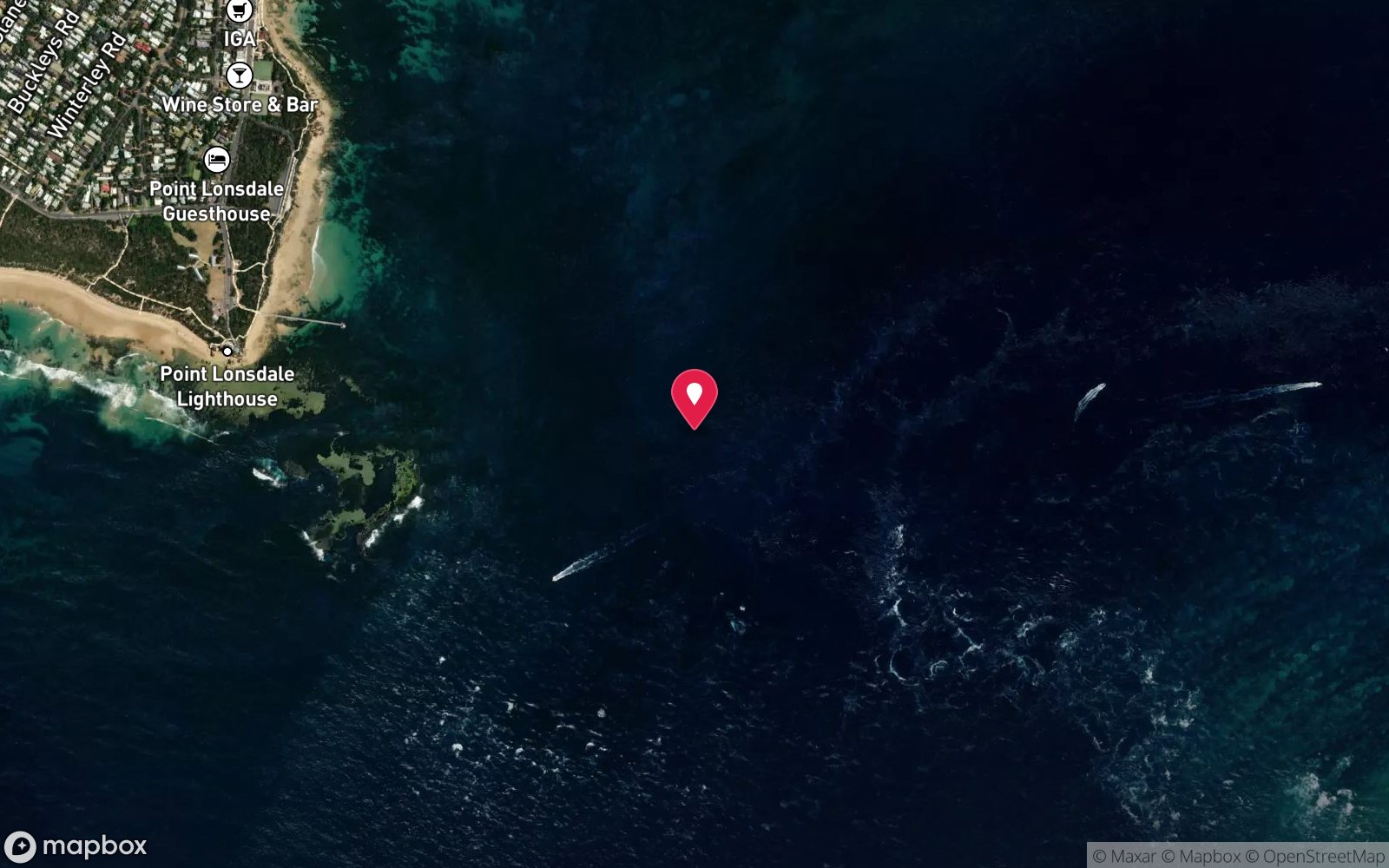
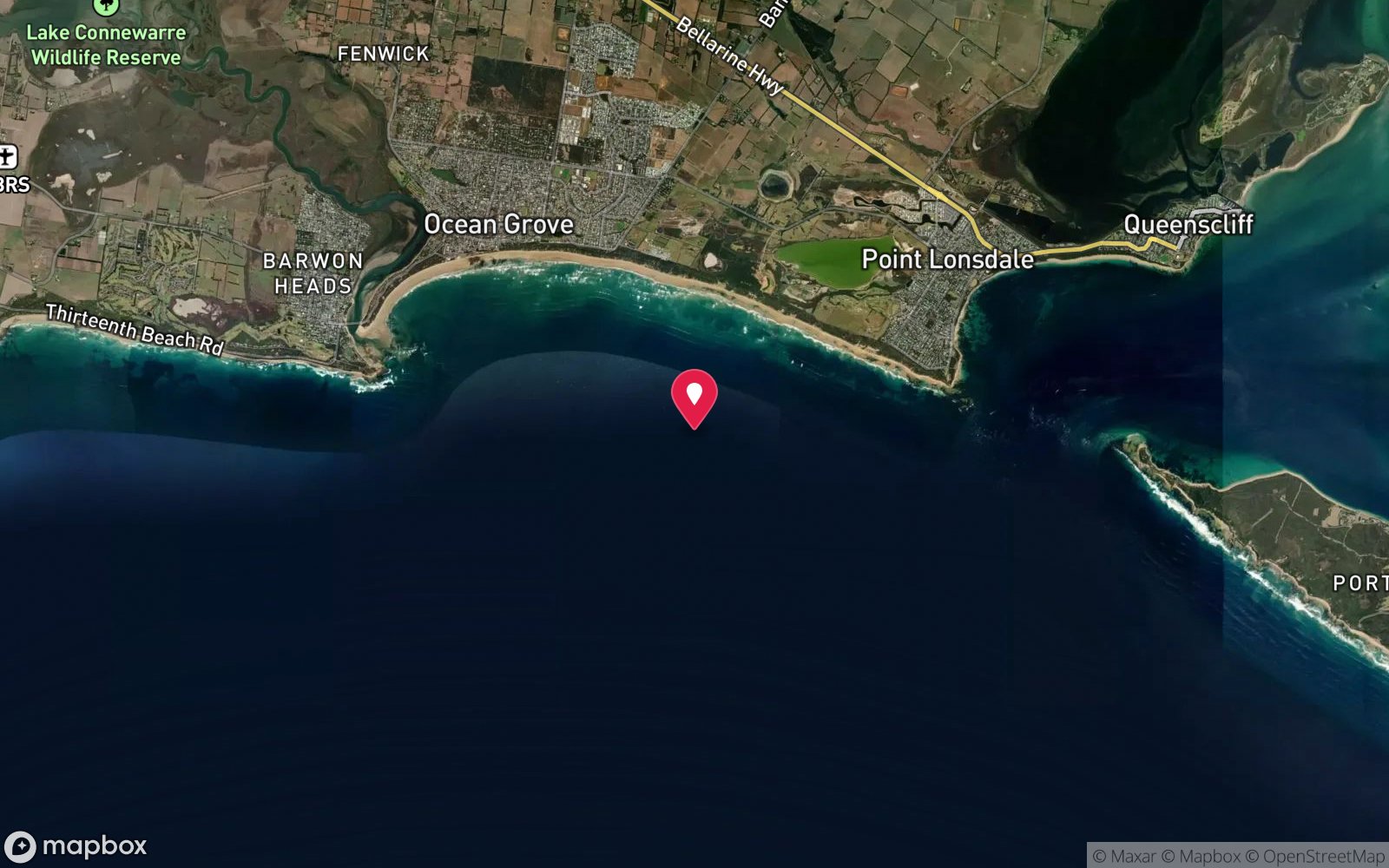
| Position | -38.52050, 145.24478 (GPS) |
| Permit | No marine park at the site (Bunurong MNP is further east). Deliberately scuttled artificial reef – not a historic shipwreck but treated as a heritage dive; no artefact removal. |
| Nearest chamber | The Alfred (Melbourne) |
| Emergency | 000 · DAN Asia-Pacific diving emergency 1800 088 200 |
George Kermode
Also known as George Kermode dredge, Sir William Matthews
A 70 m steam bucket dredge scuttled in 1976 as Victoria's first artificial reef – huge boilers, giant cogs and dredge buckets in 12–20 m, with extensive penetration and visiting fur seals.
Near Newhaven / Cape Woolamai · Phillip Island & Western Port, Victoria
- Depth
- 12–20 m
- Minimum level
- Advanced Open Water
- Access
- Boat (day trip)
- Boat ride
- ~45 min
- Water
- 16-19 °C
- Visibility
- 8-20 m
George Kermode12–20 m · Advanced Open Water
Dive factsDepths, conditions, location & safety
Season
Off-peak nowBest months: January, February, March, April, May, December.
Late summer to autumn (Feb–May) after several days of northerly winds
- Best months
- Now (November)
Dive facts
- Depth
- 12–20 m
- Typical depth
- 17 m
- Certification
- Advanced Open Water
- Difficulty
- Intermediate
- Depth tier
- Advanced Open Water (18–30 m)
- Access
- Boat (day trip)
- Offshore
- 3 km
- Dive centre needed
- Yes – boat access only
- Shore / independent
- No
- Boat ride
- ~45 min
- Current
- Mild
- Visibility
- 8-20 m
- Water temp (summer)
- 16-19 °C
- Water temp (winter)
- 12-14 °C
- Water
- Cold Temperate
- Bottom time
- 40 min
- Dive traffic
- Moderate (occasional charters/club dives)
- Night dive
- No
- Snorkel friendly
- No
Exposure suit
7 mm semi-dry with hood in summer; drysuit in winter
Location
Phillip Island – Bass Strait
-38.52050, 145.24478
Published GPS position.
Open in Google MapsPrimary source: scubadoctor.com.auMarine park & permits
No marine park at the site (Bunurong MNP is further east). Deliberately scuttled artificial reef – not a historic shipwreck but treated as a heritage dive; no artefact removal.
Nearest recompression chamber
The Alfred (Melbourne)
Diving emergency: call 000, then DAN AP 1800 088 200.
Trip planner
Build a trip around George Kermode →
A day-by-day plan for Phillip Island & Western Port with this site locked in.
This guide is a planning aid. Conditions change daily — confirm with a local dive centre and dive within your training. Data & safety notes.
Dive profile
How this site rates
Scores are computed from the recorded data, not opinions. How?
At a glance
George Kermode is a wreck boat dive in Phillip Island & Western Port, VIC, 12–20 m, suited to Advanced Open Water divers, about 45 minutes by boat.
Rated intermediate because of depth beyond 18 m, surge on the entry or in the shallows, wreck penetration options that need training, cold water.
Why dive here
- A 70 m steam bucket dredge scuttled in 1976 as Victoria's first artificial reef – huge boilers, giant cogs and dredge buckets in 12–20 m, with extensive penetration and visiting fur seals.
- Sunk in 1976 (Twin-screw steam bucket dredge, 70 m (230 ft), 803 t).
- Visibility often reaches 8-20 m.
Conditions to avoid
- Swell above about 1.5 m
- Strong southerly or south-east swell and wind
- Outgoing tide or run-off after rain (poor visibility)
About George Kermode
George Kermode was a twin-screw steam bucket dredge built by Fleming and Ferguson at Paisley, Scotland, in 1914 as the Sir William Matthews, 70 m (230 ft) long and 803 tons. The Melbourne Harbour Trust bought her on 10 October 1941, renamed her after a Trust commissioner and put her to work on 22 June 1942 deepening the Yarra and the bay channels, which she did for more than thirty years. When she was retired the Victorian Department of Conservation, Forests and Lands chose her for its artificial reef programme, and on 1 April 1976 she was scuttled off the south coast of Phillip Island – Victoria's first deliberate artificial-reef wreck, three decades before the Canberra.
She landed upside down and broke in the middle, but the two halves are substantial and the wreck is described as fairly well intact with lots of penetration opportunities. The large bow section and chain lockers are the most ship-like part; amidships the break has spilled the workings of a bucket dredge across the sand – two massive boilers, enormous cog gear wheels, sections of the bucket ladder and a scatter of the dredge buckets themselves – and the hull rises to within about 12 m of the surface from a 20 m bottom. Qualified divers can enter the boilers and compartments, with the caution that an inverted, broken hull is disorienting inside.
Fifty years of Bass Strait colonisation have covered the steel in sponges, zoanthids and ascidians, and the wreck and the reef around it hold big schools of bullseyes and sweep, leatherjackets, magpie perch, cuttlefish, crayfish under the plates, and Australian fur seals from the nearby Seal Rocks colony that often join the dive. At 12–20 m the George Kermode is one of the few genuinely rewarding wrecks in Victoria within Open Water/Advanced limits, and many rate it the best wreck dive in the state for non-technical divers. The price is the exposed 22 km boat run and the need to wait for northerlies; it suits patient divers with access to a capable boat or a charter, and Wreck specialty students who want real penetration without depth.
Wreck details
Twin-screw steam bucket dredge, 70 m (230 ft), 803 t · Sunk 1976
Era: post-war. Oldest wrecks · Wartime wrecks · Scuttled warships
Other wrecks of the same era
- SS Uralba · Max 18 m · Melbourne & Port Phillip Bay
- VHB 53 · Max 57 m · Port Phillip Heads
- Portsea Hole Wreck · Max 27 m · Port Phillip Heads
- VHB 54 · Max 54 m · Port Phillip Heads
- AV Ulonga Wreck · Max 39 m · Fleurieu Peninsula & Victor Harbor
- HMAS Doomba / Meggol wreck · Max 49 m · Sydney Northern Beaches
Getting there & entry
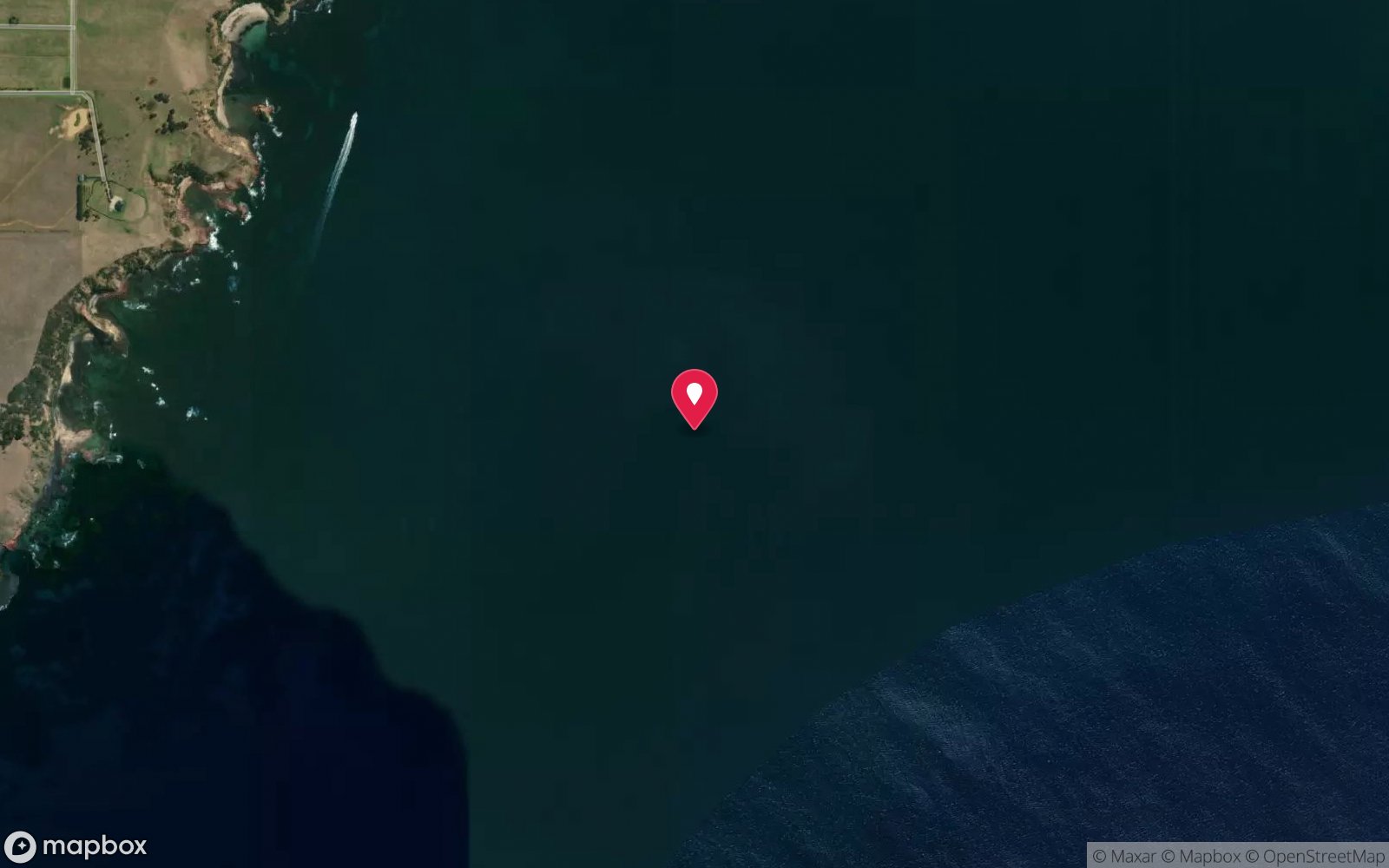
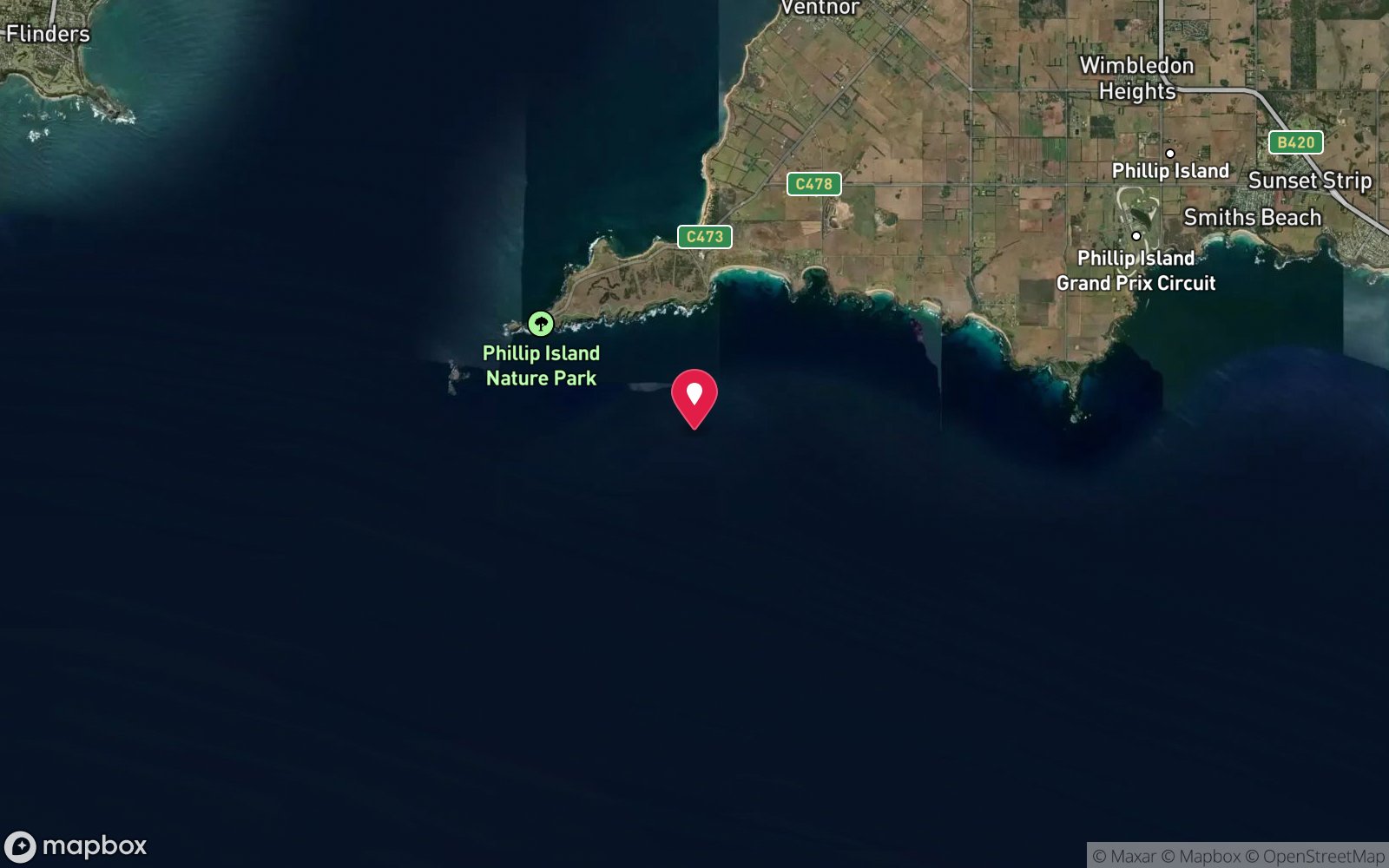
About 3 km off the south coast of Phillip Island in Bass Strait, offshore from the Grand Prix circuit and Cape Woolamai; roughly 22 km by sea from the nearest ramps at Newhaven or Flinders.
Boat only, and a long run. From Melbourne drive to Newhaven on Phillip Island via the Bass Highway and Phillip Island Road (about 1 h 45 min); the Newhaven ramp beside the bridge has parking, toilets and a fuel outlet. From there it is about 22 km – 40–50 minutes in a fast boat – east and south around Cape Woolamai and west along the exposed south coast to the wreck off the Grand Prix circuit.
Flinders Pier and ramp on the Mornington Peninsula is the alternative, also about 22 km but across the open mouth of Western Port and more exposed to westerly and south-westerly weather. Occasional charters run from Newhaven, Rhyll or Flinders; most dives are private boats using the Scuba Doctor GPS (an alternative 'amidships' mark is at -38.5202, 145.2452). Nothing shows on the surface.
Entry: Giant stride from a charter boat or private vessel anchored on the sand beside the wreck; descend the anchor or shot line
Facilities: Newhaven boat ramp (parking, toilets, fuel, cafes in Newhaven/San Remo); Flinders ramp and pier (parking, toilets).
Weather, swell & tides
The south coast of Phillip Island faces straight into the Southern Ocean and the George Kermode is only workable when the swell is down. The Scuba Doctor's advice is that it needs a few days of strong northerly winds to flatten the swell; any south-westerly to south-easterly swell over about 1.5 m makes the long run uncomfortable and puts heavy surge through the shallow wreck, and the 22 km passage from Newhaven or Flinders means the decision has to be made on the forecast, not on arrival. The Flinders route across the mouth of Western Port is especially exposed to westerlies.
Visibility is usually 8–15 m and can reach 20 m after settled weather; run-off is not an issue this far from any river. Tidal streams are mild on the wreck but strong in the Western Port entrance on the Flinders approach.
Best season: Late summer to autumn (Feb–May) after several days of northerly winds
If it's blown out
Sheltered or shore sites within 25 km that often work when George Kermode doesn't.
- Flinders Pier · 20 km · Max 6 m
- Cunningham Bay · 1 km · Max 12 m
- YCW Beach · 2 km · Max 14 m
- Smiths Beach · 2 km · Max 14 m
How the dive is usually run
Descend the anchor line onto the hull, which rises almost to 12 m from 20 m of sand. Orient along the 60°/240° axis, work the large intact bow section and chain lockers, then move through the broken midsection where the two huge boilers, the giant cog wheels and the bucket ladder gear lie, looking for the dredge buckets scattered on the sand. Trained divers can penetrate the boilers and compartments; the interior is disorienting because the hull is upside down.
Finish on the surrounding reef and return to the anchor for a 40-minute no-stop dive.
Marine life
- Bullseyes
- sweep
- leatherjackets
- magpie perch
- cuttlefish →
- southern rock lobster
- Australian fur seals →
- sponges
- zoanthids
- ascidians
- blue devilfish →
- boarfish
Linked species have their own page listing every site where they are recorded. All marine life →
Training required
Beyond 18 m an Advanced certification (which includes a deep dive to 30 m) is the accepted minimum. Anything past 25 m is a deep dive in practice.
Courses that help here
- Wreck Diver – The wreck has penetration options.
- Drysuit Diver – Cold water; locals dive dry for much of the year.
Depth tiers: 0–10 m easy · to 18 m Open Water · 18–30 m Advanced (25 m+ is a deep dive) · 30–40 m Deep specialty · 40 m+ technical. All courses
Hazards & warnings
Long, exposed Bass Strait boat run – needs northerlies and low swell; surge in the shallow wreck; inverted, broken hull is disorienting inside – penetration for wreck-trained divers with lines only; sharp edges; seals can be boisterous.
Technical notes
Recreational. Nitrox EAN32 useful for a long dive at 17 m. Penetration routes through the boilers and compartments need a reel and lights.
Dive centres that go here
No weekly schedule. Dive Victoria Group and Phillip Island/Western Port operators (Island Dive, Flinders charters) run the George Kermode a few times a season when a run of northerlies flattens the south coast; Melbourne clubs organise private-boat trips from Newhaven. Expect it to be dived perhaps monthly in summer and autumn, rarely in winter.
Operators recorded for George Kermode
Scubabo Dive Victoria (Dive Victoria Group)
Named by sitesQueenscliff · Port Phillip Heads · VIC
Rebranded as Scubabo Dive Victoria, Queenscliff; dive.scubabo.com is live for 2026 with active charter bookings.
dive.scubabo.com · (03) 5258 1188
Island Dive
Named by sitesPhillip Island & Western Port · VIC
No Victorian operator named Island Dive found; the only Australian Island Dive listed is at Bribie Island, Queensland.
Other dive centres in Phillip Island & Western Port
The Scuba Doctor
ProfiledRye · Melbourne & Port Phillip Bay · VIC
A Victorian equipment and service business with an extensive retail presence, located to serve both Melbourne and Mornington Peninsula divers.
scubadoctor.com.au · (03) 5985 3322
VSAG
Named by sitesWilsons Promontory · VIC
Victorian Sub-Aqua Group, a non-commercial dive club (est. 1954), not a shop or charter.
vsag.org.au
Wildlife Coast Cruises
Named by sitesCowes · Phillip Island & Western Port · VIC
Cruise/boat tour operator (seals, whales, Wilsons Prom), not a dive shop.
wildlifecoastcruises.com.au · (03) 5952 9500
Ocean Adventures Phillip Island
Named by sitesCowes · Phillip Island & Western Port · VIC
Thundercat/jet boat eco tours plus guided snorkel and sea-scooter dive tours; booth in Cowes, van at San Remo.
oceanadventures.co · 0433 137 320
Southern Ocean Exploration
Named by sitesPort Phillip Heads · VIC
Non-profit wreck exploration / maritime archaeology group, not a shop or charter.
soe.org.au
Melbourne University Underwater Club
Named by sitesParkville · Phillip Island & Western Port · VIC
University dive club (MUUC), not a shop; 200+ members, 110+ dives a year.
muuc.org.au
Map
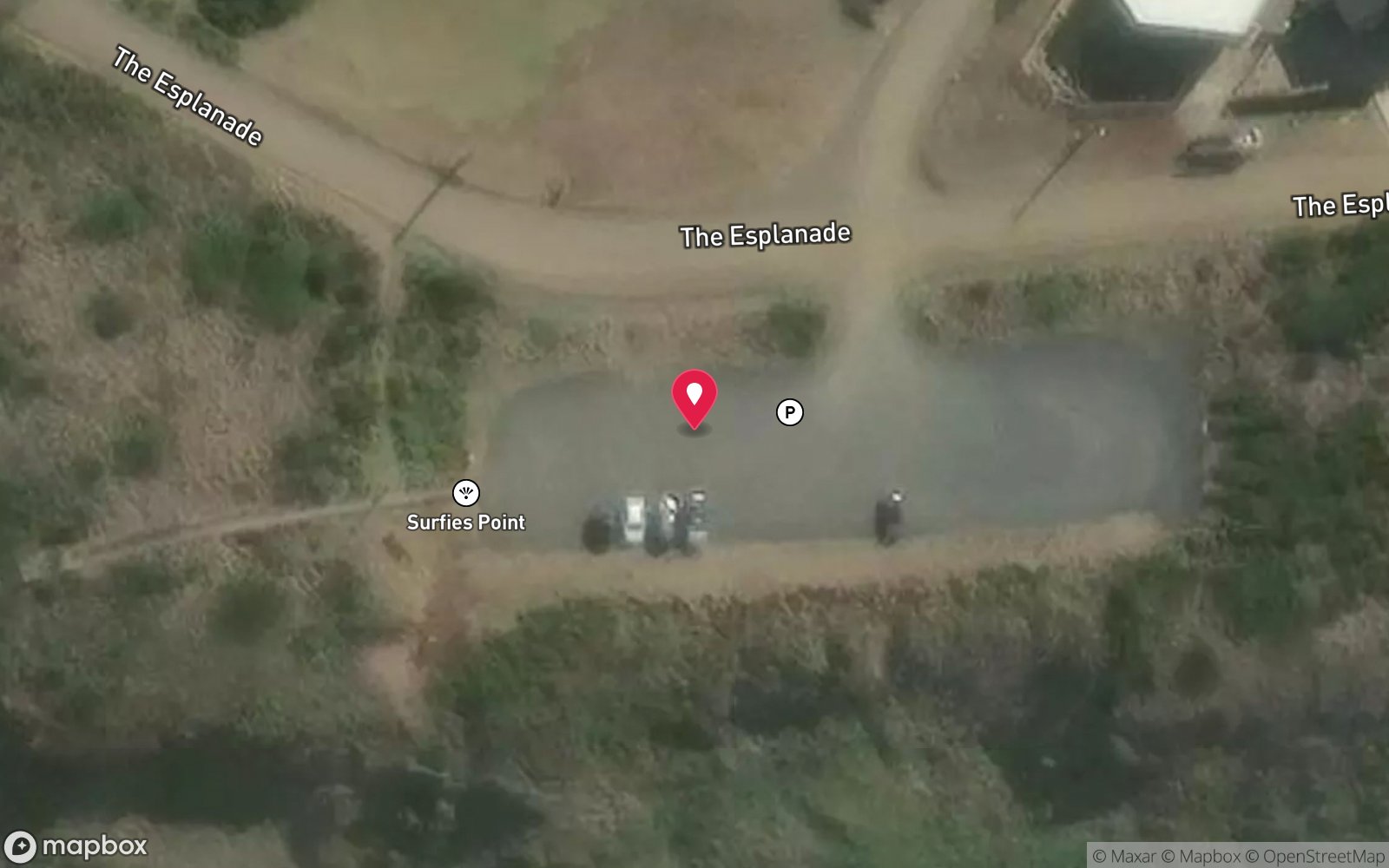
7 pinned sites. Pins marked approximate on their pages show the general area only; not for navigation.
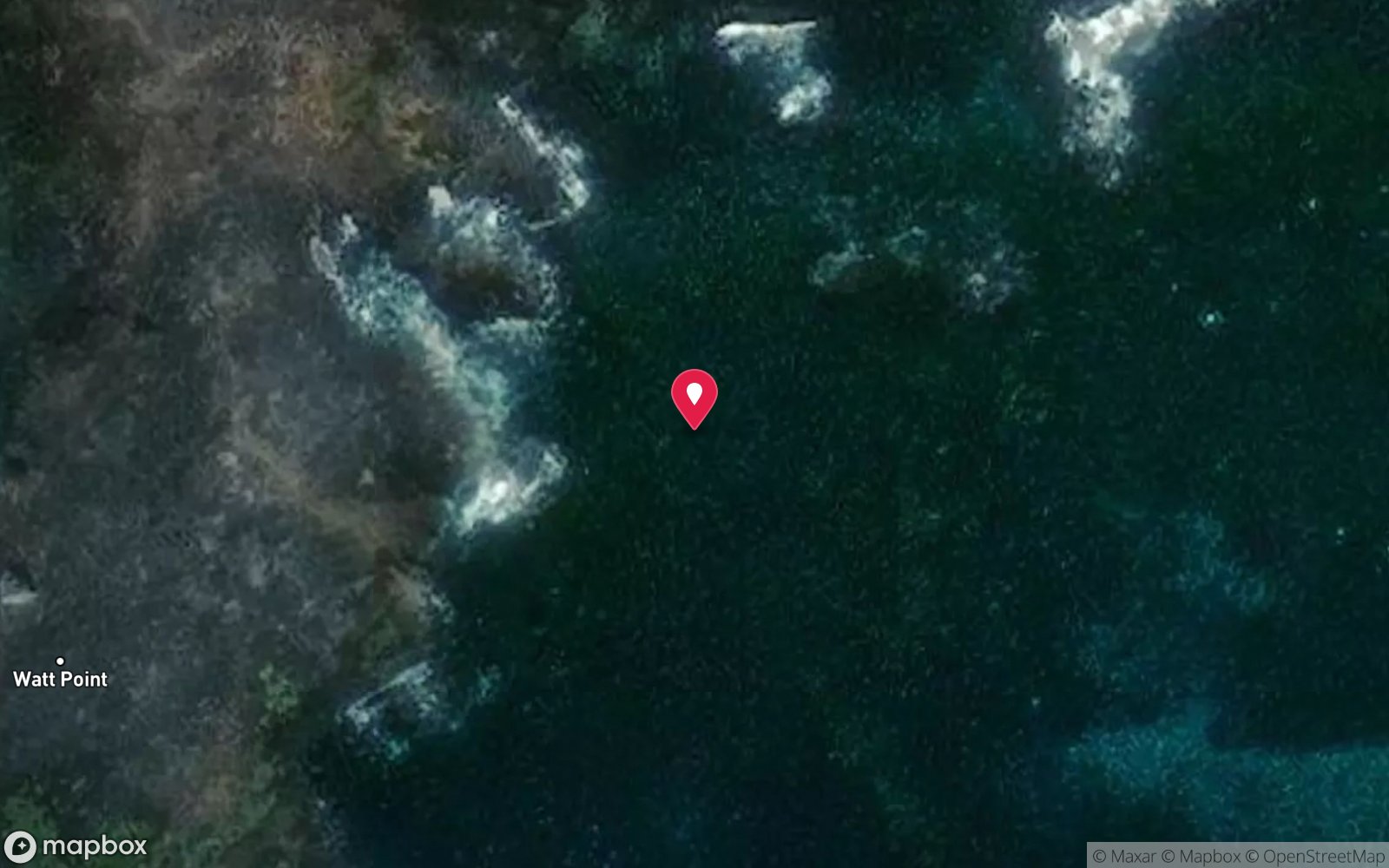
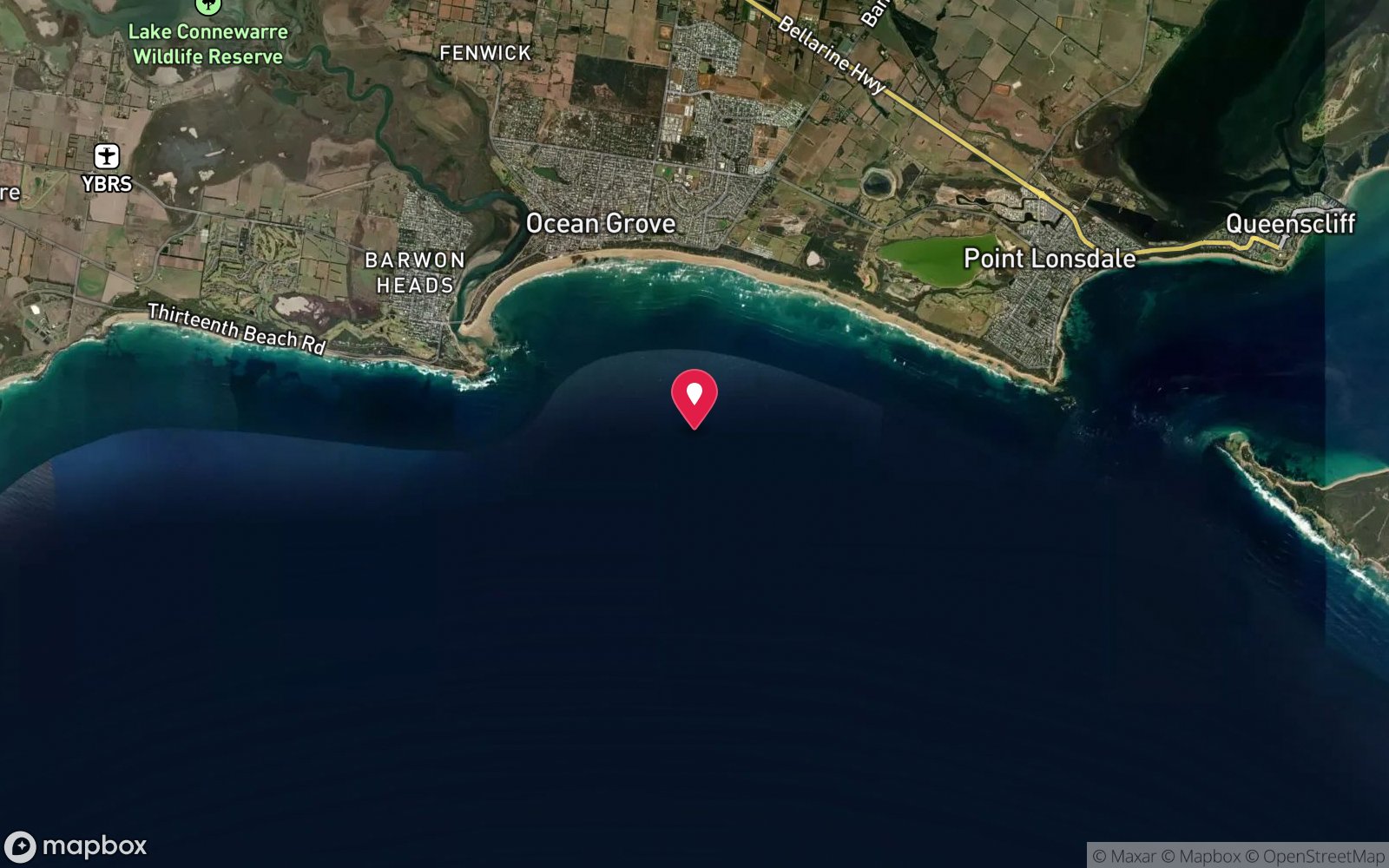
Satellite views
George Kermode: frequently asked questions
How deep is George Kermode?
George Kermode reaches a maximum depth of 20 m, with the shallowest part at about 12 m; most of the dive is spent around 17 m.
What certification do I need to dive George Kermode?
Advanced Open Water is the recommended minimum. Rated intermediate because of depth beyond 18 m, surge on the entry or in the shallows, wreck penetration options that need training, cold water.
Can I shore dive George Kermode?
No, it is reached by boat (about 45 minutes). A dive centre is required: boat access only.
When is the best time to dive George Kermode?
Late summer to autumn (Feb–May) after several days of northerly winds.
What marine life will I see at George Kermode?
Regularly recorded: Bullseyes, sweep, leatherjackets, magpie perch, cuttlefish, southern rock lobster, Australian fur seals, sponges, zoanthids, ascidians, blue devilfish, boarfish.
What wetsuit do I need at George Kermode?
7 mm semi-dry with hood in summer; drysuit in winter.
How cold is the water at George Kermode?
Typically 16-19 °C in summer and 12-14 °C in winter.
What are the main hazards at George Kermode?
Long, exposed Bass Strait boat run – needs northerlies and low swell; surge in the shallow wreck; inverted, broken hull is disorienting inside – penetration for wreck-trained divers with lines only; sharp edges; seals can be boisterous. See the hazards section above for the full list.
Where is the nearest recompression chamber to George Kermode?
The Alfred (Melbourne). In an emergency call 000, then DAN Asia-Pacific on 1800 088 200.
Diving in Phillip Island & Western Port
Phillip Island's Pinnacles at Cape Woolamai are granite towers with fur seals, bull rays and sponge walls in 20–38 m; Flinders Pier and Crawfish Rock in Western Port have seadragons and tidal sponge gardens; and the north coast of the island around Cowes and Ventnor has easy shore dives and the Kitty wreck.
Getting there: Two hours from Melbourne. Charters from Cowes and Rhyll; Flinders Pier is a walk-in shore dive.
All Phillip Island & Western Port dive sites and a suggested itinerary →
Sources
- scubadoctor.com.au/divesite.htm?site=George-Kermode
- scubadoctor.com.au/phillip-island-wreck-dives.htm
Data confidence: High · Being verified: Operator names and frequency for Phillip Island charters to confirm. Last updated September 2026. Know this site better? How to send a correction
Nearby dive sites
More wrecks in Victoria
Explore more
This region
Similar dives
Marine life