Dive slate · divesites.com.au · printed 9 Nov 2026
Speke
Phillip Island & Western Port, Victoria · near Ventnor / Cowes
| Depth | 3–26 m |
|---|---|
| Minimum level | Advanced Open Water |
| Difficulty | Advanced |
| Access | Shore |
| Entry | Walk-in from the rocks at Watt Point after a beach walk and 800 m cliff track; shallow surge entry at high tide |
| Current | Moderate |
| Visibility | 3-10 m |
| Water | summer 16-19 °C, winter 12-14 °C |
| Suit | 7 mm semi-dry with hood in summer; drysuit in winter |
| Best season | Summer and autumn after several days of still weather or northerly winds, at high tide |
| Bottom time | 40 min |
| Position | -38.51464, 145.17506 (GPS) |
| Permit | No marine park. Historic shipwreck protected under the Victorian Heritage Act 2017 and Commonwealth Underwater Cultural Heritage Act 2018 – look but do not touch, no artefact removal, no anchoring into the wreck. No dive permit required. Within a Phillip Island Nature Parks coastal reserve – keep to tracks. |
| Nearest chamber | The Alfred (Melbourne) |
| Emergency | 000 · DAN Asia-Pacific diving emergency 1800 088 200 |
Speke
Also known as SS Speke, Speke wreck Kitty Miller Bay
The second-largest full-rigged ship ever built, wrecked in 1906 – her bow standing on the rocks at Watt Point and the eroded hull running down the reef to 26 m; Phillip Island's iconic walk-to wreck.
Near Ventnor / Cowes · Phillip Island & Western Port, Victoria
- Depth
- 3–26 m
- Minimum level
- Advanced Open Water
- Access
- Shore
- Boat ride
- —
- Water
- 16-19 °C
- Visibility
- 3-10 m
Speke3–26 m · Advanced Open Water · Shore
Dive factsDepths, conditions, location & safety
Season
Off-peak nowBest months: January, February, March, April, May, December.
Summer and autumn after several days of still weather or northerly winds, at high tide
- Best months
- Now (November)
Dive facts
- Depth
- 3–26 m
- Typical depth
- 8 m
- Certification
- Advanced Open Water
- Difficulty
- Advanced
- Depth tier
- Advanced Open Water (18–30 m)
- Access
- Shore
- Offshore
- 0.05 km
- Dive centre needed
- No – independently diveable
- Shore / independent
- Possible (experienced only)
- Current
- Moderate
- Visibility
- 3-10 m
- Water temp (summer)
- 16-19 °C
- Water temp (winter)
- 12-14 °C
- Water
- Cold Temperate
- Bottom time
- 40 min
- Dive traffic
- Rarely dived (private boat/club only)
- Night dive
- No
- Snorkel friendly
- Partial
Exposure suit
7 mm semi-dry with hood in summer; drysuit in winter
Location
Phillip Island – Kitty Miller Bay
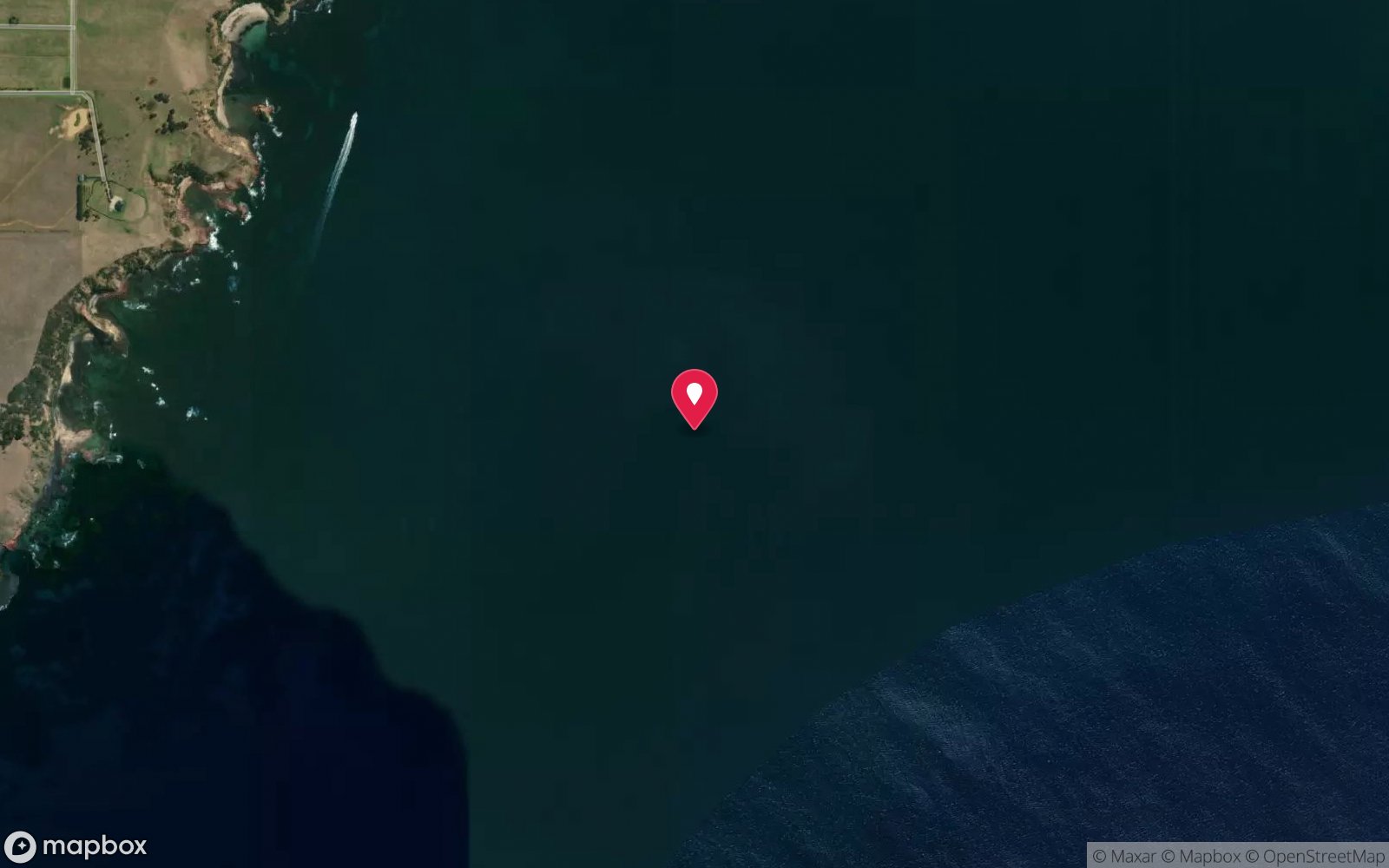
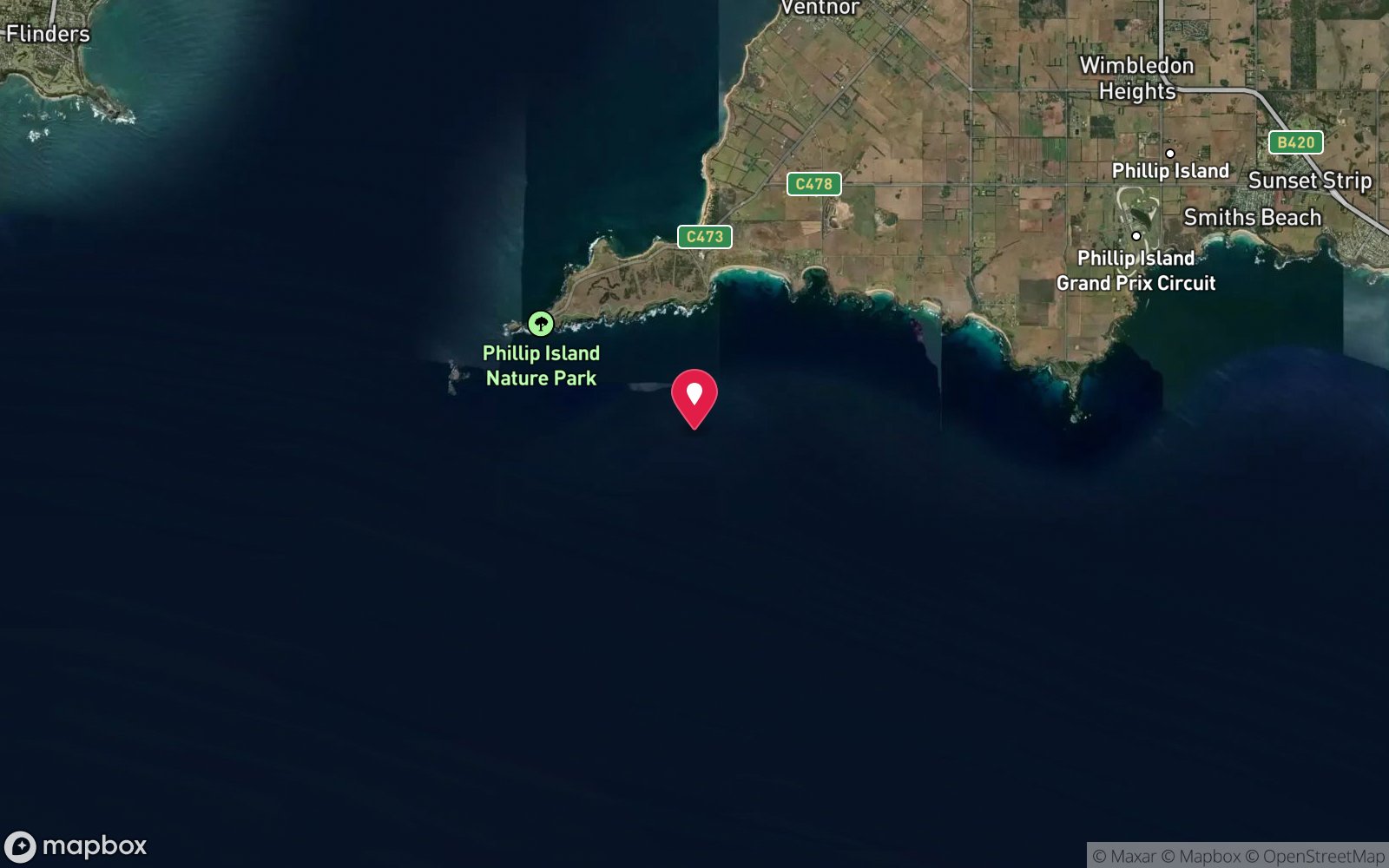
-38.51464, 145.17506
Published GPS position.
Open in Google MapsPrimary source: scubadoctor.com.auMarine park & permits
No marine park. Historic shipwreck protected under the Victorian Heritage Act 2017 and Commonwealth Underwater Cultural Heritage Act 2018 – look but do not touch, no artefact removal, no anchoring into the wreck. No dive permit required. Within a Phillip Island Nature Parks coastal reserve – keep to tracks.
Nearest recompression chamber
The Alfred (Melbourne)
Diving emergency: call 000, then DAN AP 1800 088 200.
Trip planner
Build a trip around Speke →
A day-by-day plan for Phillip Island & Western Port with this site locked in.
This guide is a planning aid. Conditions change daily — confirm with a local dive centre and dive within your training. Data & safety notes.
Dive profile
How this site rates
Scores are computed from the recorded data, not opinions. How?
At a glance
Speke is a wreck shore dive for experienced divers in Phillip Island & Western Port, VIC, 3–26 m, suited to Advanced Open Water divers, moderate current.
Rated advanced because of depth beyond 18 m, surge on the entry or in the shallows, cold water.
Why dive here
- The second-largest full-rigged ship ever built, wrecked in 1906 – her bow standing on the rocks at Watt Point and the eroded hull running down the reef to 26 m; Phillip Island's iconic walk-to wreck.
- Sunk in 1906 (Three-masted steel full-rigged ship, about 95 m, 2,876 gt); protected as underwater cultural heritage, so look but do not touch.
- Rarely dived: expect to have the site to yourself, and plan your own logistics.
About Speke
Speke was one of the last and largest of the great steel sailing ships: a three-masted, full-rigged ship of 2,876 gross tons built by T. R. Oswald and Co at Milford Haven, Wales, in 1891, and the second-largest ship-rigged vessel ever built.
She spent fifteen years in the bulk trades – grain, coal, nitrate – around the Horn and the Cape. On 22 February 1906, in ballast from Peru to Sydney and approaching Port Phillip Heads to pick up orders, she was caught by strong westerly winds, became unmanageable and ran ashore on Phillip Island's south coast at Kitty Miller Bay; one man drowned trying to get a line ashore, the rest of the crew were saved, and the ship broke up where she lay. The bow is the famous part.
It stands on the drying reef at Watt Point, a rusting stem and forefoot rising from the rocks, walkable at low tide at the end of the Kitty Miller Bay track and one of the most photographed shipwrecks in Victoria. Close inspection shows the concreted stem with deteriorated plating and, unusually, timber construction in the bow structure; an anchor cathead with wooden sheaves lies nearby. Underwater, the midships and stern including the rudderpost lie off the beach and have been heavily eroded by a century of Southern Ocean swell, so that the diver finds plates, frames and fittings scattered down the reef from 3 m to about 26 m rather than a hull.
Kelp, sweep, wrasse, zebrafish and crayfish live in the wreckage and seals from the nearby colonies pass through. As a dive it is marginal – an 800 m cliff-track carry to a surf-zone entry that is safe only after days of northerlies – and most visitors experience the Speke on foot. For divers it suits fit, experienced people on Phillip Island when a glassy day coincides with high tide, and it is worth it for the rare chance to swim around the bones of one of the biggest sailing ships ever built.
Wreck details
Three-masted steel full-rigged ship, about 95 m, 2,876 gt · Sunk 1906 · Protected historic shipwreck
Era: early 20th century. Oldest wrecks · Wartime wrecks · Scuttled warships
Other wrecks of the same era
- La Bella · Max 15 m · Shipwreck Coast & Warrnambool
- Falls of Halladale · Max 12 m · Shipwreck Coast & Warrnambool
- RMS Australia · Max 8 m · Port Phillip Heads
- Petriana · Max 6 m · Port Phillip Heads
- Speculant · Max 6 m · Surf Coast & Great Ocean Road
- SS Federal · Max 115 m · Wilsons Promontory
Getting there & entry
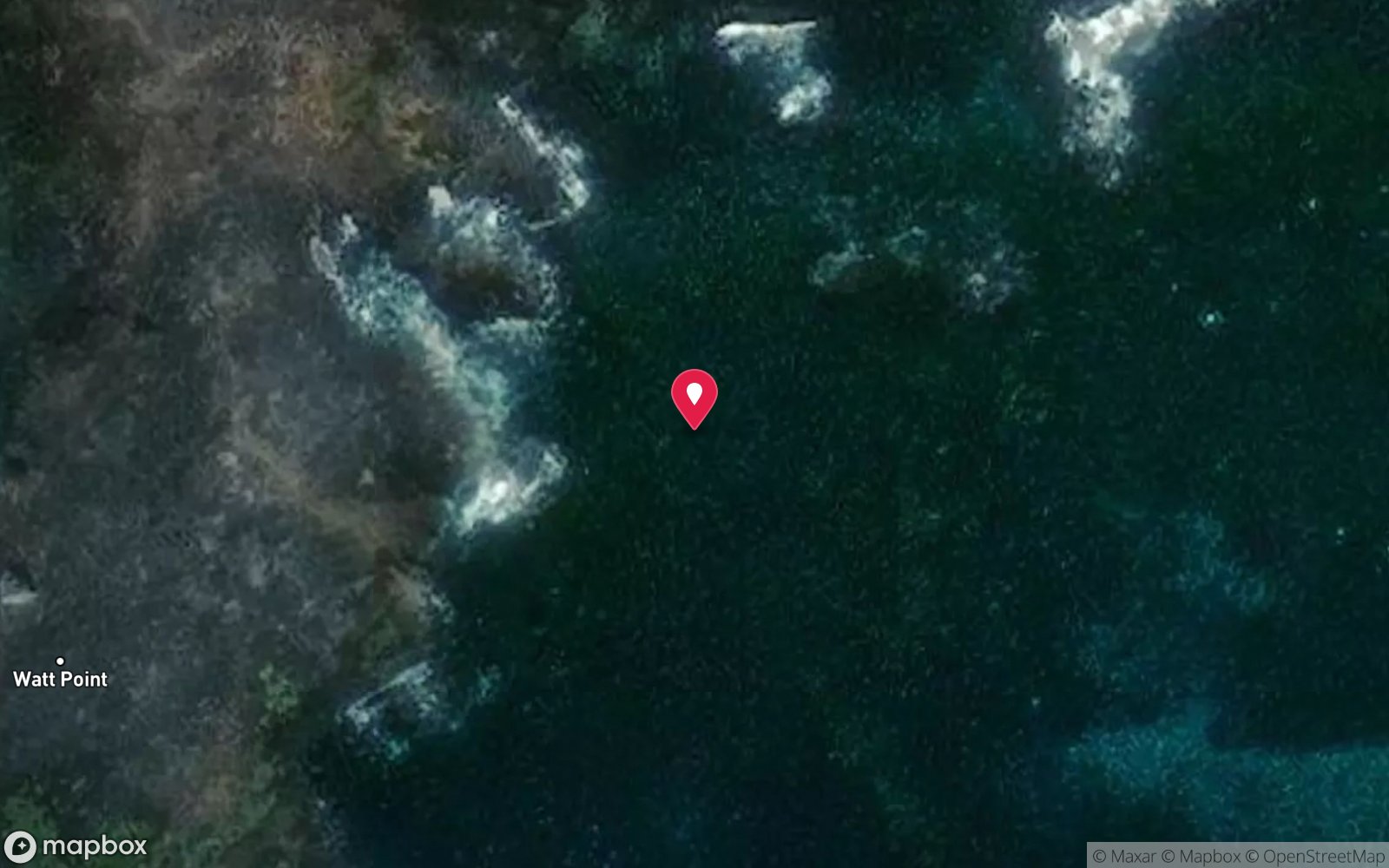
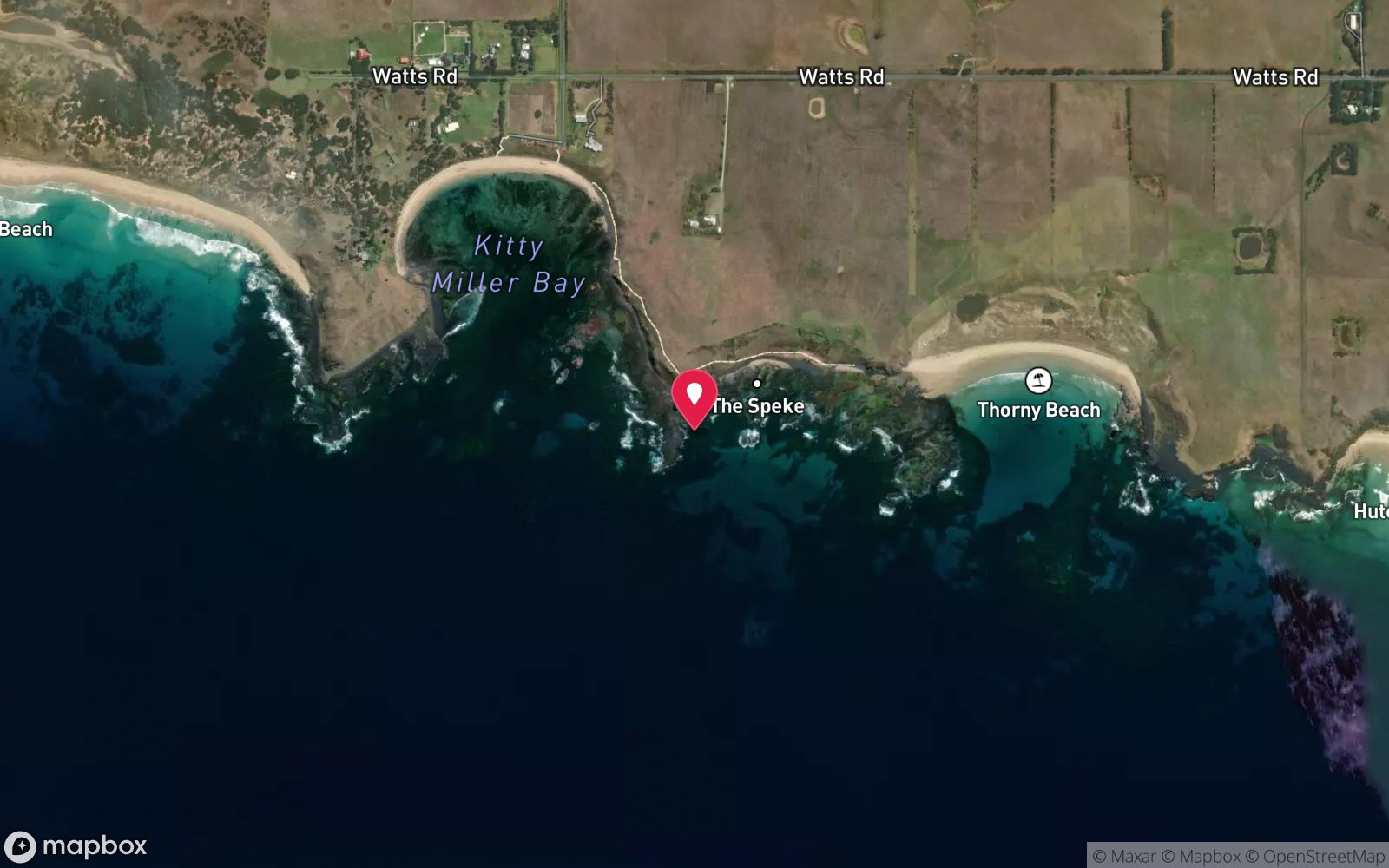
On the rocks and reef at Watt Point on the western side of Kitty Miller Bay, south coast of Phillip Island; the bow section stands on the drying reef and the midships and stern lie underwater off the beach.
Drive Melbourne–Phillip Island via the Bass Highway and Phillip Island Road, then Ventnor Road and Kitty Miller Bay Road to the car park above the bay (about 2 hours; toilets, no other facilities). Walk 50 m down to the beach, then about 800 m around the western side of the cove on a steep, uneven dirt track to Watt Point – a long carry with dive gear, which is why most people snorkel or simply walk to the wreck. The bow section is on the rock platform at the point and is walkable at low tide; the underwater remains lie off the point in 3–26 m.
Enter from the rocks at high tide on a flat day. Phillip Island Nature Parks manages the reserve; keep to the track.
Entry: Walk-in from the rocks at Watt Point after a beach walk and 800 m cliff track; shallow surge entry at high tide
Facilities: Kitty Miller Bay car park (toilets); no other facilities; fills and advice at Island Dive, Cowes
Weather, swell & tides
Kitty Miller Bay is on the Southern Ocean side of Phillip Island and the Speke lies in the surf zone at its western point. The Scuba Doctor's guidance is that the best conditions come after several days of still weather or northerly winds and that it is best dived at high tide, whenever it is safe to do so – which is to say on a small minority of days. Any south-westerly swell produces breaking waves over the wreck and dangerous surge on the rock entry; westerly winds push swell into the bay.
Visibility is 3–10 m and aerated close in. The cliff track is slippery when wet. Realistically a snorkel or shallow dive in the first few metres on a glassy day; the deeper midships and stern remains to 26 m are for experienced divers with a very flat sea.
Best season: Summer and autumn after several days of still weather or northerly winds, at high tide
If it's blown out
Sheltered or shore sites within 25 km that often work when Speke doesn't.
- Flinders Pier · 14 km · Max 6 m
- Kitty Miller Bay · 1 km · Max 12 m
- Phelan Bluff · 2 km · Max 12 m
- Berrys Reef · 2 km · Max 12 m
How the dive is usually run
At high tide on a flat day, enter from the rocks beside the bow section at Watt Point, swim out over the concreted stem and plating in 3–6 m and follow the line of the hull seaward past the anchor cathead to the eroded midships and the rudderpost in deeper water (to 26 m for those equipped), then return to the point before the tide drops and the surge over the rocks increases. 40 minutes.
Marine life
- Kelp
- sweep
- wrasse
- zebrafish
- southern rock lobster
- Australian fur seals →
- sea urchins
- abalone
Linked species have their own page listing every site where they are recorded. All marine life →
Training required
Beyond 18 m an Advanced certification (which includes a deep dive to 30 m) is the accepted minimum. Anything past 25 m is a deep dive in practice.
At more than 25 m this counts as a deep dive: watch no-decompression limits and gas.
Courses that help here
- Enriched Air Nitrox – Longer no-decompression time at 25 m and deeper.
- Drysuit Diver – Cold water; locals dive dry for much of the year.
Depth tiers: 0–10 m easy · to 18 m Open Water · 18–30 m Advanced (25 m+ is a deep dive) · 30–40 m Deep specialty · 40 m+ technical. All courses
Hazards & warnings
Southern Ocean surf and surge at the point – flat days and high tide only; slippery 800 m cliff track with gear; sharp steel; westerly swell; remote entry with no easy exit other than the point; historic shipwreck – no artefact removal.
Dive centres that go here
No operator dives it; it is a famous walk-to shipwreck (the Kitty Miller Bay walk) and an occasional snorkel or independent shore dive by Phillip Island locals on flat days. Island Dive (Cowes) can advise on conditions.
Operators recorded for Speke
Other dive centres in Phillip Island & Western Port
The Scuba Doctor
ProfiledRye · Melbourne & Port Phillip Bay · VIC
A Victorian equipment and service business with an extensive retail presence, located to serve both Melbourne and Mornington Peninsula divers.
scubadoctor.com.au · (03) 5985 3322
Scubabo Dive Victoria (Dive Victoria Group)
Named by sitesQueenscliff · Port Phillip Heads · VIC
Rebranded as Scubabo Dive Victoria, Queenscliff; dive.scubabo.com is live for 2026 with active charter bookings.
dive.scubabo.com · (03) 5258 1188
VSAG
Named by sitesWilsons Promontory · VIC
Victorian Sub-Aqua Group, a non-commercial dive club (est. 1954), not a shop or charter.
vsag.org.au
Wildlife Coast Cruises
Named by sitesCowes · Phillip Island & Western Port · VIC
Cruise/boat tour operator (seals, whales, Wilsons Prom), not a dive shop.
wildlifecoastcruises.com.au · (03) 5952 9500
Ocean Adventures Phillip Island
Named by sitesCowes · Phillip Island & Western Port · VIC
Thundercat/jet boat eco tours plus guided snorkel and sea-scooter dive tours; booth in Cowes, van at San Remo.
oceanadventures.co · 0433 137 320
Southern Ocean Exploration
Named by sitesPort Phillip Heads · VIC
Non-profit wreck exploration / maritime archaeology group, not a shop or charter.
soe.org.au
Map
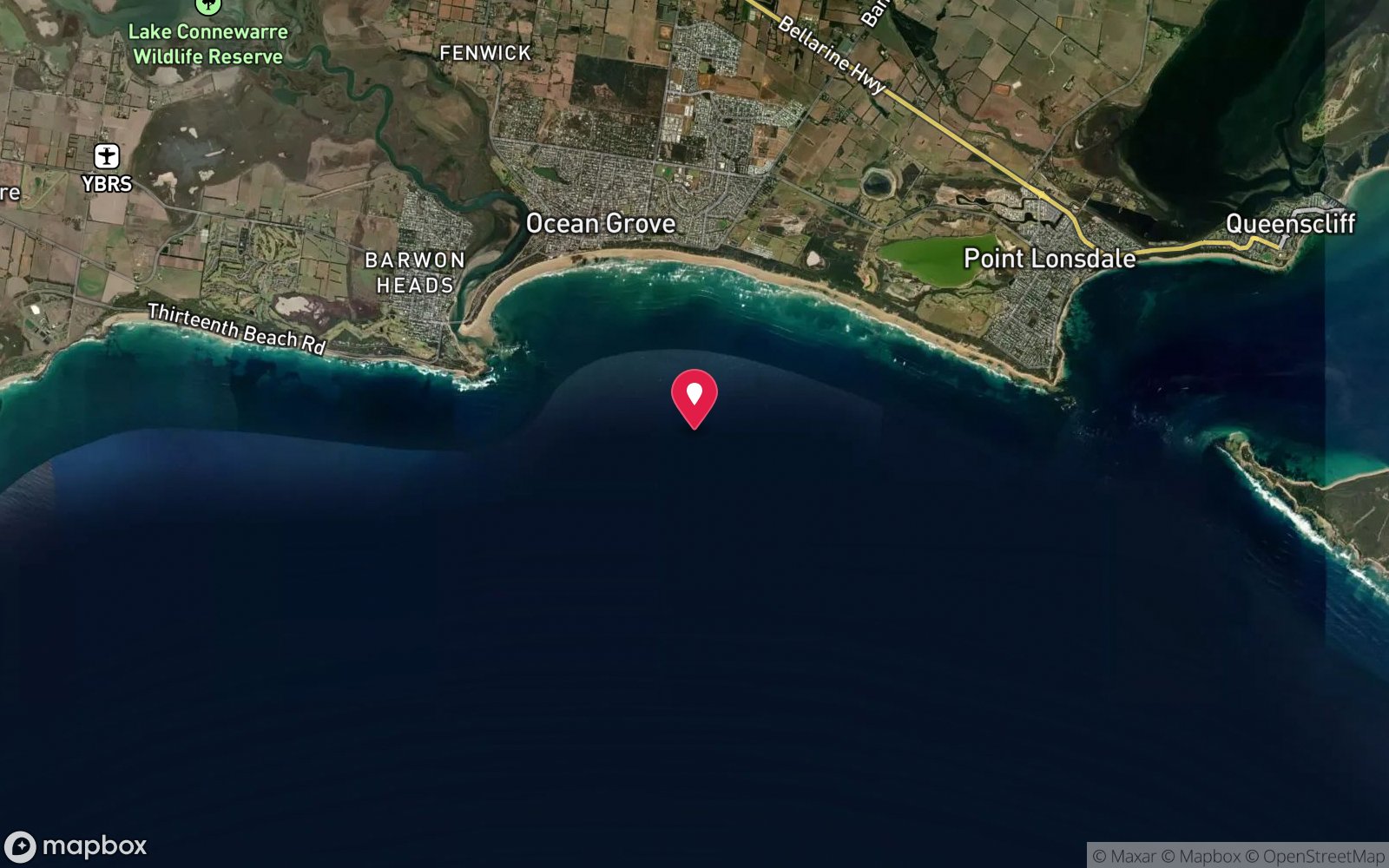
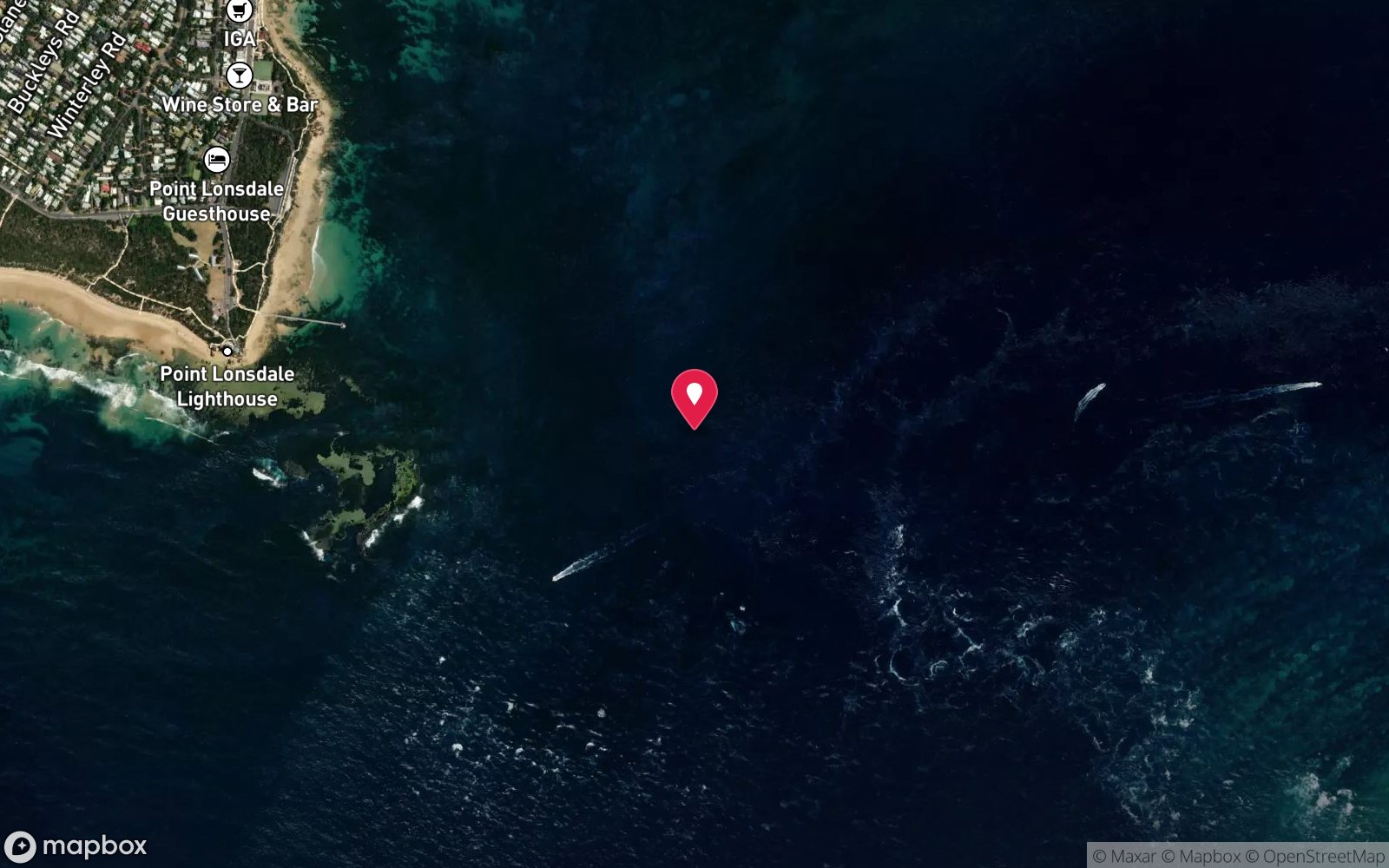
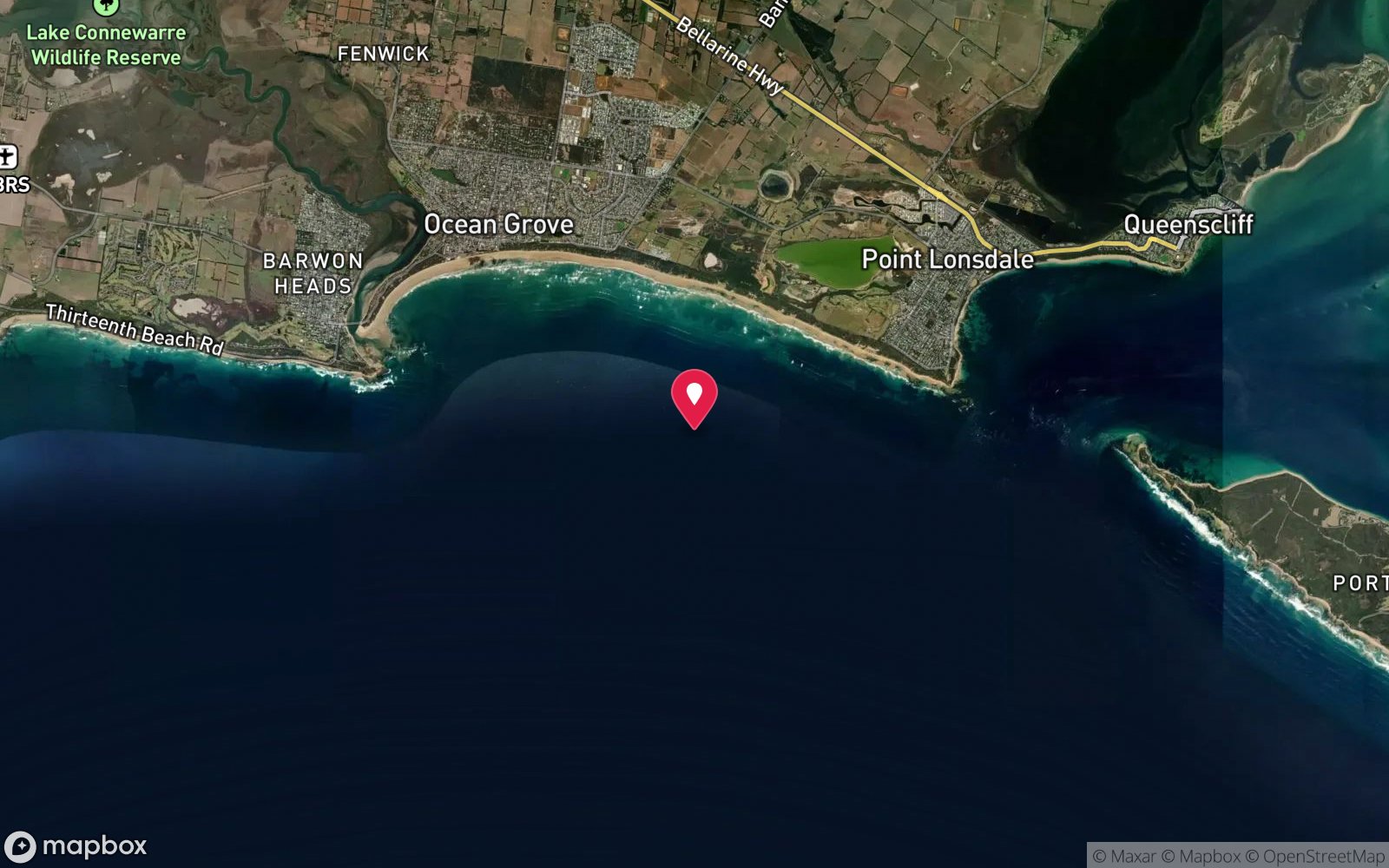
7 pinned sites. Pins marked approximate on their pages show the general area only; not for navigation.
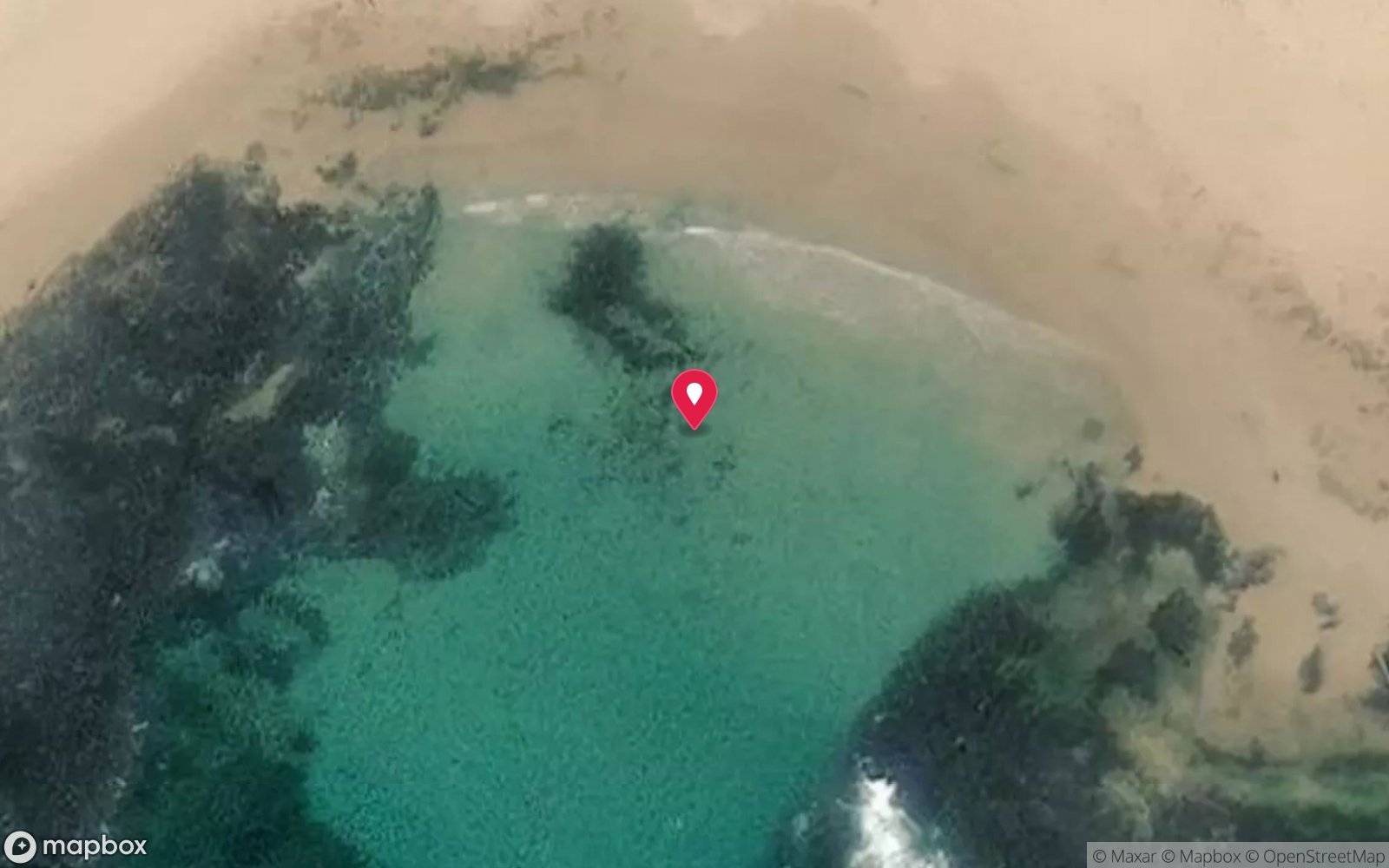
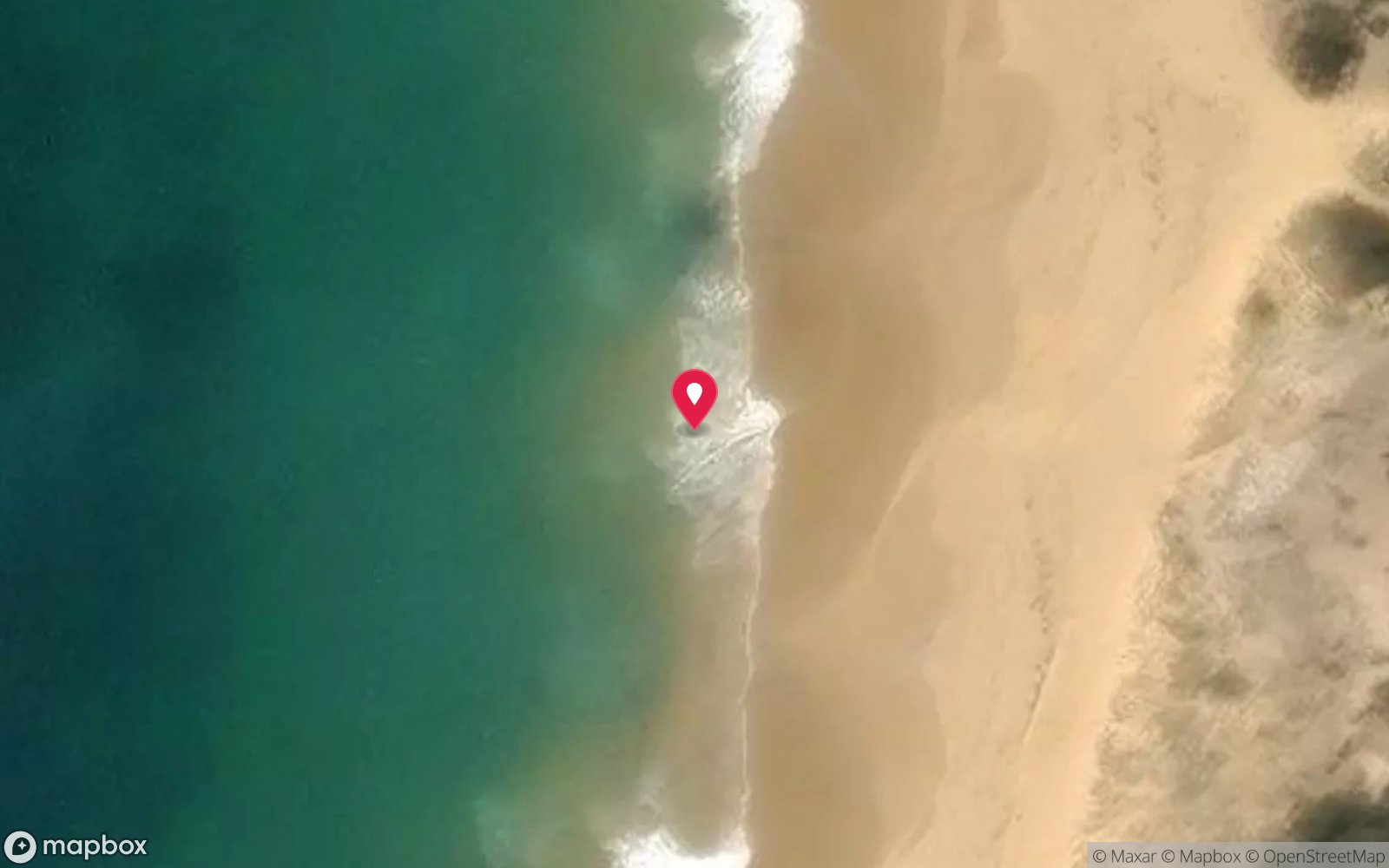
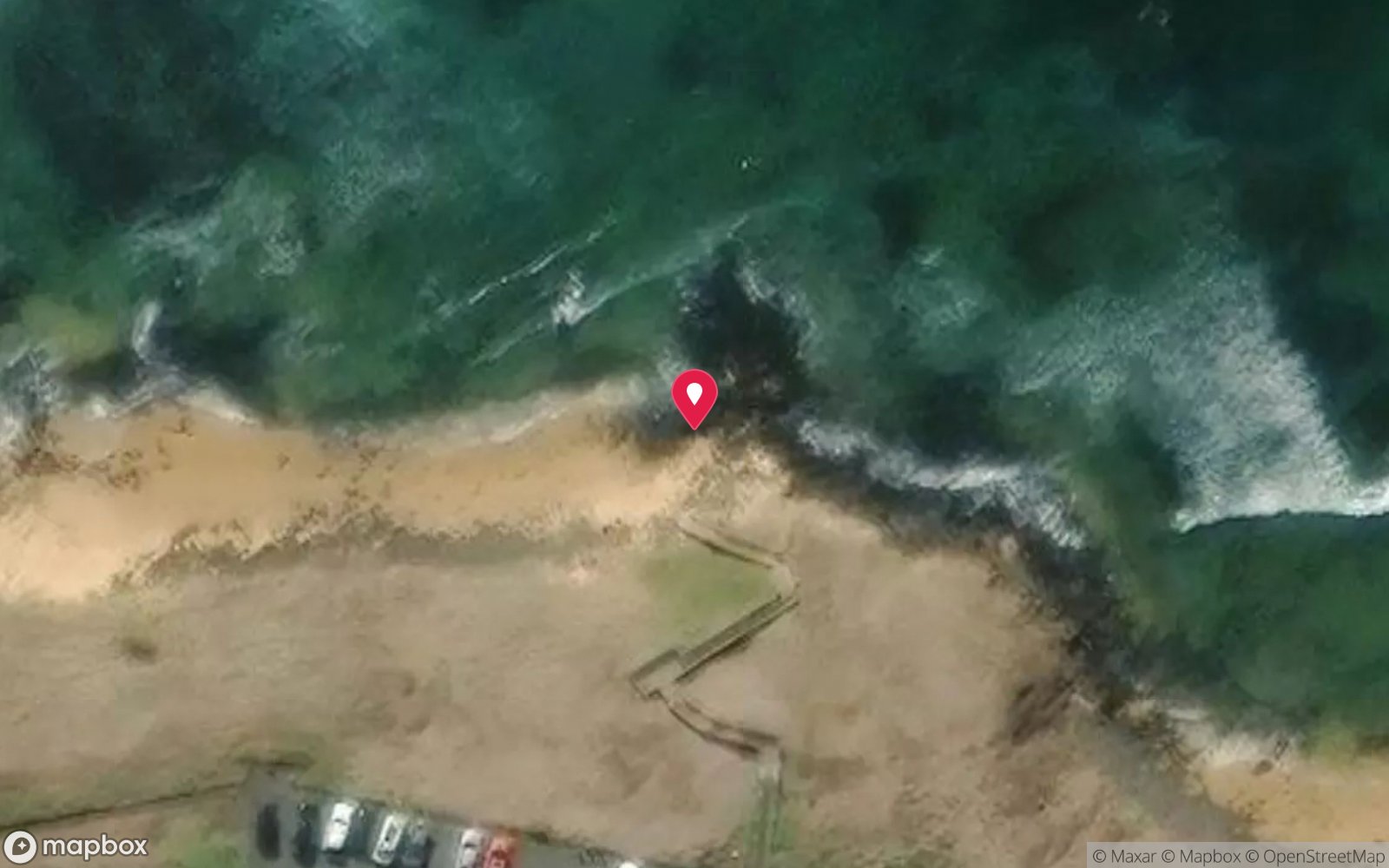
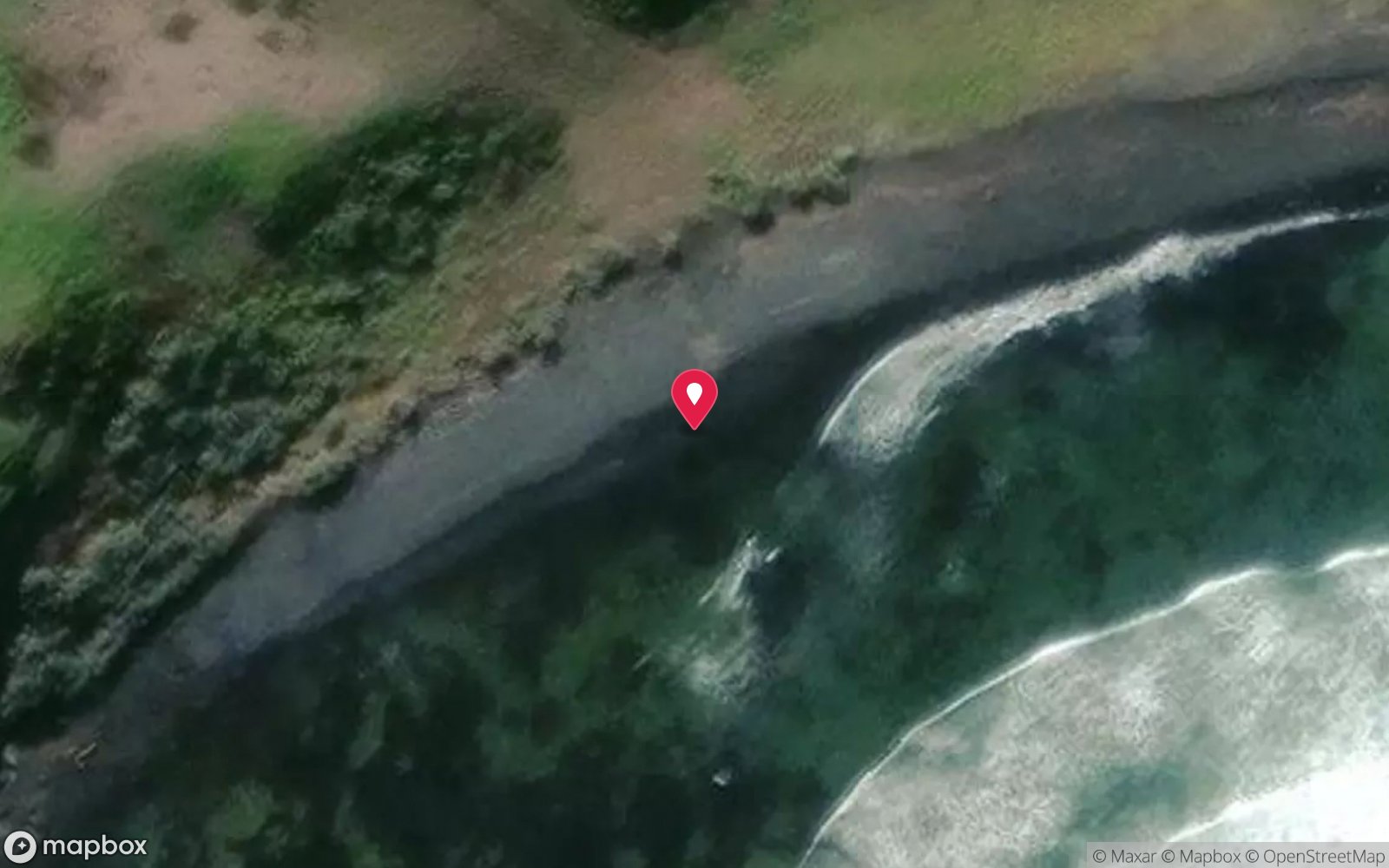
Satellite views
Speke: frequently asked questions
How deep is Speke?
Speke reaches a maximum depth of 26 m, with the shallowest part at about 3 m; most of the dive is spent around 8 m.
What certification do I need to dive Speke?
Advanced Open Water is the recommended minimum. At more than 25 m this counts as a deep dive: watch no-decompression limits and gas. Rated advanced because of depth beyond 18 m, surge on the entry or in the shallows, cold water.
Can I shore dive Speke?
Experienced divers do dive Speke from the shore, but the entry or conditions make it unsuitable for newer divers without local guidance. Entry: Walk-in from the rocks at Watt Point after a beach walk and 800 m cliff track; shallow surge entry at high tide.
When is the best time to dive Speke?
Summer and autumn after several days of still weather or northerly winds, at high tide.
What marine life will I see at Speke?
Regularly recorded: Kelp, sweep, wrasse, zebrafish, southern rock lobster, Australian fur seals, sea urchins, abalone.
What wetsuit do I need at Speke?
7 mm semi-dry with hood in summer; drysuit in winter.
How cold is the water at Speke?
Typically 16-19 °C in summer and 12-14 °C in winter.
What are the main hazards at Speke?
Southern Ocean surf and surge at the point – flat days and high tide only; slippery 800 m cliff track with gear; sharp steel; westerly swell; remote entry with no easy exit other than the point; historic shipwreck – no artefact removal. See the hazards section above for the full list.
Where is the nearest recompression chamber to Speke?
The Alfred (Melbourne). In an emergency call 000, then DAN Asia-Pacific on 1800 088 200.
Diving in Phillip Island & Western Port
Phillip Island's Pinnacles at Cape Woolamai are granite towers with fur seals, bull rays and sponge walls in 20–38 m; Flinders Pier and Crawfish Rock in Western Port have seadragons and tidal sponge gardens; and the north coast of the island around Cowes and Ventnor has easy shore dives and the Kitty wreck.
Getting there: Two hours from Melbourne. Charters from Cowes and Rhyll; Flinders Pier is a walk-in shore dive.
All Phillip Island & Western Port dive sites and a suggested itinerary →
Sources
- scubadoctor.com.au/diveshop/index.php?main_page=divesite&site=Speke
- en.wikipedia.org/wiki/SS_Speke_(1891_ship)
- penguins.org.au/attractions/reserves/kitty-miller-bay
Data confidence: Medium · Being verified: Length approximate; 26 m maximum depth per Scuba Doctor – most remains are much shallower. Last updated September 2026. Know this site better? How to send a correction
Nearby dive sites
More wrecks in Victoria
Explore more
This region
Similar dives
Marine life