Since the HMAS Swan went down in Geographe Bay in 1997, Australia has scuttled a fleet of decommissioned naval vessels as dive sites: the Perth, Hobart, Brisbane, Canberra, Adelaide and Tobruk, plus patrol boats and the WWI J-class submarines dumped a century earlier. Each was prepared with access holes for recreational divers and has become a reef in its own right.
Updated daily from the directory. 32 sites listed.
1. Hervey Bay & K'gari · QLD
ex-HMAS Tobruk
Sunk 2018 · Australia's largest military dive wreck – a 127 m landing ship lying on her side, with the shallowest point at 11 m for Open Water divers and a 100 m swim-through tank deck and eight deck levels for trained wreck divers.
Our takeThe biggest of them all: a 127 m landing ship that rolled onto her side when she was sunk in 2018, so the wreck lies on her starboard side with the shallowest steel at 11 m. That accident made her an Open Water wreck at the top and an Advanced wreck along the hull, with the vehicle deck as the great swim-through.
2. Port Phillip Heads · VIC
ex-HMAS Canberra
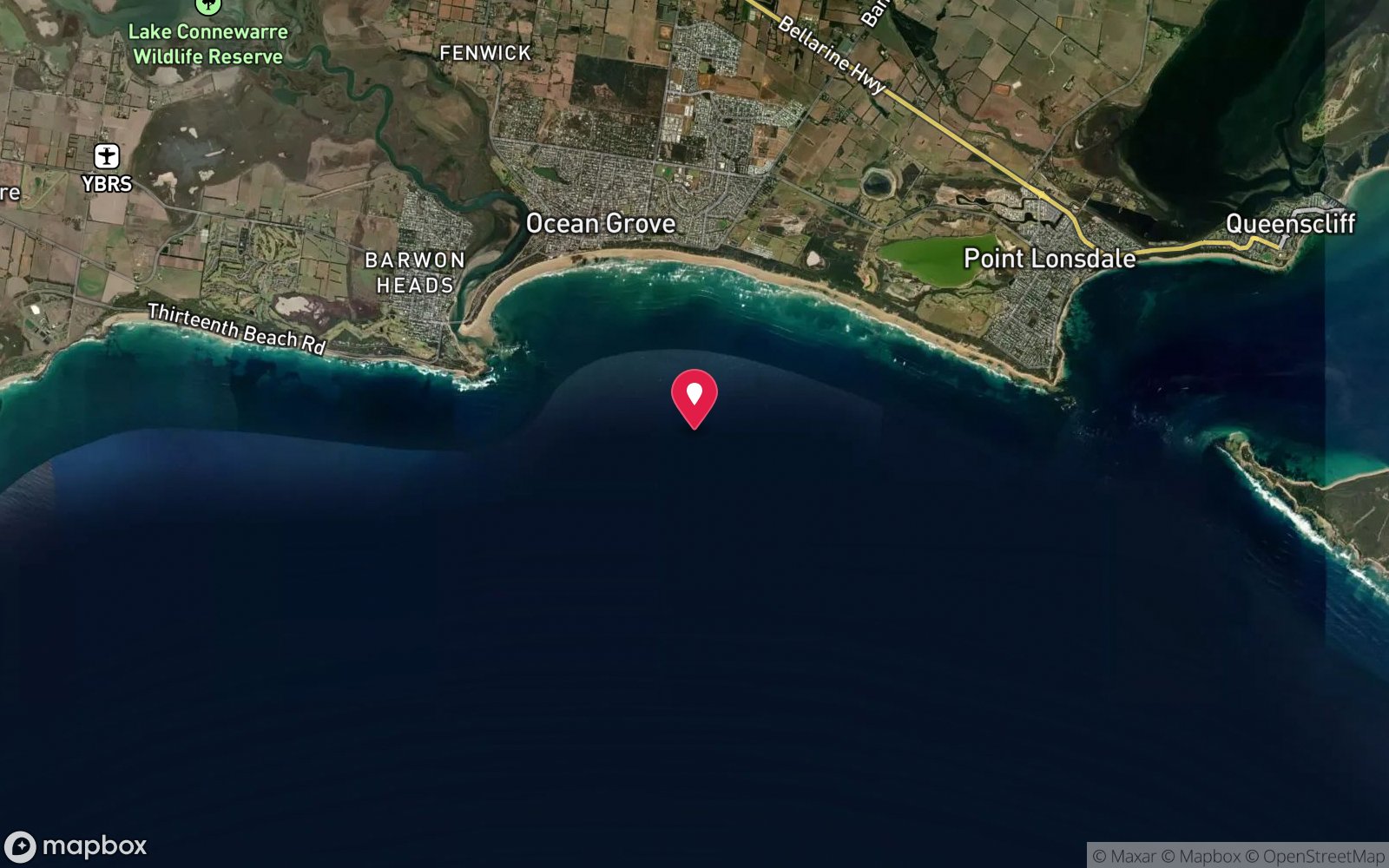
Sunk 2009 · A 138 m frigate scuttled off Ocean Grove with cut access points at every deck, dived daily in season.
Our takeSister ship to the Adelaide, sunk off Ocean Grove in 2009 and standing almost upright with the bridge at 8 m. Port Phillip Heads currents mean she is dived on slack water; the reward is 20 m visibility on a good day and a hangar full of bullseyes.
3. Sunshine Coast · QLD
Ex-HMAS Brisbane
Sunk 2005 · A 133 m destroyer scuttled off Mooloolaba in 2005, with cut-outs that make it one of the best penetration wrecks for recreational divers.
Our takeA destroyer, so a narrower and taller wreck than the frigates, with the funnels 3 m below the surface and more than a thousand species recorded on her. A cyclone in 2022 shifted her forward gun mount; the site page explains what changed.
4. Fleurieu Peninsula & Victor Harbor · SA
Ex-HMAS Hobart
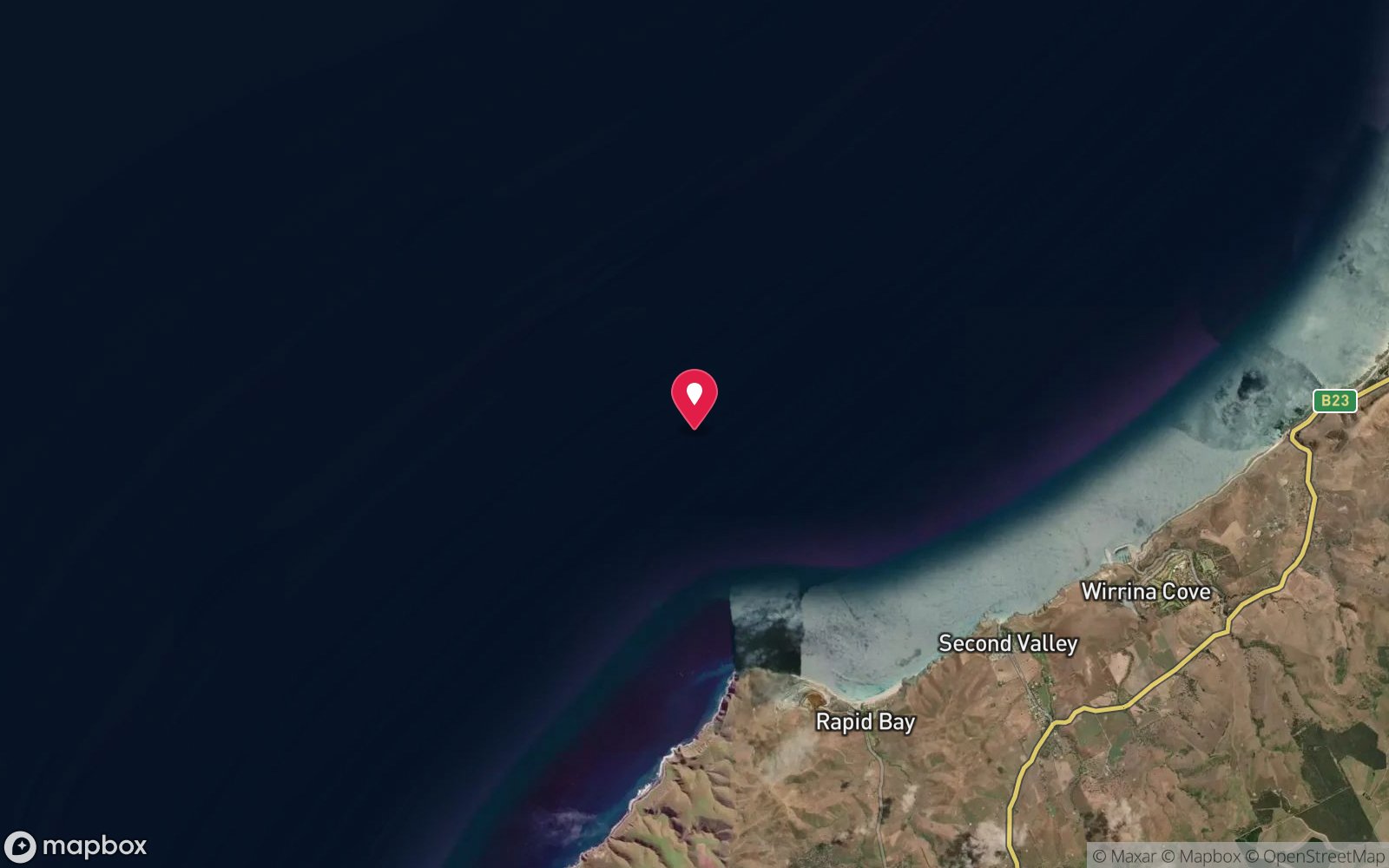
Sunk 2002 · A 133 m Adams-class destroyer off Yankalilla with wide-open penetration routes and a resident school of bullseyes.
Our takeThe first of the modern scuttlings to be fully prepared for divers, in 2002, and still the only one with a purpose-built swim-through trail marked with numbered plaques. Upright in 30 m off Yankalilla with the superstructure from 5 m.
5. Albany & Great Southern · WA
HMAS Perth Wreck
Sunk 2001 · Albany's 133 m guided-missile destroyer in cold, clear water, scuttled in 2001.
Our takeSunk off Albany in 2001 as Australia's second prepared warship. The interpretive trail takes divers through the bridge, past the gun mount and into the engine room; Albany's cold, clear water keeps her remarkably clean.
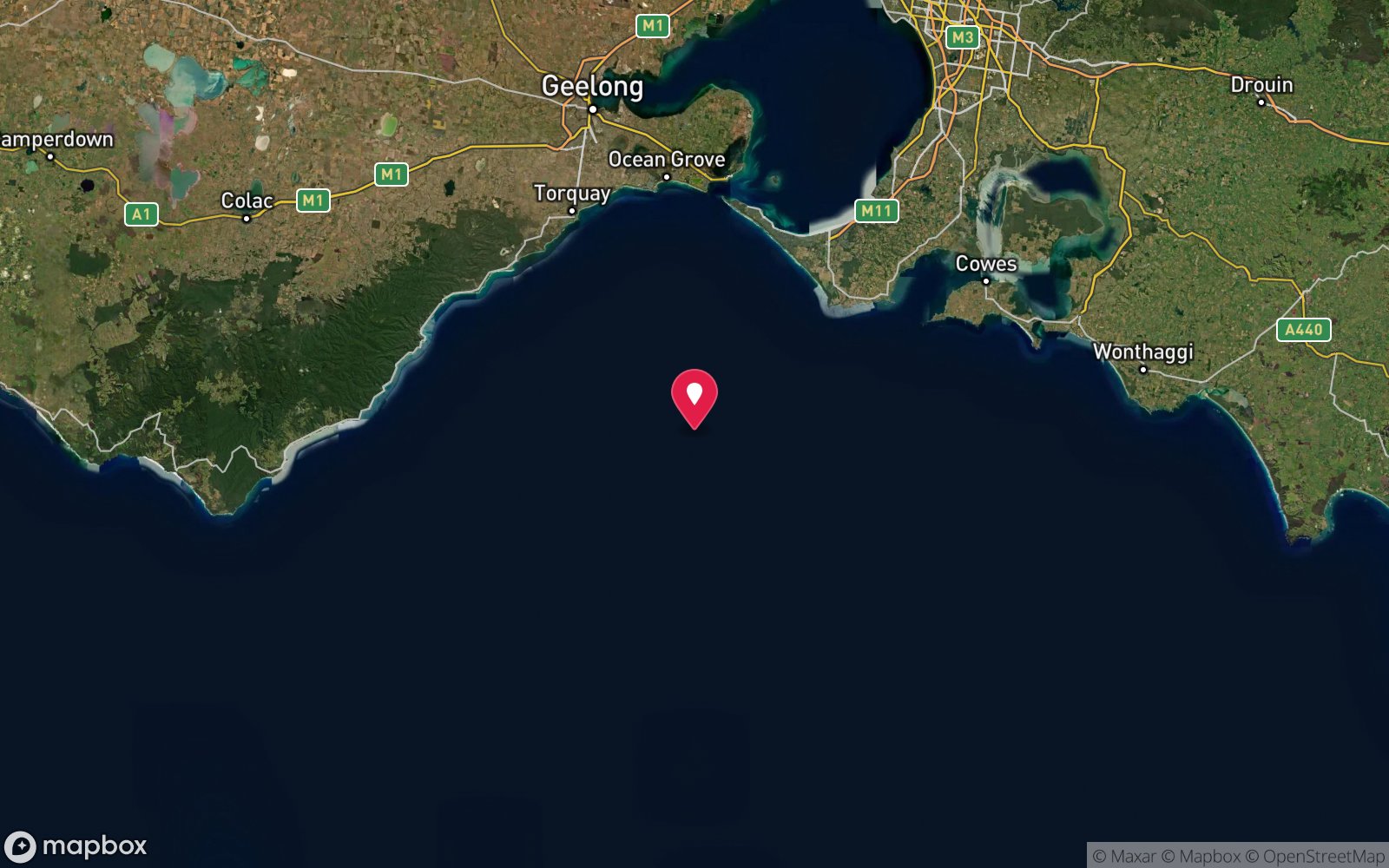
6. Port Phillip Heads · VIC
HMAS Bayonet
Sunk 1999 · An Attack-class patrol boat scuttled in 1999 and found in 2001 – upright and clean in 82 m off Cape Schanck with waterline marks still readable; a rare rebreather expedition dive.
Our takeNot a prepared wreck. The patrol boat was scuttled in deep water off Cape Schanck in 1999 without any thought of divers, and found by them in 2001, upright and clean in 82 m. Technical only.
7. Geographe Bay & Busselton · WA
HMAS Swan Wreck
Sunk 1997 · A 113 m destroyer escort scuttled off Dunsborough in 1997 with easy penetration and resident schools of fish.
Our takeThe original, 1997, in Geographe Bay. A 113 m destroyer escort upright in 31 m with the crow's nest at 8 m, cut for penetration before that was standard practice. Busselton and Dunsborough boats run her year-round in the flat bay water.
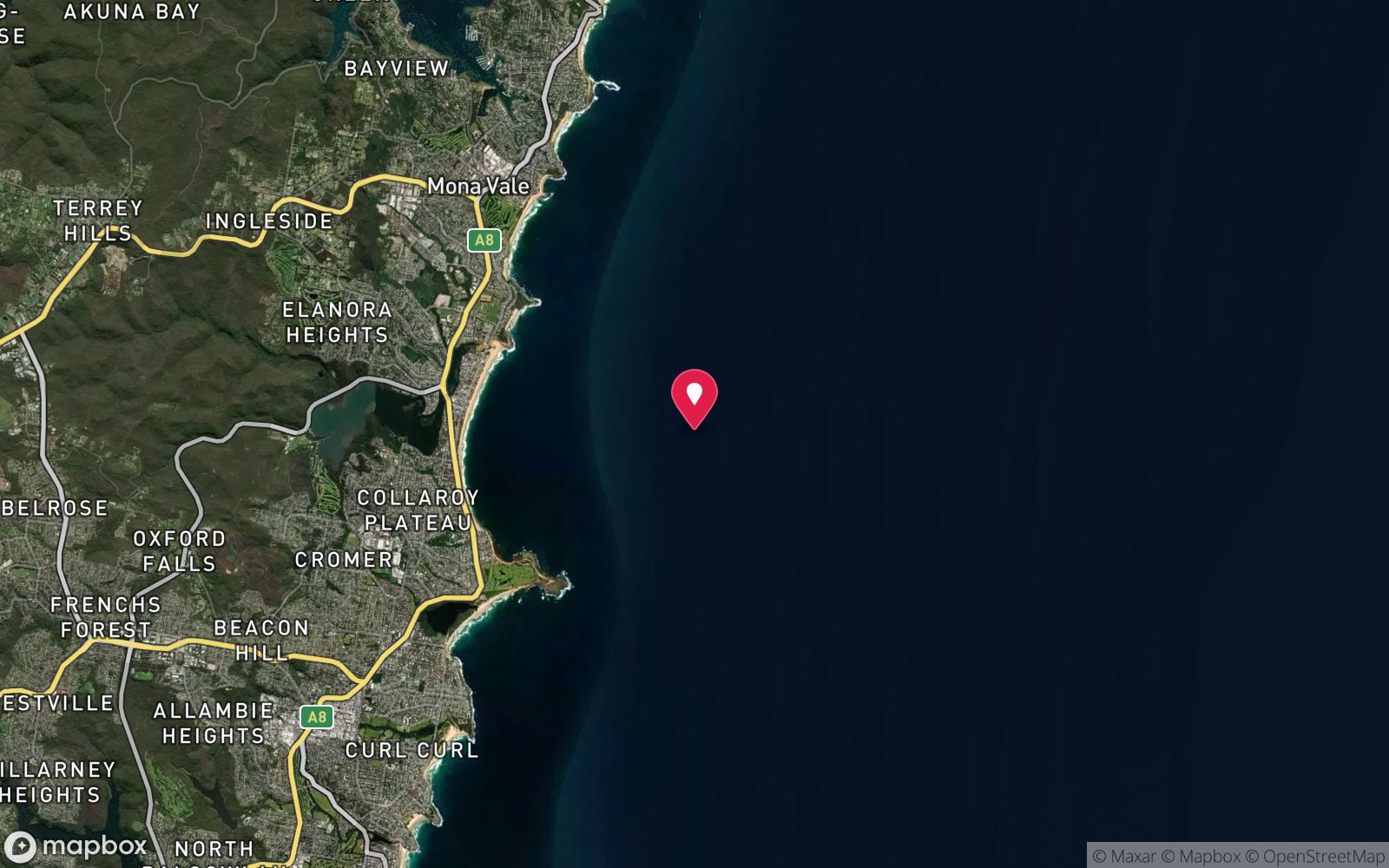
8. Sydney Northern Beaches · NSW
HMAS Doomba / Meggol wreck
Sunk 1976 · A WWI Royal Navy minesweeper that became a Brisbane ferry, an RAN warship and a Sydney oil barge, lying beside the Dee Why ferry in 49 m.
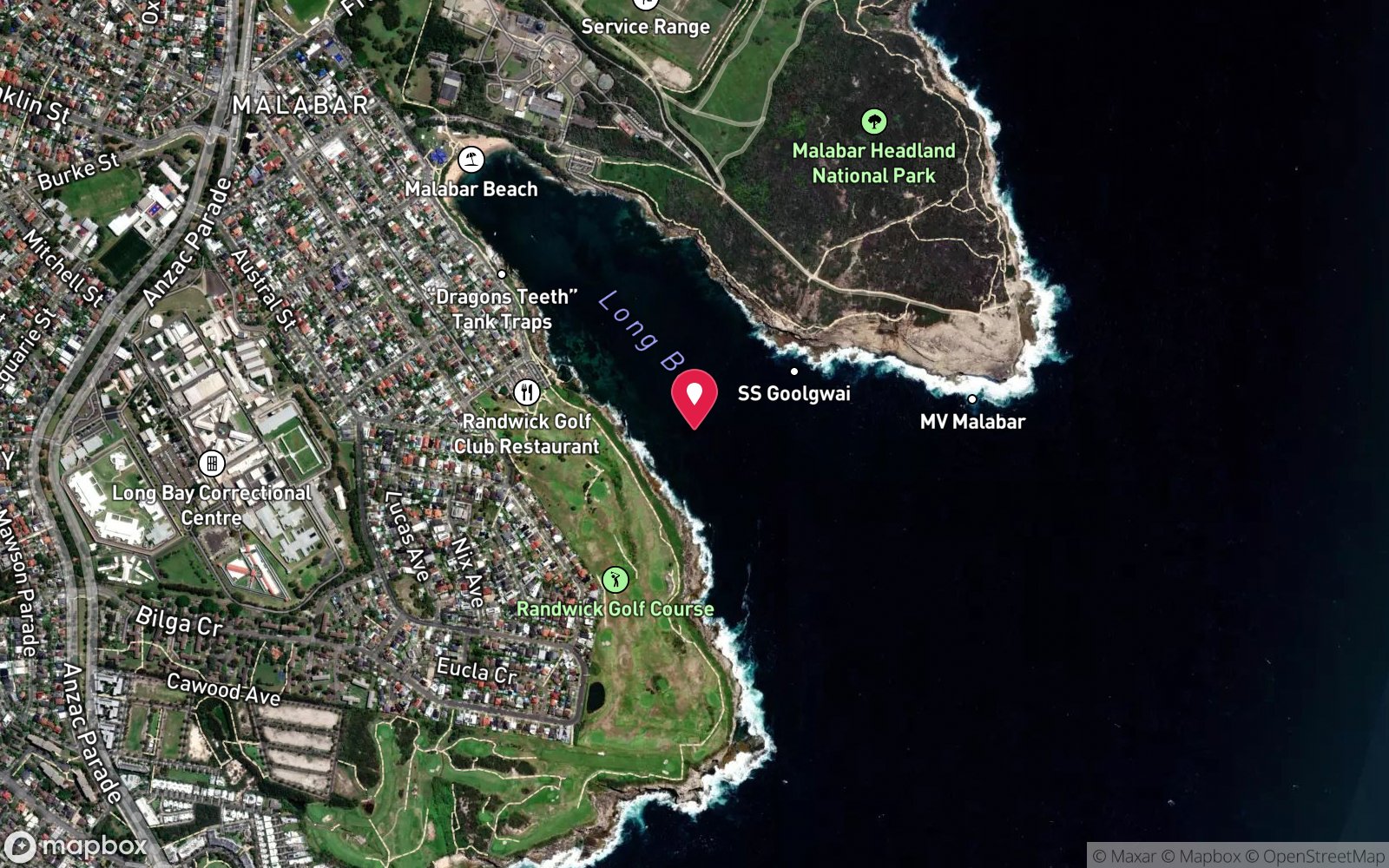
9. Sydney South & Botany Bay · NSW
SS Goolgwai wreck (Long Bay)
Sunk 1955 · Last resting place of a Canadian-built WWI minesweeper that served as HMAS Goolgwai in WWII; a search dive through scattered iron beside the Malabar wreck.
10. Eden & Green Cape · NSW
Olive Cam
Sunk 1954 · Boiler, engine and anchor of a WWII minesweeper-turned-trawler in shallow gullies south of Eden.
11. Pilbara & Dampier · WA
HMAS Plym (Montebello Islands)
Sunk 1952 · Site of Britain's first atomic test, 1952.
12. Wollongong & Kiama · NSW
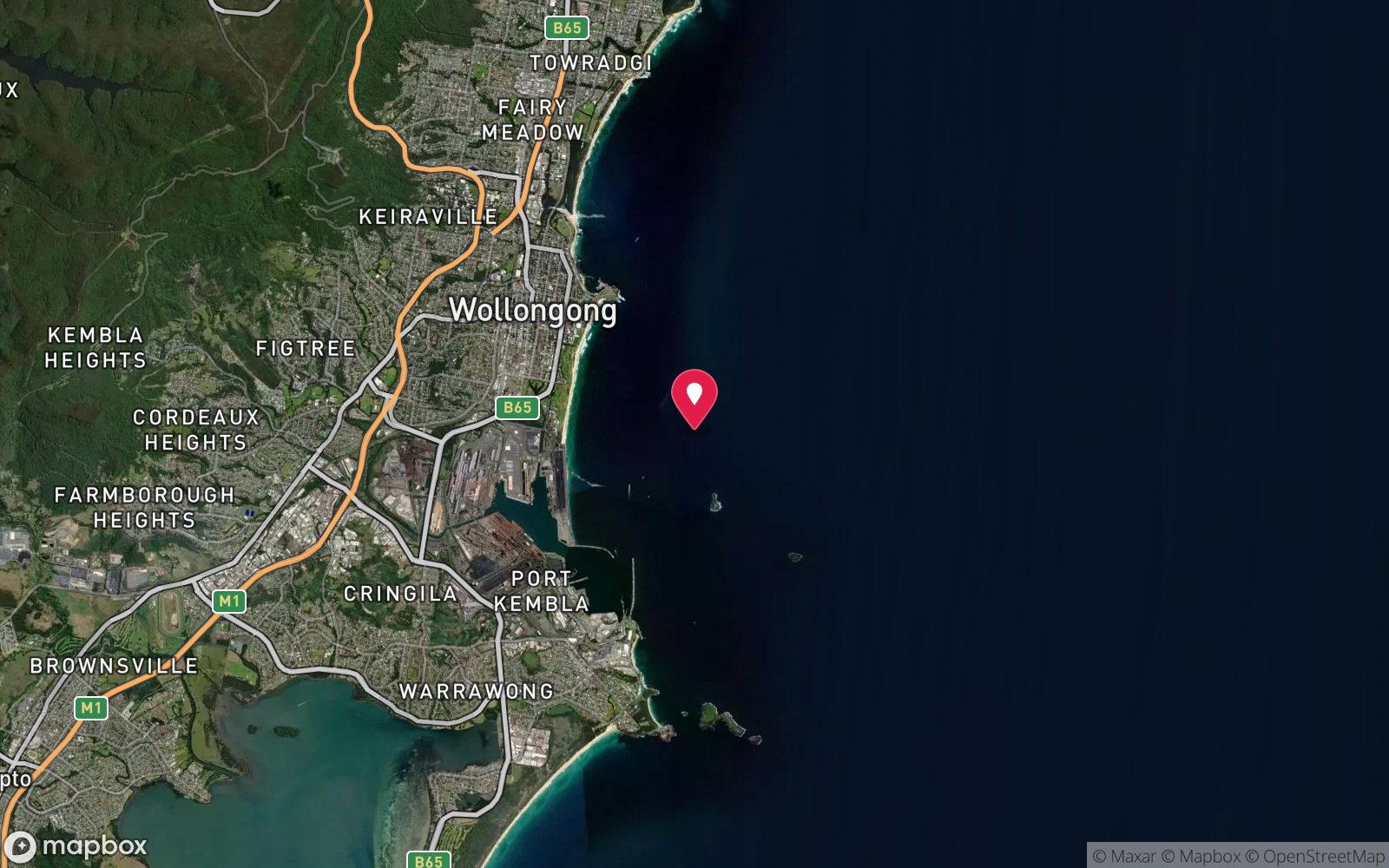
SS Bombo
Sunk 1949 · Upturned 46 m collier broken open by storms, with an exposed triple-expansion engine, boiler and a separated upright stern carrying the propeller. The Illawarra's signature wreck dive.
13. Far Northern Reef & Torres Strait · QLD
HMAS Warrnambool wreck
Sunk 1947 · Intact 1947 WWII corvette on its port side in 25 m – the only RAN ship lost to a mine.
14. Rottnest Island · WA
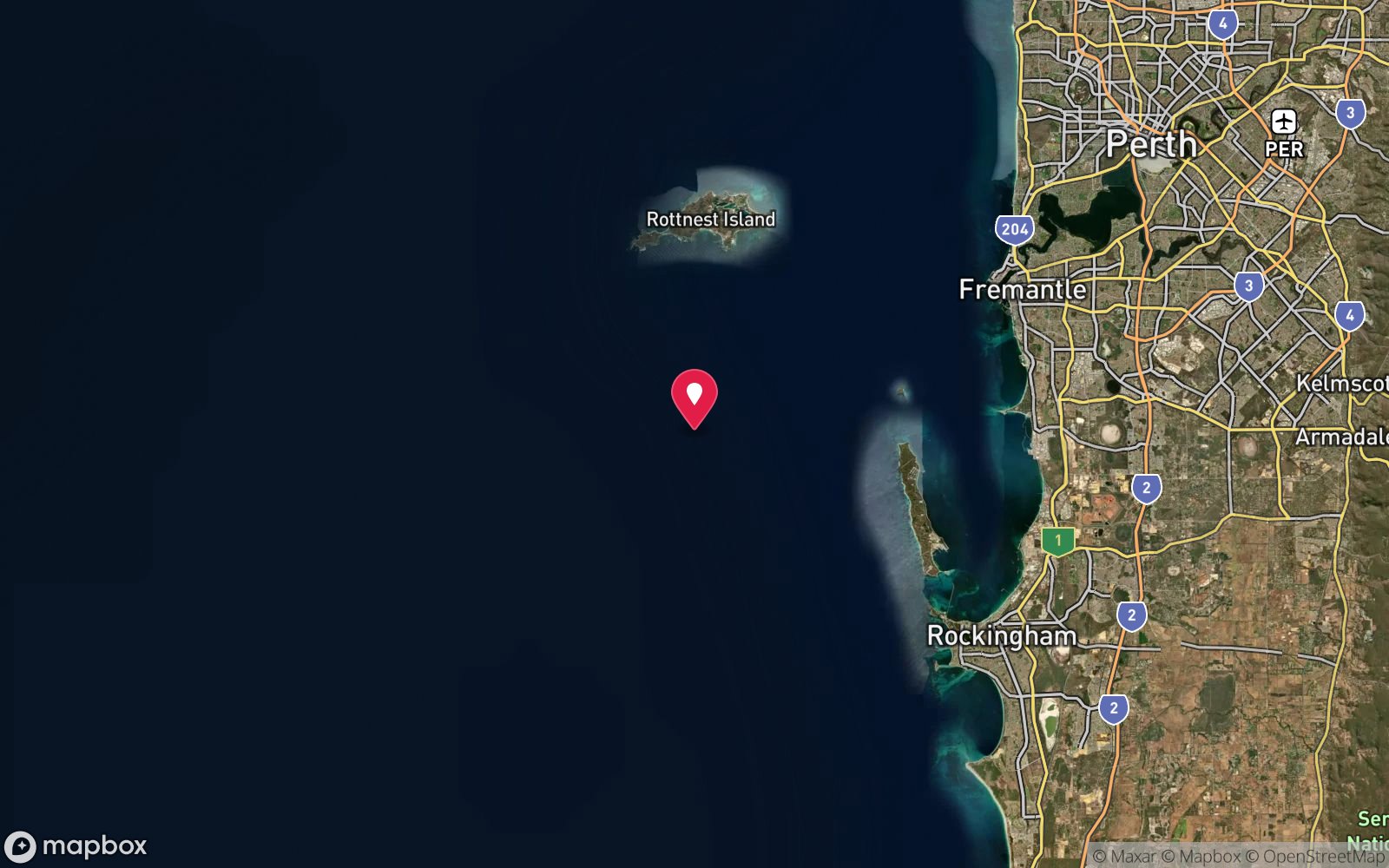
HNLMS K XI Submarine Wreck
Sunk 1946 · A 1924 Dutch colonial submarine, lost for almost 80 years and found in 2025, lying in 38 m with torpedo tubes still visible.
15. Heron Island & Capricorn Group · QLD
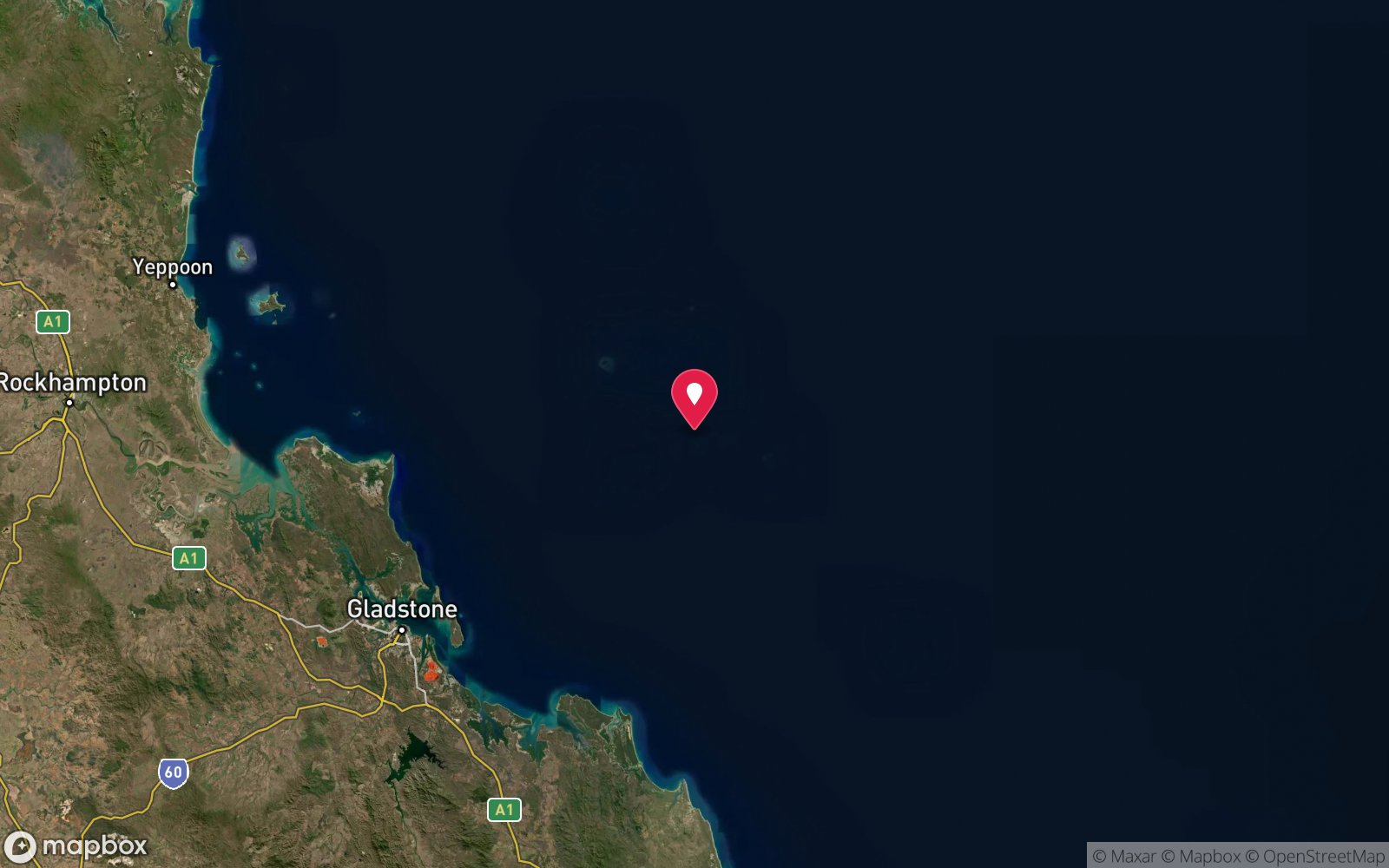
HMCS Protector Wreck (Heron Island)
Sunk 1943 · An 1884 colonial gunboat with Boxer Rebellion and WWI service, now a harbour breakwater and fish haven snorkelled at high tide.
16. Darwin Harbour · NT
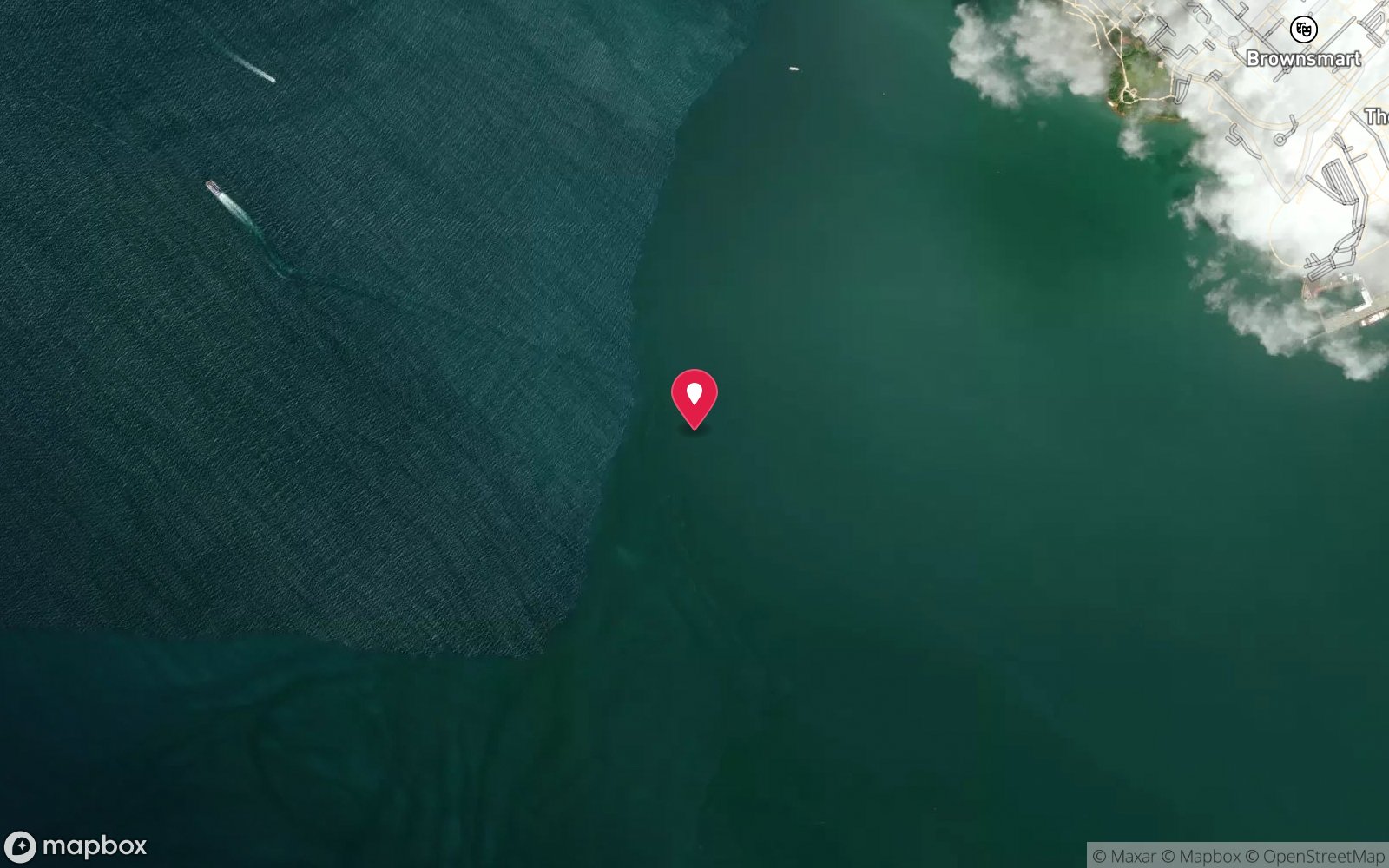
USS Peary
Sunk 1942 · The US destroyer sunk with 88 of her crew in the first raid on Darwin; the harbour's deepest and most solemn WWII dive.
17. Darwin Harbour · NT
US Navy Catalina 6 (heritage zone)
Sunk 1942 · The most intact US Navy Catalina in Darwin Harbour - protected in a no-entry heritage zone.
18. Darwin Harbour · NT
US Navy Catalina No.4/8 (Catalina 5)
Sunk 1942 · A US Navy PBY burned and sunk in the 1942 raids; wings collapsed by the fuel fire.
19. Darwin Harbour · NT
US Navy Catalina No.41 (Catalina 4)
Sunk 1942 · Remains of a US Navy Patrol Wing 10 flying boat burned and sunk in the Japanese attacks on Darwin.
20. Port Phillip Heads · VIC
HMAS Goorangai
Sunk 1940 · Scattered remains of the auxiliary minesweeper cut in two by MV Duntroon in November 1940 with the loss of all 24 crew – the RAN's first WWII loss, a war grave in 12–15 m in the South Channel, thick with cuttlefish and seahorses.
21. Melbourne & Port Phillip Bay · VIC
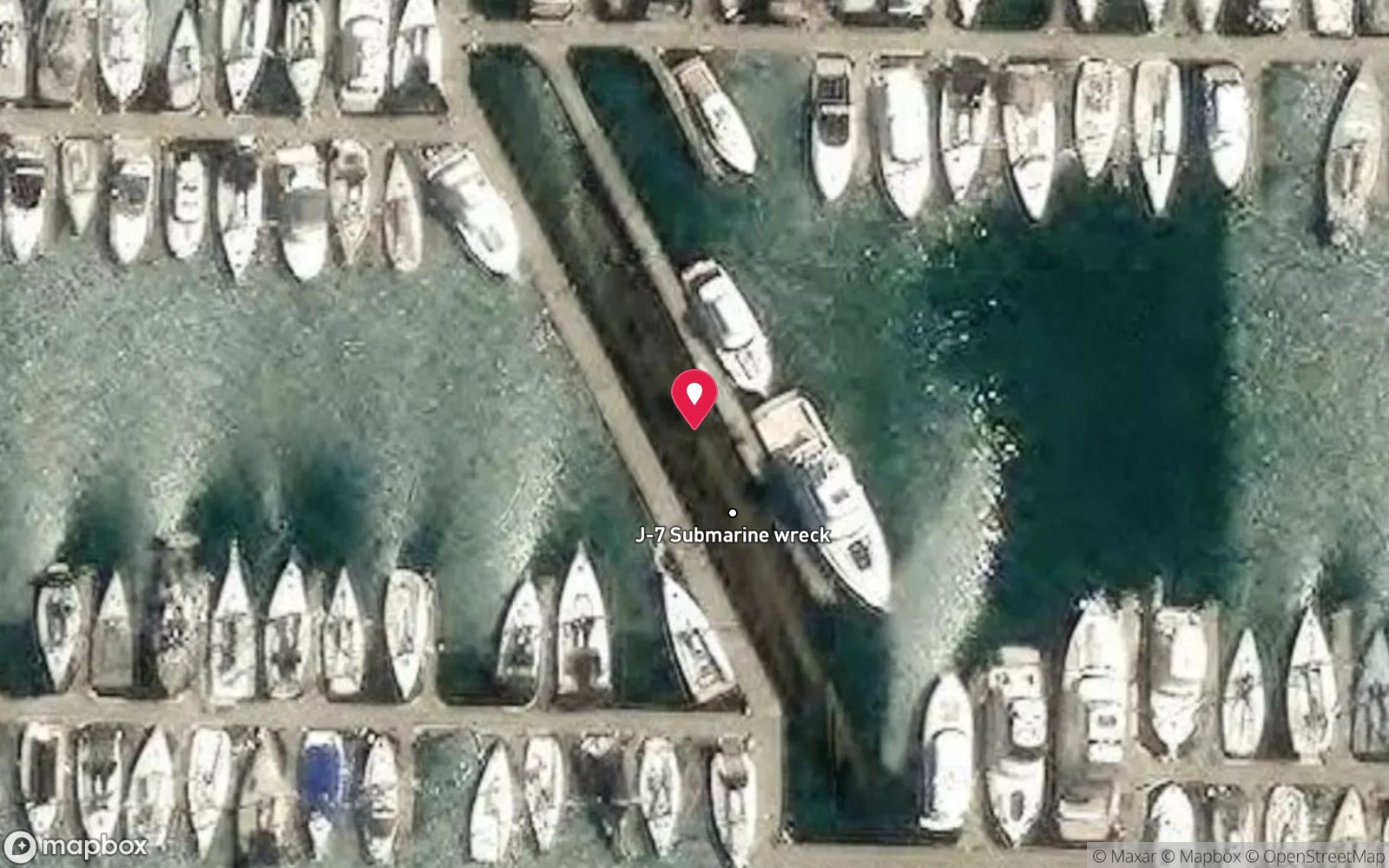
J7 Submarine (Sandringham)
Sunk 1930 · The last J-class submarine in commission, scuttled as a marina breakwater in 1930 and visible from the Sandringham foreshore – a heritage snorkel in 1–2 m.
22. Port Phillip Heads · VIC
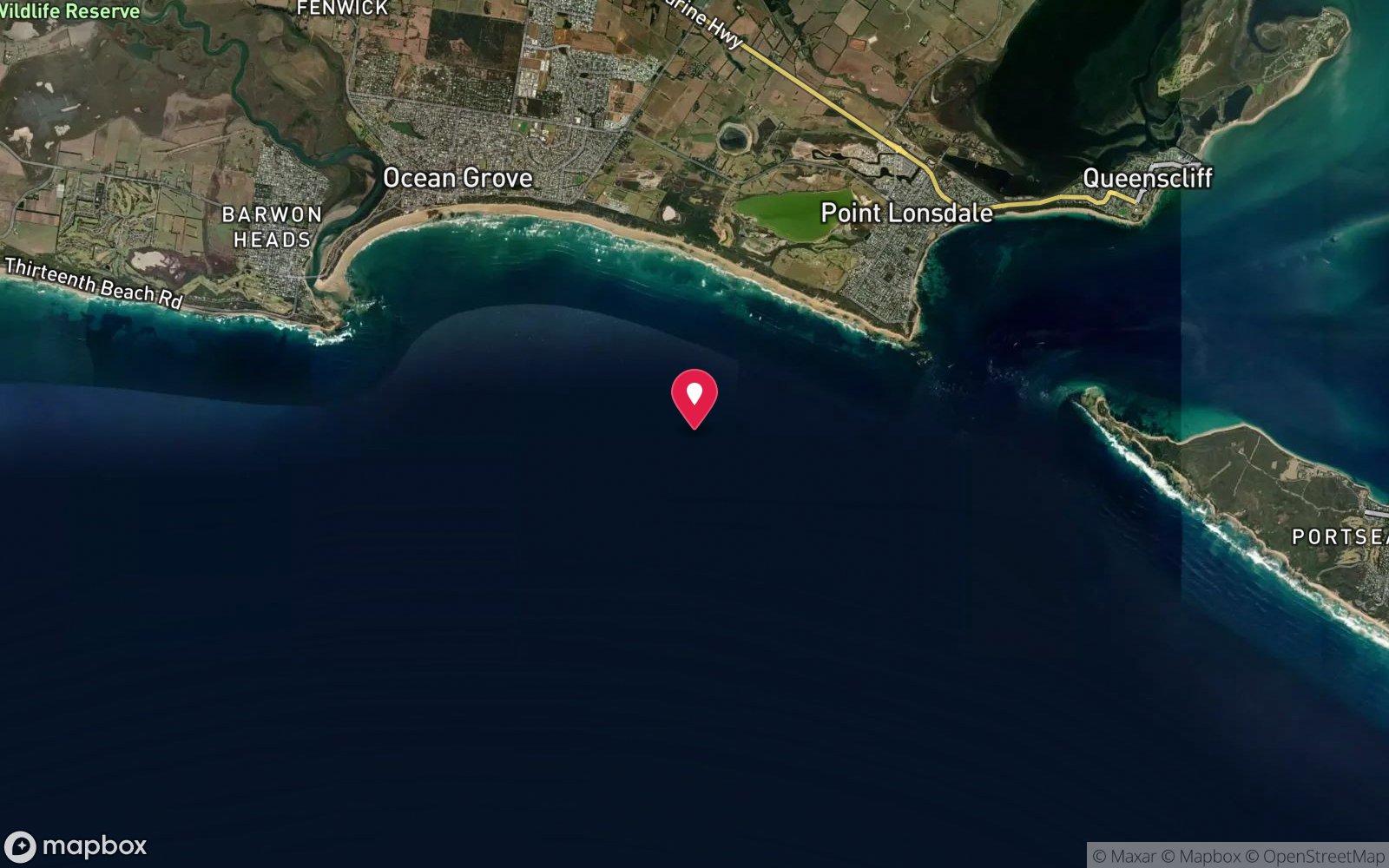
SS Coogee
Sunk 1928 · Photogenic stern with steering quadrant under two decks, twin boilers you can swim between, and a bow on its side with railings intact – all in 28–35 m.
23. Port Phillip Heads · VIC
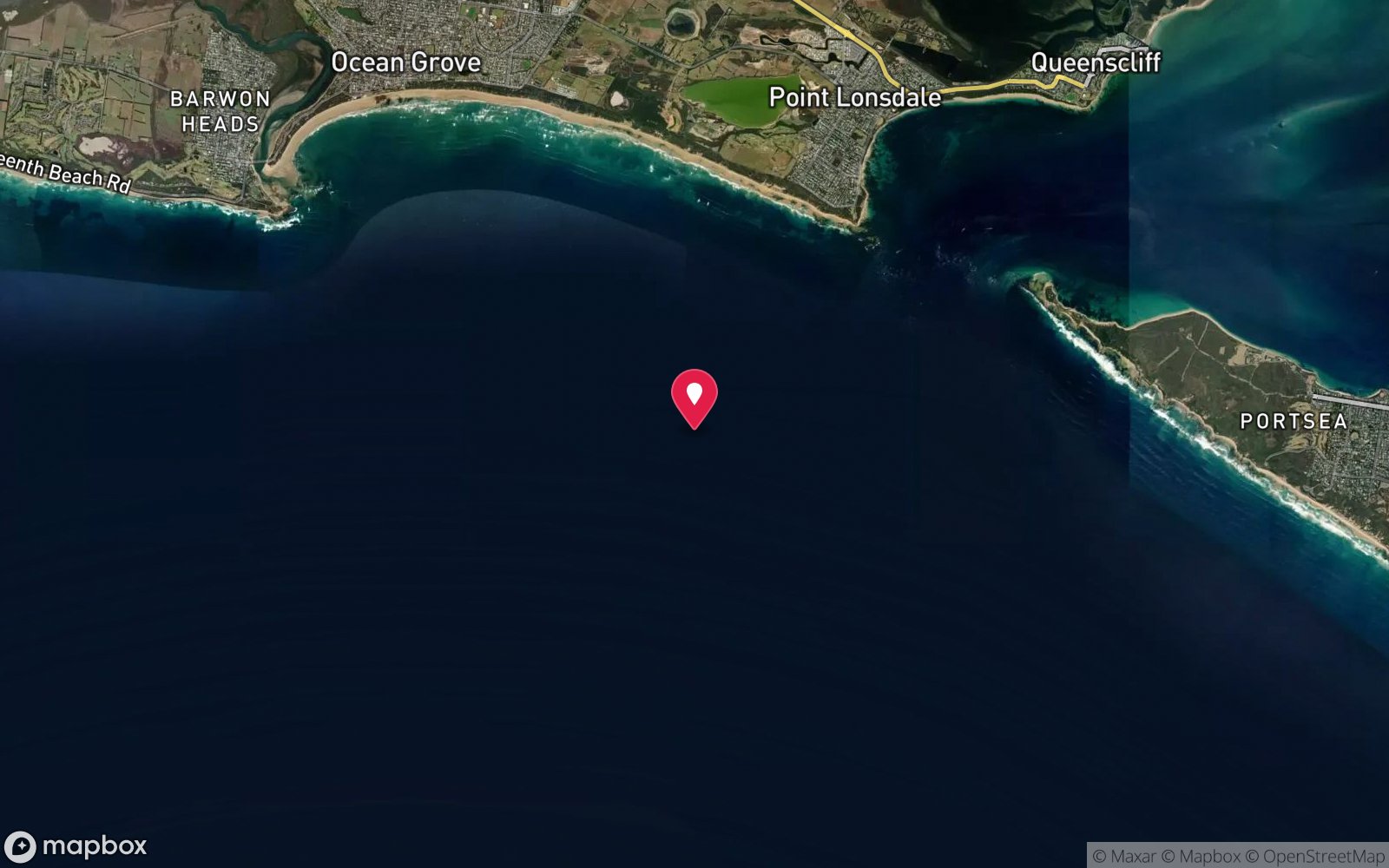
SS Courier
Sunk 1928 · Planked foredeck 7 m proud of the sand and the most colourful sponge growth in the Graveyard; two boilers in line with crayfish beneath.
24. Port Phillip Heads · VIC
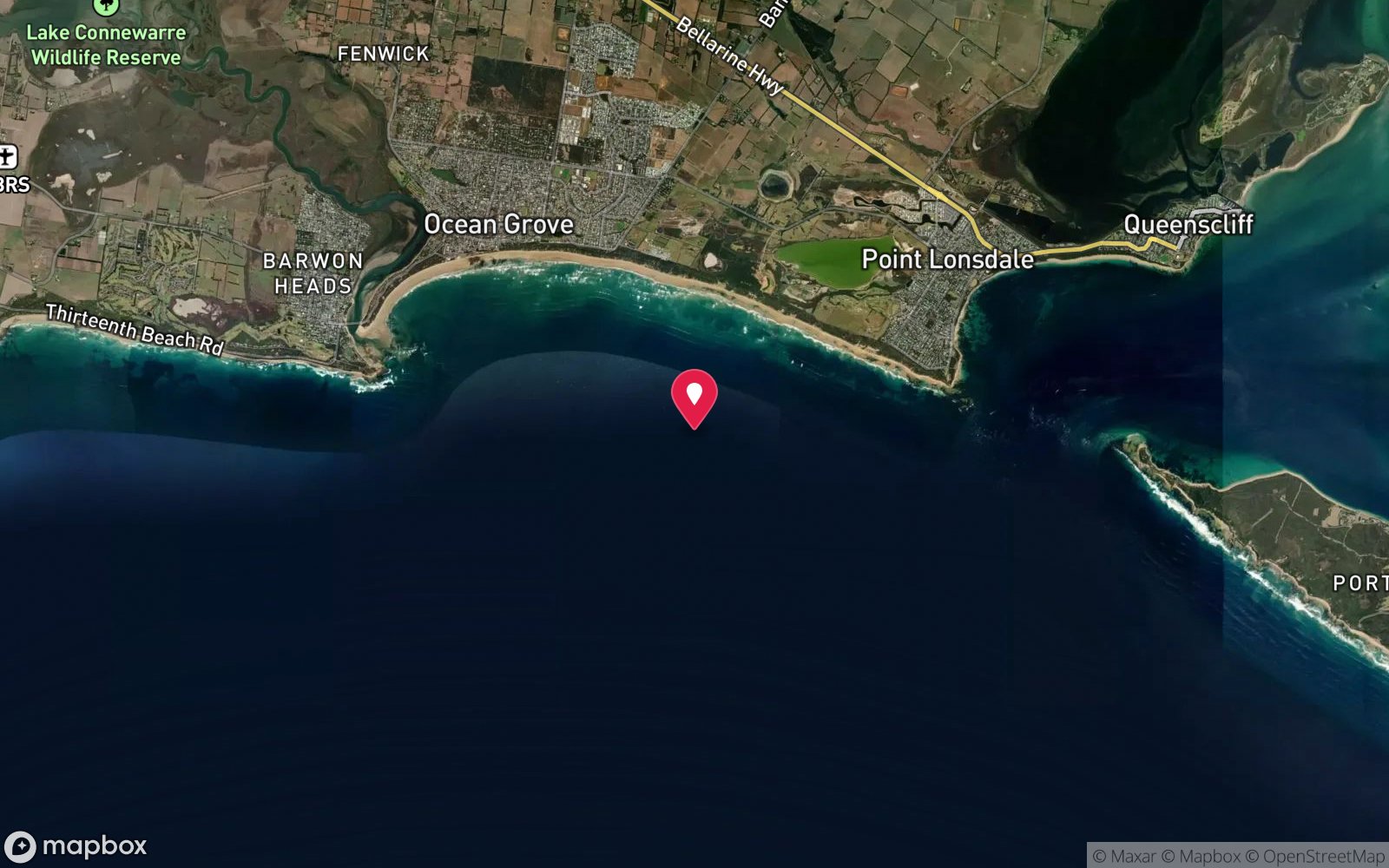
J4 Submarine
Sunk 1927 · The most accessible of Victoria's WWI submarines – intact conning tower, exposed torpedo tubes and open hatches in 19–28 m; a superb photo subject in clear water.
25. Port Phillip Heads · VIC
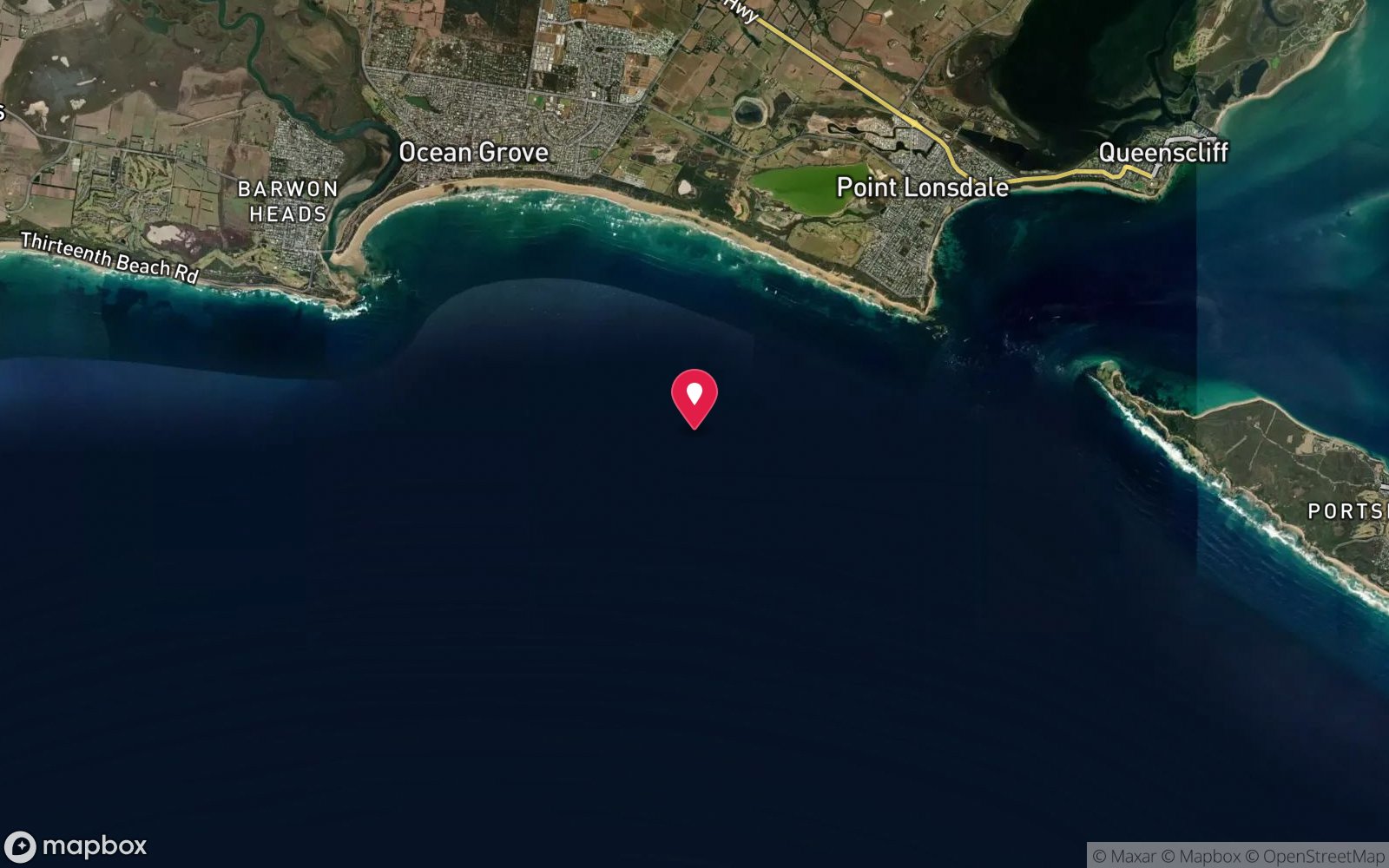
J5 Submarine
Sunk 1926 · A WWI J-class submarine in 36 m in the Ships' Graveyard, the most intact of the four.
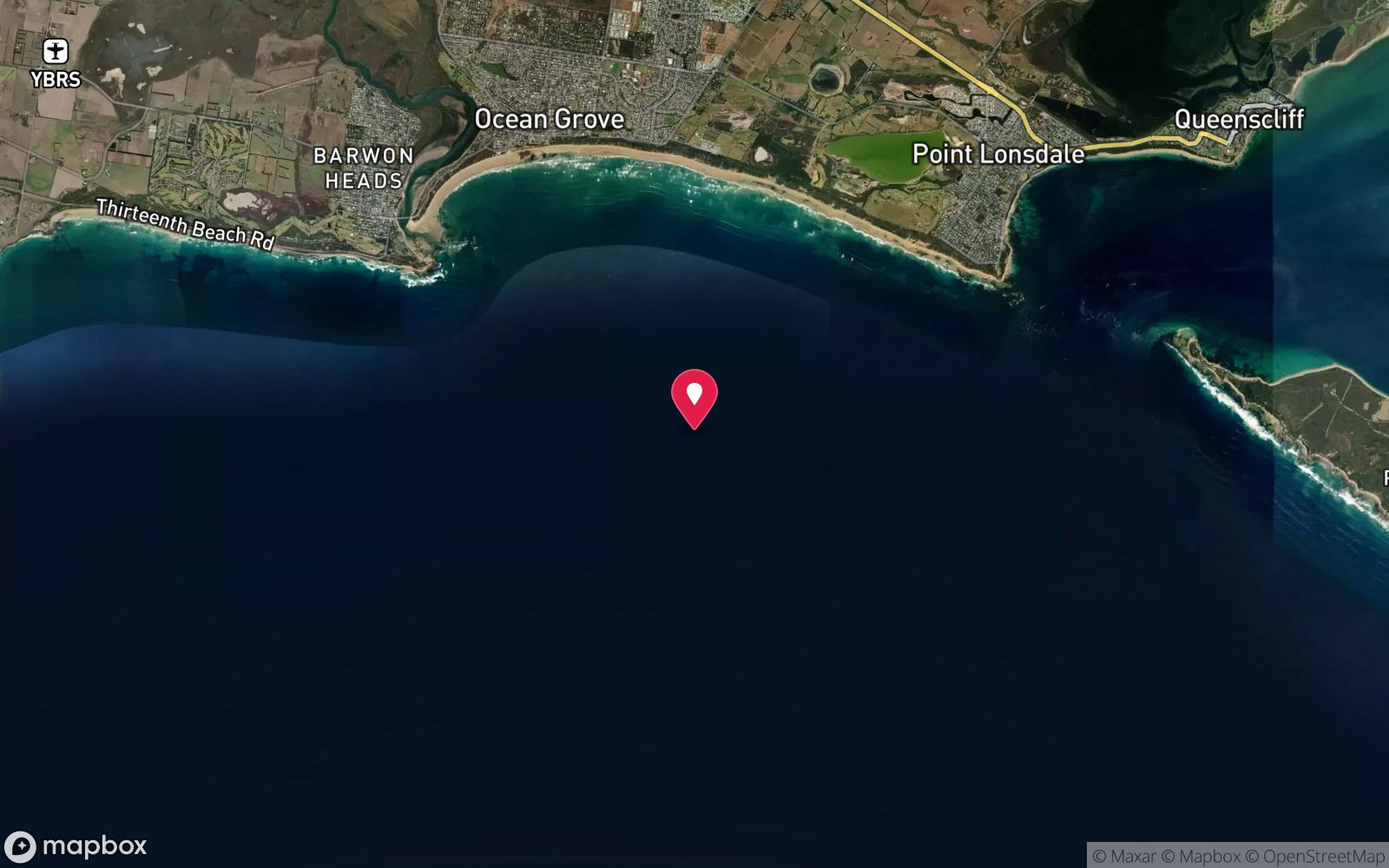
26. Port Phillip Heads · VIC
J1 Submarine
Sunk 1926 · An intact 84 m WWI submarine standing upright in 38 m and blanketed in yellow zoanthids; hatch access into the control room for trained divers.
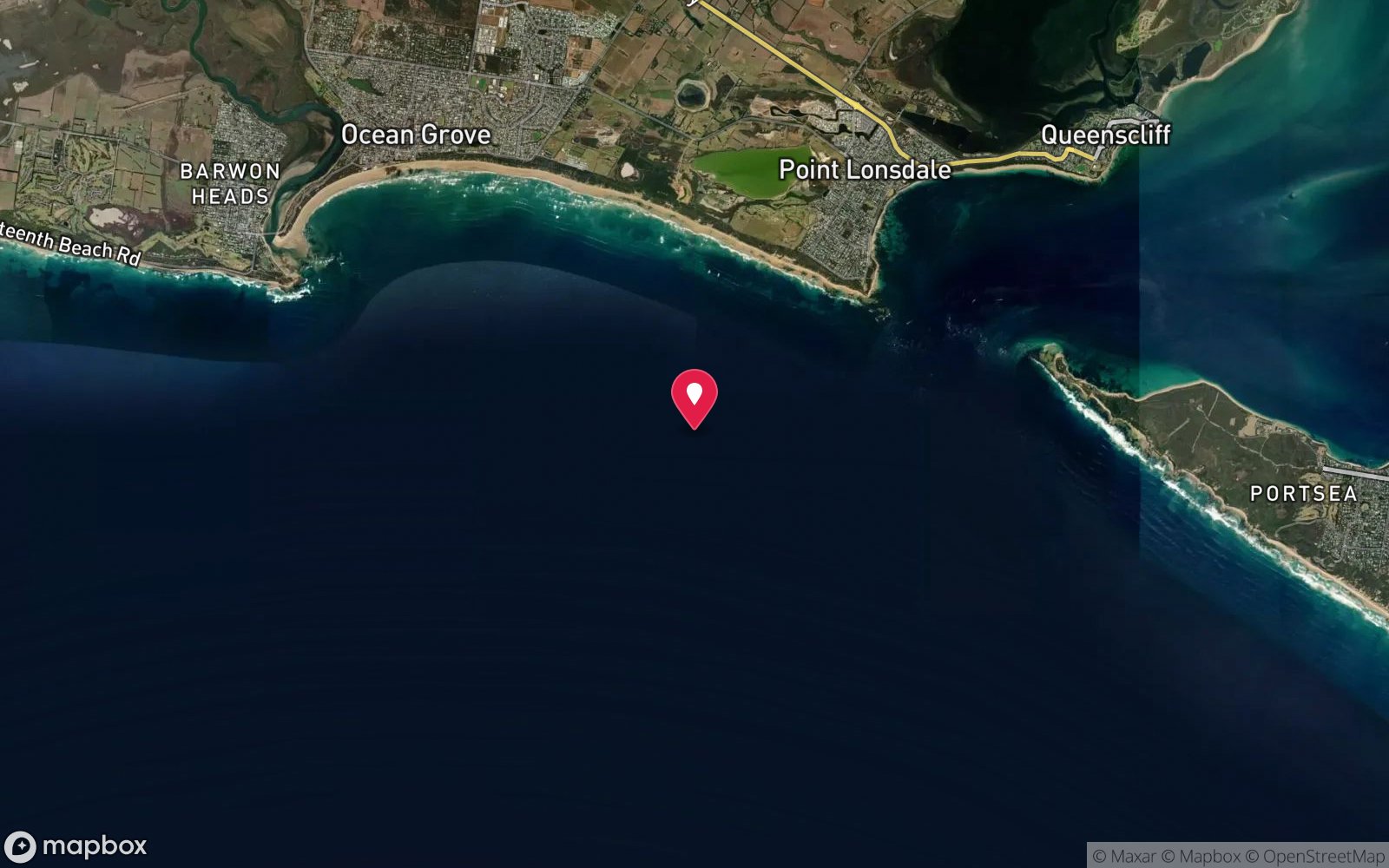
27. Port Phillip Heads · VIC
J2 Submarine
Sunk 1926 · A WWI J-class submarine snapped in two, with the open cross-section of the pressure hull visible at the break; rarely crowded.
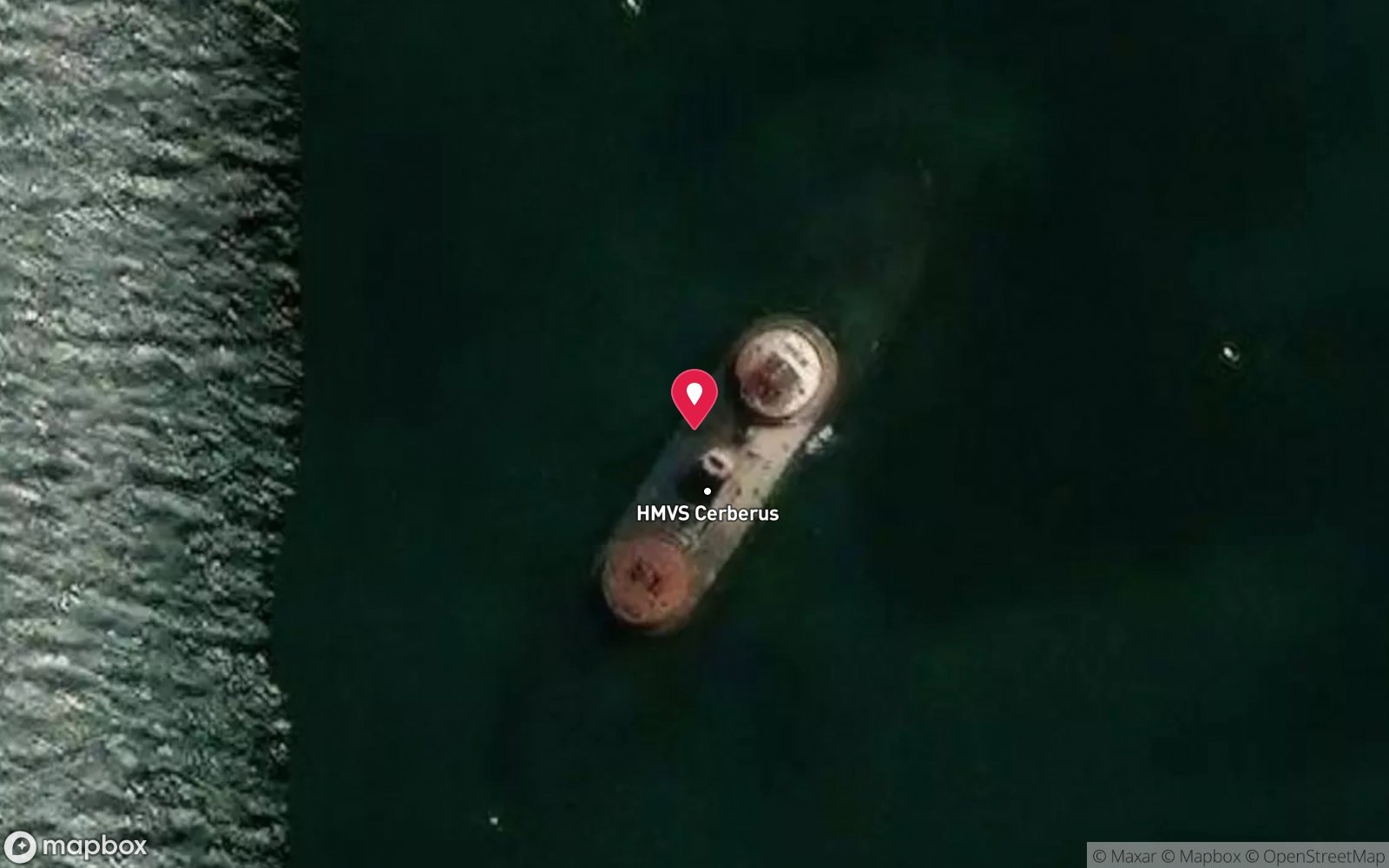
28. Melbourne & Port Phillip Bay · VIC
HMVS Cerberus
Sunk 1926 · The world's first breastwork monitor and only survivor of the type, scuttled as a breakwater in 1926 – now collapsed, protected and viewed from Half Moon Bay beach.
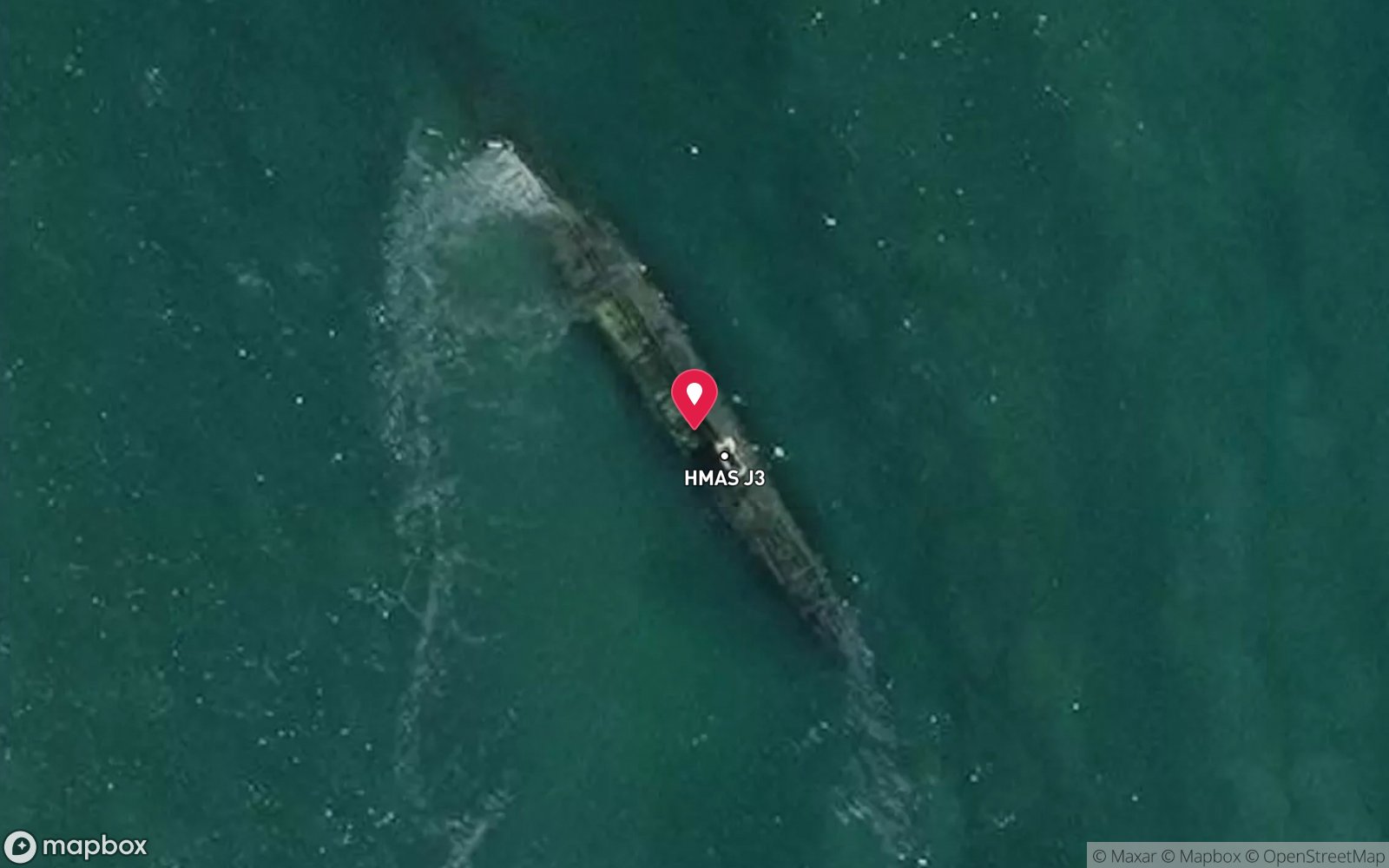
29. Melbourne & Port Phillip Bay · VIC
J3 Submarine (Swan Island)
Sunk 1926 · The most complete J-class submarine in Victoria, upright with its deck above water 100 m off Swan Island and resting on the hulk S. F. Hersey – but inside a Defence prohibited area and effectively off-limits.
30. Cocos (Keeling) Islands · External Territory
SMS Emden wreck site
Sunk 1914 · Propellers, shafts, engine parts and shells of the WWI raider SMS Emden, beached after the 1914 Battle of Cocos – one of the most historic and least-visited wreck sites in Australia.
31. Far Northern Reef & Torres Strait · QLD
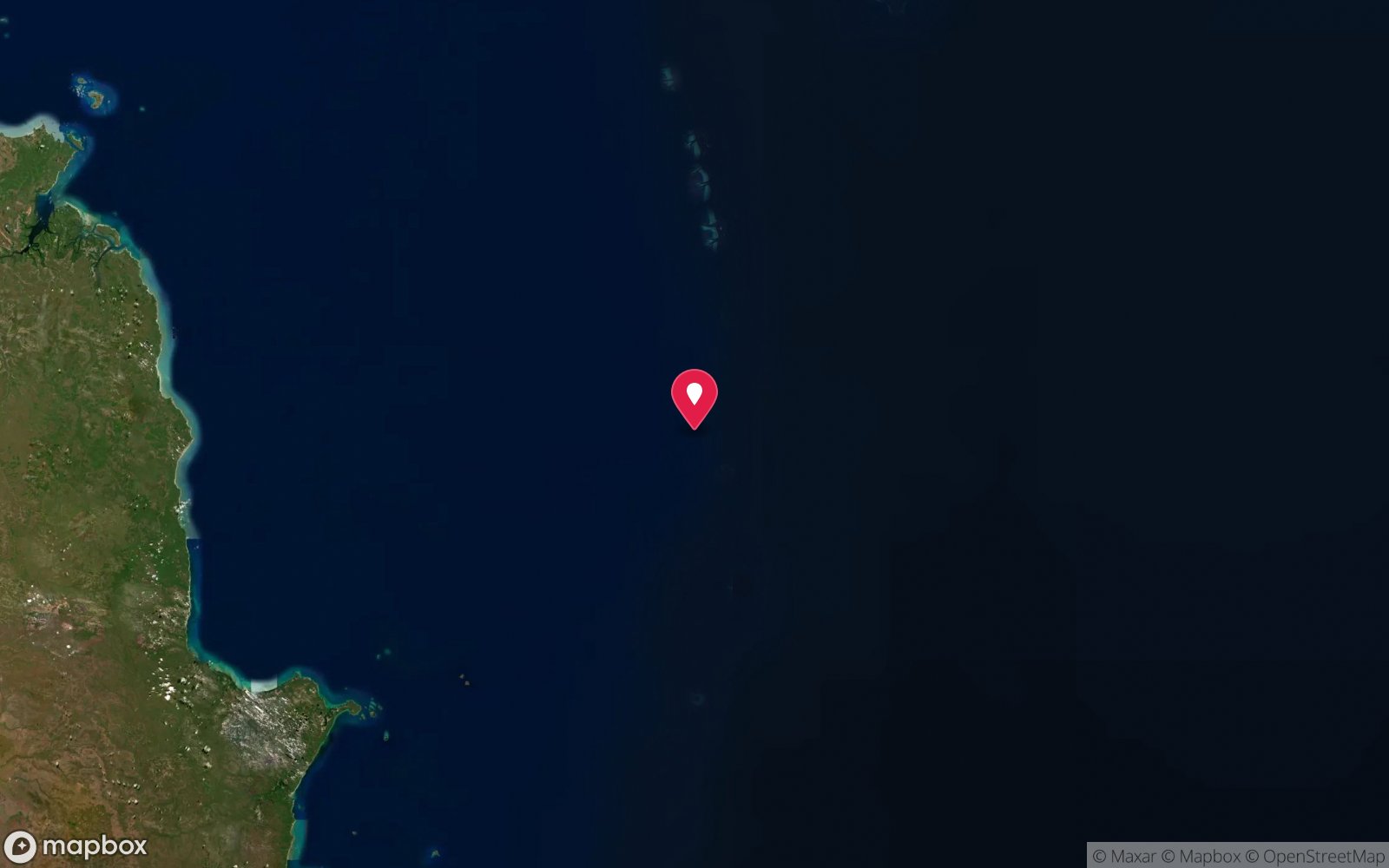
HMS Pandora wreck
Sunk 1791 · The 1791 wreck of the Bounty-hunting frigate HMS Pandora – a permit-only historic shipwreck at 30–33 m.
32. Norfolk Island · External Territory
HMS Sirius wreck site
Sunk 1790 · The remains of the First Fleet flagship, lost off Slaughter Bay in 1790 – Australia's most significant colonial shipwreck.
The guide
The Australian scuttling program
Between 1997 and 2018 Australia sank seven major warships as dive sites: the Swan (1997, WA), Perth (2001, WA), Hobart (2002, SA), Brisbane (2005, QLD), Canberra (2009, VIC), Adelaide (2011, NSW) and Tobruk (2018, QLD). Every state except Tasmania and the Territory has one, and each was cleaned of fuel, oils, wiring and hazards, cut with access holes and sunk upright (or, in the Tobruk's case, not quite) in 28 to 35 m so that the superstructure is within Open Water depth and the decks within Advanced.
Older scuttlings and losses fill out the list: the Doomba, a WWI minesweeper that became a Sydney oil barge; the Goolgwai; the Bayonet; and the Plym, the frigate vaporised in Britain's first atomic test at the Montebello Islands in 1952, of which only scattered pieces remain.
Which one to dive first
For a first wreck dive: the Tobruk's upper hull or the Hobart's marked trail. Both are shallow enough for Open Water divers with a guide and have clear, easy routes. For penetration on a recreational certification: the Adelaide, which has the most prepared interior, or the Brisbane. For big fish life: the Brisbane and the Swan, both of which have had decades to grow. For a cold-water wreck with spectacular visibility: the Perth at Albany. For a challenge: the Canberra on the turn of the tide at the Heads.
All of the prepared wrecks are run by local operators on moorings, most with a permit or fee system that funds the mooring maintenance. Several close in winter swell or, for the Canberra and Brisbane, after storms while the site is inspected. Check the operator page linked from each site.
Penetration is still penetration
A prepared wreck has cut openings, natural light and cleared passages, which is why recreational divers can go inside. It does not remove silt, sharp edges, entanglement or the possibility of getting turned around in a compartment with three exits. Follow the guide's route, stay in the light zone, keep a hand's reach from an exit, and take the wreck specialty course before going anywhere the guide would not take a group.
Editorial last reviewed September 2026. The list itself is regenerated from the directory daily.
Frequently asked questions
Which scuttled warship is the best dive?
The ex-HMAS Brisbane off Mooloolaba is the most complete and accessible; the Canberra and Adelaide are dived daily in season; the Swan is the calmest; the Perth and Hobart suit divers who want cold clear water and fewer people.
More rankings
- The 25 Deepest Dive Sites in Australia
- Australia's Most Remote Dive Sites
- The Longest Boat Rides to a Day Dive
- The Warmest Dive Sites in Australia
- The Coldest Dive Sites in Australia
- Australia's Clearest-Water Dive Sites
- The Most Biodiverse Dive Sites in Australia
- The Oldest Shipwrecks You Can Dive in Australia
- All rankings →