Dive slate · divesites.com.au · printed 9 Nov 2026
HMCS Protector Wreck (Heron Island)
Heron Island & Capricorn Group, Queensland · near Heron Island (via Gladstone)
| Depth | 0–4 m |
|---|---|
| Minimum level | Snorkel/Any |
| Difficulty | Beginner |
| Access | Shore |
| Entry | Beach entry from Heron Island near the harbour; snorkel at high tide (look from outside the wreck only) |
| Current | Variable/Tidal |
| Visibility | 10-25 m |
| Water | summer 25-28 °C, winter 20-22 °C |
| Suit | 3 mm full suit in summer; 5 mm full suit (hood optional) June-September |
| Best season | Year-round; June-October for the best visibility (often 20 m+), manta activity and humpback whales; November-March for turtle nesting (hatchlings January-May) and coral spawning |
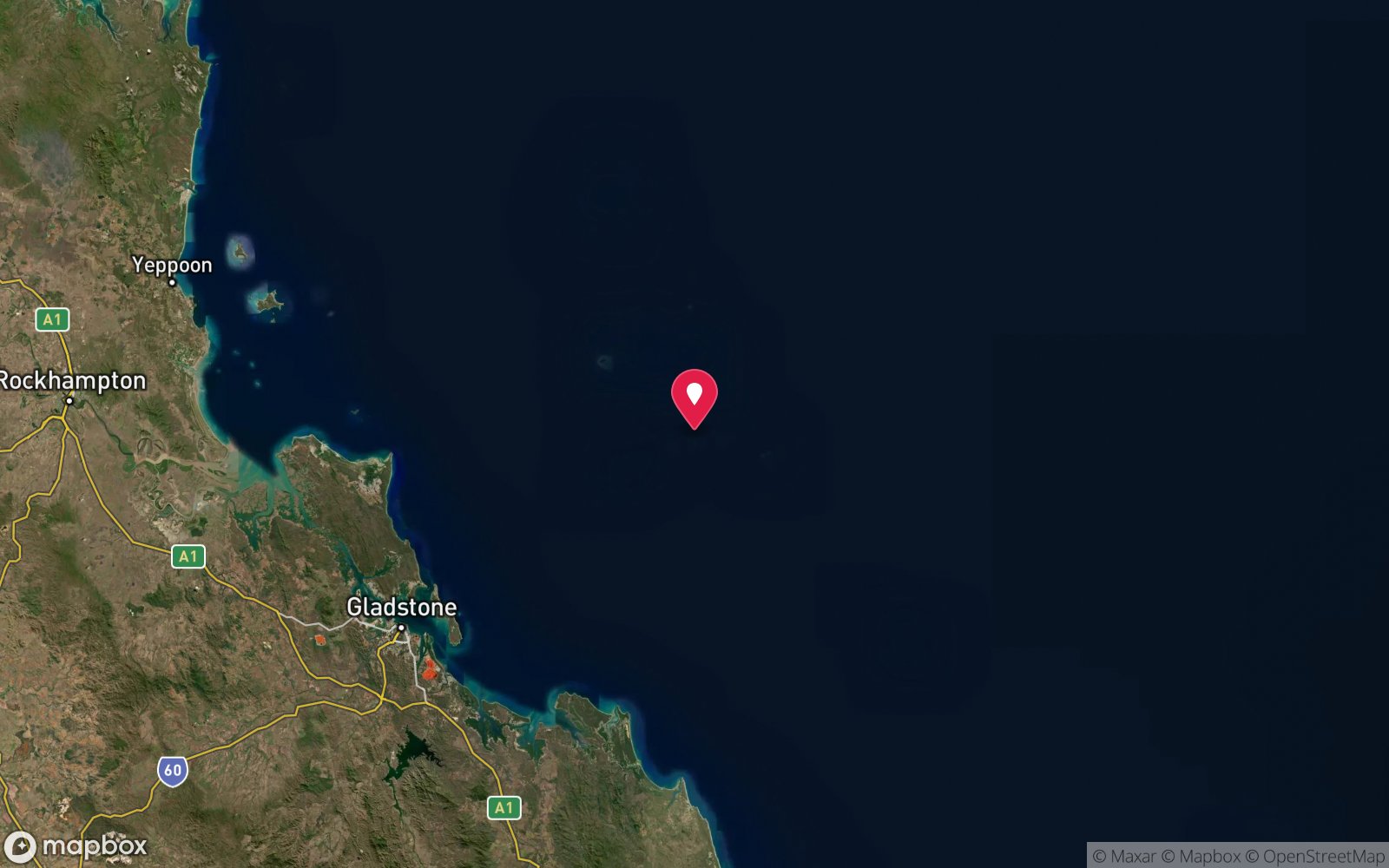
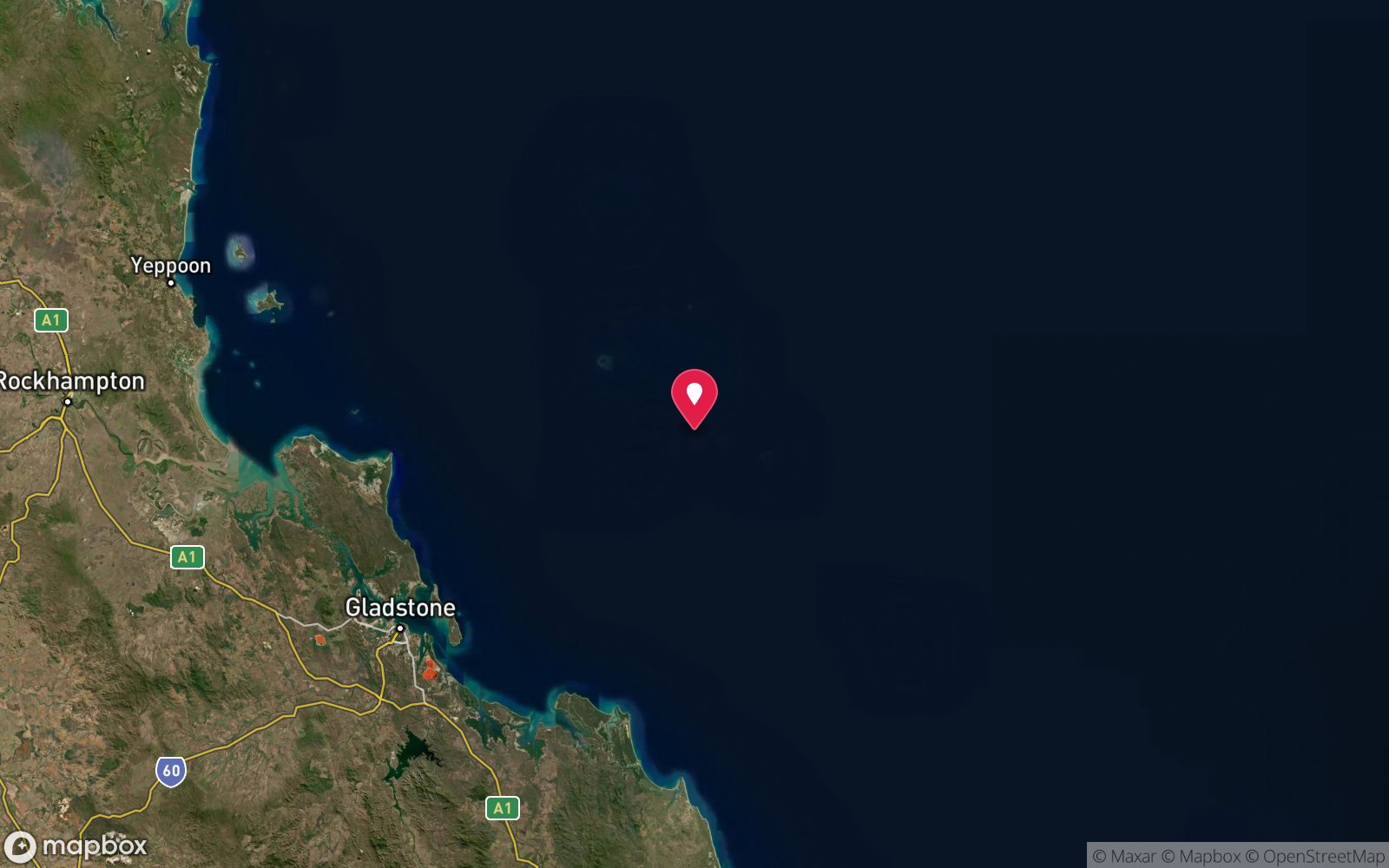
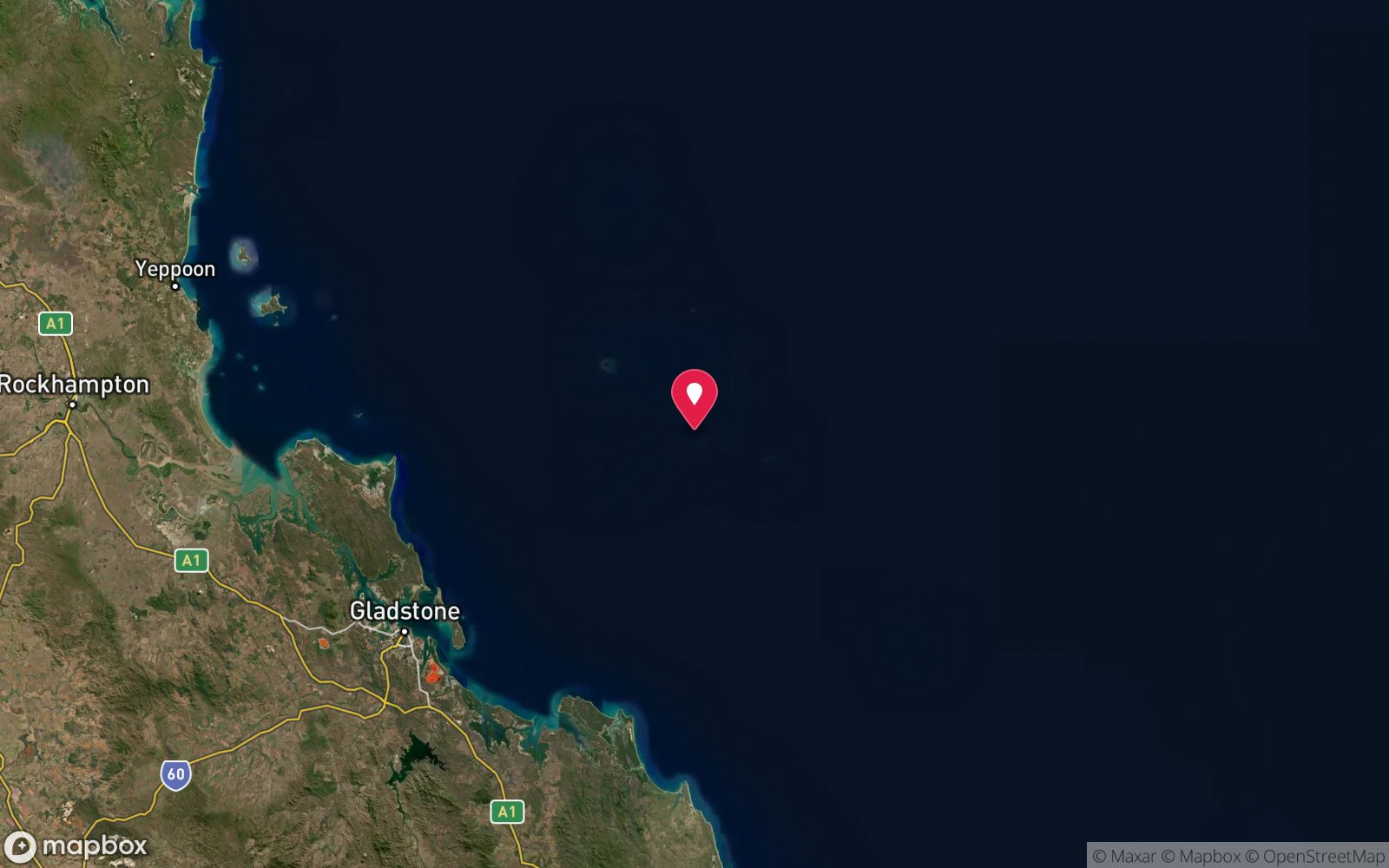
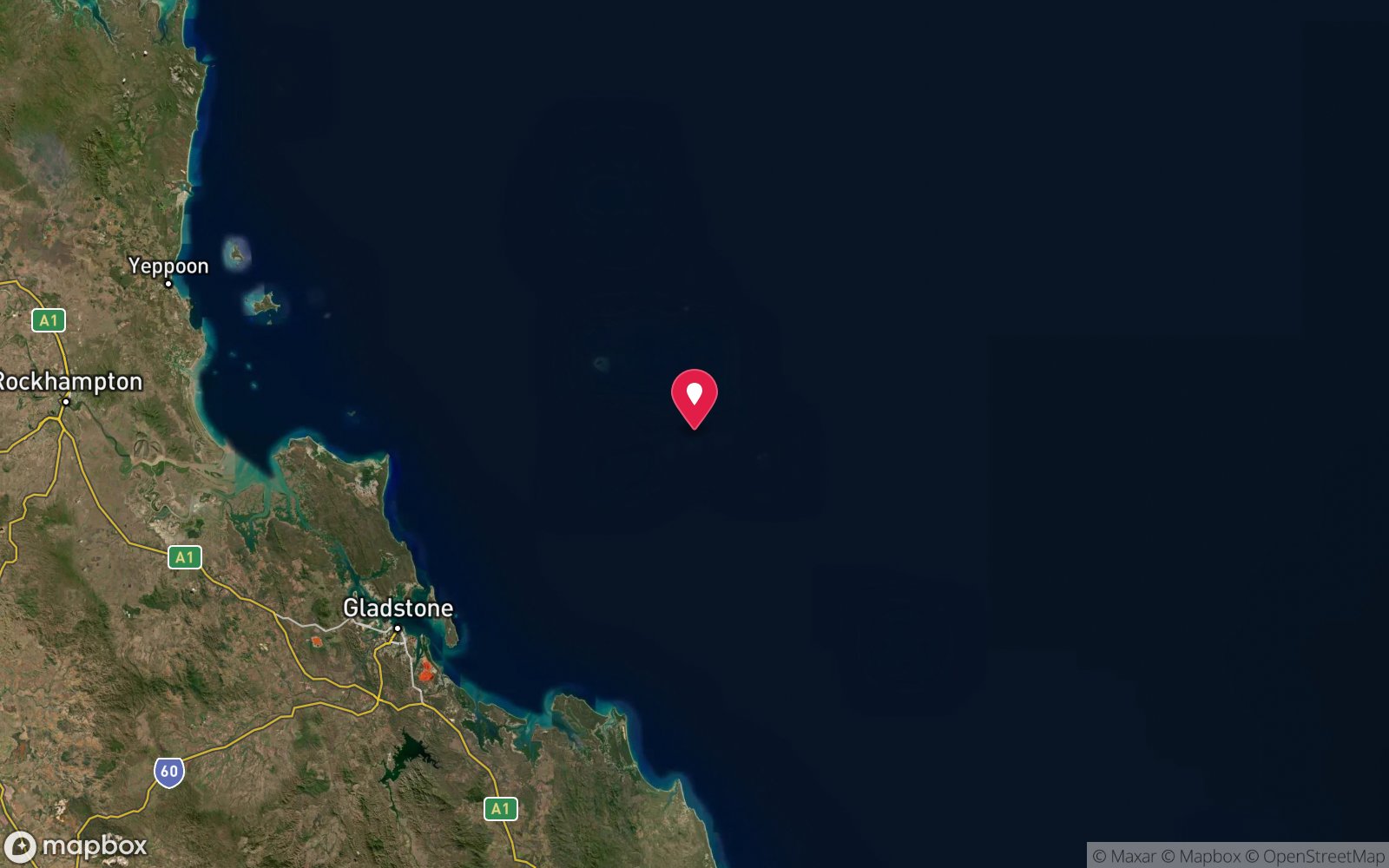
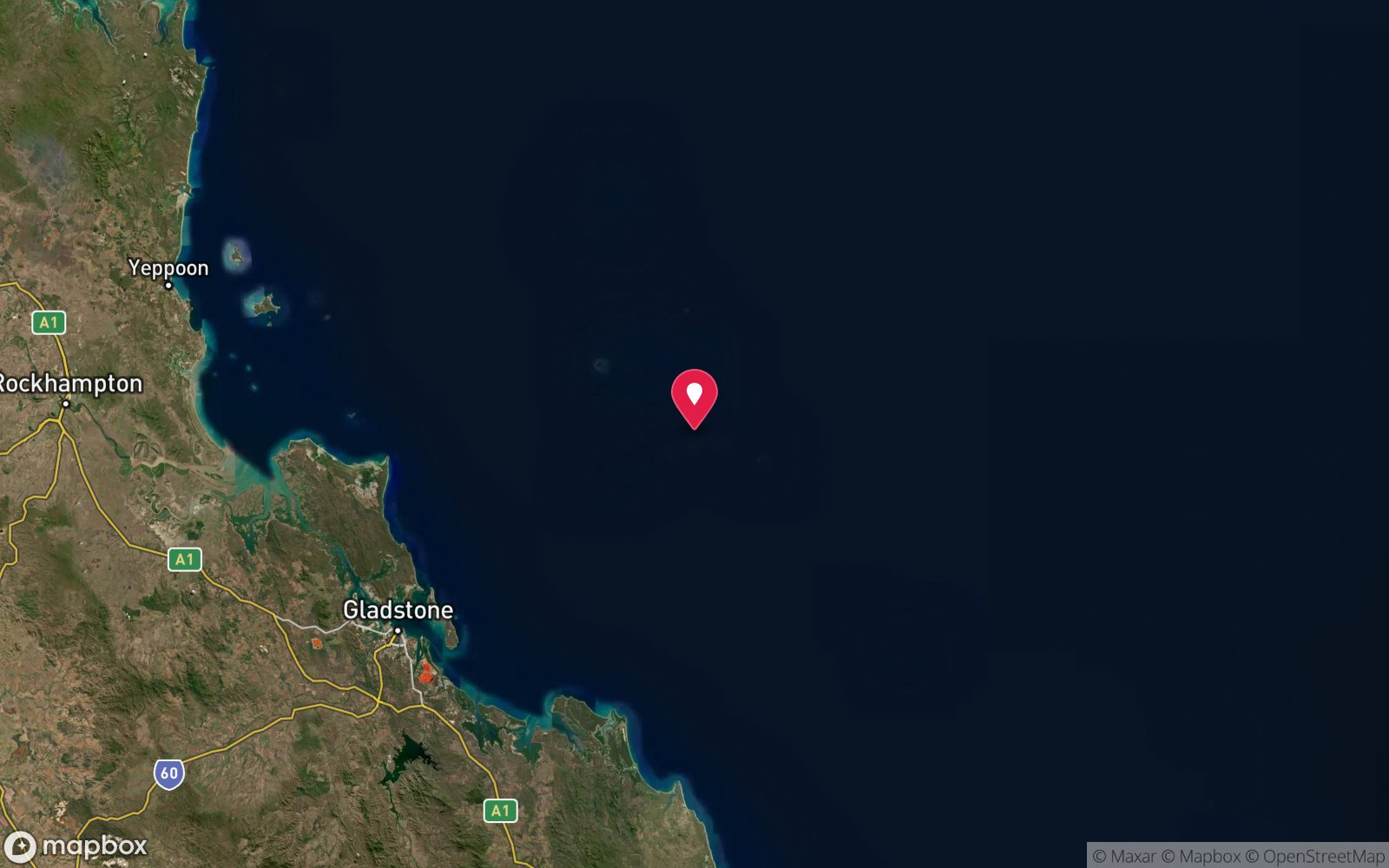
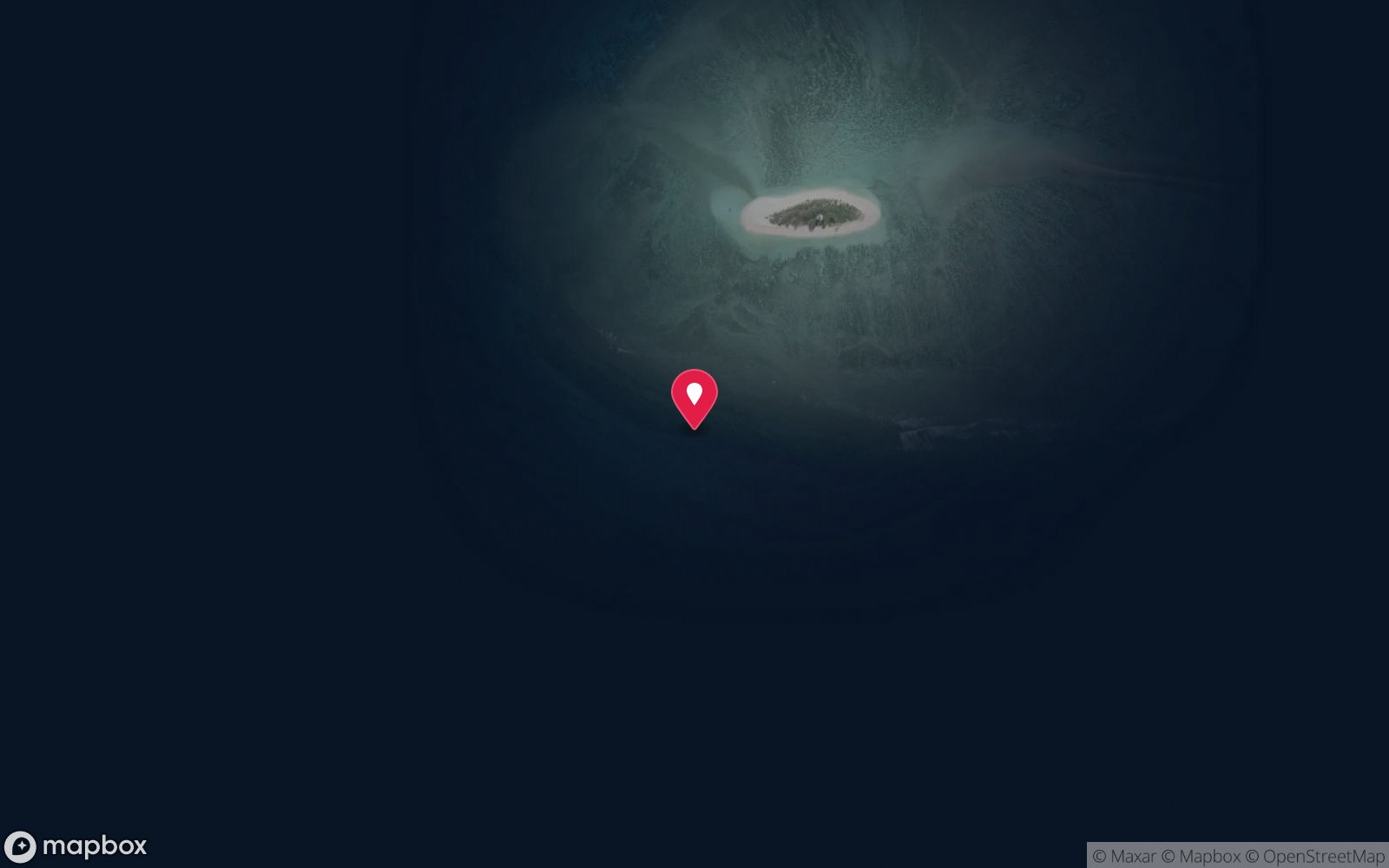
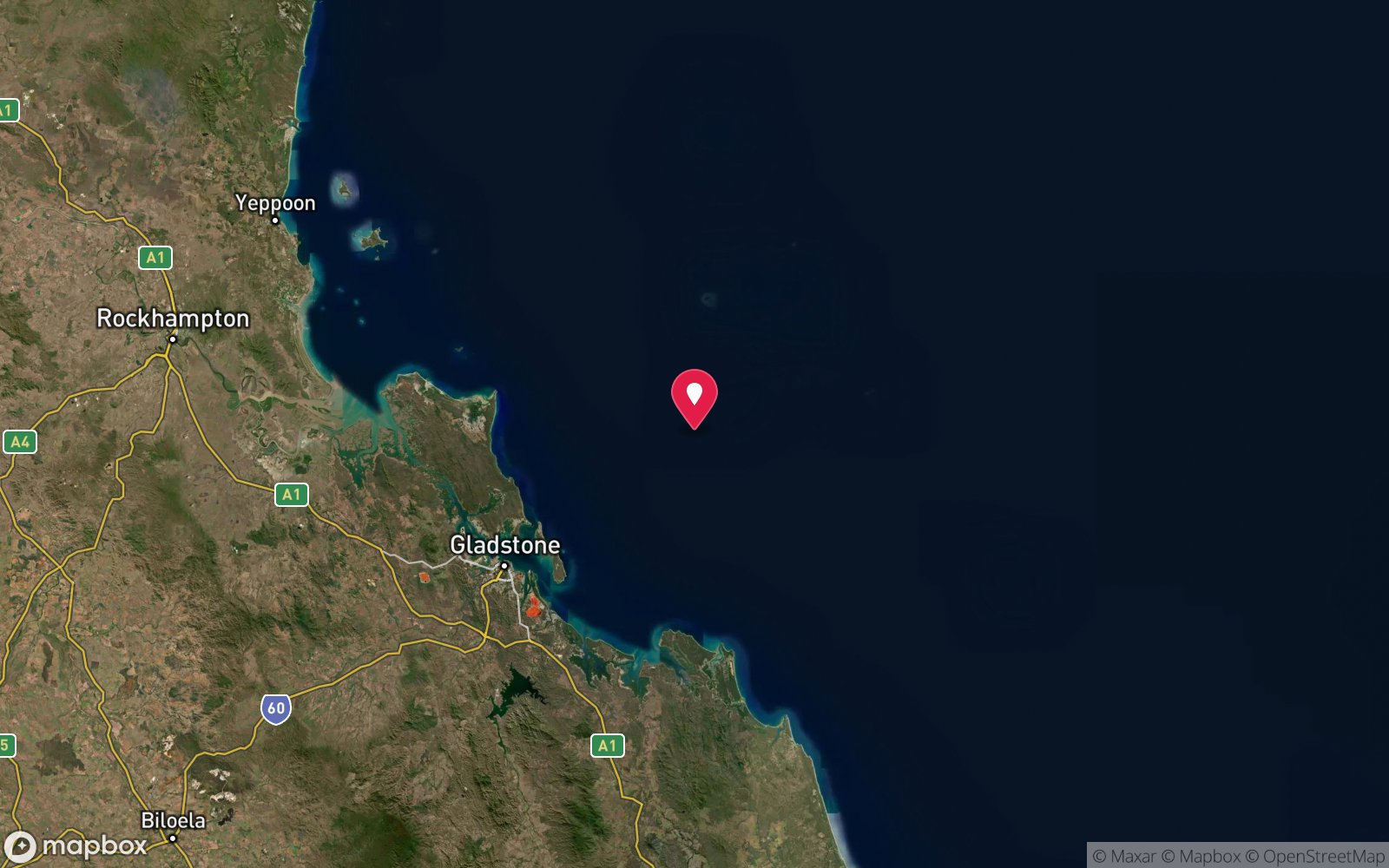
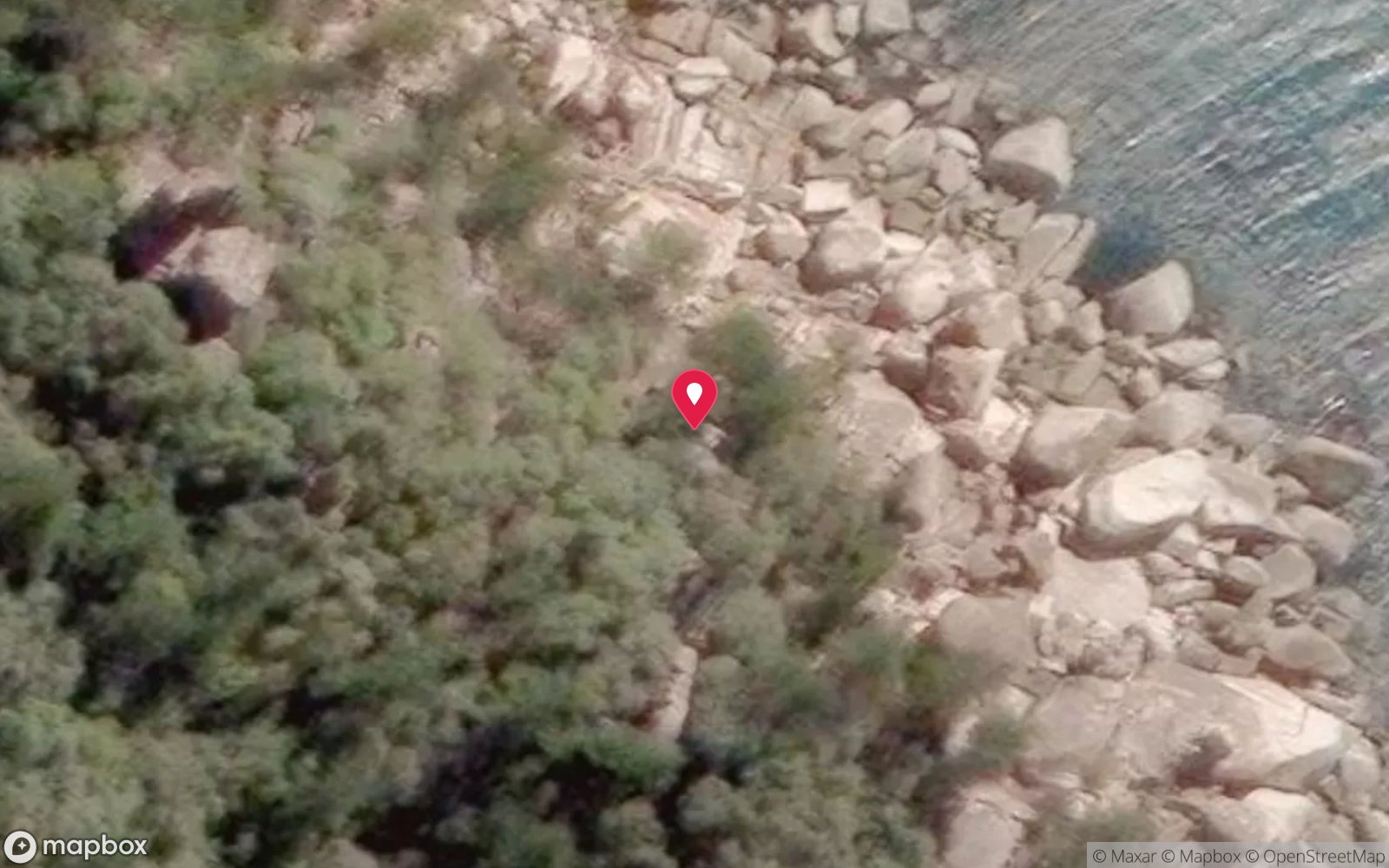
| Position | -23.44200, 151.91100 (approximate) |
| Permit | Great Barrier Reef Marine Park – Heron Reef Marine National Park (Green) Zone; historic wreck, do not remove anything |
| Nearest chamber | Royal Brisbane and Women's Hospital (Brisbane) – nearest; Townsville University Hospital is the alternative. Evacuation by helicopter via Gladstone |
| Emergency | 000 · DAN Asia-Pacific diving emergency 1800 088 200 |
HMCS Protector Wreck (Heron Island)
Also known as HMAS Protector, Heron Island wreck, Heron Island harbour wreck
An 1884 colonial gunboat with Boxer Rebellion and WWI service, now a harbour breakwater and fish haven snorkelled at high tide.
Near Heron Island (via Gladstone) · Heron Island & Capricorn Group, Queensland
- Depth
- 0–4 m
- Minimum level
- Snorkel/Any
- Access
- Shore
- Boat ride
- Shore entry
- Water
- 25-28 °C
- Visibility
- 10-25 m
HMCS Protector Wreck (Heron Island)0–4 m · Snorkel/Any · Shore
Dive factsDepths, conditions, location & safety
Season
In season nowBest months: year-round.
Year-round; June-October for the best visibility (often 20 m+), manta activity and humpback whales; November-March for turtle nesting (hatchlings January-May) and coral spawning
- Best months
- Now (November)
- Stinger suit Nov–May
Dive facts
- Depth
- 0–4 m
- Typical depth
- 2 m
- Certification
- Snorkel/Any
- Difficulty
- Beginner
- Depth tier
- Easy (0–10 m)
- Access
- Shore
- Offshore
- 72 km
- Dive centre needed
- No – independently diveable
- Shore / independent
- Yes
- Current
- Variable/Tidal
- Visibility
- 10-25 m
- Water temp (summer)
- 25-28 °C
- Water temp (winter)
- 20-22 °C
- Water
- Tropical
- Dive traffic
- Very popular (dived daily)
- Night dive
- No
- Snorkel friendly
- Yes
Exposure suit
3 mm full suit in summer; 5 mm full suit (hood optional) June-September
Location
Heron Reef · Southern GBR – Heron Island & Capricorn Group
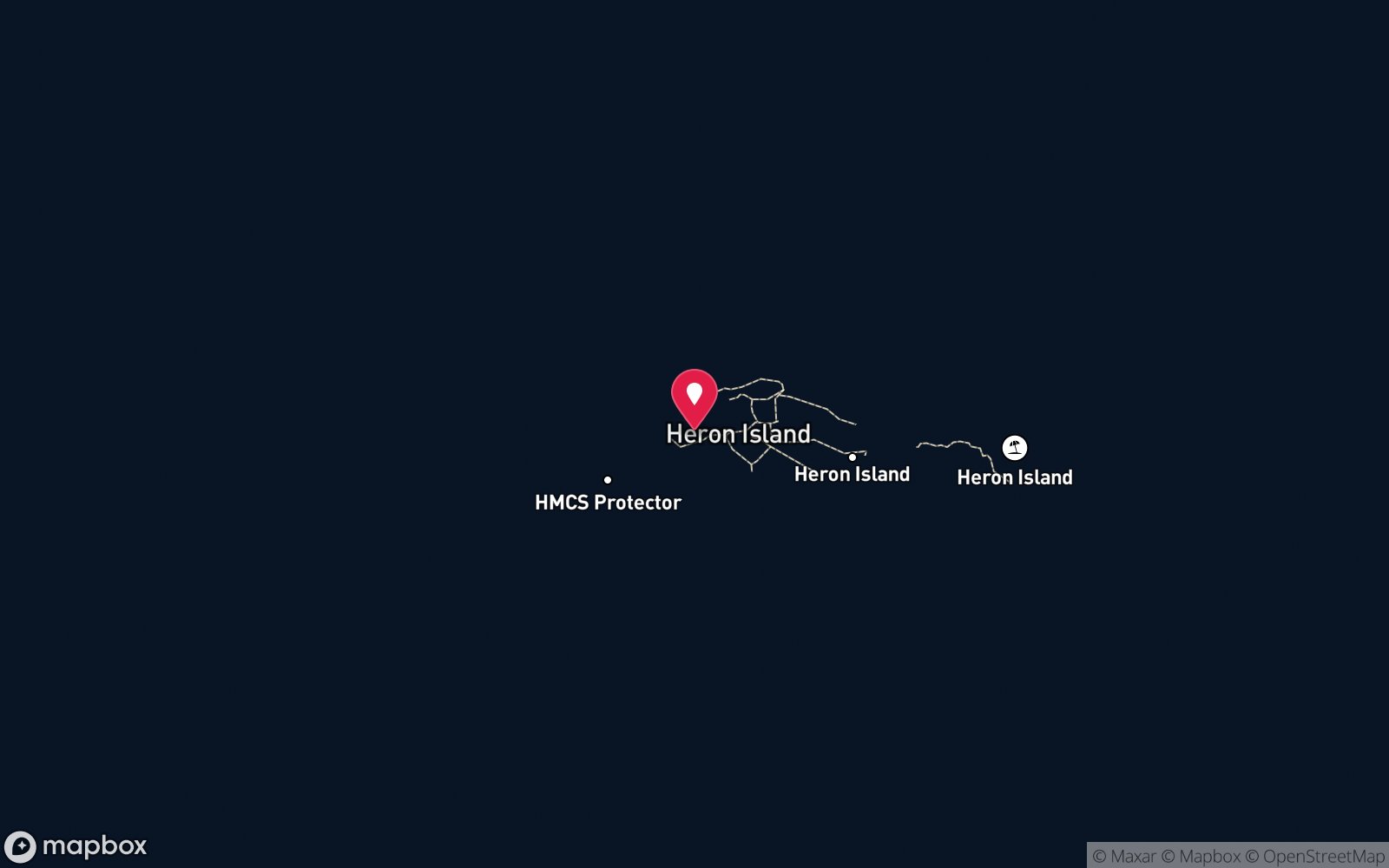
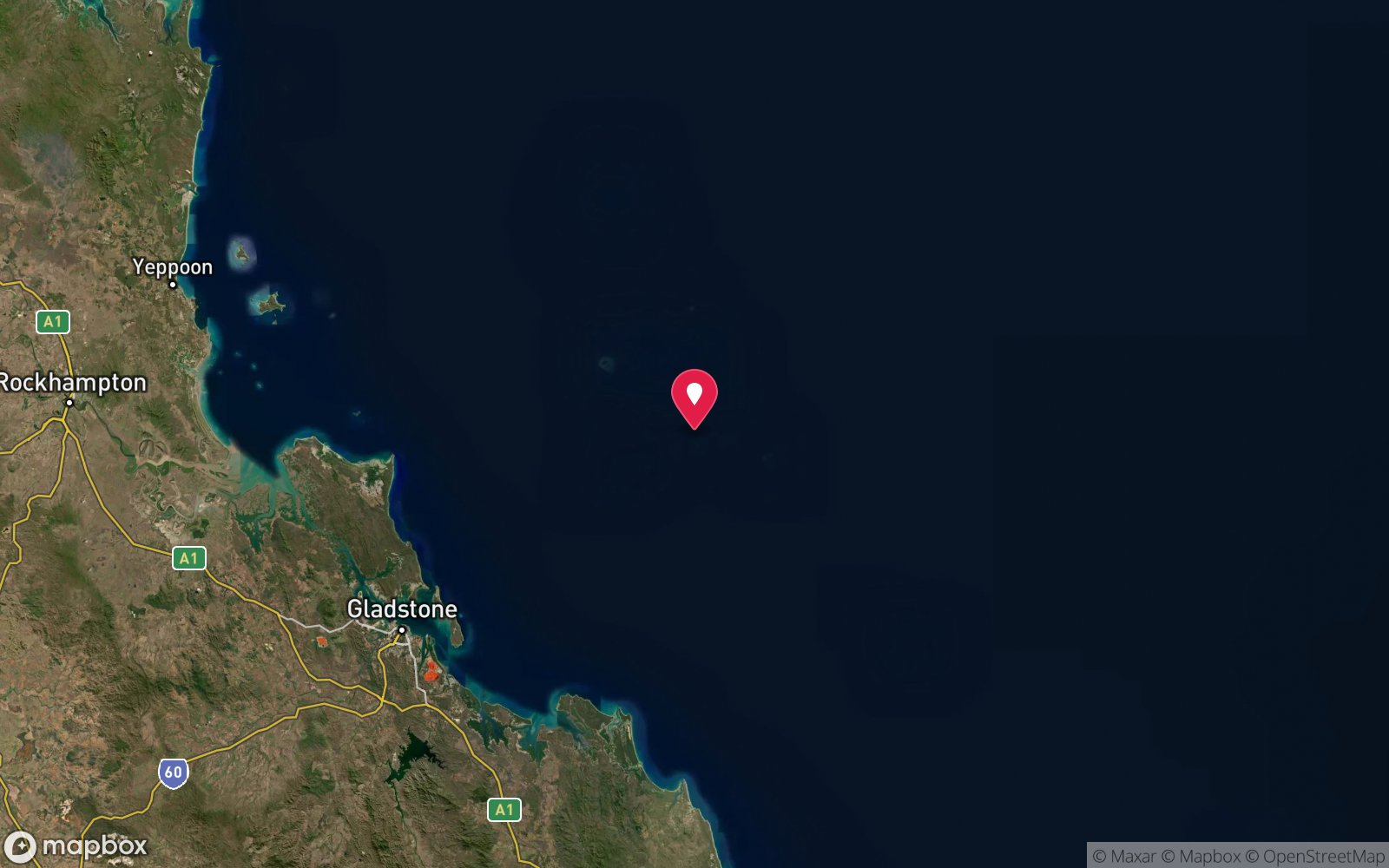
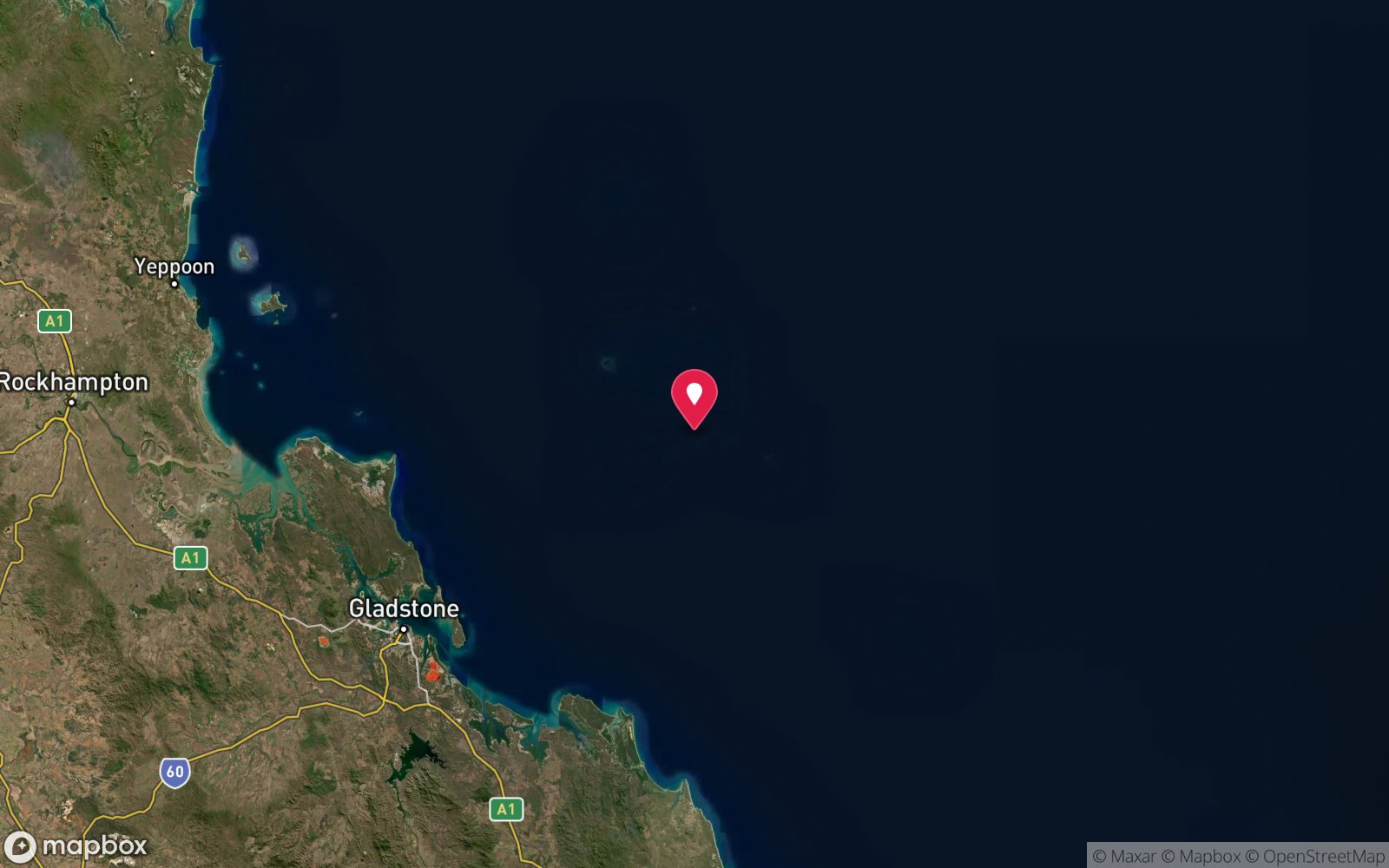
-23.44200, 151.91100
Approximate position — not for navigation.
Open in Google MapsPrimary source: abc.net.auMarine park & permits
Great Barrier Reef Marine Park – Heron Reef Marine National Park (Green) Zone; historic wreck, do not remove anything
Nearest recompression chamber
Royal Brisbane and Women's Hospital (Brisbane) – nearest; Townsville University Hospital is the alternative. Evacuation by helicopter via Gladstone
Diving emergency: call 000, then DAN AP 1800 088 200.
Trip planner
Build a trip around HMCS Protector Wreck (Heron Island) →
A day-by-day plan for Heron Island & Capricorn Group with this site locked in.
This guide is a planning aid. Conditions change daily — confirm with a local dive centre and dive within your training. Data & safety notes.
Dive profile
How this site rates
Scores are computed from the recorded data, not opinions. How?
At a glance
HMCS Protector Wreck (Heron Island) is a wreck shore dive you can do independently in Heron Island & Capricorn Group, QLD, 0–4 m, suitable for snorkellers and first-time divers, variable/tidal current.
Rated beginner: sheltered, shallow and manageable for a newly certified diver on a normal day, though note tidal current that must be timed and boat traffic overhead.
Why dive here
- An 1884 colonial gunboat with Boxer Rebellion and WWI service, now a harbour breakwater and fish haven snorkelled at high tide.
- Sunk in 1943; protected as underwater cultural heritage, so look but do not touch.
- Snorkel-friendly, so non-diving companions can join at the surface.
- Visibility often reaches 10-25 m.
Conditions to avoid
- Strong southerly or south-east swell and wind
- Any time other than slack water
- Cyclone season (roughly December–April)
- Stinger season without a full suit (November–May)
- Spring plankton blooms
About HMCS Protector Wreck (Heron Island)
The rusting hull at the entrance to Heron Island's harbour is one of the most historic vessels in Australian naval history. HMCS Protector was built by Armstrong, Mitchell & Co at Newcastle upon Tyne and launched in 1884 for the colony of South Australia. She was a 920-ton, 180 ft (about 55 m) flat-iron gunboat, and served in the Boxer Rebellion in China in 1900, was present in Sydney at Federation, and in the First World War took part in Australia's first overseas naval operation, escorting submarines during the capture of German New Guinea.
In the Second World War she was requisitioned for service in New Guinea but was damaged in a collision with a tug near Gladstone in 1943 and abandoned. Heron Island's developer, Captain Christian Poulsen, bought the damaged hull for £10 and had it towed to the island, where it was deliberately placed as a breakwater while a channel was blasted into the harbour. Today the hull is badly deteriorated; its teak deck has collapsed, and authorities warn against swimming close to it because of sharp edges and falling debris.
Ecologically, though, it is thriving: researchers describe the wreck as a haven providing shelter for fish, sharks, turtles and rays, and snorkellers at high tide see schools of fish, reef sharks and rays around it. At low tide the wreck can be approached on foot across the reef flat, and it is one of the most photographed sights on the island. It is not a scuba dive but an easy snorkel and a remarkable piece of history for anyone staying on Heron.
Wreck details
Armstrong flat-iron gunboat (colonial cruiser), iron, 920 tons, 180 ft (54.9 m); built 1884 Newcastle upon Tyne · Sunk 1943 · Protected historic shipwreck
Era: Second World War. Oldest wrecks · Wartime wrecks · Scuttled warships
Other wrecks of the same era
- Beaufort Bomber A9-322 Wreck · Depth not published · Bundaberg & Agnes Water
- Curtiss Falcon Aircraft Wreck (Nelly Bay) · Depth not published · Townsville & Magnetic Island
- MV Cremer Wreck (St Bees Island) · Max 10 m · Mackay
- Japanese Zero wreck (Hammond Island) · Max 5 m · Far Northern Reef & Torres Strait
- Rufus King Wreck · Max 8 m · North Stradbroke Island
- HMAS Warrnambool wreck · Max 25 m · Far Northern Reef & Torres Strait
Getting there & entry
The rusting hull of the 1884 colonial gunboat HMCS Protector, placed as a breakwater at the entrance to Heron Island's harbour in the 1940s; snorkelled around at high tide and walked to at low tide.
Heron Island is 72 km north-east of Gladstone. Fly or drive to Gladstone, then take the Heron Islander ferry from the Gladstone Marina terminal (72 Bryan Jordan Drive; check-in from 7:45 am, departs 9:30 am on scheduled days, about 2 hours), or transfer by seaplane or helicopter. Dive gear is carried on the ferry in addition to baggage.
On the island, the dive centre sits beside the harbour; boats leave the jetty for three dives daily and most Heron Reef sites are 5-15 minutes away. The wreck lies at the harbour entrance beside the island, a few minutes' walk from the resort. At low tide it can be reached by walking across the reef flat; at high tide it is snorkelled from the beach.
Check the resort's current guidance, as authorities advise against swimming close to the structure.
Entry: Beach entry from Heron Island near the harbour; snorkel at high tide (look from outside the wreck only)
Facilities: Heron Island Resort facilities nearby: toilets, showers, snorkel hire and dive centre by the harbour.
Weather, swell & tides
Heron Reef sites are chosen on the day by wind and tide. The prevailing south-east trade winds (strongest April-September, often 15-25 knots) make the southern and south-eastern reef edge rough, so the sheltered northern and western sites are dived most. Northerly winds in spring and summer reverse this.
The tidal range is up to 3-4 m and currents run strongly around the reef edge and through Wistari Channel on springs; visibility is usually best on the incoming tide. Cyclone season is November-April; summer storms and plankton blooms can drop visibility to 10 m. Stingers are uncommon this far south but present in summer.
The wreck sits on the reef flat at the harbour entrance, so it is only snorkellable around high tide; at low tide it is high and dry and can be viewed on a reef walk. Currents run through the harbour channel on the tide change, so snorkel near high-water slack and stay out of the channel.
Best season: Year-round; June-October for the best visibility (often 20 m+), manta activity and humpback whales; November-March for turtle nesting (hatchlings January-May) and coral spawning
How the dive is usually run
Snorkel from the beach near high-water slack, staying well outside the hull and away from its sharp edges. Circle the wreck at a distance, watching the fish, sharks and rays sheltering around it, and return before the tide turns. Do not enter the harbour channel.
Marine life
- Schooling reef fish
- blacktip and whitetip reef sharks →
- stingrays
- turtles →
- juvenile fish
- corals and algae on the hull
Linked species have their own page listing every site where they are recorded. All marine life →
Training required
Shallow enough for snorkellers and for a first dive under supervision. Any certified diver can dive it.
Depth tiers: 0–10 m easy · to 18 m Open Water · 18–30 m Advanced (25 m+ is a deep dive) · 30–40 m Deep specialty · 40 m+ technical. All courses
Hazards & warnings
Sharp, collapsing structure and falling debris – do not swim inside or close to the hull; tidal currents and boat traffic in the harbour channel; stingrays on the reef flat – shuffle feet when walking; sun exposure at low-tide reef walks.
Dive centres that go here
Snorkelled independently by Heron Island Resort guests; the dive centre and resort activities team can advise on tides and current safety guidance. Not a scuba site.
Operators recorded for HMCS Protector Wreck (Heron Island)
Other dive centres in Heron Island & Capricorn Group
Bundaberg Aqua Scuba
ListedBundaberg · Bundaberg & Agnes Water · QLD
A Bundaberg-based training and equipment business serving the local diving community and southern reef access.
aquascuba.com.au · 0402 937 765
Lady Musgrave Experience
ListedBurnett Heads · Bundaberg & Agnes Water · QLD
A Bundaberg-based operation providing day and overnight access to Lady Musgrave Island and its lagoon.
ladymusgraveexperience.com.au · (07) 4151 5225
1770 Reef
ListedSeventeen Seventy · Bundaberg & Agnes Water · QLD
An operation running trips from the Town of 1770 to Lady Musgrave Island and the southern Great Barrier Reef.
1770reef.com.au · (07) 4972 7222
Lady Elliot Island Eco Resort
ListedLady Elliot Island · Bundaberg & Agnes Water · QLD
A coral cay resort at the southern tip of the Great Barrier Reef, strongly associated with manta ray encounters and accessed by light aircraft.
ladyelliot.com.au · 1800 072 200
MV Adori liveaboard
Named by sitesHeron Island & Capricorn Group · QLD
Most recent trips found were 2021 departures from Rosslyn Bay booked through Turtle Town Scuba; no 2025–26 schedule located.
Map
7 pinned sites. Pins marked approximate on their pages show the general area only; not for navigation.
Satellite views
HMCS Protector Wreck (Heron Island): frequently asked questions
How deep is HMCS Protector Wreck (Heron Island)?
HMCS Protector Wreck (Heron Island) reaches a maximum depth of 4 m, with the shallowest part at about 0 m; most of the dive is spent around 2 m.
What certification do I need to dive HMCS Protector Wreck (Heron Island)?
No certification is needed to snorkel it, and it suits introductory dives. Rated beginner: sheltered, shallow and manageable for a newly certified diver on a normal day, though note tidal current that must be timed and boat traffic overhead.
Can I shore dive HMCS Protector Wreck (Heron Island)?
Yes. HMCS Protector Wreck (Heron Island) is a shore dive that can be done independently: beach entry from Heron Island near the harbour; snorkel at high tide (look from outside the wreck only).
When is the best time to dive HMCS Protector Wreck (Heron Island)?
Year-round; June-October for the best visibility (often 20 m+), manta activity and humpback whales; November-March for turtle nesting (hatchlings January-May) and coral spawning.
What marine life will I see at HMCS Protector Wreck (Heron Island)?
Regularly recorded: Schooling reef fish, blacktip and whitetip reef sharks, stingrays, turtles, juvenile fish, corals and algae on the hull.
What wetsuit do I need at HMCS Protector Wreck (Heron Island)?
3 mm full suit in summer; 5 mm full suit (hood optional) June-September.
How cold is the water at HMCS Protector Wreck (Heron Island)?
Typically 25-28 °C in summer and 20-22 °C in winter.
What are the main hazards at HMCS Protector Wreck (Heron Island)?
Sharp, collapsing structure and falling debris – do not swim inside or close to the hull; tidal currents and boat traffic in the harbour channel; stingrays on the reef flat – shuffle feet when walking; sun exposure at low-tide reef walks. See the hazards section above for the full list.
Where is the nearest recompression chamber to HMCS Protector Wreck (Heron Island)?
Royal Brisbane and Women's Hospital (Brisbane) – nearest; Townsville University Hospital is the alternative. Evacuation by helicopter via Gladstone. In an emergency call 000, then DAN Asia-Pacific on 1800 088 200.
Diving in Heron Island & Capricorn Group
Heron Island is a coral cay on the southern Great Barrier Reef where you walk off the beach into a reef, and the Heron Bommie, Gorgonia Hole and the Coral Cascades are a few minutes by boat. Turtles nest on the beach from November to March, reef sharks and rays patrol the harbour, and mantas visit the cleaning stations in winter. Wilson, Wistari and One Tree islands are nearby.
Getting there: Fly to Gladstone then a two-hour ferry or a helicopter transfer to Heron Island. The resort's dive centre runs two or three boat dives a day.
All Heron Island & Capricorn Group dive sites and a suggested itinerary →
Sources
- abc.net.au/news/2025-01-20/hmas-protector-shipwreck-heron-island-history/104817478
- en.wikipedia.org/wiki/HMAS_Protector_(1884)
Data confidence: High · Being verified: Sources differ on whether the hull reached Heron in 1943 or 1944; wreck_year_sunk records the 1943 collision/abandonment.. Last updated September 2026. Know this site better? How to send a correction
Nearby dive sites
More wrecks in Queensland
Explore more
This region
Similar dives