State guide · QLD
Scuba diving in Queensland
The Great Barrier Reef, the SS Yongala and warm water twelve months a year.
- Dive sites
- 594
- Regions
- 21
- Wrecks
- 69
- Shore dives
- 39
- Beginner sites
- 291
Queensland's coastline runs 7,000 km from the subtropical Gold Coast to the Torres Strait, and the Great Barrier Reef sits offshore for two-thirds of it. Most visitors dive the outer reef from Cairns and Port Douglas on day boats, or from liveaboards that reach the Ribbon Reefs, Osprey Reef in the Coral Sea and, in October and November only, the Far Northern reefs. Further south the reef becomes the Capricorn and Bunker groups, coral cays such as Heron, Lady Musgrave and Lady Elliot where you walk off the beach into hard coral and manta rays cruise the cleaning stations from May to August.
The state's single greatest dive is not on the reef at all. The SS Yongala, a 109 m passenger steamer lost in a 1911 cyclone, lies in open water off Townsville and Ayr, alone on a sand plain where it has become an artificial reef of extraordinary density: giant Queensland gropers, bull rays as wide as a car, sea snakes, eagle rays, schooling barracuda and trevally. It is an advanced dive in current and is often blown out, so allow several days.
South-east Queensland is easy to overlook and shouldn't be. Wolf Rock at Rainbow Beach is the only known grey nurse gestation site on the east coast, the ex-HMAS Brisbane off Mooloolaba is one of the best-prepared wreck dives in the country, Flinders Reef off Moreton Island has more coral species than many Great Barrier Reef sites, and Manta Bommie at North Stradbroke Island has mantas in summer and leopard sharks by the dozen.
How the reef is organised for divers
From Cairns, day boats reach the outer reef in 60–90 minutes: Norman, Saxon, Hastings, Flynn, Milln, Thetford and Moore reefs, each with a handful of moored sites, mostly 5–25 m, mostly gentle. Port Douglas boats work the Agincourt ribbon reefs, which are slightly further out and often clearer. Liveaboards, three to seven nights, open up Cod Hole (the potato cod feeding site at Ribbon Reef 10), Steve's Bommie, the Lighthouse Bommie, Pixie Pinnacle and then Osprey Reef, a 2,000 m seamount in the Coral Sea with a shark feed at North Horn and walls that drop past 1,000 m. Townsville is the gateway for the Yongala and Magnetic Island; the Whitsundays are better for sailing than diving but Hook Island's northern bays hold good coral. From Gladstone and Bundaberg you reach the southern cays, the best place in Queensland to combine easy diving with turtles, mantas and reef sharks on the doorstep of your room.
When to go
The dry season, roughly May to October, has the best visibility and the coolest, calmest weather, with south-east trade winds that can still blow 20–25 knots for days at a time and cancel outer-reef trips. November to April is the wet season: warmer, greener water, the marine stinger season that requires a lycra suit on the inshore reefs, and the cyclone season from January to March. Specific windows matter: dwarf minke whales visit the Ribbon Reefs in June and July, coral spawning happens a few nights after the November full moon, mantas peak at Lady Elliot from May to August, and the Far Northern reef trips only run in October and November when the wind drops.
Certification and independent diving
Queensland regulates recreational diving more tightly than the southern states. Commercial operators must follow the Queensland Code of Practice, which means medical declarations, mandatory buddy checks, dive-time limits and a headcount after every dive; solo diving off a charter is not an option. Shore diving is rare because the reef is 30–60 km offshore, but Magnetic Island, the Moltke wreck in Geoffrey Bay, the Tangalooma Wrecks and the coral cays all have shore entries. Most Cairns boats require Open Water for the outer reef, and Advanced or equivalent experience for the Yongala and Osprey.
When to dive Queensland
June – October
Dry season. Coolest (23–25 °C), clearest, calmest weather between trade-wind blows. Mantas at Lady Elliot, minke whales on the Ribbons in June–July.
October – December
Best of both: settled weather, warming water, coral spawning after the November full moon, Far Northern expeditions.
January – April
Wet season and cyclone risk. Warm (28–30 °C) and green inshore, stinger suits required; the outer reef is still good on calm days.
The five dives to do first
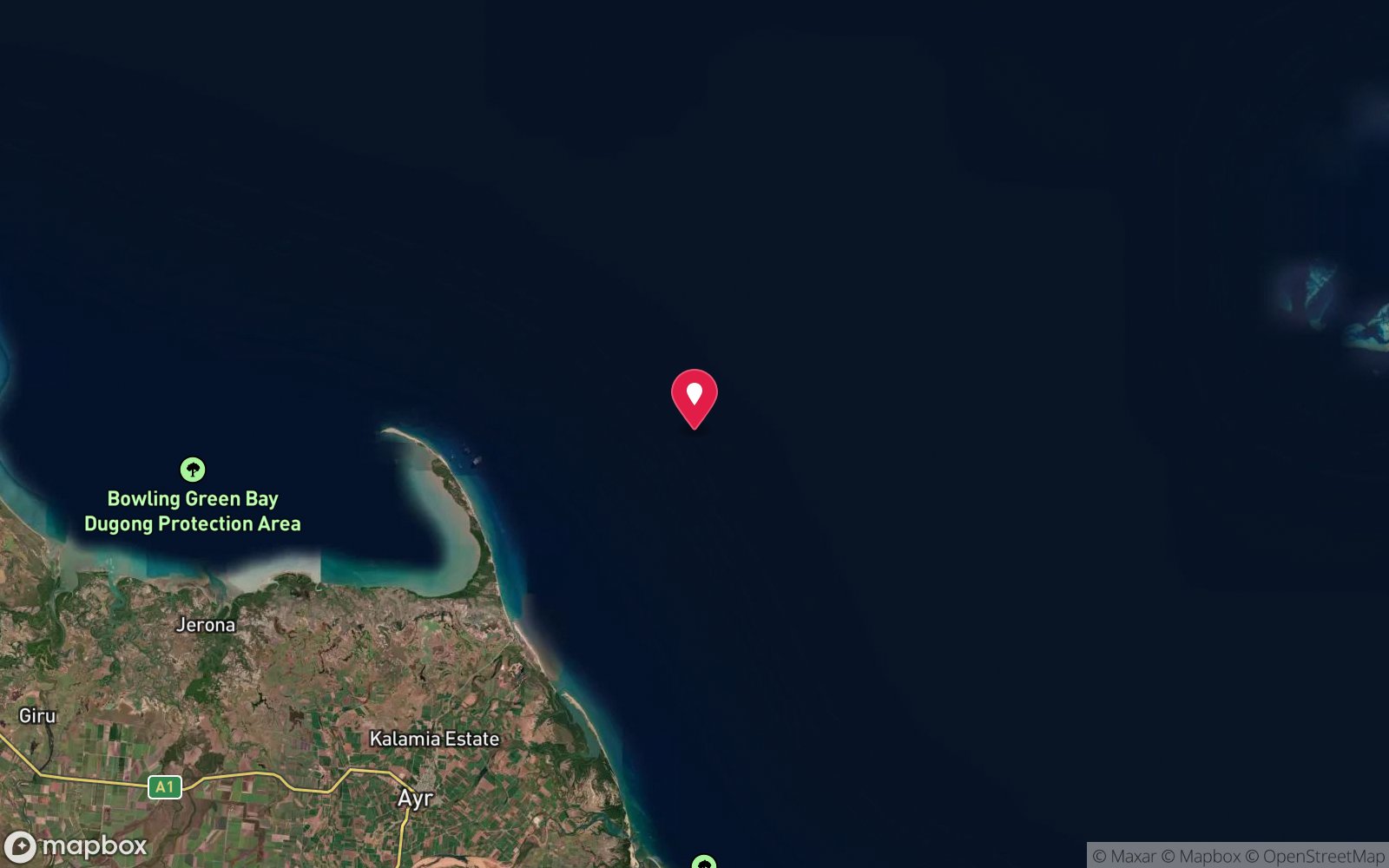
1. Townsville & Magnetic Island · QLD
SS Yongala
Australia's greatest wreck dive by consensus: a 1911 steamer that has become a fish-covered reef in open water off Townsville.
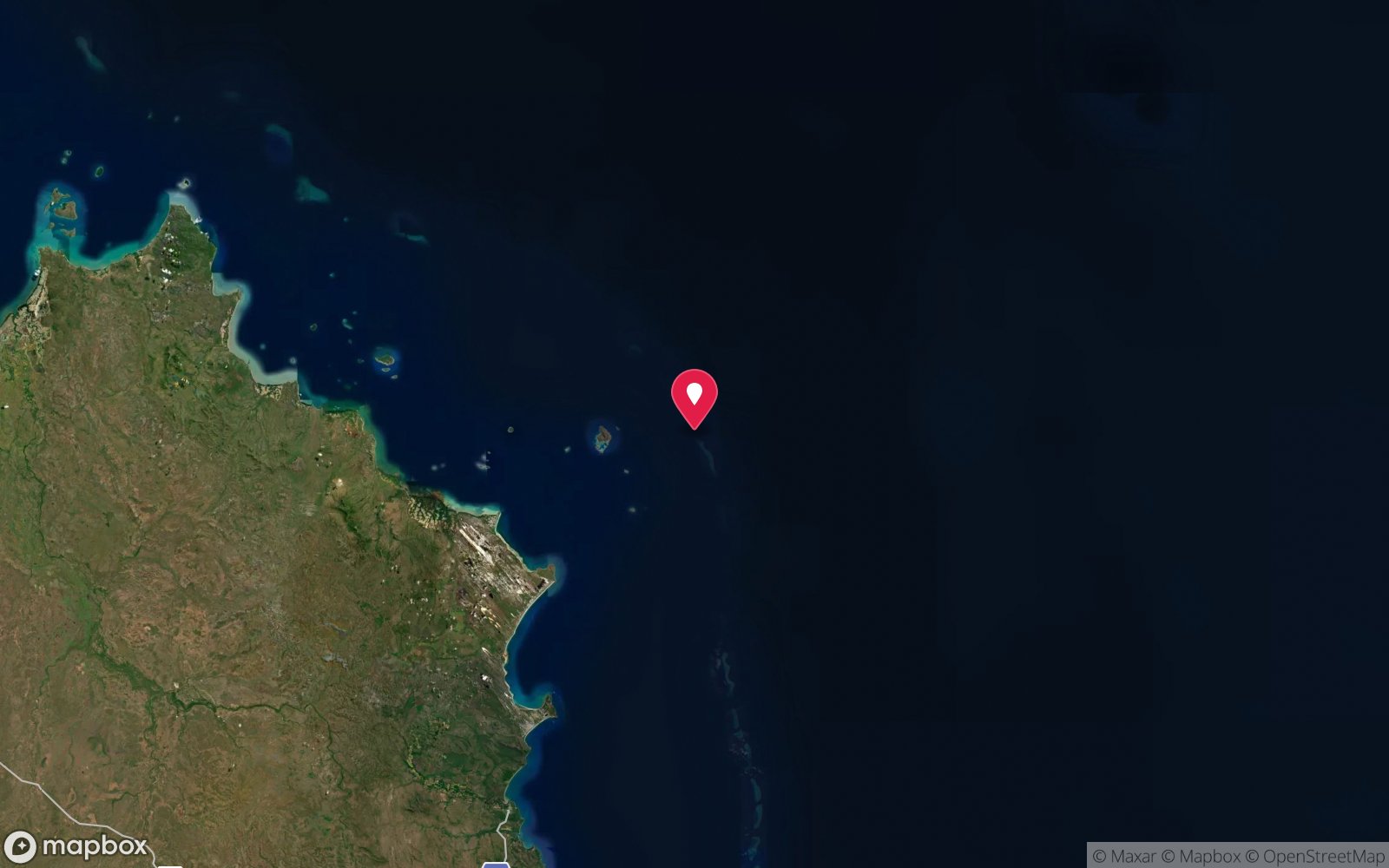
2. Ribbon Reefs & Lizard Island · QLD
Cod Hole
The Ribbon Reefs' famous potato cod site, where 1 m cod approach to within touching distance.
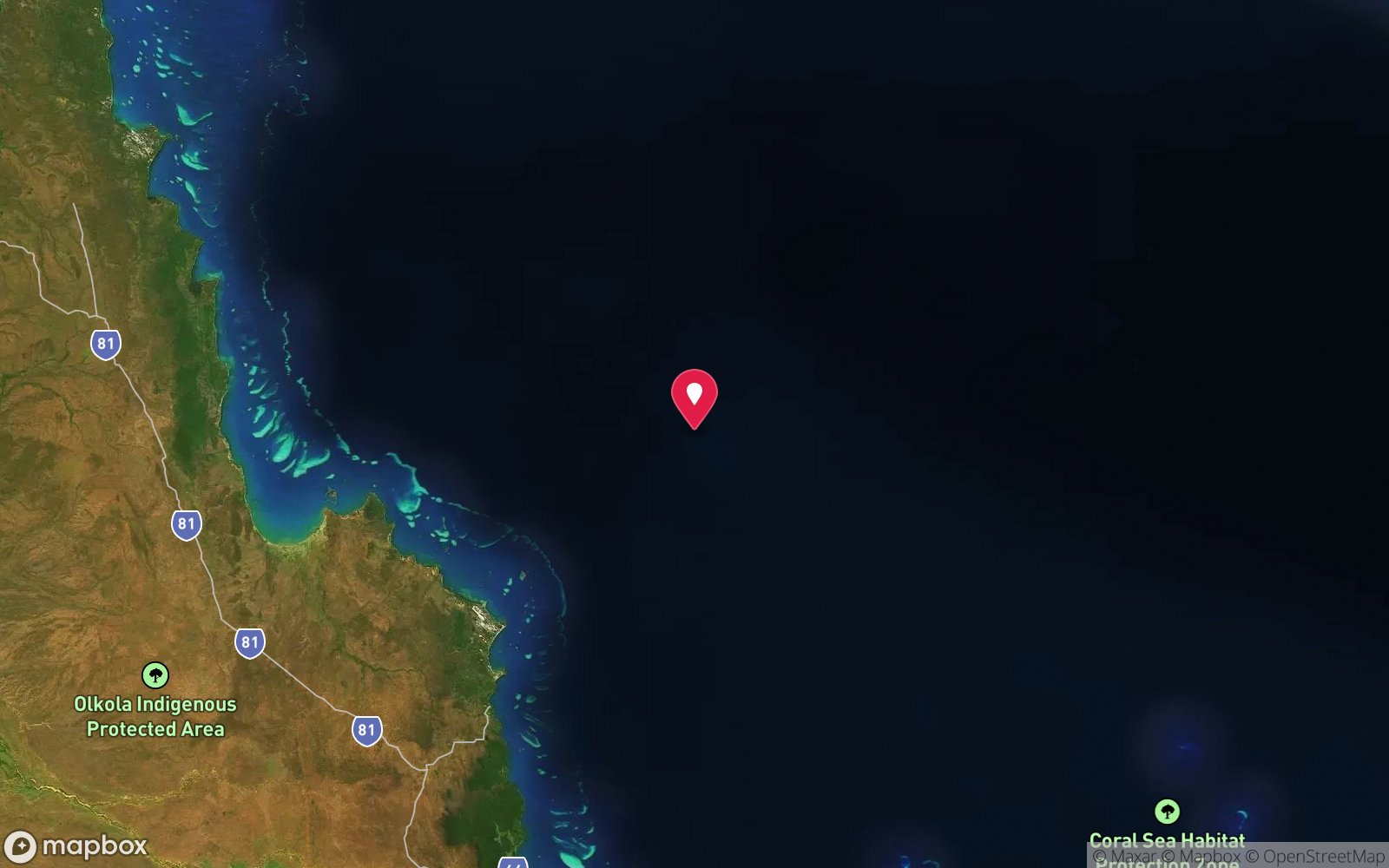
3. Coral Sea · External Territory
North Horn (Osprey Reef)
A Coral Sea seamount with grey reef, silvertip and hammerhead sharks on a wall that falls past 1,000 m.
4. Sunshine Coast · QLD
Ex-HMAS Brisbane
A 133 m destroyer scuttled off Mooloolaba in 2005, with cut-outs that make it one of the best penetration wrecks for recreational divers.
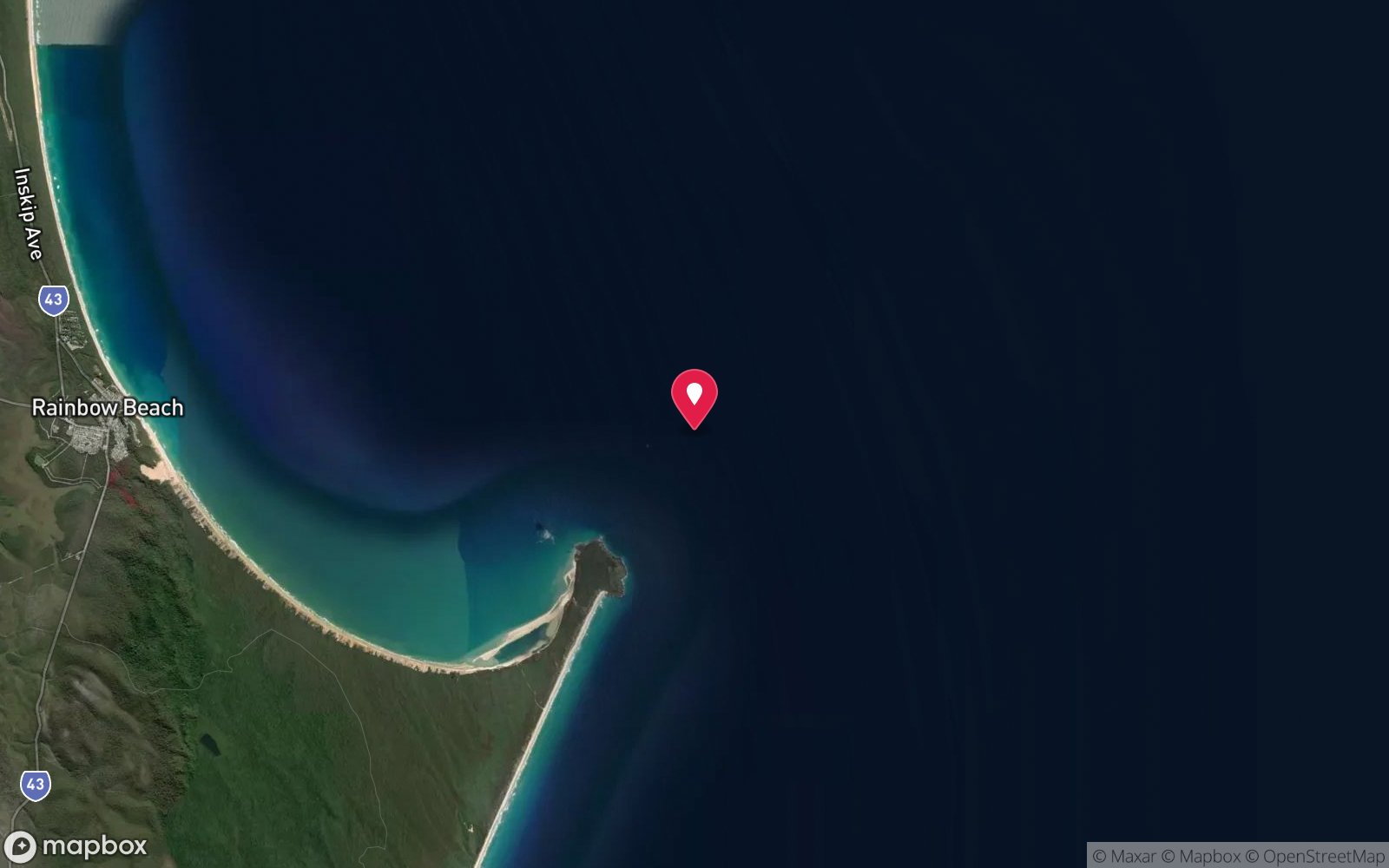
5. Rainbow Beach · QLD
Wolf Rock
Four pinnacles off Double Island Point with resident pregnant grey nurse sharks and ripping current.
Also worth planning around
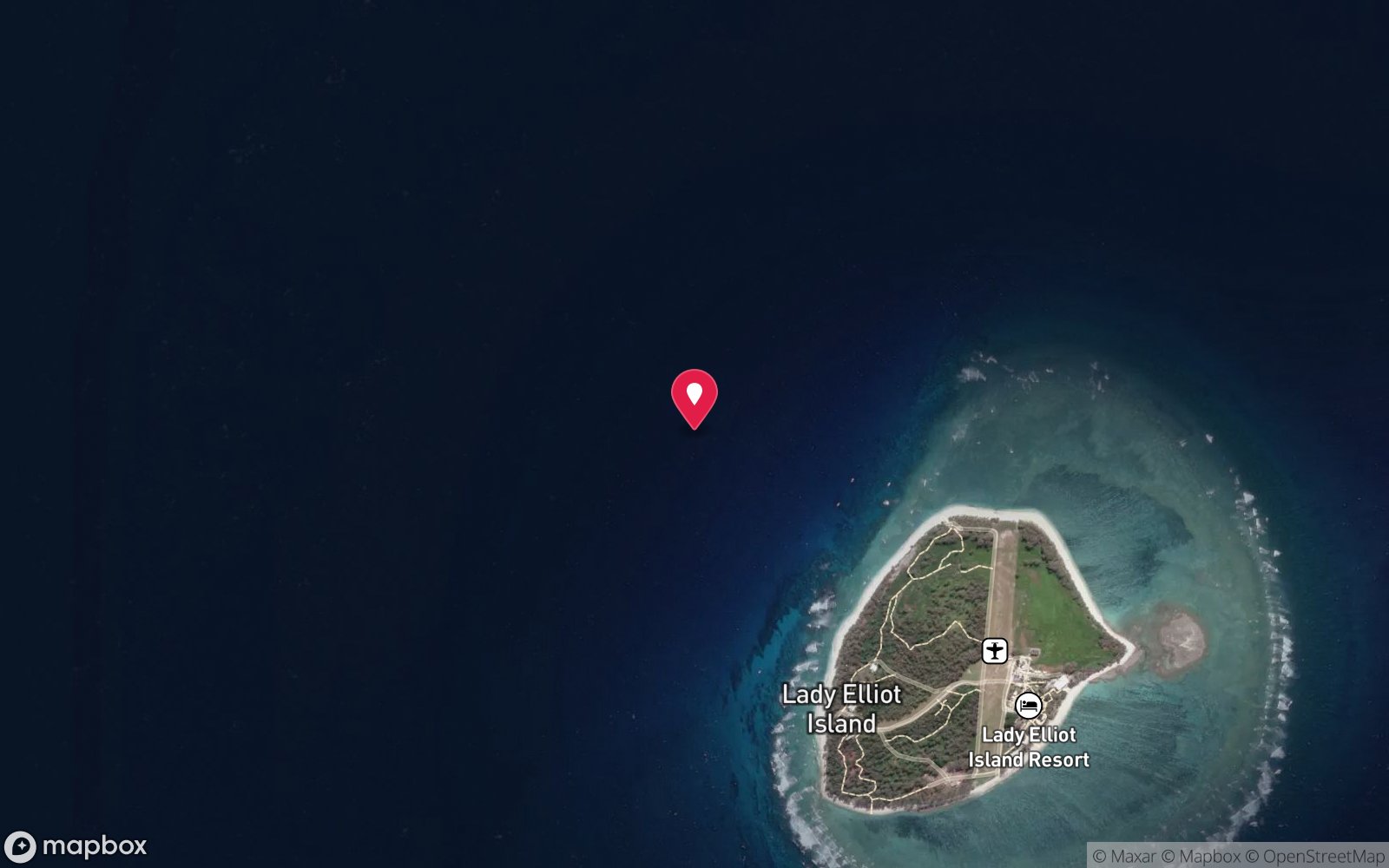
1. Lady Elliot Island · QLD
Lighthouse Bommies (Lady Elliot Island)
The manta cleaning station on the southern Great Barrier Reef, May to August.
2. Ribbon Reefs & Lizard Island · QLD
Steve's Bommie
A single pinnacle from 30 m to 3 m on the Ribbon Reefs covered in fish; often called the best single dive on the reef.
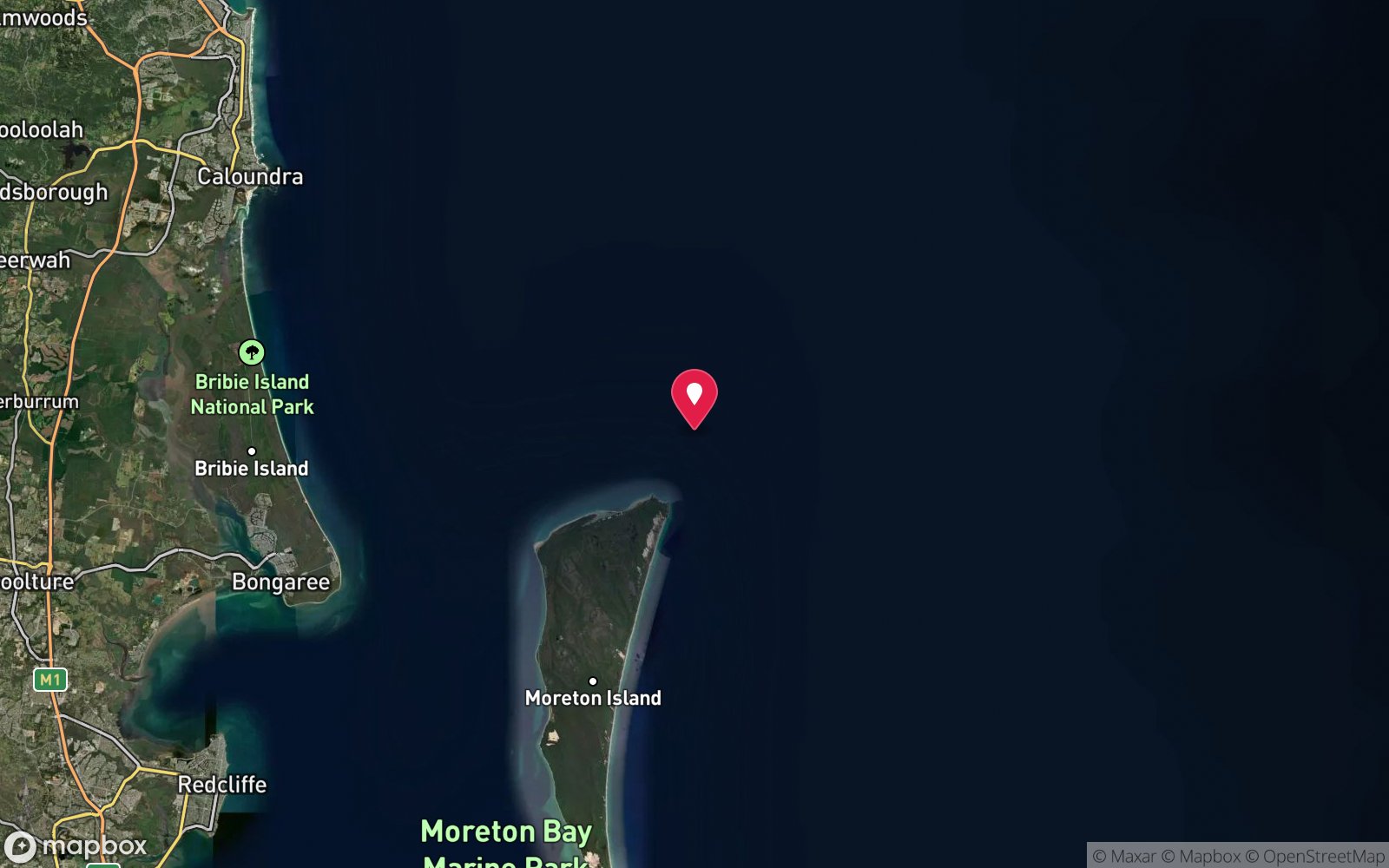
3. Brisbane & Moreton Bay · QLD
Flinders Reef
The most diverse coral reef in Moreton Bay, an hour from Brisbane.
4. North Stradbroke Island · QLD
Manta Bommie
Stradbroke Island's summer manta and leopard shark site.
5. Brisbane & Moreton Bay · QLD
Tangalooma Wrecks
Fifteen scuttled vessels off Moreton Island, snorkel-able from the beach.
Dive regions of Queensland
21 regions, 594 sites. Each region page has a written introduction, a suggested itinerary and every site with depth, level and access.
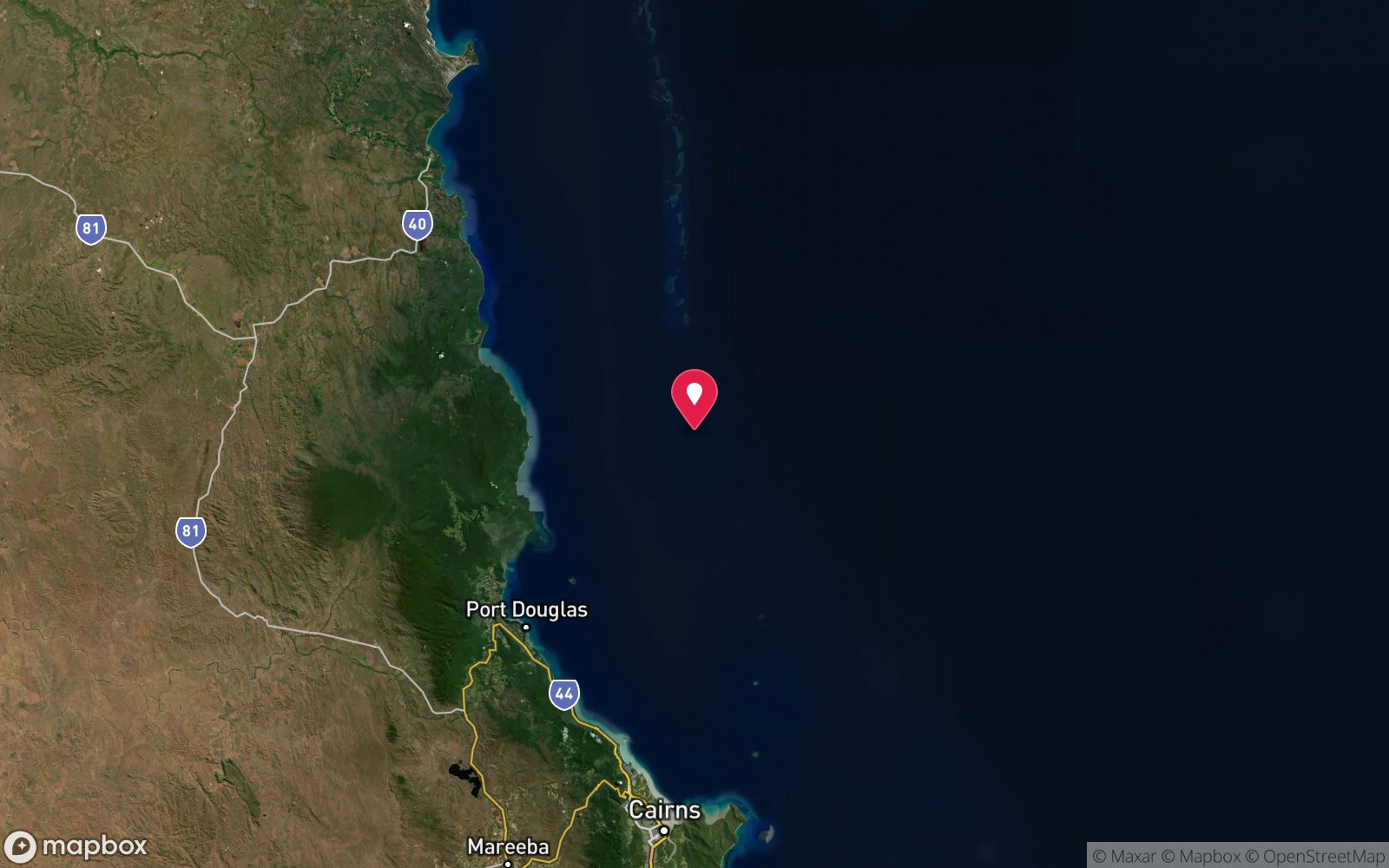
Cairns is the busiest dive hub in Australia. Day boats leave every morning for the outer reef sites 60–90 minutes offshore: Norman, Saxon,…
Port Douglas boats work the Agincourt ribbon reefs on the very edge of the continental shelf, where the water is clearer and the coral…
The Ribbon Reefs are ten long, narrow reefs on the edge of the shelf north of Cairns, reached by liveaboard. They hold the Great Barrier…
Townsville is the gateway to the SS Yongala, the 1911 passenger steamer that is Australia's most celebrated wreck dive, and to the John…
The Whitsundays are better known for sailing than diving, but Hook Island's northern bays (Manta Ray Bay, Pinnacle Point, Luncheon Bay)…
The Sunshine Coast has one of the best wreck dives in Australia, the ex-HMAS Brisbane, scuttled off Mooloolaba in 2005 with access cut into…
Heron Island is a coral cay on the southern Great Barrier Reef where you walk off the beach into a reef, and the Heron Bommie, Gorgonia…
Brisbane's diving is better than most visitors expect. Flinders Reef, off the northern tip of Moreton Island, has more coral species than…
The Gold Coast has a surprising amount of diving between the high-rises and the ocean: the Seaway's wall and pipeline is a fast, fishy…
Lady Elliot is the southernmost coral cay on the Great Barrier Reef and the best place in Queensland to dive with manta rays, which visit…
Great Keppel Island and its neighbours off Yeppoon have fringing coral reefs, the Barren Island walls and Man and Wife Rocks in clearer…
North of Lizard Island the Great Barrier Reef is almost unvisited. Great Detached Reef, Raine Island (the world's largest green turtle…
Bundaberg has an unusual collection of accessible wrecks: the Cochrane artificial reef, the Karma, the ex-HMAS Tobruk (scuttled off…
Lady Musgrave is a coral cay with a navigable lagoon in the Bunker Group, day-tripped from Bundaberg and 1770 and used by liveaboards and…
The Swains are a maze of several hundred reefs on the outer edge of the southern Great Barrier Reef, 150–250 km off Gladstone and Mackay,…
Hervey Bay is famous for humpback whales from July to October and, for divers, for the artificial reefs and wrecks off Urangan, the Roy…
Point Lookout on North Stradbroke has Manta Bommie, one of the best big-animal dives in southern Queensland, with manta rays from November…
Mission Beach is the closest mainland point to the Great Barrier Reef, and day boats reach Beaver Reef, Eddy Reef and the Dunk Island…
Mackay's reefs are 30–60 km offshore and its inshore water is tidal and turbid, so diving here is a neap-tide, dry-season affair, run by a…
Rainbow Beach exists on the dive map for one reason: Wolf Rock, four volcanic pinnacles off Double Island Point that are the only known…
Above Cairns, the volcanic crater lakes of the Atherton Tablelands, Lake Eacham and Lake Barrine, are freshwater dives in a rainforest…
Popular, well-documented dives in Queensland
Queensland diving FAQ
Do I need Advanced Open Water for the Great Barrier Reef?
No. Most day-boat outer-reef sites are 5–25 m and open to Open Water divers. Advanced or logged deep experience is expected for the SS Yongala, Osprey Reef and the deeper Ribbon Reef pinnacles.
When is the best time to dive Queensland?
June to November gives the best combination of visibility, calm days and cooler water. September to November is often the sweet spot with lighter winds and coral spawning.
Can I shore dive on the Great Barrier Reef?
Only from the islands. Heron, Lady Elliot, Lady Musgrave (camping) and Magnetic Island have shore or beach-entry dives; the mainland reef is 30–60 km offshore.