Dive slate · divesites.com.au · printed 9 Nov 2026
SS Yongala
Townsville & Magnetic Island, Queensland · near Alva Beach (Ayr) / Townsville
| Depth | 14–30 m |
|---|---|
| Minimum level | Advanced Open Water |
| Difficulty | Advanced |
| Access | Boat (day trip) |
| Entry | Giant stride from the dive boat, then descend the mandatory mooring/tether line to the wreck (top of hull at about 14–16 m) |
| Current | Strong |
| Visibility | 10-25 m |
| Water | summer 27-30 °C, winter 22-24 °C |
| Suit | 3–5 mm full wetsuit year-round (the dive is deep and long); stinger suit or full coverage Nov–May; gloves for the barnacled mooring line |
| Best season | Year-round when weather allows; June–November for calmest spells and best visibility; winter brings minke/humpback whales passing and more rays |
| Bottom time | 35 min |
| Position | -19.30440, 147.62530 (GPS) |
| Permit | Commonwealth Underwater Cultural Heritage Act 2018 protected wreck – 797 m protected zone; permit required for private vessels (vessel- and diver-specific), no anchoring, no penetration, no artefact interference. Within Great Barrier Reef Marine Park; commercial operators hold GBRMPA permits and collect the Environmental Management Charge. |
| Nearest chamber | Townsville University Hospital hyperbaric unit (Douglas, Townsville) |
| Emergency | 000 · DAN Asia-Pacific diving emergency 1800 088 200 |
SS Yongala
Also known as Yongala wreck, S.S. Yongala
A 109 m passenger steamer lost with all 122 aboard in the 1911 cyclone, lying almost intact on its side and swarmed by giant grouper, rays, sea snakes and schooling fish – widely rated Australia's best wreck dive.
Near Alva Beach (Ayr) / Townsville · Townsville & Magnetic Island, Queensland
- Depth
- 14–30 m
- Minimum level
- Advanced Open Water
- Access
- Boat (day trip)
- Boat ride
- ~30 min
- Water
- 27-30 °C
- Visibility
- 10-25 m
SS Yongala14–30 m · Advanced Open Water
Dive factsDepths, conditions, location & safety
Season
In season nowBest months: June, July, August, September, October, November.
Year-round when weather allows; June–November for calmest spells and best visibility; winter brings minke/humpback whales passing and more rays
- Best months
- Now (November)
- Stinger suit Nov–May
Dive facts
- Depth
- 14–30 m
- Typical depth
- 20 m
- Certification
- Advanced Open Water
- Difficulty
- Advanced
- Depth tier
- Advanced Open Water (18–30 m)
- Access
- Boat (day trip)
- Offshore
- 22 km
- Dive centre needed
- Yes – permit/guide required
- Shore / independent
- No
- Boat ride
- ~30 min
- Current
- Strong
- Visibility
- 10-25 m
- Water temp (summer)
- 27-30 °C
- Water temp (winter)
- 22-24 °C
- Water
- Tropical
- Bottom time
- 35 min
- Dive traffic
- Very popular (dived daily)
- Night dive
- No
- Snorkel friendly
- No
Exposure suit
3–5 mm full wetsuit year-round (the dive is deep and long); stinger suit or full coverage Nov–May; gloves for the barnacled mooring line
Location
Cape Bowling Green / Burdekin · Central GBR – Townsville
-19.30440, 147.62530
Published GPS position.
Open in Google MapsDive site map (external) →Primary source: nquec.org.auTags
Marine park & permits
Commonwealth Underwater Cultural Heritage Act 2018 protected wreck – 797 m protected zone; permit required for private vessels (vessel- and diver-specific), no anchoring, no penetration, no artefact interference. Within Great Barrier Reef Marine Park; commercial operators hold GBRMPA permits and collect the Environmental Management Charge.
Nearest recompression chamber
Townsville University Hospital hyperbaric unit (Douglas, Townsville)
Diving emergency: call 000, then DAN AP 1800 088 200.
Trip planner
Build a trip around SS Yongala →
A day-by-day plan for Townsville & Magnetic Island with this site locked in.
This guide is a planning aid. Conditions change daily — confirm with a local dive centre and dive within your training. Data & safety notes.
Dive profile
How this site rates
Scores are computed from the recorded data, not opinions. How?
At a glance
SS Yongala is a wreck boat dive in Townsville & Magnetic Island, QLD, 14–30 m, suited to Advanced Open Water divers, strong current, about 30 minutes by boat.
Rated advanced because of depth beyond 18 m, strong current, wreck penetration options that need training.
Why dive here
- A 109 m passenger steamer lost with all 122 aboard in the 1911 cyclone, lying almost intact on its side and swarmed by giant grouper, rays, sea snakes and schooling fish – widely rated Australia's best wreck dive.
- Sunk in 1911; protected as underwater cultural heritage, so look but do not touch.
- Regarded as one of the iconic dives of the region.
- A photographer's site: bring a macro lens or a wide-angle depending on the season.
- Visibility often reaches 10-25 m.
Conditions to avoid
- Wind over about 20 knots
- Spring tides (strong current)
- Any time other than slack water
- Cyclone season (roughly December–April)
- Stinger season without a full suit (November–May)
About SS Yongala
The Yongala is Australia's best-known wreck and routinely makes lists of the world's top ten dives, not because of its structure – though that is impressive – but because a 109 m steel hull sitting alone on a featureless sand plain has become an oasis for an extraordinary concentration of marine life. Built in 1903 by Armstrong Whitworth at Low Walker on the Tyne for the Adelaide Steamship Company, the 3,664-ton passenger and cargo steamer ran the Fremantle–Brisbane route and later the winter Melbourne–Cairns service. On 23 March 1911 she left Mackay for Townsville; the cyclone warning flags hoisted at Flat Top signal station went unseen, and she had no wireless.
She steamed into the cyclone and vanished with all 122 people aboard, along with a racehorse named Moonshine whose body later washed up at Gordon Creek. The wreck was located in the late 1950s by fisherman Bill Kirkpatrick and identified in 1961 when a safe recovered from it was traced by its maker, Chubb, to the Yongala's purser. Today the hull lies on its starboard side, listing 60–70 degrees, with the bow pointing roughly north and the upper (port) side at 14–16 m and the sand at about 28–30 m.
It is remarkably intact for its age: the bow and stern still rise off the bottom, masts, portholes and fittings are recognisable, and the whole structure is carpeted in hard and soft corals, sea whips and gorgonians. Everything above that is fish. Giant Queensland groupers drift along the hull, schools of trevally, barracuda, batfish and golden trevally circle overhead, huge marbled and bull rays rest on the sand and olive sea snakes forage in every crack.
Turtles sleep under the overhang and cleaning stations operate all along the upper hull. Bull sharks, tiger sharks and, in winter, minke and humpback whales are seen from time to time. Around 79 species have been recorded, with humphead Maori wrasse the most frequently logged.
The wreck is protected under the Commonwealth Underwater Cultural Heritage Act 2018, managed by the Museum of Tropical Queensland, with a 797 m protected zone. Penetration is prohibited and divers are asked not to let exhaled bubbles pool in the hull. It is a dive for Advanced divers comfortable with depth and current; for them it is one of the essential dives in the country.
The ship and the sinking
The Yongala was built in 1903 by Armstrong Whitworth on the Tyne for the Adelaide Steamship Company: 109 m long, 3,664 tons, a fast and comfortable passenger and cargo steamer that first worked the Fremantle–Brisbane run and later the winter service between Melbourne and Cairns. She carried a wireless aerial fitting but no wireless set; the equipment had been ordered and had not arrived.
On 23 March 1911 she left Mackay for Townsville with 122 people aboard, 49 passengers and 73 crew, plus general cargo and a racehorse named Moonshine. A cyclone warning was hoisted at Flat Top Island after she had cleared the port, and with no wireless she could not be recalled. She was last seen off Dent Island in the Whitsundays that afternoon. She never arrived, and for days the search assumed she had sheltered somewhere in the islands. Wreckage began to come ashore near Cape Bowling Green: cargo, a lifebuoy, the body of the horse. No human remains were ever recovered.
The wreck was not located for 47 years. A minesweeper snagged an obstruction in 1943, a survey ship recorded the shoal in 1947, and in 1958 divers from Townsville identified the hull, confirming it with the ship's safe. What happened that night is still not known with certainty; the most accepted account is that she was overwhelmed by the cyclone's seas in open water off Cape Bowling Green and went down fast, possibly after a knock-down.
What is there today
She lies on her starboard side in 14–30 m on a sand plain 20 km off Alva Beach, almost intact, bow to the north. Because there is nothing else for kilometres, the hull has become an artificial reef of extraordinary density: giant Queensland groupers, bull rays, marble rays, sea snakes, turtles, schooling trevally and barracuda, and eagle rays overhead. She is a protected historic shipwreck and a grave; entry into the hull is prohibited, and operators enforce it.
Wrecks older than 75 years, and several younger ones, are protected under the Underwater Cultural Heritage Act 2018: look, photograph, take nothing. Australia's oldest wreck dives →
Wreck details
Steel passenger/cargo steamship (Adelaide Steamship Co.), 3,664 GRT, 106.7 m (350 ft) registered / ~109 m overall; built 1903 Armstrong Whitworth; lost in cyclone 23–24 March 1911 · Sunk 1911 · Protected historic shipwreck
Era: early 20th century. Oldest wrecks · Wartime wrecks · Scuttled warships
Other wrecks of the same era
- SS Moltke Wreck (Geoffrey Bay) · Max 8 m · Townsville & Magnetic Island
- Marloo Wreck (K'gari) · Max 5 m · Hervey Bay & K'gari
- St Paul Wreck · Max 43 m · Brisbane & Moreton Bay
- Florence Bay (Magnetic Island) · Max 15 m · Townsville & Magnetic Island
- SS Llewellyn Wreck · Max 35 m · Mackay
- Mandalay Wreck (Mandalay Beach, Walpole) · Max 2 m · Albany & Great Southern
Getting there & entry
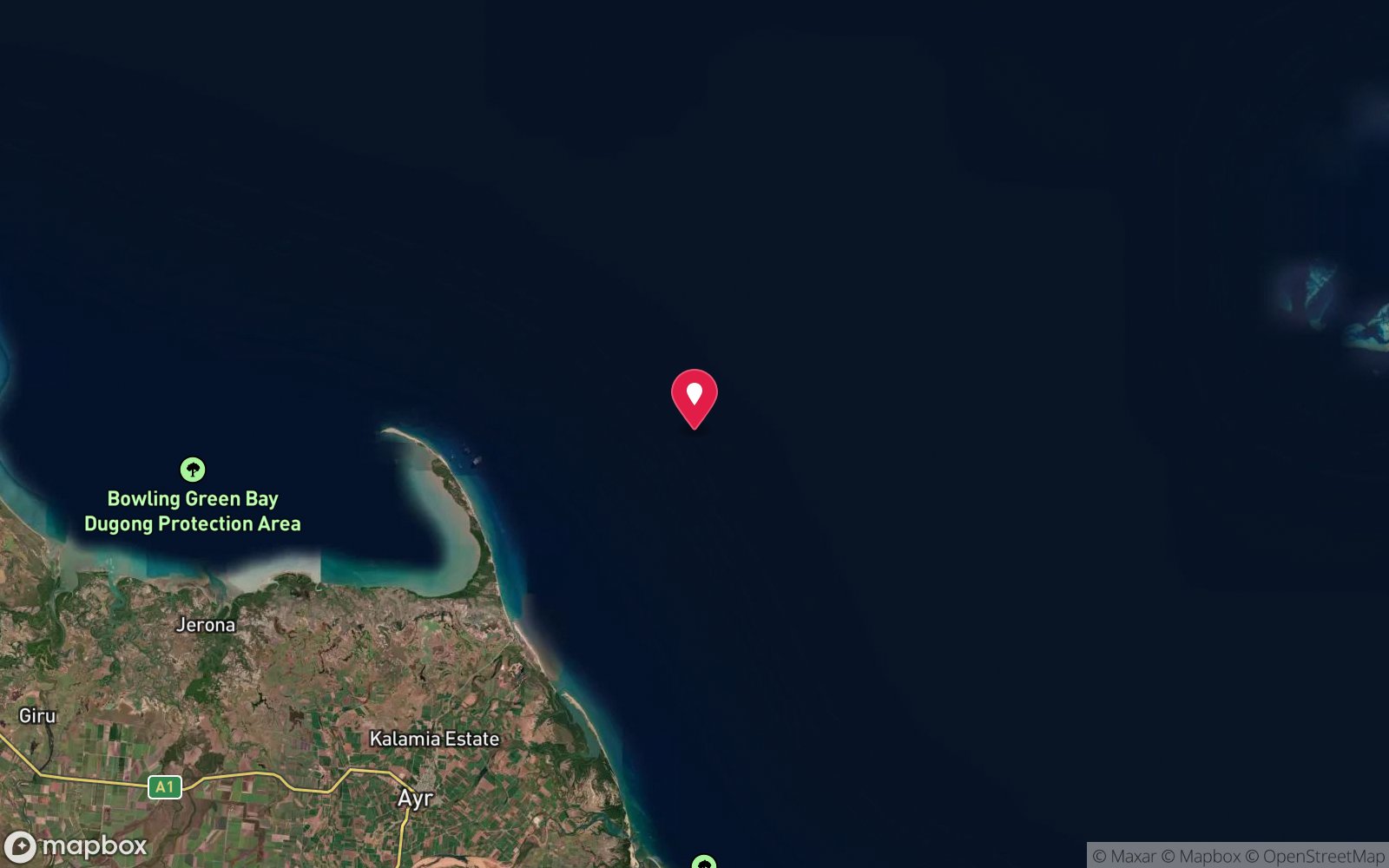
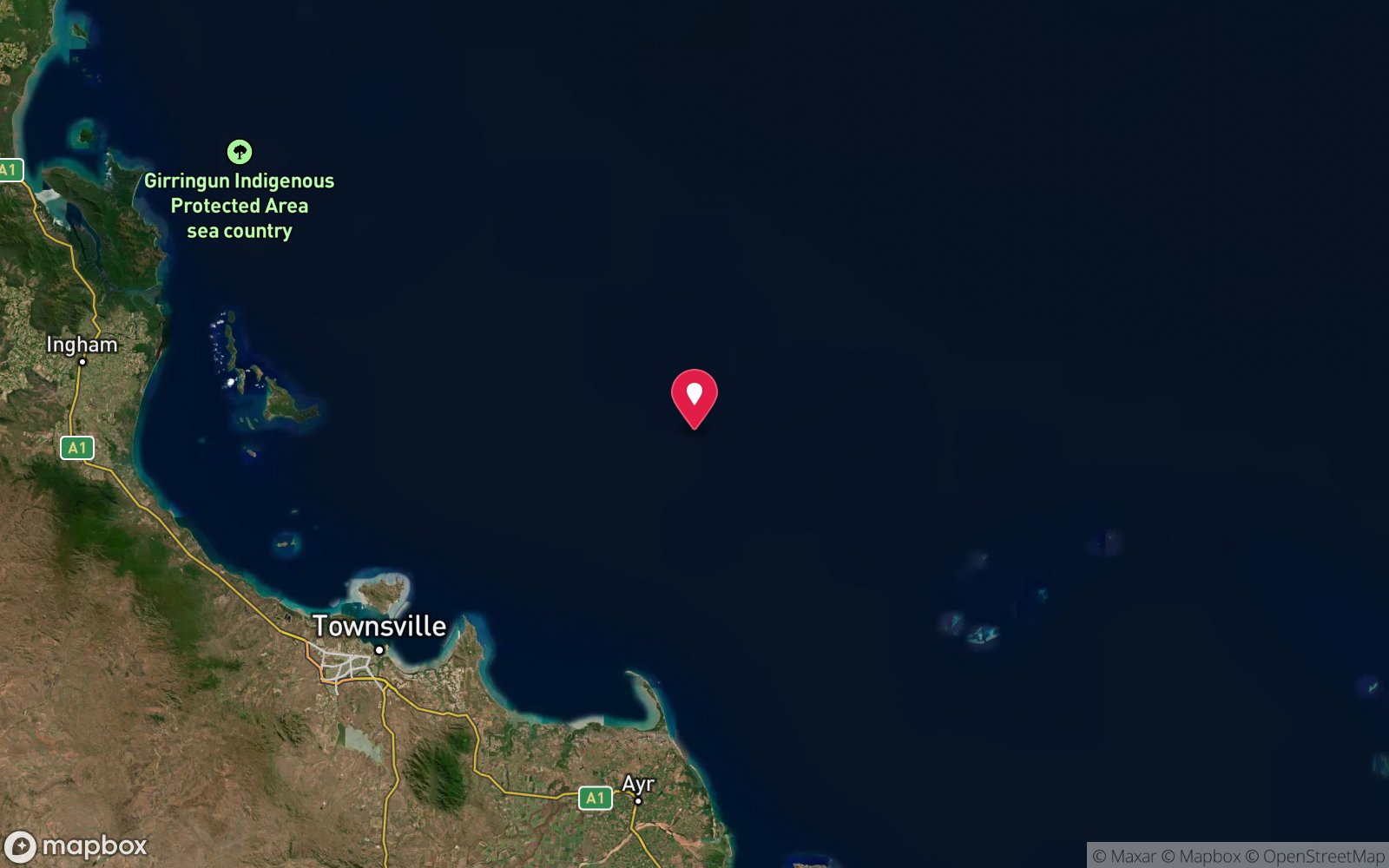
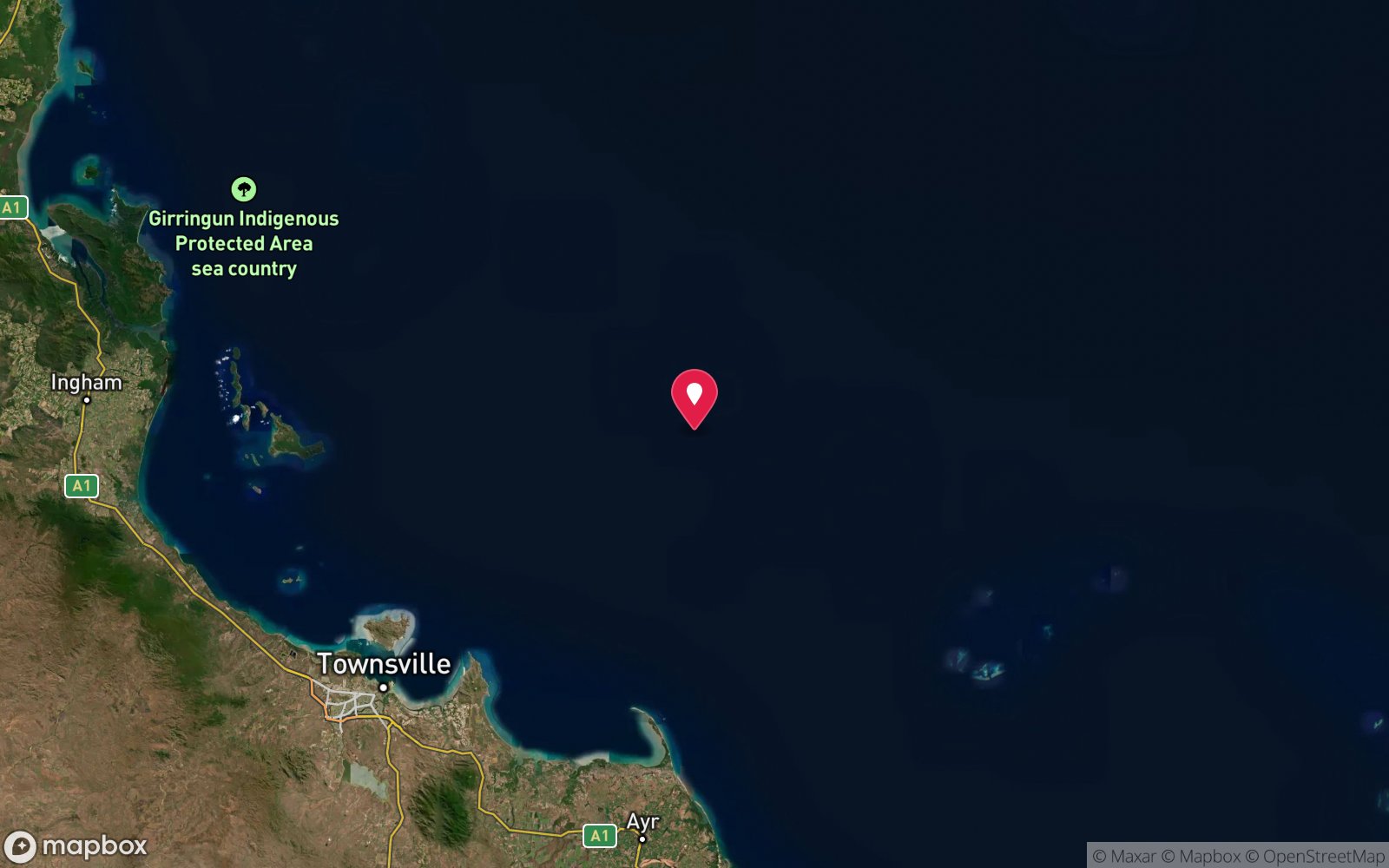
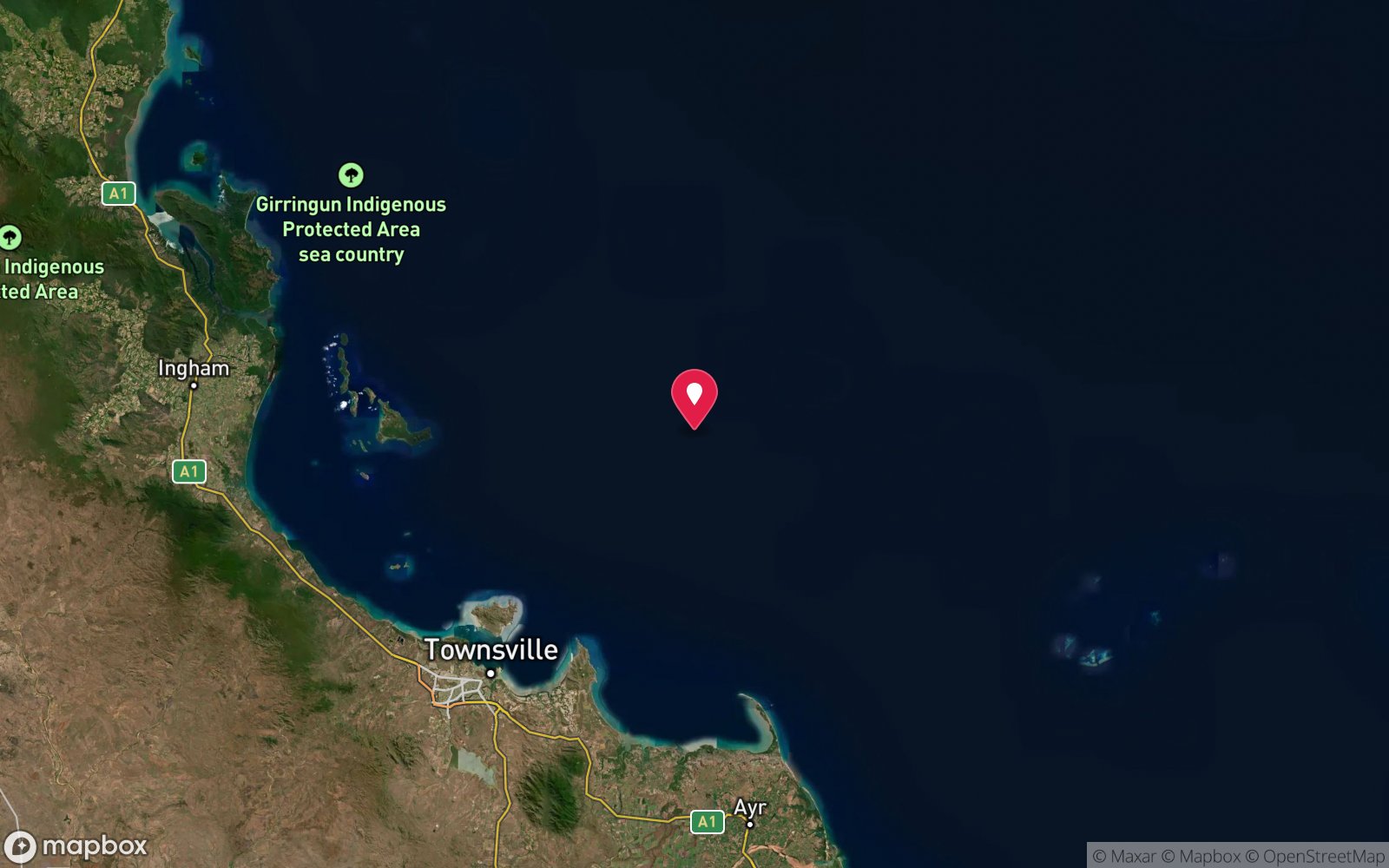
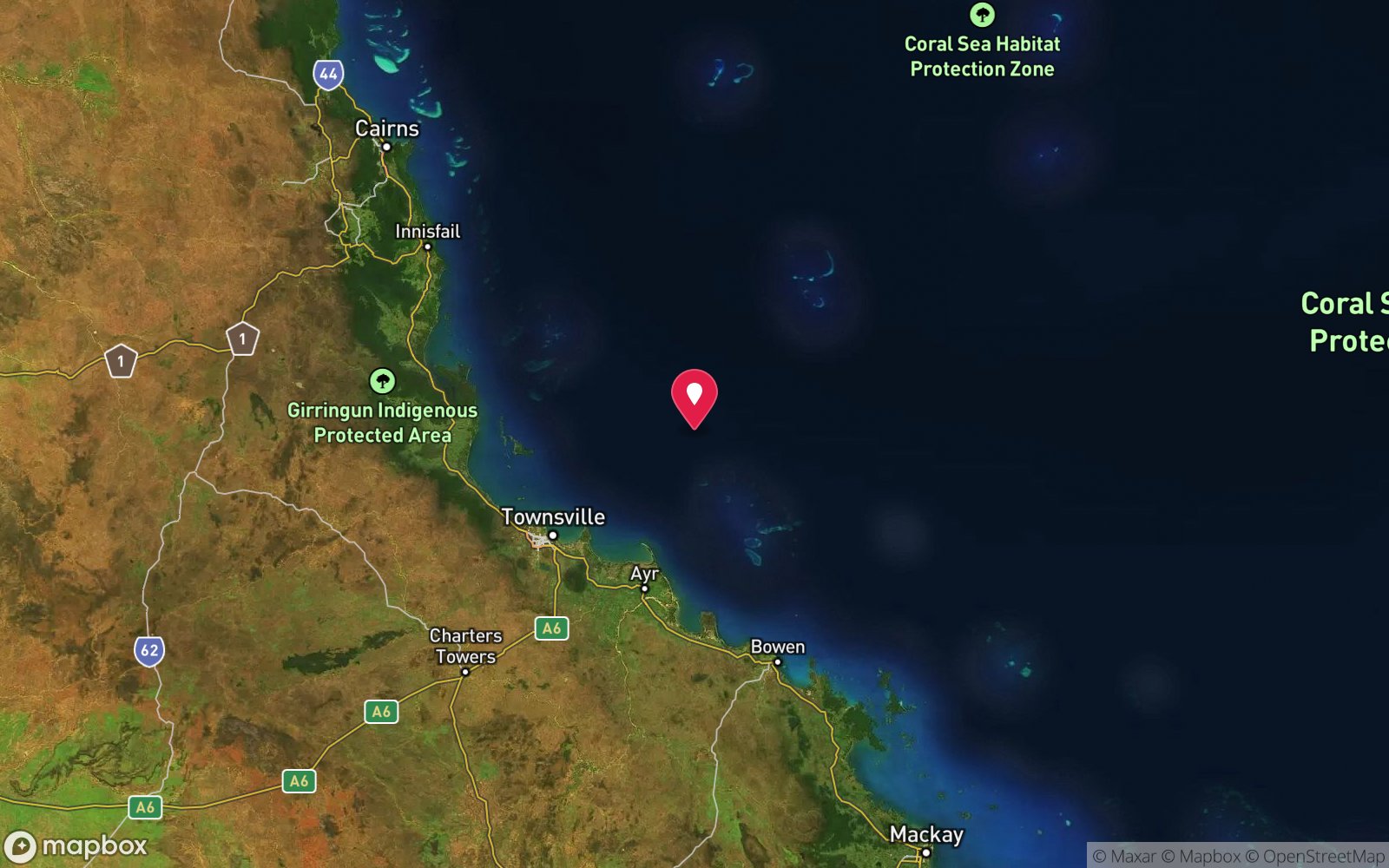
Open-water wreck on a flat sand seabed about 22 km east of Cape Bowling Green, 48 nautical miles south-east of Townsville; roughly 30 minutes by fast boat from Alva Beach near Ayr.
Two ways in. The quickest is from Alva Beach, 15 km north-east of Ayr (about 1 hour 15 minutes' drive south of Townsville via the Bruce Highway, turning off at Ayr onto Alva Beach Road). Yongala Dive operates from its lodge at 56 Narrah Street, Alva, and launches its boat from the beach – divers carry kit only a short distance to the tractor-launched RIB – and the run to the wreck is about 30 minutes in good conditions.
From Townsville, Adrenalin Snorkel & Dive and other operators run full-day trips from Breakwater Marina (about 3–3.5 hours each way) or include the wreck on liveaboard itineraries. Private vessels need a permit from the Queensland Department of Environment and must use the public moorings; anchoring within the 797 m protected zone is prohibited.
Entry: Giant stride from the dive boat, then descend the mandatory mooring/tether line to the wreck (top of hull at about 14–16 m)
Facilities: Yongala Dive lodge at Alva Beach (accommodation, gear hire, air/nitrox fills, beachfront launch). Townsville departures from Breakwater Marina.
Weather, swell & tides
The Yongala lies in open water with no lee at all, so it is the first site to blow out. Operators cancel if winds exceed about 20 knots, a strong wind warning is issued or swell is significant, and even moderate south-easterly trades make the ride and the surface interval choppy. Dives are timed for slack water around the top or bottom of the tide because tidal current across the wreck can be strong enough to sweep a diver off; on spring tides the usable window is short.
Visibility varies from under 10 m after south-easterly blows or Burdekin River flood plumes (wet season, January–April) to 25 m+ on calm neap days. Marine stinger season (box jellyfish and Irukandji) runs roughly November to May – wear a full-length stinger suit or wetsuit with hood and gloves, carry vinegar. Cyclone season November–April; tropical lows and cyclones can close sites and damage coral (TC Yasi 2011, TC Debbie 2017).
The best-odds months are August–November and the calm spells of the build-up.
Best season: Year-round when weather allows; June–November for calmest spells and best visibility; winter brings minke/humpback whales passing and more rays
How the dive is usually run
Descend the tether to the wreck (arriving at the upper port side at 14–16 m), drop down to the sand on the first dive and work the deeper sections – bow, stern and the overhang where the hull meets the sand at 26–30 m – heading into any current first. Turn at 120 bar or with 10 minutes of NDL remaining, climb to the port rail and work back at 14–18 m past the cleaning stations. Return to your own line, do a safety stop on the line (3–5 minutes at 5 m).
The second dive stays shallower along the upper hull. Nitrox extends bottom time considerably.
Marine life
- Queensland (giant) grouper
- humphead Maori wrasse
- giant and golden trevally
- marbled rays
- bull rays
- eagle rays
- olive sea snakes
- green and hawksbill turtles →
- schooling barracuda
- batfish
- cobia
- giant sweetlips
- mangrove jack
- coral trout
- bull sharks
- occasional tiger sharks and whaler sharks
- guitarfish
- octopus →
- nudibranchs →
- soft corals and gorgonians; minke and humpback whales in winter →
Linked species have their own page listing every site where they are recorded. All marine life →
Training required
Beyond 18 m an Advanced certification (which includes a deep dive to 30 m) is the accepted minimum. Anything past 25 m is a deep dive in practice.
At more than 25 m this counts as a deep dive: watch no-decompression limits and gas.
Courses that help here
- Enriched Air Nitrox – Longer no-decompression time at 25 m and deeper.
- Wreck Diver – The wreck has penetration options.
- Drift Diver – Current is a feature of the dive.
Depth tiers: 0–10 m easy · to 18 m Open Water · 18–30 m Advanced (25 m+ is a deep dive) · 30–40 m Deep specialty · 40 m+ technical. All courses
Hazards & warnings
Strong tidal currents – use the descent/ascent line at all times and never free-descend or free-ascend; depth to 30 m with short NDLs on air (nitrox recommended). Exposed open-water site – seasickness, rough surface intervals, frequent weather cancellations. Barnacled lines (wear gloves).
Penetration prohibited and no touching or removal under Commonwealth law; no anchoring in the 797 m zone. Stinger season Nov–May. Sea snakes are inquisitive but not aggressive – do not handle.
Bull sharks present at times.
Technical notes
Recreational no-stop dive; EANx 28–32% strongly recommended to extend bottom time at 20–28 m. Descent line mandatory. Penetration and bubble-trapping inside the hull are banned.
No technical diving permitted by operators.
Dive centres that go here
Yongala Dive (Alva Beach) – two-dive day trips most days, weather and numbers permitting, 30 min run; Adrenalin Snorkel & Dive (Townsville) – scheduled full-day Yongala trips and liveaboard departures, ~3 h each way; Explore Whitsundays liveaboard (SV Summer Jo, 6 days from Airlie Beach) includes the wreck. Requirements: AOW (or in progress), 10+ logged dives, age 15+.
Operators recorded for SS Yongala
Yongala Dive
ProfiledAlva Beach · Townsville & Magnetic Island · QLD
An Ayr-based operation specialising in the SS Yongala, with a shorter boat transit to the wreck than Townsville departures.
yongaladive.com.au · 0407 299 876
Adrenalin Snorkel & Dive
ListedSouth Townsville · Townsville & Magnetic Island · QLD
A Townsville operation running SS Yongala trips alongside reef diving and training.
adrenalindive.com.au · (07) 4724 0600
Other dive centres in Townsville & Magnetic Island
Pleasure Divers Magnetic Island
ListedArcadia, Magnetic Island · Townsville & Magnetic Island · QLD
A Magnetic Island training and guided-diving operation serving island-based visitors.
pleasuredivers.com.au · (07) 4778 5788
Pro Dive Magnetic Island
ListedNelly Bay, Magnetic Island · Townsville & Magnetic Island · QLD
A Magnetic Island operation offering training and local diving.
prodivemagnetic.com · (07) 4778 5506
Orpheus Island Lodge
Named by sitesOrpheus Island · Townsville & Magnetic Island · QLD
Luxury island resort (Morris Escapes) offering diving to guests, not a dive shop.
orpheus.com.au · (07) 4777 7377
Coral Expeditions
Named by sitesCairns · Townsville & Magnetic Island · QLD
Expedition cruise line (Cairns-based), not a dive shop; diving/snorkelling offered on Great Barrier Reef itineraries. Phone not extractable from site.
coralexpeditions.com
Map
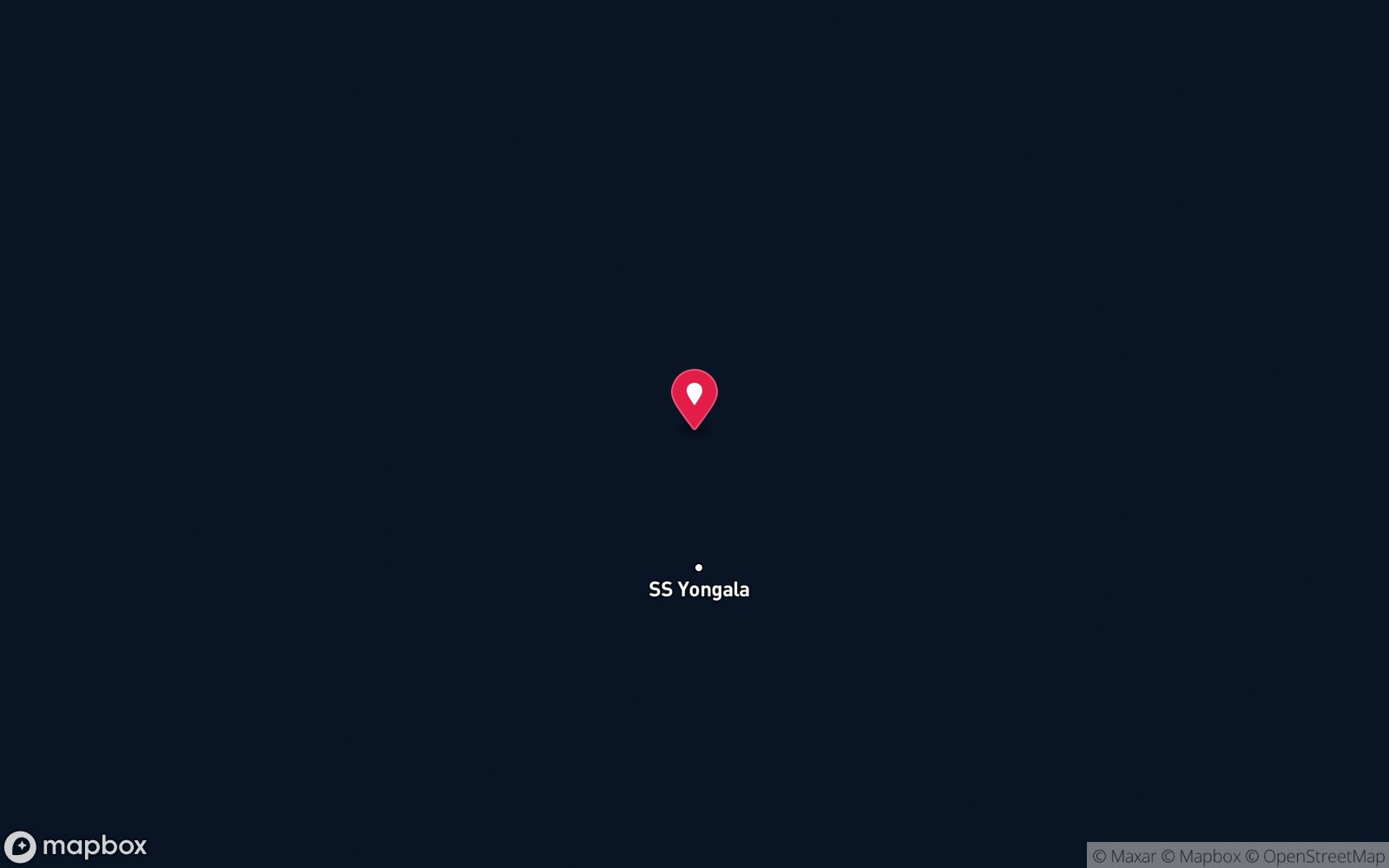
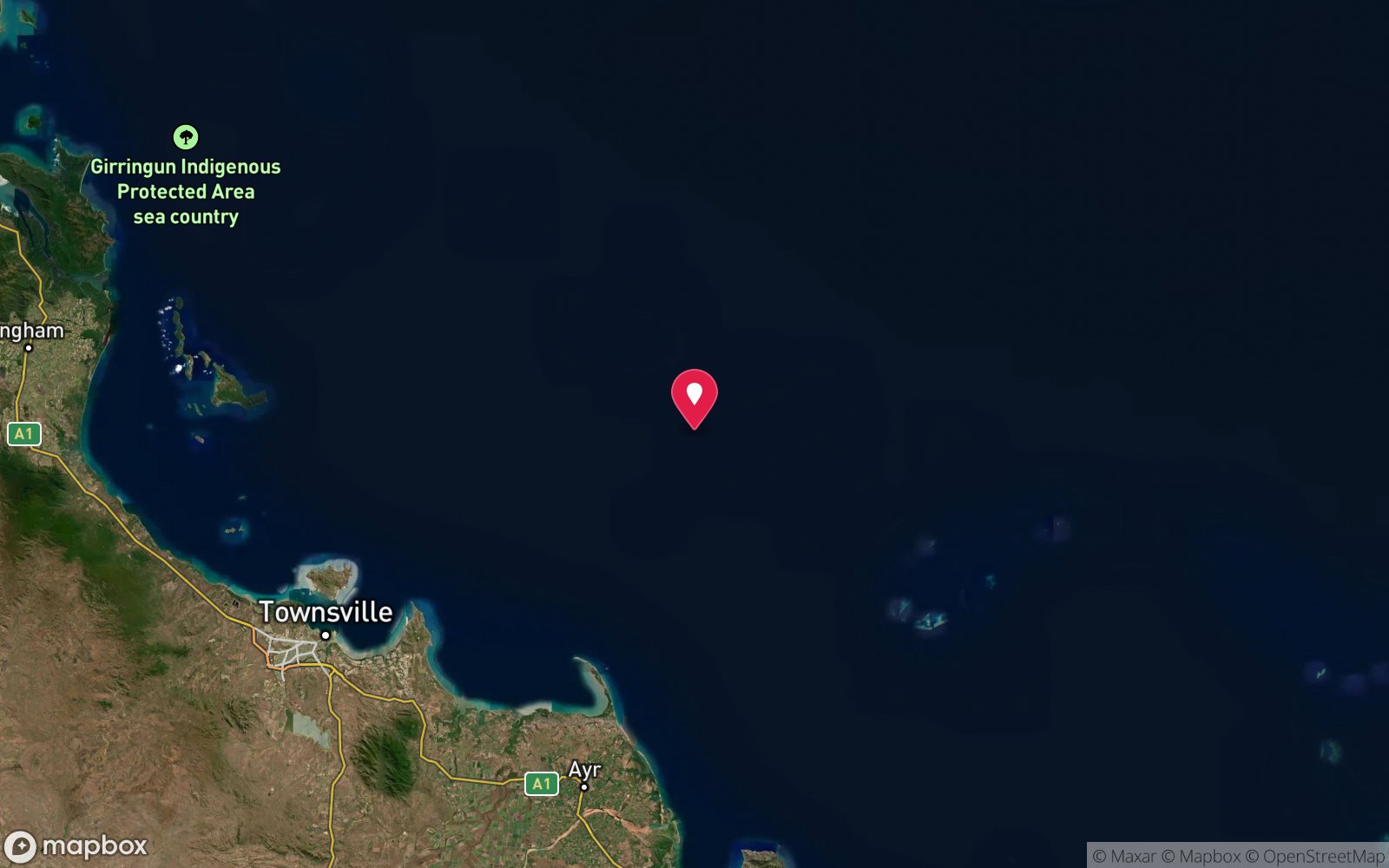
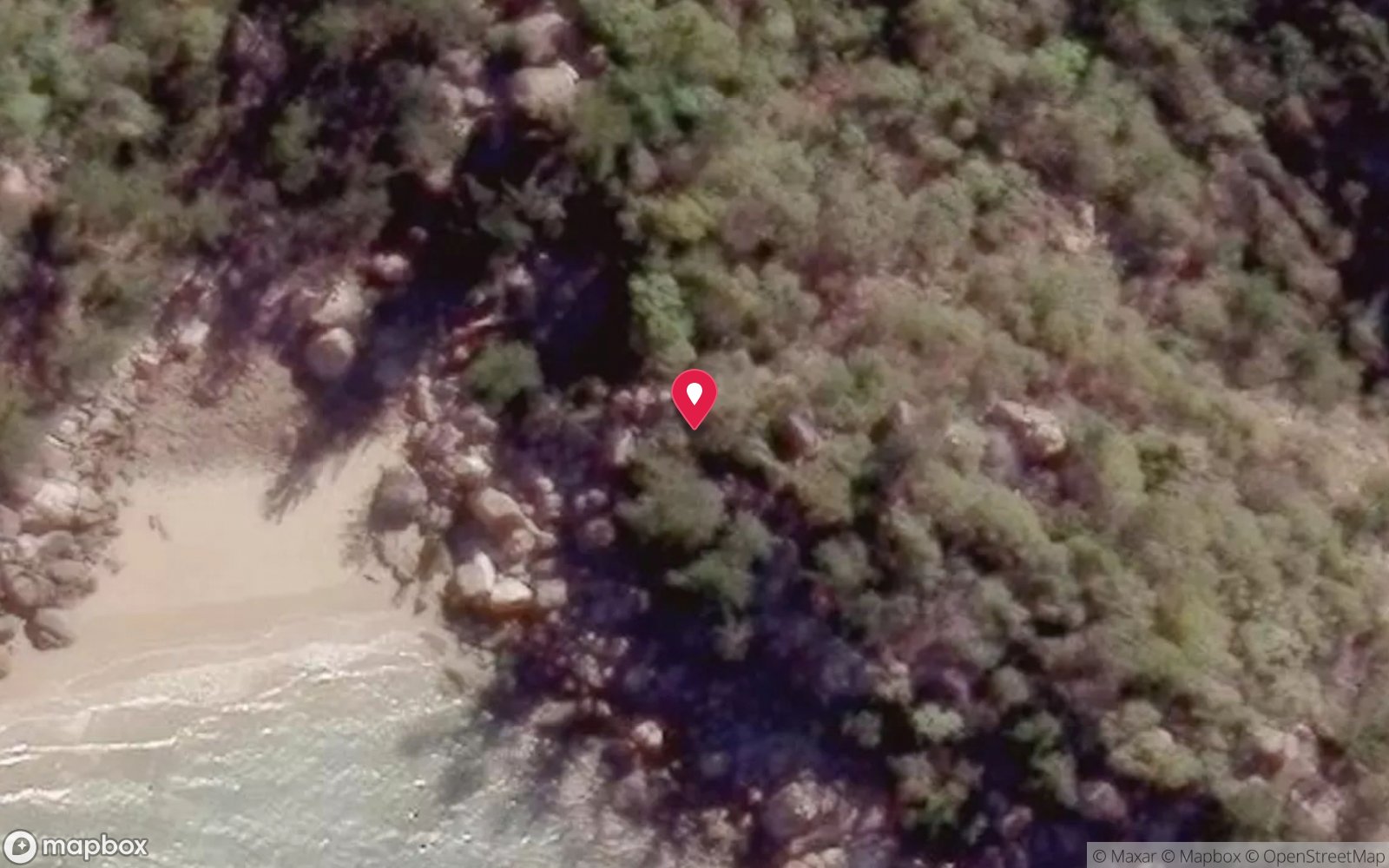
7 pinned sites. Pins marked approximate on their pages show the general area only; not for navigation.
Satellite views
SS Yongala: frequently asked questions
How deep is SS Yongala?
SS Yongala reaches a maximum depth of 30 m, with the shallowest part at about 14 m; most of the dive is spent around 20 m.
What certification do I need to dive SS Yongala?
Advanced Open Water is the recommended minimum. At more than 25 m this counts as a deep dive: watch no-decompression limits and gas. Rated advanced because of depth beyond 18 m, strong current, wreck penetration options that need training.
Can I shore dive SS Yongala?
No, it is reached by boat (about 30 minutes). A dive centre is required: permit/guide required.
When is the best time to dive SS Yongala?
Year-round when weather allows; June–November for calmest spells and best visibility; winter brings minke/humpback whales passing and more rays.
What marine life will I see at SS Yongala?
Regularly recorded: Queensland (giant) grouper, humphead Maori wrasse, giant and golden trevally, marbled rays, bull rays, eagle rays, olive sea snakes, green and hawksbill turtles, schooling barracuda, batfish, cobia, giant sweetlips and more.
What wetsuit do I need at SS Yongala?
3–5 mm full wetsuit year-round (the dive is deep and long); stinger suit or full coverage Nov–May; gloves for the barnacled mooring line.
How cold is the water at SS Yongala?
Typically 27-30 °C in summer and 22-24 °C in winter.
What are the main hazards at SS Yongala?
Strong tidal currents – use the descent/ascent line at all times and never free-descend or free-ascend; depth to 30 m with short NDLs on air (nitrox recommended). See the hazards section above for the full list.
Where is the nearest recompression chamber to SS Yongala?
Townsville University Hospital hyperbaric unit (Douglas, Townsville). In an emergency call 000, then DAN Asia-Pacific on 1800 088 200.
Diving in Townsville & Magnetic Island
Townsville is the gateway to the SS Yongala, the 1911 passenger steamer that is Australia's most celebrated wreck dive, and to the John Brewer and Lodestone reefs offshore. Magnetic Island, 20 minutes away by ferry, has shore dives on the SS Moltke wreck in Geoffrey Bay, the Museum of Underwater Art sculptures and fringing coral around the bays.
Getting there: Fly into Townsville. Yongala trips run from Townsville (3 hours each way) or from Alva Beach near Ayr (30 minutes); the Ayr option is more reliable. Magnetic Island is a ferry ride.
All Townsville & Magnetic Island dive sites and a suggested itinerary →
Sources
- nquec.org.au/dive-sites-yongala
- yongaladive.com.au/ss-yongala
- en.wikipedia.org/wiki/SS_Yongala
- marinelife.org.au/?page_id=1627
- adrenalindive.com.au/about
- explorewhitsundays.com/dive-the-whitsundays
- moua.com.au/book
Data confidence: High · Being verified: Private-vessel permit fees change; check current Queensland Department of Environment permit conditions.. Last updated September 2026. Know this site better? How to send a correction
Nearby dive sites
More wrecks in Queensland
Explore more
This region
Similar dives
Marine life