Dive slate · divesites.com.au · printed 8 Nov 2026
St Paul Wreck
Brisbane & Moreton Bay, Queensland · near Brisbane (Scarborough / Manly); Moreton Island
| Depth | 30–43 m |
|---|---|
| Minimum level | Technical (decompression) |
| Difficulty | Expert/Technical |
| Access | Boat (day trip) |
| Entry | Giant stride or back roll from charter boat |
| Current | Strong |
| Visibility | 15-30 m |
| Water | summer 24-27 °C, winter 19-21 °C |
| Suit | 3-5 mm full wetsuit in summer; 5-7 mm with hood in winter |
| Best season | Year-round; winter (May-October) usually brings the clearest water and calmest mornings |
| Bottom time | 15 min |
| Position | -27.00500, 153.49000 (approximate) |
| Permit | Historic shipwreck – do not disturb or remove artefacts; Moreton Bay Marine Park zoning applies |
| Nearest chamber | Royal Brisbane & Women's Hospital Hyperbaric Medicine Service (Herston, Brisbane); Wesley Centre for Hyperbaric Medicine (Auchenflower, Brisbane) as alternative |
| Emergency | 000 · DAN Asia-Pacific diving emergency 1800 088 200 |
St Paul Wreck
Also known as SS St Paul
A 1912 French steamer lost with 18 lives in 1914, with twin boilers, engine and propeller intact at 38-43 m.
Near Brisbane (Scarborough / Manly); Moreton Island · Brisbane & Moreton Bay, Queensland
- Depth
- 30–43 m
- Minimum level
- Technical (decompression)
- Access
- Boat (day trip)
- Boat ride
- ~85 min
- Water
- 24-27 °C
- Visibility
- 15-30 m
St Paul Wreck30–43 m · Technical (decompression)
Dive factsDepths, conditions, location & safety
Season
Off-peak nowBest months: May, June, July, August, September, October.
Year-round; winter (May-October) usually brings the clearest water and calmest mornings
- Best months
- Now (November)
- Stinger suit Nov–May
Dive facts
- Depth
- 30–43 m
- Typical depth
- 40 m
- Certification
- Technical (decompression)
- Difficulty
- Expert/Technical
- Depth tier
- Technical (40 m +)
- Access
- Boat (day trip)
- Offshore
- 4 km
- Dive centre needed
- Yes – boat access only
- Shore / independent
- No
- Boat ride
- ~85 min
- Current
- Strong
- Visibility
- 15-30 m
- Water temp (summer)
- 24-27 °C
- Water temp (winter)
- 19-21 °C
- Water
- Subtropical
- Bottom time
- 15 min
- Dive traffic
- Rarely dived (private boat/club only)
- Night dive
- No
- Snorkel friendly
- No
Exposure suit
3-5 mm full wetsuit in summer; 5-7 mm with hood in winter
Location
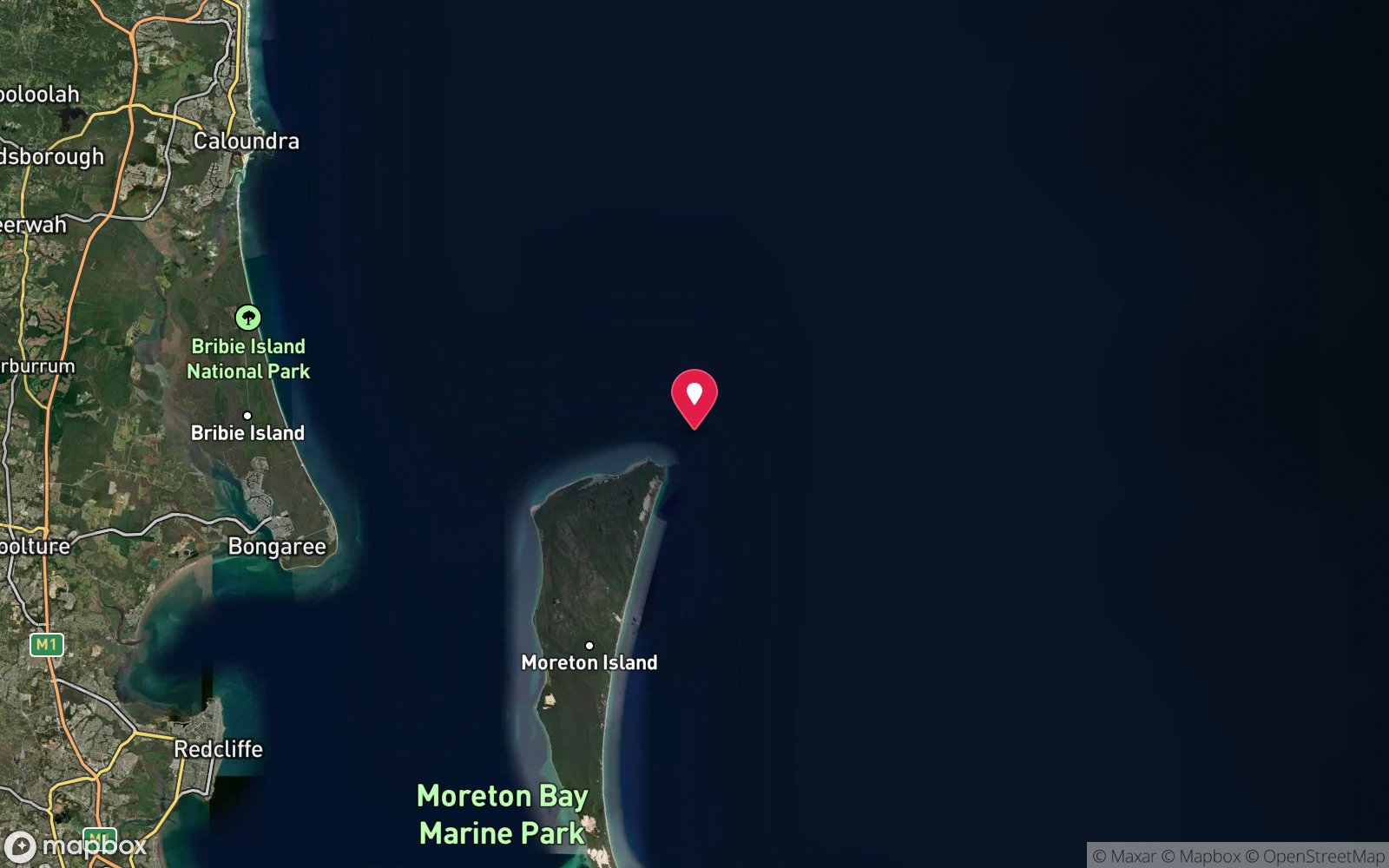
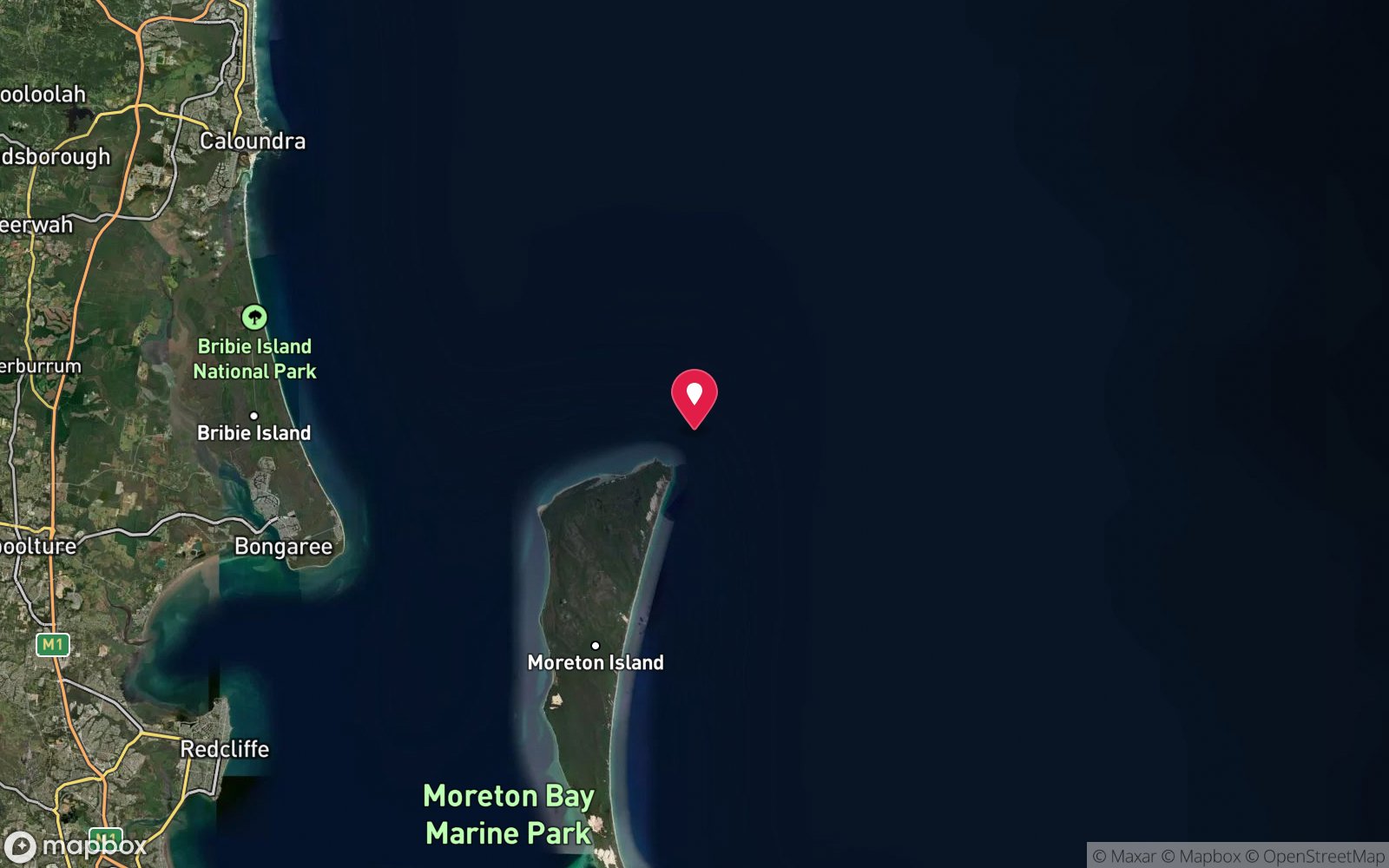
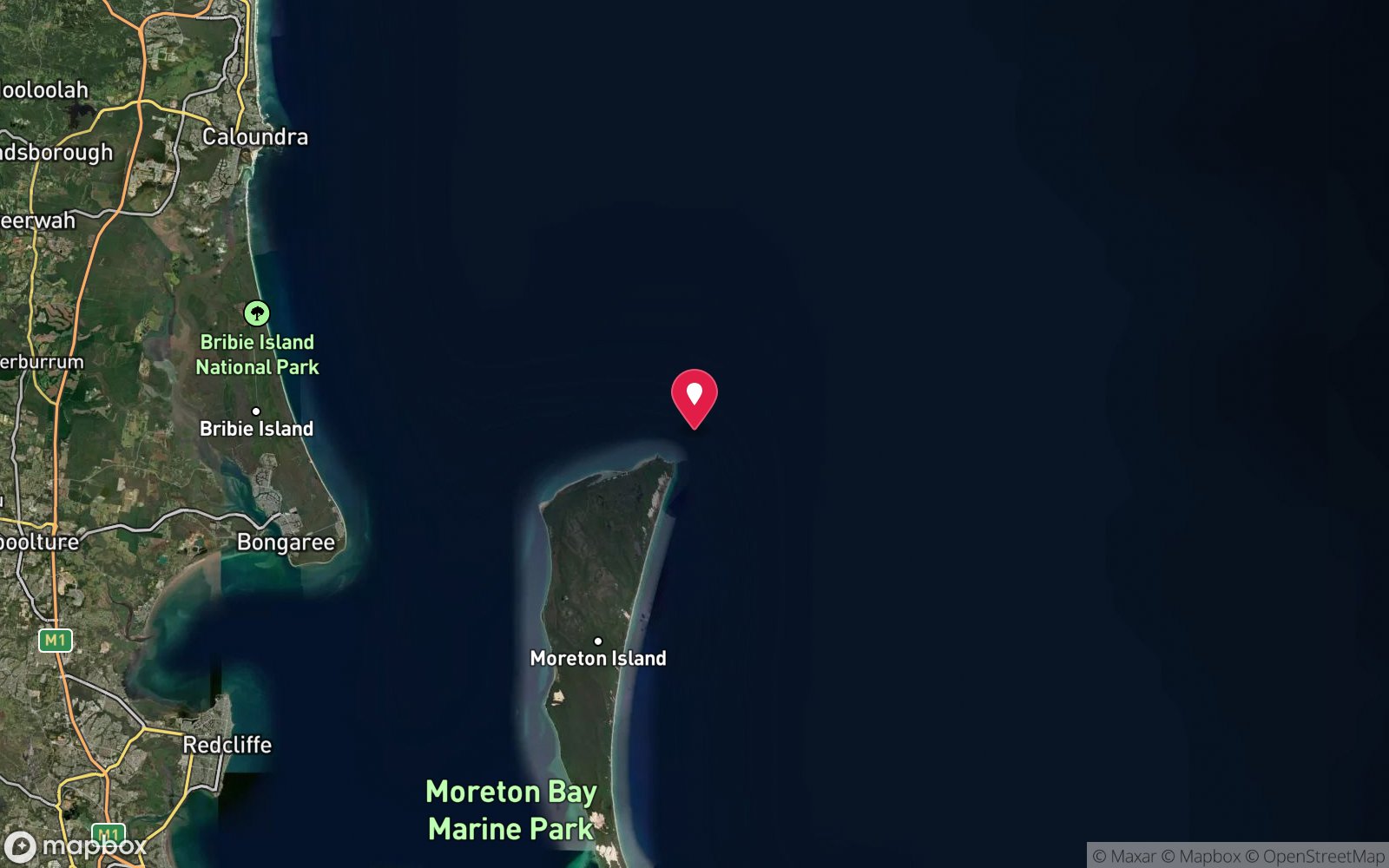
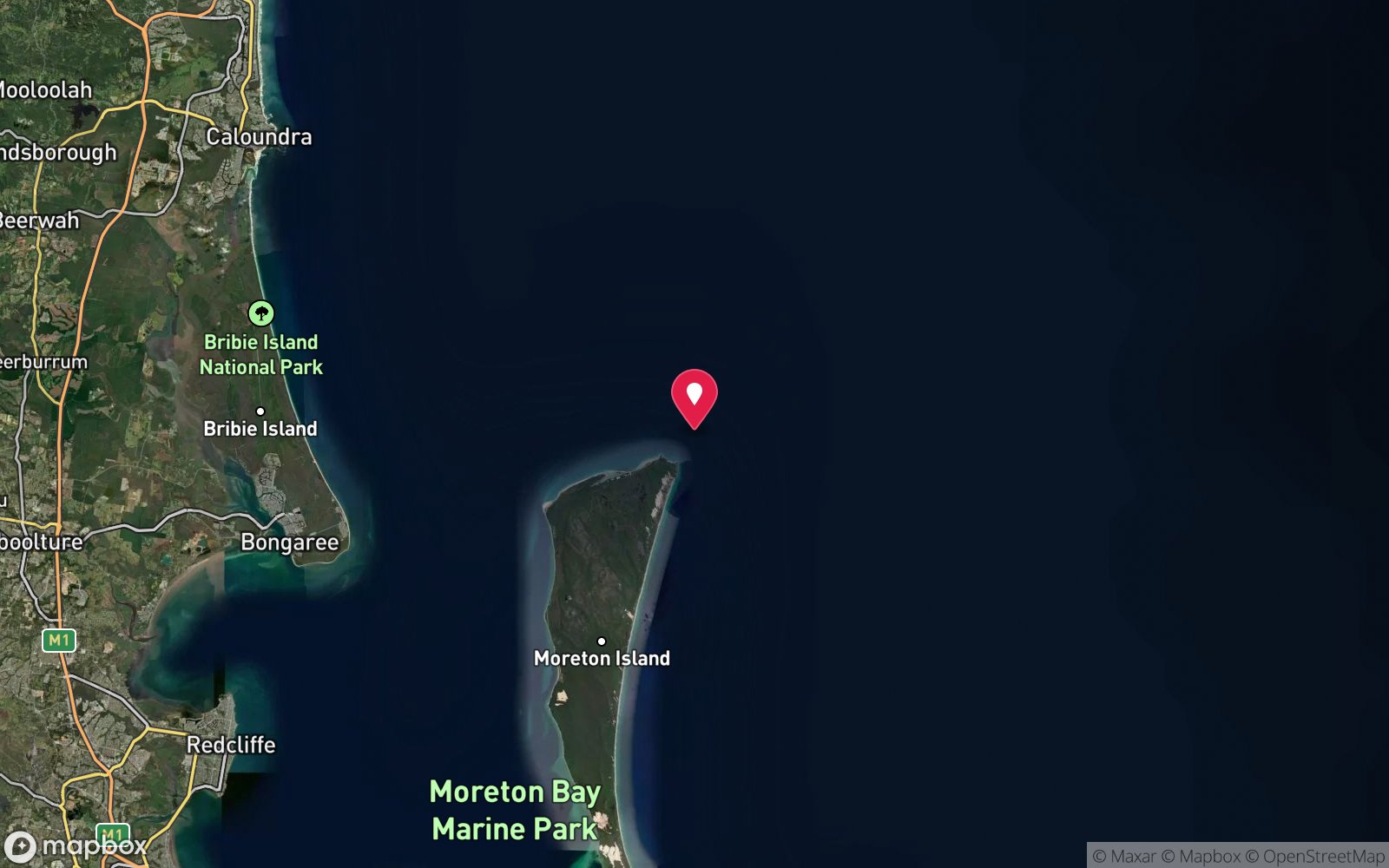
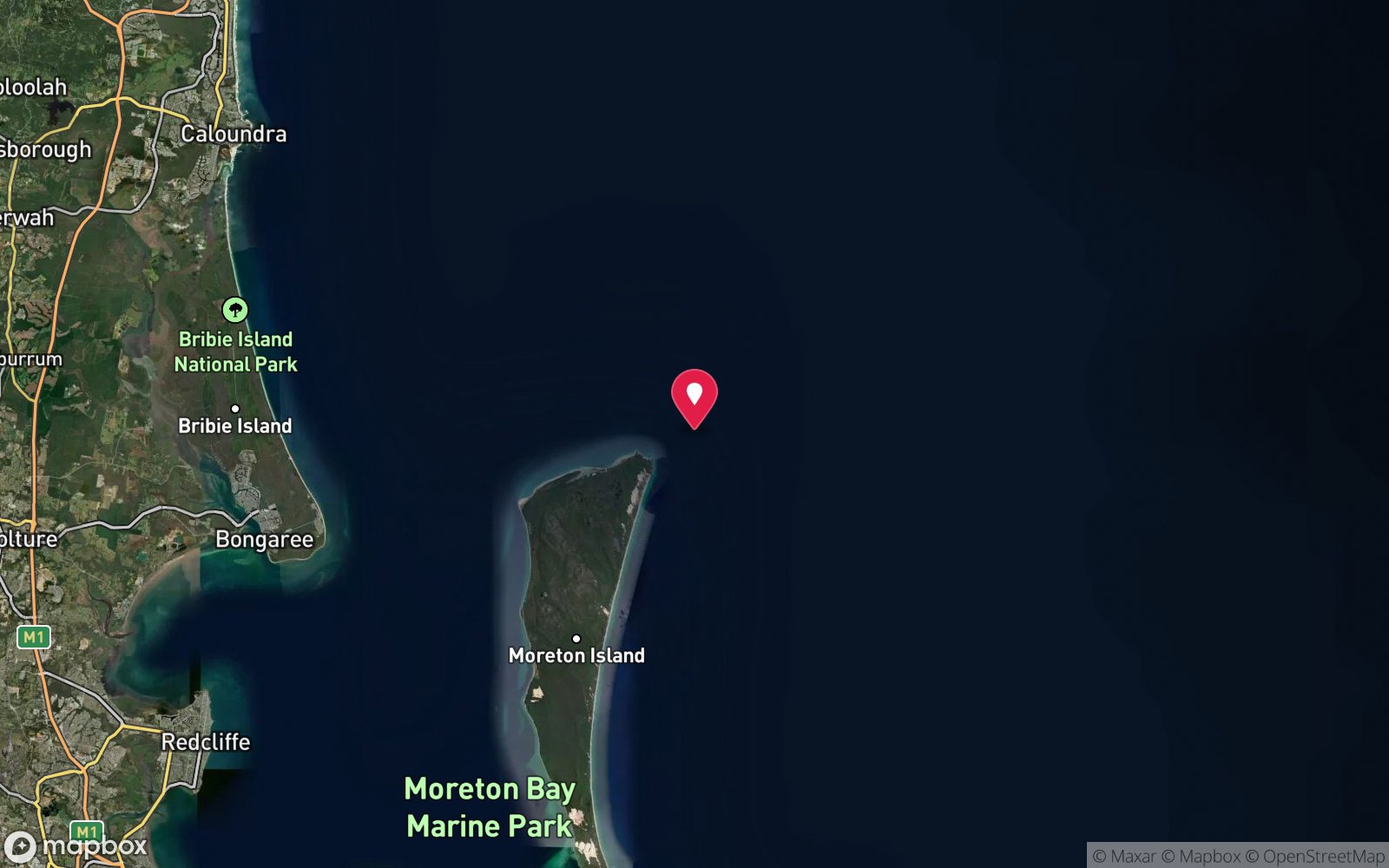
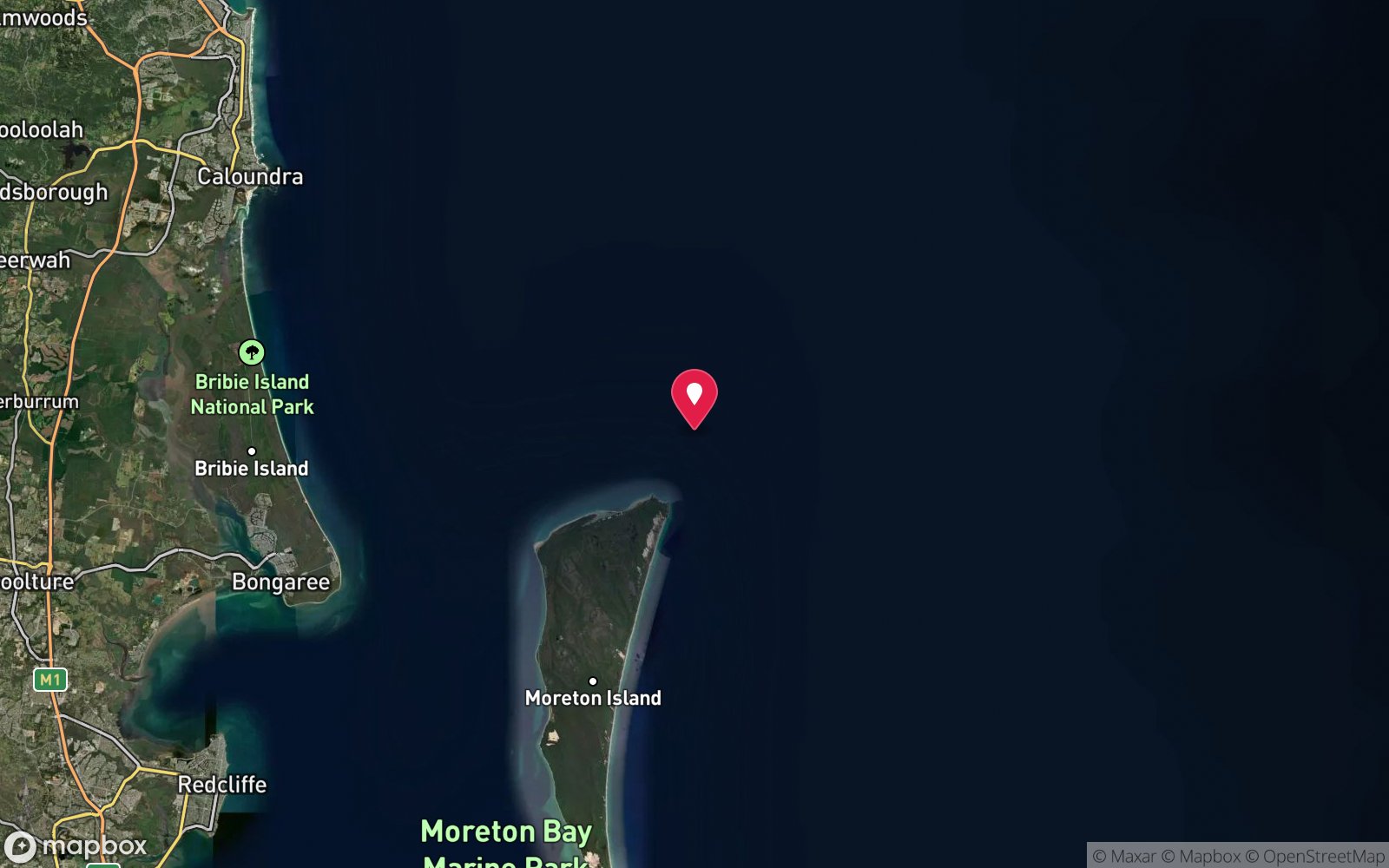
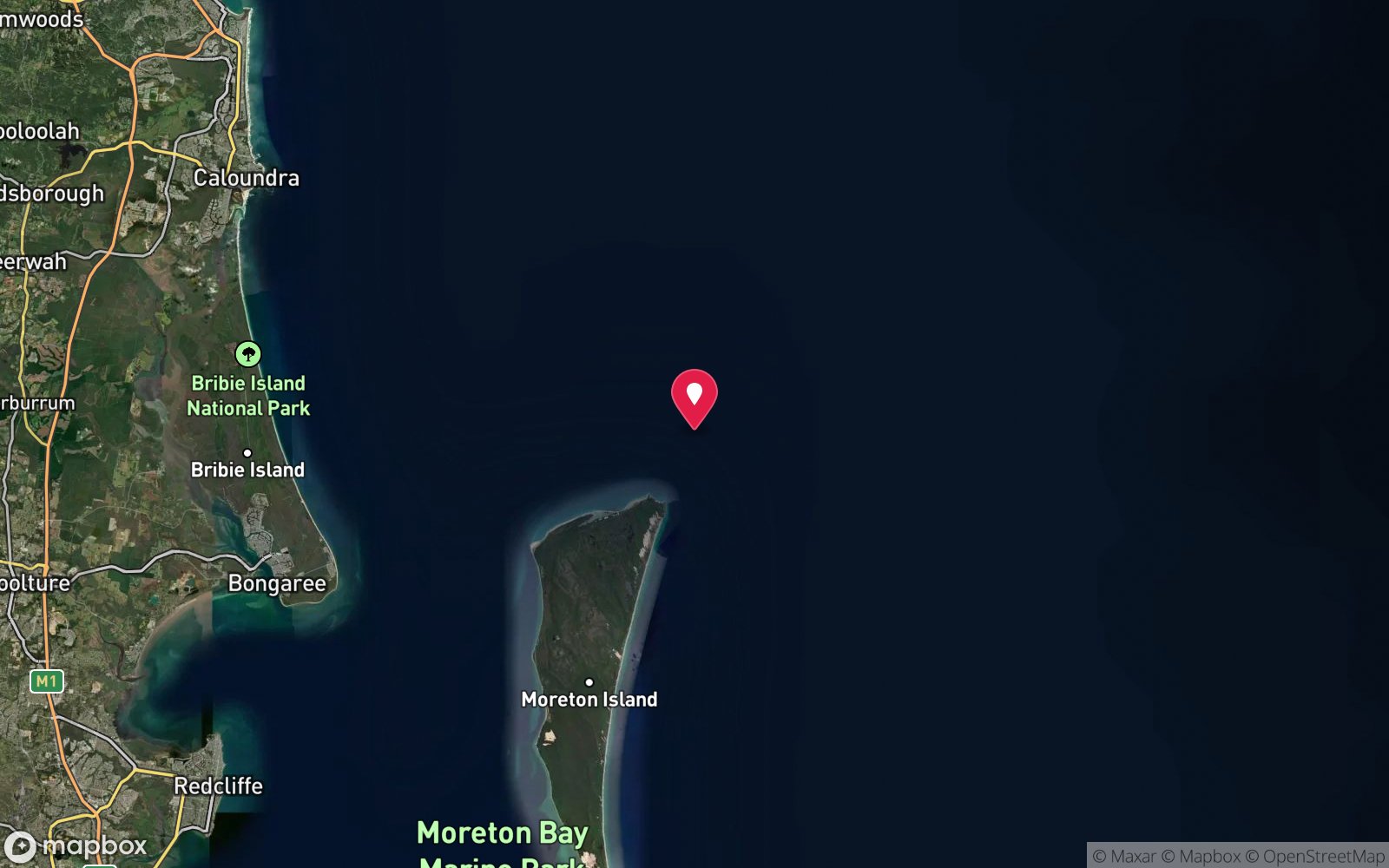
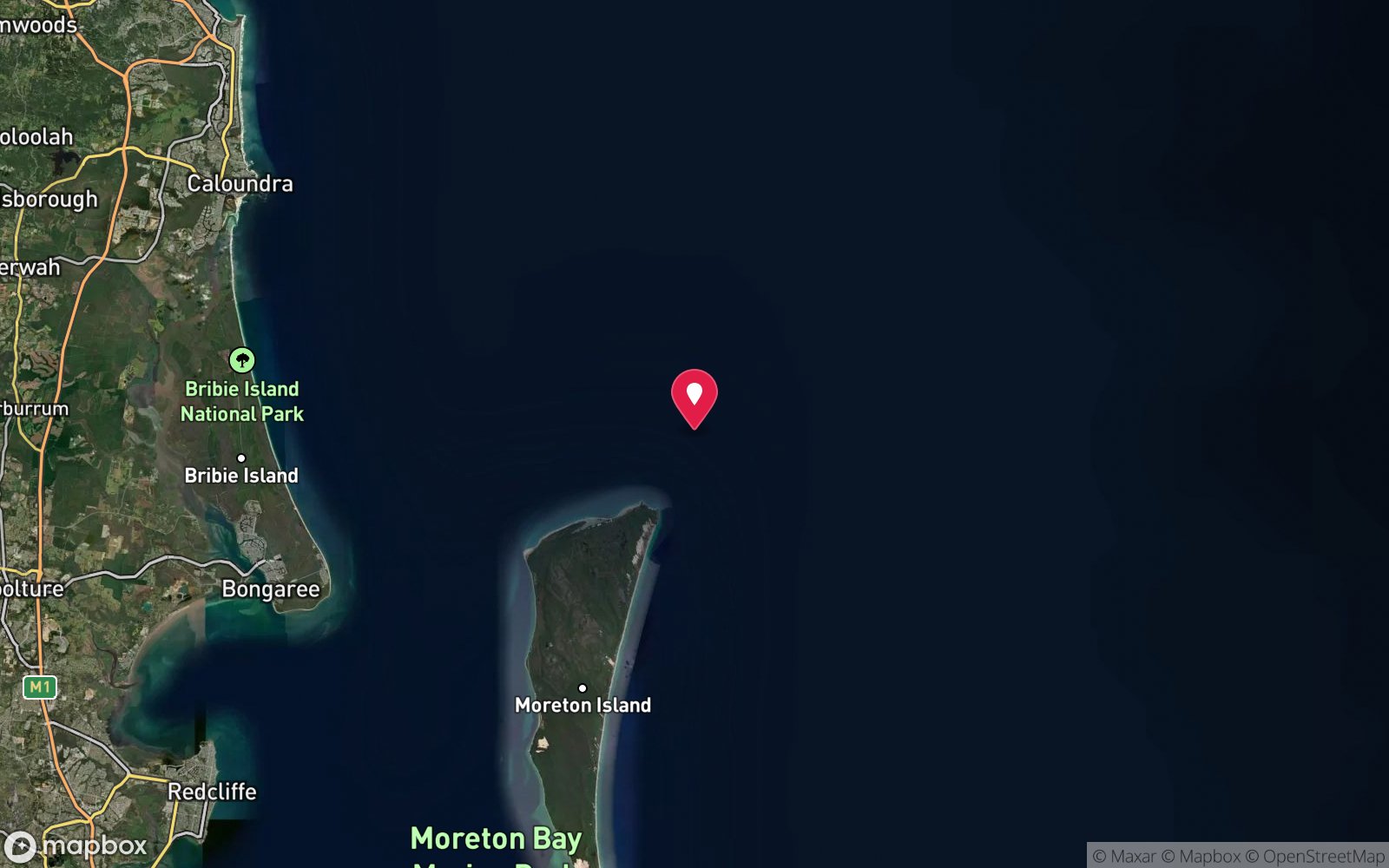
Smith Rock / Cape Moreton · Brisbane – Moreton Island (outer)
-27.00500, 153.49000
Approximate position — not for navigation.
Open in Google MapsPrimary source: marinelife.org.auMarine park & permits
Historic shipwreck – do not disturb or remove artefacts; Moreton Bay Marine Park zoning applies
Nearest recompression chamber
Royal Brisbane & Women's Hospital Hyperbaric Medicine Service (Herston, Brisbane); Wesley Centre for Hyperbaric Medicine (Auchenflower, Brisbane) as alternative
Diving emergency: call 000, then DAN AP 1800 088 200.
Trip planner
Build a trip around St Paul Wreck →
A day-by-day plan for Brisbane & Moreton Bay with this site locked in.
This guide is a planning aid. Conditions change daily — confirm with a local dive centre and dive within your training. Data & safety notes.
Dive profile
How this site rates
Scores are computed from the recorded data, not opinions. How?
At a glance
St Paul Wreck is a wreck boat dive in Brisbane & Moreton Bay, QLD, 30–43 m, suited to Technical (decompression) divers, strong current, about 85 minutes by boat.
Rated expert/technical because of depth to 43 m, strong current.
Why dive here
- A 1912 French steamer lost with 18 lives in 1914, with twin boilers, engine and propeller intact at 38-43 m.
- Sunk in 1914; protected as underwater cultural heritage, so look but do not touch.
- Rarely dived: expect to have the site to yourself, and plan your own logistics.
- Visibility often reaches 15-30 m.
About St Paul Wreck
The St Paul is the deepest and most serious of the Smith Rock wrecks. She was a steel single-screw steamer of 1,660 tons, about 230 ft long, built in France in 1912. On her last voyage she was carrying 2,800 tons of chrome ore from New Caledonia when she struck Smith Rock in 1914 and sank, with the loss of 18 lives including her captain.
She came to rest about 1,000 m east of the rock on a gentle sand slope in 38-43 m. After more than a century the superstructure has largely collapsed, but the heavy components remain clearly identifiable: the twin boilers, the engine, winches, the propeller and an anchor. Twisted handrails and parts of the superstructure lie among the debris.
The wreck is well covered in sponges and corals, and it attracts pelagic and reef fish, rays, octopus, wobbegongs and large estuary cod. With the right conditions, visibility of 20-30 m lets divers see much of the site from the shot line. Depth is the defining factor.
On air, UniDive estimates only about 8 minutes of no-decompression time, and it recommends the wreck only for very experienced divers operating near recreational limits. Currents of up to 2 knots mean the dive must be timed for slack water, and in practice it is best done by technical divers using appropriate gas and a planned decompression schedule rather than as a squeezed no-stop dive. For those equipped for it, the St Paul is one of the more significant deep wrecks within reach of Brisbane.
Wreck details
Steel single-screw steamer, 229.9 ft (c. 70 m), 1,660 t, built France 1912 · Sunk 1914 · Protected historic shipwreck
Era: early 20th century. Oldest wrecks · Wartime wrecks · Scuttled warships
Other wrecks of the same era
- Marloo Wreck (K'gari) · Max 5 m · Hervey Bay & K'gari
- SS Moltke Wreck (Geoffrey Bay) · Max 8 m · Townsville & Magnetic Island
- SS Yongala · Max 30 m · Townsville & Magnetic Island
- Florence Bay (Magnetic Island) · Max 15 m · Townsville & Magnetic Island
- SS Llewellyn Wreck · Max 35 m · Mackay
- SS Cooma Wreck (North Reef) · Max 6 m · Heron Island & Capricorn Group
Getting there & entry
Deep steamer wreck on a sand slope about 1 km east of Smith Rock, north-east of Cape Moreton, Moreton Island.
Boat access only. Brisbane charters leave from Manly Boat Harbour (Brisbane Scuba departs from the corner of Royal Esplanade and Davenport Drive, Manly) or from Scarborough Boat Harbour on the Redcliffe Peninsula, crossing Moreton Bay and running out through the North West Channel past Bulwer and Comboyuro Point to the northern tip of Moreton Island. Allow roughly 75-90 minutes from Manly in good conditions.
Sunshine Coast operators run south from The Wharf, Mooloolaba, in about 45 minutes. Private boats typically launch at Scarborough or Bribie Island; the open-water crossing around Cape Moreton is exposed and should only be attempted in settled weather with local knowledge. Smith Rock lies between Cape Moreton and Flinders Reef, a short run from the cape; the three historic wrecks lie on and around it.
The St Paul lies about 1,000 m east of the rock in deep water; operators drop a shot at slack water.
Entry: Giant stride or back roll from charter boat
Facilities: Departure facilities at Manly or Scarborough boat harbours.
Weather, swell & tides
Up to 2-knot currents run across the site, so the St Paul can only be dived at slack water, and the window is short for a deep dive with a long ascent. Needs calm seas (swell under about 1.5 m, light winds) so the boat can hold station and recover divers drifting on their ascent. Visibility averages 15-30 m, best in winter.
Best season: Year-round; winter (May-October) usually brings the clearest water and calmest mornings
If it's blown out
Sheltered or shore sites within 25 km that often work when St Paul Wreck doesn't.
- Tangalooma Wrecks · 21 km · Max 12 m
- Bulwer Wrecks · 15 km · Max 6 m
- Cowan Cowan · 18 km · Max 12 m
How the dive is usually run
Descend the shot at slack water directly to the boilers and engine at about 38-40 m, look at the winches, propeller and anchor, and leave the bottom on time. Ascend the shot line or a DSMB with staged safety or decompression stops.
Marine life
- Large estuary cod
- pelagic and reef fish
- rays
- octopus →
- wobbegongs →
- sponges and corals
Linked species have their own page listing every site where they are recorded. All marine life →
Training required
Beyond recreational limits: decompression, mixed gas or full cave/wreck training is required.
Courses that help here
- Enriched Air Nitrox – Longer no-decompression time at 25 m and deeper.
- Drift Diver – Current is a feature of the dive.
Depth tiers: 0–10 m easy · to 18 m Open Water · 18–30 m Advanced (25 m+ is a deep dive) · 30–40 m Deep specialty · 40 m+ technical. All courses
Hazards & warnings
Depth 38-43 m – about 8 minutes no-decompression on air; narcosis; currents to 2 knots – slack water only; exposed site; war grave-style loss of life – treat with respect.
Technical notes
Best dived with trimix or at minimum well-planned air/nitrox decompression; carry a DSMB and redundant gas; nitrox or oxygen for deco stops. Shot line recommended.
Dive centres that go here
No regular schedule; dived occasionally by experienced club groups (UniDive, Brisbane Sub-Aqua Club) and by charter (Supercat Charters) for deep-certified divers at slack water.
Operators recorded for St Paul Wreck
Scuba World Mooloolaba
ListedMooloolaba · Sunshine Coast · QLD
A Sunshine Coast business combining training, retail and local boat diving including the ex-HMAS Brisbane.
scubaworld.com.au · (07) 5444 8595
Sunreef Mooloolaba
ListedMooloolaba · Sunshine Coast · QLD
A Mooloolaba operation closely associated with the ex-HMAS Brisbane wreck alongside local reef diving and training.
sunreef.com.au · (07) 5444 5656
Brisbane Scuba
ListedManly · Brisbane & Moreton Bay · QLD
A Brisbane training and service business supporting the local resident diving population.
brisbanescuba.au · 0418 736 738
Brisbane Dive Academy
ListedTingalpa · Brisbane & Moreton Bay · QLD
A Brisbane training operation focused on recreational certification and continuing education.
brisbanediveacademy.com.au · (07) 3890 0342
Go Dive Brisbane
ListedWindsor · Brisbane & Moreton Bay · QLD
A Brisbane business combining training, equipment retail and service support for local divers.
godive.com.au · (07) 3857 7255
Other dive centres in Brisbane & Moreton Bay
Tangalooma Island Resort
ListedMoreton Island · Brisbane & Moreton Bay · QLD
A Moreton Island resort with diving and snorkelling access to the Tangalooma wrecks, a shallow, sheltered artificial reef system.
tangalooma.com/shops-services/dive-watersports · 1300 652 250
ADRENO Brisbane
ListedBrisbane · Brisbane & Moreton Bay · QLD
A large equipment retailer with a strong spearfishing and freediving emphasis alongside scuba equipment. This is primarily a retail business rather than a training centre.
adreno.com.au
Dive Dive Dive
ListedTingalpa · Brisbane & Moreton Bay · QLD
A long-standing Brisbane business associated with technical training alongside recreational courses, retail and servicing. Technical capability should be audited service by service rather than assumed.
divedivedive.com.au · (07) 3890 4443
DiversWorld
ListedCairns · Cairns · QLD
A Queensland equipment and service business. Current retail range, servicing capability and any training should be verified directly.
diversworld.com.au · (07) 4041 4004
Professional Dive Services
Named by sitesBrisbane · Brisbane & Moreton Bay · QLD
Brisbane-based dive training business that runs Torres Strait / Ribbon Reef expeditions aboard MV Kalinda; not based in the Torres Strait.
professionaldiveservices.com.au · 0457 007 040
Map
7 pinned sites. Pins marked approximate on their pages show the general area only; not for navigation.
Satellite views
St Paul Wreck: frequently asked questions
How deep is St Paul Wreck?
St Paul Wreck reaches a maximum depth of 43 m, with the shallowest part at about 30 m; most of the dive is spent around 40 m.
What certification do I need to dive St Paul Wreck?
Technical (decompression) is the recommended minimum. Rated expert/technical because of depth to 43 m, strong current.
Can I shore dive St Paul Wreck?
No, it is reached by boat (about 85 minutes). A dive centre is required: boat access only.
When is the best time to dive St Paul Wreck?
Year-round; winter (May-October) usually brings the clearest water and calmest mornings.
What marine life will I see at St Paul Wreck?
Regularly recorded: Large estuary cod, pelagic and reef fish, rays, octopus, wobbegongs, sponges and corals.
What wetsuit do I need at St Paul Wreck?
3-5 mm full wetsuit in summer; 5-7 mm with hood in winter.
How cold is the water at St Paul Wreck?
Typically 24-27 °C in summer and 19-21 °C in winter.
What are the main hazards at St Paul Wreck?
Depth 38-43 m – about 8 minutes no-decompression on air; narcosis; currents to 2 knots – slack water only; exposed site; war grave-style loss of life – treat with respect. See the hazards section above for the full list.
Where is the nearest recompression chamber to St Paul Wreck?
Royal Brisbane & Women's Hospital Hyperbaric Medicine Service (Herston, Brisbane); Wesley Centre for Hyperbaric Medicine (Auchenflower, Brisbane) as alternative. In an emergency call 000, then DAN Asia-Pacific on 1800 088 200.
Diving in Brisbane & Moreton Bay
Brisbane's diving is better than most visitors expect. Flinders Reef, off the northern tip of Moreton Island, has more coral species than many outer-reef sites and resident turtles and wobbegongs; the Tangalooma Wrecks are 15 scuttled vessels you can snorkel from the beach; the Curtin Artificial Reef is a 30-year collection of scuttled boats and cars off Cowan; and Cherubs Cave and Henderson Rock on the east side of Moreton hold grey nurse sharks in winter.
Getting there: Charters from Scarborough, Manly and Brisbane's bayside run Flinders and the east-side sites; Tangalooma is reached by ferry or from the resort.
All Brisbane & Moreton Bay dive sites and a suggested itinerary →
Sources
- marinelife.org.au/?page_id=1574
- unidive.org/diving/dive-sites
- supercatcharters.com.au/sites
- nigelmarshphotography.com/blog-posts/moreton-island-scuba-diver-mag
Data confidence: Medium · Being verified: Nigel Marsh gives 1919 as the loss year; marinelife.org.au and UniDive give 1914.. Last updated September 2026. Know this site better? How to send a correction
Nearby dive sites
More wrecks in Queensland
Explore more
This region
Similar dives