Dive slate · divesites.com.au · printed 7 Nov 2026
SS Llewellyn Wreck
Mackay, Queensland · near Mackay
| Depth | 28–35 m |
|---|---|
| Minimum level | Deep/Advanced + experience |
| Difficulty | Advanced |
| Access | Boat |
| Entry | Giant stride from permitted private or charter vessel; descend a shot line |
| Current | Strong |
| Visibility | 5-20 m |
| Water | summer 27-29 °C, winter 22-24 °C |
| Suit | 3 mm full suit or stinger suit in summer (lycra/stinger suit essential Nov–May); 5 mm full suit June–September |
| Best season | Calm neap days, September–December |
| Bottom time | 20 min |
| Position | -20.95890, 149.46630 (approximate) |
| Permit | Protected historic shipwreck (Commonwealth Underwater Cultural Heritage Act 2018) – 500 m permit-controlled zone; Great Barrier Reef Marine Park. |
| Nearest chamber | Townsville University Hospital hyperbaric unit (Douglas, Townsville) |
| Emergency | 000 · DAN Asia-Pacific diving emergency 1800 088 200 |
SS Llewellyn Wreck
Also known as Llewellyn, QGS Llewellyn
An intact, soft-coral-covered 1884 government steamer lost with all 13 aboard in 1919 and found only in 1997 – untouched, protected and rarely dived.
Near Mackay · Mackay, Queensland
- Depth
- 28–35 m
- Minimum level
- Deep/Advanced + experience
- Access
- Boat
- Boat ride
- ~60 min
- Water
- 27-29 °C
- Visibility
- 5-20 m
SS Llewellyn Wreck28–35 m · Deep/Advanced + experience
Dive factsDepths, conditions, location & safety
Season
In season nowBest months: September, October, November, December.
Calm neap days, September–December
- Best months
- Now (November)
- Stinger suit Nov–May
Dive facts
- Depth
- 28–35 m
- Typical depth
- 32 m
- Certification
- Deep/Advanced + experience
- Difficulty
- Advanced
- Depth tier
- Deep / Advanced + experience (30–40 m)
- Access
- Boat
- Offshore
- 35 km
- Dive centre needed
- Yes – permit/guide required
- Shore / independent
- No
- Boat ride
- ~60 min
- Current
- Strong
- Visibility
- 5-20 m
- Water temp (summer)
- 27-29 °C
- Water temp (winter)
- 22-24 °C
- Water
- Tropical
- Bottom time
- 20 min
- Dive traffic
- Rarely dived (private boat/club only)
- Night dive
- No
- Snorkel friendly
- No
Exposure suit
3 mm full suit or stinger suit in summer (lycra/stinger suit essential Nov–May); 5 mm full suit June–September
Location
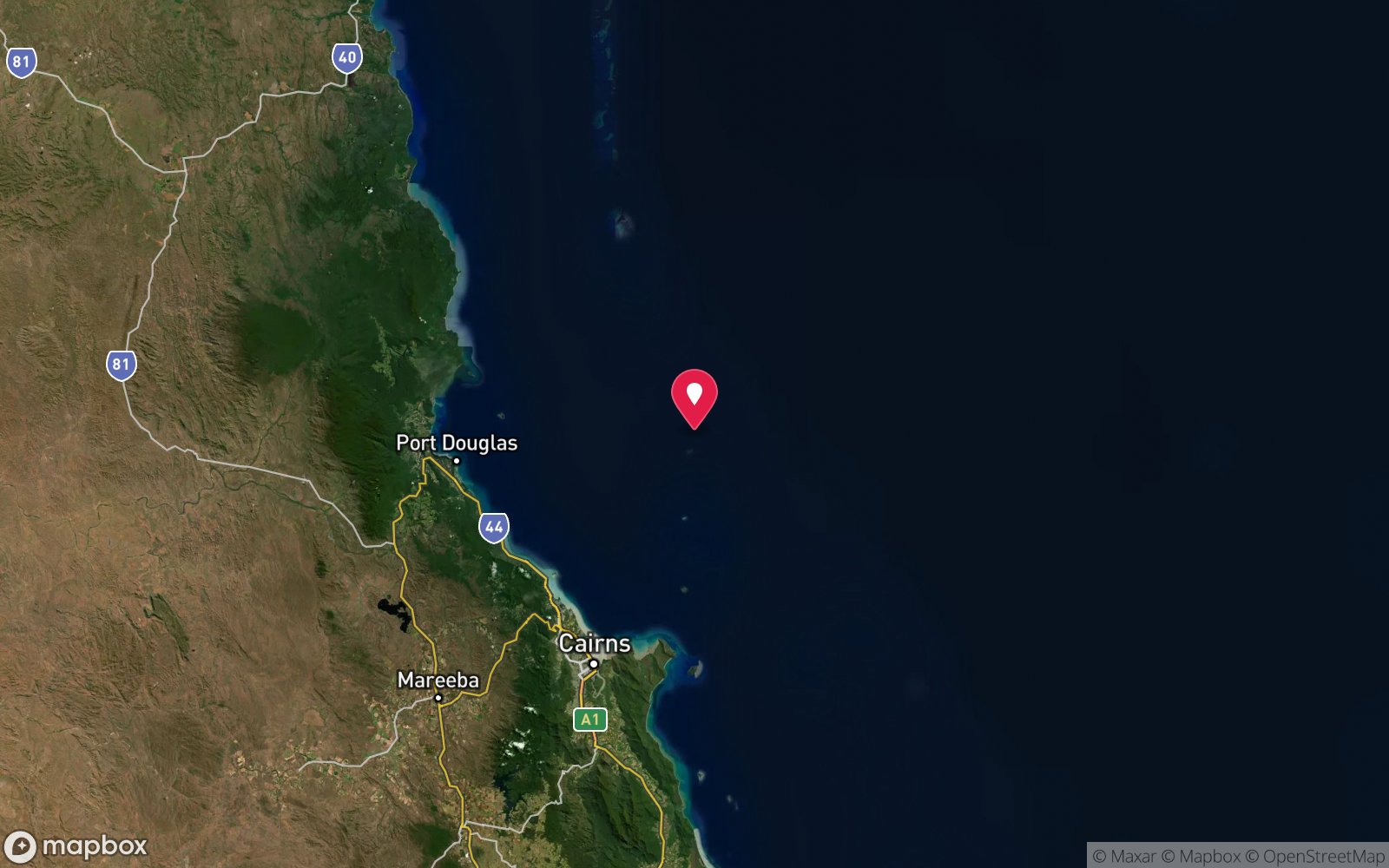
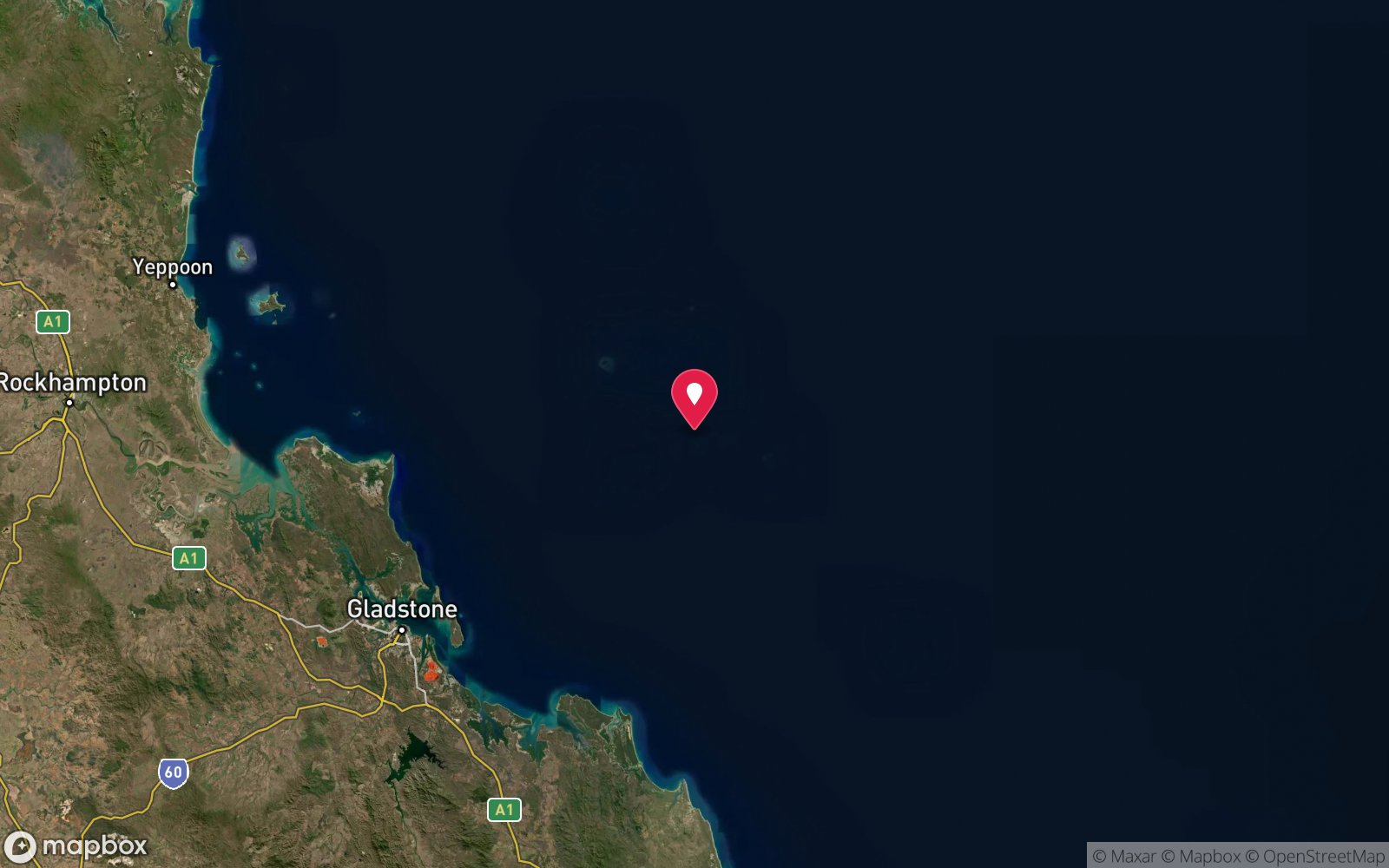
St Bees / Bailey Islet · Central GBR – Mackay & Cumberland Islands
-20.95890, 149.46630
Approximate position — not for navigation.
Open in Google MapsPrimary source: davidleffman.comMarine park & permits
Protected historic shipwreck (Commonwealth Underwater Cultural Heritage Act 2018) – 500 m permit-controlled zone; Great Barrier Reef Marine Park.
Nearest recompression chamber
Townsville University Hospital hyperbaric unit (Douglas, Townsville)
Diving emergency: call 000, then DAN AP 1800 088 200.
Trip planner
Build a trip around SS Llewellyn Wreck →
A day-by-day plan for Mackay with this site locked in.
This guide is a planning aid. Conditions change daily — confirm with a local dive centre and dive within your training. Data & safety notes.
Dive profile
How this site rates
Scores are computed from the recorded data, not opinions. How?
At a glance
SS Llewellyn Wreck is a wreck boat dive in Mackay, QLD, 28–35 m, suited to Deep/Advanced + experience divers, strong current, about 60 minutes by boat.
Rated advanced because of depth to 35 m, strong current.
Why dive here
- An intact, soft-coral-covered 1884 government steamer lost with all 13 aboard in 1919 and found only in 1997 – untouched, protected and rarely dived.
- Sunk in 1919; protected as underwater cultural heritage, so look but do not touch.
- Rarely dived: expect to have the site to yourself, and plan your own logistics.
- Visibility often reaches 5-20 m.
Conditions to avoid
- Strong southerly or south-east swell and wind
- Any time other than slack water
- Cyclone season (roughly December–April)
- Stinger season without a full suit (November–May)
About SS Llewellyn Wreck
The Llewellyn was built in Liverpool in 1884 as a Queensland Government pilot vessel. She proved unstable in heavy seas and spent much of her career on river duties around Brisbane, but during the 1919 seamen's strike she was pressed into service carrying supplies to isolated north Queensland communities. On the evening of 16 July 1919 she left Rockhampton for Bowen under Captain Holloway with eleven crew and two passengers – nurse Rowena Gordon and shipping accountant W.J.
Bradford – carrying about 30 tons of cargo, coal and lighthouse stores. After passing Cape Capricorn lighthouse the next morning, she was never seen again. Heavy gales were blowing, and her forward-stowed cargo may have made her bow-heavy.
Wreckage washed up on St Bees Island, but the ship itself was not found for 78 years. On 7 December 1997 diver Mark Earney, with David Leffman and Debs McLennan, dived a sonar anomaly off Bailey Islet and found her. Leffman's account describes a 30 m hull sitting intact and upright on the bottom, facing into the current, with a squarish wheelhouse, a broken funnel stump and a mast lying across the starboard deck, all covered in soft corals.
A large grouper occupied the wheelhouse; potato cod, coral trout, batfish schools, wobbegongs carpeting the deck, turtles and even tiger sharks were seen, in 10–20 m visibility. The Queensland Museum quickly took control of the site. The wreck lies in about 35 m on a silty bottom in open water, exposed to strong currents.
A permit is needed to approach within 500 m, the site is policed, there are no buoys, and there are no commercial trips. For permitted, experienced deep divers it is an untouched, poignant wreck – the grave of thirteen people.
Wreck details
Single-screw iron coastal steamer / Queensland Government pilot vessel, ~34 m; built Liverpool 1884; lost with all 13 aboard 17 July 1919; found 7 December 1997 · Sunk 1919 · Protected historic shipwreck
Era: early 20th century. Oldest wrecks · Wartime wrecks · Scuttled warships
Other wrecks of the same era
- Florence Bay (Magnetic Island) · Max 15 m · Townsville & Magnetic Island
- Marloo Wreck (K'gari) · Max 5 m · Hervey Bay & K'gari
- St Paul Wreck · Max 43 m · Brisbane & Moreton Bay
- SS Cooma Wreck (North Reef) · Max 6 m · Heron Island & Capricorn Group
- SS Moltke Wreck (Geoffrey Bay) · Max 8 m · Townsville & Magnetic Island
- SS Yongala · Max 30 m · Townsville & Magnetic Island
Getting there & entry
Intact government steamer lying in about 35 m of open water roughly halfway between St Bees Island and Bailey Islet, north-east of Mackay.
Boat only, with a permit. The wreck lies in open water about halfway between St Bees Island and Bailey Islet, roughly 35 km north-east of Mackay. Launch at the Mackay Harbour ramp or Mackay Marina and allow about 1 hour in a fast boat.
A permit is required to approach within 500 m of the site because of its historical significance and loss of life; the site is monitored and has no buoys or markers. There are currently no commercial tours in Mackay to dive this wreck (Mackay Isaac Tourism).
Entry: Giant stride from permitted private or charter vessel; descend a shot line
Facilities: Mackay Harbour boat ramp / Mackay Marina. Nearest air/nitrox fills in Mackay.
Weather, swell & tides
Mackay has the largest tidal range on the Great Barrier Reef coast (springs exceed 6 m), so tidal streams around the Cumberland Islands and in passages such as Egremont Passage are strong and visibility is closely tied to the tide – dive neap tides at slack water. The south-east trades (15–25 knots April–September) make crossings rough; the calmest windows are the build-up months (September–December) and winter lulls. Visibility is typically 5–12 m inshore, often worse after wind or wet-season rain (January–April) from the Pioneer River and local creeks.
Marine stinger season (box jellyfish and Irukandji) runs roughly November to May – wear a full-length stinger suit or wetsuit with hood and gloves, carry vinegar. Cyclone season November–April; tropical lows and cyclones can close sites and damage coral (TC Yasi 2011, TC Debbie 2017). Cyclone Hamish (2009) and Cyclone Debbie (2017) affected reefs in the region.
The Llewellyn is an open-ocean site very exposed to currents, on a silty bottom; it must be dived at slack water on calm days.
Best season: Calm neap days, September–December
If it's blown out
Sheltered or shore sites within 25 km that often work when SS Llewellyn Wreck doesn't.
- St Bees Island Fringing Reef · 5 km · Max 12 m
- Keswick Island – Connie Bay & Basil Bay · 7 km · Max 10 m
- Singapore Wreck (Keswick Island) · 9 km · Max 12 m
- Scawfell Island – Refuge Bay · 19 km · Max 12 m
How the dive is usually run
Descend a shot placed on sand beside the wreck (not on it), tour the intact hull – wheelhouse, funnel stump and the mast lying on the starboard deck – within no-decompression limits at 30–35 m, and ascend the shot at slack water with a long safety stop.
Marine life
- Grouper (in wheelhouse)
- potato cod →
- coral trout
- batfish schools
- wobbegong sharks →
- turtles →
- tiger sharks
- soft corals
Linked species have their own page listing every site where they are recorded. All marine life →
Training required
The recreational limit. Operators expect a Deep Diver specialty or Advanced plus a log of similar dives, and most recommend nitrox.
This is a deep dive: plan gas, bottom time and a safety stop accordingly, and consider nitrox.
Courses that help here
- Enriched Air Nitrox – Longer no-decompression time at 25 m and deeper.
- Deep Diver – The site reaches 35 m.
- Wreck Diver – The wreck has penetration options.
- Drift Diver – Current is a feature of the dive.
Depth tiers: 0–10 m easy · to 18 m Open Water · 18–30 m Advanced (25 m+ is a deep dive) · 30–40 m Deep specialty · 40 m+ technical. All courses
Hazards & warnings
Depth ~35 m – short NDL on air, nitrox or deco planning needed; strong currents in open water – slack water only; silty bottom (visibility collapses if disturbed); permit required within 500 m; no moorings; war grave-like site of loss of life – do not touch. Marine stinger season (box jellyfish and Irukandji) runs roughly November to May – wear a full-length stinger suit or wetsuit with hood and gloves, carry vinegar.
Technical notes
At 30–35 m, bottom time on air is short; EANx 28–30% or a planned decompression profile recommended. Shot on sand beside the wreck; no anchoring on structure; no penetration. Permit from Queensland/Commonwealth heritage authorities.
Dive centres that go here
No commercial operator – Mackay Isaac Tourism states there are no current tours to dive this wreck. Permitted private/club vessels only.
All dive centres in Queensland →
Operators mentioned: Mackay dive shops and clubs, private charter boats (Mackay Marina)
Map
7 pinned sites. Pins marked approximate on their pages show the general area only; not for navigation.
Satellite views
SS Llewellyn Wreck: frequently asked questions
How deep is SS Llewellyn Wreck?
SS Llewellyn Wreck reaches a maximum depth of 35 m, with the shallowest part at about 28 m; most of the dive is spent around 32 m.
What certification do I need to dive SS Llewellyn Wreck?
Deep/Advanced + experience is the recommended minimum. This is a deep dive: plan gas, bottom time and a safety stop accordingly, and consider nitrox. Rated advanced because of depth to 35 m, strong current.
Can I shore dive SS Llewellyn Wreck?
No, it is reached by boat (about 60 minutes). A dive centre is required: permit/guide required.
When is the best time to dive SS Llewellyn Wreck?
Calm neap days, September–December.
What marine life will I see at SS Llewellyn Wreck?
Regularly recorded: Grouper (in wheelhouse), potato cod, coral trout, batfish schools, wobbegong sharks, turtles, tiger sharks, soft corals.
What wetsuit do I need at SS Llewellyn Wreck?
3 mm full suit or stinger suit in summer (lycra/stinger suit essential Nov–May); 5 mm full suit June–September.
How cold is the water at SS Llewellyn Wreck?
Typically 27-29 °C in summer and 22-24 °C in winter.
What are the main hazards at SS Llewellyn Wreck?
Depth ~35 m – short NDL on air, nitrox or deco planning needed; strong currents in open water – slack water only; silty bottom (visibility collapses if disturbed); permit required within 500 m; no moorings; war grave-like site of loss of life – do not touch. See the hazards section above for the full list.
Where is the nearest recompression chamber to SS Llewellyn Wreck?
Townsville University Hospital hyperbaric unit (Douglas, Townsville). In an emergency call 000, then DAN Asia-Pacific on 1800 088 200.
Diving in Mackay
Mackay's reefs are 30–60 km offshore and its inshore water is tidal and turbid, so diving here is a neap-tide, dry-season affair, run by a local club and the occasional charter to Credlin, Bugatti and the closer Cumberland Islands.
Getting there: Charters from Mackay marina when demand allows.
Sources
- davidleffman.com/blog-1-1/finding-the-llewellyn
- mackayisaac.com/llewellyn-dive-site
- marinelife.org.au/?page_id=1590
Data confidence: High · Being verified: Coordinates carried from v1 (approximate); protection zone radius 500 m per Mackay Isaac Tourism.. Last updated September 2026. Know this site better? How to send a correction
Nearby dive sites
More wrecks in Queensland
Explore more
This region
Similar dives
Marine life