Dive slate · divesites.com.au · printed 7 Nov 2026
St Bees Island Fringing Reef
Mackay, Queensland · near Mackay
| Depth | 2–12 m |
|---|---|
| Minimum level | Open Water |
| Difficulty | Beginner |
| Access | Boat (day trip) |
| Entry | Giant stride from private or charter boat |
| Current | Variable/Tidal |
| Visibility | 5-12 m |
| Water | summer 27-29 °C, winter 21-23 °C |
| Suit | 3 mm full suit or stinger suit in summer (lycra/stinger suit essential Nov–May); 5 mm full suit June–September |
| Best season | May–October on neap tides |
| Bottom time | 50 min |
| Position | -20.92000, 149.45000 (approximate) |
| Permit | Great Barrier Reef Marine Park – check zoning; South Cumberland Islands National Park on land |
| Nearest chamber | Townsville University Hospital hyperbaric unit (Douglas, Townsville) |
| Emergency | 000 · DAN Asia-Pacific diving emergency 1800 088 200 |
St Bees Island Fringing Reef
Also known as St Bees Island, Homestead Bay
Quiet national-park island reefs beside Keswick, with the Cremer wreck and caves on its north coast.
Near Mackay · Mackay, Queensland
- Depth
- 2–12 m
- Minimum level
- Open Water
- Access
- Boat (day trip)
- Boat ride
- ~70 min
- Water
- 27-29 °C
- Visibility
- 5-12 m
St Bees Island Fringing Reef2–12 m · Open Water
Dive factsDepths, conditions, location & safety
Season
Off-peak nowBest months: May, June, July, August, September, October.
Dive facts
- Depth
- 2–12 m
- Typical depth
- 6 m
- Certification
- Open Water
- Difficulty
- Beginner
- Depth tier
- Open Water (10–18 m)
- Access
- Boat (day trip)
- Offshore
- 35 km
- Dive centre needed
- Recommended
- Shore / independent
- Possible (experienced only)
- Boat ride
- ~70 min
- Current
- Variable/Tidal
- Visibility
- 5-12 m
- Water temp (summer)
- 27-29 °C
- Water temp (winter)
- 21-23 °C
- Water
- Tropical
- Bottom time
- 50 min
- Dive traffic
- Rarely dived (private boat/club only)
- Night dive
- Possible
- Snorkel friendly
- Yes
Exposure suit
3 mm full suit or stinger suit in summer (lycra/stinger suit essential Nov–May); 5 mm full suit June–September
Location
St Bees Island · Central GBR – Mackay & Cumberland Islands
-20.92000, 149.45000
Approximate position — not for navigation.
Open in Google MapsPrimary source: marinelife.org.auMarine park & permits
Great Barrier Reef Marine Park – check zoning; South Cumberland Islands National Park on land
Nearest recompression chamber
Townsville University Hospital hyperbaric unit (Douglas, Townsville)
Diving emergency: call 000, then DAN AP 1800 088 200.
Trip planner
Build a trip around St Bees Island Fringing Reef →
A day-by-day plan for Mackay with this site locked in.
This guide is a planning aid. Conditions change daily — confirm with a local dive centre and dive within your training. Data & safety notes.
Dive profile
How this site rates
Scores are computed from the recorded data, not opinions. How?
At a glance
St Bees Island Fringing Reef is a reef shore dive for experienced divers in Mackay, QLD, 2–12 m, suited to Open Water divers, variable/tidal current, about 70 minutes by boat.
Rated beginner: sheltered, shallow and manageable for a newly certified diver on a normal day, though note tidal current that must be timed.
Why dive here
- Quiet national-park island reefs beside Keswick, with the Cremer wreck and caves on its north coast.
- Snorkel-friendly, so non-diving companions can join at the surface.
- Rarely dived: expect to have the site to yourself, and plan your own logistics.
Conditions to avoid
- Strong southerly or south-east swell and wind
- Any time other than slack water
- Cyclone season (roughly December–April)
- Stinger season without a full suit (November–May)
About St Bees Island Fringing Reef
St Bees Island lies immediately east of Keswick Island across Egremont Passage, in the South Cumberland Islands National Park north-east of Mackay. It is a hilly, forested island best known ashore for its koala population, and its sheltered western bays carry fringing reefs that are dived by private boats and local clubs. The Marine Life Network's Mackay listing highlights two specific St Bees sites – the MV Cremer wreck near Grimston Point on the north coast, and 'Keswick Caves', crevices near the Cremer recently explored by a local club – and notes that the island's north coast is protected from all but south-easterly seas, with current along the cliff face.
More general fringing-reef diving around the island offers hard corals, reef fish such as coral trout and sweetlips, turtles and rays, in the modest visibility typical of the Mackay inshore islands. The dominant factor is the tide. Mackay's tidal range exceeds 6 m on springs, and Egremont Passage between Keswick and St Bees runs very strongly; dive at slack water on neap tides, anchor securely and keep a boat tender aboard.
St Bees has no public facilities or ferry, so it is a destination for private boats. Combined with Keswick's shore dives and the Cremer and Singapore wrecks, it offers a quiet island weekend of diving for self-sufficient divers from Mackay. Detailed site documentation for the general fringing reef is limited, and confidence is low-to-medium.
Anyone planning to land should check current national park and private-lease arrangements, as parts of the island have historically been under private lease.
Getting there & entry
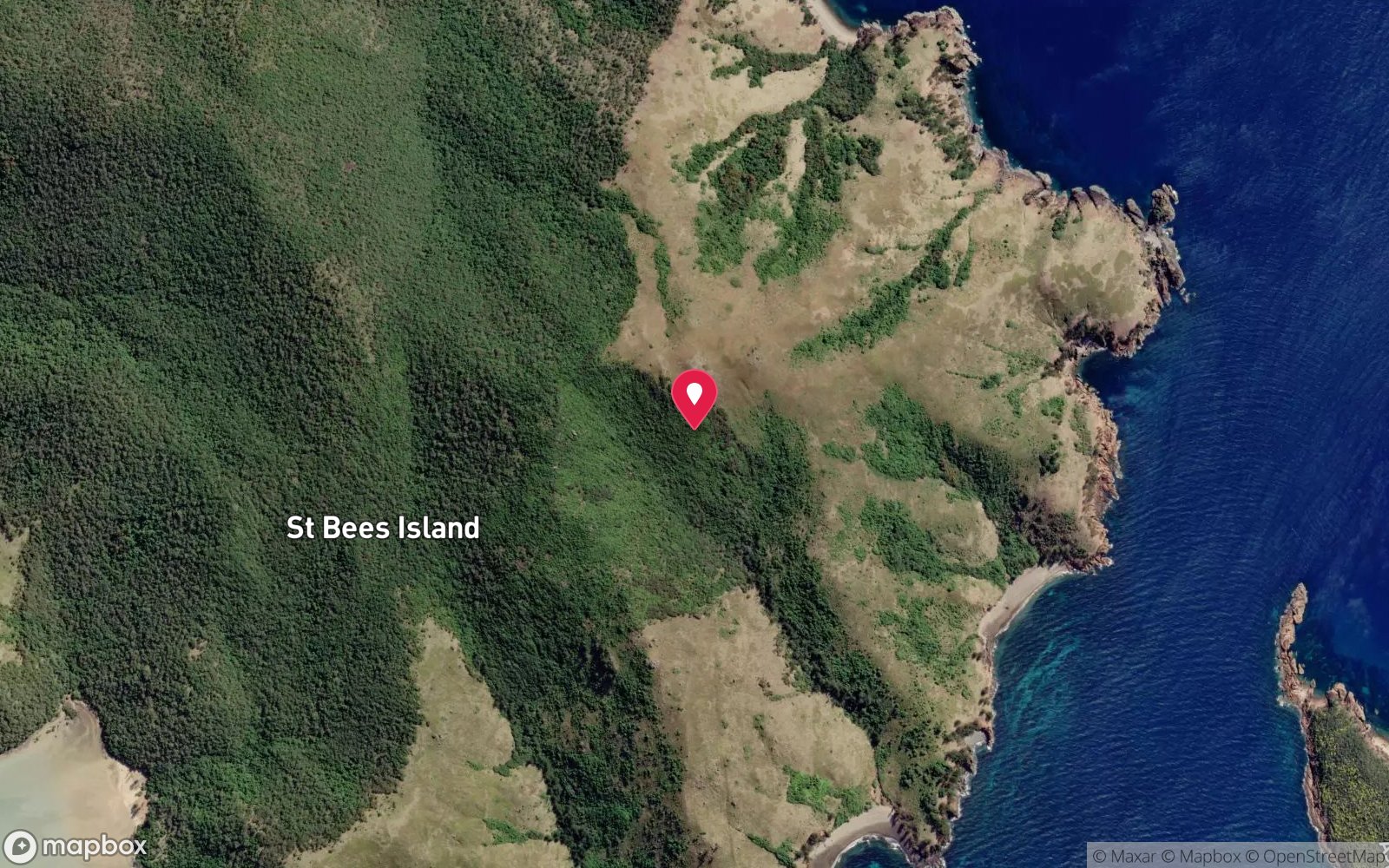
Fringing reefs of St Bees Island, east of Keswick Island across Egremont Passage, about 35 km north-east of Mackay.
Keswick and St Bees islands lie in the South Cumberland group roughly 30–35 km north-east of Mackay. A passenger ferry/barge service runs to Keswick Island from Mackay (about 1 hour), landing near Connie Bay; there are also light-aircraft flights. Private boats launch at Mackay Harbour or Mackay Marina (Mackay Harbour boat ramp, Slade Point) and cross in about 45–70 minutes depending on conditions, passing Slade Point and Flat-top Island.
Egremont Passage separates Keswick from St Bees and runs strong tides. There is no dive shop on the islands – bring all gear and fills from Mackay. St Bees is a national park island with no public ferry; reach it by private boat or charter, anchoring on sand in the sheltered western bays.
Entry: Giant stride from private or charter boat
Facilities: Mackay Marina and Mackay Harbour boat ramps (fuel, parking, cafes); Keswick Island has holiday houses and limited services; St Bees has a small private homestead area only. Air fills in Mackay.
Weather, swell & tides
Mackay has the largest tidal range on the Great Barrier Reef coast (springs exceed 6 m), so tidal streams around the Cumberland Islands and in passages such as Egremont Passage are strong and visibility is closely tied to the tide – dive neap tides at slack water. The south-east trades (15–25 knots April–September) make crossings rough; the calmest windows are the build-up months (September–December) and winter lulls. Visibility is typically 5–12 m inshore, often worse after wind or wet-season rain (January–April) from the Pioneer River and local creeks.
Marine stinger season (box jellyfish and Irukandji) runs roughly November to May – wear a full-length stinger suit or wetsuit with hood and gloves, carry vinegar. Cyclone season November–April; tropical lows and cyclones can close sites and damage coral (TC Yasi 2011, TC Debbie 2017). Cyclone Hamish (2009) and Cyclone Debbie (2017) affected reefs in the region.
Best season: May–October on neap tides
If it's blown out
Sheltered or shore sites within 25 km that often work when St Bees Island Fringing Reef doesn't.
- Keswick Island – Connie Bay & Basil Bay · 4 km · Max 10 m
- Singapore Wreck (Keswick Island) · 5 km · Max 12 m
- Scawfell Island – Refuge Bay · 18 km · Max 12 m
- Brampton Island · 23 km · Max 8 m
How the dive is usually run
Anchor in a sheltered western bay, dive the fringing reef at 3–10 m at slack water keeping the reef on one side, and return to the boat before the tide runs.
Marine life
- Hard corals
- coral trout
- sweetlips
- reef fish
- turtles →
- rays; koalas on land
Linked species have their own page listing every site where they are recorded. All marine life →
Training required
Within the 18 m limit of an entry-level certification.
Depth tiers: 0–10 m easy · to 18 m Open Water · 18–30 m Advanced (25 m+ is a deep dive) · 30–40 m Deep specialty · 40 m+ technical. All courses
Hazards & warnings
Very strong tidal flows in Egremont Passage and along cliffs; remote, no facilities; exposed to south-easterly seas on some coasts. Marine stinger season (box jellyfish and Irukandji) runs roughly November to May – wear a full-length stinger suit or wetsuit with hood and gloves, carry vinegar.
Dive centres that go here
No regular dive-charter operator currently runs scheduled trips in the Mackay region; divers use private boats, club trips (local dive clubs) and occasional charter boats from Mackay Marina. Nearest dive shops and fills in Mackay.
All dive centres in Queensland →
Operators mentioned: Mackay dive shops and clubs, private charter boats (Mackay Marina)
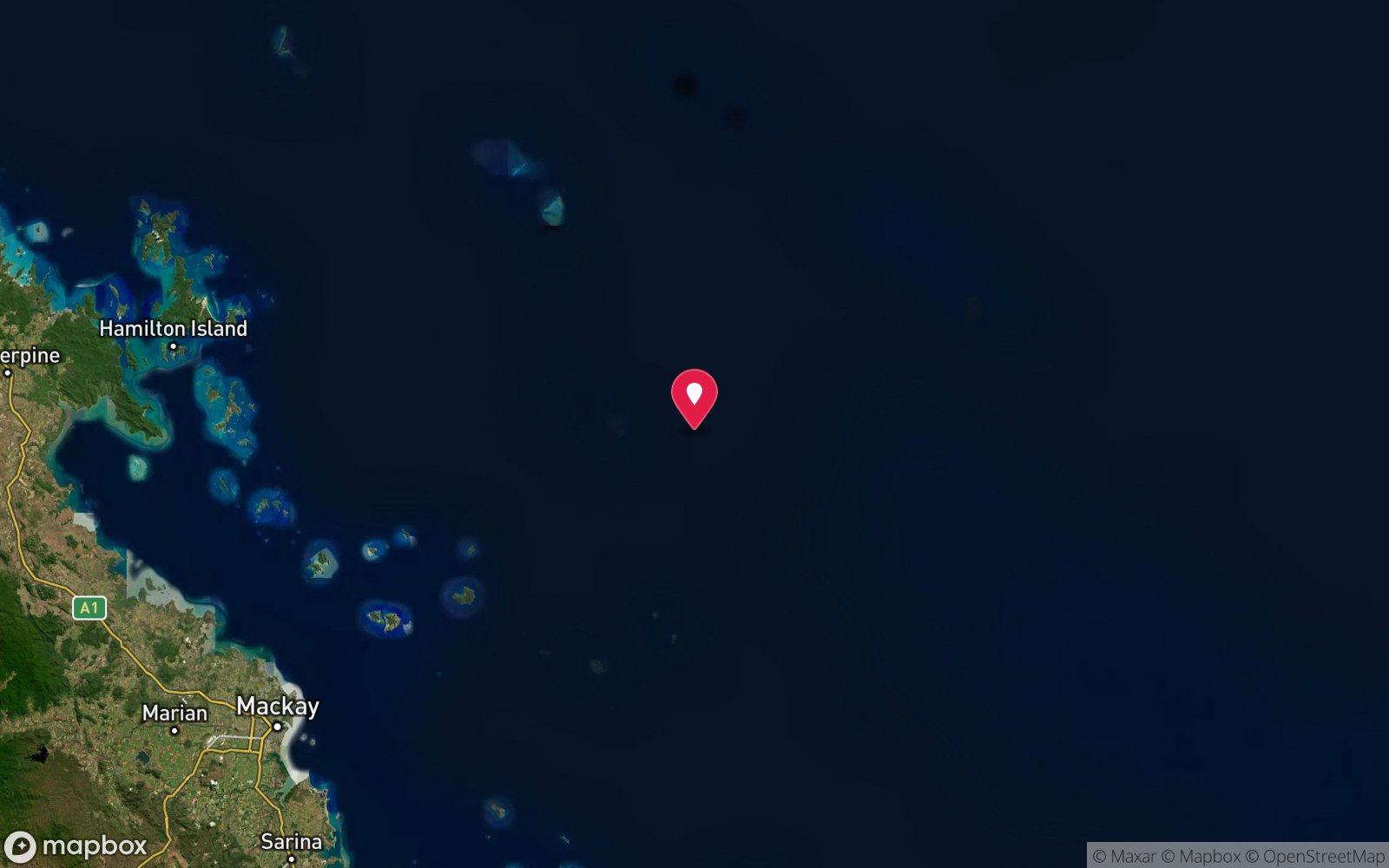
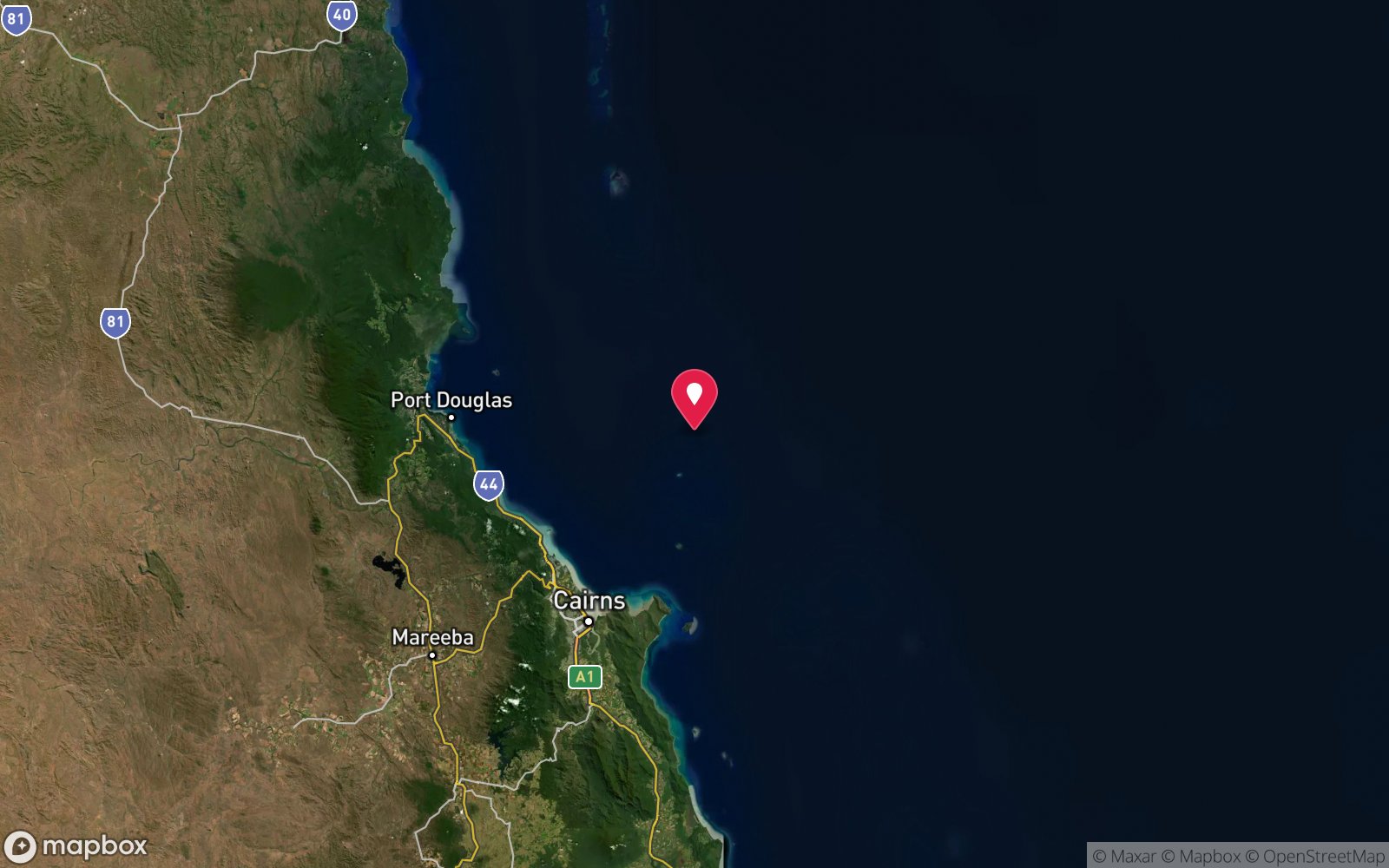
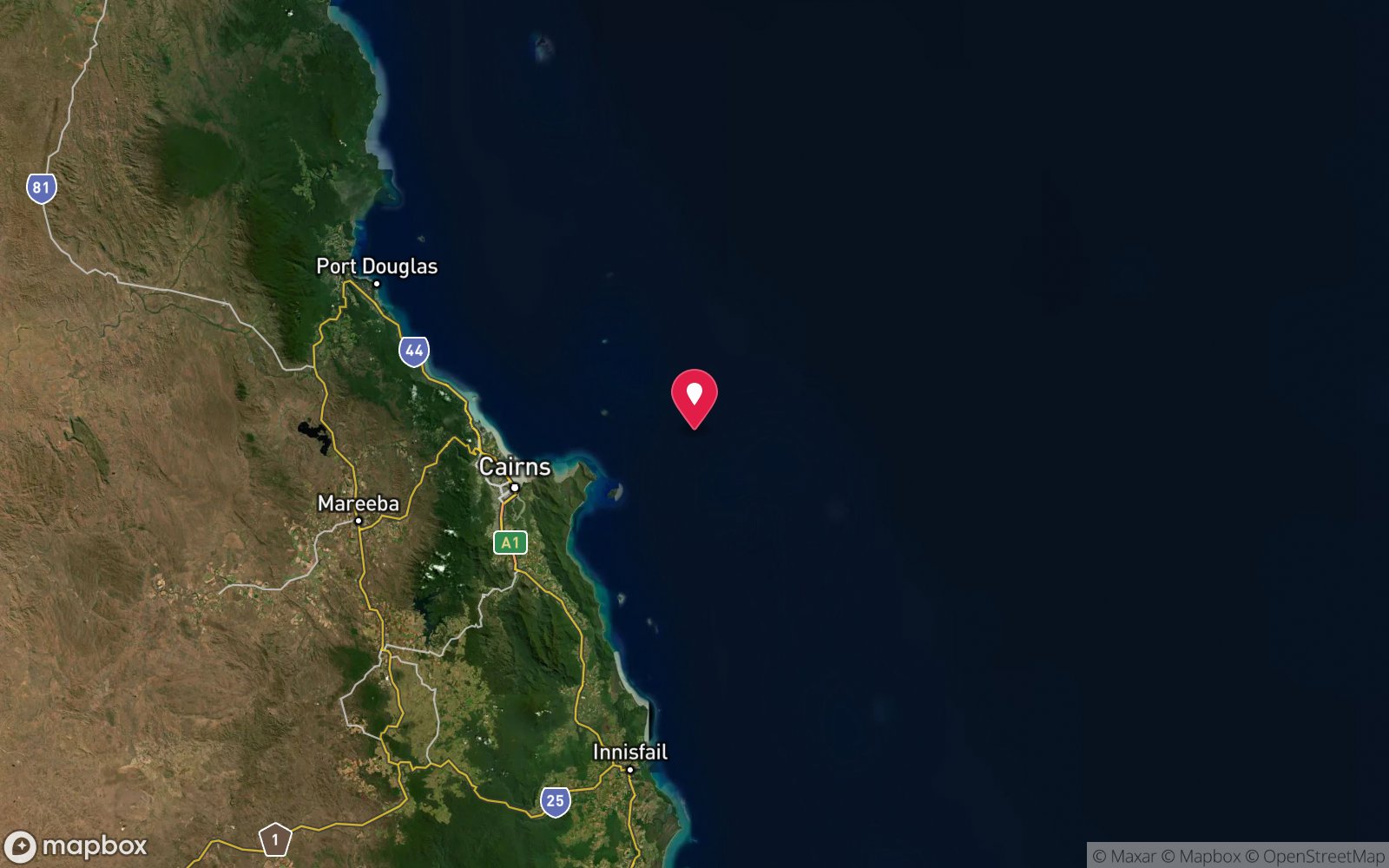
Map
7 pinned sites. Pins marked approximate on their pages show the general area only; not for navigation.
Satellite views
St Bees Island Fringing Reef: frequently asked questions
How deep is St Bees Island Fringing Reef?
St Bees Island Fringing Reef reaches a maximum depth of 12 m, with the shallowest part at about 2 m; most of the dive is spent around 6 m.
What certification do I need to dive St Bees Island Fringing Reef?
Open Water is the recommended minimum. Rated beginner: sheltered, shallow and manageable for a newly certified diver on a normal day, though note tidal current that must be timed.
Can I shore dive St Bees Island Fringing Reef?
Experienced divers do dive St Bees Island Fringing Reef from the shore, but the entry or conditions make it unsuitable for newer divers without local guidance. Entry: Giant stride from private or charter boat.
When is the best time to dive St Bees Island Fringing Reef?
May–October on neap tides.
What marine life will I see at St Bees Island Fringing Reef?
Regularly recorded: Hard corals, coral trout, sweetlips, reef fish, turtles, rays; koalas on land.
What wetsuit do I need at St Bees Island Fringing Reef?
3 mm full suit or stinger suit in summer (lycra/stinger suit essential Nov–May); 5 mm full suit June–September.
How cold is the water at St Bees Island Fringing Reef?
Typically 27-29 °C in summer and 21-23 °C in winter.
What are the main hazards at St Bees Island Fringing Reef?
Very strong tidal flows in Egremont Passage and along cliffs; remote, no facilities; exposed to south-easterly seas on some coasts. See the hazards section above for the full list.
Where is the nearest recompression chamber to St Bees Island Fringing Reef?
Townsville University Hospital hyperbaric unit (Douglas, Townsville). In an emergency call 000, then DAN Asia-Pacific on 1800 088 200.
Diving in Mackay
Mackay's reefs are 30–60 km offshore and its inshore water is tidal and turbid, so diving here is a neap-tide, dry-season affair, run by a local club and the occasional charter to Credlin, Bugatti and the closer Cumberland Islands.
Getting there: Charters from Mackay marina when demand allows.
Sources
Data confidence: Low · Being verified: General fringing-reef details not site-verified.. Last updated September 2026. Know this site better? How to send a correction
Nearby dive sites
More reef dives in Queensland
Explore more