Dive slate · divesites.com.au · printed 8 Nov 2026
Mackay Harbour North Wall
Mackay, Queensland · near Mackay
| Depth | 2–10 m |
|---|---|
| Minimum level | Open Water |
| Difficulty | Intermediate |
| Access | Shore |
| Entry | Shore entry over the rock breakwater at a safe access point |
| Current | Variable/Tidal |
| Visibility | 5-10 m |
| Water | summer 27-29 °C, winter 21-23 °C |
| Suit | 3 mm full suit or stinger suit in summer (lycra/stinger suit essential Nov–May); 5 mm full suit June–September |
| Best season | May–October on neap tides and calm days |
| Bottom time | 50 min |
| Position | -21.10000, 149.23000 (approximate) |
| Permit | Mackay port area – check port authority restrictions; adjacent Great Barrier Reef Coast Marine Park |
| Nearest chamber | Townsville University Hospital hyperbaric unit (Douglas, Townsville) |
| Emergency | 000 · DAN Asia-Pacific diving emergency 1800 088 200 |
Mackay Harbour North Wall
Also known as North Wall, Mackay Harbour breakwater
Mackay's convenient shore dive – a coral-grown breakwater with turtles, sea snakes and lionfish, used by dive schools.
Near Mackay · Mackay, Queensland
- Depth
- 2–10 m
- Minimum level
- Open Water
- Access
- Shore
- Boat ride
- —
- Water
- 27-29 °C
- Visibility
- 5-10 m
Mackay Harbour North Wall2–10 m · Open Water · Shore
Dive factsDepths, conditions, location & safety
Season
Off-peak nowBest months: May, June, July, August, September, October.
May–October on neap tides and calm days
- Best months
- Now (November)
- Stinger suit Nov–May
Dive facts
- Depth
- 2–10 m
- Typical depth
- 6 m
- Certification
- Open Water
- Difficulty
- Intermediate
- Depth tier
- Easy (0–10 m)
- Access
- Shore
- Offshore
- 0 km
- Dive centre needed
- Recommended
- Shore / independent
- Possible (experienced only)
- Current
- Variable/Tidal
- Visibility
- 5-10 m
- Water temp (summer)
- 27-29 °C
- Water temp (winter)
- 21-23 °C
- Water
- Tropical
- Bottom time
- 50 min
- Dive traffic
- Moderate (occasional charters/club dives)
- Night dive
- Possible
- Snorkel friendly
- Partial
Exposure suit
3 mm full suit or stinger suit in summer (lycra/stinger suit essential Nov–May); 5 mm full suit June–September
Location
Mackay Harbour · Central GBR – Mackay & Cumberland Islands
-21.10000, 149.23000
Approximate position — not for navigation.
Open in Google MapsPrimary source: marinelife.org.auMarine park & permits
Mackay port area – check port authority restrictions; adjacent Great Barrier Reef Coast Marine Park
Nearest recompression chamber
Townsville University Hospital hyperbaric unit (Douglas, Townsville)
Diving emergency: call 000, then DAN AP 1800 088 200.
Trip planner
Build a trip around Mackay Harbour North Wall →
A day-by-day plan for Mackay with this site locked in.
This guide is a planning aid. Conditions change daily — confirm with a local dive centre and dive within your training. Data & safety notes.
Dive profile
How this site rates
Scores are computed from the recorded data, not opinions. How?
At a glance
Mackay Harbour North Wall is a shore / rock platform shore dive for experienced divers in Mackay, QLD, 2–10 m, suited to Open Water divers, variable/tidal current.
Rated intermediate because of tidal current that must be timed, boat traffic overhead.
Why dive here
- Mackay's convenient shore dive – a coral-grown breakwater with turtles, sea snakes and lionfish, used by dive schools.
Conditions to avoid
- Strong southerly or south-east swell and wind
- Spring tides (strong current)
- Any time other than slack water
- Cyclone season (roughly December–April)
- Stinger season without a full suit (November–May)
About Mackay Harbour North Wall
The North Wall of Mackay Harbour is the region's accessible shore dive, and the Marine Life Network notes it is popular with dive schools. It is a rocky breakwater with coral growth, though the rocks are weedy and silt-laden, and depths run from 4 to 10 m with visibility of 5–10 m. Despite its industrial setting, the wall supports a surprising amount of life.
Turtles feed along the rocks, sea snakes forage in the crevices and lionfish hover under ledges, and the coral patches attract reef fish. As with many breakwater dives, macro life – nudibranchs, shrimps, crabs and small fish – rewards slow, careful divers. Conditions are the challenge.
Visibility varies with winds and port operations, and Mackay's large tidal range means currents and depth change quickly; high-tide slack on a calm day gives the best results. Entry and exit over large breakwater rocks need care, especially with a falling tide, and divers must stay well clear of the harbour entrance, shipping and boat traffic. For divers based in Mackay, the North Wall offers a convenient training and practice site and a chance to see turtles and sea snakes without a boat trip.
It is not a destination for visitors, but it is useful when offshore trips are blown out. Detailed entry points and any port access restrictions should be checked locally with dive schools before diving. As with any harbour dive, carry a cutting tool for fishing line, and log the tide times before entering so there is enough water over the rocks for a comfortable exit at the end of the dive.
Getting there & entry
Rocky breakwater on the northern side of Mackay Harbour with coral growth, used as a shore dive by dive schools.
Mackay Harbour is about 6 km north of the Mackay city centre, off Harbour Road near Slade Point. Park in the harbour/marina precinct near the northern breakwater and walk to a safe entry point on the rock wall – the rocks are large, uneven and can be slippery, so choose the entry carefully and have an exit plan for the tide. Check any port or marina access restrictions and keep well clear of shipping channels and boat ramps.
Local dive schools can advise on the usual entry.
Entry: Shore entry over the rock breakwater at a safe access point
Facilities: Mackay Marina/harbour precinct: parking, cafes, restaurants, toilets; dive shops and air fills in Mackay.
Weather, swell & tides
Mackay has the largest tidal range on the Great Barrier Reef coast (springs exceed 6 m), so tidal streams around the Cumberland Islands and in passages such as Egremont Passage are strong and visibility is closely tied to the tide – dive neap tides at slack water. The south-east trades (15–25 knots April–September) make crossings rough; the calmest windows are the build-up months (September–December) and winter lulls. Visibility is typically 5–12 m inshore, often worse after wind or wet-season rain (January–April) from the Pioneer River and local creeks.
Marine stinger season (box jellyfish and Irukandji) runs roughly November to May – wear a full-length stinger suit or wetsuit with hood and gloves, carry vinegar. Cyclone season November–April; tropical lows and cyclones can close sites and damage coral (TC Yasi 2011, TC Debbie 2017). Cyclone Hamish (2009) and Cyclone Debbie (2017) affected reefs in the region.
Visibility at the North Wall varies with winds and port operations; dive at high-tide slack on a calm day.
Best season: May–October on neap tides and calm days
How the dive is usually run
Enter at high-tide slack, follow the base of the breakwater at 4–10 m with the rocks on one side, turn at half gas and return shallower. Exit before the tide drops.
Marine life
- Turtles →
- sea snakes
- lionfish
- reef fish
- nudibranchs →
- shrimps
- crabs
- coral growth on rocks
Linked species have their own page listing every site where they are recorded. All marine life →
Training required
Shallow enough for snorkellers and for a first dive under supervision. Any certified diver can dive it.
Courses that help here
- Peak Performance Buoyancy – Silt and low visibility punish poor trim.
Depth tiers: 0–10 m easy · to 18 m Open Water · 18–30 m Advanced (25 m+ is a deep dive) · 30–40 m Deep specialty · 40 m+ technical. All courses
Hazards & warnings
Boat and shipping traffic near the harbour entrance – tow a flag and stay by the wall; slippery, uneven rock entry/exit; large tidal range and currents; silt; sea snakes (do not handle); possible port access restrictions. Marine stinger season (box jellyfish and Irukandji) runs roughly November to May – wear a full-length stinger suit or wetsuit with hood and gloves, carry vinegar.
Dive centres that go here
Mackay dive schools use the North Wall for training and shore dives; local clubs. Nearest dive centres for gear hire, fills and local advice: Mackay dive shops and clubs, private charter boats (Mackay Marina).
All dive centres in Queensland →
Operators mentioned: Mackay dive shops and clubs, private charter boats (Mackay Marina)
Map
7 pinned sites. Pins marked approximate on their pages show the general area only; not for navigation.
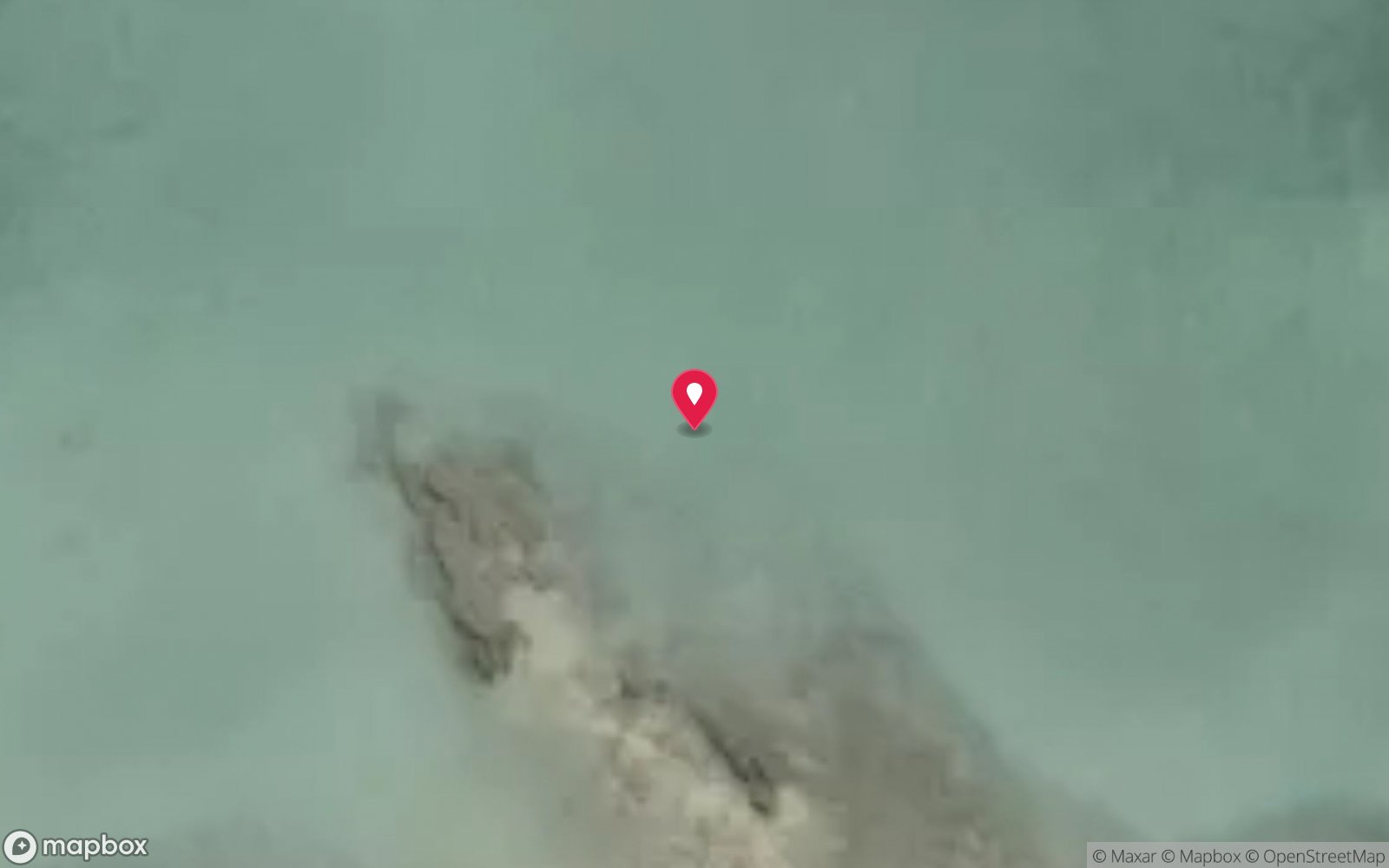
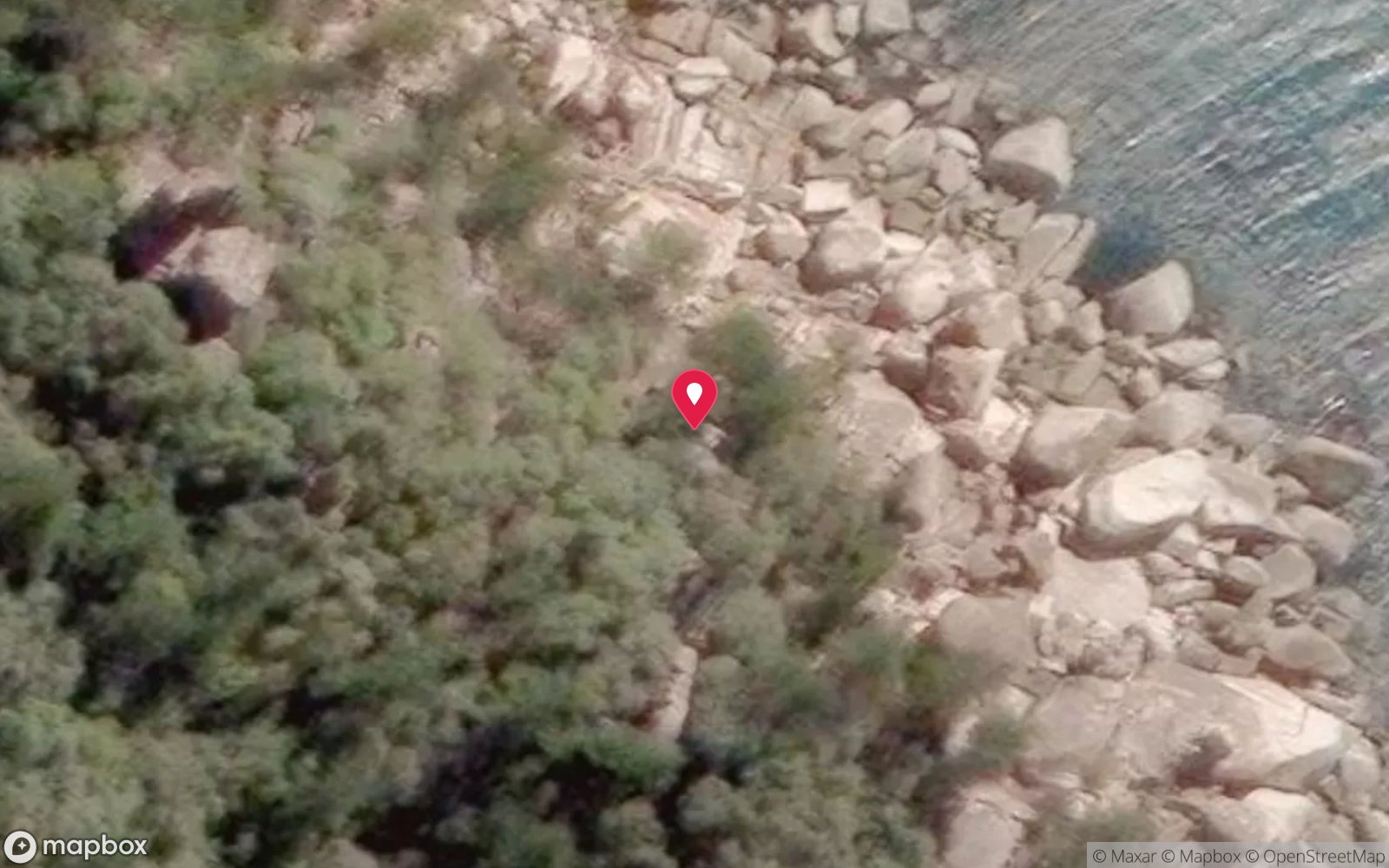
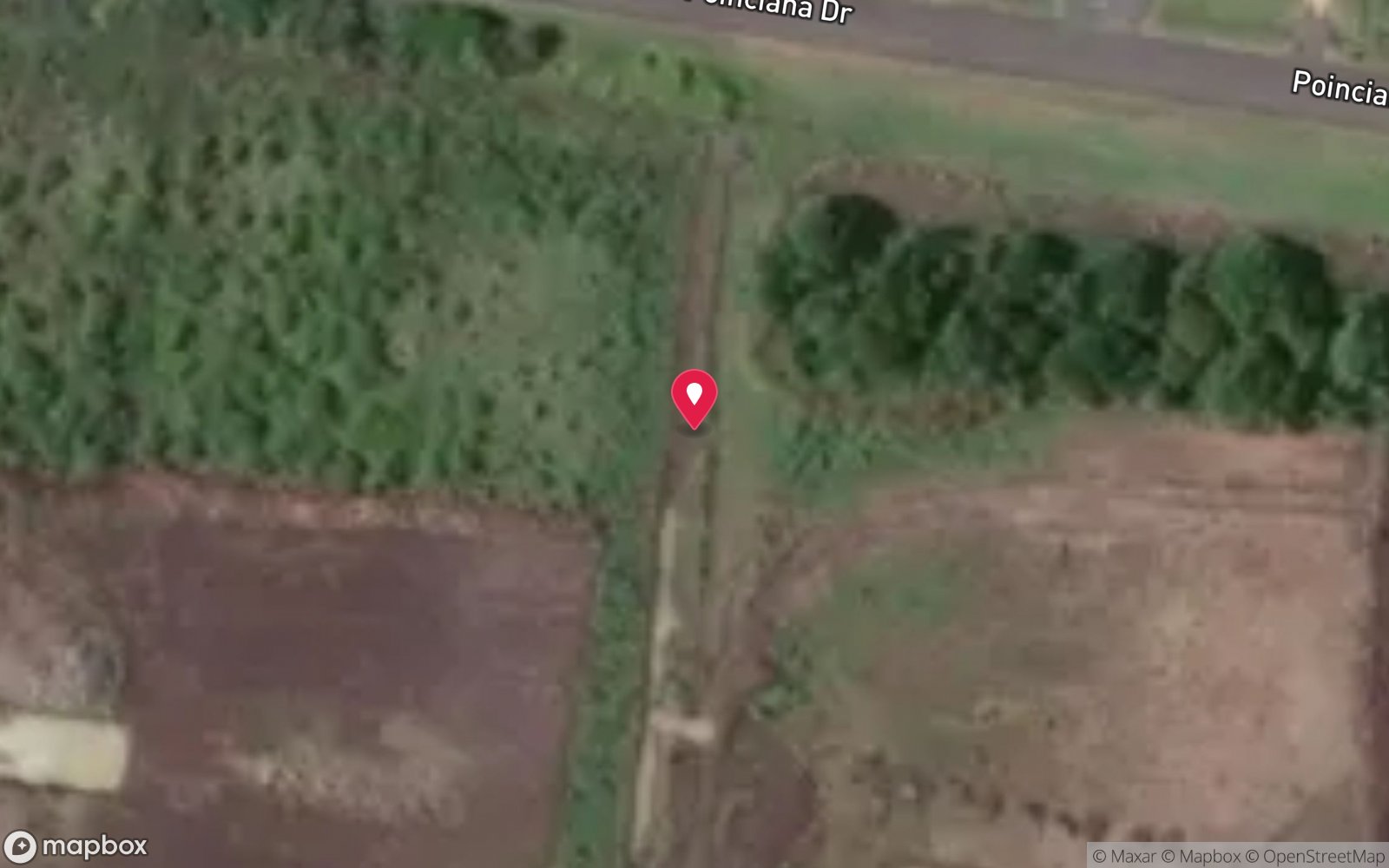
Satellite views
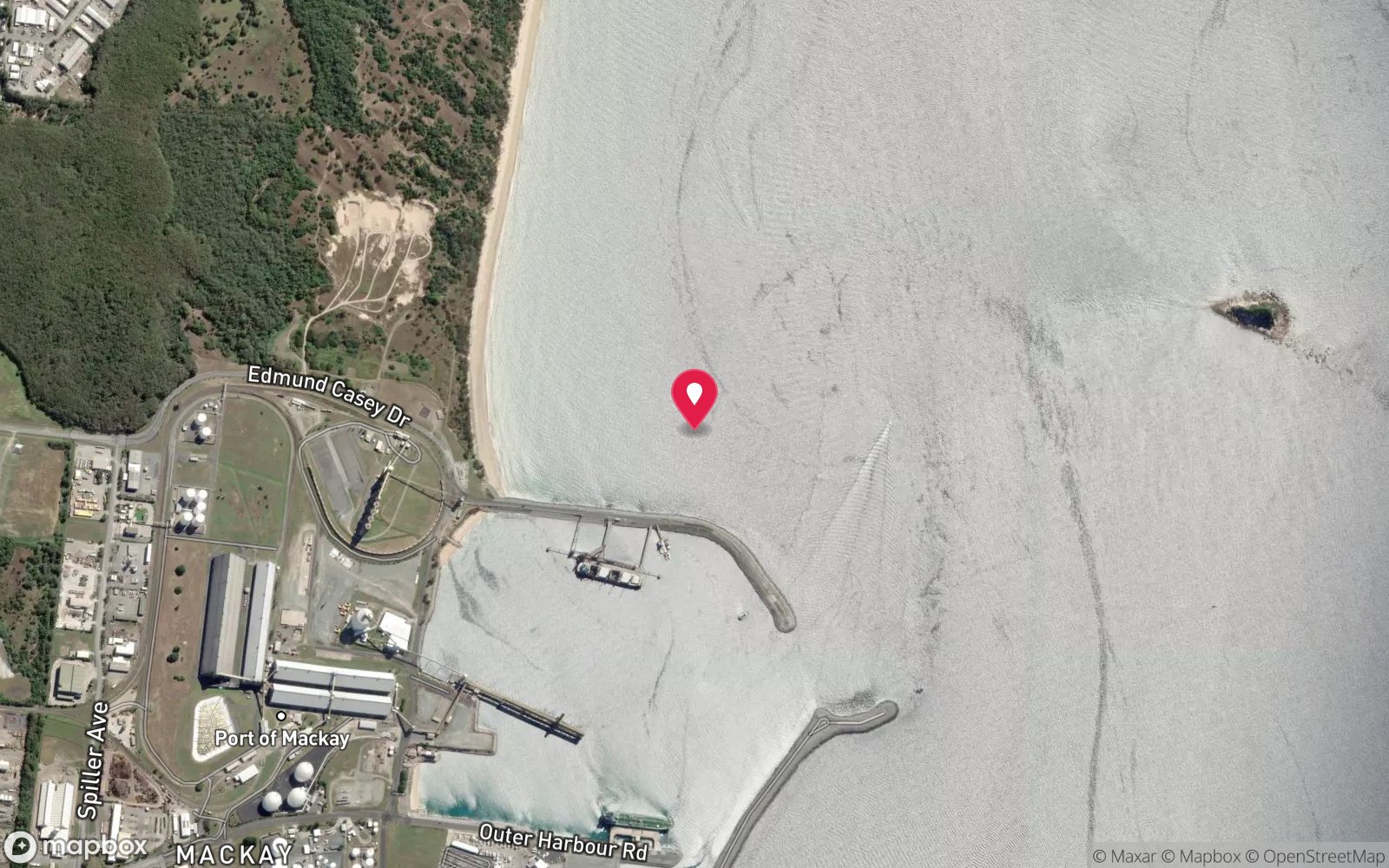
Mackay Harbour North Wall: frequently asked questions
How deep is Mackay Harbour North Wall?
Mackay Harbour North Wall reaches a maximum depth of 10 m, with the shallowest part at about 2 m; most of the dive is spent around 6 m.
What certification do I need to dive Mackay Harbour North Wall?
Open Water is the recommended minimum. Rated intermediate because of tidal current that must be timed, boat traffic overhead.
Can I shore dive Mackay Harbour North Wall?
Experienced divers do dive Mackay Harbour North Wall from the shore, but the entry or conditions make it unsuitable for newer divers without local guidance. Entry: Shore entry over the rock breakwater at a safe access point.
When is the best time to dive Mackay Harbour North Wall?
May–October on neap tides and calm days.
What marine life will I see at Mackay Harbour North Wall?
Regularly recorded: Turtles, sea snakes, lionfish, reef fish, nudibranchs, shrimps, crabs, coral growth on rocks.
What wetsuit do I need at Mackay Harbour North Wall?
3 mm full suit or stinger suit in summer (lycra/stinger suit essential Nov–May); 5 mm full suit June–September.
How cold is the water at Mackay Harbour North Wall?
Typically 27-29 °C in summer and 21-23 °C in winter.
What are the main hazards at Mackay Harbour North Wall?
Boat and shipping traffic near the harbour entrance – tow a flag and stay by the wall; slippery, uneven rock entry/exit; large tidal range and currents; silt; sea snakes (do not handle); possible port access restrictions. See the hazards section above for the full list.
Where is the nearest recompression chamber to Mackay Harbour North Wall?
Townsville University Hospital hyperbaric unit (Douglas, Townsville). In an emergency call 000, then DAN Asia-Pacific on 1800 088 200.
Diving in Mackay
Mackay's reefs are 30–60 km offshore and its inshore water is tidal and turbid, so diving here is a neap-tide, dry-season affair, run by a local club and the occasional charter to Credlin, Bugatti and the closer Cumberland Islands.
Getting there: Charters from Mackay marina when demand allows.
Sources
Data confidence: Medium · Being verified: Entry point and port access rules unverified; coordinates approximate.. Last updated September 2026. Know this site better? How to send a correction