Dive slate · divesites.com.au · printed 8 Nov 2026
Barolin Rocks
Bundaberg & Agnes Water, Queensland · near Bargara
| Depth | 1–10 m |
|---|---|
| Minimum level | Open Water |
| Difficulty | Beginner |
| Access | Shore |
| Entry | Walk from the car park down to the rocks; enter via the natural rock pool/gutter at mid-to-high tide, or scramble over the rock platform at low tide |
| Current | Mild |
| Visibility | 6-12 m |
| Water | summer 26-28 °C, winter 19-21 °C |
| Suit | 3 mm full suit in summer; 5 mm full suit (plus hood) June-September |
| Best season | Year-round; May-September for best visibility and calm seas; summer for warmest water and turtle season |
| Bottom time | 60 min |
| Position | -24.85500, 152.47500 (approximate) |
| Permit | Woongarra Marine Park (state marine park) – no permit to dive; the Barolin Rocks / Bargara reefs lie in or beside marine national park (green) zones where fishing and collecting are prohibited. Dive flag required. |
| Nearest chamber | Royal Brisbane & Women's Hospital hyperbaric unit (Herston, Brisbane) — nearest chamber; Wesley Hospital hyperbaric unit (Auchenflower, Brisbane) is the alternative. Divers Emergency Service 1800 088 200. |
| Emergency | 000 · DAN Asia-Pacific diving emergency 1800 088 200 |
Barolin Rocks
Also known as Barolin Rocks Dive Site, Coral Cove shore dive
Queensland's best-known shore dive: a sheltered, shallow soft-coral reef with prolific nudibranchs, turtles and sea snakes, toilets and showers at the car park, and the rare chance of a dugong.
Near Bargara · Bundaberg & Agnes Water, Queensland
- Depth
- 1–10 m
- Minimum level
- Open Water
- Access
- Shore
- Boat ride
- Shore entry
- Water
- 26-28 °C
- Visibility
- 6-12 m
Barolin Rocks1–10 m · Open Water · Shore
Dive factsDepths, conditions, location & safety
Season
Off-peak nowBest months: January, February, May, June, July, August, September, December.
Year-round; May-September for best visibility and calm seas; summer for warmest water and turtle season
- Best months
- Now (November)
- Stinger suit Nov–May
Dive facts
- Depth
- 1–10 m
- Typical depth
- 6 m
- Certification
- Open Water
- Difficulty
- Beginner
- Depth tier
- Easy (0–10 m)
- Access
- Shore
- Dive centre needed
- No – independently diveable
- Shore / independent
- Yes
- Current
- Mild
- Visibility
- 6-12 m
- Water temp (summer)
- 26-28 °C
- Water temp (winter)
- 19-21 °C
- Water
- Subtropical
- Bottom time
- 60 min
- Dive traffic
- Very popular (dived daily)
- Night dive
- Yes
- Snorkel friendly
- Yes
Exposure suit
3 mm full suit in summer; 5 mm full suit (plus hood) June-September
Location
Woongarra Marine Park – Bargara/Innes Park coast · Bundaberg & Woongarra Coast
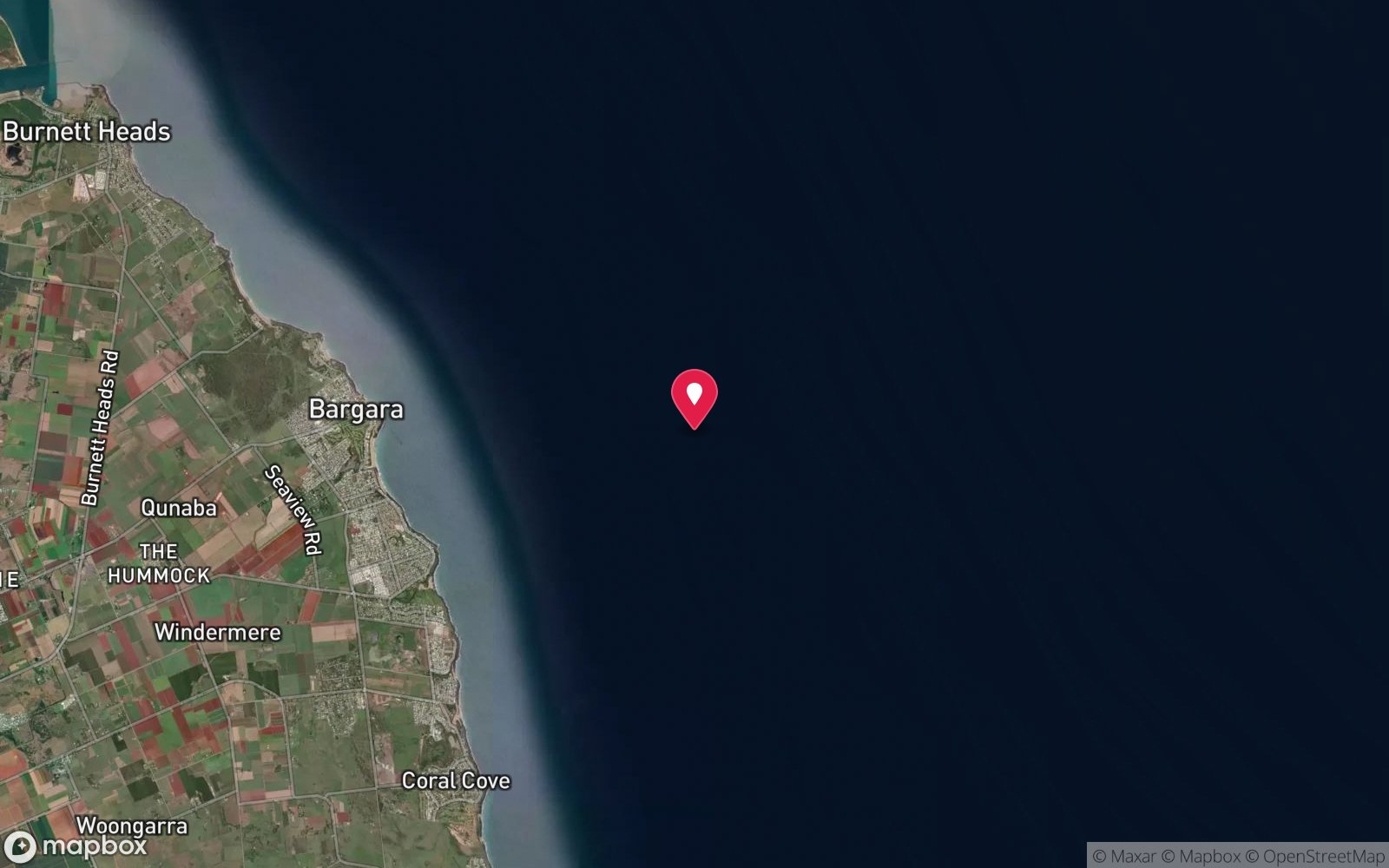
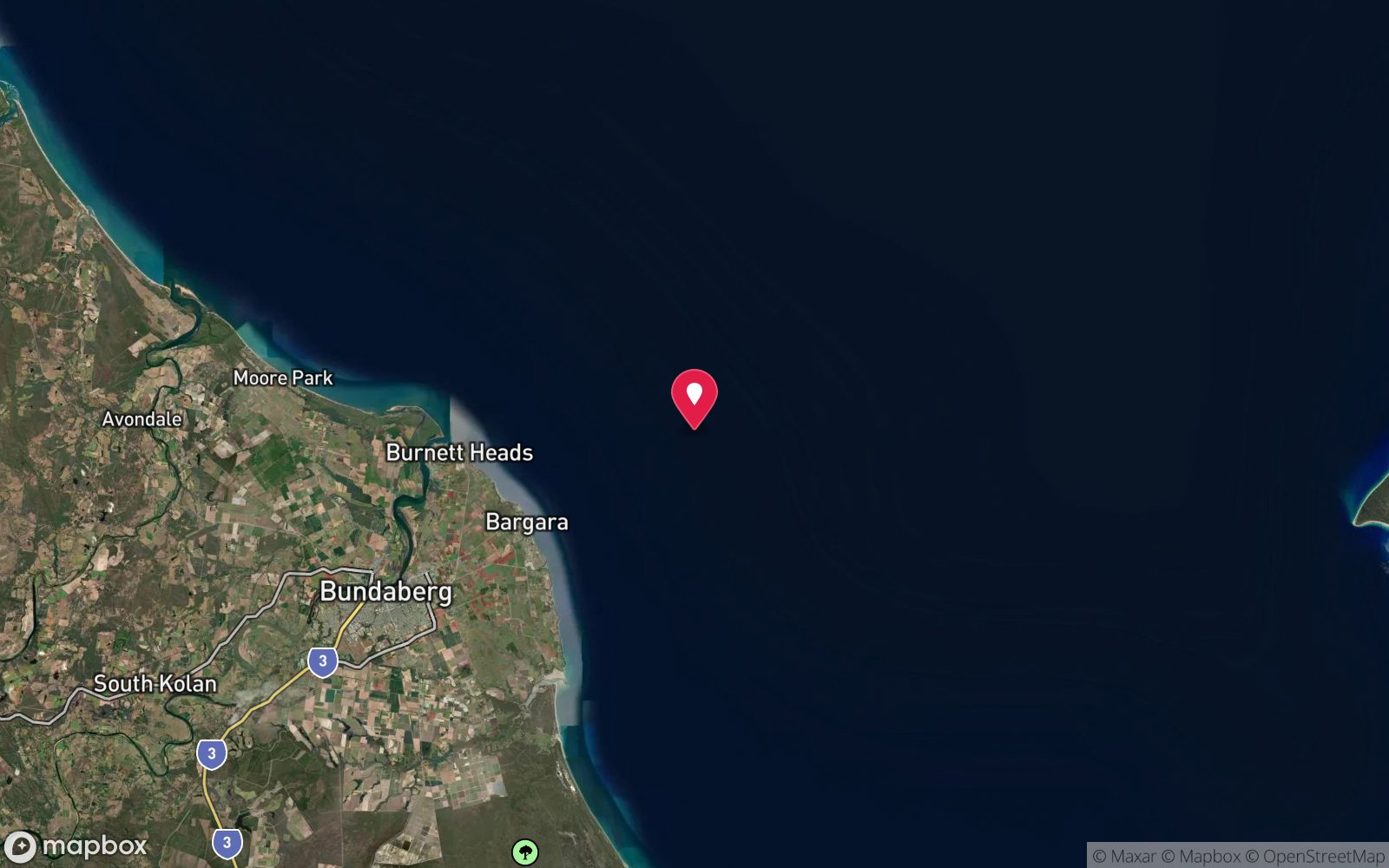
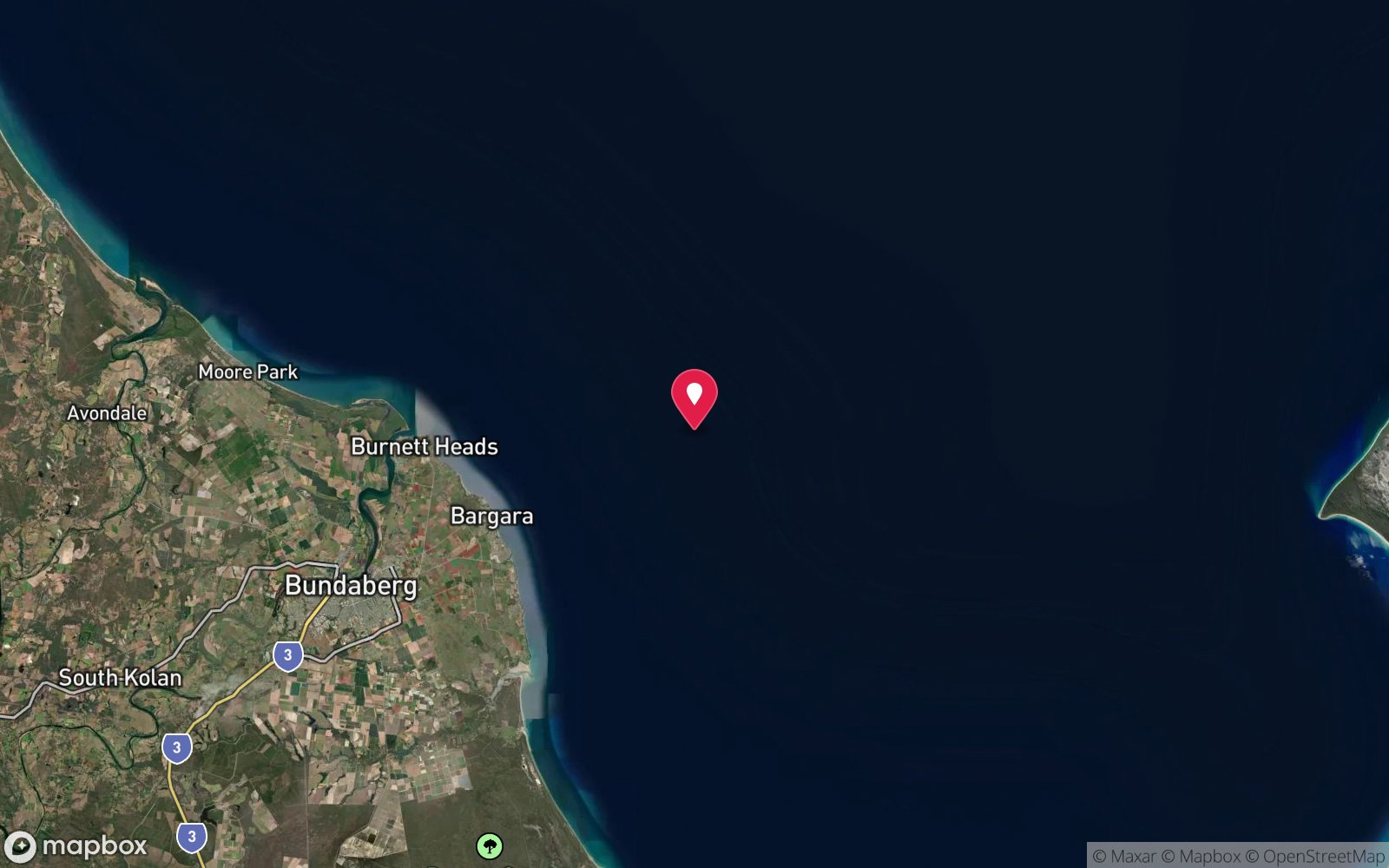
-24.85500, 152.47500
Approximate position — not for navigation.
Open in Google MapsPrimary source: nigelmarshphotography.comTags
Marine park & permits
Woongarra Marine Park (state marine park) – no permit to dive; the Barolin Rocks / Bargara reefs lie in or beside marine national park (green) zones where fishing and collecting are prohibited. Dive flag required.
Nearest recompression chamber
Royal Brisbane & Women's Hospital hyperbaric unit (Herston, Brisbane) — nearest chamber; Wesley Hospital hyperbaric unit (Auchenflower, Brisbane) is the alternative. Divers Emergency Service 1800 088 200.
Diving emergency: call 000, then DAN AP 1800 088 200.
Trip planner
Build a trip around Barolin Rocks →
A day-by-day plan for Bundaberg & Agnes Water with this site locked in.
This guide is a planning aid. Conditions change daily — confirm with a local dive centre and dive within your training. Data & safety notes.
Dive profile
How this site rates
Scores are computed from the recorded data, not opinions. How?
At a glance
Barolin Rocks is a shore / rock platform shore dive you can do independently in Bundaberg & Agnes Water, QLD, 1–10 m, suited to Open Water divers.
Rated beginner: sheltered, shallow and manageable for a newly certified diver on a normal day, though note surge on the entry or in the shallows.
Why dive here
- Queensland's best-known shore dive: a sheltered, shallow soft-coral reef with prolific nudibranchs, turtles and sea snakes, toilets and showers at the car park, and the rare chance of a dugong.
- Commonly dived at night, when octopus, cuttlefish and crustaceans are out.
- Snorkel-friendly, so non-diving companions can join at the surface.
Conditions to avoid
- Wind over about 15 knots
- Strong southerly or south-east swell and wind
- Afternoon north-easterlies
- Outgoing tide or run-off after rain (poor visibility)
- Spring tides (strong current)
About Barolin Rocks
Barolin Rocks is the dive most Bundaberg locals learn on and keep coming back to. It sits inside the Woongarra Marine Park, where the basalt lava flows that formed the Bargara coastline run into the sea and create a hard, rocky substrate for a surprisingly rich fringing reef – the southernmost mainland coral community of any size on the Queensland coast. The reef follows the headland in a band of boulders, ledges and small bommies that slope from the shallows to about 9-10 m, where the rock gives way to sand. Soft corals dominate – leathery toadstools, colourful Dendronephthya tree corals and gorgonian fans – with patches of hard coral, sponges and ascidians between them.
This is a macro site first. Nigel Marsh and Diveplanit both rate it for nudibranchs (a dozen or more species on a slow dive, including Spanish dancers), spindle and allied cowries on the gorgonians, flatworms, sea hares and ornate crayfish tucked into the ledges. Ornate wobbegongs lie under overhangs, bluespotted maskrays and eastern shovelnose rays rest on the sand edge, and green and loggerhead turtles and olive sea snakes are regular. The reef fish mix is a subtropical blend – butterflyfish, rabbitfish, morwong, sweetlips, rock cods and the endemic Queensland yellowtail angelfish. A semi-resident dugong has been seen here over the years, making Barolin one of very few Queensland shore dives where that is possible, though sightings are rare.
Reef Life Survey divers noted in 2021 that tropical fish numbers had dropped compared with 2010 surveys, and the 2011 and 2013 floods damaged the hard corals along this coast, but the soft-coral cover and invertebrate life remain excellent. Because it is the most sheltered site on the Woongarra Coast, Barolin is the default when the wind is up elsewhere, and it is a favourite night dive, when crayfish, octopus, cuttlefish and sleeping turtles come out. It suits new divers, photographers and anyone wanting long, shallow bottom times without a boat.
Getting there & entry
Basalt rock headland and fringing coral reef on the Woongarra Coast south of Bargara, about 15 minutes' drive east of Bundaberg; the region's signature shore dive with a car park and showers beside the entry.
From Bundaberg drive east on Bargara Road (about 15 km) to Bargara, then follow the Esplanade/Woongarra Scenic Drive south towards Innes Park and Coral Cove; the Barolin Rocks dive site is signposted from the road and GPS finds it easily. There is a free car park right beside the headland with interpretive signs, toilets and cold showers. Several short paths lead from the car park to the rocks – the elevated path near the parking area is a good vantage point to check swell and surge first.
Carry distance to the water is only 20-50 m, but the basalt boulders are slippery, so wear hard-soled booties. Entry is easiest through the rock pool at mid-to-high tide; at low tide expect a longer scramble.
Entry: Walk from the car park down to the rocks; enter via the natural rock pool/gutter at mid-to-high tide, or scramble over the rock platform at low tide
Facilities: Free car park beside the entry, toilets, cold showers, interpretive signs; air fills and hire at Bundaberg Aqua Scuba (about 15 km); cafes and shops at Bargara
Weather, swell & tides
The Woongarra Coast faces east-north-east onto Hervey Bay's northern approaches and is sheltered from big southerly ocean swell by K'gari, so the shore sites are diveable most of the year. What spoils them is wind: anything over about 15 knots from the south-east to north-east stirs up surge on the rock platforms and drops visibility to a few metres. The Burnett and Elliott rivers and local creeks flush brown water along the coast after heavy rain (mostly December-March), so allow several dry days.
Winter (May-September) brings light westerly or south-westerly land breezes, flat seas and the best visibility (6-12 m, occasionally 15 m). Enter and exit around mid-to-high tide to cut the rock scramble; low spring tides expose long stretches of slippery volcanic rock. Early mornings before the north-easterly sea breeze are calmest in summer.
Best season: Year-round; May-September for best visibility and calm seas; summer for warmest water and turtle season
If it's blown out
Sheltered or shore sites within 25 km that often work when Barolin Rocks doesn't.
- Hoffman's Rocks · 2 km · Max 12 m
- Burkitt's Reef · 5 km · Max 9 m
How the dive is usually run
Enter through the rock pool and head out along the headland keeping the rocks on your right (or left on the return) – most of the coral and fish follow the reef edge, so navigation is simply 'follow the rocks'. Work out to 7-9 m along the outer bommies, turn on a third of your gas and come back shallower through the coral gardens at 3-5 m. On a gentle northerly drift you can continue towards Barolin Point and exit on the small beach.
Safety stop in the shallows before the exit.
Marine life
- Nudibranchs (incl. Spanish dancers) →
- spindle and allied cowries
- flatworms
- sea hares
- ornate crayfish
- ornate wobbegongs →
- bluespotted maskrays
- blotched fantail rays
- eastern shovelnose rays
- green and loggerhead turtles →
- olive sea snakes
- Queensland yellowtail angelfish
- butterflyfish
- rabbitfish
- sweetlips
- rock cods
- morays
- occasional dugong →
Linked species have their own page listing every site where they are recorded. All marine life →
Training required
Shallow enough for snorkellers and for a first dive under supervision. Any certified diver can dive it.
Courses that help here
- Night Diver – Commonly dived at night.
- Underwater Navigation – Navigation is part of the dive plan.
Depth tiers: 0–10 m easy · to 18 m Open Water · 18–30 m Advanced (25 m+ is a deep dive) · 30–40 m Deep specialty · 40 m+ technical. All courses
Hazards & warnings
Slippery basalt entry/exit – wear hard-soled booties and gloves where permitted; surge on the platform in onshore wind; visibility drops after rain; stonefish possible in the shallows; olive sea snakes are curious but venomous – do not handle; fishing line near the point; boats – fly a dive flag. Exit points: the rock pool entry or the small beach north towards Barolin Point.
Dive centres that go here
No operator needed – independent shore dive. Bundaberg Aqua Scuba (Bourbong St, Bundaberg) hires gear and tanks, gives current conditions advice and runs guided shore dives and courses here on request; Bundaberg Dive Academy and visiting clubs also use the site for training and night dives.
Operators recorded for Barolin Rocks
Bundaberg Aqua Scuba
ListedBundaberg · Bundaberg & Agnes Water · QLD
A Bundaberg-based training and equipment business serving the local diving community and southern reef access.
aquascuba.com.au · 0402 937 765
Bundaberg Dive Academy
Reported closedBundaberg · Bundaberg & Agnes Water · QLD
Only listing dates from 2012 and the former domain now serves unrelated content; Bundaberg's current PADI shops are Bundaberg Aqua Scuba and Turtle Town Scuba.
Other dive centres in Bundaberg & Agnes Water
Heron Island Resort
ListedHeron Island · Bundaberg & Agnes Water · QLD
A coral cay resort on the southern Great Barrier Reef with an on-island dive operation and sites a short boat ride from the jetty.
heronisland.com
Lady Musgrave Experience
ListedBurnett Heads · Bundaberg & Agnes Water · QLD
A Bundaberg-based operation providing day and overnight access to Lady Musgrave Island and its lagoon.
ladymusgraveexperience.com.au · (07) 4151 5225
1770 Reef
ListedSeventeen Seventy · Bundaberg & Agnes Water · QLD
An operation running trips from the Town of 1770 to Lady Musgrave Island and the southern Great Barrier Reef.
1770reef.com.au · (07) 4972 7222
Lady Elliot Island Eco Resort
ListedLady Elliot Island · Bundaberg & Agnes Water · QLD
A coral cay resort at the southern tip of the Great Barrier Reef, strongly associated with manta ray encounters and accessed by light aircraft.
ladyelliot.com.au · 1800 072 200
Dive Spear and Sport @ 1770
Named by sitesAgnes Water · Bundaberg & Agnes Water · QLD
Boat departs 1770 Marina, 535 Captain Cook Drive, Town of 1770.
dss1770.com.au · (07) 4962 1218
Map
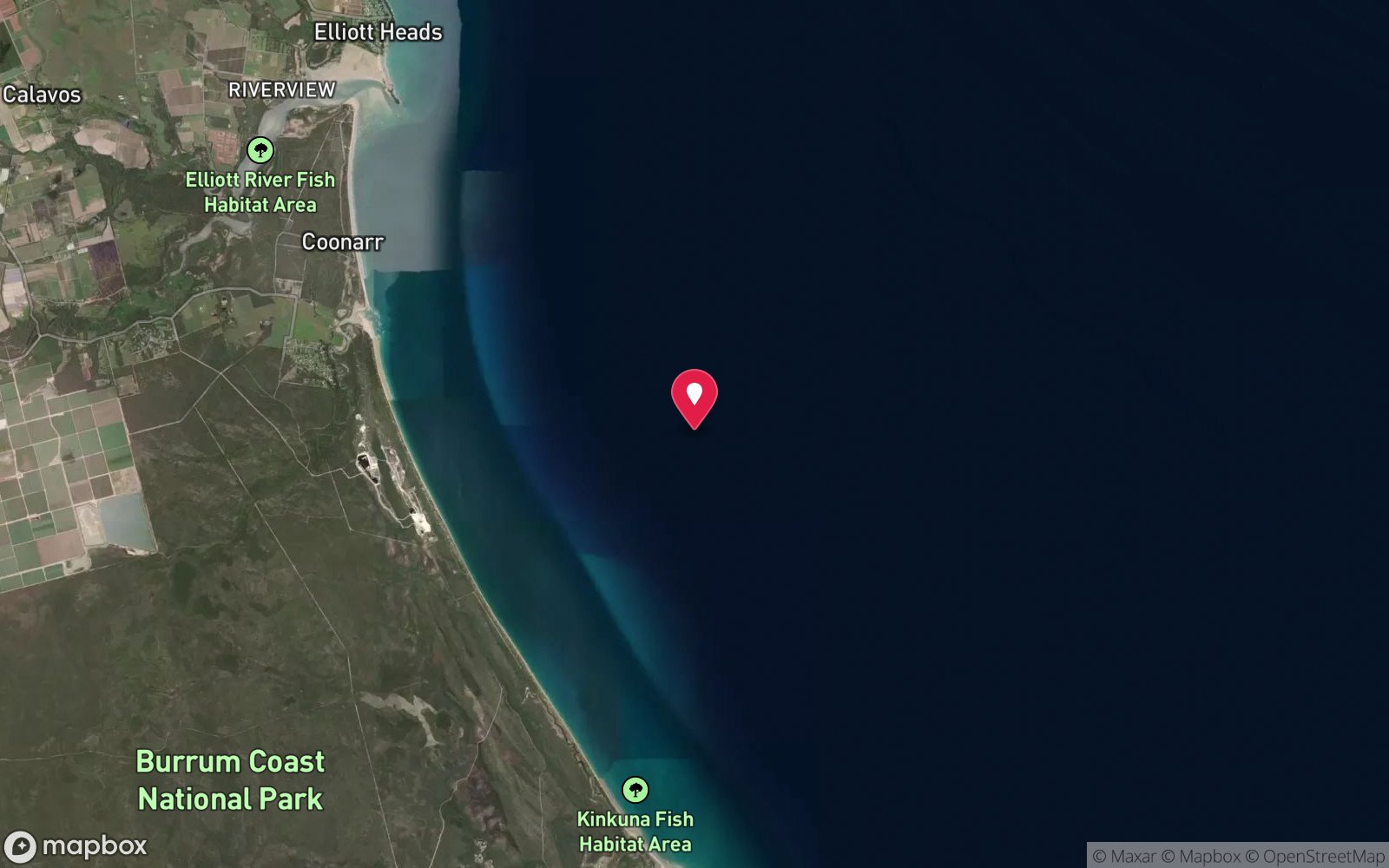
7 pinned sites. Pins marked approximate on their pages show the general area only; not for navigation.
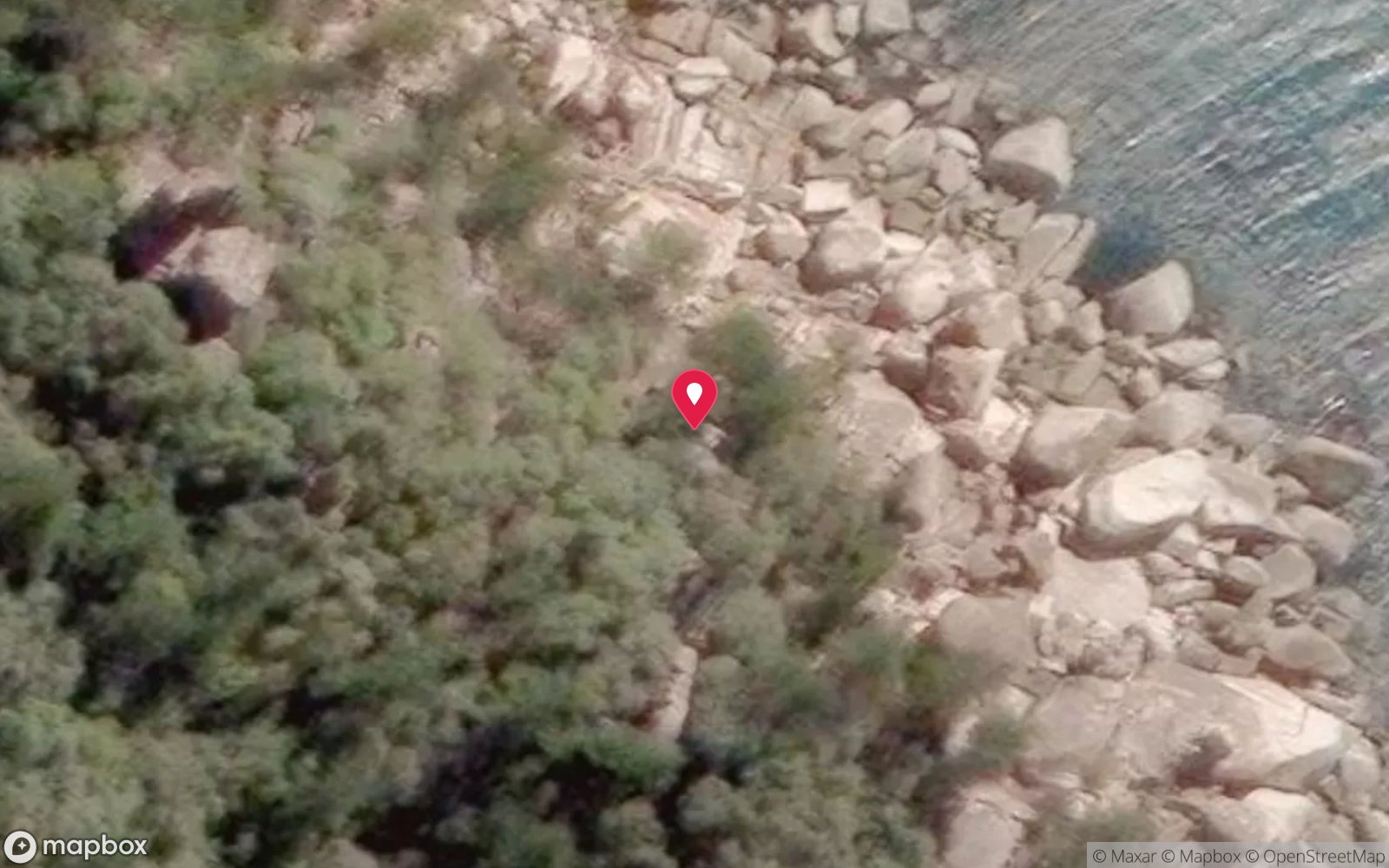
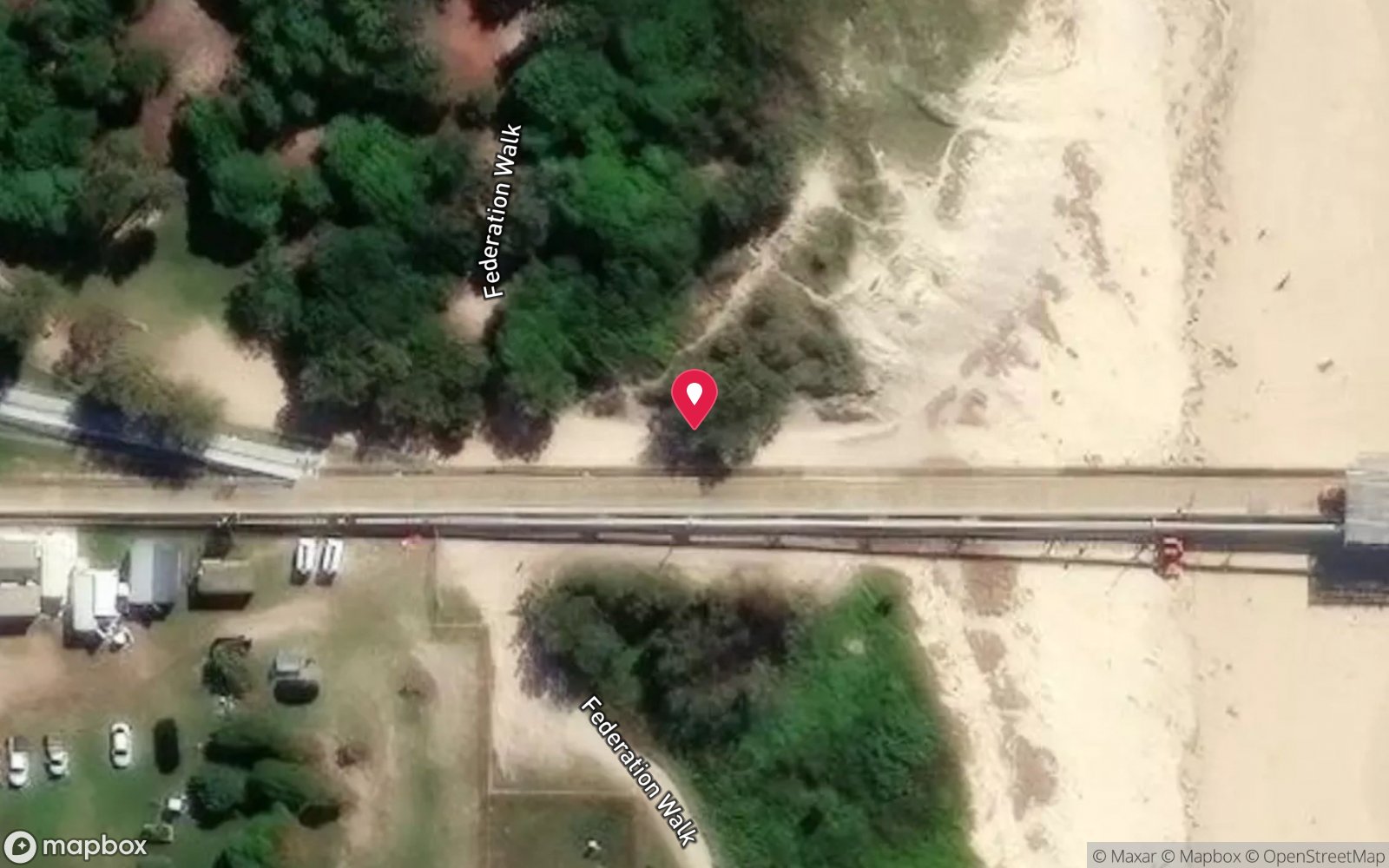
Satellite views
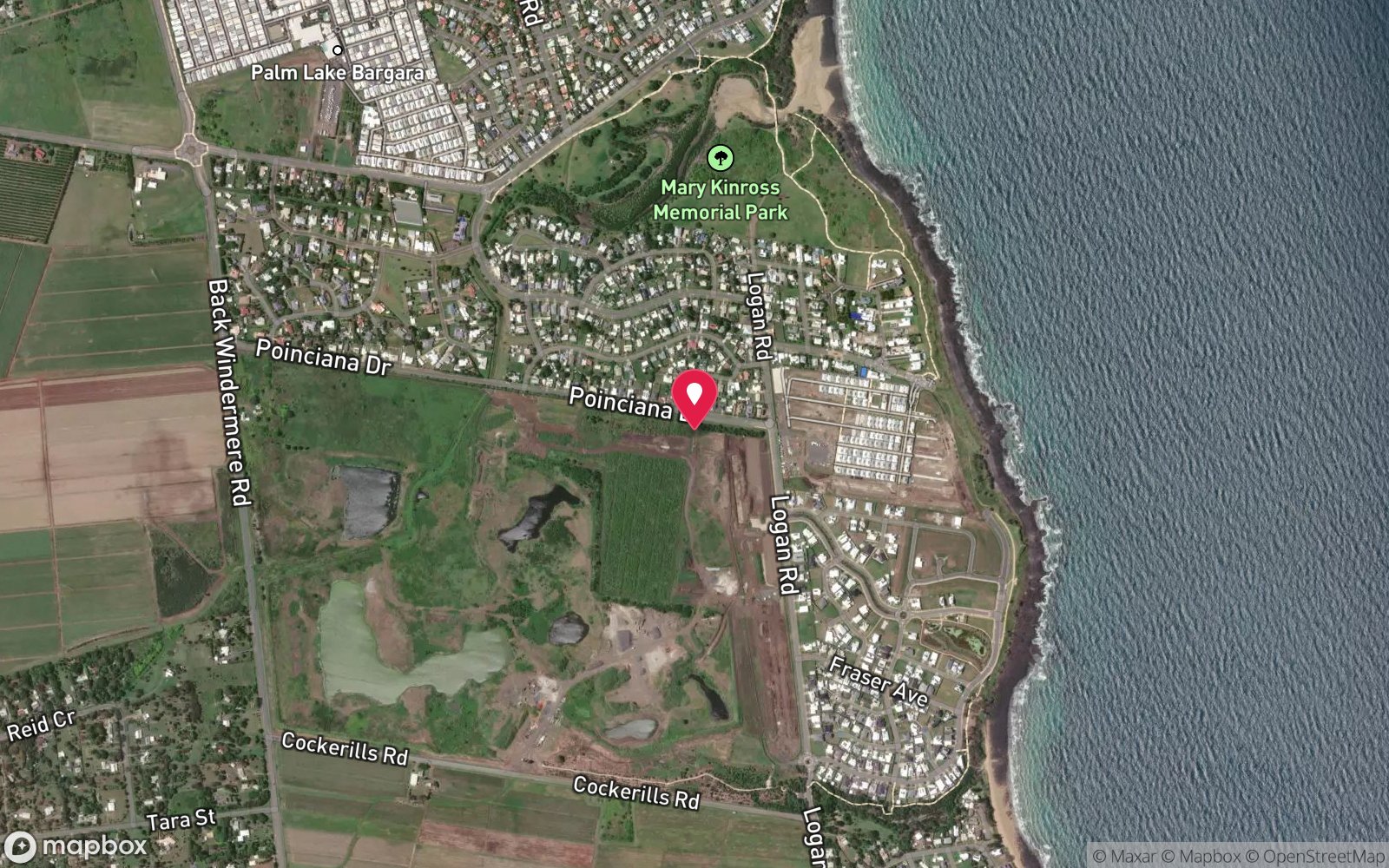
Barolin Rocks: frequently asked questions
How deep is Barolin Rocks?
Barolin Rocks reaches a maximum depth of 10 m, with the shallowest part at about 1 m; most of the dive is spent around 6 m.
What certification do I need to dive Barolin Rocks?
Open Water is the recommended minimum. Rated beginner: sheltered, shallow and manageable for a newly certified diver on a normal day, though note surge on the entry or in the shallows.
Can I shore dive Barolin Rocks?
Yes. Barolin Rocks is a shore dive that can be done independently: walk from the car park down to the rocks; enter via the natural rock pool/gutter at mid-to-high tide, or scramble over the rock platform at low tide.
When is the best time to dive Barolin Rocks?
Year-round; May-September for best visibility and calm seas; summer for warmest water and turtle season.
What marine life will I see at Barolin Rocks?
Regularly recorded: Nudibranchs (incl. Spanish dancers), spindle and allied cowries, flatworms, sea hares, ornate crayfish, ornate wobbegongs, bluespotted maskrays, blotched fantail rays, eastern shovelnose rays, green and loggerhead turtles, olive sea snakes, Queensland yellowtail angelfish and more.
What wetsuit do I need at Barolin Rocks?
3 mm full suit in summer; 5 mm full suit (plus hood) June-September.
How cold is the water at Barolin Rocks?
Typically 26-28 °C in summer and 19-21 °C in winter.
What are the main hazards at Barolin Rocks?
Slippery basalt entry/exit – wear hard-soled booties and gloves where permitted; surge on the platform in onshore wind; visibility drops after rain; stonefish possible in the shallows; olive sea snakes are curious but venomous – do not handle; fishing line near the point; boats – fly a dive flag. See the hazards section above for the full list.
Can you night dive Barolin Rocks?
Yes, Barolin Rocks is commonly dived at night.
Diving in Bundaberg & Agnes Water
Bundaberg has an unusual collection of accessible wrecks: the Cochrane artificial reef, the Karma, the ex-HMAS Tobruk (scuttled off Bundaberg in 2018 and lying on its side in 28 m) and the Barolin Rocks shore reef with turtles and coral a few metres from the beach. Agnes Water and Town of 1770 are the launch points for Lady Musgrave day trips.
Getting there: Four and a half hours north of Brisbane or a short flight. Charters leave from Burnett Heads; Barolin Rocks is a shore dive.
All Bundaberg & Agnes Water dive sites and a suggested itinerary →
Sources
- nigelmarshphotography.com/blog-posts/bundaberg-scubadiver
- diveplanit.com/diving/dive-bundaberg
- marinelife.org.au/?page_id=1580
- reeflifesurvey.com/back-to-bargara-qld-2021
- myfavouriteescapes.com/barolin-rocks-dive-site-bundaberg
- bundabergregion.org/operator/barolin-rocks-dive-site
- gooddive.com/diving-australia/bundaberg-diving.htm
Data confidence: High · Being verified: Coordinates approximate; confirm exact entry point position (Coral Cove vs Innes Park).. Last updated September 2026. Know this site better? How to send a correction
Nearby dive sites
More shore dives in Queensland
Explore more
This region
Similar dives
Marine life