Dive slate · divesites.com.au · printed 7 Nov 2026
Flinders Reef
Brisbane & Moreton Bay, Queensland · near Brisbane (Scarborough / Manly); Bulwer, Moreton Island
| Depth | 3–28 m |
|---|---|
| Minimum level | Advanced Open Water |
| Difficulty | Beginner |
| Access | Boat (day trip) |
| Entry | Giant stride or back roll from charter boat |
| Current | Mild |
| Visibility | 15-30 m |
| Water | summer 24-27 °C, winter 19-21 °C |
| Suit | 3 mm full wetsuit in summer; 5-7 mm with hood in winter |
| Best season | Year-round; winter for 30 m visibility, humpback whales (June-September/October) and occasional grey nurse sharks; summer for leopard sharks and manta rays |
| Bottom time | 50 min |
| Position | -26.98000, 153.48700 (approximate) |
| Permit | Moreton Bay Marine Park – Flinders Reef Marine National Park (green) zone: no take, no anchoring, public moorings only |
| Nearest chamber | Royal Brisbane & Women's Hospital Hyperbaric Medicine Service (Herston, Brisbane); Wesley Centre for Hyperbaric Medicine (Auchenflower, Brisbane) as alternative |
| Emergency | 000 · DAN Asia-Pacific diving emergency 1800 088 200 |
Flinders Reef
Also known as Flinders Reef Marine National Park Zone
Highest coral diversity of any subtropical reef on the east coast and Brisbane's best-known dive; the turtle cleaning station in about 5 m is the must-see.
Near Brisbane (Scarborough / Manly); Bulwer, Moreton Island · Brisbane & Moreton Bay, Queensland
- Depth
- 3–28 m
- Minimum level
- Advanced Open Water
- Access
- Boat (day trip)
- Boat ride
- ~80 min
- Water
- 24-27 °C
- Visibility
- 15-30 m
Flinders Reef3–28 m · Advanced Open Water
Dive factsDepths, conditions, location & safety
Season
In season nowBest months: year-round.
Year-round; winter for 30 m visibility, humpback whales (June-September/October) and occasional grey nurse sharks; summer for leopard sharks and manta rays
- Best months
- Now (November)
- Stinger suit Nov–May
Dive facts
- Depth
- 3–28 m
- Typical depth
- 10 m
- Certification
- Advanced Open Water
- Difficulty
- Beginner
- Depth tier
- Advanced Open Water (18–30 m)
- Access
- Boat (day trip)
- Offshore
- 5 km
- Dive centre needed
- Yes – boat access only
- Shore / independent
- No
- Boat ride
- ~80 min
- Current
- Mild
- Visibility
- 15-30 m
- Water temp (summer)
- 24-27 °C
- Water temp (winter)
- 19-21 °C
- Water
- Subtropical
- Bottom time
- 50 min
- Dive traffic
- Very popular (dived daily)
- Night dive
- Possible
- Snorkel friendly
- Yes
Exposure suit
3 mm full wetsuit in summer; 5-7 mm with hood in winter
Location
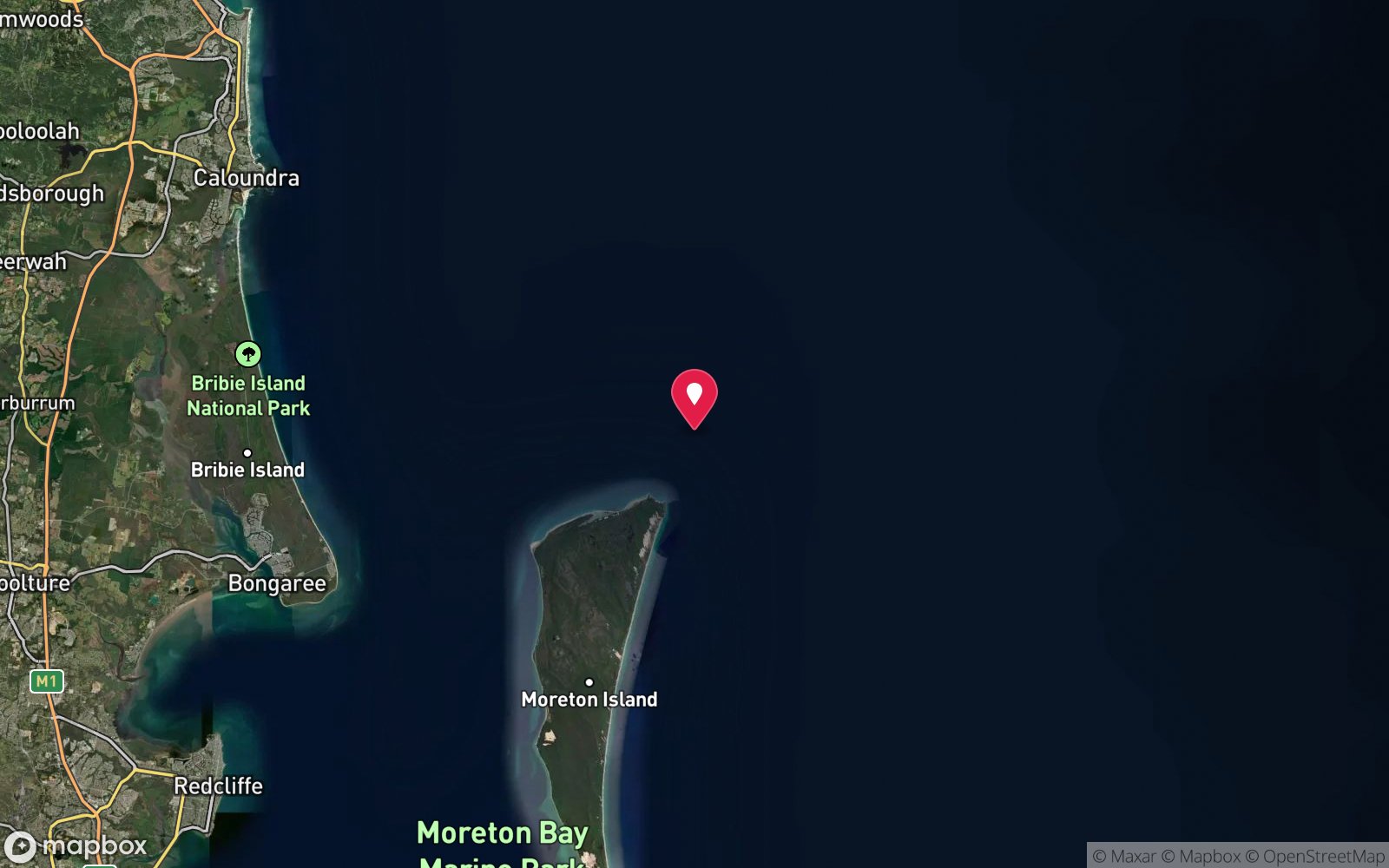
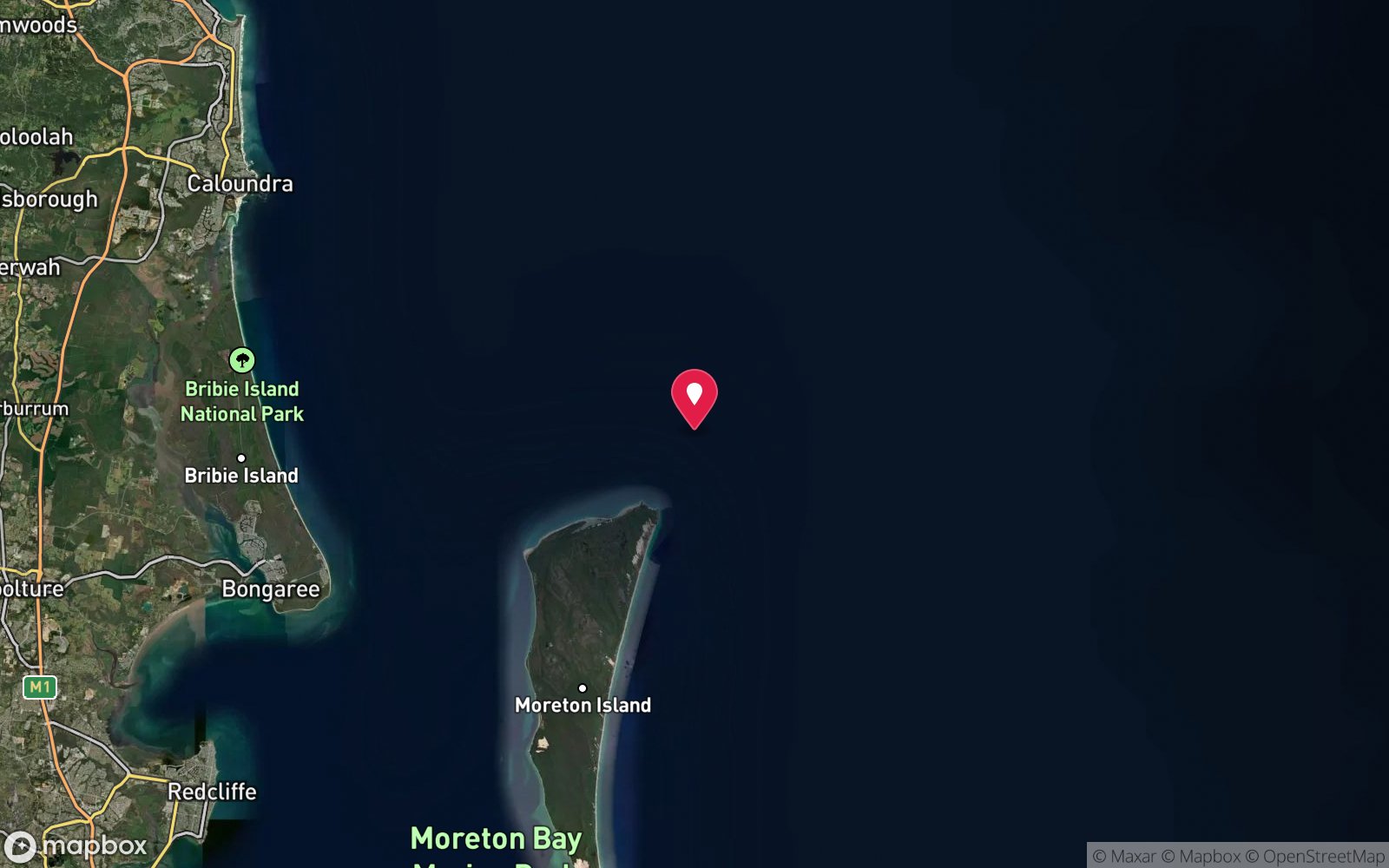
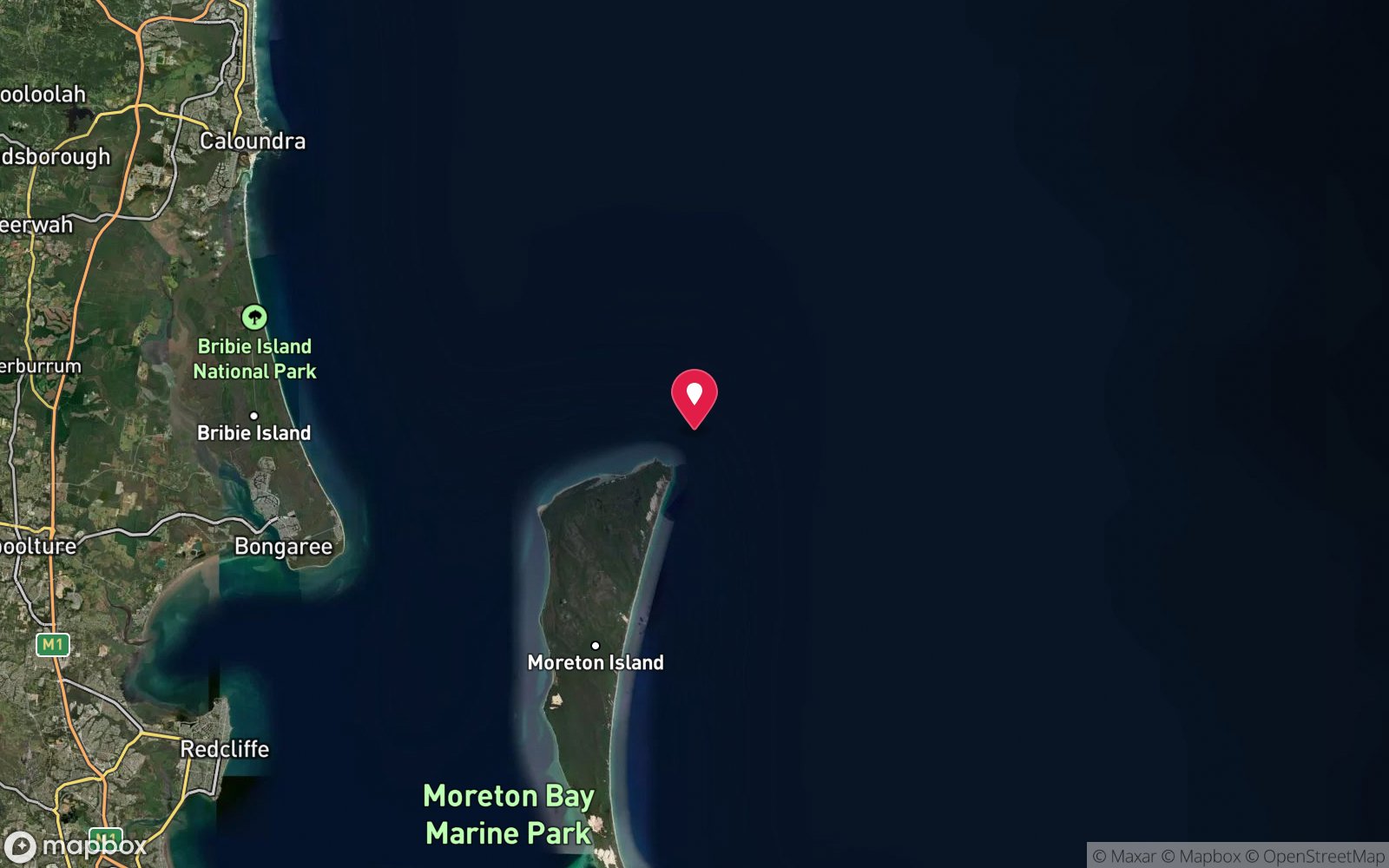
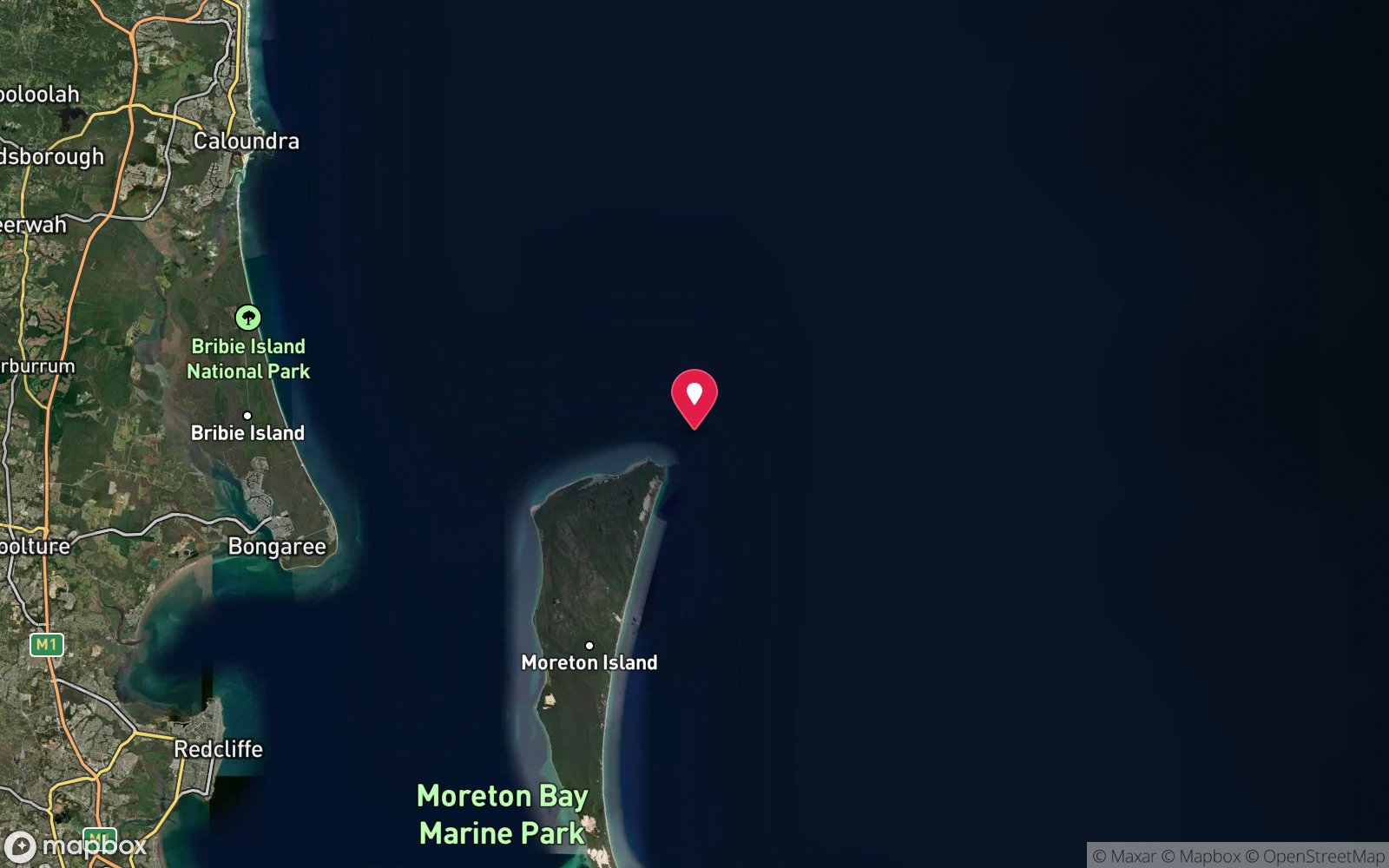
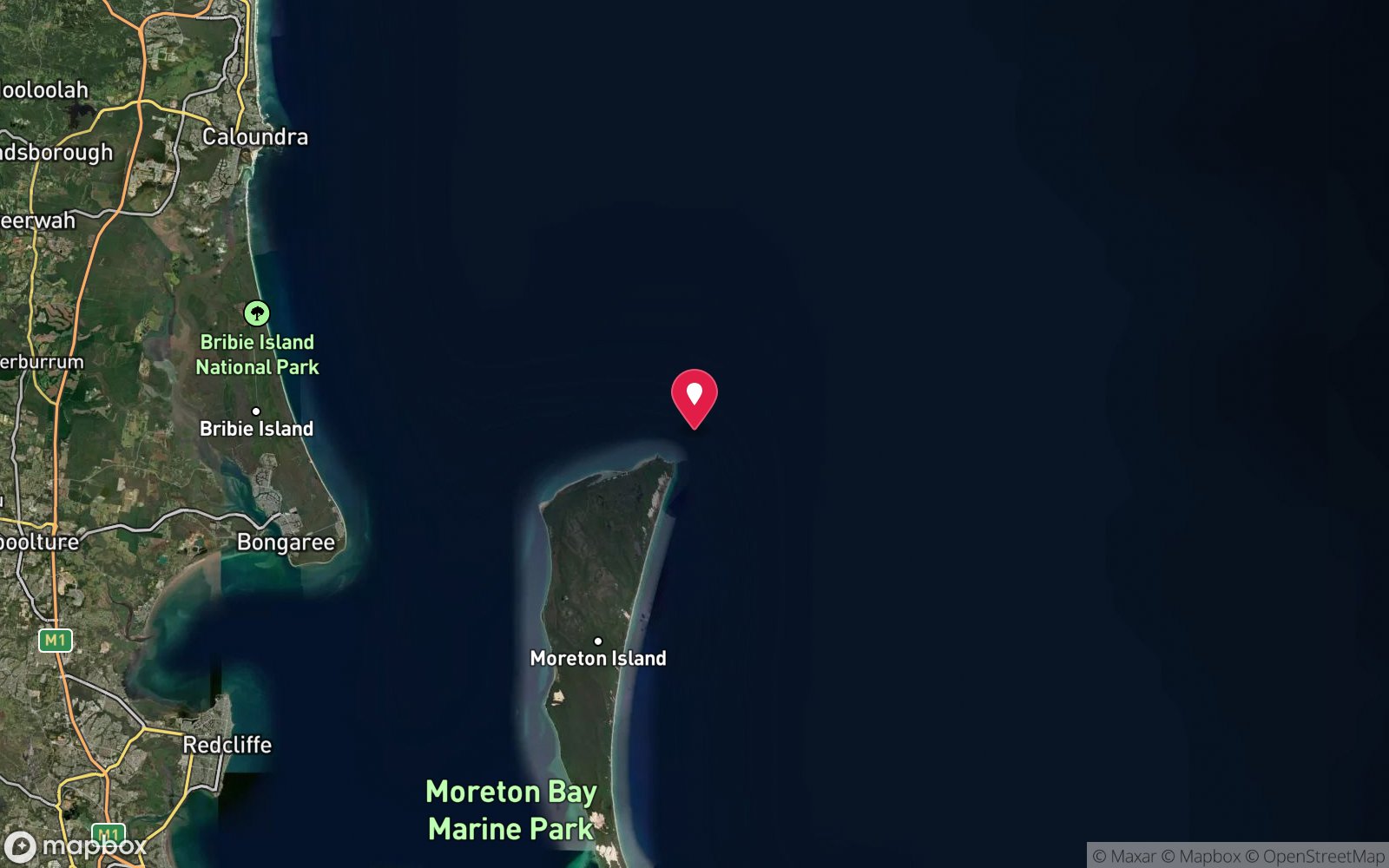
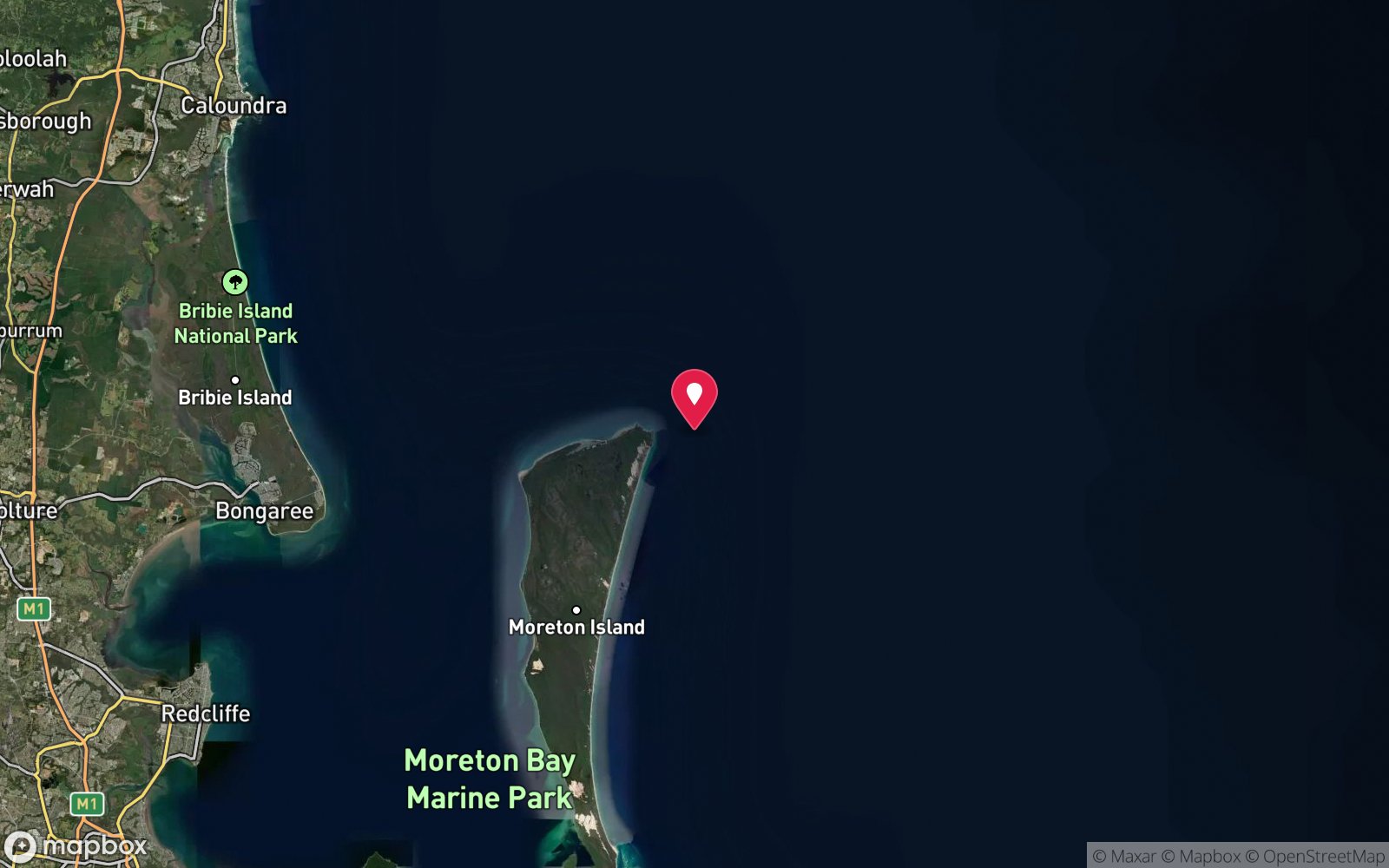
Flinders Reef · Brisbane – Moreton Island (outer)
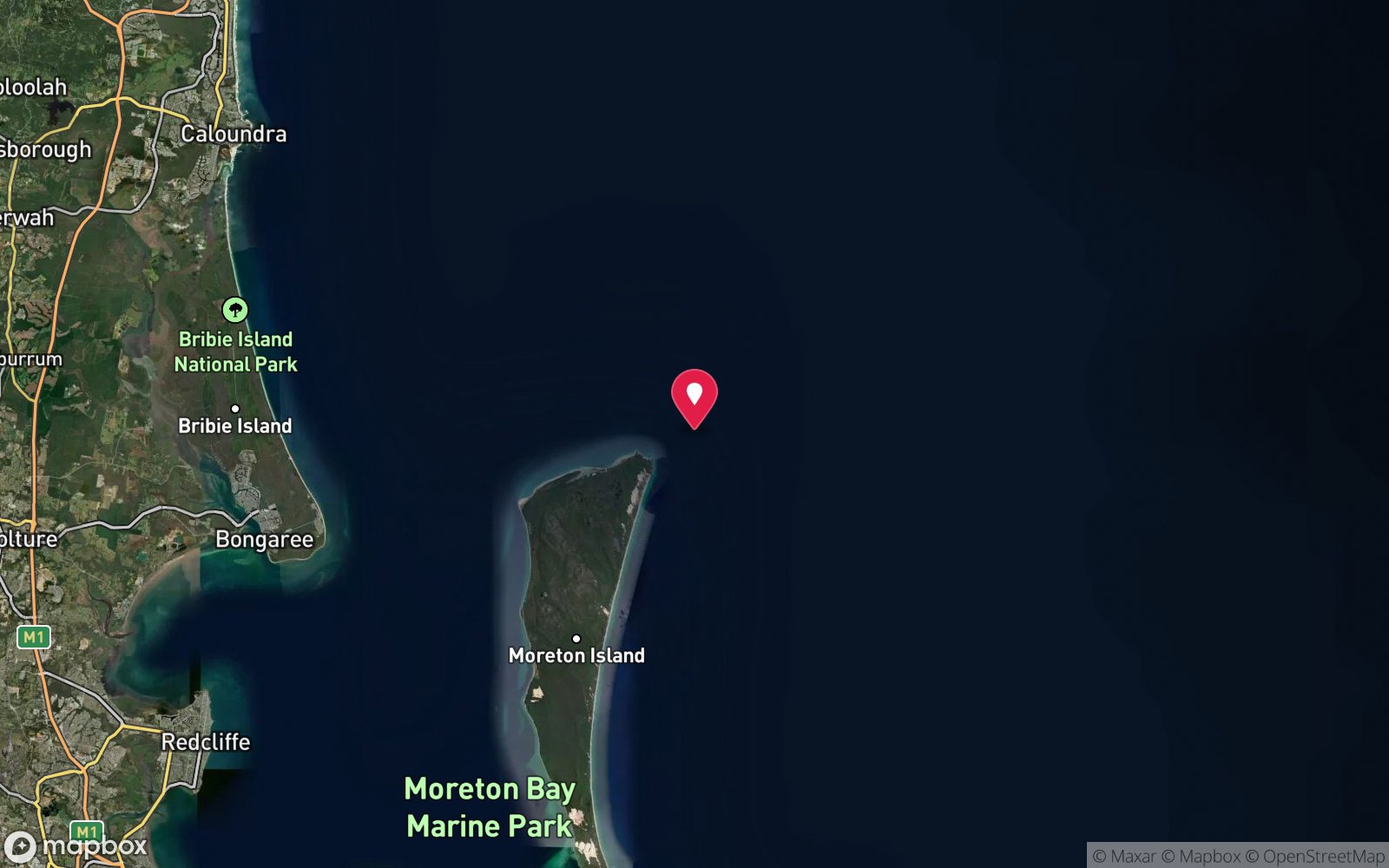
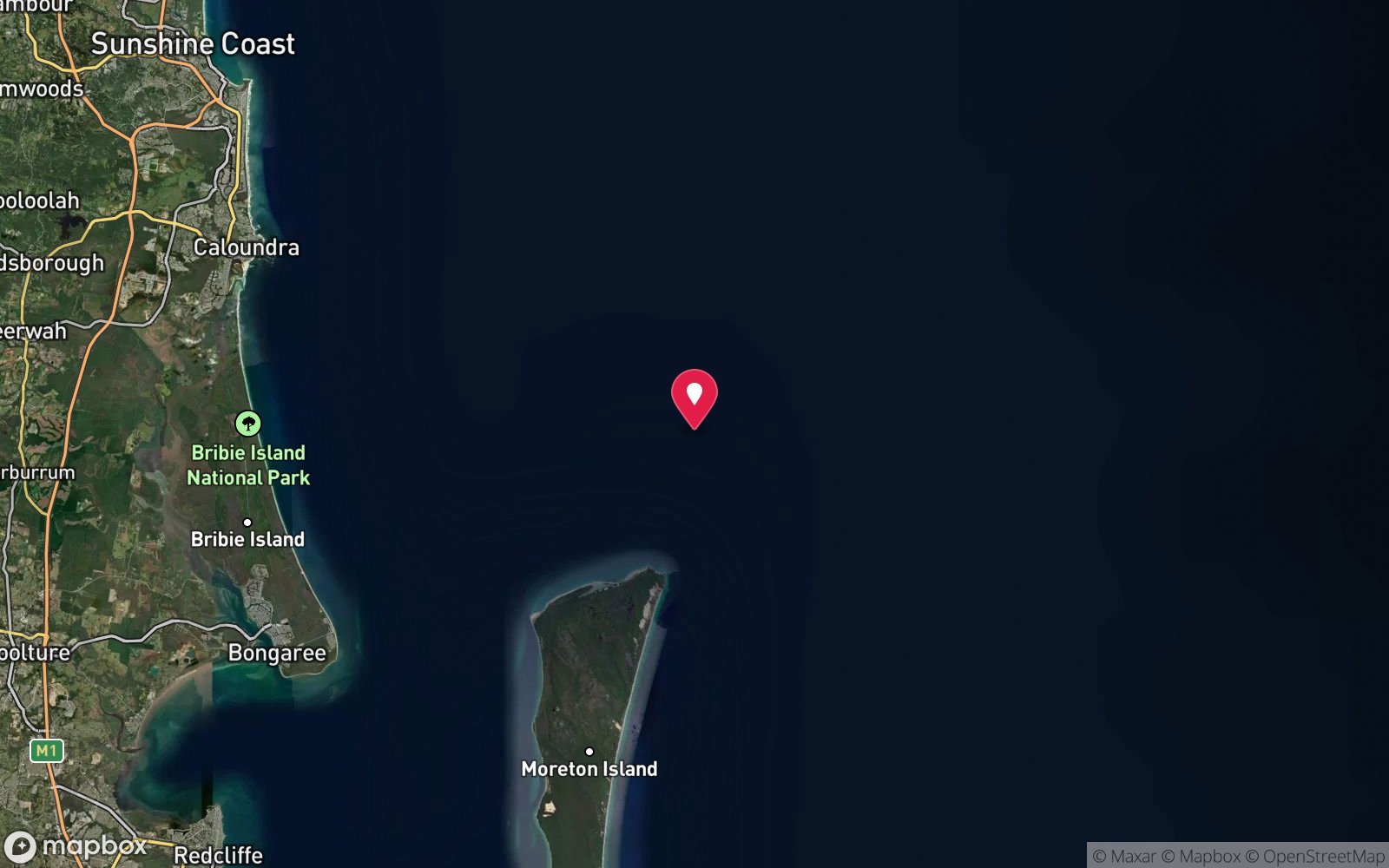
-26.98000, 153.48700
Approximate position — not for navigation.
Open in Google MapsPrimary source: supercatcharters.com.auMarine park & permits
Moreton Bay Marine Park – Flinders Reef Marine National Park (green) zone: no take, no anchoring, public moorings only
Nearest recompression chamber
Royal Brisbane & Women's Hospital Hyperbaric Medicine Service (Herston, Brisbane); Wesley Centre for Hyperbaric Medicine (Auchenflower, Brisbane) as alternative
Diving emergency: call 000, then DAN AP 1800 088 200.
Trip planner
Build a trip around Flinders Reef →
A day-by-day plan for Brisbane & Moreton Bay with this site locked in.
This guide is a planning aid. Conditions change daily — confirm with a local dive centre and dive within your training. Data & safety notes.
Dive profile
How this site rates
Scores are computed from the recorded data, not opinions. How?
At a glance
Flinders Reef is a reef boat dive in Brisbane & Moreton Bay, QLD, 3–28 m, suited to Advanced Open Water divers, about 80 minutes by boat.
Rated beginner: sheltered, shallow and manageable for a newly certified diver on a normal day, though note depth beyond 18 m and surge on the entry or in the shallows and boat traffic overhead.
Why dive here
- Highest coral diversity of any subtropical reef on the east coast and Brisbane's best-known dive; the turtle cleaning station in about 5 m is the must-see.
- A photographer's site: bring a macro lens or a wide-angle depending on the season.
- Snorkel-friendly, so non-diving companions can join at the surface.
- Visibility often reaches 15-30 m.
Conditions to avoid
- Swell above about 1.5 m
- Wind over about 15 knots
- Afternoon north-easterlies
- Outgoing tide or run-off after rain (poor visibility)
About Flinders Reef
Flinders Reef is Brisbane's signature dive: a small coral reef sitting in open ocean just north of Cape Moreton that holds more coral species than any other subtropical reef on Australia's east coast. Charter operators like to say it has more varieties of coral in one small area than any single reef on the Great Barrier Reef, and with more than 100 hard and soft coral species and over 175 recorded fish species it genuinely looks like a piece of the tropics transplanted to South East Queensland. It has been a marine park since 1998 and is now a Marine National Park (green) zone, so nothing may be taken and the fish show it.
The reef is compact, rising from about 20-28 m of sand to a few rocky heads that break the surface at low tide. The western side is the sheltered, shallow side, with coral gardens at 5-12 m of plate, staghorn and brain corals, soft corals, gorgonians and sponges, cut by sand gutters. The eastern side is more rugged, with walls, ledges, small caves and pinnacles dropping to the mid-twenties.
Much of the dive is spent in 6-16 m, which makes Flinders suitable for new divers and good for long, relaxed dives. The big draw is the turtle cleaning station on the western side, where green and loggerhead turtles queue over a bommie to be picked clean by surgeonfish and cleaner wrasse; divers who stay low and still get close-range views. Around the reef you will see schools of sweetlip, trevally, batfish, surgeonfish, parrotfish and wrasse, plenty of wobbegongs tucked under ledges, eagle rays passing over the sand, leopard sharks and manta rays in summer, and occasional grey nurse sharks and whaler sharks on the eastern side.
In winter humpback whales migrate past and are often heard, and sometimes seen, during the dive. Look closely for nudibranchs, egg cowries, feather duster worms and anemonefish. Flinders is usually combined with the Cementco wreck or Gotham City on a two-dive day, and it is the natural first outer-Moreton trip for divers who have done the bay sites.
Because the crossing is long, it rewards picking a settled day.
Getting there & entry
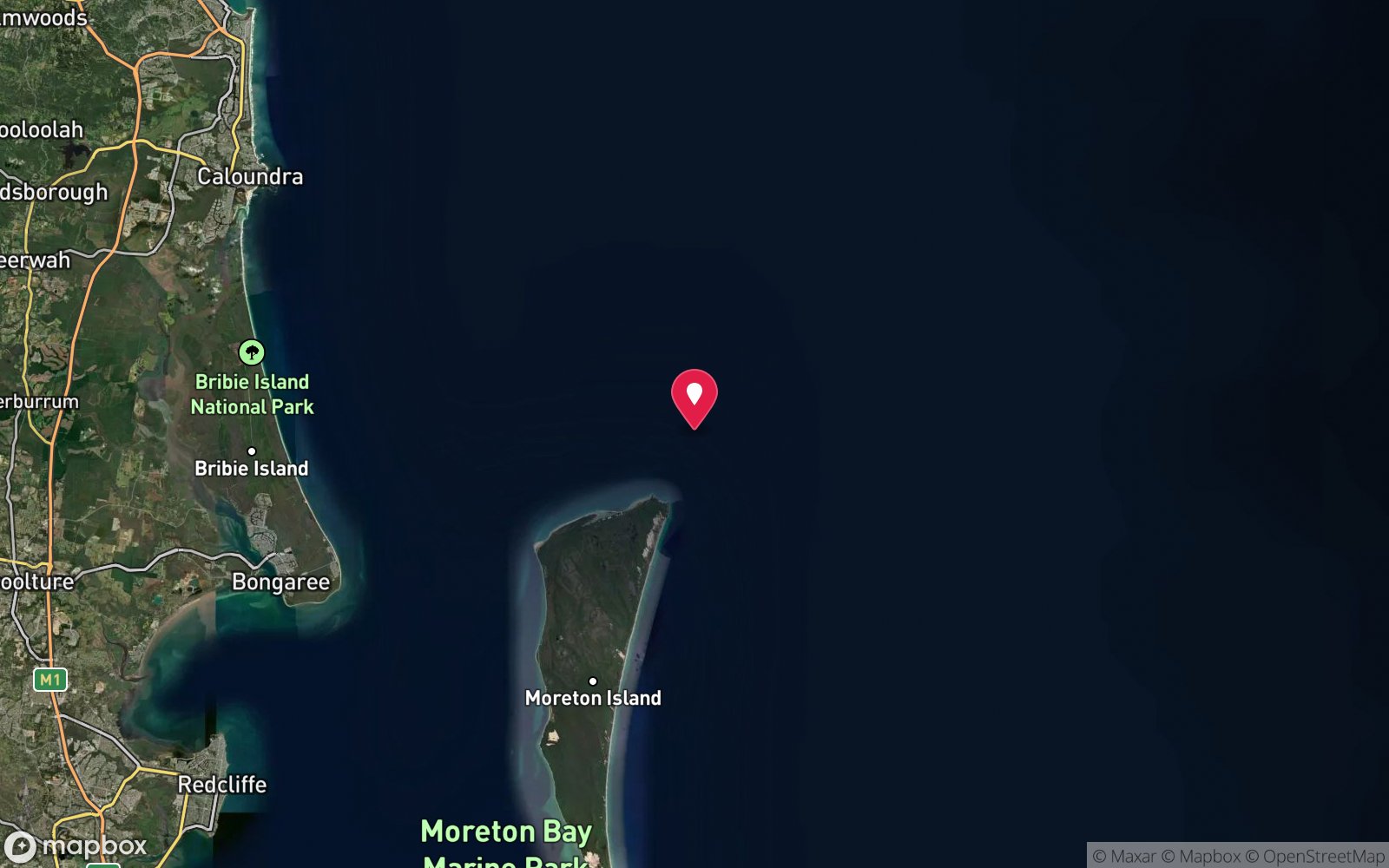
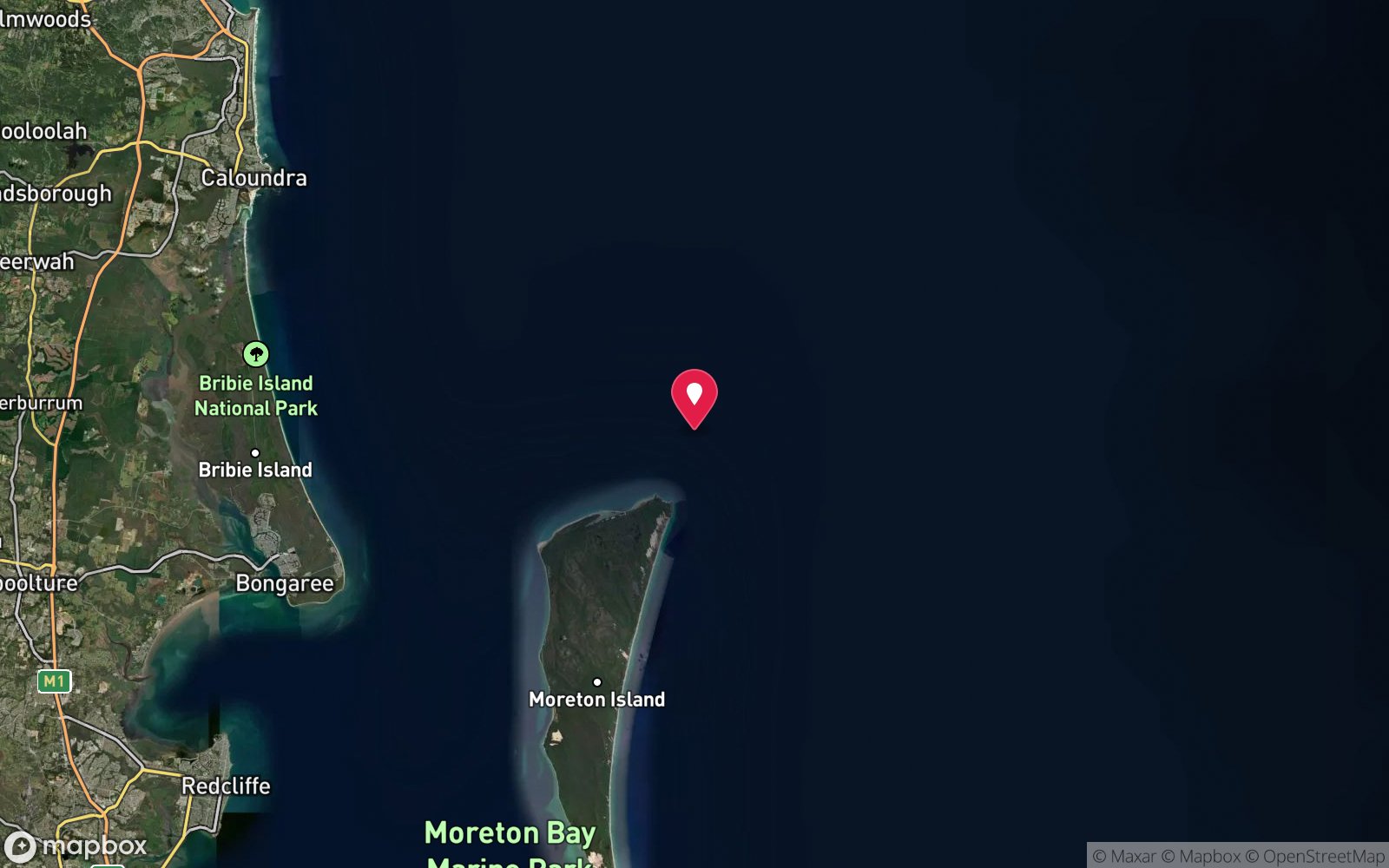
Small isolated coral reef about 5 km north-west of Cape Moreton, off the northern tip of Moreton Island, inside Moreton Bay Marine Park; the closest true coral reef to Brisbane.
Boat access only. Brisbane charters leave from Manly Boat Harbour (Brisbane Scuba departs from the corner of Royal Esplanade and Davenport Drive, Manly) or from Scarborough Boat Harbour on the Redcliffe Peninsula, crossing Moreton Bay and running out through the North West Channel past Bulwer and Comboyuro Point to the northern tip of Moreton Island. Allow roughly 75-90 minutes from Manly in good conditions.
Sunshine Coast operators run south from The Wharf, Mooloolaba, in about 45 minutes. Private boats typically launch at Scarborough or Bribie Island; the open-water crossing around Cape Moreton is exposed and should only be attempted in settled weather with local knowledge. Flinders Reef has several public moorings; anchoring on the reef is not permitted.
Entry: Giant stride or back roll from charter boat
Facilities: Departure facilities at Manly Boat Harbour (cafes, toilets, parking) or Scarborough Boat Harbour; Mooloolaba Wharf for Sunshine Coast operators.
Weather, swell & tides
Flinders sits in open ocean north of Cape Moreton, so the limiting factor is the crossing and the swell. Northerly and north-easterly winds over about 15 knots and any easterly or north-easterly swell over 1.5 m make the moorings rough and the shallow tops surgy; strong southerlies make the run around the cape unpleasant. The best days follow a period of light westerly or south-westerly winds, typical of winter mornings.
The reef is not strongly tidal, but a light current can run across the eastern side. Visibility averages 15 m in summer and 30 m in winter, and drops after big easterly swells or when the Brisbane River plume is pushed north after heavy rain.
Best season: Year-round; winter for 30 m visibility, humpback whales (June-September/October) and occasional grey nurse sharks; summer for leopard sharks and manta rays
If it's blown out
Sheltered or shore sites within 25 km that often work when Flinders Reef doesn't.
- Tangalooma Wrecks · 23 km · Max 12 m
- Bulwer Wrecks · 16 km · Max 6 m
- Cowan Cowan · 20 km · Max 12 m
How the dive is usually run
Pick up a public mooring on the western side, descend the line to 8-10 m and swim a loose circuit of the coral gardens and gutters, keeping the reef on one shoulder. Visit the turtle cleaning station in about 5 m near the end of the dive, then return to the mooring and do the safety stop on the line. Second dives often move to a mooring on the eastern side for the ledges, caves and a chance of larger pelagics.
Marine life
- Green and loggerhead turtles (cleaning station) →
- wobbegongs →
- leopard sharks (summer) →
- manta rays (summer) →
- grey nurse sharks (occasional) →
- whaler sharks (eastern side)
- eagle rays
- sweetlip
- trevally
- batfish
- surgeonfish
- parrotfish
- wrasse
- anemonefish
- egg cowries
- nudibranchs →
- feather duster worms
- humpback whales (June-October) →
- 100+ coral species
Linked species have their own page listing every site where they are recorded. All marine life →
Training required
Beyond 18 m an Advanced certification (which includes a deep dive to 30 m) is the accepted minimum. Anything past 25 m is a deep dive in practice.
Open Water divers can dive the shallower section (typical depth 10 m); the full site to 28 m needs Advanced Open Water. Operators often quote Open Water. At more than 25 m this counts as a deep dive: watch no-decompression limits and gas.
Operators' own listing: Open Water.
Courses that help here
- Enriched Air Nitrox – Longer no-decompression time at 25 m and deeper.
- Cavern Diver – An overhead environment.
Depth tiers: 0–10 m easy · to 18 m Open Water · 18–30 m Advanced (25 m+ is a deep dive) · 30–40 m Deep specialty · 40 m+ technical. All courses
Hazards & warnings
Green zone – no take, no anchoring (use public moorings); long exposed open-water crossing around Cape Moreton; surge on the shallow tops in any swell; light current on the eastern side; boat traffic at the moorings on busy weekends; do not touch or kneel on coral.
Dive centres that go here
Brisbane Scuba (Manly) – regular Moreton Island day trips pairing Flinders with Cementco or Gotham City; Go Dive Brisbane and Brisbane Dive Academy – scheduled Flinders days; Sunreef and Scuba World (Mooloolaba) – regular Flinders Reef double-dive trips (about 7 hours door to door); Supercat Charters – charter trips.
Operators recorded for Flinders Reef
Scuba World Mooloolaba
ListedMooloolaba · Sunshine Coast · QLD
A Sunshine Coast business combining training, retail and local boat diving including the ex-HMAS Brisbane.
scubaworld.com.au · (07) 5444 8595
Sunreef Mooloolaba
ListedMooloolaba · Sunshine Coast · QLD
A Mooloolaba operation closely associated with the ex-HMAS Brisbane wreck alongside local reef diving and training.
sunreef.com.au · (07) 5444 5656
Brisbane Scuba
ListedManly · Brisbane & Moreton Bay · QLD
A Brisbane training and service business supporting the local resident diving population.
brisbanescuba.au · 0418 736 738
Brisbane Dive Academy
ListedTingalpa · Brisbane & Moreton Bay · QLD
A Brisbane training operation focused on recreational certification and continuing education.
brisbanediveacademy.com.au · (07) 3890 0342
Go Dive Brisbane
ListedWindsor · Brisbane & Moreton Bay · QLD
A Brisbane business combining training, equipment retail and service support for local divers.
godive.com.au · (07) 3857 7255
Other dive centres in Brisbane & Moreton Bay
Tangalooma Island Resort
ListedMoreton Island · Brisbane & Moreton Bay · QLD
A Moreton Island resort with diving and snorkelling access to the Tangalooma wrecks, a shallow, sheltered artificial reef system.
tangalooma.com/shops-services/dive-watersports · 1300 652 250
ADRENO Brisbane
ListedBrisbane · Brisbane & Moreton Bay · QLD
A large equipment retailer with a strong spearfishing and freediving emphasis alongside scuba equipment. This is primarily a retail business rather than a training centre.
adreno.com.au
Dive Dive Dive
ListedTingalpa · Brisbane & Moreton Bay · QLD
A long-standing Brisbane business associated with technical training alongside recreational courses, retail and servicing. Technical capability should be audited service by service rather than assumed.
divedivedive.com.au · (07) 3890 4443
DiversWorld
ListedCairns · Cairns · QLD
A Queensland equipment and service business. Current retail range, servicing capability and any training should be verified directly.
diversworld.com.au · (07) 4041 4004
Professional Dive Services
Named by sitesBrisbane · Brisbane & Moreton Bay · QLD
Brisbane-based dive training business that runs Torres Strait / Ribbon Reef expeditions aboard MV Kalinda; not based in the Torres Strait.
professionaldiveservices.com.au · 0457 007 040
Map
7 pinned sites. Pins marked approximate on their pages show the general area only; not for navigation.
Satellite views
Flinders Reef: frequently asked questions
How deep is Flinders Reef?
Flinders Reef reaches a maximum depth of 28 m, with the shallowest part at about 3 m; most of the dive is spent around 10 m.
What certification do I need to dive Flinders Reef?
Advanced Open Water is the recommended minimum. Open Water divers can dive the shallower section (typical depth 10 m); the full site to 28 m needs Advanced Open Water. Operators often quote Open Water. At more than 25 m this counts as a deep dive: watch no-decompression limits and gas. Rated beginner: sheltered, shallow and manageable for a newly certified diver on a normal day, though note depth beyond 18 m and surge on the entry or in the shallows and boat traffic overhead.
Can I shore dive Flinders Reef?
No, it is reached by boat (about 80 minutes). A dive centre is required: boat access only.
When is the best time to dive Flinders Reef?
Year-round; winter for 30 m visibility, humpback whales (June-September/October) and occasional grey nurse sharks; summer for leopard sharks and manta rays.
What marine life will I see at Flinders Reef?
Regularly recorded: Green and loggerhead turtles (cleaning station), wobbegongs, leopard sharks (summer), manta rays (summer), grey nurse sharks (occasional), whaler sharks (eastern side), eagle rays, sweetlip, trevally, batfish, surgeonfish, parrotfish and more.
What wetsuit do I need at Flinders Reef?
3 mm full wetsuit in summer; 5-7 mm with hood in winter.
How cold is the water at Flinders Reef?
Typically 24-27 °C in summer and 19-21 °C in winter.
What are the main hazards at Flinders Reef?
Green zone – no take, no anchoring (use public moorings); long exposed open-water crossing around Cape Moreton; surge on the shallow tops in any swell; light current on the eastern side; boat traffic at the moorings on busy weekends; do not touch or kneel on coral. See the hazards section above for the full list.
Where is the nearest recompression chamber to Flinders Reef?
Royal Brisbane & Women's Hospital Hyperbaric Medicine Service (Herston, Brisbane); Wesley Centre for Hyperbaric Medicine (Auchenflower, Brisbane) as alternative. In an emergency call 000, then DAN Asia-Pacific on 1800 088 200.
Diving in Brisbane & Moreton Bay
Brisbane's diving is better than most visitors expect. Flinders Reef, off the northern tip of Moreton Island, has more coral species than many outer-reef sites and resident turtles and wobbegongs; the Tangalooma Wrecks are 15 scuttled vessels you can snorkel from the beach; the Curtin Artificial Reef is a 30-year collection of scuttled boats and cars off Cowan; and Cherubs Cave and Henderson Rock on the east side of Moreton hold grey nurse sharks in winter.
Getting there: Charters from Scarborough, Manly and Brisbane's bayside run Flinders and the east-side sites; Tangalooma is reached by ferry or from the resort.
All Brisbane & Moreton Bay dive sites and a suggested itinerary →
Sources
- supercatcharters.com.au/sites
- unidive.org/diving/dive-sites
- marinelife.org.au/?page_id=1574
- nigelmarshphotography.com/blog-posts/moreton-island-scuba-diver-mag
- brisbanescuba.au/about-brisbane-scuba/brisbane-dive-locations/dive-site-flinders-reef
- scubashanediving.com.au/dive-flinders-reef
- sunreef.com.au/dive-sunshine-coast/flinders-reef
- adreno.com.au/pages/south-east-qld-scuba-diving-sites
Data confidence: High · Being verified: Coordinates approximate (reef centre).. Last updated September 2026. Know this site better? How to send a correction
Nearby dive sites
More reef dives in Queensland
Explore more
This region
Similar dives
Marine life