Since the HMAS Swan went down in Geographe Bay in 1997, Australia has scuttled a fleet of decommissioned naval vessels as dive sites: the Perth, Hobart, Brisbane, Canberra, Adelaide and Tobruk, plus patrol boats and the WWI J-class submarines dumped a century earlier. Each was prepared with access holes for recreational divers and has become a reef in its own right.
Updated daily from the directory. 5 sites listed.
1. Hervey Bay & K'gari · QLD
ex-HMAS Tobruk
Sunk 2018 · Australia's largest military dive wreck – a 127 m landing ship lying on her side, with the shallowest point at 11 m for Open Water divers and a 100 m swim-through tank deck and eight deck levels for trained wreck divers.
Our takeThe biggest of them all: a 127 m landing ship that rolled onto her side when she was sunk in 2018, so the wreck lies on her starboard side with the shallowest steel at 11 m. That accident made her an Open Water wreck at the top and an Advanced wreck along the hull, with the vehicle deck as the great swim-through.
2. Sunshine Coast · QLD
Ex-HMAS Brisbane
Sunk 2005 · A 133 m destroyer scuttled off Mooloolaba in 2005, with cut-outs that make it one of the best penetration wrecks for recreational divers.
Our takeA destroyer, so a narrower and taller wreck than the frigates, with the funnels 3 m below the surface and more than a thousand species recorded on her. A cyclone in 2022 shifted her forward gun mount; the site page explains what changed.
3. Far Northern Reef & Torres Strait · QLD
HMAS Warrnambool wreck
Sunk 1947 · Intact 1947 WWII corvette on its port side in 25 m – the only RAN ship lost to a mine.
4. Heron Island & Capricorn Group · QLD
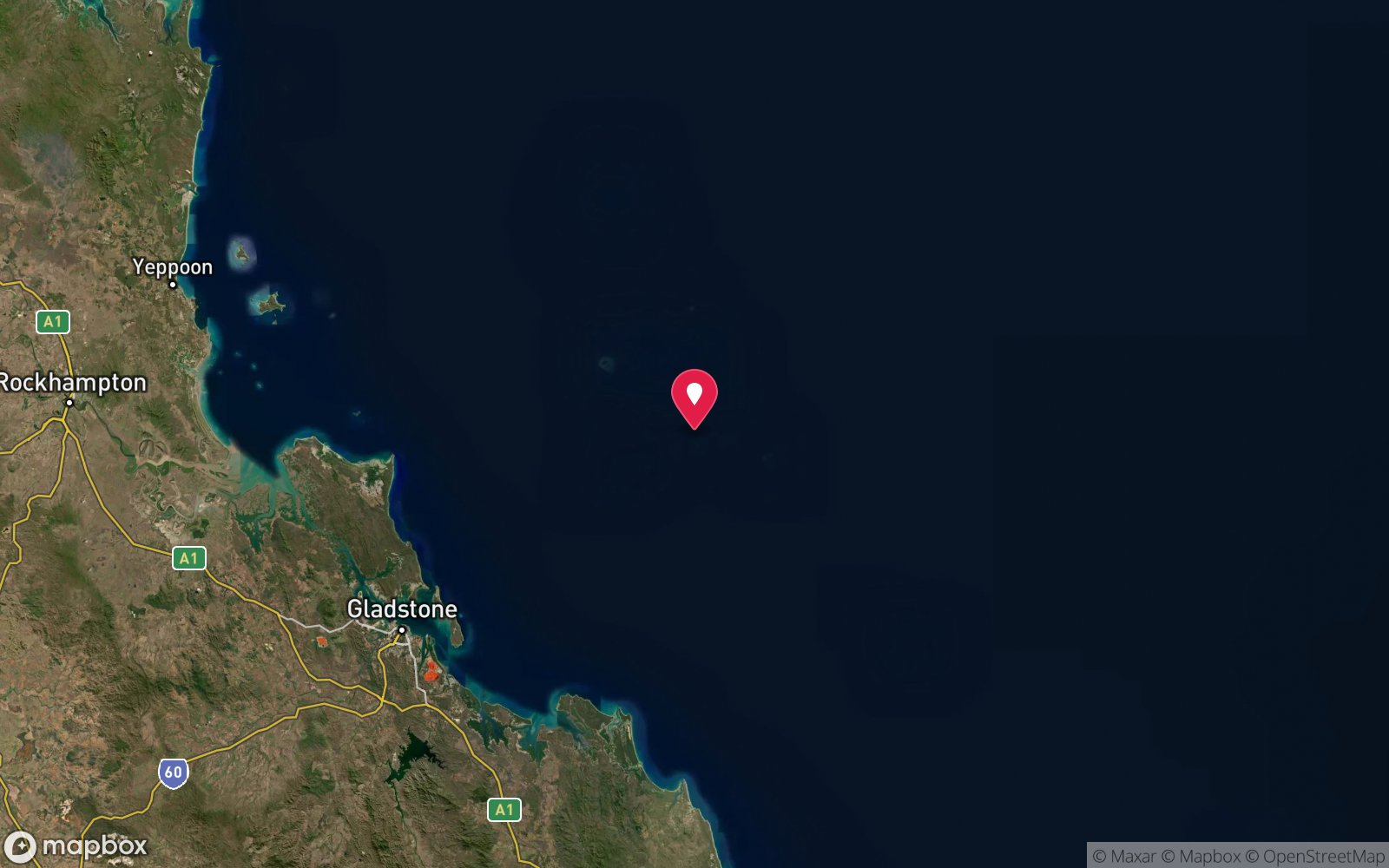
HMCS Protector Wreck (Heron Island)
Sunk 1943 · An 1884 colonial gunboat with Boxer Rebellion and WWI service, now a harbour breakwater and fish haven snorkelled at high tide.
5. Far Northern Reef & Torres Strait · QLD
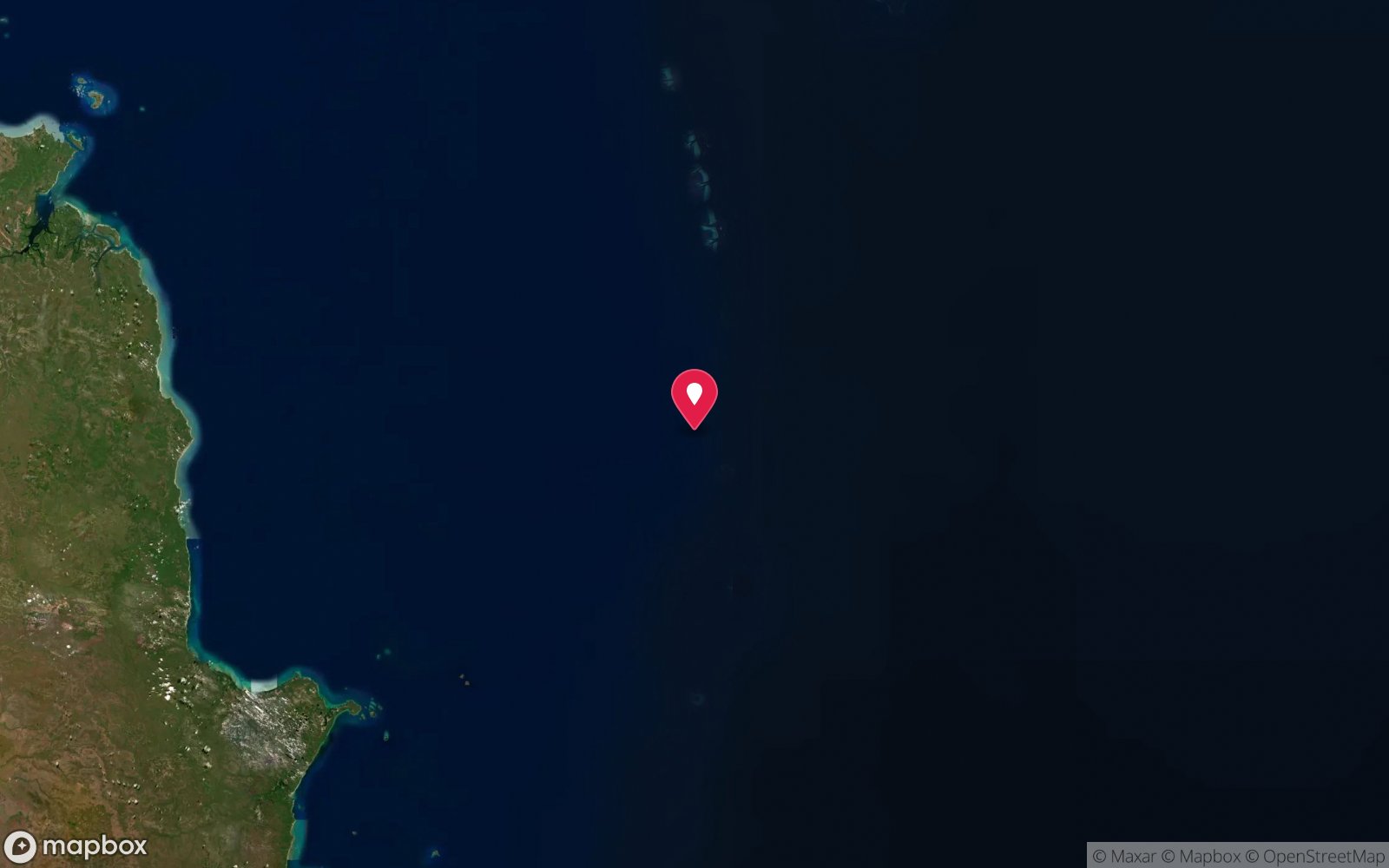
HMS Pandora wreck
Sunk 1791 · The 1791 wreck of the Bounty-hunting frigate HMS Pandora – a permit-only historic shipwreck at 30–33 m.
The guide
The Australian scuttling program
Between 1997 and 2018 Australia sank seven major warships as dive sites: the Swan (1997, WA), Perth (2001, WA), Hobart (2002, SA), Brisbane (2005, QLD), Canberra (2009, VIC), Adelaide (2011, NSW) and Tobruk (2018, QLD). Every state except Tasmania and the Territory has one, and each was cleaned of fuel, oils, wiring and hazards, cut with access holes and sunk upright (or, in the Tobruk's case, not quite) in 28 to 35 m so that the superstructure is within Open Water depth and the decks within Advanced.
Older scuttlings and losses fill out the list: the Doomba, a WWI minesweeper that became a Sydney oil barge; the Goolgwai; the Bayonet; and the Plym, the frigate vaporised in Britain's first atomic test at the Montebello Islands in 1952, of which only scattered pieces remain.
Which one to dive first
For a first wreck dive: the Tobruk's upper hull or the Hobart's marked trail. Both are shallow enough for Open Water divers with a guide and have clear, easy routes. For penetration on a recreational certification: the Adelaide, which has the most prepared interior, or the Brisbane. For big fish life: the Brisbane and the Swan, both of which have had decades to grow. For a cold-water wreck with spectacular visibility: the Perth at Albany. For a challenge: the Canberra on the turn of the tide at the Heads.
All of the prepared wrecks are run by local operators on moorings, most with a permit or fee system that funds the mooring maintenance. Several close in winter swell or, for the Canberra and Brisbane, after storms while the site is inspected. Check the operator page linked from each site.
Penetration is still penetration
A prepared wreck has cut openings, natural light and cleared passages, which is why recreational divers can go inside. It does not remove silt, sharp edges, entanglement or the possibility of getting turned around in a compartment with three exits. Follow the guide's route, stay in the light zone, keep a hand's reach from an exit, and take the wreck specialty course before going anywhere the guide would not take a group.
Editorial last reviewed September 2026. The list itself is regenerated from the directory daily.
Frequently asked questions
Which scuttled warship is the best dive?
The ex-HMAS Brisbane off Mooloolaba is the most complete and accessible; the Canberra and Adelaide are dived daily in season; the Swan is the calmest; the Perth and Hobart suit divers who want cold clear water and fewer people.
More rankings
- The 25 Deepest Dive Sites in Australia
- Australia's Most Remote Dive Sites
- The Longest Boat Rides to a Day Dive
- The Warmest Dive Sites in Australia
- The Coldest Dive Sites in Australia
- Australia's Clearest-Water Dive Sites
- The Most Biodiverse Dive Sites in Australia
- The Oldest Shipwrecks You Can Dive in Australia
- All rankings →