Ranked by how many distinct species or groups are recorded for each site in this directory. It rewards the thoroughly surveyed sites, the Nelson Bay sponge gardens, the Mornington piers, Julian Rocks and the Solitary Islands, as much as the tropical reefs.
Updated daily from the directory. 30 sites listed.
1. Mornington Peninsula · VIC
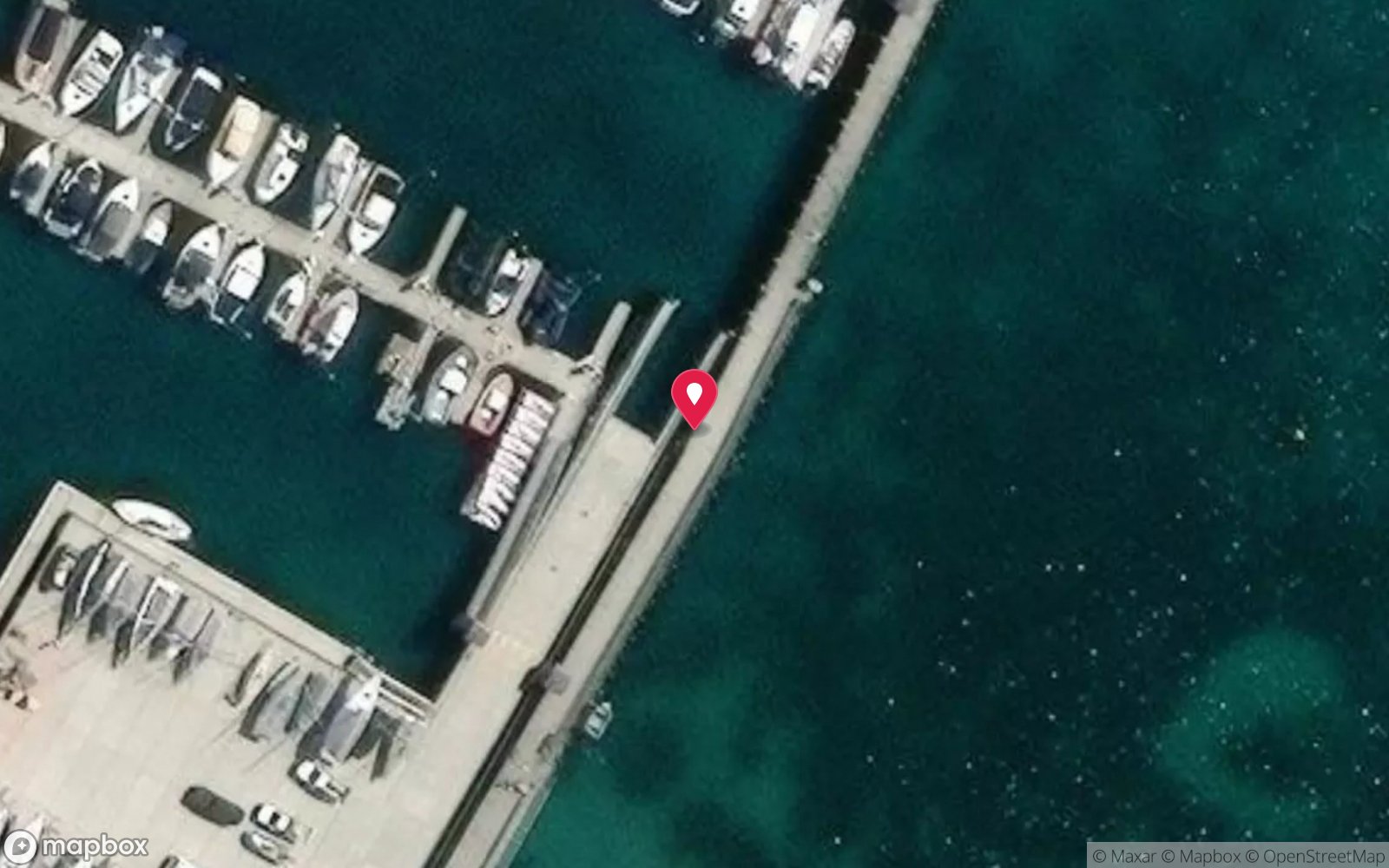
Blairgowrie Pier
23 species recorded · The best pier dive in Australia: seadragons, cuttlefish, frogfish, seahorses and the spider crab aggregation in May.
Our takeThe macro capital of Victoria: more than a hundred nudibranch species recorded, plus seahorses, four species of octopus, cuttlefish and the occasional seadragon, all on sponge-covered pylons in 7 m. Divers do a hundred dives here and keep finding new animals.
2. Sunshine Coast · QLD
Mudjimba Island
23 species recorded · The Sunshine Coast's all-weather site: a sheltered wall from 16 m to 5 m and coral gardens from 2 m, rich in macro life and ideal for training and snorkelling.
3. Gold Coast · QLD
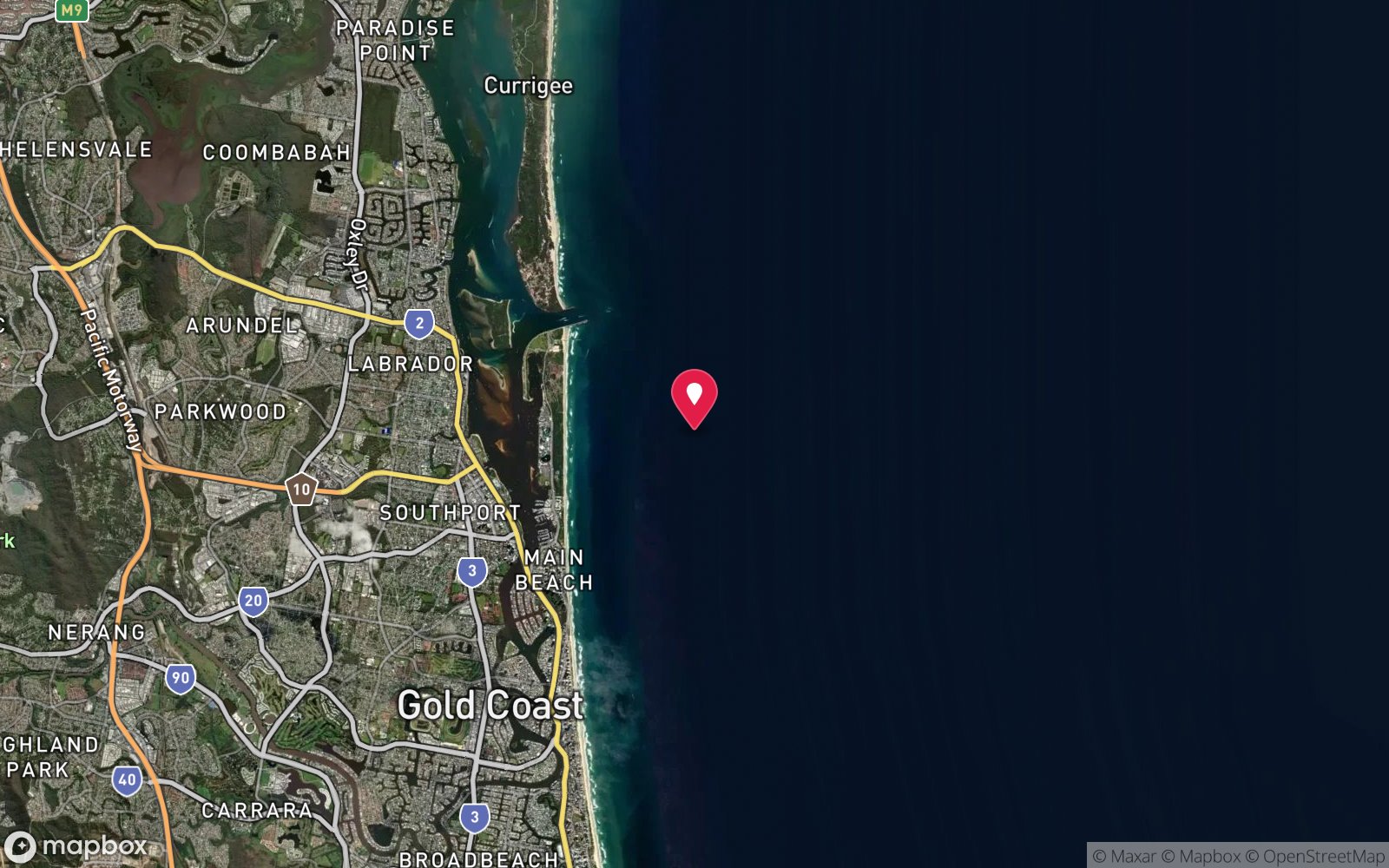
Wonder Reef
23 species recorded · Nine floating spiral sculptures rising to 8 m from 30 m – the world's first buoyant reef, opened in 2022.
Our takeNine floating steel sculptures off the Gold Coast, moored to the seabed and swaying in the current, opened in 2022 as the world's first buoyant reef. The species count is climbing every season as the structures colonise; the design means there is life from 8 m to 30 m.
4. Surf Coast & Great Ocean Road · VIC
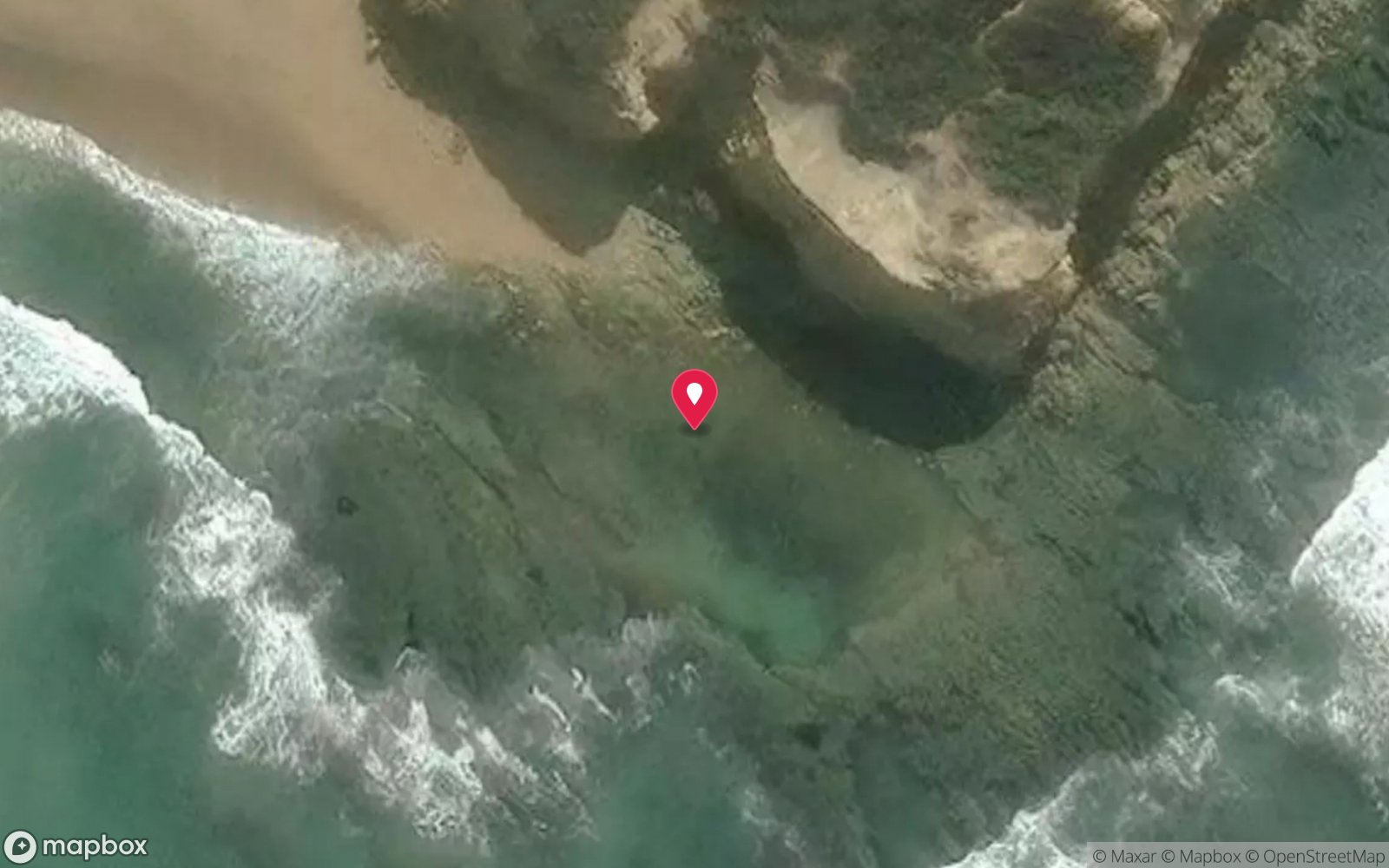
Point Addis
23 species recorded · Sponge-lined limestone gutters running out toward a marine-national-park headland, with seadragons, blue devils and crays; the Surf Coast's signature shore dive on the rare flat day.
5. Surf Coast & Great Ocean Road · VIC
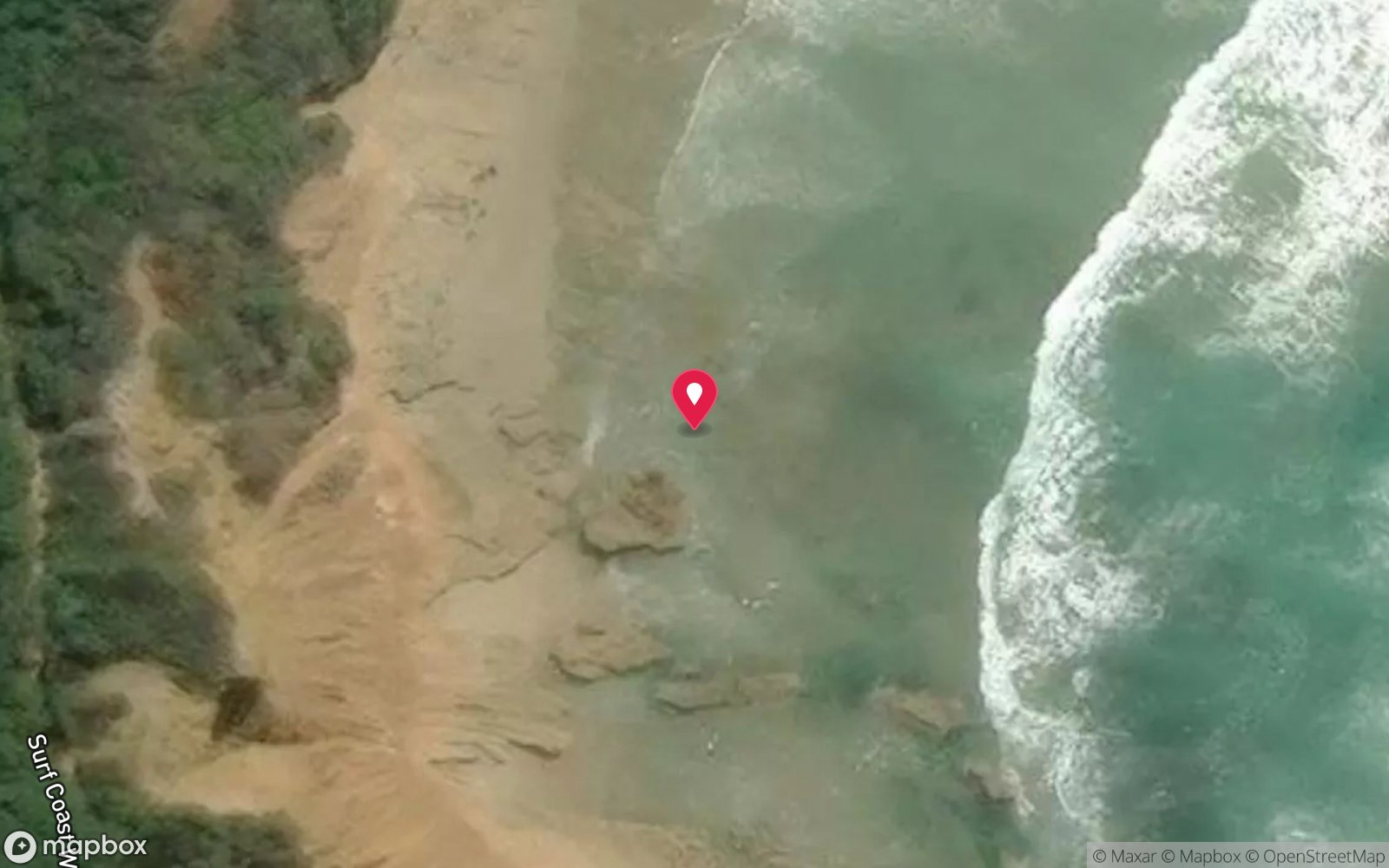
Eagle Nest Reef, Aireys Inlet
22 species recorded · A kilometres-long limestone reef beneath the red bluffs of Aireys Inlet, with a beginner-friendly inner reef and a main reef in 6-10 m; the east-facing beach is the calmest option in a westerly.
6. Sunshine Coast · QLD
Ex-HMAS Brisbane
21 species recorded · A 133 m destroyer scuttled off Mooloolaba in 2005, with cut-outs that make it one of the best penetration wrecks for recreational divers.
Our takeThe scuttled destroyer has more than a thousand species recorded on and around her, the highest count of any artificial reef in the country, from resident groupers and eagle rays to the nudibranchs on her rails.
7. Gold Coast · QLD
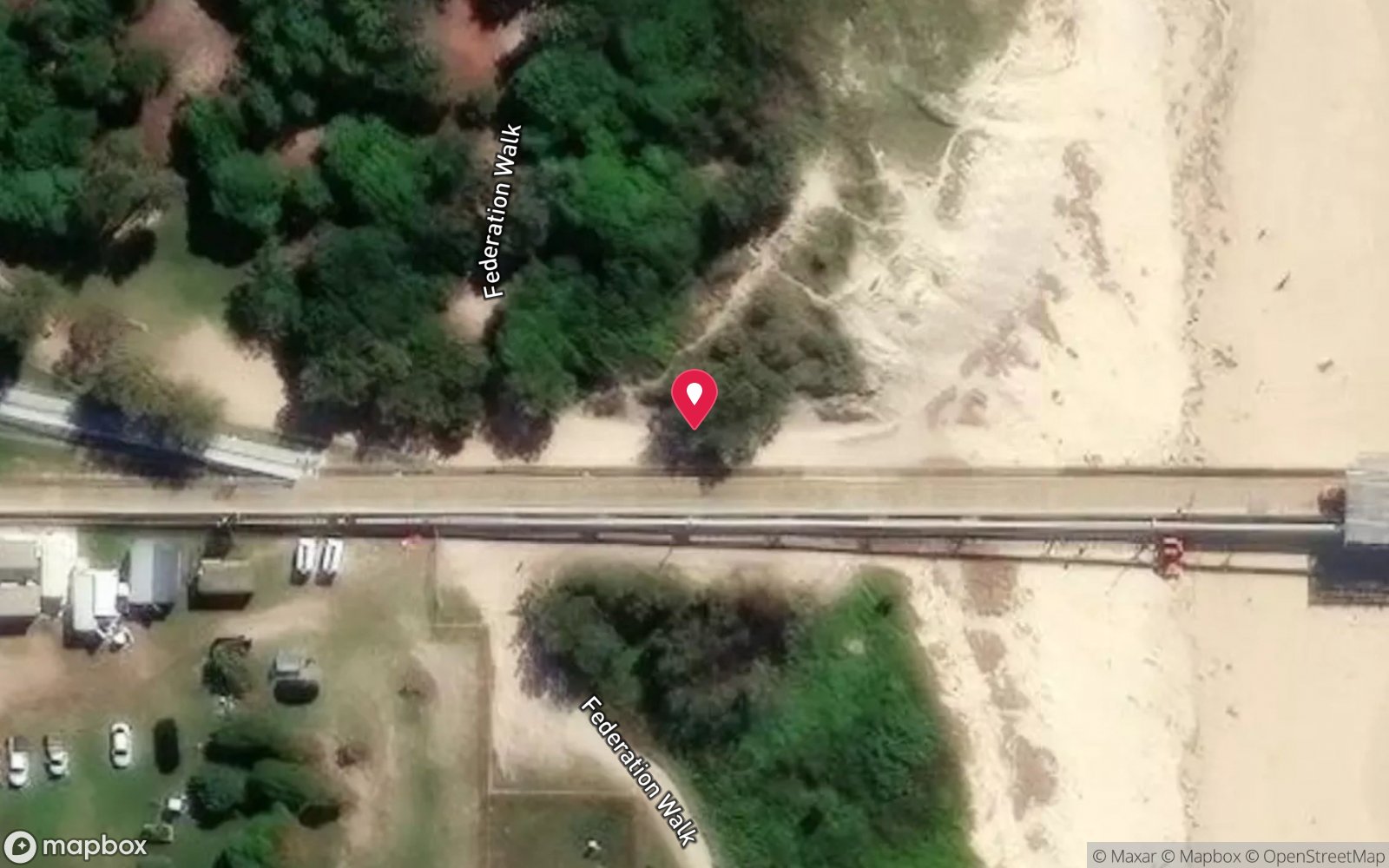
Gold Coast Seaway – South Wall (Sand Bypass Pipe)
21 species recorded · Australia's best city shore dive: giant groupers, rays and 400+ species along a breakwater and sand bypass pipe, with easy stair access.
Our takeA breakwater and a sand pipe in the middle of a city, with more than 400 species recorded along them: giant Queensland groupers, rays, wobbegongs, turtles and schooling fish. Australia's best urban shore dive, on the slack of the tide.
8. Ribbon Reefs & Lizard Island · QLD
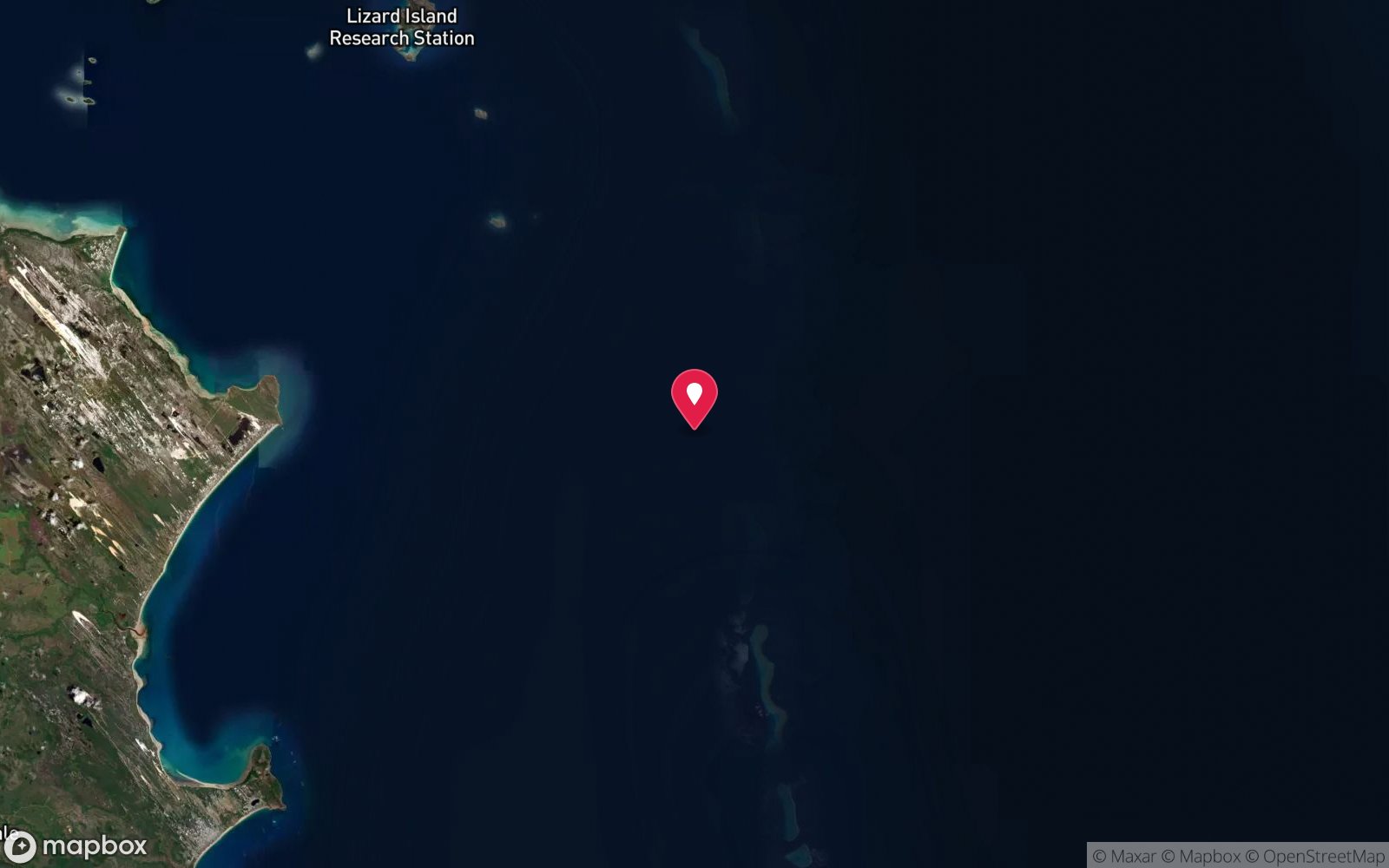
Pixie Pinnacle
21 species recorded · A small pinnacle packed from top to bottom with fish and critters, including the flashing 'disco clam'.
Our takeA single pinnacle on the Ribbon Reefs, small enough to circle several times in a dive and packed from the sand to the surface with fish, anemones, flashing disco clams and macro life. Guides call it the best small dive on the reef.
9. Fleurieu Peninsula & Victor Harbor · SA
Rapid Bay Jetty
21 species recorded · The most reliable leafy seadragon dive in the world, on the pylons of the old and new jetties.
Our takeThe leafy seadragon site, but the seagrass beds and the old jetty's pylons hold far more: pipefish, cowfish, cuttlefish, blue devils and the whole southern Australian invertebrate cast in 10 m of sheltered water.
10. Bundaberg & Agnes Water · QLD
Hoffman's Rocks
21 species recorded · 'Nudibranch Park' – the Woongarra Coast's richest macro site, with soft-coral bommies, a gentle current that brings in eagle rays, trevally and gropers, and some of the most unusual nudibranchs on the coast.
Our take'Nudibranch Park' on the Woongarra Coast near Bundaberg: soft-coral bommies, a gentle current that brings eagle rays and trevally through, and the richest macro life between Brisbane and the reef.
11. Sydney South & Botany Bay · NSW
North Bondi (Ben Buckler Point)
21 species recorded · Reliable weedy seadragons on the sand edge and a protected boat-ramp exit, under Sydney's most famous headland.
Shore/Rock PlatformMax 21 mBeginnerAdvanced Open WaterShore accessMore in Sydney South & Botany Bay →
12. Surf Coast & Great Ocean Road · VIC
Sandy Gully Beach, Aireys Inlet
21 species recorded · Quiet beach between red sandstone headlands giving access to the southern end of Eagle Nest Reef; a longer, less-visited alternative to Eagle Rock at Aireys Inlet.
13. Brisbane & Moreton Bay · QLD
Curtin Artificial Reef
20 species recorded · The world's first diver-built artificial reef – 30+ wrecks, a Brisbane tram and resident giant Queensland groupers.
14. Ningaloo – Exmouth · WA
Exmouth Navy Pier
20 species recorded · A working naval pier that shelters more fish per square metre than almost any site in Australia: grey nurse sharks, wobbegongs, giant gropers and frogfish.
15. Merimbula · NSW
Merimbula Wharf
20 species recorded · Easy shore dive with an exceptional critter list – sea dragons, seahorses, angel sharks and cuttlefish – beside an historic wharf.
16. Adelaide Metro · SA
Port Noarlunga Reef & Jetty
20 species recorded · South Australia's most popular shore dive: a sheltered reef lagoon reached by jetty stairs, with an underwater trail, nudibranchs galore and Port Jackson shark aggregations in early summer.
17. Mornington Peninsula · VIC
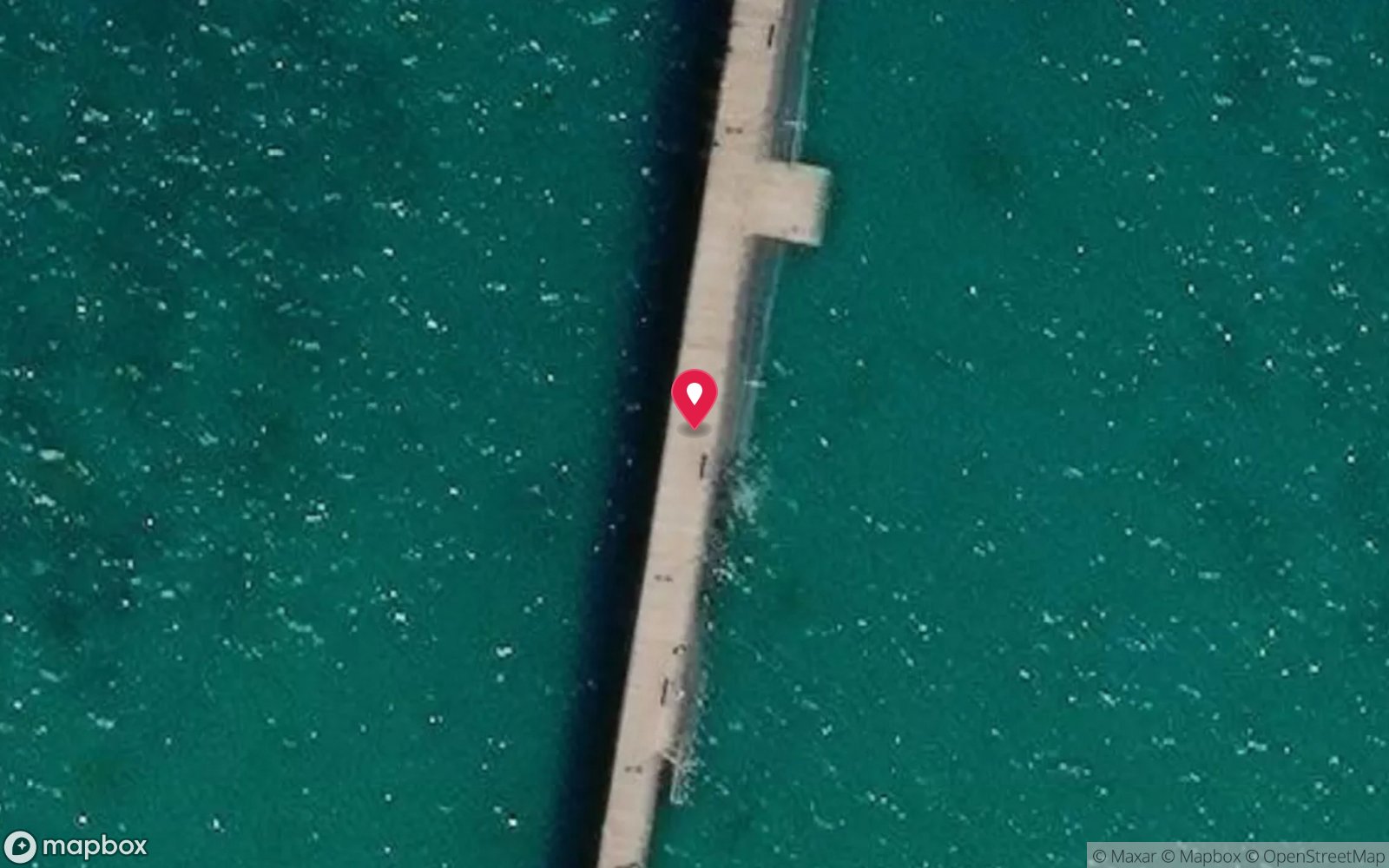
Rye Pier
20 species recorded · Seahorses on nearly every pylon, the annual giant spider crab aggregation, big stingrays and superb night diving – all in 7 m from a car park.
18. Townsville & Magnetic Island · QLD
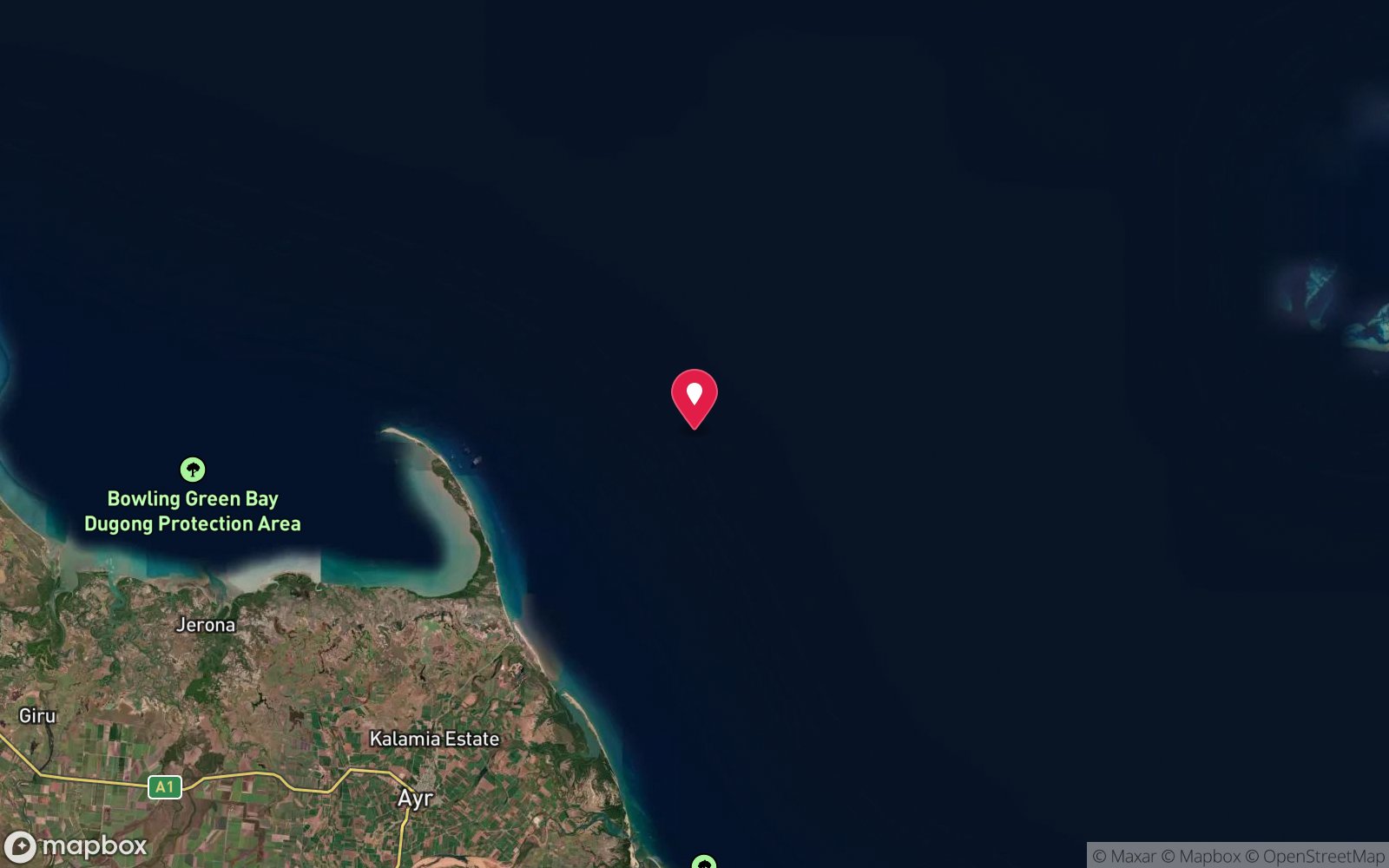
SS Yongala
20 species recorded · Australia's greatest wreck dive by consensus: a 1911 steamer that has become a fish-covered reef in open water off Townsville.
19. Perth · WA
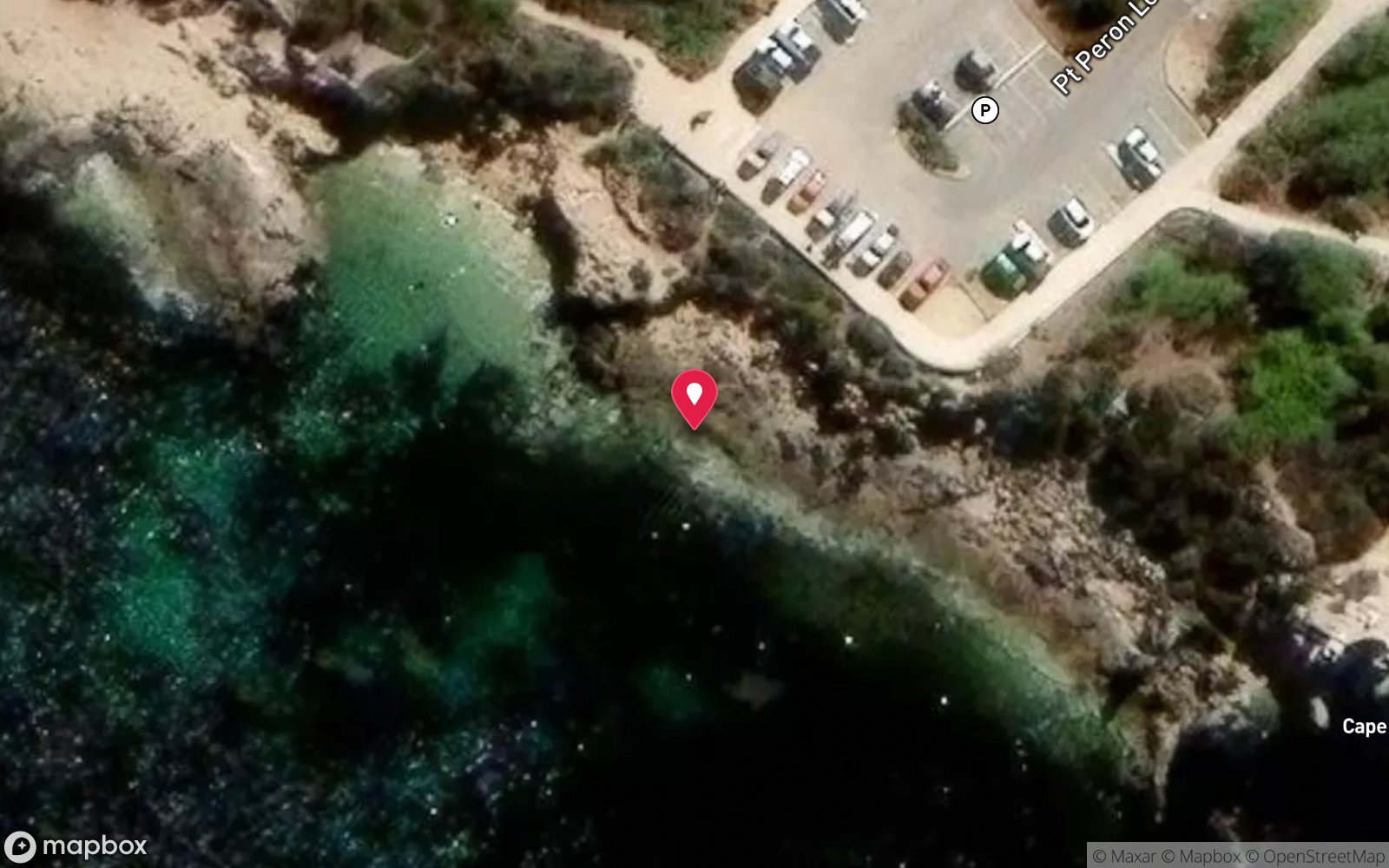
Point Peron
20 species recorded · Perth's best natural shore dive in the south: limestone pinnacles, arches, caves and swim-throughs in 3–10 m, with sheltered seagrass on the eastern side for beginners.
20. Perth · WA
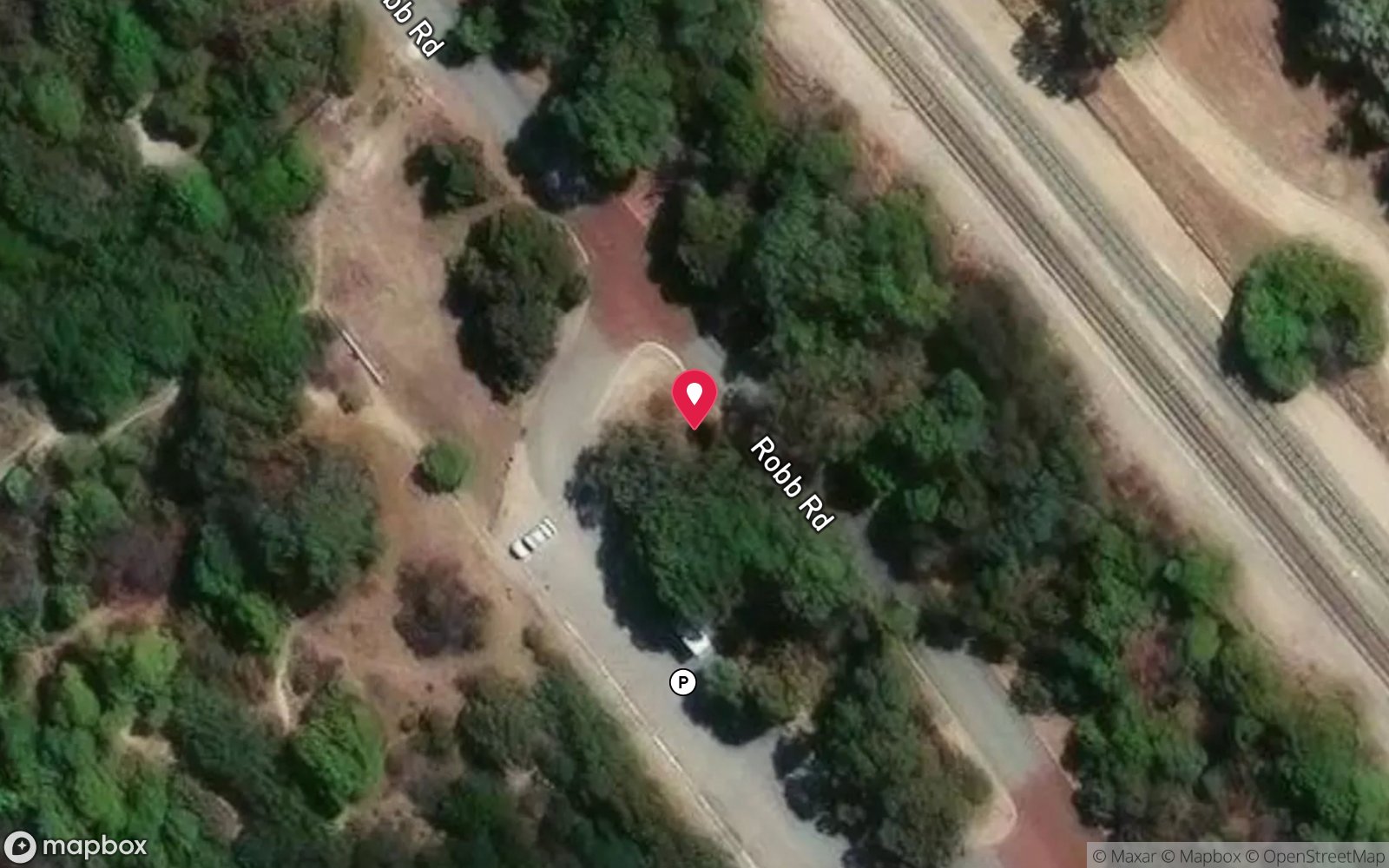
Robb Jetty
20 species recorded · A quiet line of historic jetty pylons in 5–8 m off the CY O'Connor statue, with good macro life, seagrass edges and better average visibility than Ammo Jetty.
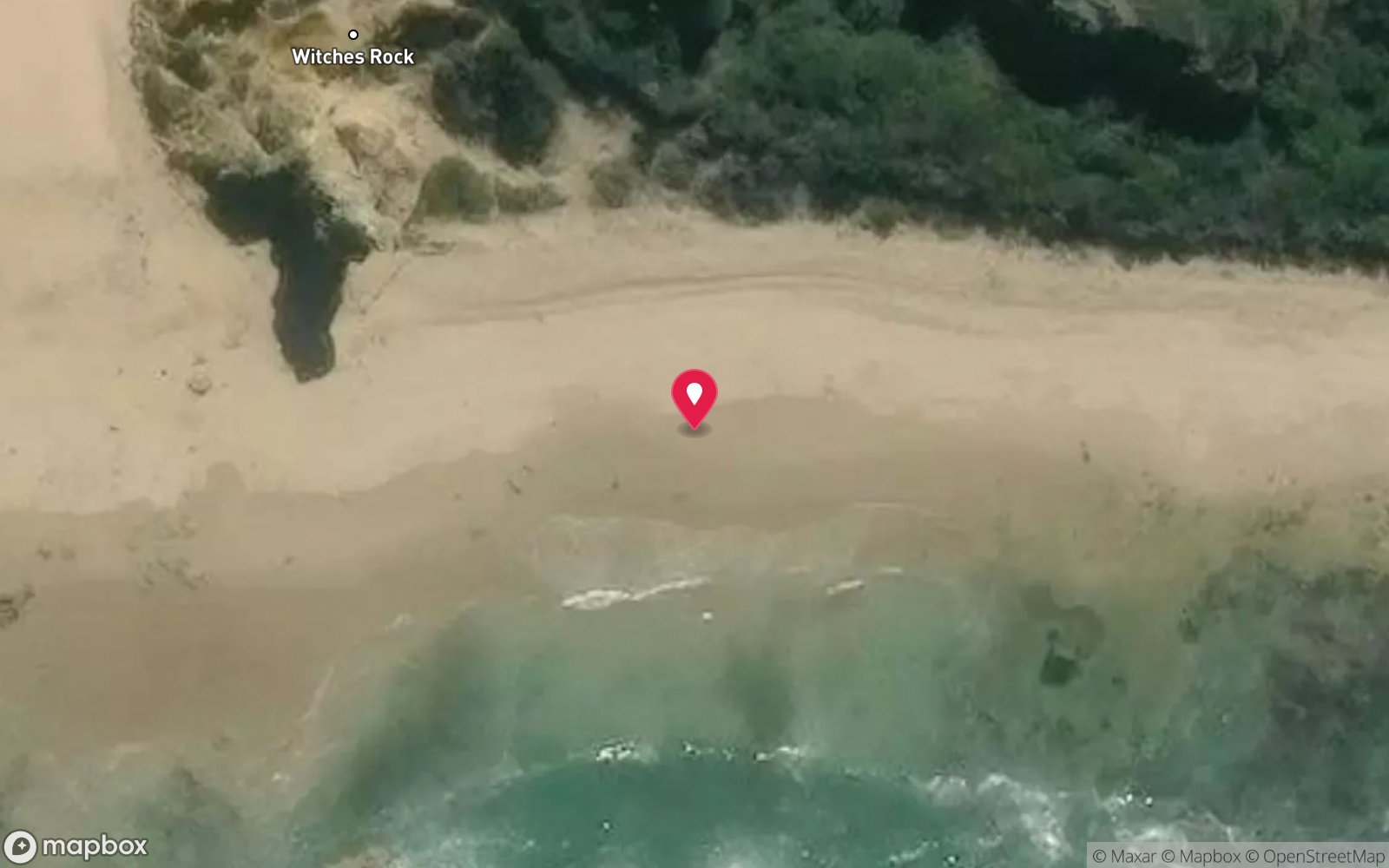
21. Surf Coast & Great Ocean Road · VIC
Eagle Rock, Aireys Inlet
20 species recorded · A volcanic sea stack and basalt table below the Split Point lighthouse, ringed by kelp, crays, catsharks and seals inside a marine sanctuary; superb when calm, which is not often.
Shore/Rock PlatformMax 10 mIntermediateOpen WaterShore accessMore in Surf Coast & Great Ocean Road →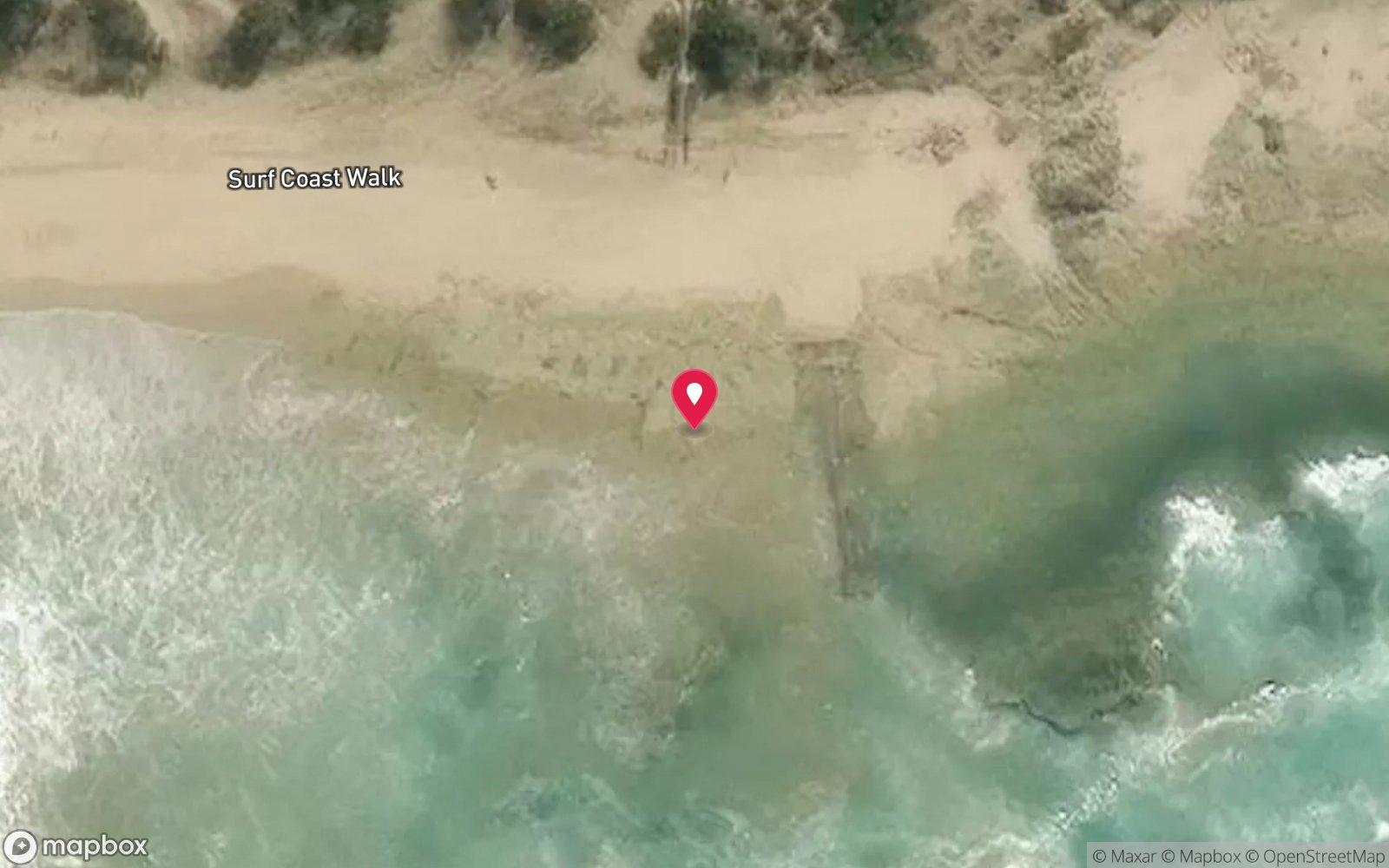
22. Surf Coast & Great Ocean Road · VIC
Point Roadknight South
20 species recorded · A maze of undercut limestone blocks and sand channels on the ocean side of Point Roadknight, full of crays and cuttlefish; flat days and offshore winds only.
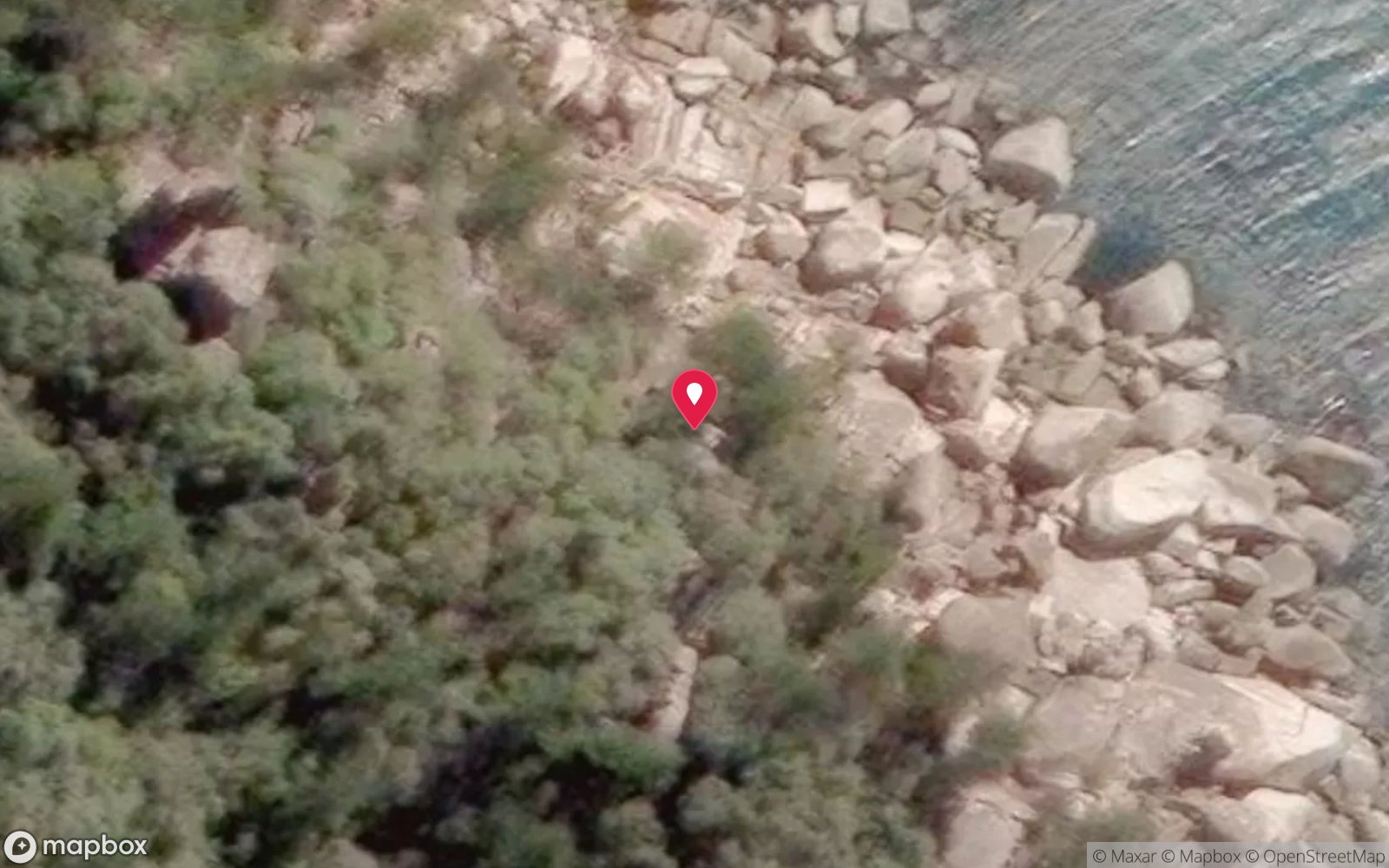
23. Townsville & Magnetic Island · QLD
Alma Bay (Magnetic Island)
19 species recorded · Easy beach entry to granite-boulder canyons, swim-throughs and coral gardens with 50+ nudibranch species, turtles and rays – Magnetic Island's classic shore dive.
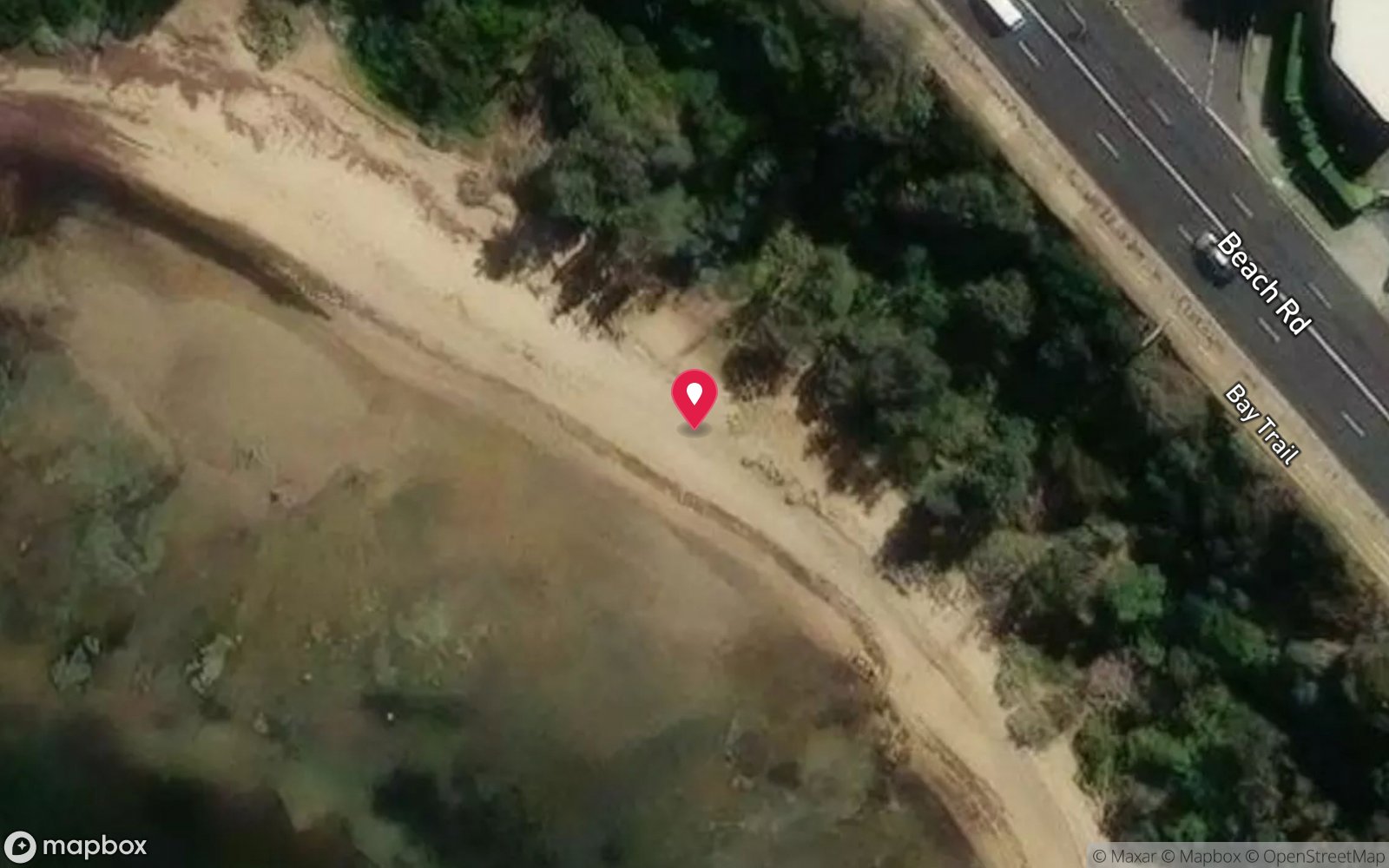
24. Melbourne & Port Phillip Bay · VIC
Banksia Point, Ricketts Point
19 species recorded · Quietest entry in the sanctuary; very shallow close-in reef for snorkelling, children and relaxed night dives.
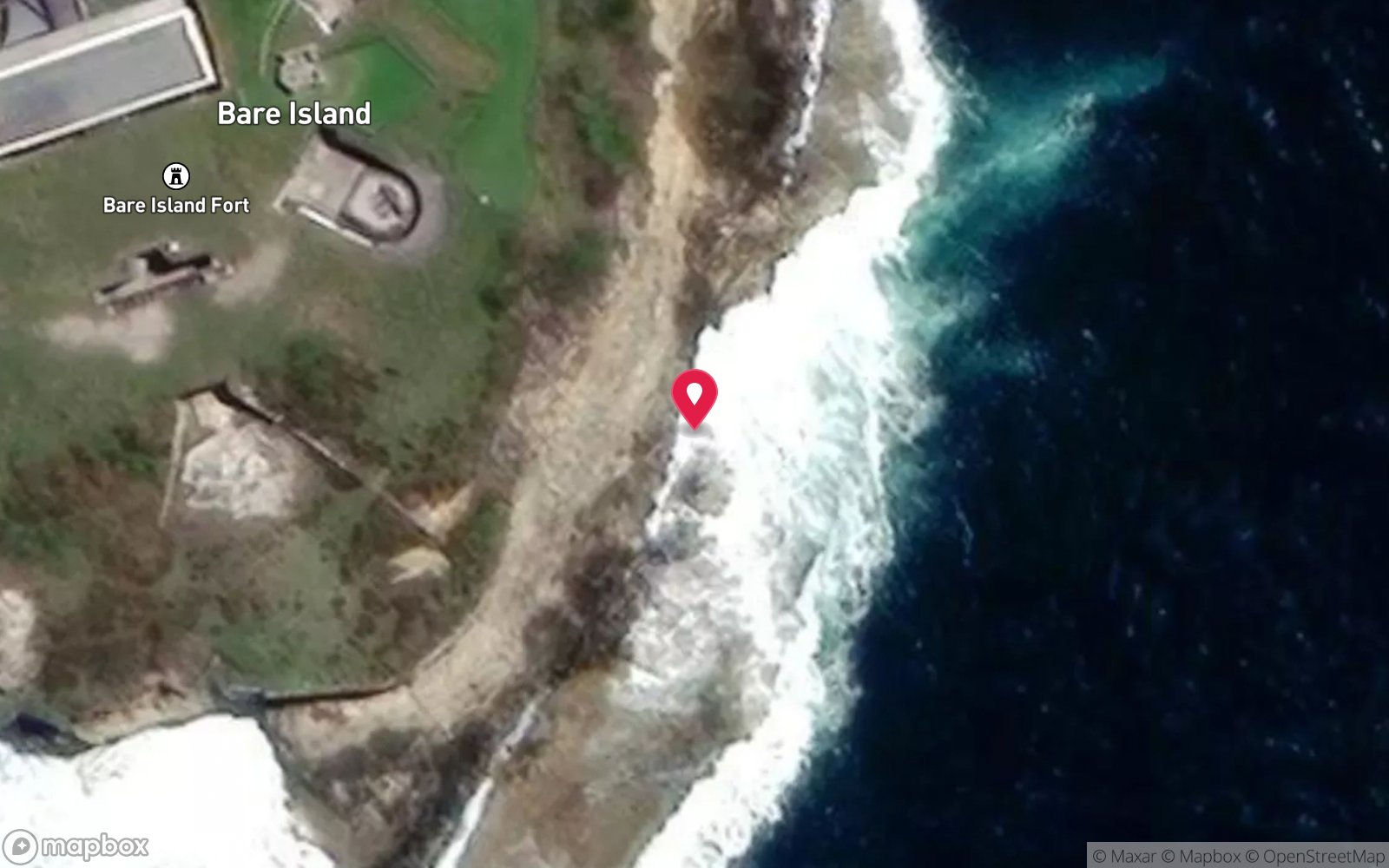
25. Sydney South & Botany Bay · NSW
Bare Island
19 species recorded · Botany Bay's most-dived site: red Indianfish, pygmy pipehorses and sea dragons on the western side.
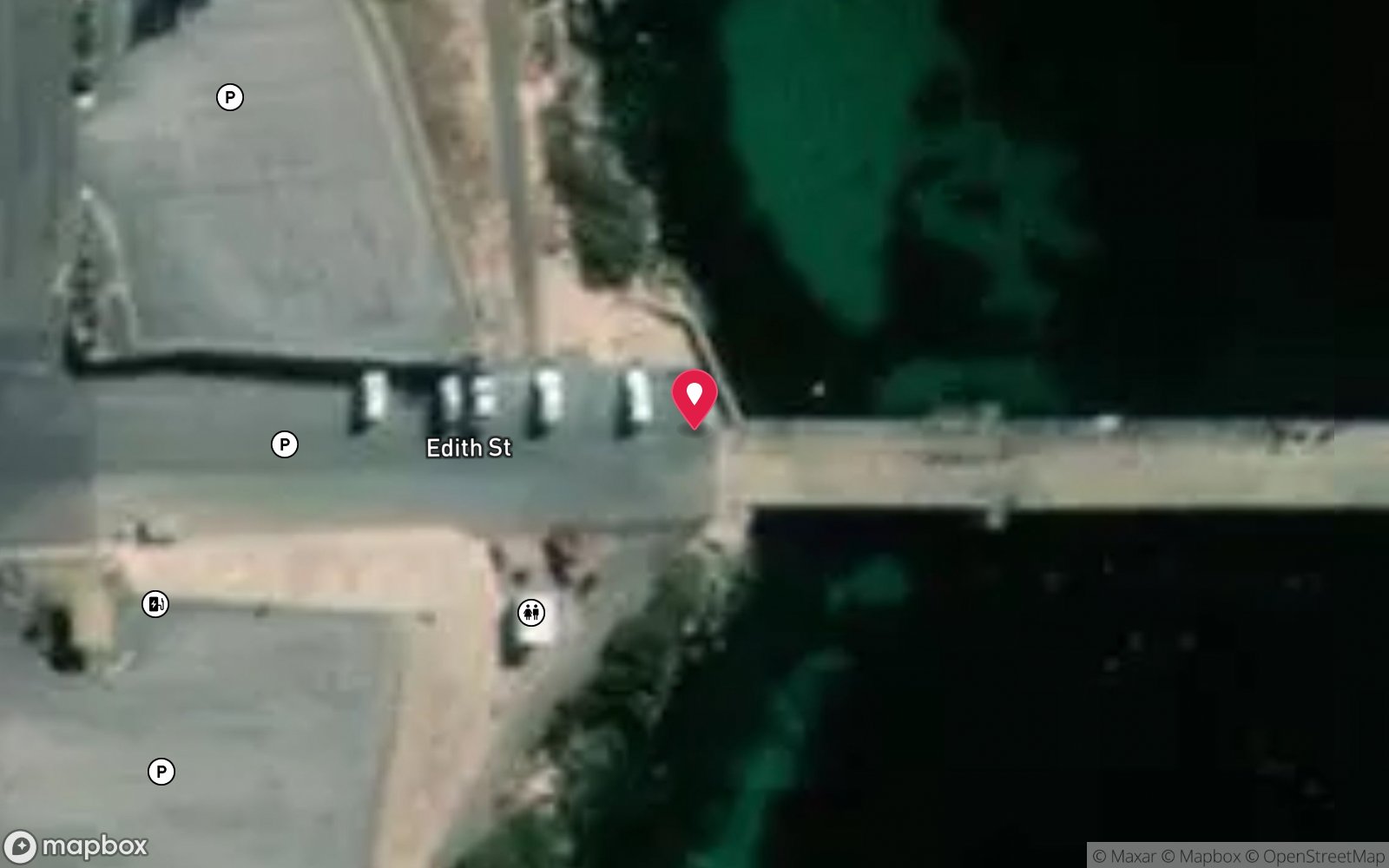
26. Yorke Peninsula · SA
Edithburgh Jetty
19 species recorded · A macro photographer's jetty: blue devils, pyjama squid, seahorses, tasselled anglerfish and nudibranchs in 6–9 m.
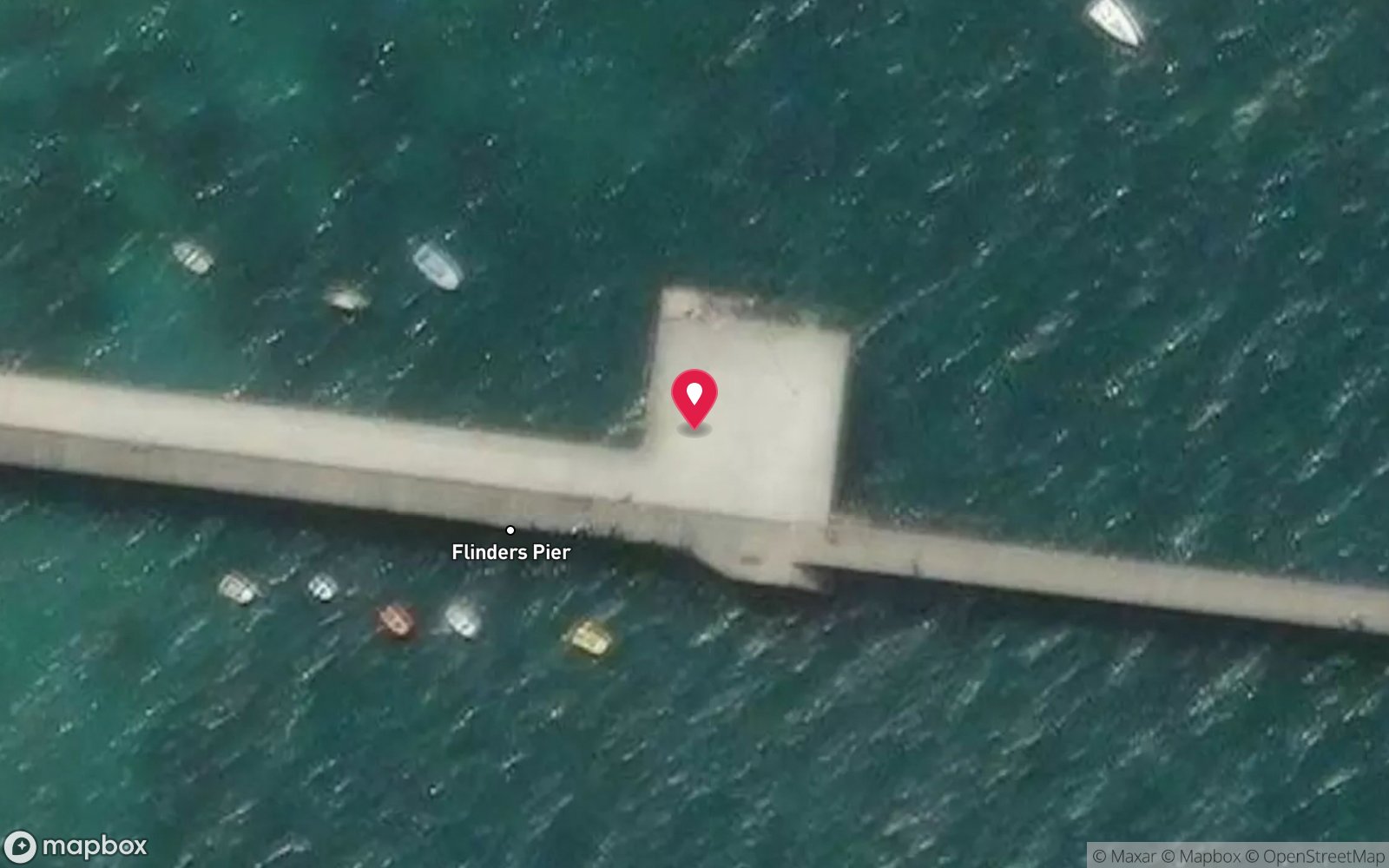
27. Mornington Peninsula · VIC
Flinders Pier
19 species recorded · Weedy seadragons almost guaranteed in 5 m of water on Western Port.
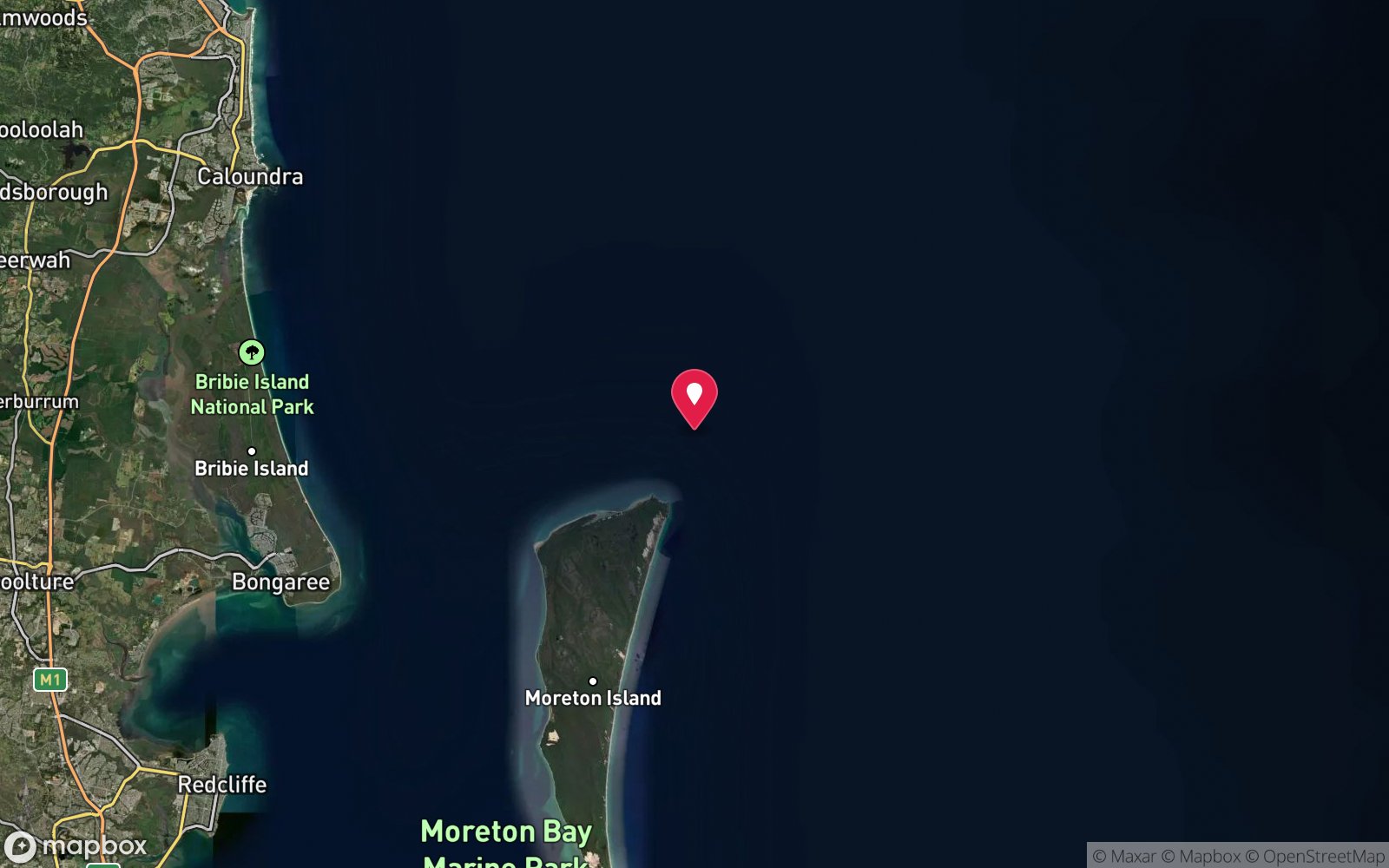
28. Brisbane & Moreton Bay · QLD
Flinders Reef
19 species recorded · The most diverse coral reef in Moreton Bay, an hour from Brisbane.
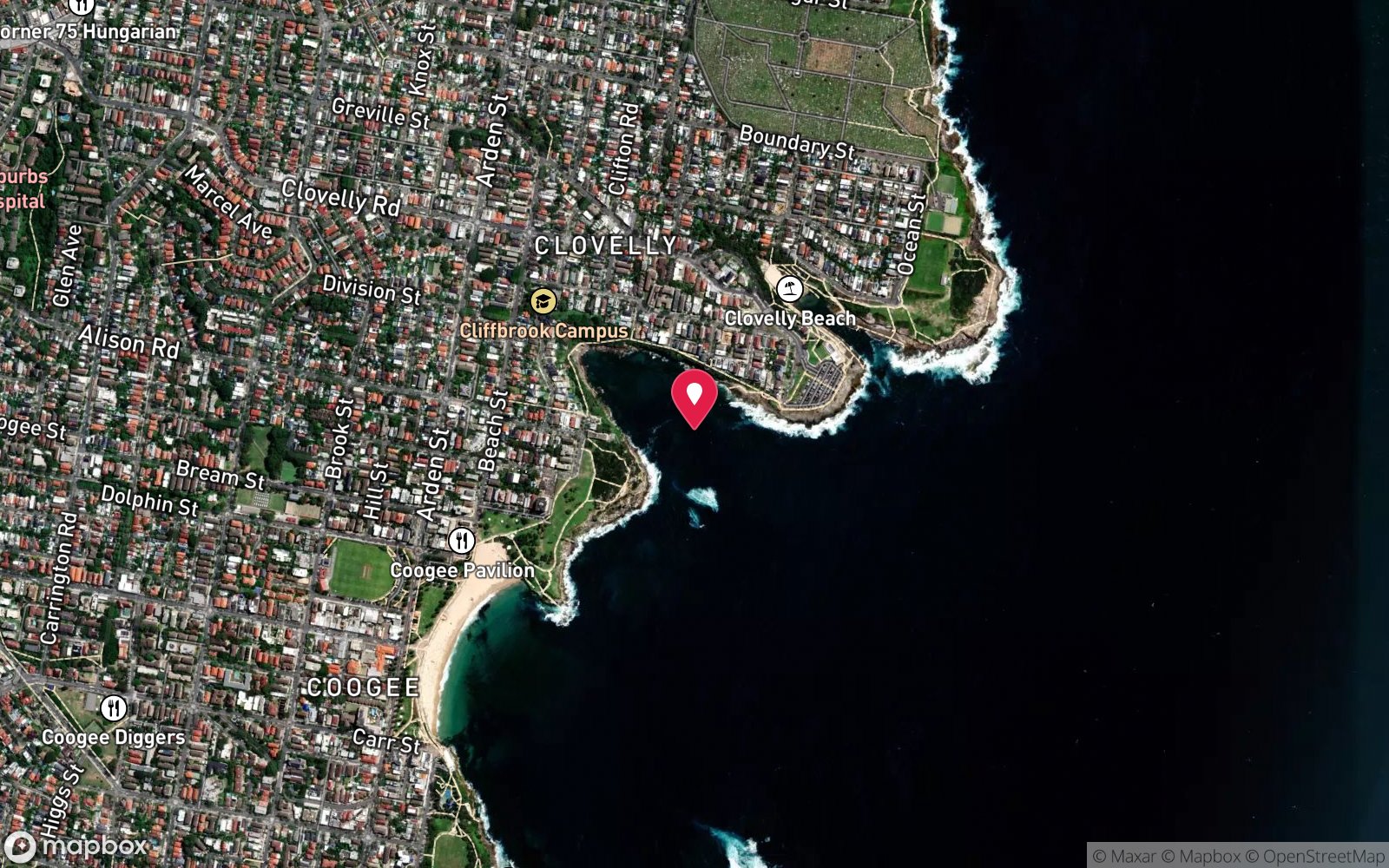
29. Sydney South & Botany Bay · NSW
Gordons Bay
19 species recorded · Australia's first underwater nature trail – a 620 m chain loop around a sheltered bay that makes a foolproof training or night dive.
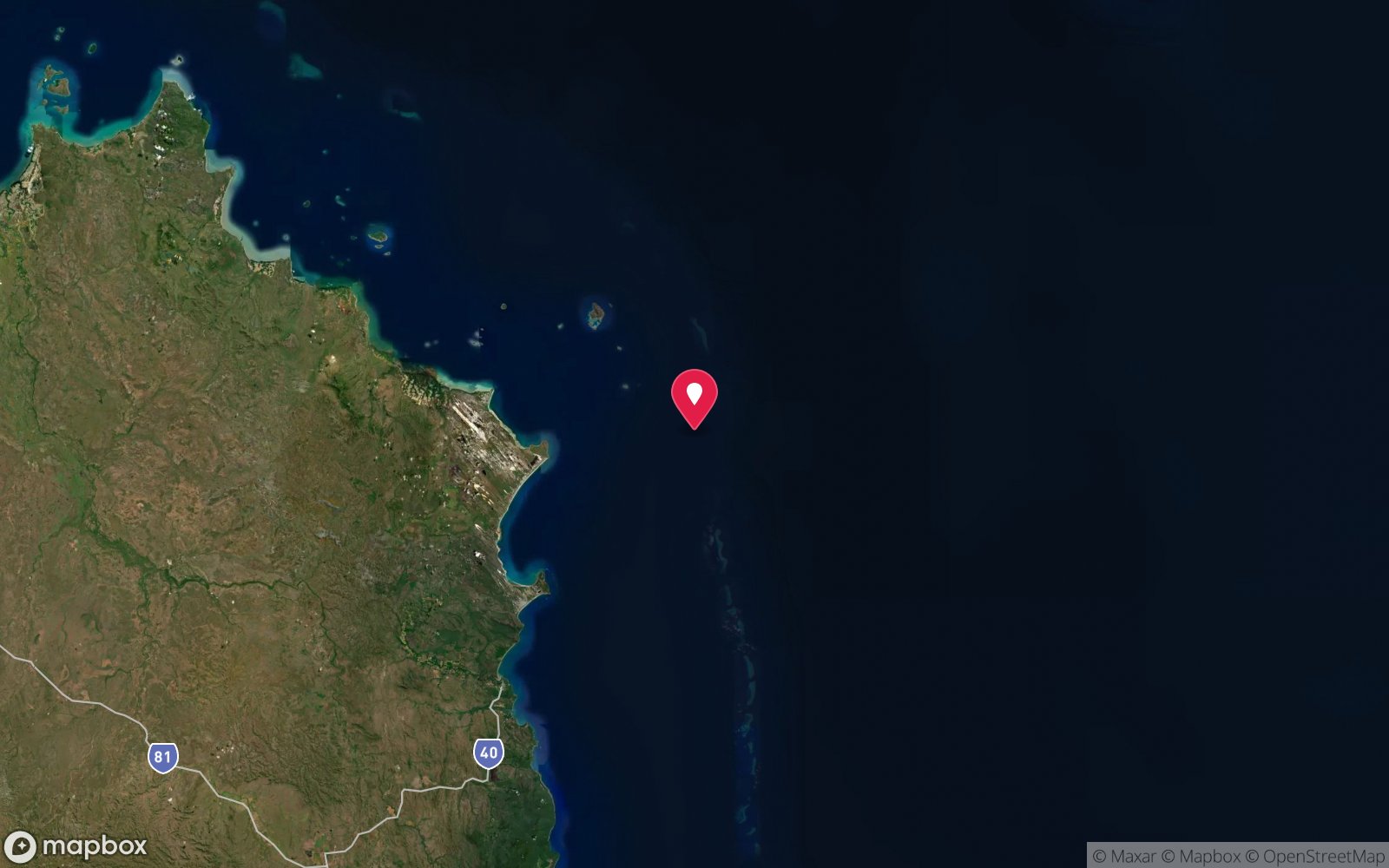
30. Ribbon Reefs & Lizard Island · QLD
Lighthouse Bommie
19 species recorded · The classic dwarf minke whale site in June–July, and a pinnacle packed with fish, turtles and sea snakes all year.
The guide
Counting species
The ranking counts the species and groups recorded in each site's marine-life entry, which favours sites that have been surveyed and written about carefully. That is a reasonable proxy for biodiversity, and it produces a list that experienced divers will recognise: the great macro piers of Victoria and South Australia, the subtropical convergence sites of southern Queensland where tropical and temperate species overlap, and the pinnacles of the Ribbon Reefs.
It undercounts the Great Barrier Reef, where every outer-reef site has hundreds of species and the site records simply say 'reef fish, corals'. It also reflects the temperate south's real strength: southern Australia has the highest proportion of endemic marine species of any temperate coast on earth, and the sponge gardens of Port Phillip and the gulfs are where they live.
Where the overlap is
The subtropical coast from the Gold Coast to the Sunshine Coast and around to Bundaberg is the biodiversity sweet spot for a visiting diver. The East Australian Current brings tropical species south; the temperate species reach north; and structures like the Brisbane, the Seaway walls and Wonder Reef give them all somewhere to live. Winter brings grey nurse sharks and clear water, summer brings mantas and leopard sharks, and the macro life is there all year.
Editorial last reviewed September 2026. The list itself is regenerated from the directory daily.
Frequently asked questions
Which Australian dive site has the most marine life?
By recorded species, the temperate sponge-garden and pier sites (Fly Point, Blairgowrie, Edithburgh) and the subtropical islands (Julian Rocks, the Solitaries) lead, alongside the Great Barrier Reef's best bommies.
More rankings
- The 25 Deepest Dive Sites in Australia
- Australia's Most Remote Dive Sites
- The Longest Boat Rides to a Day Dive
- The Warmest Dive Sites in Australia
- The Coldest Dive Sites in Australia
- Australia's Clearest-Water Dive Sites
- The Oldest Shipwrecks You Can Dive in Australia
- WWII and Wartime Wrecks You Can Dive in Australia
- All rankings →