Dive slate · divesites.com.au · printed 7 Nov 2026
Banksia Point, Ricketts Point
Melbourne & Port Phillip Bay, Victoria · near Beaumaris (Melbourne)
| Depth | 1–3 m |
|---|---|
| Minimum level | Snorkel/Any |
| Difficulty | Beginner |
| Access | Shore |
| Entry | Steps from Beach Road opposite Coronet Grove, then beach entry |
| Current | None |
| Visibility | 3-8 m |
| Water | summer 18-21 °C, winter 10-13 °C |
| Suit | 7 mm wetsuit or semi-dry with hood and gloves in summer; drysuit or 7 mm semi-dry with hood in winter |
| Best season | Year-round; autumn (March-May) usually gives the calmest water and best visibility |
| Bottom time | 45 min |
| Position | -37.98600, 145.02484 (GPS) |
| Permit | Ricketts Point Marine Sanctuary – no take of any marine life, no collecting, no anchoring on reef; diving and snorkelling permitted |
| Nearest chamber | The Alfred Hospital Hyperbaric Service (Melbourne) |
| Emergency | 000 · DAN Asia-Pacific diving emergency 1800 088 200 |
Banksia Point, Ricketts Point
Also known as Banksia Point, Beaumaris
Quietest entry in the sanctuary; very shallow close-in reef for snorkelling, children and relaxed night dives.
Near Beaumaris (Melbourne) · Melbourne & Port Phillip Bay, Victoria
- Depth
- 1–3 m
- Minimum level
- Snorkel/Any
- Access
- Shore
- Boat ride
- Shore entry
- Water
- 18-21 °C
- Visibility
- 3-8 m
Banksia Point, Ricketts Point1–3 m · Snorkel/Any · Shore
Dive factsDepths, conditions, location & safety
Season
Off-peak nowBest months: March, April, May.
Year-round; autumn (March-May) usually gives the calmest water and best visibility
- Best months
- Now (November)
Dive facts
- Depth
- 1–3 m
- Typical depth
- 2 m
- Certification
- Snorkel/Any
- Difficulty
- Beginner
- Depth tier
- Easy (0–10 m)
- Access
- Shore
- Offshore
- 0 km
- Dive centre needed
- No – independently diveable
- Shore / independent
- Yes
- Current
- None
- Visibility
- 3-8 m
- Water temp (summer)
- 18-21 °C
- Water temp (winter)
- 10-13 °C
- Water
- Temperate
- Bottom time
- 45 min
- Dive traffic
- Very popular (dived daily)
- Night dive
- Yes
- Snorkel friendly
- Yes
Exposure suit
7 mm wetsuit or semi-dry with hood and gloves in summer; drysuit or 7 mm semi-dry with hood in winter
Location
Ricketts Point Marine Sanctuary · Melbourne Bayside – Port Phillip
-37.98600, 145.02484
Published GPS position.
Open in Google MapsPrimary source: scubadoctor.com.auMarine park & permits
Ricketts Point Marine Sanctuary – no take of any marine life, no collecting, no anchoring on reef; diving and snorkelling permitted
Nearest recompression chamber
The Alfred Hospital Hyperbaric Service (Melbourne)
Diving emergency: call 000, then DAN AP 1800 088 200.
Trip planner
Build a trip around Banksia Point, Ricketts Point →
A day-by-day plan for Melbourne & Port Phillip Bay with this site locked in.
This guide is a planning aid. Conditions change daily — confirm with a local dive centre and dive within your training. Data & safety notes.
Dive profile
How this site rates
Scores are computed from the recorded data, not opinions. How?
At a glance
Banksia Point, Ricketts Point is a shore / rock platform shore dive you can do independently in Melbourne & Port Phillip Bay, VIC, 1–3 m, suitable for snorkellers and first-time divers.
Rated beginner: sheltered, shallow and manageable for a newly certified diver on a normal day, though note boat traffic overhead and cold water.
Why dive here
- Quietest entry in the sanctuary; very shallow close-in reef for snorkelling, children and relaxed night dives.
- Commonly dived at night, when octopus, cuttlefish and crustaceans are out.
- Snorkel-friendly, so non-diving companions can join at the surface.
Conditions to avoid
- Strong southerly or south-east swell and wind
- Strong westerlies
- Outgoing tide or run-off after rain (poor visibility)
About Banksia Point, Ricketts Point
Banksia Point is the quietest of the Ricketts Point sanctuary entries, a modest sandstone point between Quiet Corner and the yacht club that most visitors drive past on the way to the teahouse. It is also the shallowest: the reef flat is barely a metre deep and the outer ledges only reach about 3 m, so this is a site for high tide and calm water, and it is snorkelled more than it is dived. What it offers is close-to-shore reef with everything the sanctuary is known for and almost no company.
The ledges and gutters hold zebrafish, scalyfin, blennies, leatherjackets, moonlighters and juvenile snapper, the sand patches have flathead, fiddler rays and small stingrays, and a slow look under the overhangs finds octopus, cushion stars, urchins and nudibranchs. Seagrass along the reef edge is worth checking for pipefish and seahorses. Because the water is so shallow it is a good site for confidence-building snorkel sessions, for children, and for photographers who want tame fish in bright light, and it is a pleasant, easy night dive with a straight steps-to-beach entry.
Its limitations are the same shallowness (nothing to see at low tide except exposed rock), the lack of any facilities and the crossing of Beach Road with gear. Most divers treat it as a starting point for a longer traverse: enter here at high water and drift south-east with the reef on the right to the yacht club beach, where a second car or a short walk back along the Bay Trail completes the loop.
Getting there & entry
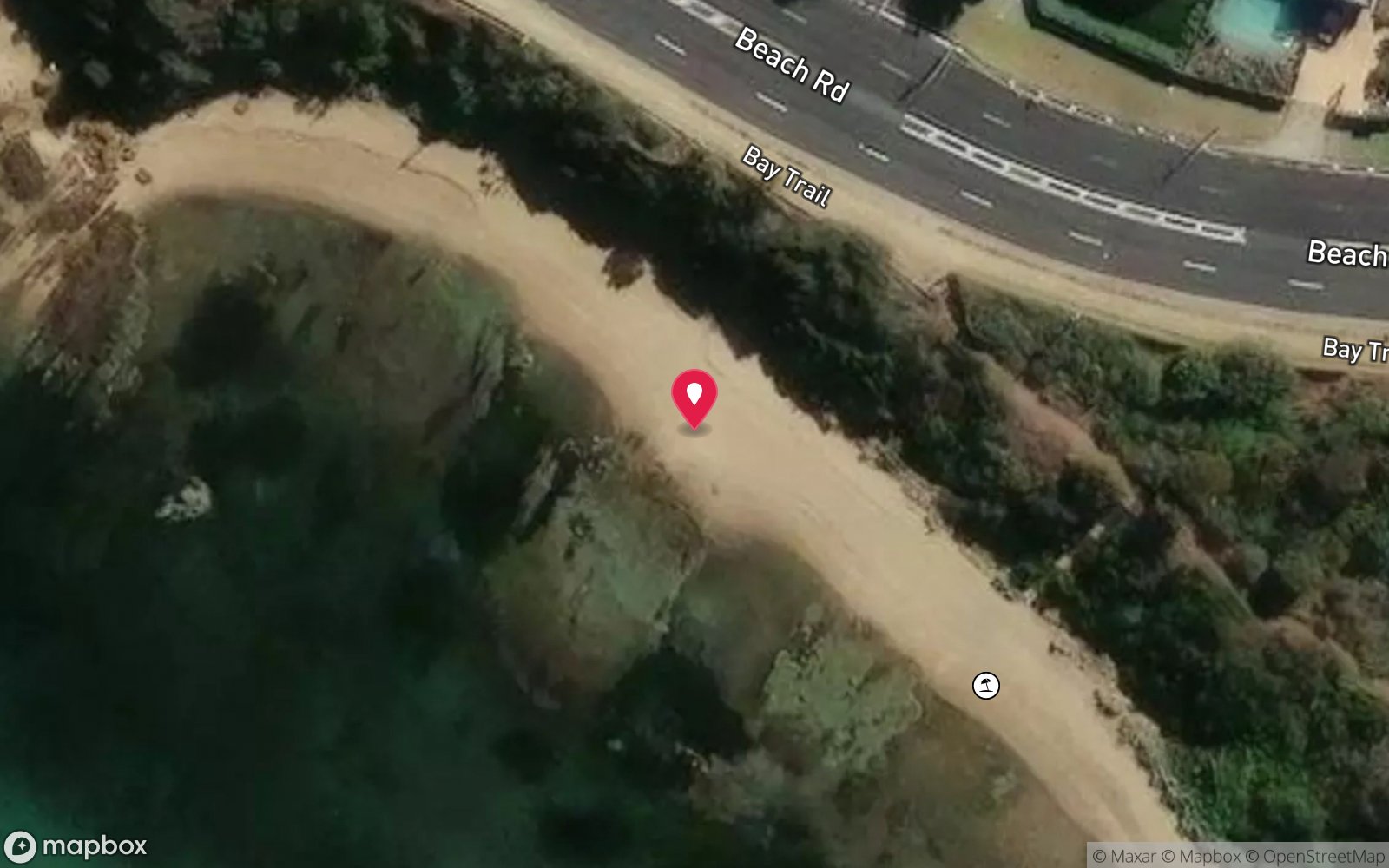
Small reef point within Ricketts Point Marine Sanctuary off the steps opposite Coronet Grove, Beach Road, Beaumaris, 500 m south-east of Quiet Corner and 400 m north-west of Tea House Reef.
On Beach Road at Beaumaris, park in Coronet Grove (residential street, free) and cross Beach Road carefully; there is no beachside parking. Take the steps opposite Coronet Grove down to the beach; the carry is about 80 m. Entry and exit are from the sand directly below the steps.
The reef lies immediately offshore and runs both ways along the coast, so the dive can go north-west toward Quiet Corner or south-east toward Tea House Reef. The yacht club car park and toilets are 400 m further south-east if you would rather start there and swim up.
Entry: Steps from Beach Road opposite Coronet Grove, then beach entry
Facilities: Street parking in Coronet Grove; no toilets at this entry (nearest at Ricketts Point Teahouse 500 m south-east); nearest air fills Scuba Culture
Weather, swell & tides
Best with offshore light northerly to south-easterly winds. Avoid moderate to strong onshore southerly through westerly to north-westerly winds, which raise chop across the shallow reef flats, stir the sand and make the rock entries unpleasant; if you see white water over the reef from Beach Road, go elsewhere (Quiet Corner is the fallback). Dive just before high tide for the clearest water and enough depth over the reef top, which is exposed or awash at low water.
Visibility 3-8 m on a good day, better in winter, poor for two or three days after rain. No swell. Boat traffic outside the swimming zone is constant in summer, so tow a flag.
Best season: Year-round; autumn (March-May) usually gives the calmest water and best visibility
If it's blown out
Sheltered or shore sites within 25 km that often work when Banksia Point, Ricketts Point doesn't.
- Tea House Reef, Ricketts Point · 0 km · Max 5 m
- McGregor Rock, Quiet Corner · 1 km · Max 5 m
- Ricketts Point Marine Sanctuary · 1 km · Max 8 m
- Tea House Bay, Ricketts Point · 1 km · Max 4 m
How the dive is usually run
Enter below the steps, fin out over the reef flat, descend where it reaches 2 m and follow the outer ledge south-east toward Tea House Reef at 2-3 m, turn after 20 minutes or at half gas, and return along the inner gutters to the entry beach.
Marine life
- Snapper (juvenile pinkies)
- flathead
- dusky morwong
- zebrafish
- old wives
- moonlighters
- scalyfin
- Tasmanian blennies
- blue-throat wrasse
- leatherjackets
- octopus →
- smooth stingrays
- southern fiddler rays (banjo sharks)
- southern eagle rays
- Port Jackson sharks →
- sea urchins
- cushion stars
- nudibranchs →
- seahorses and pipefish in seagrass →
Linked species have their own page listing every site where they are recorded. All marine life →
Training required
Shallow enough for snorkellers and for a first dive under supervision. Any certified diver can dive it.
Courses that help here
- Night Diver – Commonly dived at night.
- Drysuit Diver – Cold water; locals dive dry for much of the year.
Depth tiers: 0–10 m easy · to 18 m Open Water · 18–30 m Advanced (25 m+ is a deep dive) · 30–40 m Deep specialty · 40 m+ technical. All courses
Hazards & warnings
Extremely shallow (dive at high tide only); crossing Beach Road with gear; no facilities; boat traffic outside the swim zone; no take; exit below the steps
Dive centres that go here
No commercial dive boat – shore site dived independently and by Melbourne dive shops for training and night dives (Scuba Culture in Cheltenham is the closest shop and uses the sanctuary regularly; Aquability and Melbourne Diving Services run club nights). Marine Care Ricketts Point runs guided snorkels in summer and Parks Victoria licensed tour operators run snorkel tours.
Operators recorded for Banksia Point, Ricketts Point
Aquability
ListedMordialloc · Melbourne & Port Phillip Bay · VIC
A Victorian operation associated with technical diving training. Exact agency, course levels and gas support require verification.
aquability.com.au · (03) 9587 1811
Scuba Culture
ListedBurwood · Melbourne & Port Phillip Bay · VIC
A Melbourne business providing training and equipment support for local divers.
scubaculture.com.au · (03) 9808 0033
Scubabo Dive Victoria (Dive Victoria Group)
Named by sitesQueenscliff · Port Phillip Heads · VIC
Rebranded as Scubabo Dive Victoria, Queenscliff; dive.scubabo.com is live for 2026 with active charter bookings.
dive.scubabo.com · (03) 5258 1188
Marine Care Ricketts Point
Named by sitesBeaumaris · Melbourne & Port Phillip Bay · VIC
Volunteer marine conservation group, not a dive shop.
marinecare.org.au
Melbourne Diving Services
Named by sitesPortsea · Melbourne & Port Phillip Bay · VIC
Only a directory listing in Portsea (updated 2024); no website, socials or recent reviews found.
Other dive centres in Melbourne & Port Phillip Bay
The Scuba Doctor
ProfiledRye · Melbourne & Port Phillip Bay · VIC
A Victorian equipment and service business with an extensive retail presence, located to serve both Melbourne and Mornington Peninsula divers.
scubadoctor.com.au · (03) 5985 3322
Diveline Scuba Centre
ListedFrankston · Melbourne & Port Phillip Bay · VIC
A Victorian business associated with technical training and gas support alongside recreational courses.
diveline.com.au · (03) 9783 7166
Bay City Scuba
ListedEast Geelong · Melbourne & Port Phillip Bay · VIC
A Victorian business associated with recreational and technical training alongside equipment and gas services.
baycityscuba.com · (03) 5248 1488
Divein2Scuba (Geelong Dive Centre)
ListedGeelong · Geelong & Bellarine · VIC
A Geelong business providing training, equipment and local diving support.
divein2scuba.com · (03) 5221 3342
Ocean Divers
ListedBentleigh East · Melbourne & Port Phillip Bay · VIC
A Victorian operation associated with recreational and technical training and access to Port Phillip diving.
oceandivers.com.au · (03) 9579 2600
Academy of Scuba
ListedRye · Melbourne & Port Phillip Bay · VIC
A Melbourne training business offering recreational courses with technical pathways.
academyofscuba.com.au · (03) 9889 9952
Map
7 pinned sites. Pins marked approximate on their pages show the general area only; not for navigation.
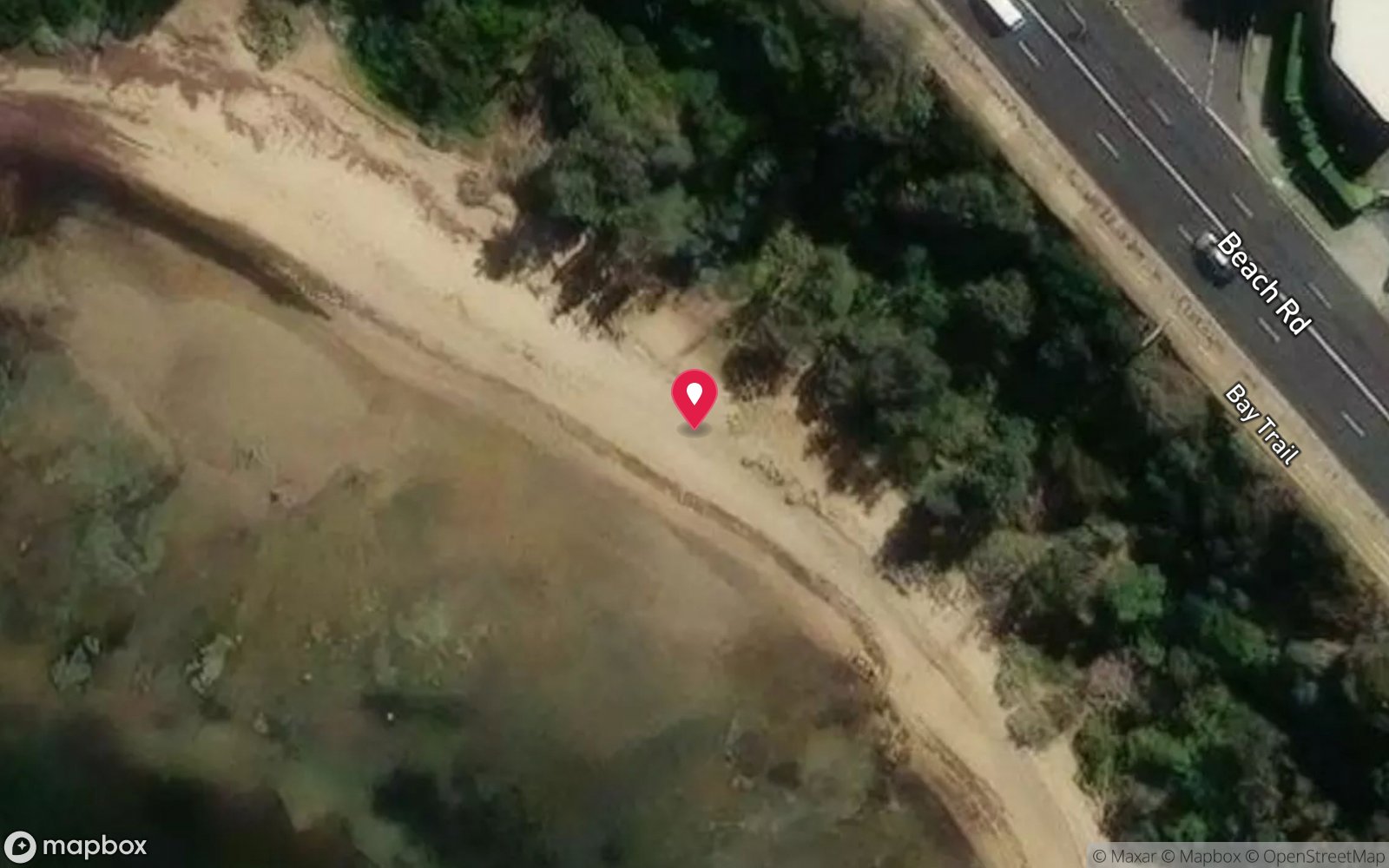
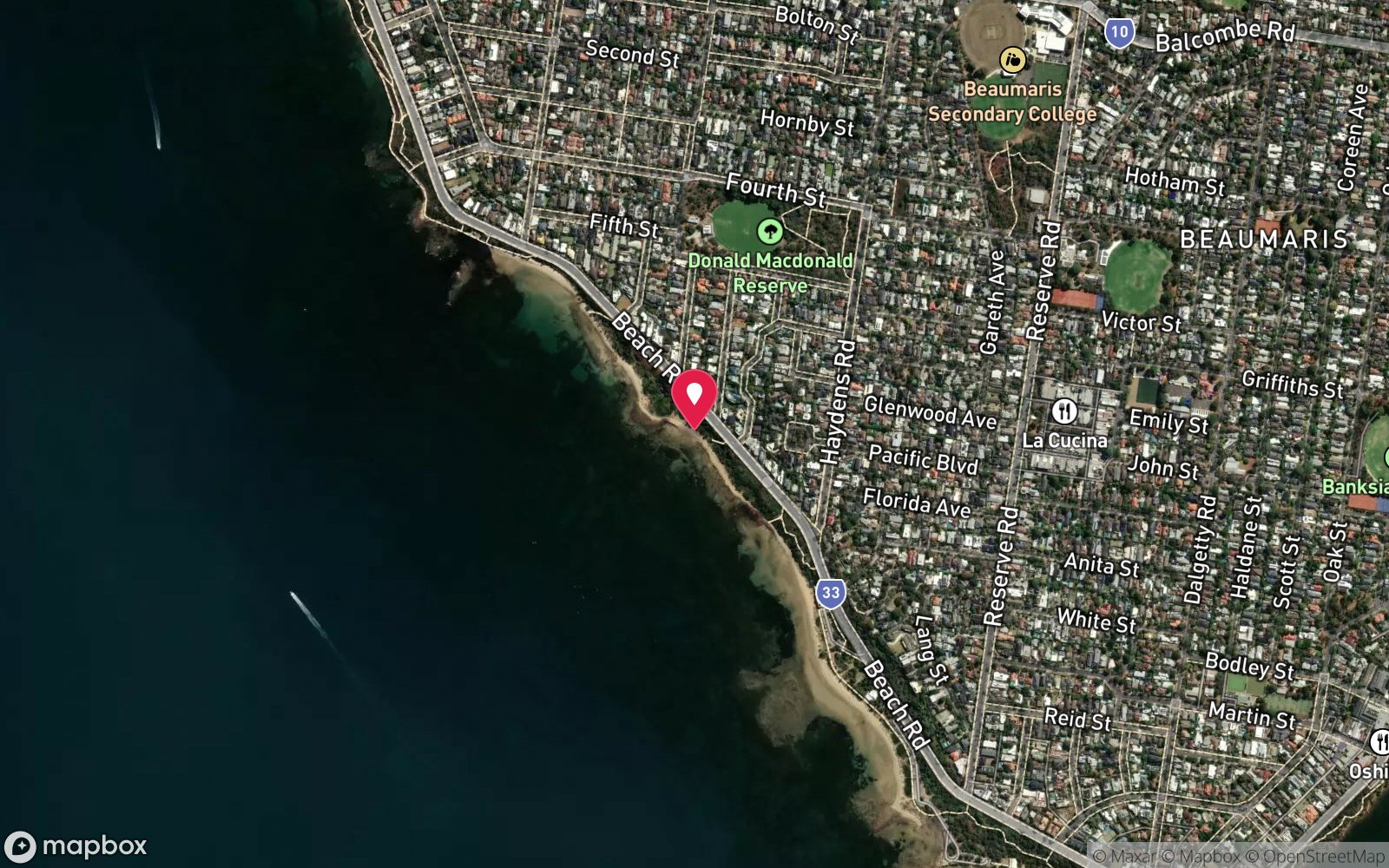
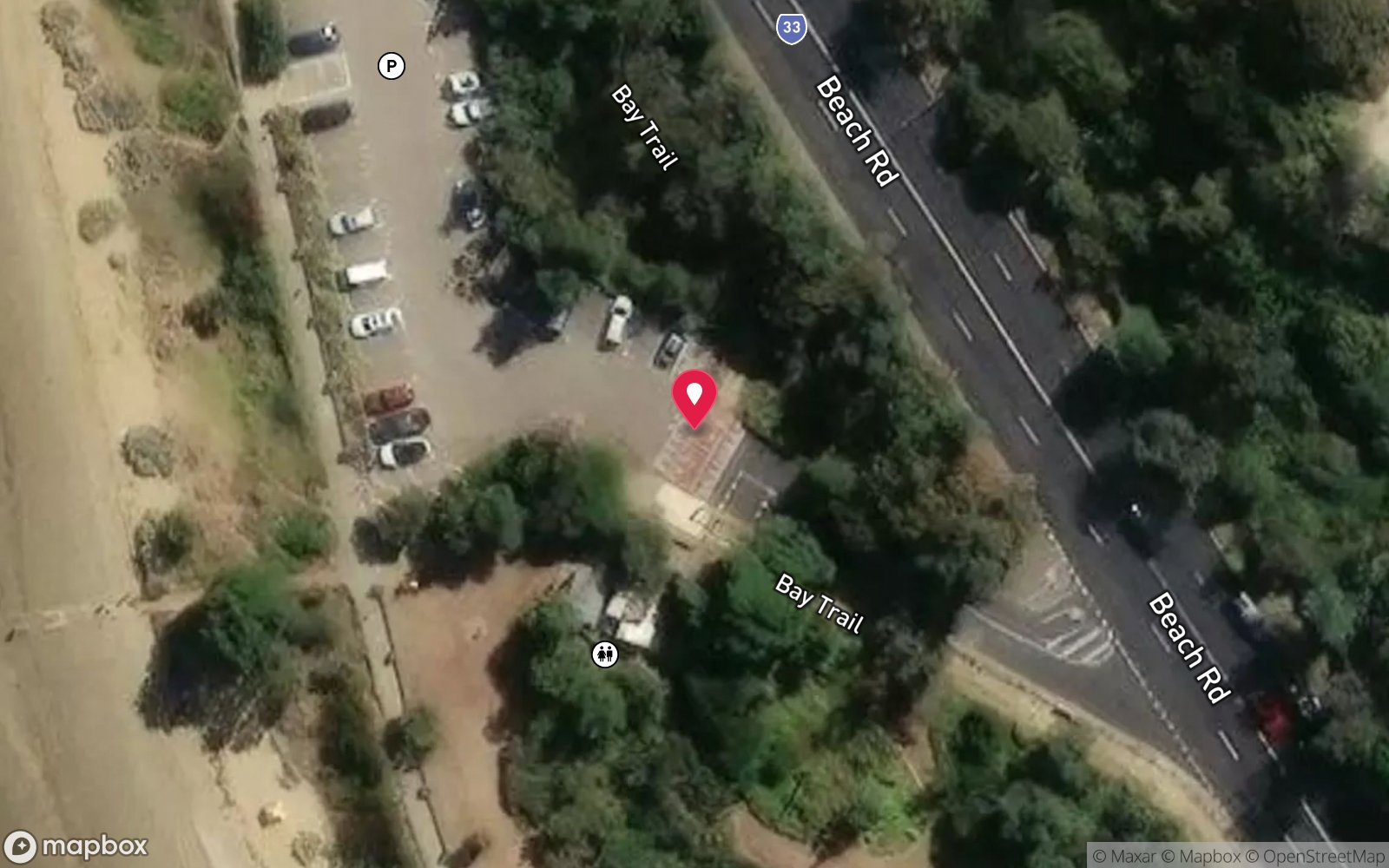
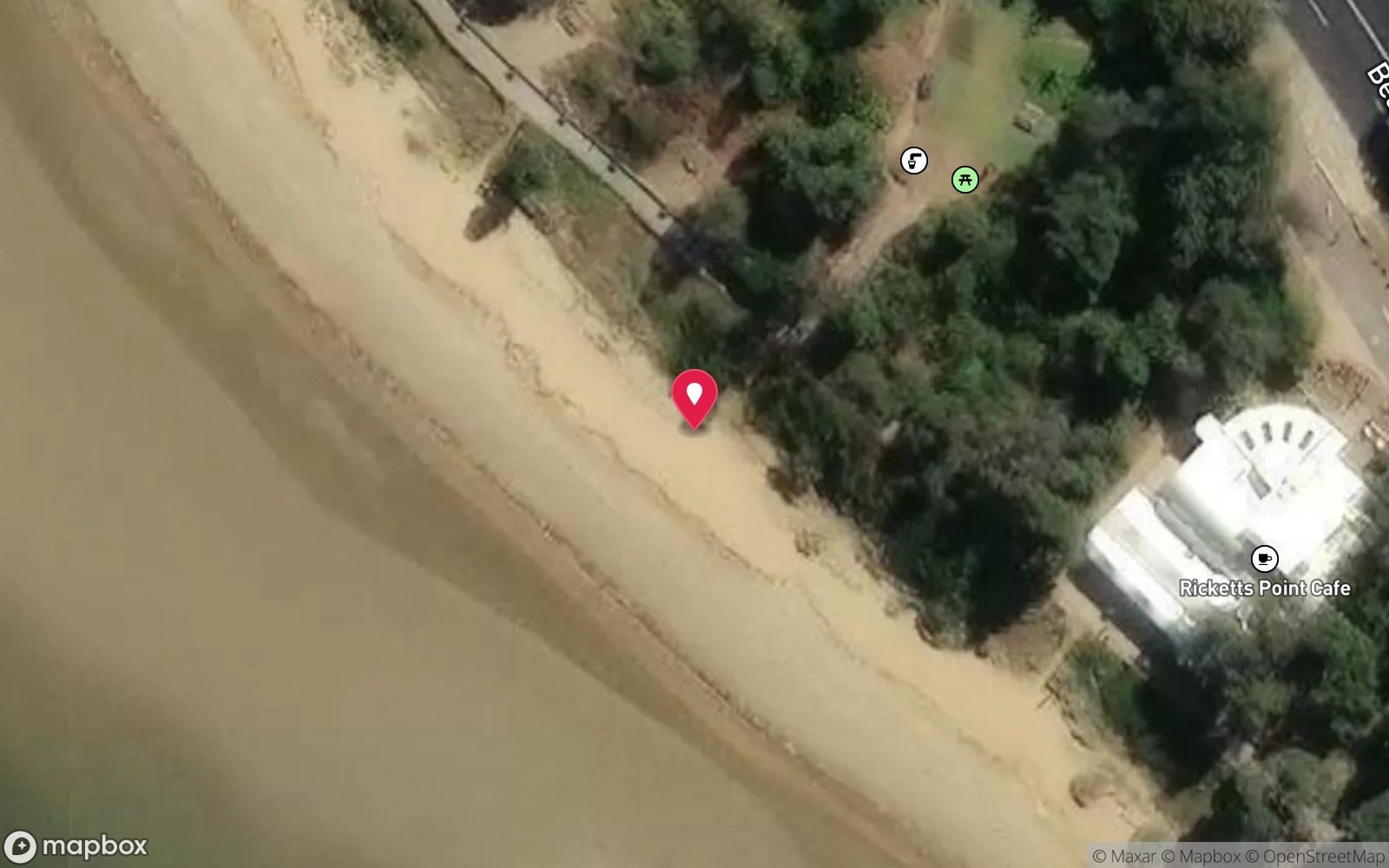
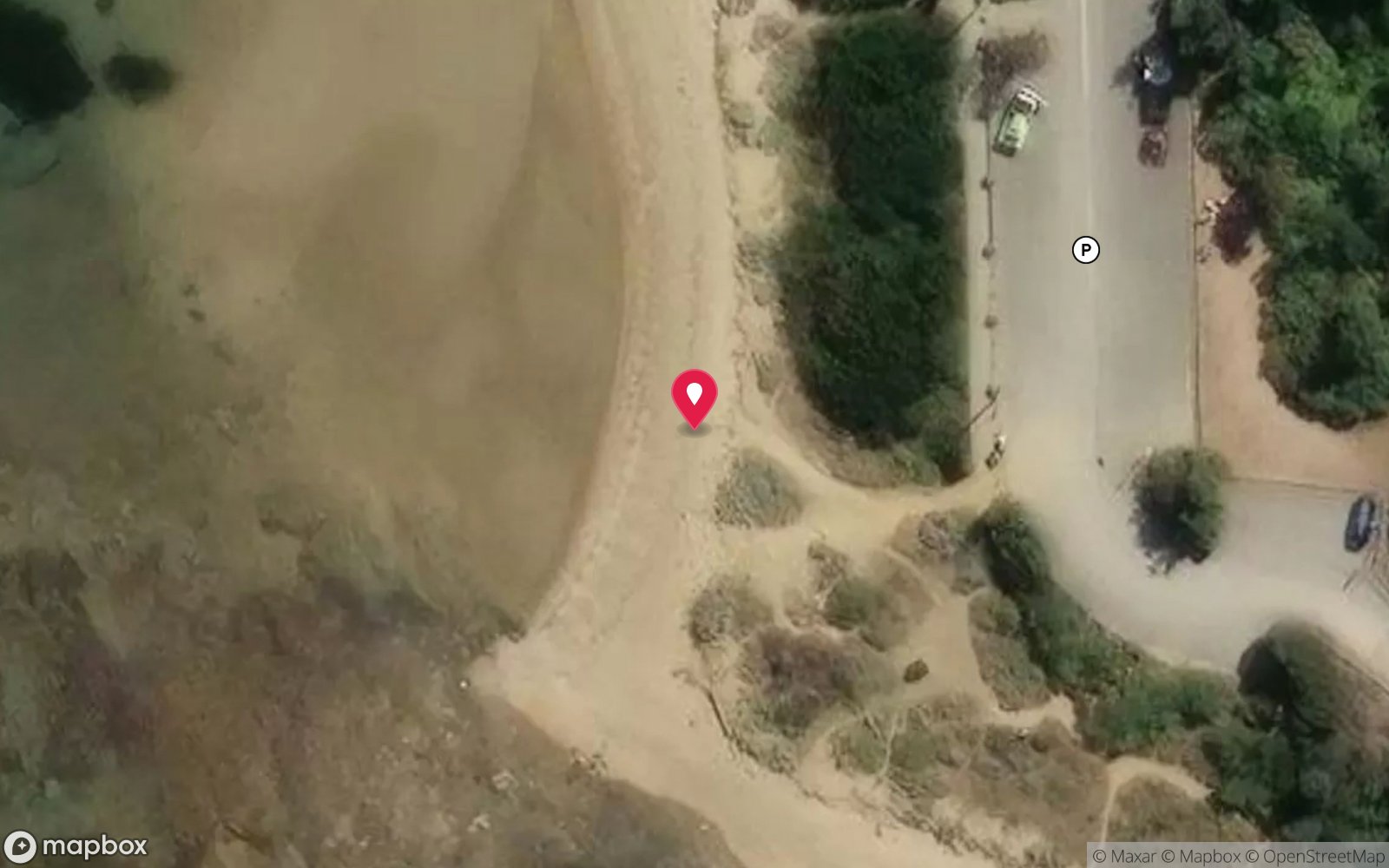
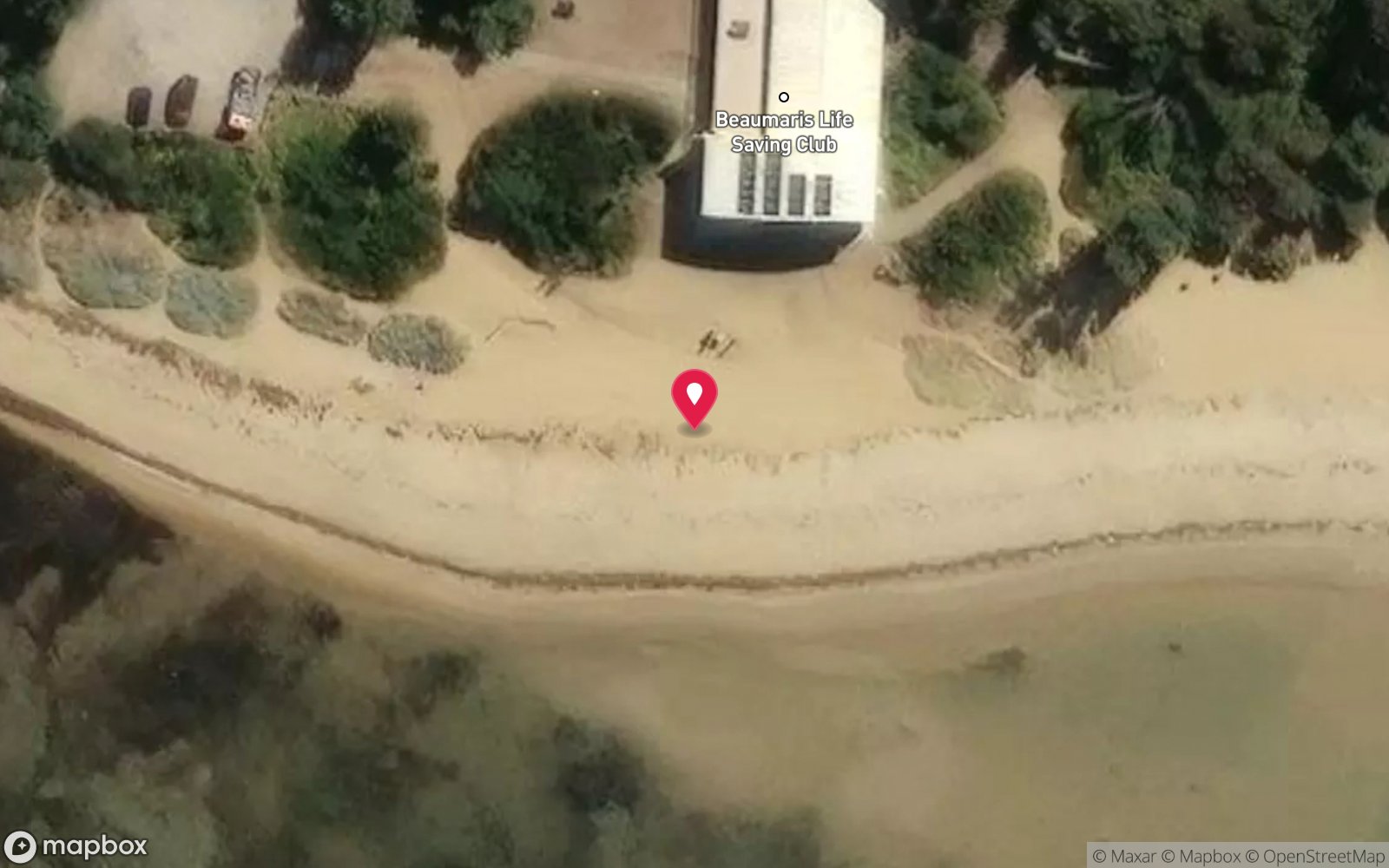
Satellite views
Banksia Point, Ricketts Point: frequently asked questions
How deep is Banksia Point, Ricketts Point?
Banksia Point, Ricketts Point reaches a maximum depth of 3 m, with the shallowest part at about 1 m; most of the dive is spent around 2 m.
What certification do I need to dive Banksia Point, Ricketts Point?
No certification is needed to snorkel it, and it suits introductory dives. Rated beginner: sheltered, shallow and manageable for a newly certified diver on a normal day, though note boat traffic overhead and cold water.
Can I shore dive Banksia Point, Ricketts Point?
Yes. Banksia Point, Ricketts Point is a shore dive that can be done independently: steps from Beach Road opposite Coronet Grove, then beach entry.
When is the best time to dive Banksia Point, Ricketts Point?
Year-round; autumn (March-May) usually gives the calmest water and best visibility.
What marine life will I see at Banksia Point, Ricketts Point?
Regularly recorded: Snapper (juvenile pinkies), flathead, dusky morwong, zebrafish, old wives, moonlighters, scalyfin, Tasmanian blennies, blue-throat wrasse, leatherjackets, octopus, smooth stingrays and more.
What wetsuit do I need at Banksia Point, Ricketts Point?
7 mm wetsuit or semi-dry with hood and gloves in summer; drysuit or 7 mm semi-dry with hood in winter.
How cold is the water at Banksia Point, Ricketts Point?
Typically 18-21 °C in summer and 10-13 °C in winter.
What are the main hazards at Banksia Point, Ricketts Point?
Extremely shallow (dive at high tide only); crossing Beach Road with gear; no facilities; boat traffic outside the swim zone; no take; exit below the steps. See the hazards section above for the full list.
Can you night dive Banksia Point, Ricketts Point?
Yes, Banksia Point, Ricketts Point is commonly dived at night.
Diving in Melbourne & Port Phillip Bay
Melbourne's bayside suburbs, from Williamstown around to Frankston, have shallow, easy shore dives: Ricketts Point Marine Sanctuary, Black Rock, Half Moon Bay and the Cerberus wreck, Frankston pier, and the artificial reefs and scuttled boats off St Kilda and Mordialloc. Visibility is modest but the life, especially at night, is good.
Getting there: Suburban shore dives with parking; charters from St Kilda and Mordialloc for the bay wrecks.
All Melbourne & Port Phillip Bay dive sites and a suggested itinerary →
Sources
- scubadoctor.com.au/divesite.htm?site=Banksia-Point
- parks.vic.gov.au/places-to-see/parks/ricketts-point-marine-sanctuary
Data confidence: High. Last updated September 2026. Know this site better? How to send a correction
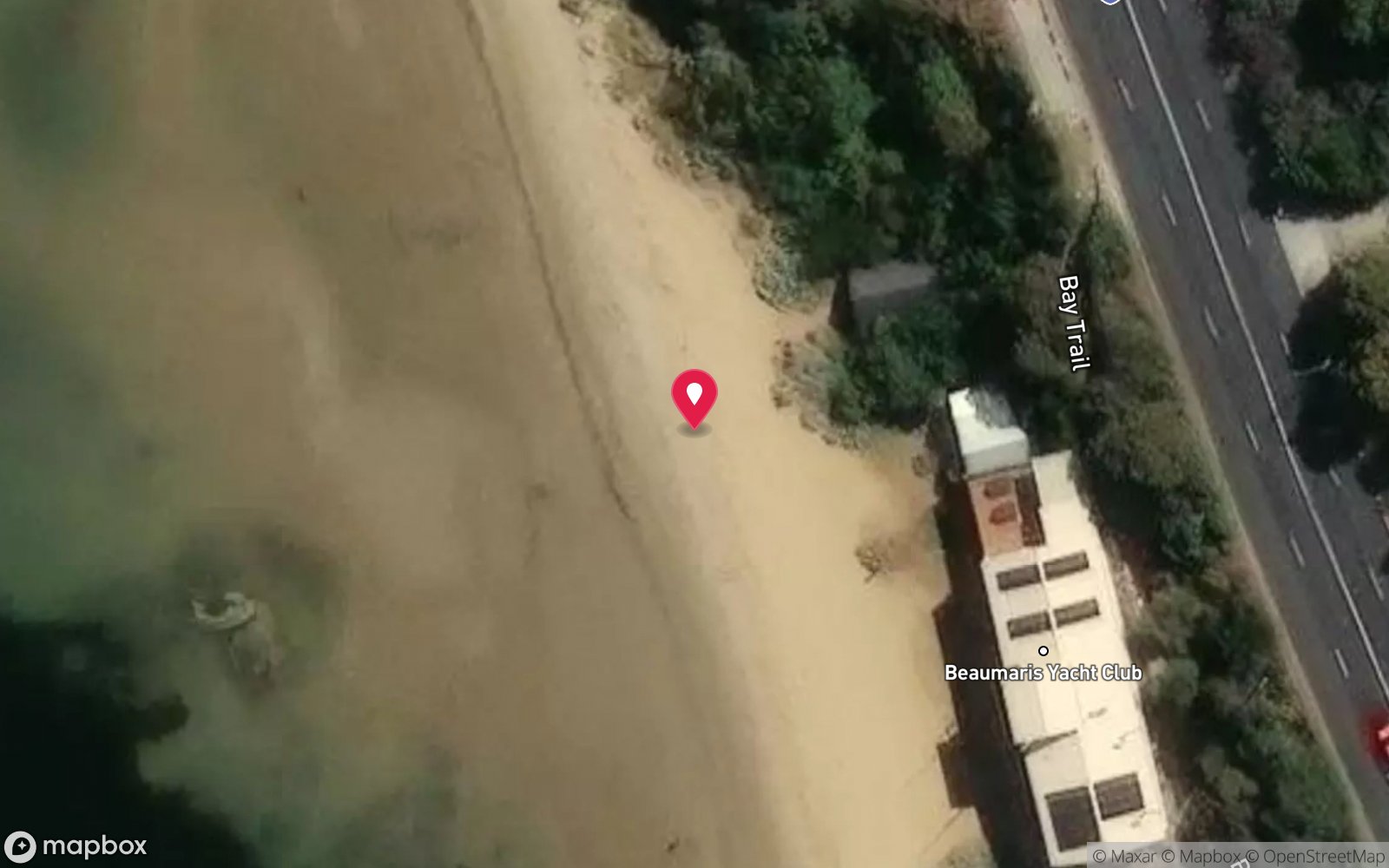
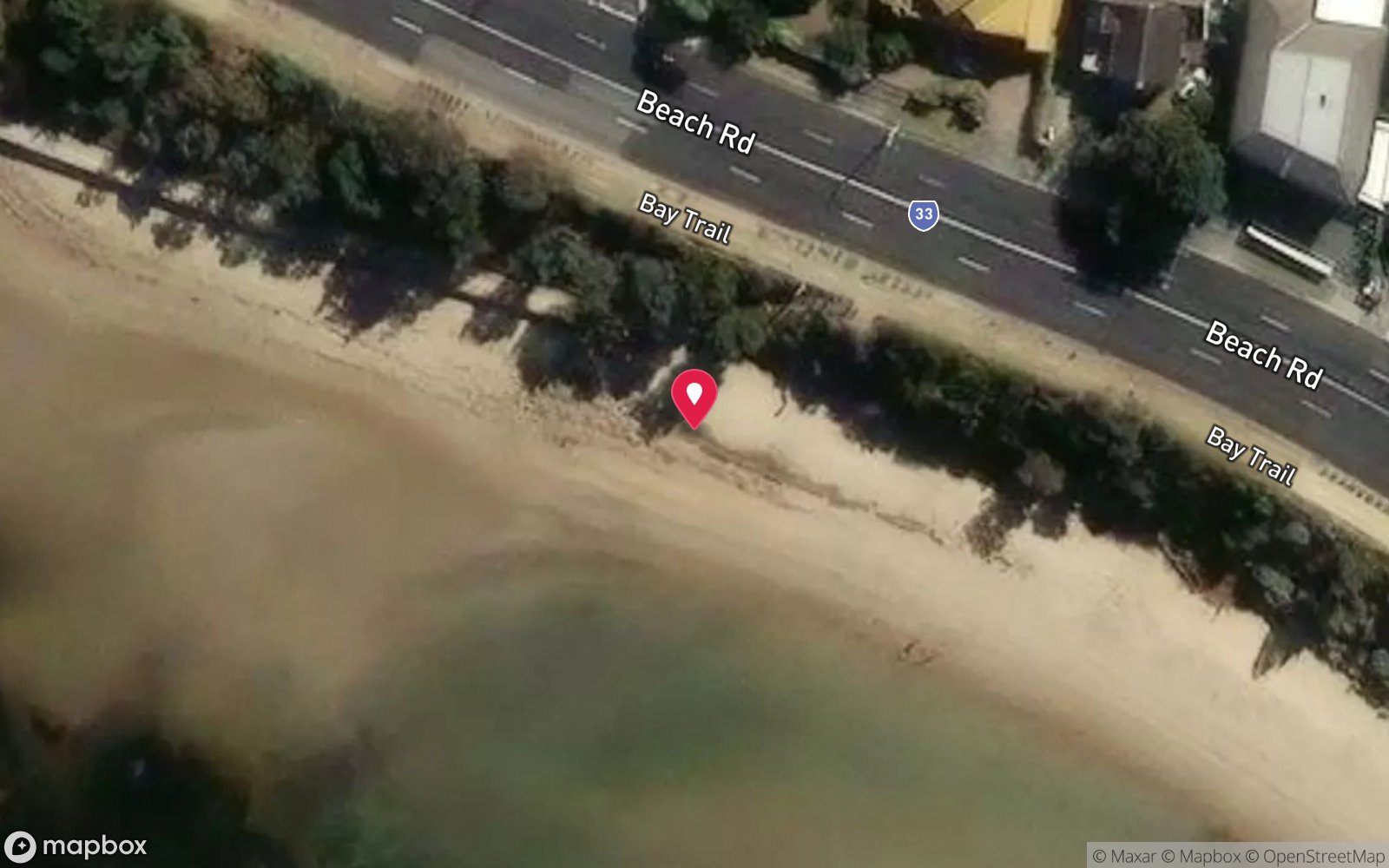
Nearby dive sites
More shore dives in Victoria
Explore more
This region
Similar dives
Marine life