Ranked by how many distinct species or groups are recorded for each site in this directory. It rewards the thoroughly surveyed sites, the Nelson Bay sponge gardens, the Mornington piers, Julian Rocks and the Solitary Islands, as much as the tropical reefs.
Updated daily from the directory. 30 sites listed.
1. Fleurieu Peninsula & Victor Harbor · SA
Rapid Bay Jetty
21 species recorded · The most reliable leafy seadragon dive in the world, on the pylons of the old and new jetties.
Our takeThe leafy seadragon site, but the seagrass beds and the old jetty's pylons hold far more: pipefish, cowfish, cuttlefish, blue devils and the whole southern Australian invertebrate cast in 10 m of sheltered water.
2. Adelaide Metro · SA
Port Noarlunga Reef & Jetty
20 species recorded · South Australia's most popular shore dive: a sheltered reef lagoon reached by jetty stairs, with an underwater trail, nudibranchs galore and Port Jackson shark aggregations in early summer.
3. Yorke Peninsula · SA
Edithburgh Jetty
19 species recorded · A macro photographer's jetty: blue devils, pyjama squid, seahorses, tasselled anglerfish and nudibranchs in 6–9 m.
4. Adelaide Metro · SA
Glenelg Dredge (SS South Australian)
18 species recorded · A near-intact 1911 Dutch-built dredge sitting upright in 20 m and packed with fish – Adelaide's most dived boat wreck, easily combined with the Barge.
5. Fleurieu Peninsula & Victor Harbor · SA
Aldinga Drop-off
18 species recorded · A 10 m limestone cliff riddled with caverns and overhangs in a no-take sanctuary zone – one of the most spectacular dives near Adelaide.
6. Fleurieu Peninsula & Victor Harbor · SA
The Bluff (Rosetta Head)
16 species recorded · Arguably the most reliable leafy seadragon dive in South Australia, among stacked granite boulders below a historic whaling headland.
Shore/Rock PlatformMax 18 mIntermediateOpen WaterShore accessMore in Fleurieu Peninsula & Victor Harbor →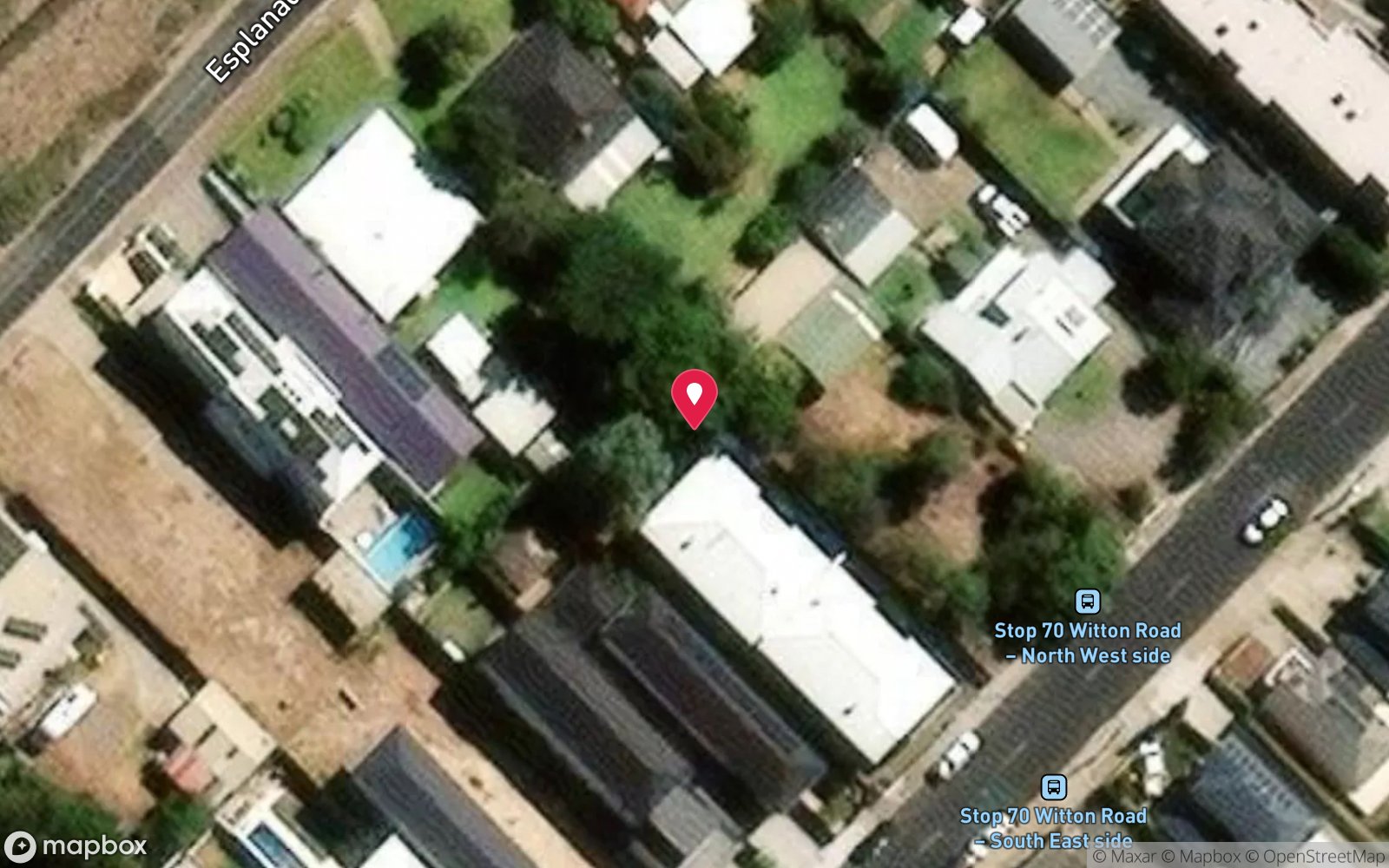
7. Adelaide Metro · SA
Christies Beach Ledges
16 species recorded · Dozens of Port Jackson sharks resting in a few metres of water in early summer, reachable with a short walk from the car.
8. Yorke Peninsula · SA
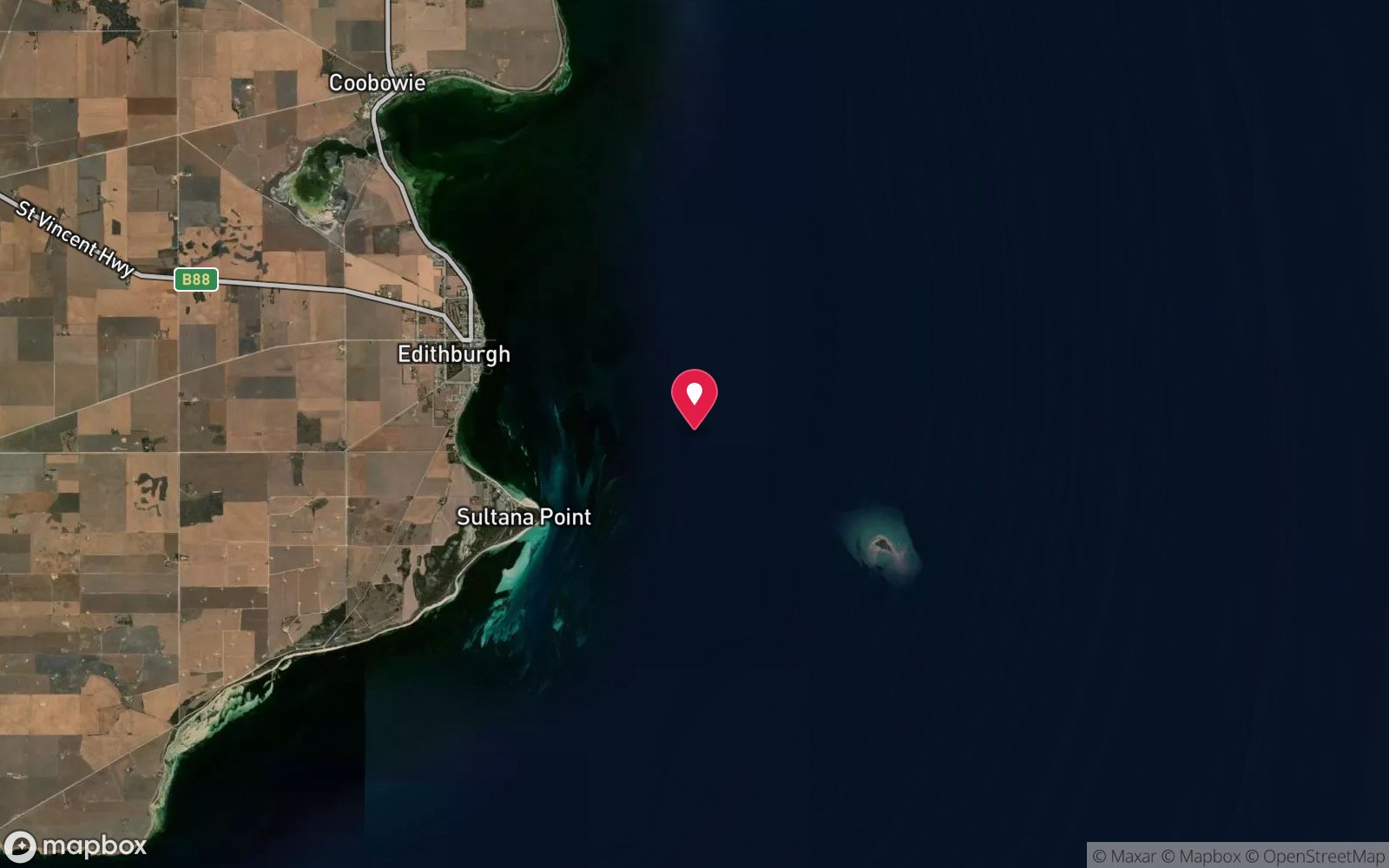
Edithburgh Sponge Garden
16 species recorded · A current-fed sponge garden in 6 m – a colourful gentle drift for invertebrate and macro enthusiasts with their own boat.
9. Eyre Peninsula · SA
Stickney Island
16 species recorded · A shallow reef honeycombed with caves and crevices full of gorgonians, soft corals, blue devils and boarfish in the Sir Joseph Banks Group.
10. Yorke Peninsula · SA
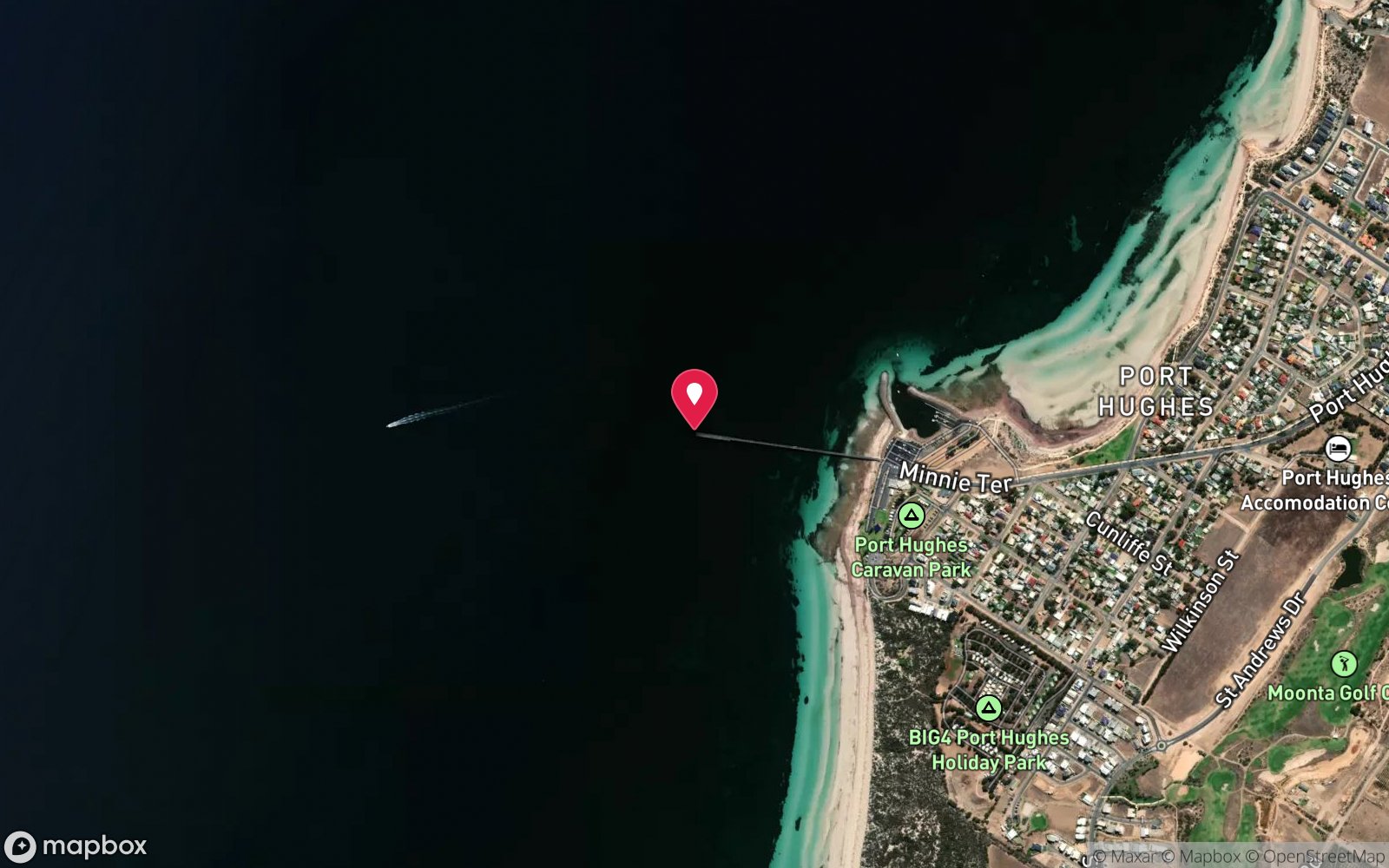
Port Hughes Jetty
15 species recorded · A 417 m 1911 jetty with prolific cowfish, anglerfish, seahorses and weedy seadragons – one of SA's best macro and night dives, two hours from Adelaide.
11. Eyre Peninsula · SA
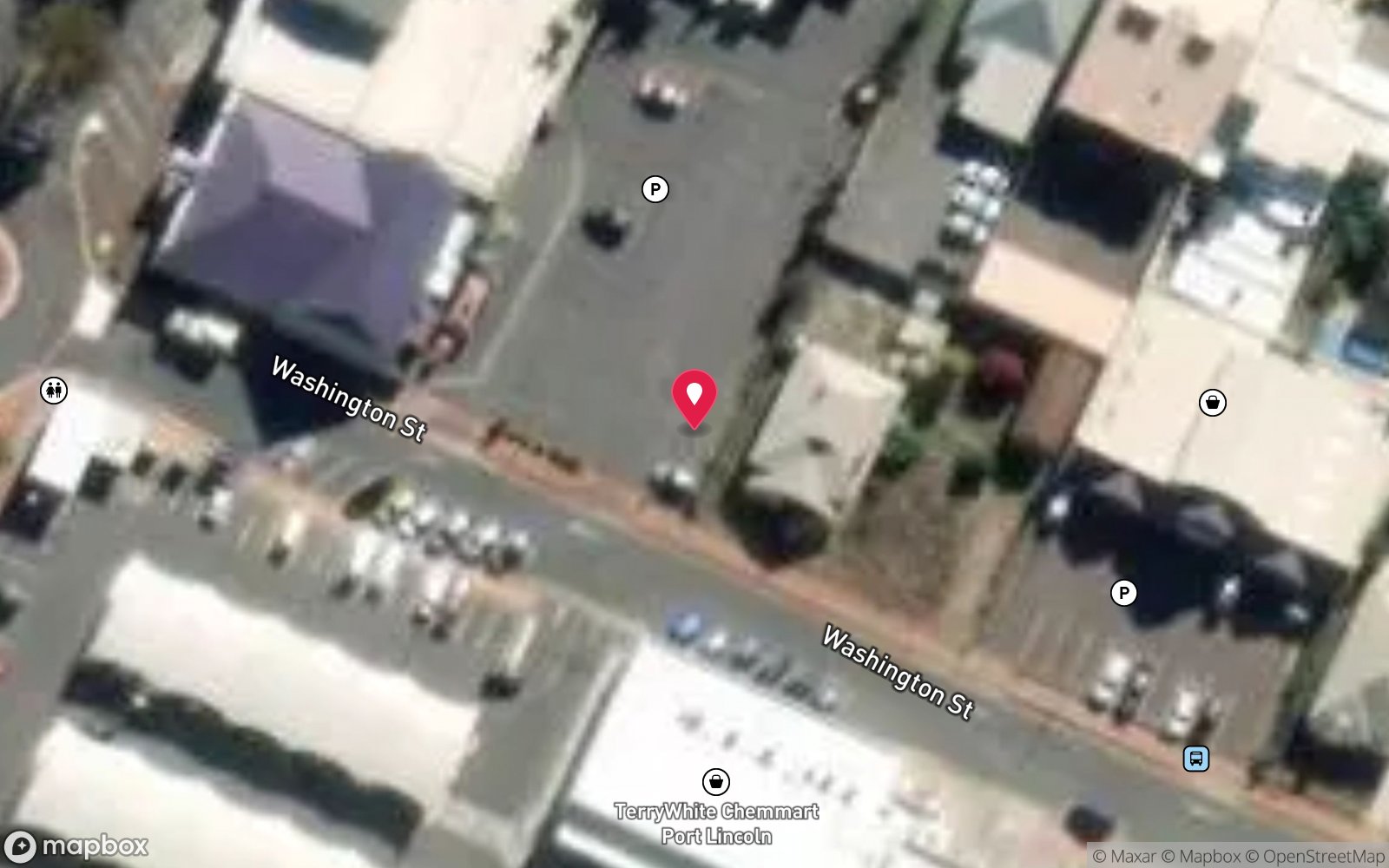
Port Lincoln Town Jetty
15 species recorded · An easy, colourful town jetty dive in Port Lincoln – ideal for a check-out or night dive between shark and sea lion trips.
12. Yorke Peninsula · SA
Troubridge Point
15 species recorded · A two-kilometre limestone reef with 8 m walls, a huge swim-through, chasms and pinnacles inside an aquatic reserve – the natural second dive after the Clan Ranald.
13. Fleurieu Peninsula & Victor Harbor · SA
Old Rapid Bay Jetty
15 species recorded · The storm-damaged 1942 ore jetty whose encrusted piles and 'Cathedral' made Rapid Bay world-famous – currently closed behind a 20 m exclusion zone.
14. Yorke Peninsula · SA
Wool Bay Jetty
14 species recorded · One of the most reliable leafy seadragon sites in South Australia, in water so shallow a single tank can last well over an hour.
15. Yorke Peninsula · SA
Haystack Reef
14 species recorded · A kilometre-long wall from 22 m to 10 m, riddled with caves and swim-throughs and carpeted in red, yellow and orange sponges – about ten dives' worth of reef.
16. Yorke Peninsula · SA
Stenhouse Bay Jetty
14 species recorded · Clear-water jetty with basket stars and gorgonians rarely seen elsewhere on the peninsula, an upturned Ford Telstar and the Hougomont wreck within swimming distance.
17. Yorke Peninsula · SA
Wallaroo Jetty
14 species recorded · A well-kept macro secret on one of Australia's longest jetties, with dense nudibranch life and colourful growth on the wharf tyres to 14 m.
18. Yorke Peninsula · SA
Althorpe Island
14 species recorded · Remote island with 50+ sites, 20 m walls, seal colonies, big blue groper and historic wrecks at the mouth of Spencer Gulf.
19. Eyre Peninsula · SA
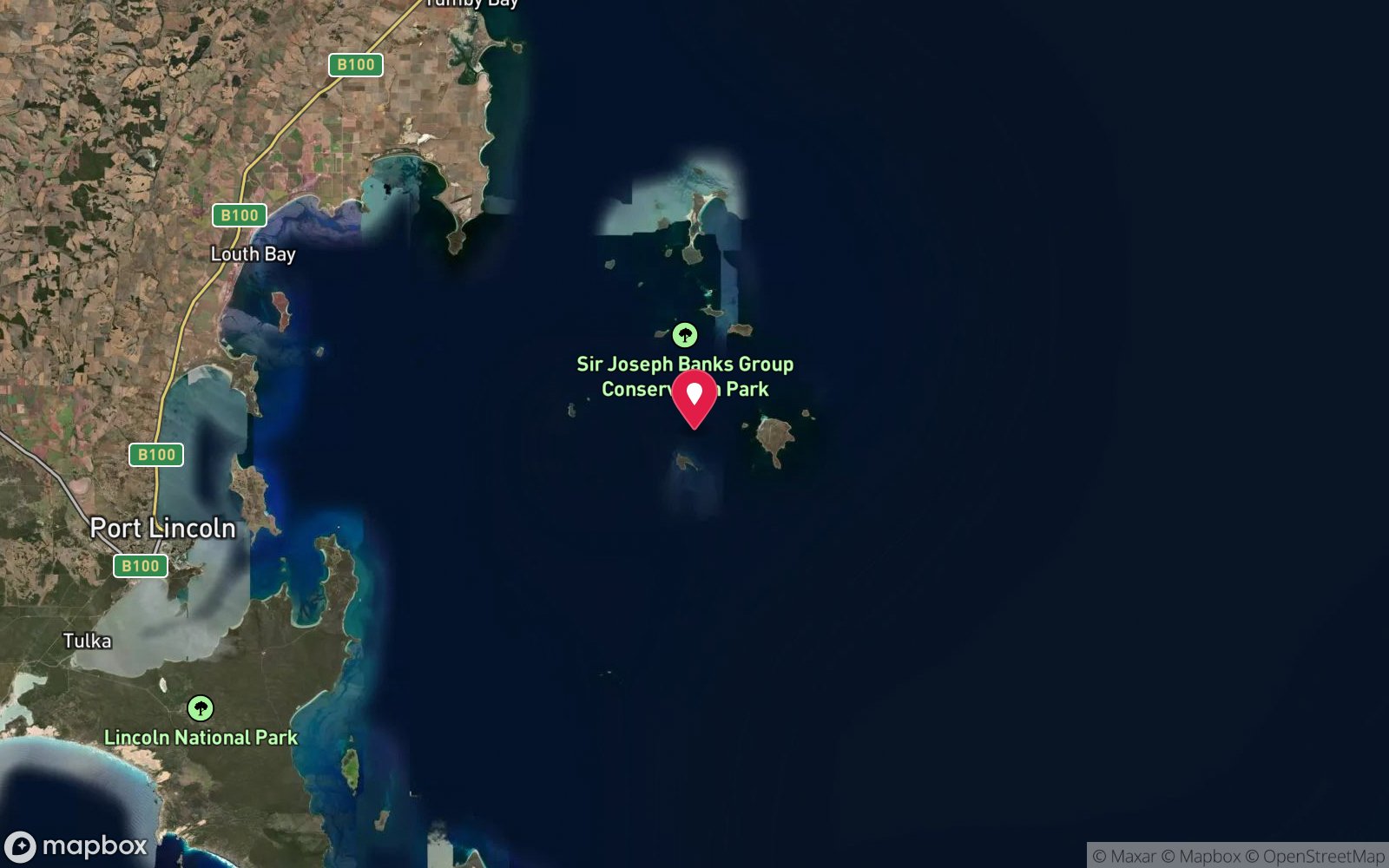
Spilsby Island
14 species recorded · The largest island of the Sir Joseph Banks Group, with clear water, rich fish life on south-east reefs and a sheltered jetty – a base for island diving off Tumby Bay.
20. Adelaide Metro · SA
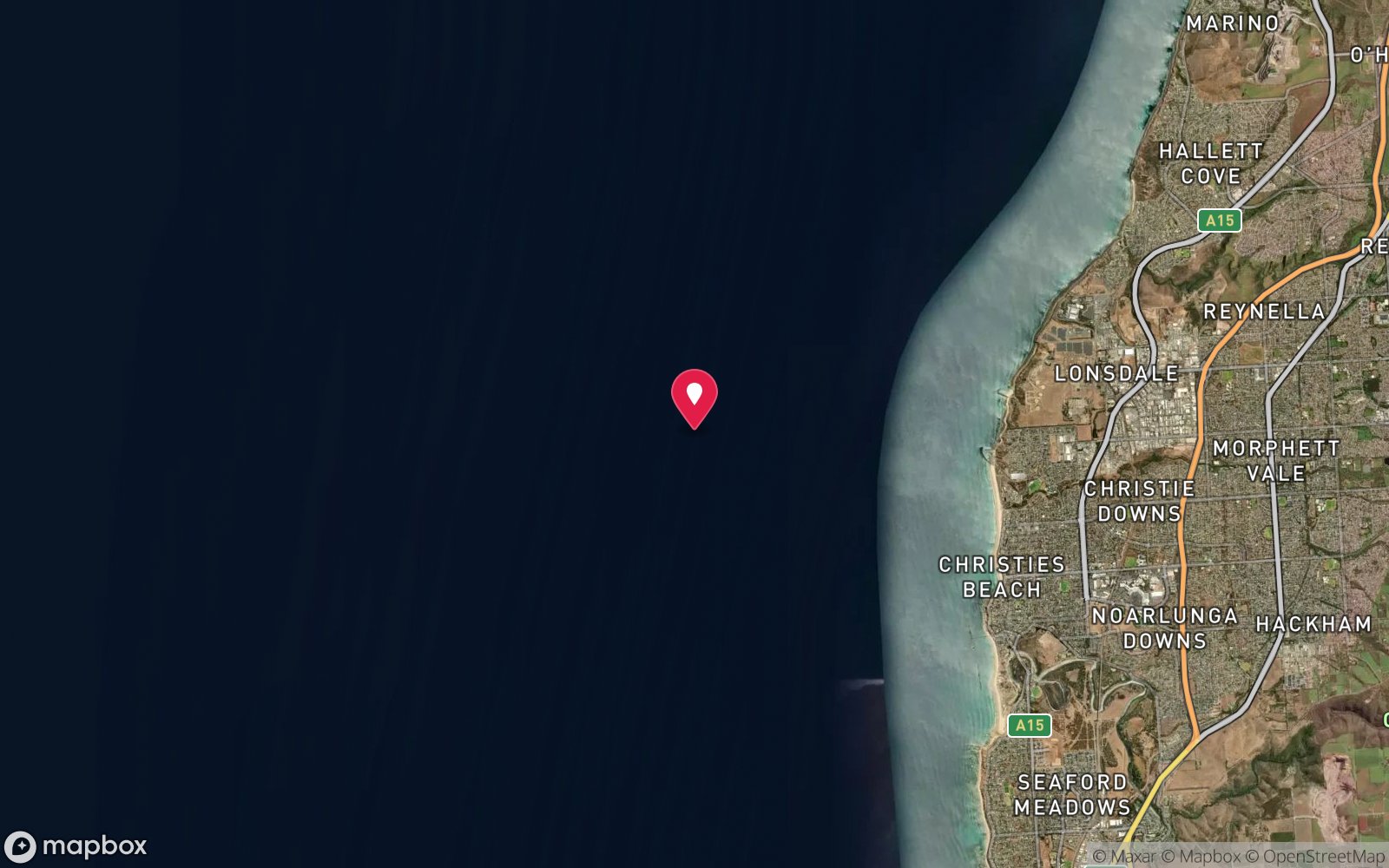
Stanvac Barges
14 species recorded · Three heavily encrusted barges scuttled in 1954 in 28-30 m – among the oldest artificial reefs off Adelaide.
21. Adelaide Metro · SA
Port Noarlunga Reef Underwater Trail
13 species recorded · Australia's pioneering 1994 underwater interpretive trail: 12 marked plinths leading from the sheltered lagoon through the Gap to the outer reef.
22. Yorke Peninsula · SA
Point Turton Jetty
13 species recorded · The lower Yorke Peninsula's go-to sheltered dive and a first-class night dive, with pyjama squid, slipper lobsters and nudibranchs under a long jetty.
23. Eyre Peninsula · SA
Kirton Point Jetty
13 species recorded · Port Lincoln's deeper shore dive – a colourful 12 m reef with often good visibility beside Kirton Point.
24. Fleurieu Peninsula & Victor Harbor · SA
Snapper Point (Aldinga Reef)
13 species recorded · Shore access to the protected Aldinga Reef across a wide intertidal platform, with relaxed fish in 2-7 m.
Shore/Rock PlatformMax 7 mIntermediateSnorkel/AnyShore accessMore in Fleurieu Peninsula & Victor Harbor →
25. Yorke Peninsula · SA
Stansbury Jetty
13 species recorded · An easy, sheltered town jetty dive for anyone staying in Stansbury, with typical Gulf St Vincent jetty macro life.
26. Eyre Peninsula · SA
Cape Donington
13 species recorded · Sheltered granite and limestone ledges and caves at the Boston Bay entrance, plus offshore Donnington Reef – next door to the Degei wreck.
27. Whyalla & Upper Spencer Gulf · SA
Louth Bay Jetty
13 species recorded · An easy 4 m jetty and foreshore reef near Port Lincoln, with a deeper boulder reef to 15 m at the south end of the bay.
28. Adelaide Metro · SA
Stanvac Barges 1 & 2 (small barges)
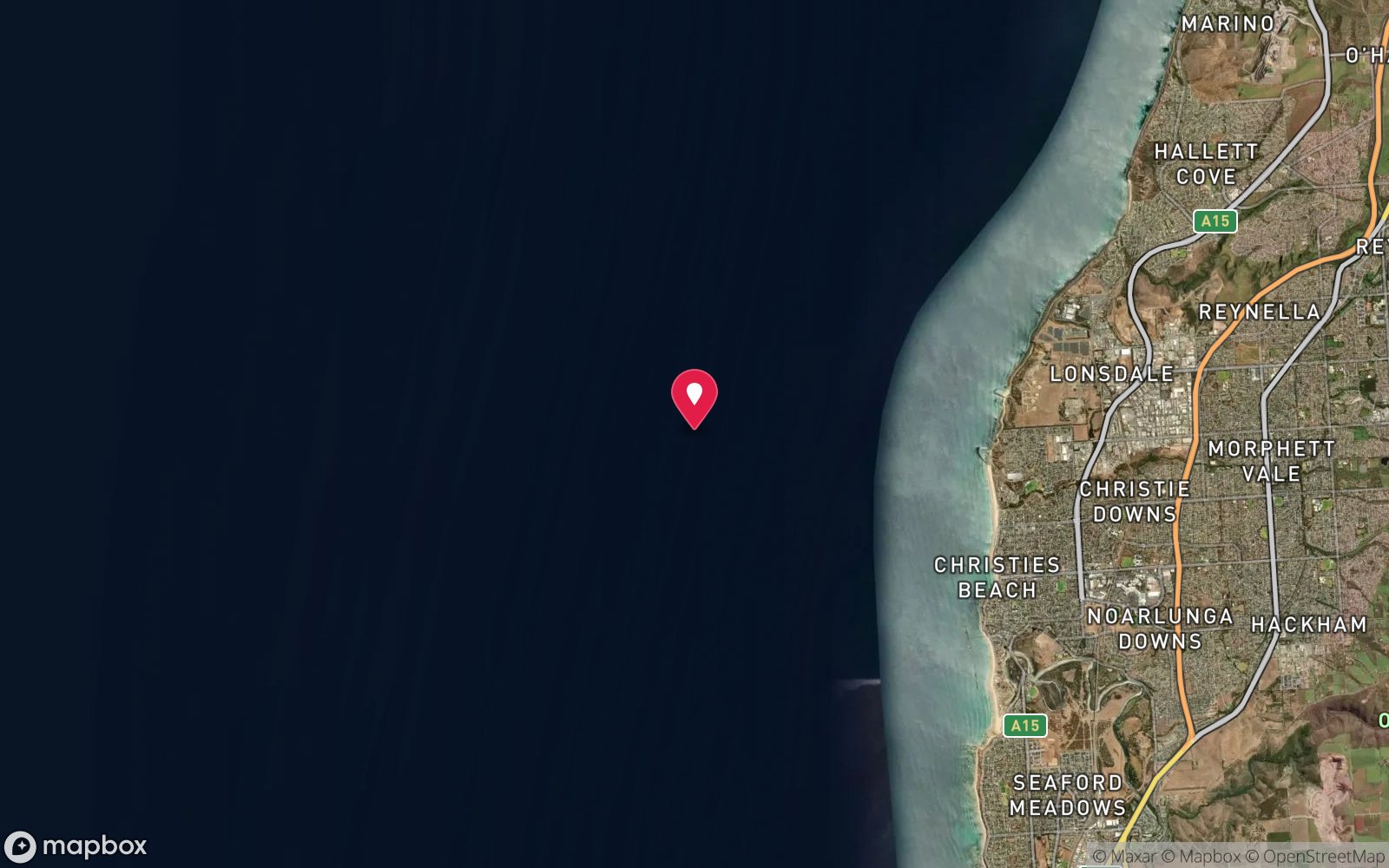
13 species recorded · Two encrusted 1954 barges 33 m apart in 28-30 m, a rarely dived companion to the Saurian.
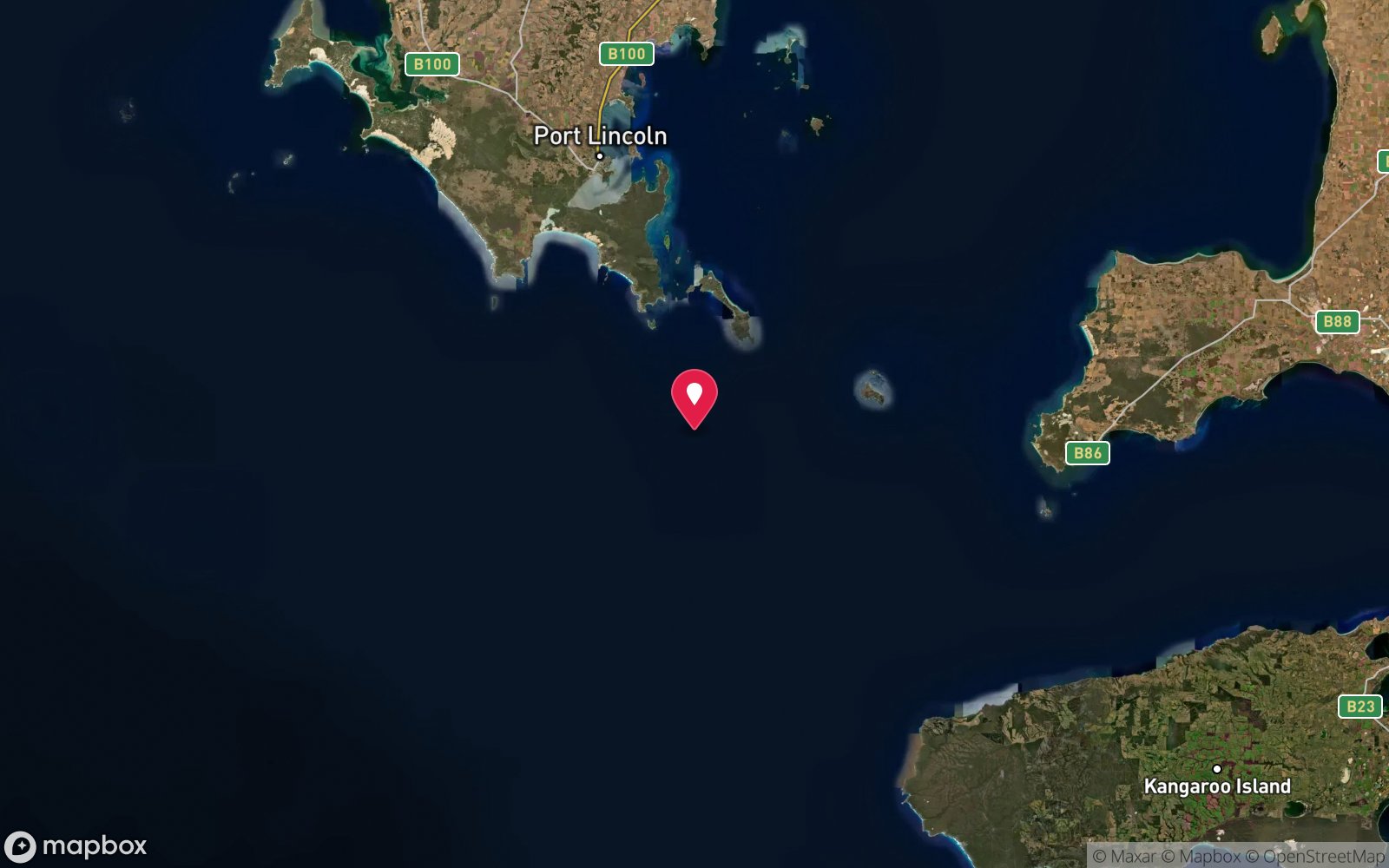
29. Eyre Peninsula · SA
Neptune Islands – Great White Shark Cage Diving
12 species recorded · The only great white cage diving in Australia, from Port Lincoln.
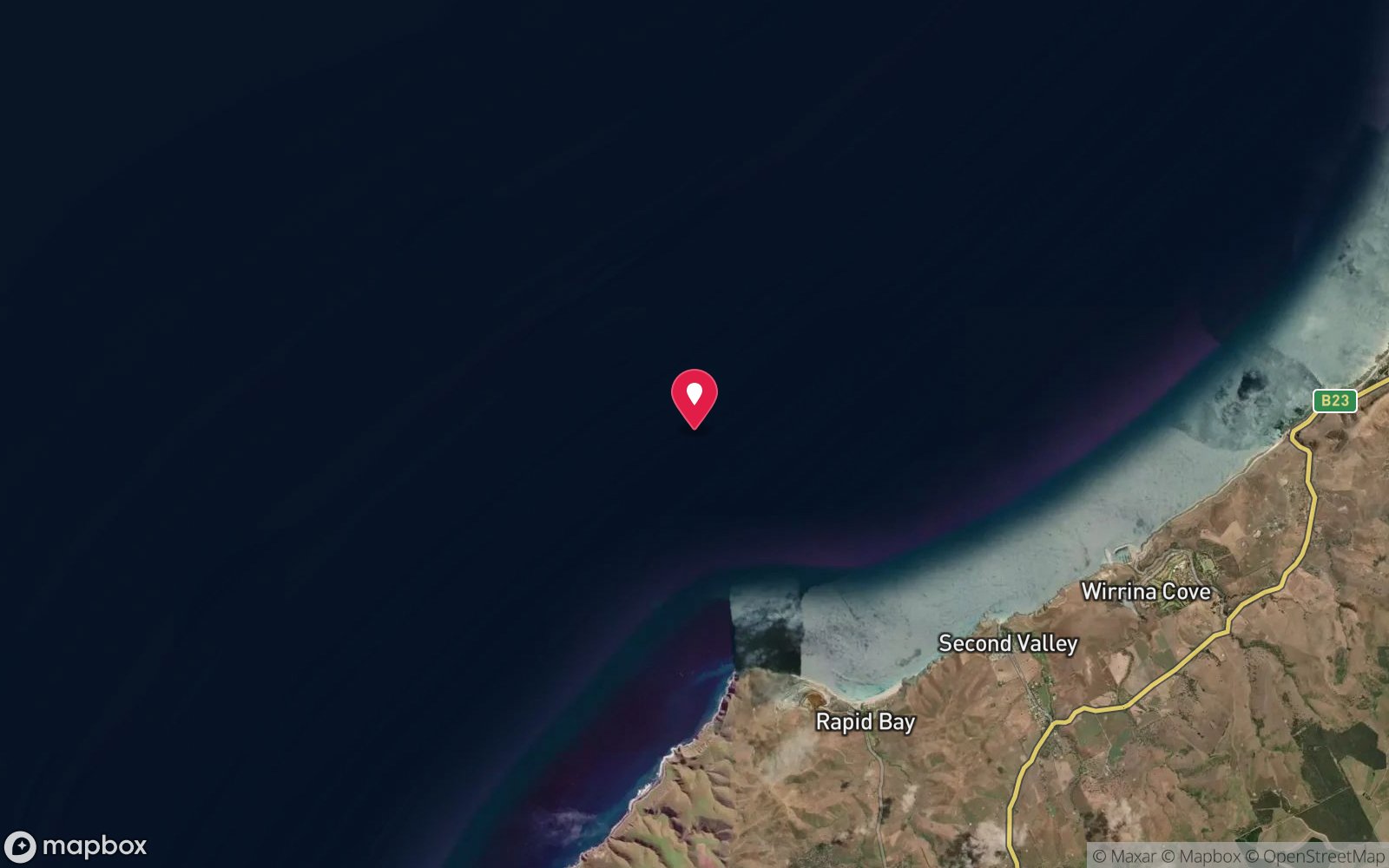
30. Fleurieu Peninsula & Victor Harbor · SA
Ex-HMAS Hobart
12 species recorded · A 133 m Adams-class destroyer off Yankalilla with wide-open penetration routes and a resident school of bullseyes.
The guide
Counting species
The ranking counts the species and groups recorded in each site's marine-life entry, which favours sites that have been surveyed and written about carefully. That is a reasonable proxy for biodiversity, and it produces a list that experienced divers will recognise: the great macro piers of Victoria and South Australia, the subtropical convergence sites of southern Queensland where tropical and temperate species overlap, and the pinnacles of the Ribbon Reefs.
It undercounts the Great Barrier Reef, where every outer-reef site has hundreds of species and the site records simply say 'reef fish, corals'. It also reflects the temperate south's real strength: southern Australia has the highest proportion of endemic marine species of any temperate coast on earth, and the sponge gardens of Port Phillip and the gulfs are where they live.
Where the overlap is
The subtropical coast from the Gold Coast to the Sunshine Coast and around to Bundaberg is the biodiversity sweet spot for a visiting diver. The East Australian Current brings tropical species south; the temperate species reach north; and structures like the Brisbane, the Seaway walls and Wonder Reef give them all somewhere to live. Winter brings grey nurse sharks and clear water, summer brings mantas and leopard sharks, and the macro life is there all year.
Editorial last reviewed September 2026. The list itself is regenerated from the directory daily.
Frequently asked questions
Which Australian dive site has the most marine life?
By recorded species, the temperate sponge-garden and pier sites (Fly Point, Blairgowrie, Edithburgh) and the subtropical islands (Julian Rocks, the Solitaries) lead, alongside the Great Barrier Reef's best bommies.
More rankings
- The 25 Deepest Dive Sites in Australia
- Australia's Most Remote Dive Sites
- The Longest Boat Rides to a Day Dive
- The Warmest Dive Sites in Australia
- The Coldest Dive Sites in Australia
- Australia's Clearest-Water Dive Sites
- The Oldest Shipwrecks You Can Dive in Australia
- WWII and Wartime Wrecks You Can Dive in Australia
- All rankings →