Dive slate · divesites.com.au · printed 8 Nov 2026
Point Turton Jetty
Yorke Peninsula, South Australia · near Point Turton
| Depth | 2–6 m |
|---|---|
| Minimum level | Open Water |
| Difficulty | Beginner |
| Access | Shore |
| Entry | Steps/ladder from the jetty, or walk in from the beach beside the jetty base |
| Current | Mild |
| Visibility | 4-12 m |
| Water | summer 20-24 °C, winter 12-14 °C |
| Suit | 5-7 mm full wetsuit with hood in summer/autumn; 7 mm semi-dry or drysuit in winter |
| Best season | Year-round – sheltered location; excellent night dive in any season |
| Bottom time | 70 min |
| Position | -34.93331, 137.35300 (GPS) |
| Permit | None required |
| Nearest chamber | Royal Adelaide Hospital hyperbaric medicine unit (Adelaide) |
| Emergency | 000 · DAN Asia-Pacific diving emergency 1800 088 200 |
Point Turton Jetty
Also known as Pt Turton Jetty
The lower Yorke Peninsula's go-to sheltered dive and a first-class night dive, with pyjama squid, slipper lobsters and nudibranchs under a long jetty.
Near Point Turton · Yorke Peninsula, South Australia
- Depth
- 2–6 m
- Minimum level
- Open Water
- Access
- Shore
- Boat ride
- Shore entry
- Water
- 20-24 °C
- Visibility
- 4-12 m
Point Turton Jetty2–6 m · Open Water · Shore
Dive factsDepths, conditions, location & safety
Season
In season nowBest months: year-round.
Year-round – sheltered location; excellent night dive in any season
- Best months
- Now (November)
Dive facts
- Depth
- 2–6 m
- Typical depth
- 4 m
- Certification
- Open Water
- Difficulty
- Beginner
- Depth tier
- Easy (0–10 m)
- Access
- Shore
- Dive centre needed
- No – independently diveable
- Shore / independent
- Yes
- Current
- Mild
- Visibility
- 4-12 m
- Water temp (summer)
- 20-24 °C
- Water temp (winter)
- 12-14 °C
- Water
- Temperate
- Bottom time
- 70 min
- Dive traffic
- Popular (weekly charters)
- Night dive
- Yes
- Snorkel friendly
- Yes
Exposure suit
5-7 mm full wetsuit with hood in summer/autumn; 7 mm semi-dry or drysuit in winter
Location
Point Turton / Hardwicke Bay · Yorke Peninsula – West Coast (Spencer Gulf)
-34.93331, 137.35300
Published GPS position.
Open in Google MapsPrimary source: thediveshack.com.auMarine park & permits
None required
Nearest recompression chamber
Royal Adelaide Hospital hyperbaric medicine unit (Adelaide)
Diving emergency: call 000, then DAN AP 1800 088 200.
Trip planner
Build a trip around Point Turton Jetty →
A day-by-day plan for Yorke Peninsula with this site locked in.
This guide is a planning aid. Conditions change daily — confirm with a local dive centre and dive within your training. Data & safety notes.
Dive profile
How this site rates
Scores are computed from the recorded data, not opinions. How?
At a glance
Point Turton Jetty is a jetty / pier shore dive you can do independently in Yorke Peninsula, SA, 2–6 m, suited to Open Water divers.
Rated beginner: sheltered, shallow and manageable for a newly certified diver on a normal day, though note boat traffic overhead and cold water.
Why dive here
- The lower Yorke Peninsula's go-to sheltered dive and a first-class night dive, with pyjama squid, slipper lobsters and nudibranchs under a long jetty.
- Commonly dived at night, when octopus, cuttlefish and crustaceans are out.
- Snorkel-friendly, so non-diving companions can join at the surface.
Conditions to avoid
- Afternoon north-easterlies
- Strong westerlies
- Strong northerlies
About Point Turton Jetty
Point Turton is a small fishing town on the northern side of the southern Yorke Peninsula 'foot', and its long jetty is the dive most Adelaide divers fall back on when the south coast is blown out. The Dive Shack rates it a novice site to 6 m whose sheltered location permits year-round diving, and highlights it as an excellent night dive. The jetty runs a long way out over a mix of sand, seagrass and small rocky outcrops, and the Marine Life Society notes that at times there are lots of fish around the outcrops under the jetty.
The piles are encrusted with sponges, ascidians and algae that host nudibranchs in good variety. Visitor information lists abalone, crayfish, Port Jackson sharks, stingrays, dumpling squid, slipper lobsters and nudibranchs, and the SDFSA adds blue-ringed octopus – a reminder to look but not touch. After dark the jetty comes alive: pyjama squid and dumpling squid emerge from the sand, gobies and blennies peer from holes, worms and shrimps crawl over the piles, slipper lobsters and octopus hunt, and southern calamari hover in torchlight.
It is the kind of site where a slow, patient dive yields more with every visit. Its great virtue is reliability. When south-westerly fronts close Stenhouse Bay, Innes and Troubridge, Point Turton usually remains diveable, making it a staple of lower Yorke Peninsula dive weekends.
It suits newly certified divers, night-dive beginners, macro photographers and anyone wanting a relaxed long dive in shallow water. Extended dives into the surrounding bay are possible for those who want to explore beyond the jetty.
Getting there & entry
Long jetty at the small fishing town of Point Turton on the sheltered northern side of the Yorke Peninsula 'foot', facing Hardwicke Bay; a year-round shore and night dive to about 6 m.
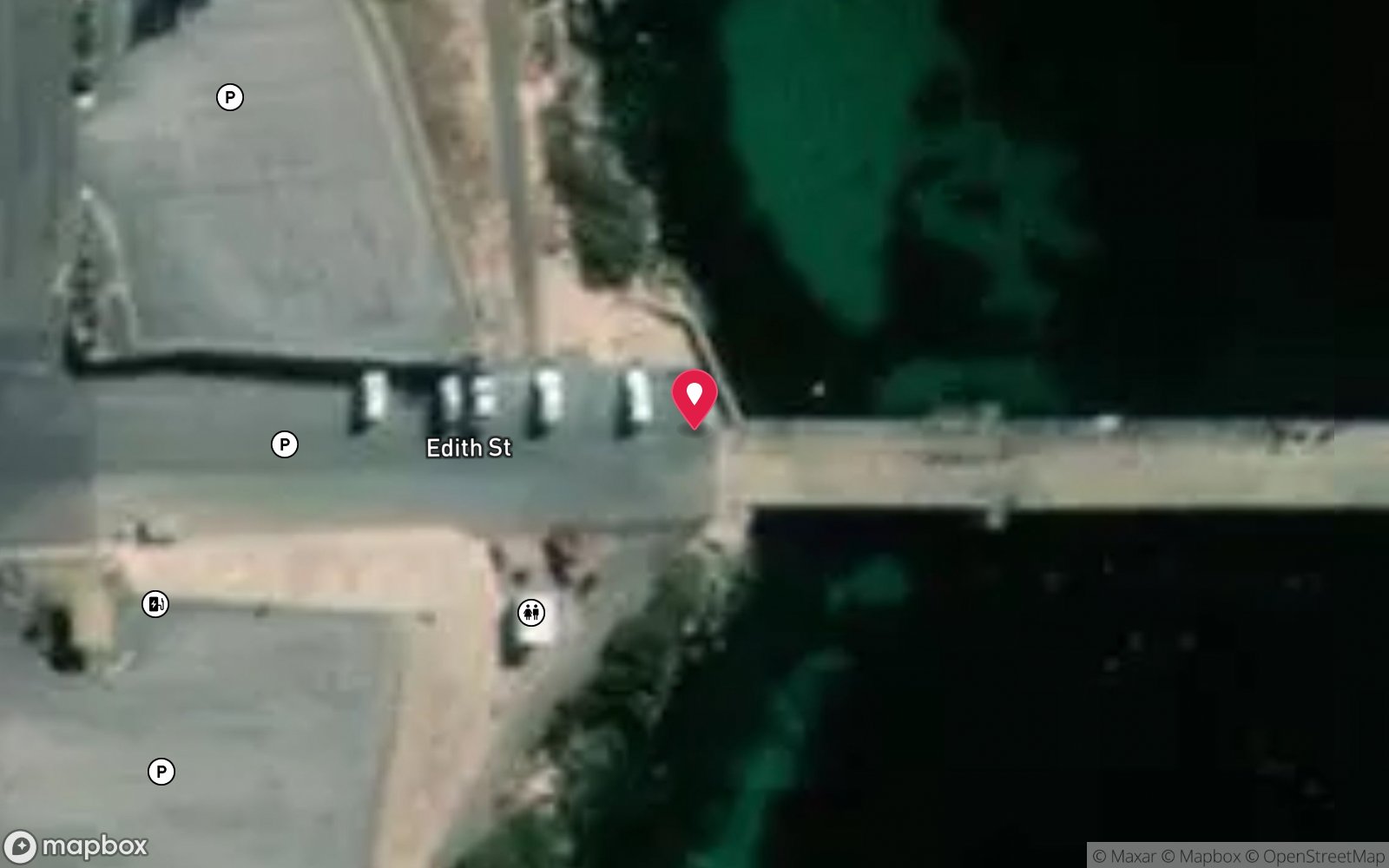
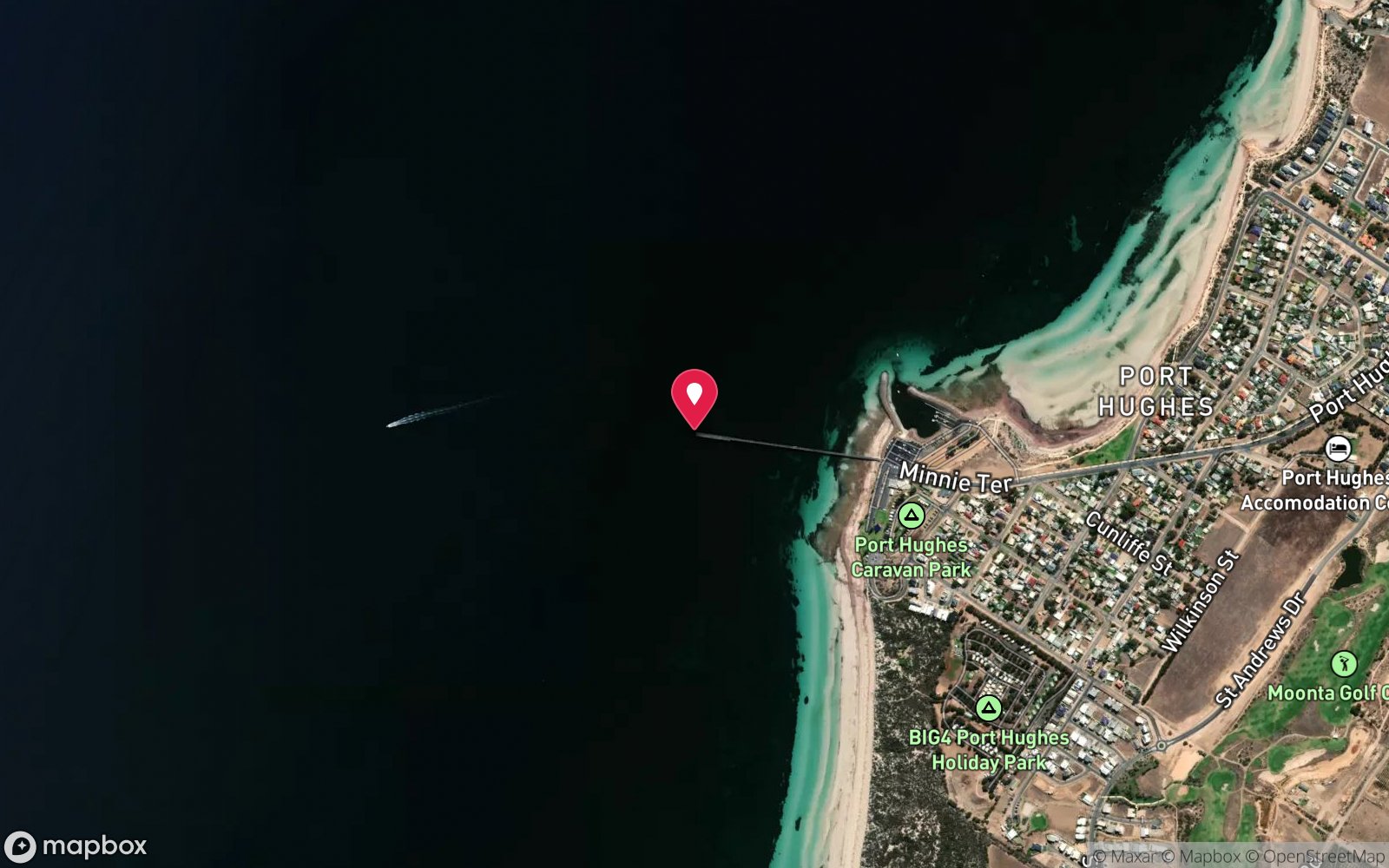
From Adelaide drive about 250 km (3 hours) via Minlaton and Warooka, turning north to Point Turton. The jetty is on the foreshore in town beside the boat ramp and caravan park; park at the jetty head. Enter by the jetty steps or ladder, or walk in from the beach alongside at higher tides, then fin out along the piles.
The jetty is long, so plan air for the swim out to the deeper outer section.
Entry: Steps/ladder from the jetty, or walk in from the beach beside the jetty base
Facilities: Parking at the jetty, toilets, boat ramp, caravan park, general store, pub; air fills at Point Turton/Warooka area – check locally (Port Victoria and Edithburgh also have fills).
Weather, swell & tides
Point Turton faces north-east into Hardwicke Bay, so it is sheltered from the prevailing south-westerly swell and winds that close the Innes and southern coast sites – which is why it is the peninsula's classic bad-weather dive. Strong northerly or north-easterly winds blow onshore here and stir up the silty bottom, reducing visibility; south and south-westerly winds blow offshore and give the calmest water. Tides are modest, but the inner section is shallow at low water.
Summer sea breezes rarely affect it much.
Best season: Year-round – sheltered location; excellent night dive in any season
If it's blown out
Sheltered or shore sites within 25 km that often work when Point Turton Jetty doesn't.
- Magazine Point · 1 km · Max 4 m
- MV Yatala Reef Wreck · 24 km · Max 12 m
How the dive is usually run
Fin out along the jetty to the outer end at 5-6 m, working the piles and rocky outcrops under the jetty for macro life, then return on the other side. On night dives, slow down around the pile bases and the sand for pyjama squid, slipper lobsters and hunting octopus.
Marine life
- Pyjama squid →
- dumpling squid →
- slipper lobsters
- blue-ringed octopus →
- nudibranchs →
- gobies
- blennies
- Port Jackson sharks →
- stingrays
- abalone
- southern rock lobster
- southern calamari
- sponges and ascidians
Linked species have their own page listing every site where they are recorded. All marine life →
Training required
Shallow enough for snorkellers and for a first dive under supervision. Any certified diver can dive it.
Courses that help here
- Night Diver – Commonly dived at night.
- Drysuit Diver – Cold water; locals dive dry for much of the year.
- Peak Performance Buoyancy – Silt and low visibility punish poor trim.
Depth tiers: 0–10 m easy · to 18 m Open Water · 18–30 m Advanced (25 m+ is a deep dive) · 30–40 m Deep specialty · 40 m+ technical. All courses
Hazards & warnings
Blue-ringed octopus (do not handle); fishing line and hooks; boat traffic from the adjacent ramp; long swim to the outer section – watch air; poor visibility in north-easterlies.
Dive centres that go here
No resident dive operator; heavily used by independent divers and by Adelaide shops and clubs as the sheltered option on lower Yorke Peninsula weekends, especially for night dives.
Other dive centres in Yorke Peninsula
Adelaide Scuba
ListedGlenelg North · Adelaide Metro · SA
An Adelaide business providing training, equipment and local diving support, located near Glenelg.
adelaidescuba.com.au · (08) 8294 7744
Diving Adelaide
ListedMarleston · Adelaide Metro · SA
An Adelaide training and guided diving operation serving local sites and organised trips.
divingadelaide.com.au · (08) 8122 5003
The Dive Shack
ListedGlenelg · Adelaide Metro · SA
An Adelaide business combining retail, servicing and training for South Australian divers.
thediveshack.com.au
All dive centres in South Australia →
Operators mentioned: Adelaide shops (The Dive Shack, Diving Adelaide, Adelaide Scuba) on trips
Map
7 pinned sites. Pins marked approximate on their pages show the general area only; not for navigation.
Satellite views
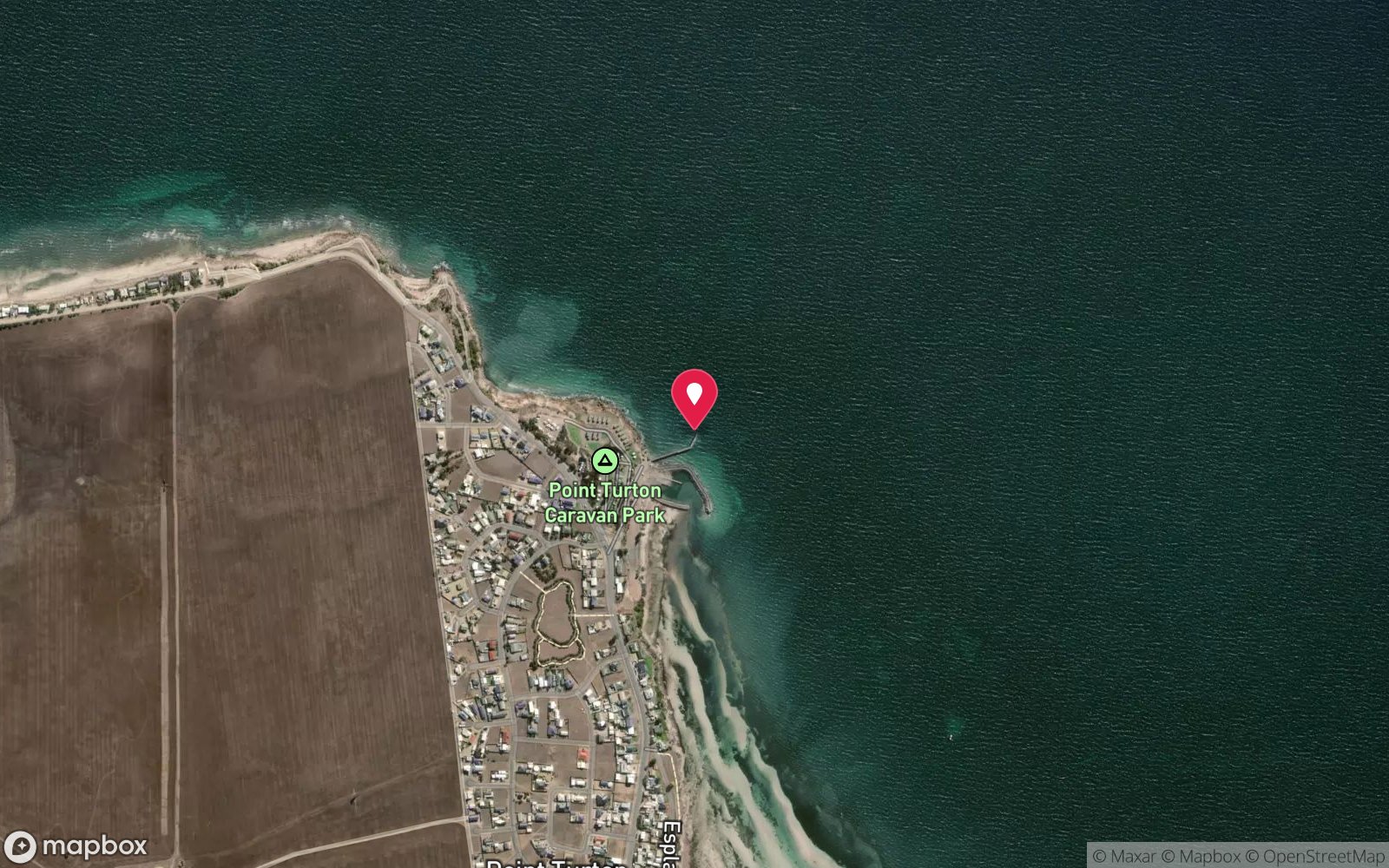
Point Turton Jetty: frequently asked questions
How deep is Point Turton Jetty?
Point Turton Jetty reaches a maximum depth of 6 m, with the shallowest part at about 2 m; most of the dive is spent around 4 m.
What certification do I need to dive Point Turton Jetty?
Open Water is the recommended minimum. Rated beginner: sheltered, shallow and manageable for a newly certified diver on a normal day, though note boat traffic overhead and cold water.
Can I shore dive Point Turton Jetty?
Yes. Point Turton Jetty is a shore dive that can be done independently: steps/ladder from the jetty, or walk in from the beach beside the jetty base.
When is the best time to dive Point Turton Jetty?
Year-round – sheltered location; excellent night dive in any season.
What marine life will I see at Point Turton Jetty?
Regularly recorded: Pyjama squid, dumpling squid, slipper lobsters, blue-ringed octopus, nudibranchs, gobies, blennies, Port Jackson sharks, stingrays, abalone, southern rock lobster, southern calamari and more.
What wetsuit do I need at Point Turton Jetty?
5-7 mm full wetsuit with hood in summer/autumn; 7 mm semi-dry or drysuit in winter.
How cold is the water at Point Turton Jetty?
Typically 20-24 °C in summer and 12-14 °C in winter.
What are the main hazards at Point Turton Jetty?
Blue-ringed octopus (do not handle); fishing line and hooks; boat traffic from the adjacent ramp; long swim to the outer section – watch air; poor visibility in north-easterlies. See the hazards section above for the full list.
Can you night dive Point Turton Jetty?
Yes, Point Turton Jetty is commonly dived at night.
Diving in Yorke Peninsula
The Yorke Peninsula is jetty country. Edithburgh, Port Hughes, Wool Bay, Stenhouse Bay and Port Victoria have some of the richest macro diving in Australia under their pylons: blue devils, pyjama squid, seahorses, tasselled anglerfish, leafy seadragons and carpets of sponges in 5–12 m. Marion Bay and Innes National Park at the southern tip add wrecks, sea lions and clearer open-coast water.
Getting there: Two to four hours west of Adelaide. All the jetties are walk-in shore dives with ladders or beach entries; Innes National Park sites need a park pass.
Sources
Nearby dive sites
More shore dives in South Australia
Explore more
This region
Similar dives
Marine life