Dive slate · divesites.com.au · printed 8 Nov 2026
Troubridge Point
Yorke Peninsula, South Australia · near Edithburgh
| Depth | 5–20 m |
|---|---|
| Minimum level | Advanced Open Water |
| Difficulty | Intermediate |
| Access | Shore or Boat |
| Entry | Boat dive from Edithburgh ramp (preferred, best areas are 500 m offshore); rocky shore entry below the cliffs possible only for fit, experienced divers in flat conditions |
| Current | Variable/Tidal |
| Visibility | 8-15 m |
| Water | summer 20-24 °C, winter 12-14 °C |
| Suit | 5-7 mm full wetsuit with hood in summer/autumn; 7 mm semi-dry or drysuit in winter |
| Best season | February-April with northerly winds; any calm spell with low southerly swell |
| Bottom time | 50 min |
| Position | -35.16000, 137.63000 (approximate) |
| Permit | Troubridge Hill Aquatic Reserve (1983) – no take of rock lobster; Southern Spencer Gulf / Lower Yorke marine park zoning applies |
| Nearest chamber | Royal Adelaide Hospital hyperbaric medicine unit (Adelaide) |
| Emergency | 000 · DAN Asia-Pacific diving emergency 1800 088 200 |
Troubridge Point
Also known as Troubridge Point Drop-Off, Troubridge Hill reef
A two-kilometre limestone reef with 8 m walls, a huge swim-through, chasms and pinnacles inside an aquatic reserve – the natural second dive after the Clan Ranald.
Near Edithburgh · Yorke Peninsula, South Australia
- Depth
- 5–20 m
- Minimum level
- Advanced Open Water
- Access
- Shore or Boat
- Boat ride
- ~25 min
- Water
- 20-24 °C
- Visibility
- 8-15 m
Troubridge Point5–20 m · Advanced Open Water · Shore
Dive factsDepths, conditions, location & safety
Season
Off-peak nowBest months: February, March, April.
February-April with northerly winds; any calm spell with low southerly swell
- Best months
- Now (November)
Dive facts
- Depth
- 5–20 m
- Typical depth
- 12 m
- Certification
- Advanced Open Water
- Difficulty
- Intermediate
- Depth tier
- Advanced Open Water (18–30 m)
- Access
- Shore or Boat
- Offshore
- 0.5 km
- Dive centre needed
- Recommended
- Shore / independent
- Possible (experienced only)
- Boat ride
- ~25 min
- Current
- Variable/Tidal
- Visibility
- 8-15 m
- Water temp (summer)
- 20-24 °C
- Water temp (winter)
- 12-14 °C
- Water
- Temperate
- Bottom time
- 50 min
- Dive traffic
- Moderate (occasional charters/club dives)
- Night dive
- No
- Snorkel friendly
- Partial
Exposure suit
5-7 mm full wetsuit with hood in summer/autumn; 7 mm semi-dry or drysuit in winter
Location
Troubridge Hill Aquatic Reserve · Yorke Peninsula – Troubridge / Investigator Strait
-35.16000, 137.63000
Approximate position — not for navigation.
Open in Google MapsPrimary source: marinelife.org.auMarine park & permits
Troubridge Hill Aquatic Reserve (1983) – no take of rock lobster; Southern Spencer Gulf / Lower Yorke marine park zoning applies
Nearest recompression chamber
Royal Adelaide Hospital hyperbaric medicine unit (Adelaide)
Diving emergency: call 000, then DAN AP 1800 088 200.
Trip planner
Build a trip around Troubridge Point →
A day-by-day plan for Yorke Peninsula with this site locked in.
This guide is a planning aid. Conditions change daily — confirm with a local dive centre and dive within your training. Data & safety notes.
Dive profile
How this site rates
Scores are computed from the recorded data, not opinions. How?
At a glance
Troubridge Point is a reef shore dive for experienced divers in Yorke Peninsula, SA, 5–20 m, suited to Advanced Open Water divers, variable/tidal current, about 25 minutes by boat.
Rated intermediate because of depth beyond 18 m, tidal current that must be timed, surge on the entry or in the shallows, boat traffic overhead, cold water.
Why dive here
- A two-kilometre limestone reef with 8 m walls, a huge swim-through, chasms and pinnacles inside an aquatic reserve – the natural second dive after the Clan Ranald.
Conditions to avoid
- Strong southerly or south-east swell and wind
- Spring tides (strong current)
About Troubridge Point
Troubridge Point is the finest natural reef dive on the lower east side of Yorke Peninsula. Below the headland a large limestone reef system runs for a couple of kilometres along the shore, and The Dive Shack describes it as a huge swim-through, bommies, chasms and pinnacles with amazing fish life. The Marine Life Society of SA notes walls up to 8 m high cut by crevices, sitting about 500 m off the cliffs in 5-15 m, with outer sections dropping to 20 m.
Local divers treat it as the natural second dive after the Clan Ranald wreck, which lies just offshore. The reef is protected as part of the Troubridge Hill Aquatic Reserve, established in 1983 around the Clan Ranald, and the protection shows in the fish life and crayfish, which cannot be taken inside the reserve. The walls and overhangs are dressed in gorgonian fans, sponges and colonial ascidians, and the gutters shelter western blue groper, silver drummer, moonlighters, old wives, herring cale, trevally, magpie perch and schools of coralfish, with southern blue devils in the crevices and cuttlefish on the ledges.
Crayfish are plentiful in the deeper cracks. The character of the dive is classic southern temperate reef: kelp and brown algae on top, invertebrate colour on the vertical faces, and a maze of gutters that rewards slow exploration. It is more exposed than Edithburgh and suffers from surge and poor visibility when southerly swell is running, so it is a calm-weather site.
When conditions line up, though, visibility of 15 m and the combination of topography and fish make it one of the best reef dives within reach of Adelaide by road. It suits divers with some experience of open-coast reef diving; the shore option in particular requires fitness and good judgement of the sea.
Getting there & entry
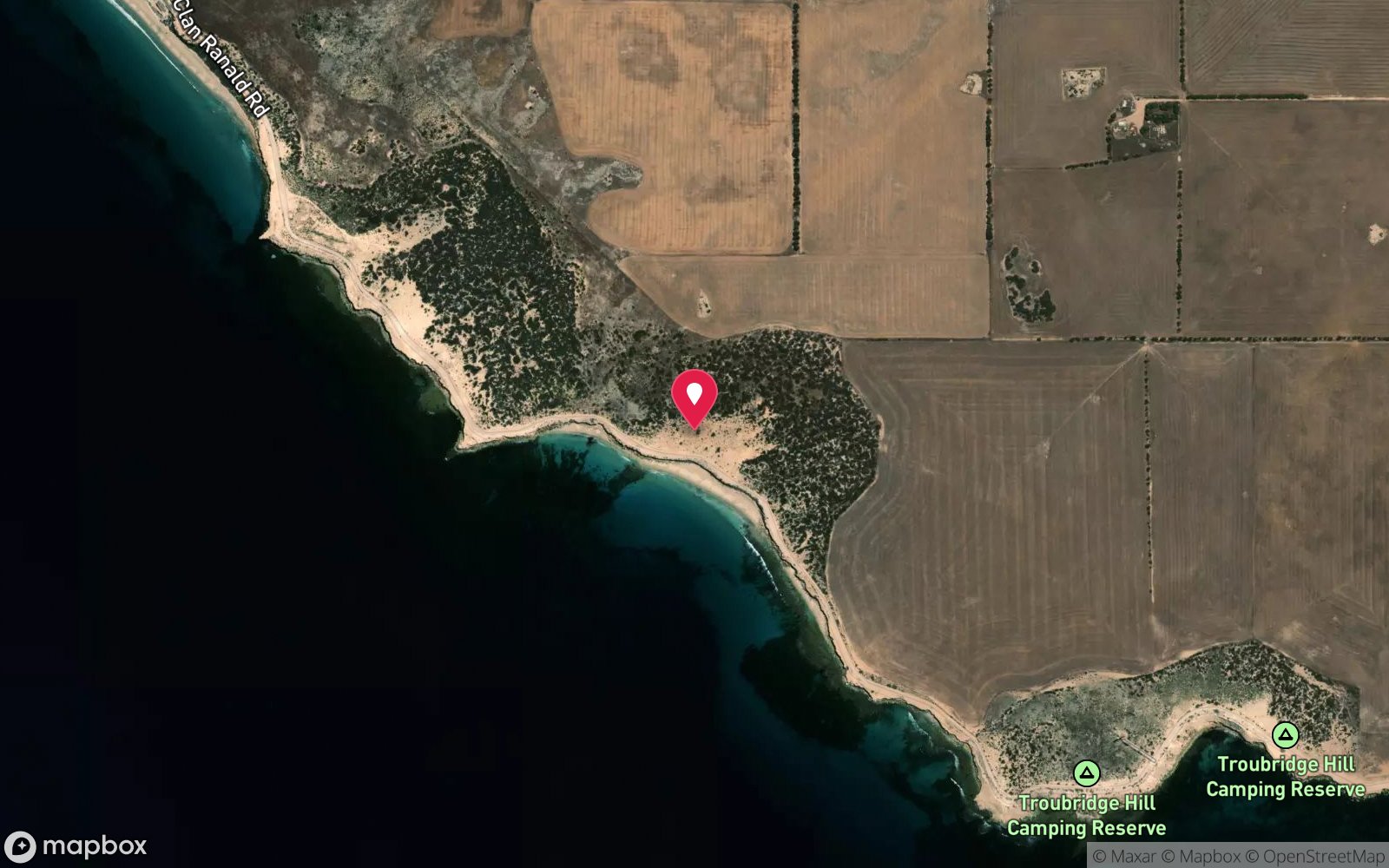
Extensive limestone reef system below the cliffs of Troubridge Point/Troubridge Hill, about 14 km south-west of Edithburgh, running a couple of kilometres along the shore with walls, swim-throughs, bommies and chasms in 5-20 m.
Boat is the practical way in: launch at the Edithburgh ramp and run south-west along the coast for about 20-30 minutes to Troubridge Point; the Clan Ranald wreck lies just to the south, so the two are usually dived together. Shore access is via the Troubridge Hill/Troubridge Point road off the Edithburgh–Yorketown coast road, with parking near the clifftop anchor memorial, but the descent to the water is steep and rocky and the best reef is some distance offshore, so shore diving is only for experienced divers in calm, low-swell conditions.
Entry: Boat dive from Edithburgh ramp (preferred, best areas are 500 m offshore); rocky shore entry below the cliffs possible only for fit, experienced divers in flat conditions
Facilities: Clifftop parking and Clan Ranald anchor memorial; boat ramp, toilets and air fills at Edithburgh.
Weather, swell & tides
Troubridge Point and the reefs south-west of Edithburgh face Investigator Strait and pick up southerly and south-westerly swell that wraps in from the Southern Ocean past Kangaroo Island. Anything over about 1-1.5 m of southerly swell produces heavy surge on the drop-off and poor visibility, and strong south-westerly winds make the boat run from Edithburgh rough. The best days follow a few days of northerly or light north-westerly winds, which flatten the sea along this coast; February-April with a prevailing northerly is the classic window.
Tidal streams in the strait can run strongly on spring tides, so plan around neaps or the turn of the tide.
Best season: February-April with northerly winds; any calm spell with low southerly swell
If it's blown out
Sheltered or shore sites within 25 km that often work when Troubridge Point doesn't.
- Edithburgh Jetty · 14 km · Max 9 m
- Wool Bay Jetty · 22 km · Max 5 m
- MV Yatala Reef Wreck · 14 km · Max 12 m
- Coobowie Jetty · 16 km · Max 4 m
How the dive is usually run
From the boat drop onto the reef edge about 500 m off the cliffs, follow the 8 m walls along the reef, weaving through the gutters and the large swim-through, then cross to the outer bommies and pinnacles at 15-20 m before working back up to the reef top to finish with a safety stop over the shallows.
Marine life
- Western blue groper →
- silver drummer
- moonlighters
- old wives
- herring cale
- trevally
- magpie perch
- coralfish
- southern blue devils →
- cuttlefish →
- southern rock lobster
- gorgonian fans
- sponges
- ascidians
- kelp
Linked species have their own page listing every site where they are recorded. All marine life →
Training required
Beyond 18 m an Advanced certification (which includes a deep dive to 30 m) is the accepted minimum. Anything past 25 m is a deep dive in practice.
Courses that help here
- Drysuit Diver – Cold water; locals dive dry for much of the year.
- Peak Performance Buoyancy – Silt and low visibility punish poor trim.
Depth tiers: 0–10 m easy · to 18 m Open Water · 18–30 m Advanced (25 m+ is a deep dive) · 30–40 m Deep specialty · 40 m+ technical. All courses
Hazards & warnings
Surge and poor visibility with southerly swell; tidal current on springs; steep, rocky shore access; boat traffic; no taking of rock lobster or other species within the aquatic reserve.
Dive centres that go here
No resident charter; dived by Adelaide shops and clubs on Yorke Peninsula boat weekends (e.g. The Dive Shack, Diving Adelaide) and private boats out of Edithburgh, typically as the second dive after the Clan Ranald.
Operators recorded for Troubridge Point
Diving Adelaide
ListedMarleston · Adelaide Metro · SA
An Adelaide training and guided diving operation serving local sites and organised trips.
divingadelaide.com.au · (08) 8122 5003
The Dive Shack
ListedGlenelg · Adelaide Metro · SA
An Adelaide business combining retail, servicing and training for South Australian divers.
thediveshack.com.au
Other dive centres in Yorke Peninsula
Map
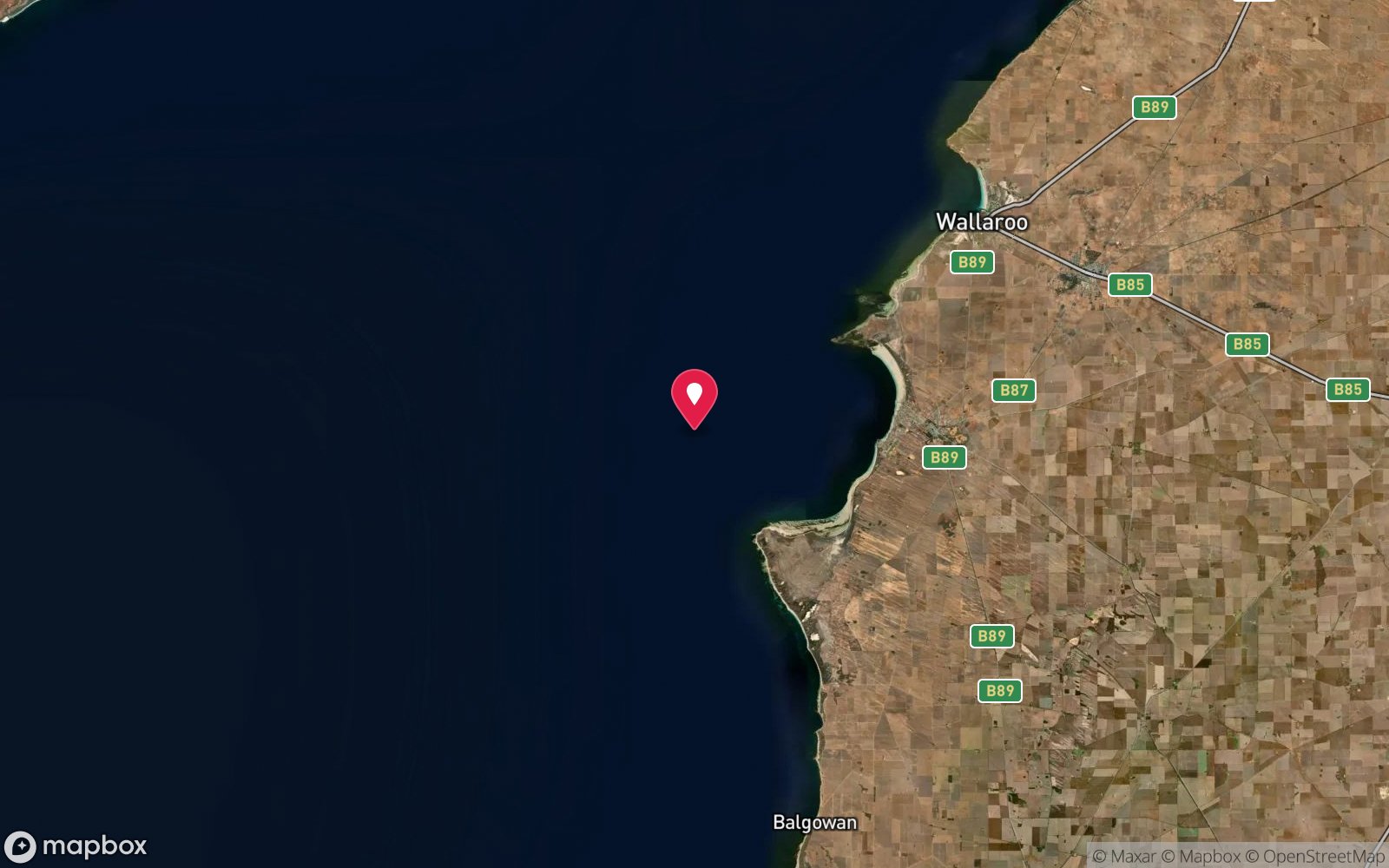
7 pinned sites. Pins marked approximate on their pages show the general area only; not for navigation.
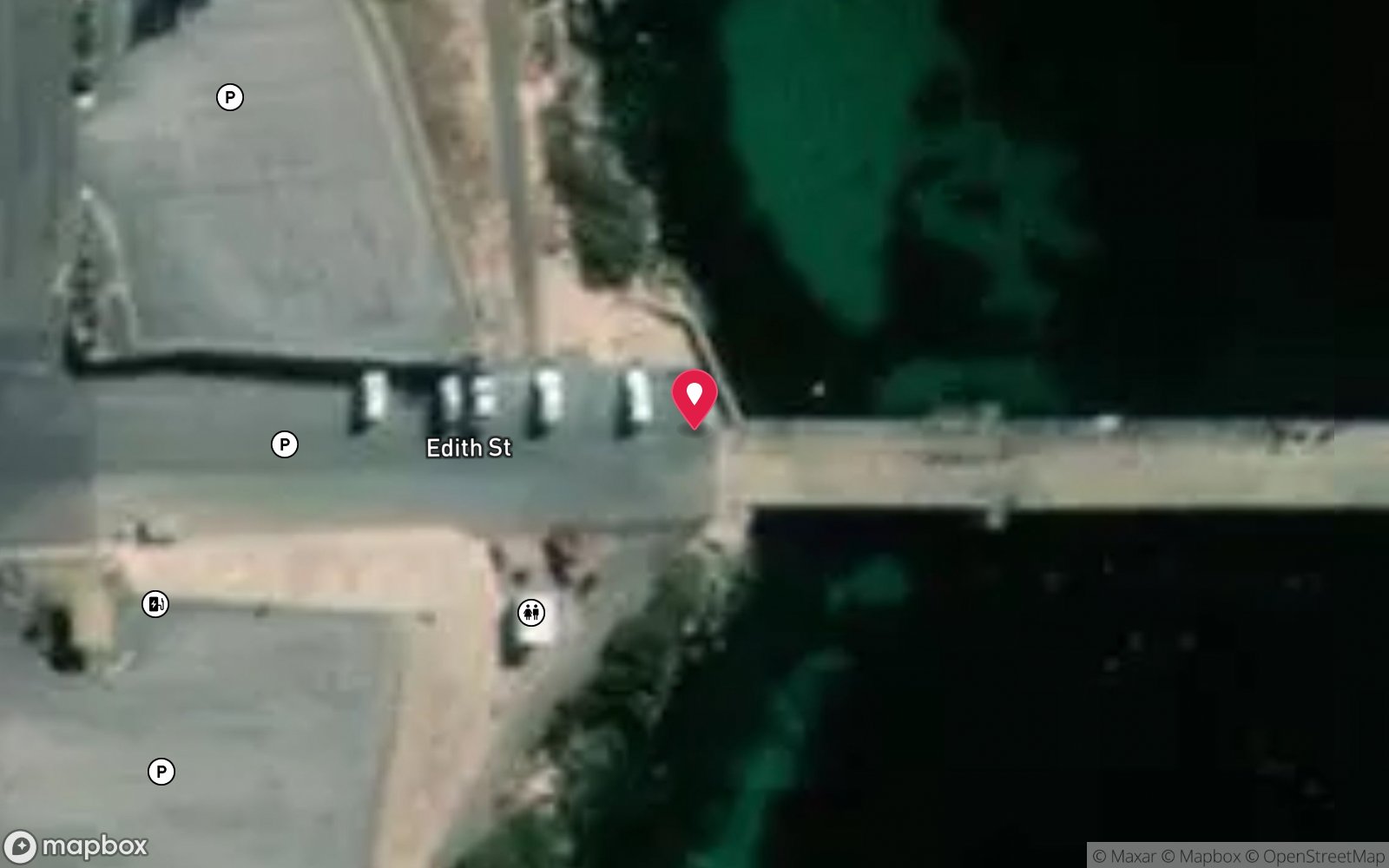
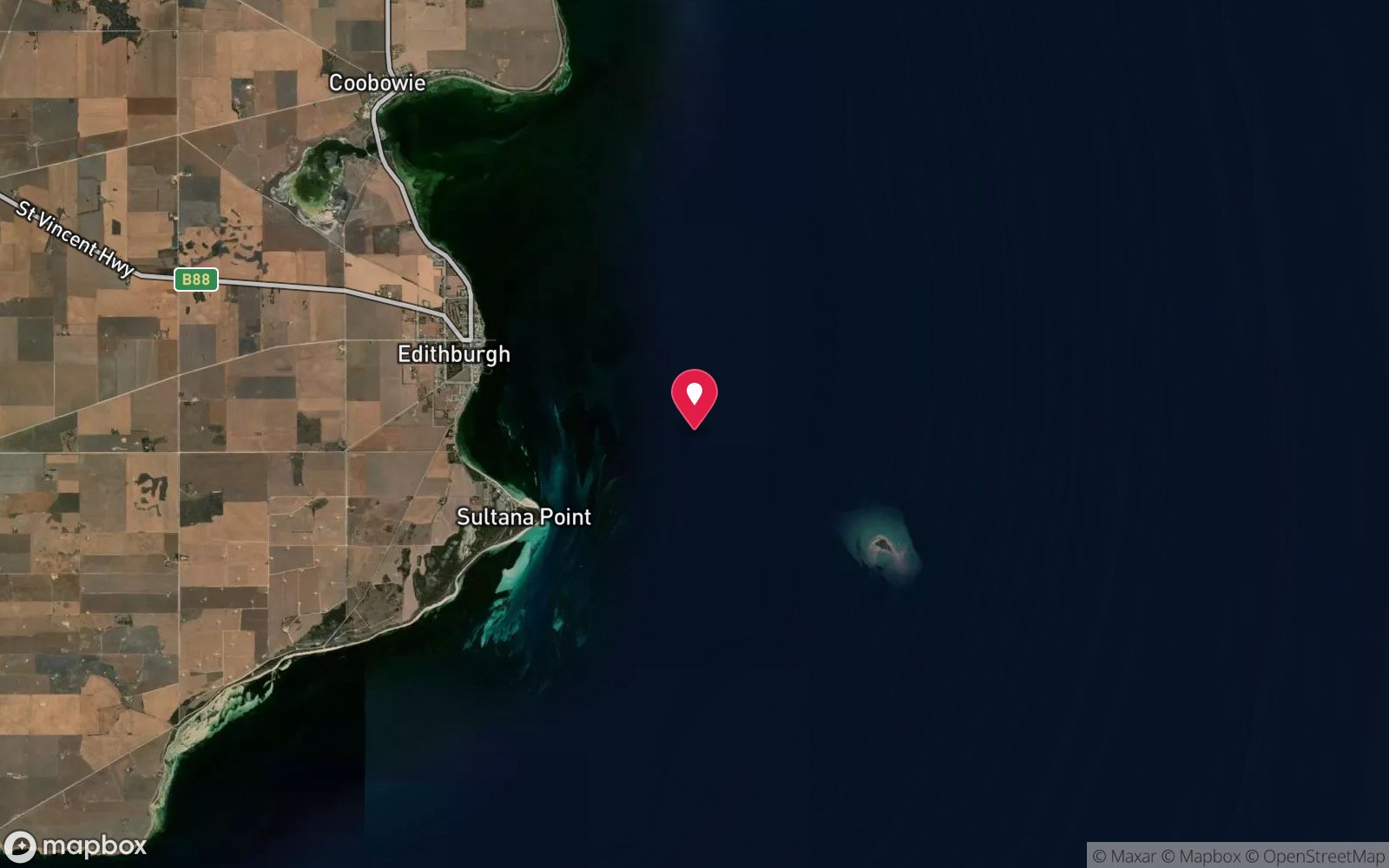
Satellite views
Troubridge Point: frequently asked questions
How deep is Troubridge Point?
Troubridge Point reaches a maximum depth of 20 m, with the shallowest part at about 5 m; most of the dive is spent around 12 m.
What certification do I need to dive Troubridge Point?
Advanced Open Water is the recommended minimum. Rated intermediate because of depth beyond 18 m, tidal current that must be timed, surge on the entry or in the shallows, boat traffic overhead, cold water.
Can I shore dive Troubridge Point?
Experienced divers do dive Troubridge Point from the shore, but the entry or conditions make it unsuitable for newer divers without local guidance. Entry: Boat dive from Edithburgh ramp (preferred, best areas are 500 m offshore); rocky shore entry below the cliffs possible only for fit, experienced divers in flat conditions.
When is the best time to dive Troubridge Point?
February-April with northerly winds; any calm spell with low southerly swell.
What marine life will I see at Troubridge Point?
Regularly recorded: Western blue groper, silver drummer, moonlighters, old wives, herring cale, trevally, magpie perch, coralfish, southern blue devils, cuttlefish, southern rock lobster, gorgonian fans and more.
What wetsuit do I need at Troubridge Point?
5-7 mm full wetsuit with hood in summer/autumn; 7 mm semi-dry or drysuit in winter.
How cold is the water at Troubridge Point?
Typically 20-24 °C in summer and 12-14 °C in winter.
What are the main hazards at Troubridge Point?
Surge and poor visibility with southerly swell; tidal current on springs; steep, rocky shore access; boat traffic; no taking of rock lobster or other species within the aquatic reserve. See the hazards section above for the full list.
Where is the nearest recompression chamber to Troubridge Point?
Royal Adelaide Hospital hyperbaric medicine unit (Adelaide). In an emergency call 000, then DAN Asia-Pacific on 1800 088 200.
Diving in Yorke Peninsula
The Yorke Peninsula is jetty country. Edithburgh, Port Hughes, Wool Bay, Stenhouse Bay and Port Victoria have some of the richest macro diving in Australia under their pylons: blue devils, pyjama squid, seahorses, tasselled anglerfish, leafy seadragons and carpets of sponges in 5–12 m. Marion Bay and Innes National Park at the southern tip add wrecks, sea lions and clearer open-coast water.
Getting there: Two to four hours west of Adelaide. All the jetties are walk-in shore dives with ladders or beach entries; Innes National Park sites need a park pass.
Sources
- marinelife.org.au/?page_id=122
- sdfsa.net/sa-dive-sites/yorke-peninsula
- thediveshack.com.au/dive-sites/local-dive-sites-yorke-peninsula
Data confidence: Medium. Last updated September 2026. Know this site better? How to send a correction
Nearby dive sites
More reef dives in South Australia
Explore more
This region
Marine life