Dive slate · divesites.com.au · printed 9 Nov 2026
Wool Bay Jetty
Yorke Peninsula, South Australia · near Stansbury
| Depth | 1–5 m |
|---|---|
| Minimum level | Open Water |
| Difficulty | Beginner |
| Access | Shore |
| Entry | Middle steps on the jetty; alternatively walk in from the beach beside the jetty |
| Current | None |
| Visibility | 3-10 m |
| Water | summer 19-23 °C, winter 12-14 °C |
| Suit | 5-7 mm full wetsuit with hood in summer/autumn; 7 mm semi-dry or drysuit in winter |
| Best season | Year-round in westerly weather; autumn for calm water; leafy seadragons resident year-round |
| Bottom time | 70 min |
| Position | -34.99454, 137.75910 (GPS) |
| Permit | Leafy seadragons are protected under the SA Fisheries Management Act – no take or harassment; no dive permit required |
| Nearest chamber | Royal Adelaide Hospital hyperbaric medicine unit (Adelaide) |
| Emergency | 000 · DAN Asia-Pacific diving emergency 1800 088 200 |
Wool Bay Jetty
Also known as Wool Bay
One of the most reliable leafy seadragon sites in South Australia, in water so shallow a single tank can last well over an hour.
Near Stansbury · Yorke Peninsula, South Australia
- Depth
- 1–5 m
- Minimum level
- Open Water
- Access
- Shore
- Boat ride
- Shore entry
- Water
- 19-23 °C
- Visibility
- 3-10 m
Wool Bay Jetty1–5 m · Open Water · Shore
Dive factsDepths, conditions, location & safety
Season
In season nowBest months: year-round.
Year-round in westerly weather; autumn for calm water; leafy seadragons resident year-round
- Best months
- Now (November)
Dive facts
- Depth
- 1–5 m
- Typical depth
- 3 m
- Certification
- Open Water
- Difficulty
- Beginner
- Depth tier
- Easy (0–10 m)
- Access
- Shore
- Dive centre needed
- No – independently diveable
- Shore / independent
- Yes
- Current
- None
- Visibility
- 3-10 m
- Water temp (summer)
- 19-23 °C
- Water temp (winter)
- 12-14 °C
- Water
- Temperate
- Bottom time
- 70 min
- Dive traffic
- Popular (weekly charters)
- Night dive
- Yes
- Snorkel friendly
- Yes
Exposure suit
5-7 mm full wetsuit with hood in summer/autumn; 7 mm semi-dry or drysuit in winter
Location
Wool Bay · Yorke Peninsula – East Coast (Gulf St Vincent)
-34.99454, 137.75910
Published GPS position.
Open in Google MapsPrimary source: sdfsa.netMarine park & permits
Leafy seadragons are protected under the SA Fisheries Management Act – no take or harassment; no dive permit required
Nearest recompression chamber
Royal Adelaide Hospital hyperbaric medicine unit (Adelaide)
Diving emergency: call 000, then DAN AP 1800 088 200.
Trip planner
Build a trip around Wool Bay Jetty →
A day-by-day plan for Yorke Peninsula with this site locked in.
This guide is a planning aid. Conditions change daily — confirm with a local dive centre and dive within your training. Data & safety notes.
Dive profile
How this site rates
Scores are computed from the recorded data, not opinions. How?
At a glance
Wool Bay Jetty is a jetty / pier shore dive you can do independently in Yorke Peninsula, SA, 1–5 m, suited to Open Water divers.
Rated beginner: sheltered, shallow and manageable for a newly certified diver on a normal day, though note cold water.
Why dive here
- One of the most reliable leafy seadragon sites in South Australia, in water so shallow a single tank can last well over an hour.
- A photographer's site: bring a macro lens or a wide-angle depending on the season.
- Commonly dived at night, when octopus, cuttlefish and crustaceans are out.
- Snorkel-friendly, so non-diving companions can join at the surface.
Conditions to avoid
- Strong southerly or south-east swell and wind
- Afternoon north-easterlies
- Strong westerlies
About Wool Bay Jetty
Wool Bay is a small, old stone-and-timber jetty that punches far above its size because of one animal: the leafy seadragon. Local visitor information calls it possibly the best spot in South Australia to see leafies, and the SDFSA describes it as home to many of them. The jetty was built in the nineteenth century to ship wool and later lime from the kilns on the cliff above, and it now stands in only 1-5 m of water over a mosaic of seagrass, brown algae and sand.
The dive is gentle and shallow. The pylons carry a modest growth of sponges and ascidians with nudibranchs, small crabs and seahorses, but the real work is done off the jetty over the weed beds on either side. Leafy seadragons blend almost perfectly with the kelp and Cystophora, so the trick is to swim slowly a metre or so above the weed and look for the steady, drifting shape that does not sway with the surge.
Pairs are commonly seen, and in late spring and summer males may be carrying eggs. Weedy seadragons are occasionally found too, along with pipefish, cowfish, globefish, stingarees and small schools of trevally and tommy ruff. Pyjama squid and octopus appear on night dives.
Because there is almost no current and the bottom is so shallow, Wool Bay is an excellent site for newer divers, snorkellers and photographers who want long bottom times, and many divers use it as a relaxed second dive after Edithburgh or Port Giles on the same day. It is not a site for big-fish action or dramatic structure. The main downside is its sensitivity to the weather: with an easterly blowing, the fine silt lifts and visibility collapses.
On a still morning with westerly winds, though, it can offer clear water, easy entries and one of the best chances anywhere of meeting South Australia's marine emblem.
Getting there & entry
Short historic jetty at Wool Bay, between Stansbury and Port Giles on the lower east coast of Yorke Peninsula, about 210 km from Adelaide; a shallow seagrass and weed site famous for leafy seadragons.
From Stansbury drive about 7 km south on the Yorke Highway (the coast road towards Edithburgh) and turn east at the Wool Bay sign; the road drops down past the lime kiln lookout to the small foreshore car park at the jetty. Park at the jetty head – the gear carry is short. Divers normally use the steps about halfway along the jetty, which give water deep enough to kit up at most tides; at low tide it is easier to wade in from the small beach beside the jetty.
From Adelaide allow 2.5 hours (about 210 km) via Ardrossan and Port Vincent. The nearest air fills are in Edithburgh (15 km south) or Stansbury.
Entry: Middle steps on the jetty; alternatively walk in from the beach beside the jetty
Facilities: Small car park at the jetty; no toilets at the jetty (nearest in Stansbury or Edithburgh); lime kiln lookout above; air fills in Edithburgh or Stansbury.
Weather, swell & tides
This coast faces Gulf St Vincent, so onshore easterly, north-easterly and south-easterly winds ruin it: 15 knots from the east stirs the fine sediment and drops visibility to a metre or two, and a strong south-easterly adds chop and surge. Westerly and south-westerly winds blow offshore and give the flattest, clearest water, best after a day or two of settled weather. There is no ocean swell inside the gulf.
Tides are modest (1-2 m, with 'dodge' tides of little movement), but shallow jetties are easier around high water. Autumn is calmest; summer south-east sea breezes build in the afternoon, so dive mornings. Wool Bay is especially shallow, so even a moderate easterly makes it unpleasant; choose a day with light westerly winds and aim for the top half of the tide.
Best season: Year-round in westerly weather; autumn for calm water; leafy seadragons resident year-round
If it's blown out
Sheltered or shore sites within 25 km that often work when Wool Bay Jetty doesn't.
- Edithburgh Jetty · 10 km · Max 9 m
- Port Giles Jetty · 3 km · Max 16 m
- Klein Point Jetty · 4 km · Max 10 m
- Coobowie Jetty · 6 km · Max 4 m
How the dive is usually run
Enter at the middle steps and fin slowly out along the pylons to the end in 3-5 m, then leave the jetty and zig-zag across the weed and seagrass on either side scanning for leafy seadragons, which drift just above the weed. Return along the jetty's other side; the depth never exceeds 5 m so a long, slow search pattern is the norm.
Marine life
- Leafy seadragons →
- weedy seadragons (occasional) →
- big-bellied seahorses →
- pipefish →
- nudibranchs →
- cowfish
- globefish
- stingarees
- pyjama squid →
- octopus →
- small crabs
- tommy ruff
- trevally
- seagrass and brown algae
Linked species have their own page listing every site where they are recorded. All marine life →
Training required
Shallow enough for snorkellers and for a first dive under supervision. Any certified diver can dive it.
Courses that help here
- Night Diver – Commonly dived at night.
- Drysuit Diver – Cold water; locals dive dry for much of the year.
Depth tiers: 0–10 m easy · to 18 m Open Water · 18–30 m Advanced (25 m+ is a deep dive) · 30–40 m Deep specialty · 40 m+ technical. All courses
Hazards & warnings
Very shallow – low tide makes entry and exit awkward; fishing line on the pylons; boats launching nearby; visibility collapses in easterly winds; do not handle or harass seadragons (protected species).
Dive centres that go here
No regular charter; visited independently and on Adelaide shop weekend trips (Diving Adelaide, The Dive Shack, Adelaide Scuba) as a second dive after Edithburgh, particularly by divers hunting leafy seadragons.
Operators recorded for Wool Bay Jetty
Adelaide Scuba
ListedGlenelg North · Adelaide Metro · SA
An Adelaide business providing training, equipment and local diving support, located near Glenelg.
adelaidescuba.com.au · (08) 8294 7744
Diving Adelaide
ListedMarleston · Adelaide Metro · SA
An Adelaide training and guided diving operation serving local sites and organised trips.
divingadelaide.com.au · (08) 8122 5003
The Dive Shack
ListedGlenelg · Adelaide Metro · SA
An Adelaide business combining retail, servicing and training for South Australian divers.
thediveshack.com.au
Map
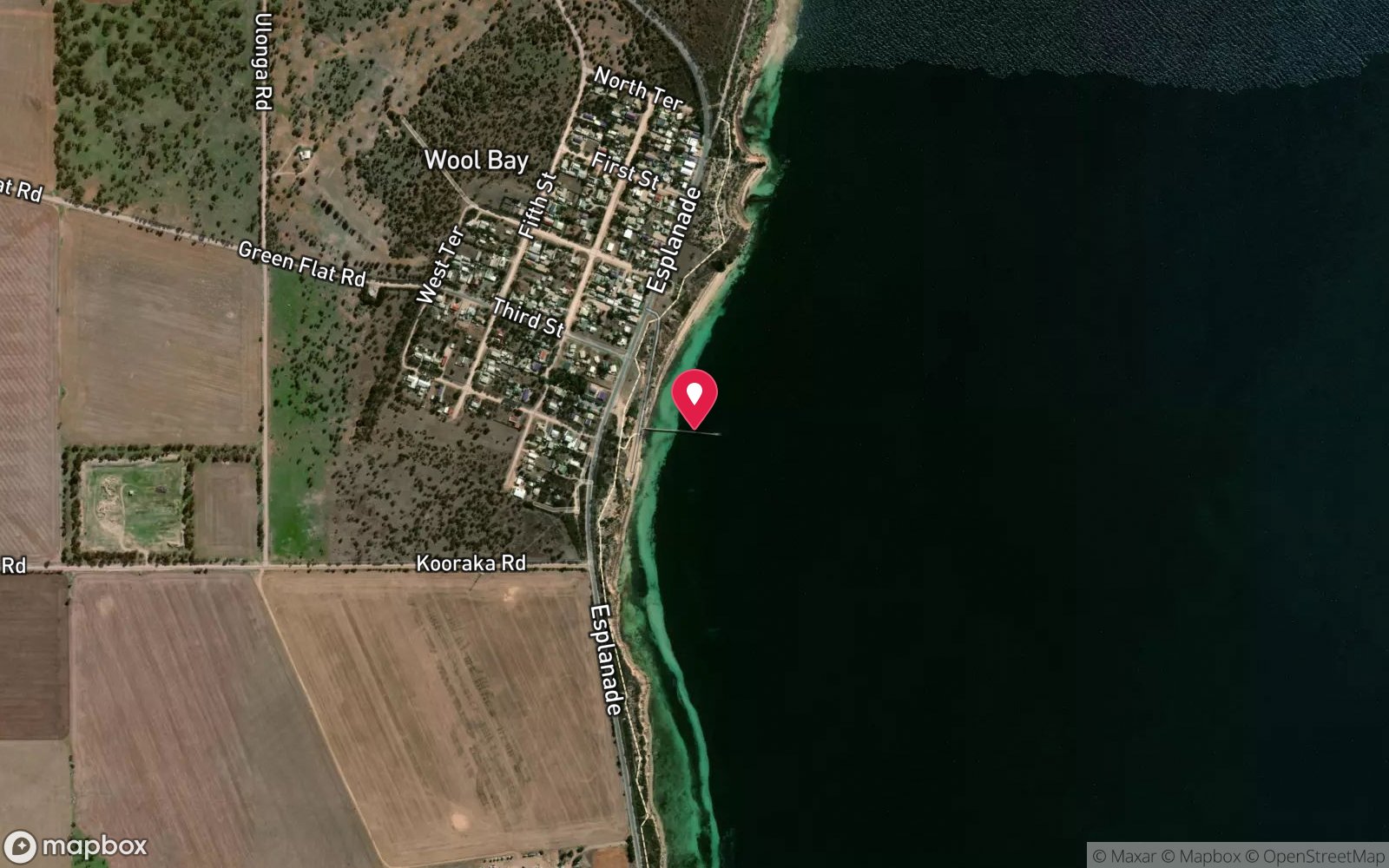
7 pinned sites. Pins marked approximate on their pages show the general area only; not for navigation.
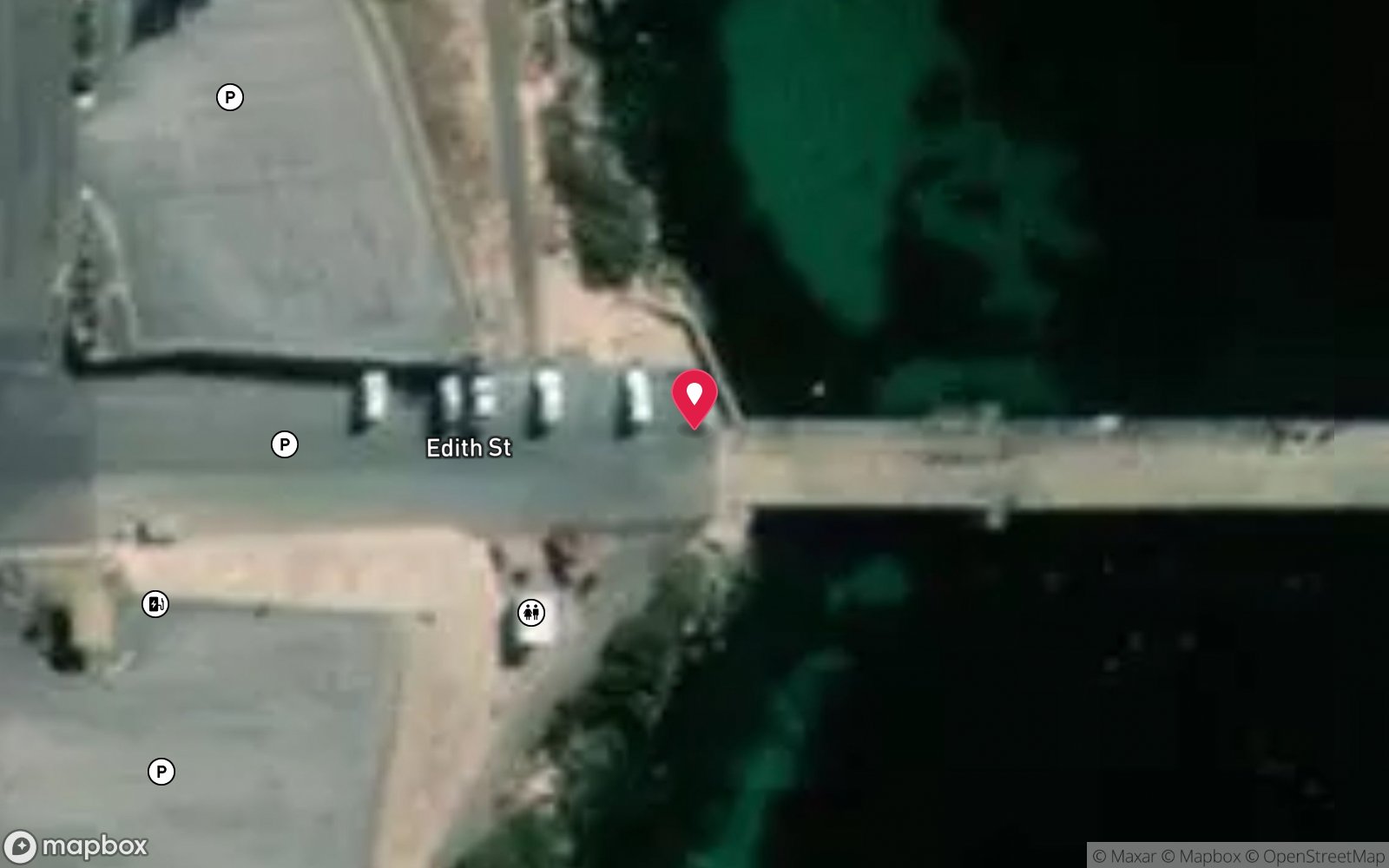
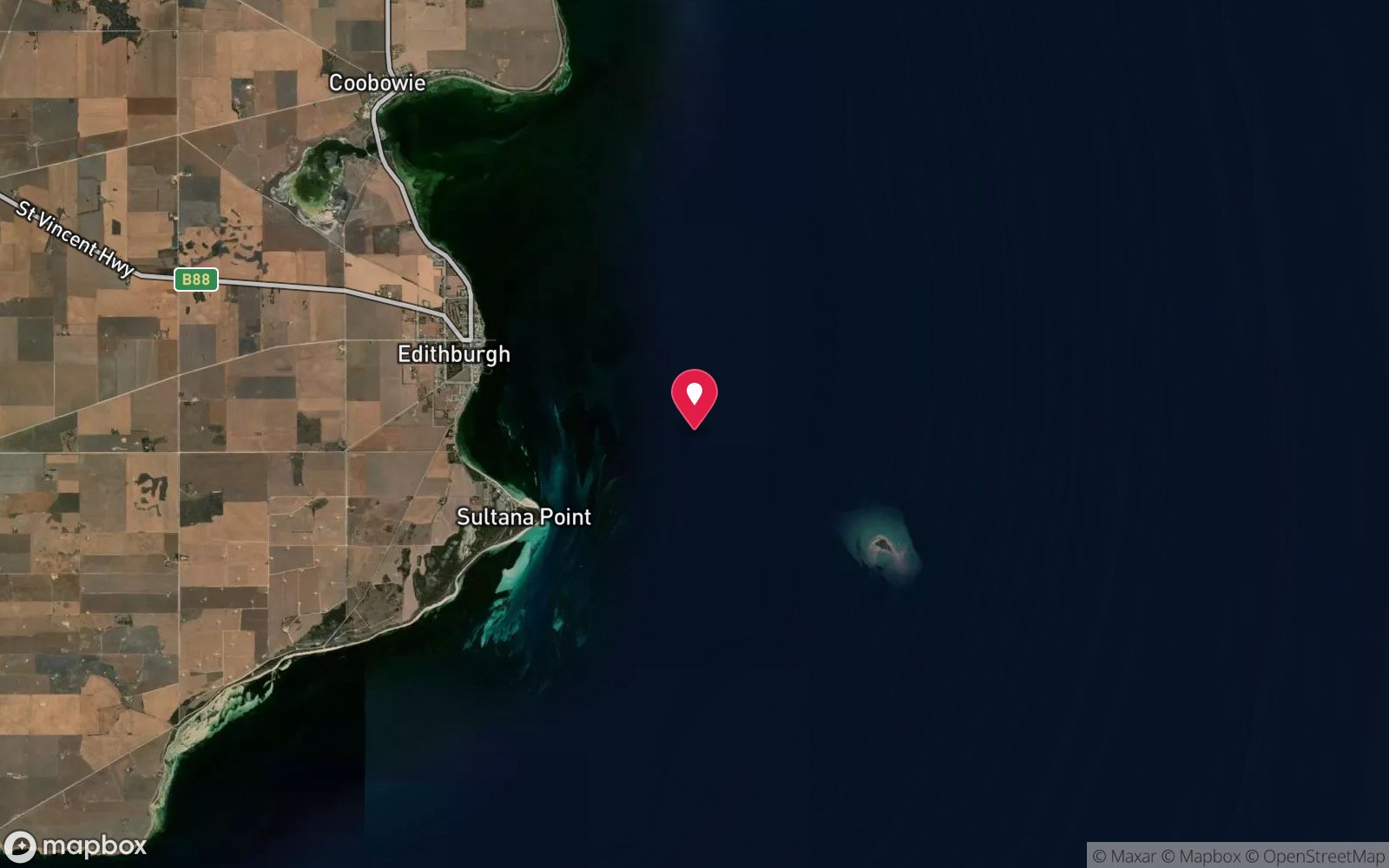
Satellite views
Wool Bay Jetty: frequently asked questions
How deep is Wool Bay Jetty?
Wool Bay Jetty reaches a maximum depth of 5 m, with the shallowest part at about 1 m; most of the dive is spent around 3 m.
What certification do I need to dive Wool Bay Jetty?
Open Water is the recommended minimum. Rated beginner: sheltered, shallow and manageable for a newly certified diver on a normal day, though note cold water.
Can I shore dive Wool Bay Jetty?
Yes. Wool Bay Jetty is a shore dive that can be done independently: middle steps on the jetty; alternatively walk in from the beach beside the jetty.
When is the best time to dive Wool Bay Jetty?
Year-round in westerly weather; autumn for calm water; leafy seadragons resident year-round.
What marine life will I see at Wool Bay Jetty?
Regularly recorded: Leafy seadragons, weedy seadragons (occasional), big-bellied seahorses, pipefish, nudibranchs, cowfish, globefish, stingarees, pyjama squid, octopus, small crabs, tommy ruff and more.
What wetsuit do I need at Wool Bay Jetty?
5-7 mm full wetsuit with hood in summer/autumn; 7 mm semi-dry or drysuit in winter.
How cold is the water at Wool Bay Jetty?
Typically 19-23 °C in summer and 12-14 °C in winter.
What are the main hazards at Wool Bay Jetty?
Very shallow – low tide makes entry and exit awkward; fishing line on the pylons; boats launching nearby; visibility collapses in easterly winds; do not handle or harass seadragons (protected species). See the hazards section above for the full list.
Can you night dive Wool Bay Jetty?
Yes, Wool Bay Jetty is commonly dived at night.
Diving in Yorke Peninsula
The Yorke Peninsula is jetty country. Edithburgh, Port Hughes, Wool Bay, Stenhouse Bay and Port Victoria have some of the richest macro diving in Australia under their pylons: blue devils, pyjama squid, seahorses, tasselled anglerfish, leafy seadragons and carpets of sponges in 5–12 m. Marion Bay and Innes National Park at the southern tip add wrecks, sea lions and clearer open-coast water.
Getting there: Two to four hours west of Adelaide. All the jetties are walk-in shore dives with ladders or beach entries; Innes National Park sites need a park pass.
Sources
- sdfsa.net/sa-dive-sites/yorke-peninsula
- thediveshack.com.au/dive-sites/local-dive-sites-yorke-peninsula
- visityorkepeninsula.com.au/places-to-dive-and-snorkel
Data confidence: Medium. Last updated September 2026. Know this site better? How to send a correction
Nearby dive sites
More shore dives in South Australia
Explore more
This region
Similar dives
Marine life