Dive slate · divesites.com.au · printed 9 Nov 2026
Port Victoria Jetty
Yorke Peninsula, South Australia · near Port Victoria
| Depth | 2–8 m |
|---|---|
| Minimum level | Open Water |
| Difficulty | Beginner |
| Access | Shore |
| Entry | Easy entry from several points – jetty steps/ladder or from the beach beside the jetty |
| Current | Mild |
| Visibility | 4-12 m |
| Water | summer 20-24 °C, winter 12-14 °C |
| Suit | 5-7 mm full wetsuit with hood in summer/autumn; 7 mm semi-dry or drysuit in winter |
| Best season | Year-round; best visibility during strong easterly winds |
| Bottom time | 60 min |
| Position | -34.49518, 137.48078 (GPS) |
| Permit | None required |
| Nearest chamber | Royal Adelaide Hospital hyperbaric medicine unit (Adelaide) |
| Emergency | 000 · DAN Asia-Pacific diving emergency 1800 088 200 |
Port Victoria Jetty
Also known as Pt Victoria Jetty
A short, pretty jetty dive in a historic windjammer port, best on easterly days, and the base for the Wardang Island wreck trail.
Near Port Victoria · Yorke Peninsula, South Australia
- Depth
- 2–8 m
- Minimum level
- Open Water
- Access
- Shore
- Boat ride
- Shore entry
- Water
- 20-24 °C
- Visibility
- 4-12 m
Port Victoria Jetty2–8 m · Open Water · Shore
Dive factsDepths, conditions, location & safety
Season
In season nowBest months: year-round.
Year-round; best visibility during strong easterly winds
- Best months
- Now (November)
Dive facts
- Depth
- 2–8 m
- Typical depth
- 5 m
- Certification
- Open Water
- Difficulty
- Beginner
- Depth tier
- Easy (0–10 m)
- Access
- Shore
- Dive centre needed
- No – independently diveable
- Shore / independent
- Yes
- Current
- Mild
- Visibility
- 4-12 m
- Water temp (summer)
- 20-24 °C
- Water temp (winter)
- 12-14 °C
- Water
- Temperate
- Bottom time
- 60 min
- Dive traffic
- Popular (weekly charters)
- Night dive
- Yes
- Snorkel friendly
- Yes
Exposure suit
5-7 mm full wetsuit with hood in summer/autumn; 7 mm semi-dry or drysuit in winter
Location
Port Victoria · Yorke Peninsula – West Coast (Spencer Gulf)
-34.49518, 137.48078
Published GPS position.
Open in Google MapsPrimary source: thediveshack.com.auMarine park & permits
None required
Nearest recompression chamber
Royal Adelaide Hospital hyperbaric medicine unit (Adelaide)
Diving emergency: call 000, then DAN AP 1800 088 200.
Trip planner
Build a trip around Port Victoria Jetty →
A day-by-day plan for Yorke Peninsula with this site locked in.
This guide is a planning aid. Conditions change daily — confirm with a local dive centre and dive within your training. Data & safety notes.
Dive profile
How this site rates
Scores are computed from the recorded data, not opinions. How?
At a glance
Port Victoria Jetty is a jetty / pier shore dive you can do independently in Yorke Peninsula, SA, 2–8 m, suited to Open Water divers.
Rated beginner: sheltered, shallow and manageable for a newly certified diver on a normal day, though note boat traffic overhead and cold water.
Why dive here
- A short, pretty jetty dive in a historic windjammer port, best on easterly days, and the base for the Wardang Island wreck trail.
- Commonly dived at night, when octopus, cuttlefish and crustaceans are out.
- Snorkel-friendly, so non-diving companions can join at the surface.
Conditions to avoid
- Strong southerly or south-east swell and wind
- Strong westerlies
About Port Victoria Jetty
Port Victoria was once one of the last great windjammer grain ports in the world: well into the 1940s, square-riggers of the Erikson fleet anchored in the lee of Wardang Island to load wheat for Europe, and the town's jetty and Maritime Museum preserve that history. The jetty itself is now a pleasant, easy shore dive that The Dive Shack rates novice to 8 m and the SDFSA describes as a very pretty dive, if a short one. The piles stand over a sandy bottom in 4-8 m and carry a colourful growth of sponges, ascidians and algae.
The Marine Life Society notes plenty of small marine life and numerous blue-ringed octopus on the sand, along with nudibranchs, crabs, gobies and cowfish. Schools of tommy ruff, garfish and yellowtail hang under the deck, southern calamari are attracted to the lights at night, and seahorses and pipefish reward careful searching. Local knowledge says it has great visibility when a strong easterly is blowing – the wind is offshore on this coast – and it is chosen when weather blows out the southern Yorke sites.
It is popular for training dives and night dives, and it is where most divers do a warm-up before running out to the Wardang Island wrecks. The jetty suits beginners, night divers and anyone basing themselves in Port Victoria for the Wardang Island Maritime Heritage Trail. With air fills available in town, it is one of the most convenient dive bases on the peninsula.
Before or after diving, the Maritime Museum in the old goods shed at the jetty head is worth an hour: it holds artefacts and photographs from the windjammer era and from several of the Wardang wrecks, and it is the best place to understand the trail before heading out to the island.
Getting there & entry
Historic grain-port jetty at Port Victoria on the west coast of Yorke Peninsula, about 190 km from Adelaide; a short, pretty shore dive in 4-8 m and the base for the Wardang Island wreck trail.
From Adelaide take Port Wakefield Road and the Yorke Highway to Maitland, then west to Port Victoria (about 190 km, 2 hours 15 minutes). The jetty is at the end of the main street on the Esplanade, next to the Maritime Museum and boat ramp. Park on the foreshore at the jetty head.
There are several entry points: the jetty steps and ladders, or a walk in from the beach alongside. Air fills are available at the Port Victoria Kiosk on the Esplanade.
Entry: Easy entry from several points – jetty steps/ladder or from the beach beside the jetty
Facilities: Foreshore parking, toilets, boat ramp, Maritime Museum, kiosk with air fills (Port Victoria Kiosk, Esplanade), pub, caravan park.
Weather, swell & tides
The west coast of Yorke Peninsula faces Spencer Gulf, so westerly, south-westerly and north-westerly winds blow onshore, raise chop and stir the sediment, while easterly winds blow offshore and give the flattest, clearest water – local advice at Port Victoria is that visibility is best when a strong easterly is blowing. The upper parts of the coast get little ocean swell, but the southern end (Corny Point, Point Turton's outer coast) and the western side of Wardang Island feel south-westerly swell that wraps into the gulf. Tides are modest but noticeable in the channels.
Summer sea breezes swing south-westerly in the afternoon, so mornings are best. Port Victoria is often chosen when weather blows out the southern Yorke sites, since it is protected from southerly swell.
Best season: Year-round; best visibility during strong easterly winds
If it's blown out
Sheltered or shore sites within 25 km that often work when Port Victoria Jetty doesn't.
- Moorara Wreck · 9 km · Max 4 m
- Songvaar Wreck · 9 km · Max 10 m
- SS MacIntyre Wreck · 11 km · Max 10 m
- SS Australian Wreck · 12 km · Max 12 m
How the dive is usually run
Enter from the steps, swim out along one side of the jetty to the end at 6-8 m, search the sandy bottom and piles for blue-ringed octopus and small life, and return on the other side.
Marine life
- Blue-ringed octopus (numerous) →
- nudibranchs →
- crabs
- gobies
- cowfish
- seahorses →
- pipefish →
- tommy ruff
- garfish
- yellowtail scad
- southern calamari
- sponges and ascidians
Linked species have their own page listing every site where they are recorded. All marine life →
Training required
Shallow enough for snorkellers and for a first dive under supervision. Any certified diver can dive it.
Courses that help here
- Night Diver – Commonly dived at night.
- Drysuit Diver – Cold water; locals dive dry for much of the year.
Depth tiers: 0–10 m easy · to 18 m Open Water · 18–30 m Advanced (25 m+ is a deep dive) · 30–40 m Deep specialty · 40 m+ technical. All courses
Hazards & warnings
Blue-ringed octopus common on the sand – never handle; fishing line and hooks; boat traffic from the adjacent ramp; westerly winds reduce visibility.
Dive centres that go here
No resident dive operator; used for training and night dives by Adelaide shops and clubs on Wardang Island trips, and by independent divers.
Other dive centres in Yorke Peninsula
Adelaide Scuba
ListedGlenelg North · Adelaide Metro · SA
An Adelaide business providing training, equipment and local diving support, located near Glenelg.
adelaidescuba.com.au · (08) 8294 7744
Diving Adelaide
ListedMarleston · Adelaide Metro · SA
An Adelaide training and guided diving operation serving local sites and organised trips.
divingadelaide.com.au · (08) 8122 5003
The Dive Shack
ListedGlenelg · Adelaide Metro · SA
An Adelaide business combining retail, servicing and training for South Australian divers.
thediveshack.com.au
All dive centres in South Australia →
Operators mentioned: Adelaide shops (The Dive Shack, Diving Adelaide) on trips; air at Port Victoria Kiosk
Map
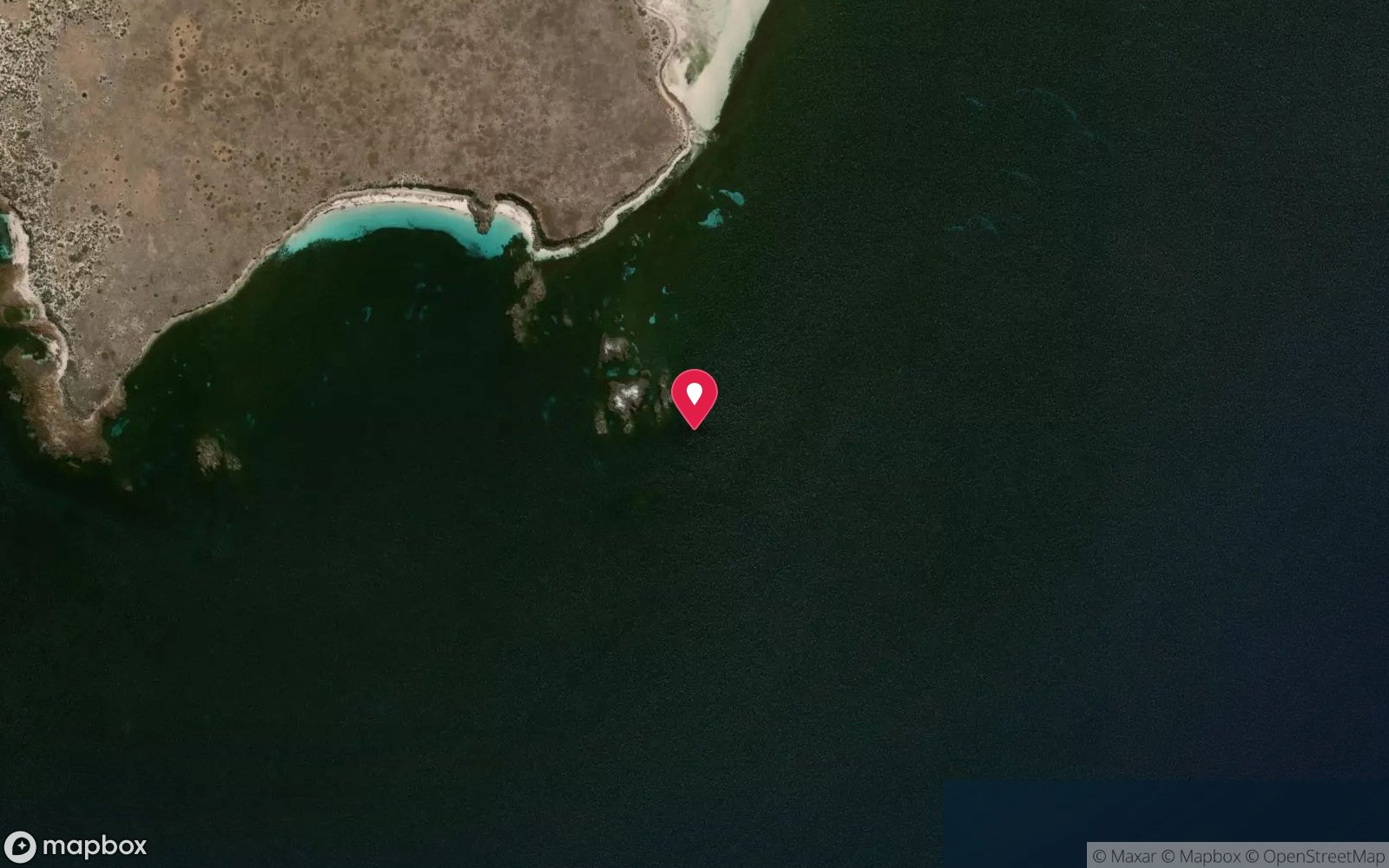
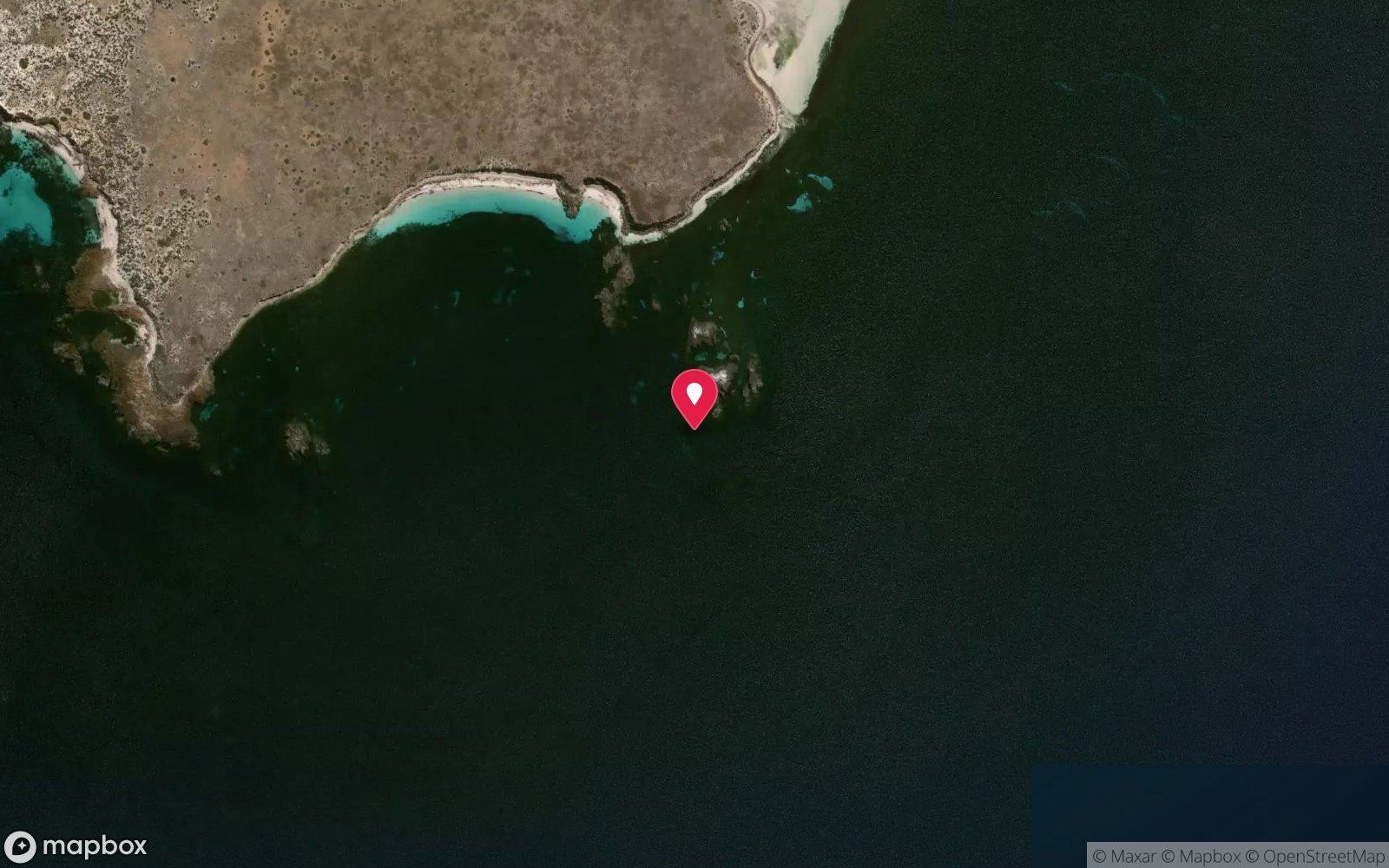
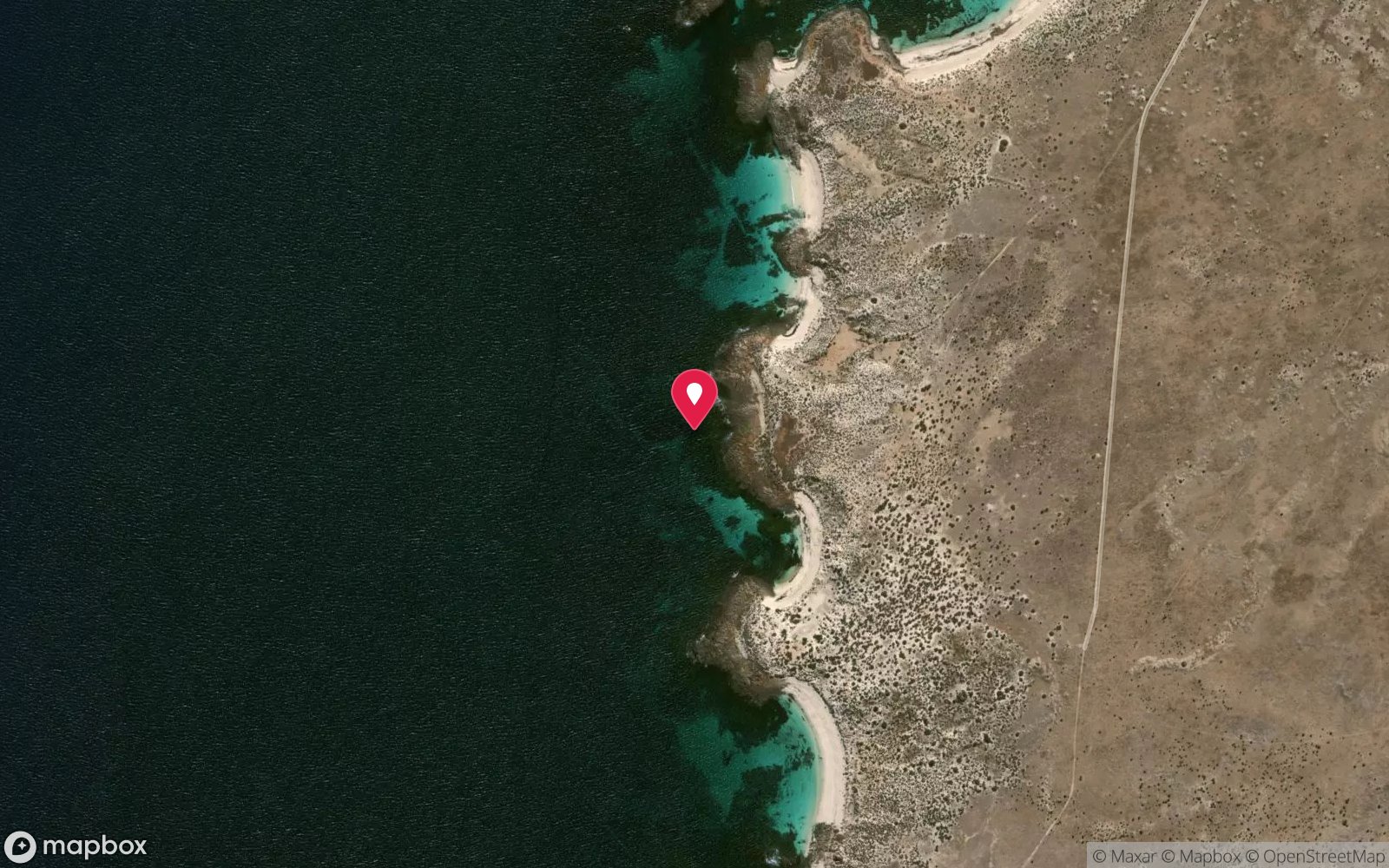
7 pinned sites. Pins marked approximate on their pages show the general area only; not for navigation.
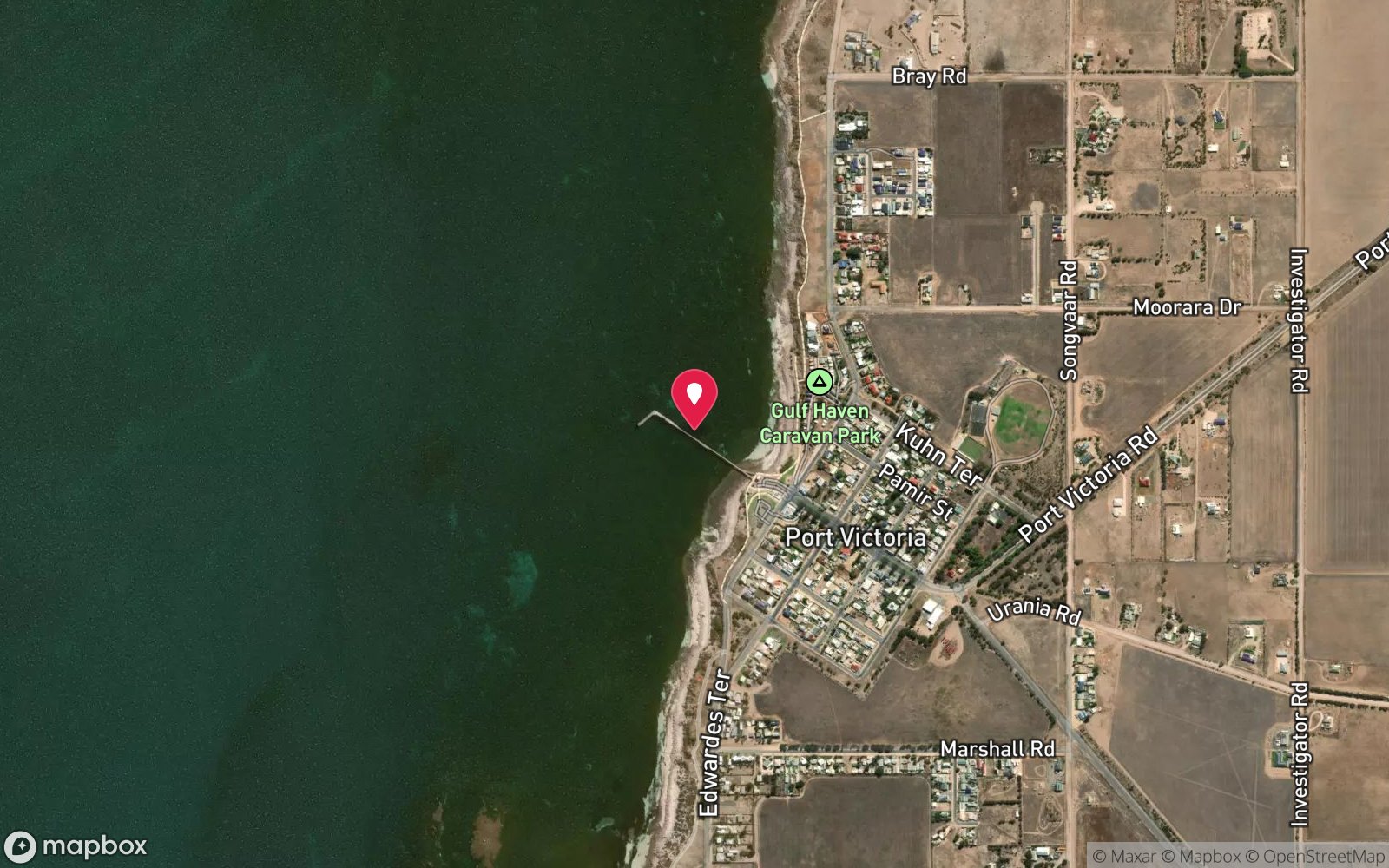
Satellite views
Port Victoria Jetty: frequently asked questions
How deep is Port Victoria Jetty?
Port Victoria Jetty reaches a maximum depth of 8 m, with the shallowest part at about 2 m; most of the dive is spent around 5 m.
What certification do I need to dive Port Victoria Jetty?
Open Water is the recommended minimum. Rated beginner: sheltered, shallow and manageable for a newly certified diver on a normal day, though note boat traffic overhead and cold water.
Can I shore dive Port Victoria Jetty?
Yes. Port Victoria Jetty is a shore dive that can be done independently: easy entry from several points – jetty steps/ladder or from the beach beside the jetty.
When is the best time to dive Port Victoria Jetty?
Year-round; best visibility during strong easterly winds.
What marine life will I see at Port Victoria Jetty?
Regularly recorded: Blue-ringed octopus (numerous), nudibranchs, crabs, gobies, cowfish, seahorses, pipefish, tommy ruff, garfish, yellowtail scad, southern calamari, sponges and ascidians.
What wetsuit do I need at Port Victoria Jetty?
5-7 mm full wetsuit with hood in summer/autumn; 7 mm semi-dry or drysuit in winter.
How cold is the water at Port Victoria Jetty?
Typically 20-24 °C in summer and 12-14 °C in winter.
What are the main hazards at Port Victoria Jetty?
Blue-ringed octopus common on the sand – never handle; fishing line and hooks; boat traffic from the adjacent ramp; westerly winds reduce visibility. See the hazards section above for the full list.
Can you night dive Port Victoria Jetty?
Yes, Port Victoria Jetty is commonly dived at night.
Diving in Yorke Peninsula
The Yorke Peninsula is jetty country. Edithburgh, Port Hughes, Wool Bay, Stenhouse Bay and Port Victoria have some of the richest macro diving in Australia under their pylons: blue devils, pyjama squid, seahorses, tasselled anglerfish, leafy seadragons and carpets of sponges in 5–12 m. Marion Bay and Innes National Park at the southern tip add wrecks, sea lions and clearer open-coast water.
Getting there: Two to four hours west of Adelaide. All the jetties are walk-in shore dives with ladders or beach entries; Innes National Park sites need a park pass.
Sources
Nearby dive sites
More shore dives in South Australia
Explore more
This region
Similar dives
Marine life