Weedy seadragon in South Australia
Victoria's marine emblem, a 45 cm relative of the seahorse found along kelp edges from Port Stephens to Geraldton.
Phyllopteryx taeniolatus
The weedy seadragon is found only in southern Australian waters, from Port Stephens in NSW around the south coast to Geraldton in WA, and it is one of the animals visiting divers most want to see. Up to 45 cm long, red and yellow with purple bars and leaf-like appendages, it drifts along the edges of kelp and seagrass in 3–25 m, usually within a metre of the bottom, and is far easier to find than its camouflage suggests once you know the habitat.
Males carry the eggs on the underside of the tail from late winter through summer, and pairs can be seen courting at dusk in spring. They are protected in every state and should not be touched or herded for photographs; flash is not thought to harm them but persistent chasing moves them off their home reef.
Field notes
How to find weedy seadragon on the dive
- Depth
- 3–15 m, most often 5–10 m.
- Habitat
- The sand edge where kelp or seagrass meets open sand, especially beside piers, breakwaters and reef flats in NSW, Victoria and Tasmania. They do not hide in the kelp; they hang just off it.
- The tell
- Stop and scan the fringe at a metre's range. A drifting piece of weed that is symmetrical, has a snout and moves against the surge is a seadragon. Once you have found one you will see three; your eyes need the first to learn the shape. Males carry pink eggs on the underside of the tail from spring to early summer.
- Behaviour
- Slow, deliberate, almost always alone or in pairs, feeding on mysid shrimp with a quick snap. They will let you approach to arm's length and then turn away. Each animal has a unique spot pattern and many sites have named residents.
- Etiquette
- Never touch or herd them into open water for a photo: a seadragon out of the weed is exposed. Keep fins up off the sand, hold position with your breathing, and leave when it turns its back. They are protected in every state.
- Photographing them
- Macro or a mid-range lens, side-on with the snout in focus; wait for the animal to swim into the frame rather than chasing it.
Season heat map
When weedy seadragon sites are in season
Share of the 15 weedy seadragon sites in South Australia with a stated best season that includes each month.
Stated season: Year-round; egg-carrying males from August to February.
Weedy seadragon sites in South Australia17 sites
Ordered by how regularly the site is dived and how well it is documented. The species is listed in each site's recorded marine life; sightings are never guaranteed.
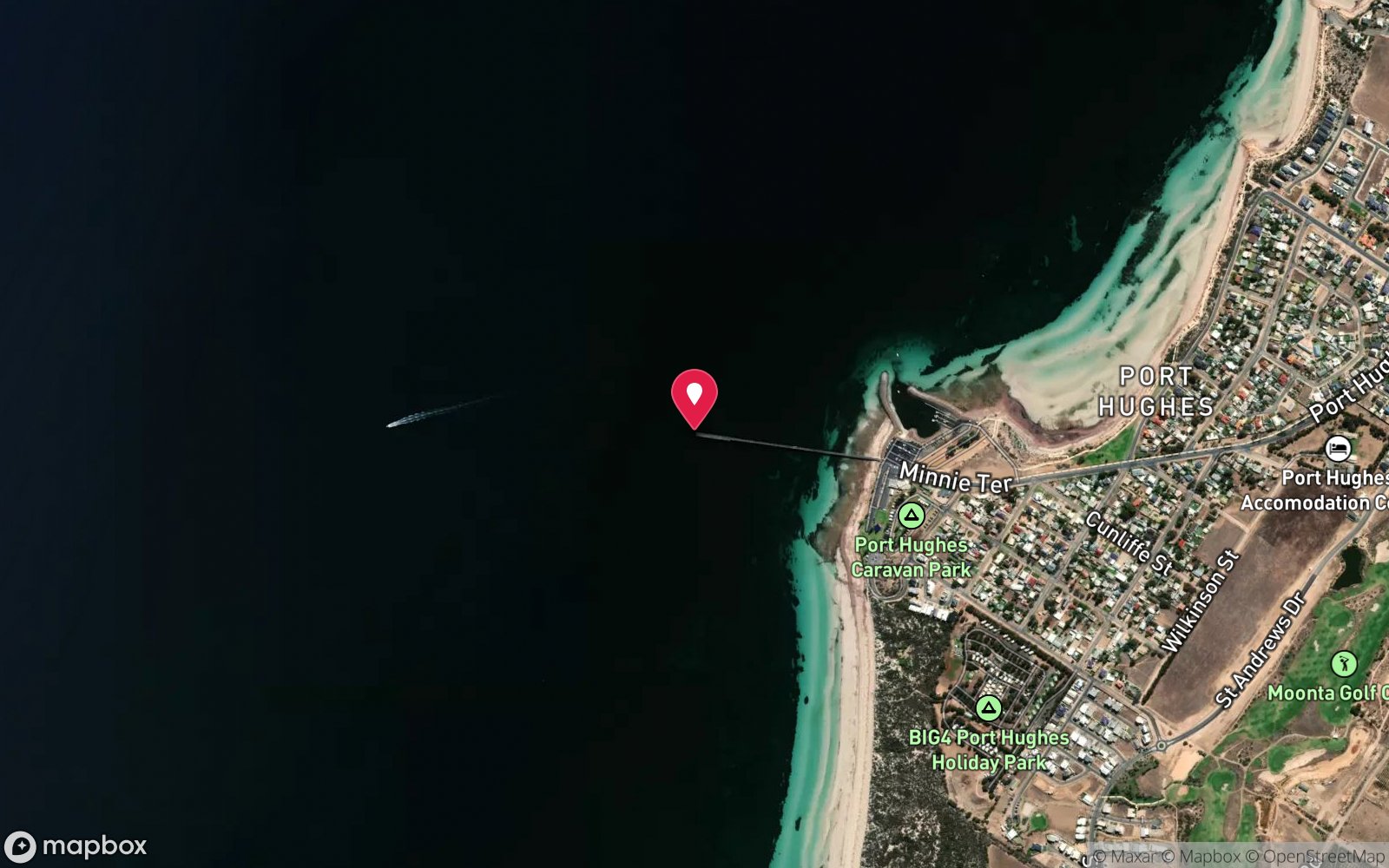
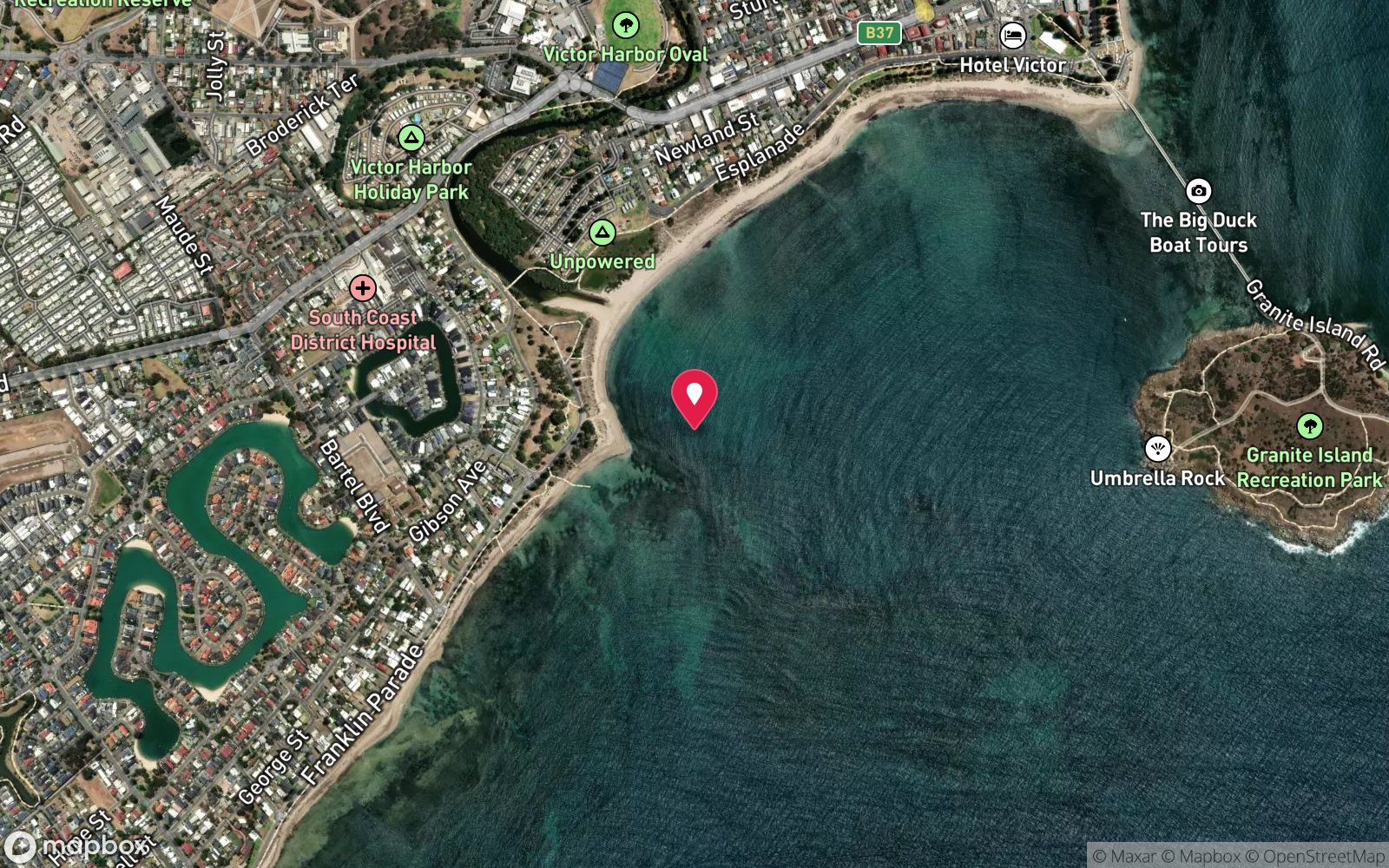
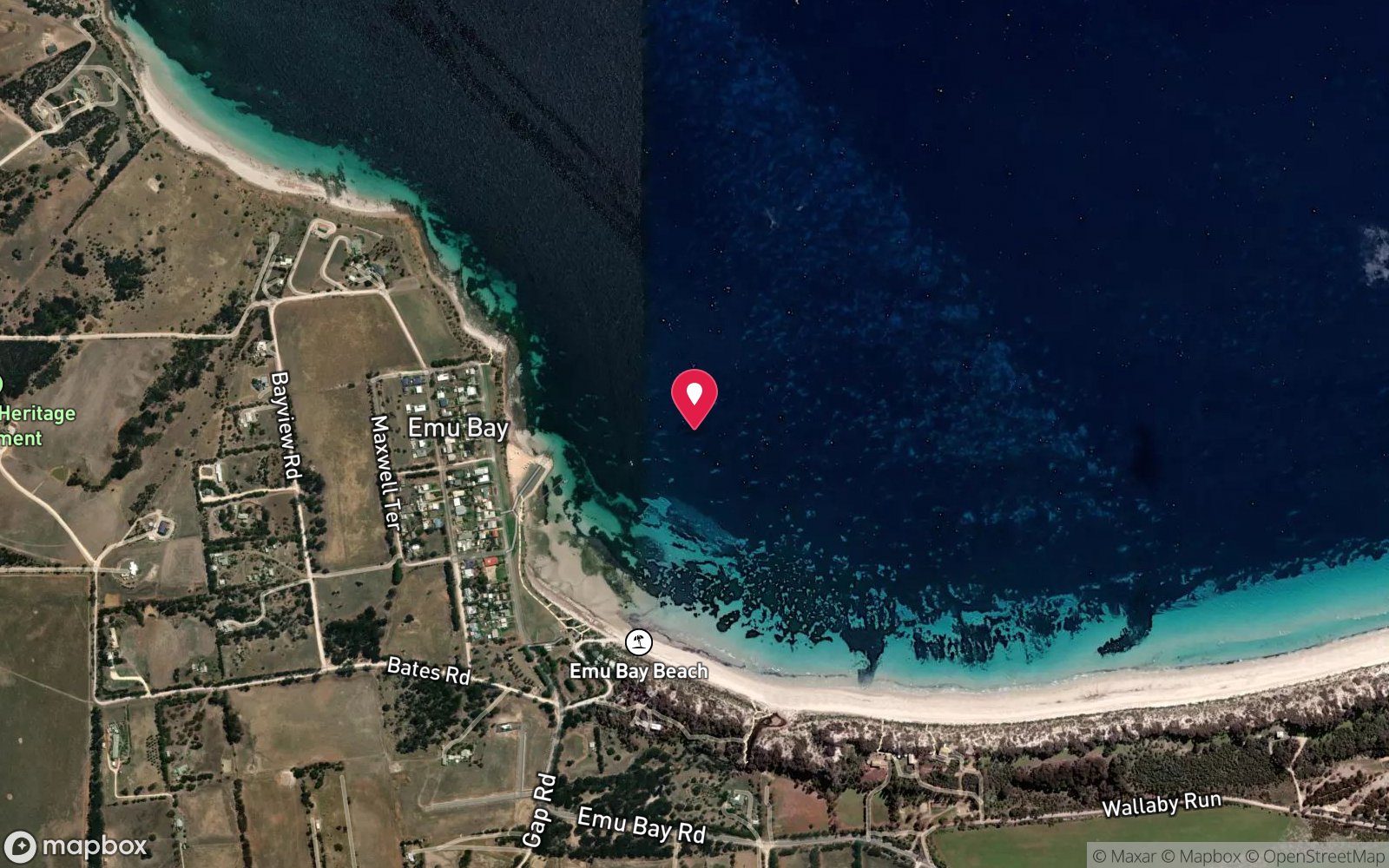
All other sites recording weedy seadragon
- Old Rapid Bay Jetty · Max 12 m · Fleurieu Peninsula & Victor Harbor
- Black's Reef (Encounter Bay) · Max 14 m · Fleurieu Peninsula & Victor Harbor
- Grange Tyre Reef · Max 18 m · Adelaide Metro
- Kangaroo Head · Max 12 m · Kangaroo Island
- Normanville Jetty & Seagrass · Max 5 m · Fleurieu Peninsula & Victor Harbor
- Stinky Bay (Nora Creina) · Max 8 m · Limestone Coast
- The Blowhole (Deep Creek) · Max 12 m · Fleurieu Peninsula & Victor Harbor
- Kingscote – Fanny M Wreck and Nepean Bay Reef · Max 7 m · Kangaroo Island
Frequently asked questions
How do I find weedy seadragon on a dive?
The sand edge where kelp or seagrass meets open sand, especially beside piers, breakwaters and reef flats in NSW, Victoria and Tasmania. They do not hide in the kelp; they hang just off it. Stop and scan the fringe at a metre's range. A drifting piece of weed that is symmetrical, has a snout and moves against the surge is a seadragon. Once you have found one you will see three; your eyes need the first to learn the shape. Males carry pink eggs on the underside of the tail from spring to early summer.
Where is the best place to see weedy seadragon in Australia?
Flinders Pier, Blairgowrie and Portsea piers (Victoria), the Steps and Bare Island at Kurnell (Sydney), Tinderbox (Hobart), Second Valley (SA), and dozens of temperate shore sites.
When is the best time to see weedy seadragon?
Year-round; egg-carrying males from August to February.
How should I approach weedy seadragon?
Look at the kelp edge on the sand, not in the kelp. Move slowly; they hold position when approached calmly.