Leafy seadragon
South Australia's marine emblem and one of the most sought-after fish in the world, most reliably seen at Rapid Bay.
Phycodurus eques
The leafy seadragon is the weedy's more elaborate cousin, covered in leaf-shaped lobes that make it almost indistinguishable from drifting kelp. It lives in a narrower band, from Kangaroo Island and the Fleurieu Peninsula in South Australia west to about Jurien Bay in WA, and is found in 4–30 m over seagrass, kelp and sand near jetties and rocky points. Around 30 cm long and slow-moving, it is a photographer's grail and a genuinely difficult find without local knowledge.
Field notes
How to find leafy seadragon on the dive
- Depth
- 3–15 m.
- Habitat
- Seagrass meadows and kelp-fringed reef along South Australia's gulfs and the Fleurieu, Yorke and Eyre peninsulas, and Western Australia's south-west; the shallow beds beside jetties such as Rapid Bay, Wool Bay and Edithburgh.
- The tell
- Harder than the weedy: the leaf-like appendages are perfect camouflage. Scan the seagrass edges at 2–4 m for a golden-brown 'weed' that is too regular, with a long snout and a tiny fanning fin on the back. They often hang head-down. The guide at a jetty usually knows where this season's residents are.
- Behaviour
- Solitary, slow and site-faithful; the same animal is found on the same patch for months. Males brood eggs on the tail from October. They drift with the surge and right themselves, which is often the movement that gives them away.
- Etiquette
- No touching, no moving weed aside, no flash at close range, one diver at a time on an animal. They are South Australia's marine emblem and fully protected.
- Photographing them
- Macro or 60 mm, natural light where possible; the leaf detail is the shot.
Season heat map
When leafy seadragon sites are in season
Share of the 25 leafy seadragon sites with a stated best season that includes each month.
Stated season: Year-round; males carry eggs from October to March.
Best sites for leafy seadragon28 sites
Ordered by how regularly the site is dived and how well it is documented. The species is listed in each site's recorded marine life; sightings are never guaranteed.
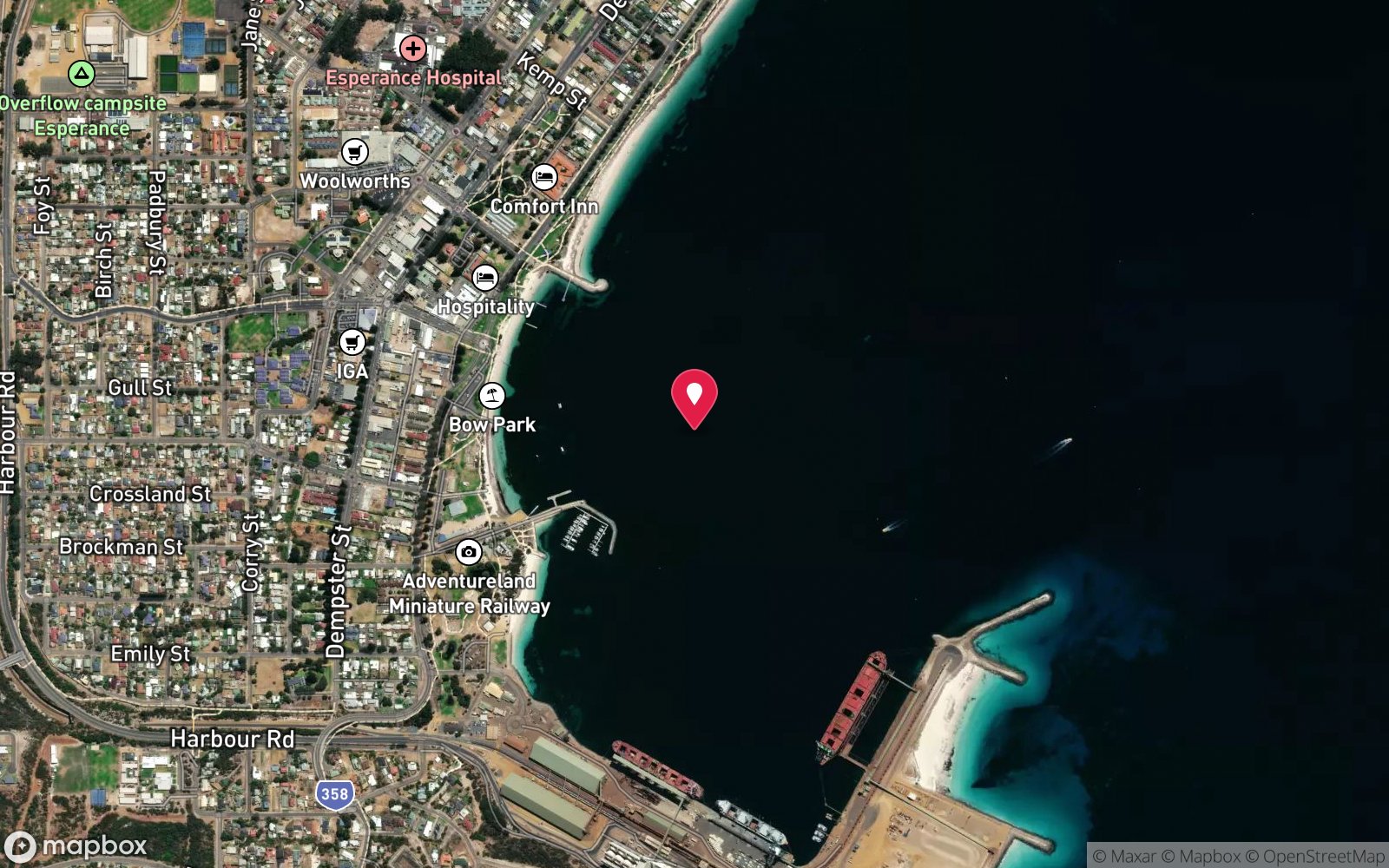
All other sites recording leafy seadragon
- Second Valley Jetty · Max 5 m · Fleurieu Peninsula & Victor Harbor
- Wool Bay Jetty · Max 5 m · Yorke Peninsula
- Tanker Jetty Artificial Reef ('The Island') · Max 9 m · Esperance & Recherche Archipelago
- Lasseter's Reef · Max 8 m · Fleurieu Peninsula & Victor Harbor
- Seacliff Reef · Max 15 m · Adelaide Metro
- Stenhouse Bay Jetty · Max 10 m · Yorke Peninsula
- Tumby Bay Jetty · Max 5 m · Whyalla & Upper Spencer Gulf
- Rapid Head · Max 12 m · Fleurieu Peninsula & Victor Harbor
- Cape Jaffa – Margaret Brock Reef · Max 12 m · Limestone Coast
- Kangaroo Head · Max 12 m · Kangaroo Island
- Port Giles Jetty · Max 16 m · Yorke Peninsula
- Wedge Island · Max 50 m · Yorke Peninsula
- Two Peoples Bay · Max 15 m · Albany & Great Southern
- Beachport – Post Office Rock · Max 6 m · Limestone Coast
- Oliver's Reef · Max 20 m · Fleurieu Peninsula & Victor Harbor
- Wedge Island – West Bay · Max 25 m · Yorke Peninsula
- Bremer Bay – Fishery Beach & Glasse Island · Max 20 m · Albany & Great Southern
- Fish Eyes (Black Point, Bremer Bay) · Max 16 m · Albany & Great Southern
- Lapwing Wreck (Long Island) · Max 32 m · Esperance & Recherche Archipelago
Frequently asked questions
How do I find leafy seadragon on a dive?
Seagrass meadows and kelp-fringed reef along South Australia's gulfs and the Fleurieu, Yorke and Eyre peninsulas, and Western Australia's south-west; the shallow beds beside jetties such as Rapid Bay, Wool Bay and Edithburgh. Harder than the weedy: the leaf-like appendages are perfect camouflage. Scan the seagrass edges at 2–4 m for a golden-brown 'weed' that is too regular, with a long snout and a tiny fanning fin on the back. They often hang head-down. The guide at a jetty usually knows where this season's residents are.
Where is the best place to see leafy seadragon in Australia?
Rapid Bay Jetty is the most reliable site anywhere. Second Valley, Victor Harbor's Bluff, Edithburgh, Wool Bay and Port Noarlunga in SA; Bremer Bay, Albany and Esperance in WA.
When is the best time to see leafy seadragon?
Year-round; males carry eggs from October to March.
How should I approach leafy seadragon?
Scan the edges where kelp meets sand at Rapid Bay's old jetty T-section. Ask the local shop where they were seen last week.