Dive slate · divesites.com.au · printed 8 Nov 2026
Tipara Reef and San Miguel Wreck
Yorke Peninsula, South Australia · near Moonta / Port Hughes
| Depth | 1–9 m |
|---|---|
| Minimum level | Open Water |
| Difficulty | Intermediate |
| Access | Boat |
| Entry | Back-roll from a boat anchored on sand off the reef edge |
| Current | Variable/Tidal |
| Visibility | 5-15 m |
| Water | summer 20-24 °C, winter 12-14 °C |
| Suit | 5-7 mm full wetsuit with hood in summer/autumn; 7 mm semi-dry or drysuit in winter |
| Best season | Calm summer and autumn days |
| Bottom time | 50 min |
| Position | -34.07000, 137.40000 (approximate) |
| Permit | Protected historic shipwreck (San Miguel) |
| Nearest chamber | Royal Adelaide Hospital hyperbaric medicine unit (Adelaide) |
| Emergency | 000 · DAN Asia-Pacific diving emergency 1800 088 200 |
Tipara Reef and San Miguel Wreck
Also known as Tipara Reef, San Miguel
A barely submerged reef 14 km off Moonta with the 1865 San Miguel wreck – a time capsule of copper-mining cargo and fittings in 2-5 m.
Near Moonta / Port Hughes · Yorke Peninsula, South Australia
- Depth
- 1–9 m
- Minimum level
- Open Water
- Access
- Boat
- Boat ride
- ~30 min
- Water
- 20-24 °C
- Visibility
- 5-15 m
Tipara Reef and San Miguel Wreck1–9 m · Open Water
Dive factsDepths, conditions, location & safety
Season
Off-peak nowBest months: January, February, March, April, May, December.
Dive facts
- Depth
- 1–9 m
- Typical depth
- 6 m
- Certification
- Open Water
- Difficulty
- Intermediate
- Depth tier
- Easy (0–10 m)
- Access
- Boat
- Offshore
- 14 km
- Dive centre needed
- Recommended
- Shore / independent
- No
- Boat ride
- ~30 min
- Current
- Variable/Tidal
- Visibility
- 5-15 m
- Water temp (summer)
- 20-24 °C
- Water temp (winter)
- 12-14 °C
- Water
- Temperate
- Bottom time
- 50 min
- Dive traffic
- Rarely dived (private boat/club only)
- Night dive
- No
- Snorkel friendly
- Partial
Exposure suit
5-7 mm full wetsuit with hood in summer/autumn; 7 mm semi-dry or drysuit in winter
Location
Tipara Reef · Yorke Peninsula – Copper Coast (Spencer Gulf)
-34.07000, 137.40000
Approximate position — not for navigation.
Open in Google MapsPrimary source: marinelife.org.auMarine park & permits
Protected historic shipwreck (San Miguel)
Nearest recompression chamber
Royal Adelaide Hospital hyperbaric medicine unit (Adelaide)
Diving emergency: call 000, then DAN AP 1800 088 200.
Trip planner
Build a trip around Tipara Reef and San Miguel Wreck →
A day-by-day plan for Yorke Peninsula with this site locked in.
This guide is a planning aid. Conditions change daily — confirm with a local dive centre and dive within your training. Data & safety notes.
Dive profile
How this site rates
Scores are computed from the recorded data, not opinions. How?
At a glance
Tipara Reef and San Miguel Wreck is a reef boat dive in Yorke Peninsula, SA, 1–9 m, suited to Open Water divers, variable/tidal current, about 30 minutes by boat.
Rated intermediate because of tidal current that must be timed, cold water.
Why dive here
- A barely submerged reef 14 km off Moonta with the 1865 San Miguel wreck – a time capsule of copper-mining cargo and fittings in 2-5 m.
- Sunk in 1865 (Iron barque San Miguel, 535 tons); protected as underwater cultural heritage, so look but do not touch.
- Rarely dived: expect to have the site to yourself, and plan your own logistics.
About Tipara Reef and San Miguel Wreck
Tipara Reef is a shallow offshore reef about 14 km out from Moonta, so close to the surface that some rock patches are exposed at low tide. It was a serious hazard to shipping bound for the copper ports of Wallaroo and Moonta, and a lightship and later, in 1877, a lighthouse were placed on it. The light has since been dismantled, and its remains serve as a cormorant roost.
The Marine Life Society describes a reef lying just 1 m below the surface with edges at 8-9 m. The ocean side has abundant trevally, old wives, sweep, eagle rays, blue devils and mullet, with sponges and algae on the rock. The reef's best-known feature is the wreck of the San Miguel, an iron barque of 535 tons that was heading to Wallaroo in 1865 to load ore.
Her captain mistook the lightship marking the centre of the reef for its southern boundary and ran onto it; she broke up after a seven-day storm. Her cargo – 959 bags of copper, stores, bricks, hay and mining materials – was lost. The Society calls the site a time capsule of the mining era: cabin fittings and bottles are strewn around the wreckage in 2-5 m, about 400 m south-west of the old light.
Tipara is rarely dived because it requires a boat, calm weather and local knowledge. For divers interested in the Copper Coast's mining history, the San Miguel is a fascinating site. Everything on it is protected – look and photograph, but never remove artefacts.
Wreck details
Iron barque San Miguel, 535 tons · Sunk 1865 · Protected historic shipwreck
Era: colonial sail and steam. Oldest wrecks · Wartime wrecks · Scuttled warships
Other wrecks of the same era
- Zanoni Wreck · Max 18 m · Yorke Peninsula
- SS Marion Wreck · Max 12 m · Yorke Peninsula
- Fides Wreck · Max 10 m · Kangaroo Island
- Admella Wreck (Carpenter Reef) · Max 8 m · Limestone Coast
- Geltwood Wreck · Depth not published · Limestone Coast
- Osmanli Wreck (D'Estrees Bay) · Max 5 m · Kangaroo Island
Getting there & entry
Offshore reef about 14 km out to sea from Moonta in Spencer Gulf, lying just 1 m below the surface at its top and 8-9 m around its edges, with the scattered remains of the iron barque San Miguel (1865) about 400 m south-west of the old lighthouse site.
Tipara Reef lies about 14 km west of Moonta in Spencer Gulf. The Marine Life Society notes boats launch from Port Victoria, though Port Hughes and Moonta Bay ramps are closer for small boats (roughly 20-30 minutes). The reef is marked by the remains of an 1877 lighthouse, now a cormorant roost; the San Miguel lies about 400 m south-west of it.
The reef top is barely submerged and some rocks are exposed at low tide – approach with care.
Entry: Back-roll from a boat anchored on sand off the reef edge
Facilities: None; ramps at Port Hughes, Moonta Bay and Port Victoria.
Weather, swell & tides
Tipara Reef is out in open Spencer Gulf, exposed to wind from all directions. The Marine Life Society notes that seas north of Wardang Island are generally shallow and that bad weather causes poor visibility. Choose light winds (ideally easterlies) and neap tides, as tidal flow runs across the reef.
The ocean side of the reef has the best fish life but is the most exposed.
Best season: Calm summer and autumn days
If it's blown out
Sheltered or shore sites within 25 km that often work when Tipara Reef and San Miguel Wreck doesn't.
- Port Hughes Jetty · 13 km · Max 7 m
- Moonta Bay Jetty · 14 km · Max 5 m
How the dive is usually run
Anchor off the south-western edge, locate the San Miguel wreckage about 400 m south-west of the old light, explore the scattered remains in 2-5 m, then swim along the reef edge on the ocean side at 8-9 m for fish.
Marine life
- Trevally
- old wives
- sweep
- eagle rays
- southern blue devils →
- mullet
- cormorants (above water)
- sponges and algae
Linked species have their own page listing every site where they are recorded. All marine life →
Training required
Shallow enough for snorkellers and for a first dive under supervision. Any certified diver can dive it.
Courses that help here
- Drysuit Diver – Cold water; locals dive dry for much of the year.
- Peak Performance Buoyancy – Silt and low visibility punish poor trim.
Depth tiers: 0–10 m easy · to 18 m Open Water · 18–30 m Advanced (25 m+ is a deep dive) · 30–40 m Deep specialty · 40 m+ technical. All courses
Hazards & warnings
Reef top awash at low tide – serious boat hazard; tidal flow; exposed to wind from all directions; protected historic shipwreck – no removal of artefacts.
Dive centres that go here
No operator; occasionally dived by private boats and clubs with local knowledge.
Other dive centres in Yorke Peninsula
Adelaide Scuba
ListedGlenelg North · Adelaide Metro · SA
An Adelaide business providing training, equipment and local diving support, located near Glenelg.
adelaidescuba.com.au · (08) 8294 7744
Diving Adelaide
ListedMarleston · Adelaide Metro · SA
An Adelaide training and guided diving operation serving local sites and organised trips.
divingadelaide.com.au · (08) 8122 5003
The Dive Shack
ListedGlenelg · Adelaide Metro · SA
An Adelaide business combining retail, servicing and training for South Australian divers.
thediveshack.com.au
All dive centres in South Australia →
Operators mentioned: Private boats
Map
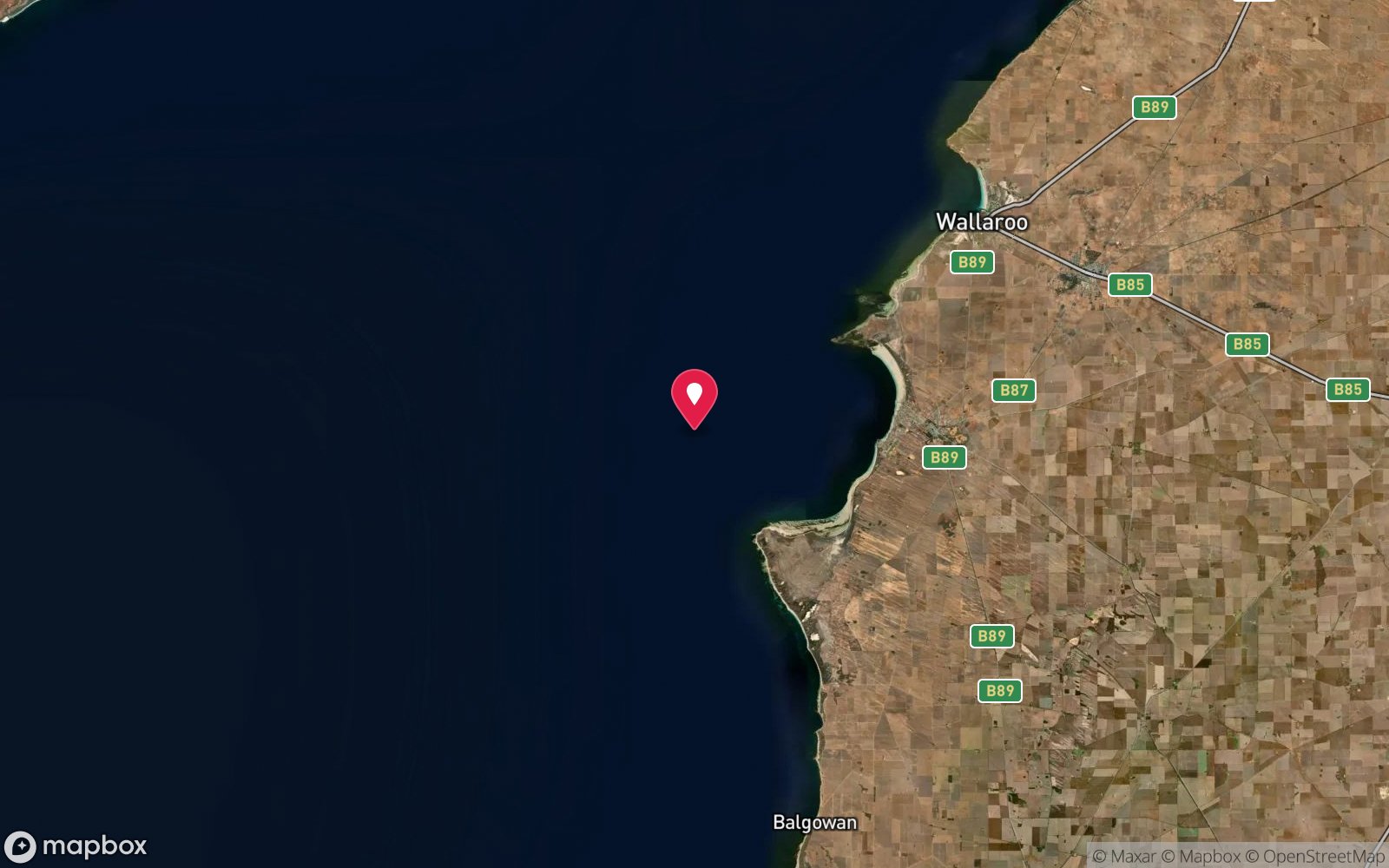
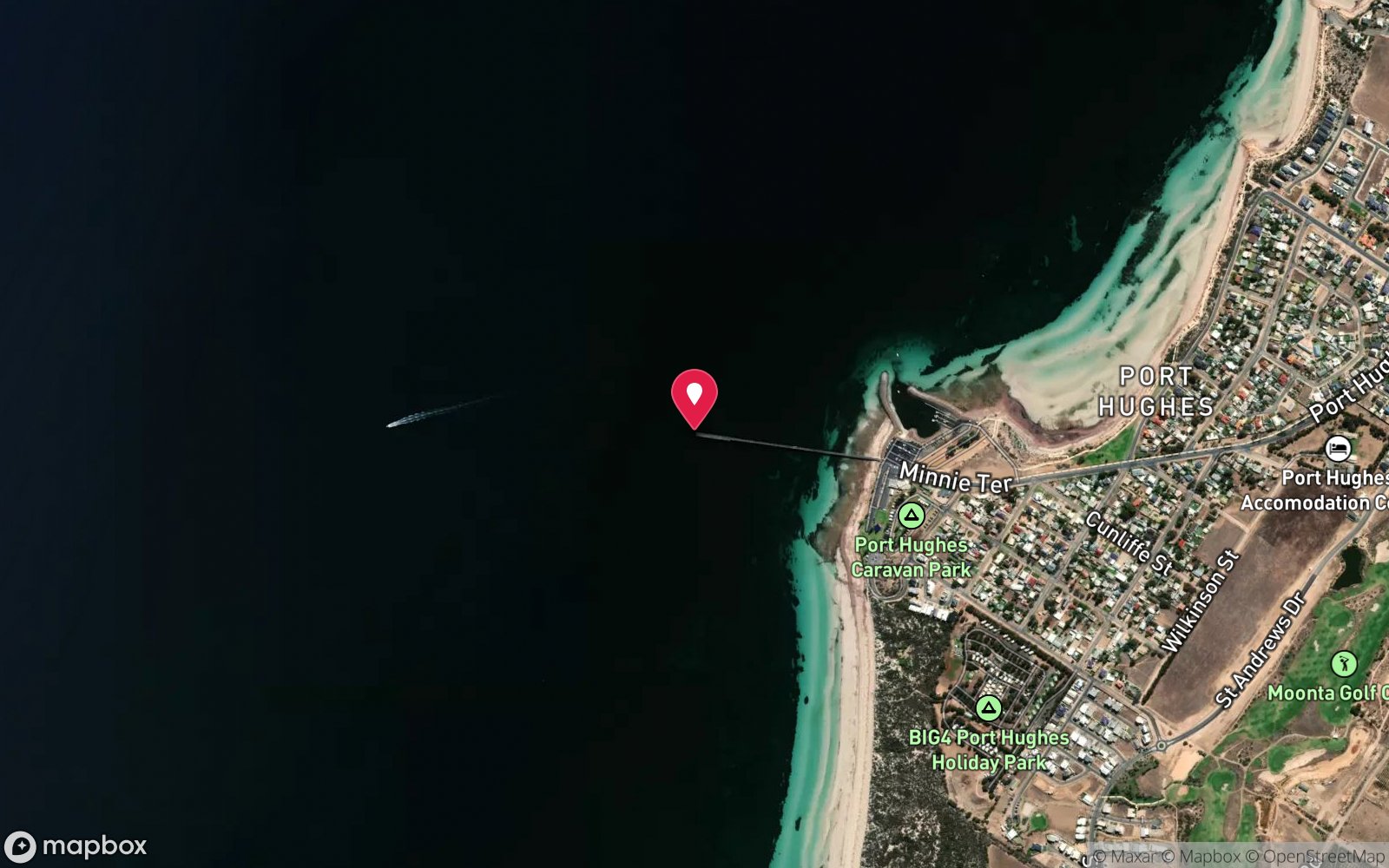
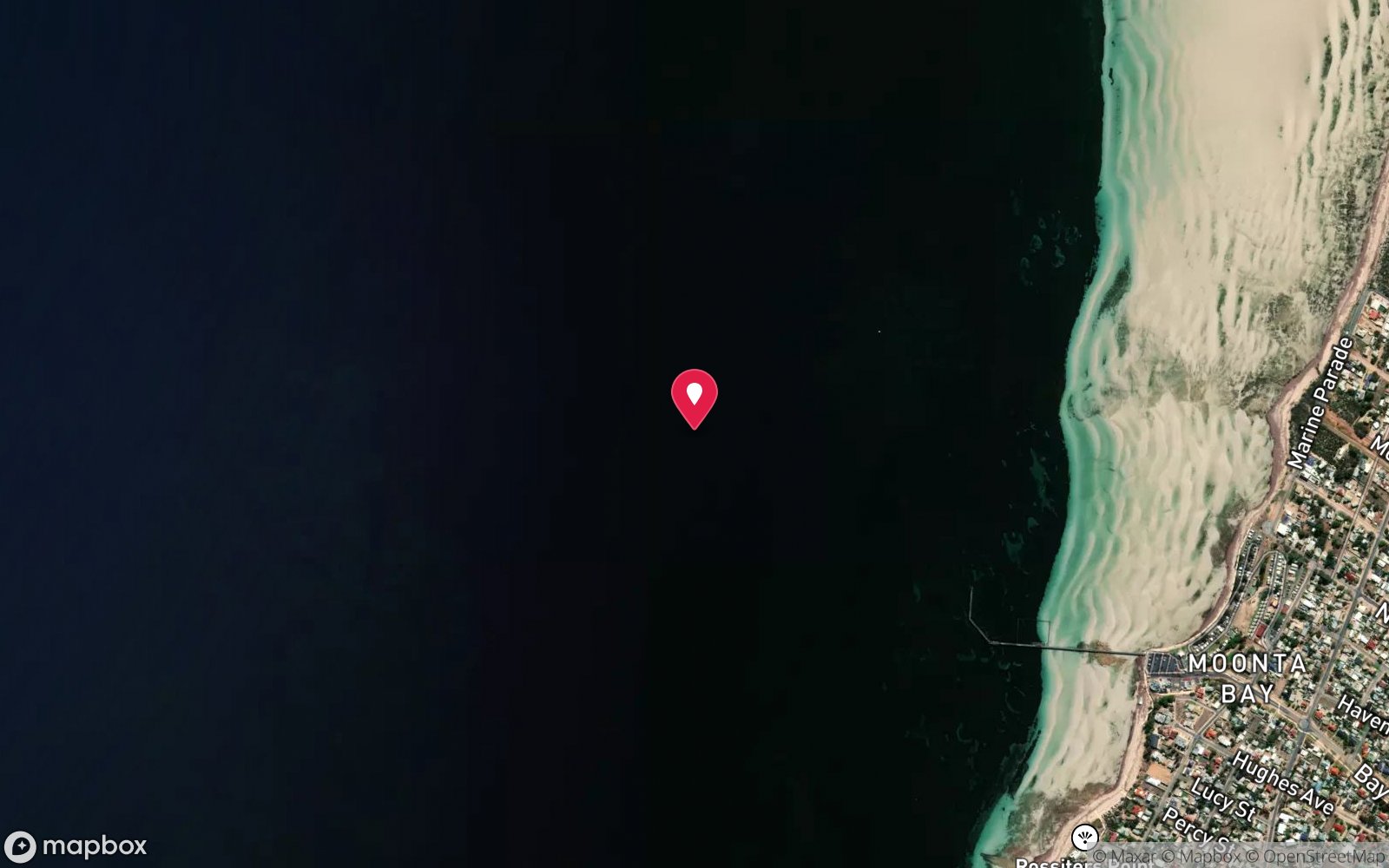
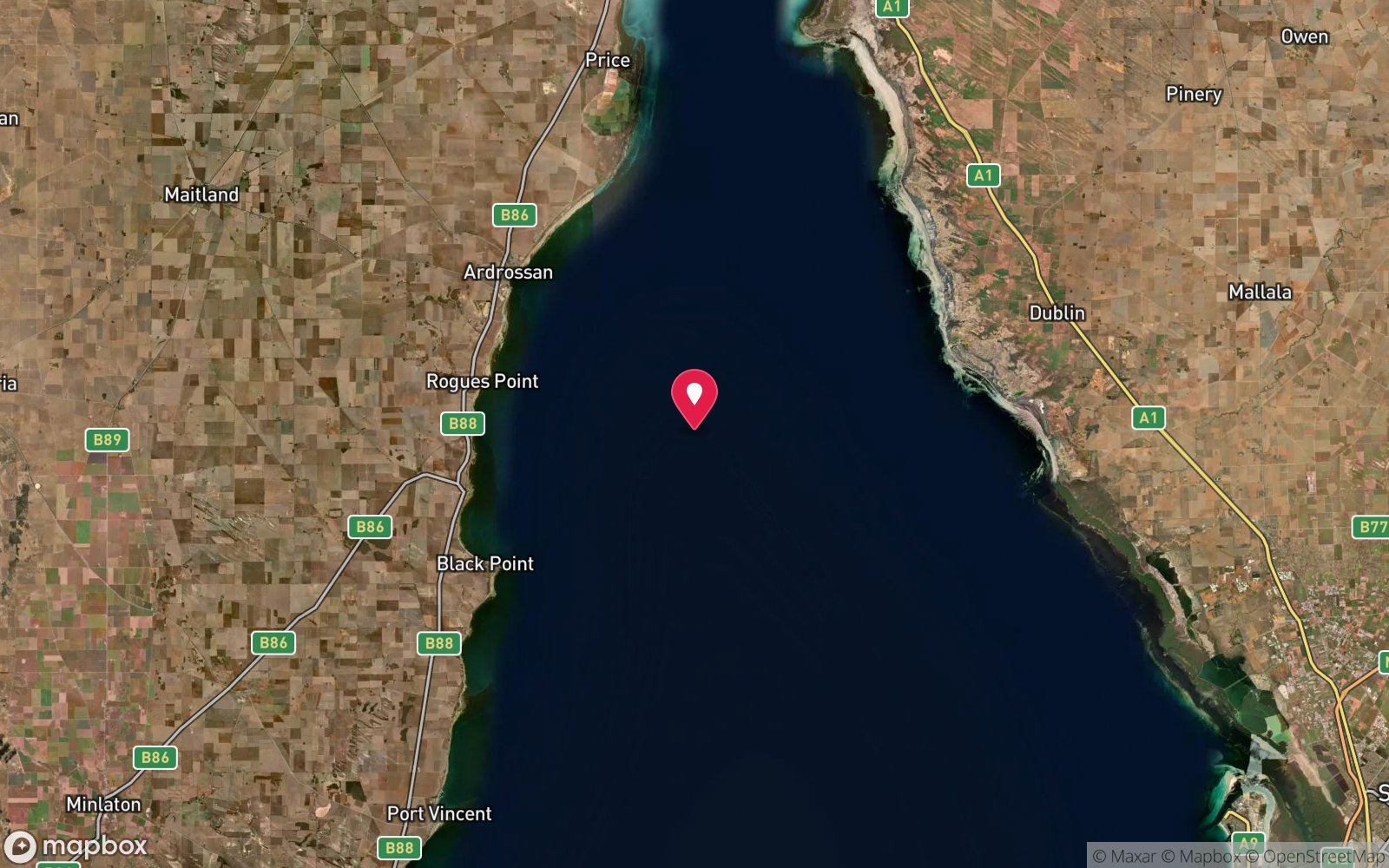
7 pinned sites. Pins marked approximate on their pages show the general area only; not for navigation.
Satellite views
Tipara Reef and San Miguel Wreck: frequently asked questions
How deep is Tipara Reef and San Miguel Wreck?
Tipara Reef and San Miguel Wreck reaches a maximum depth of 9 m, with the shallowest part at about 1 m; most of the dive is spent around 6 m.
What certification do I need to dive Tipara Reef and San Miguel Wreck?
Open Water is the recommended minimum. Rated intermediate because of tidal current that must be timed, cold water.
Can I shore dive Tipara Reef and San Miguel Wreck?
No, it is reached by boat (about 30 minutes).
When is the best time to dive Tipara Reef and San Miguel Wreck?
Calm summer and autumn days.
What marine life will I see at Tipara Reef and San Miguel Wreck?
Regularly recorded: Trevally, old wives, sweep, eagle rays, southern blue devils, mullet, cormorants (above water), sponges and algae.
What wetsuit do I need at Tipara Reef and San Miguel Wreck?
5-7 mm full wetsuit with hood in summer/autumn; 7 mm semi-dry or drysuit in winter.
How cold is the water at Tipara Reef and San Miguel Wreck?
Typically 20-24 °C in summer and 12-14 °C in winter.
What are the main hazards at Tipara Reef and San Miguel Wreck?
Reef top awash at low tide – serious boat hazard; tidal flow; exposed to wind from all directions; protected historic shipwreck – no removal of artefacts. See the hazards section above for the full list.
Where is the nearest recompression chamber to Tipara Reef and San Miguel Wreck?
Royal Adelaide Hospital hyperbaric medicine unit (Adelaide). In an emergency call 000, then DAN Asia-Pacific on 1800 088 200.
Diving in Yorke Peninsula
The Yorke Peninsula is jetty country. Edithburgh, Port Hughes, Wool Bay, Stenhouse Bay and Port Victoria have some of the richest macro diving in Australia under their pylons: blue devils, pyjama squid, seahorses, tasselled anglerfish, leafy seadragons and carpets of sponges in 5–12 m. Marion Bay and Innes National Park at the southern tip add wrecks, sea lions and clearer open-coast water.
Getting there: Two to four hours west of Adelaide. All the jetties are walk-in shore dives with ladders or beach entries; Innes National Park sites need a park pass.
Sources
Data confidence: Low · Being verified: Coordinates estimated from description (14 km off Moonta).. Last updated September 2026. Know this site better? How to send a correction
Nearby dive sites
More wrecks in South Australia
Explore more
This region
Similar dives
Marine life