Dive slate · divesites.com.au · printed 7 Nov 2026
Troubridge Island and Marion Reef Wrecks
Yorke Peninsula, South Australia · near Edithburgh
| Depth | 2–12 m |
|---|---|
| Minimum level | Advanced Open Water |
| Difficulty | Advanced |
| Access | Boat |
| Entry | Back-roll or giant stride from a boat anchored in sand near the reef edge |
| Current | Strong |
| Visibility | 5-15 m |
| Water | summer 20-24 °C, winter 12-14 °C |
| Suit | 5-7 mm full wetsuit with hood in summer/autumn; 7 mm semi-dry or drysuit in winter |
| Best season | Calm, low-swell days in summer and autumn at neap tides |
| Bottom time | 40 min |
| Position | -35.12000, 137.83000 (approximate) |
| Permit | Troubridge Island Conservation Park (landing restrictions); historic shipwrecks protected |
| Nearest chamber | Royal Adelaide Hospital hyperbaric medicine unit (Adelaide) |
| Emergency | 000 · DAN Asia-Pacific diving emergency 1800 088 200 |
Troubridge Island and Marion Reef Wrecks
Also known as Troubridge Shoal, Marion Reef, Troubridge Island Conservation Park
The graveyard of six of South Australia's earliest wrecked sailing ships on the shoal beneath the 1856 Troubridge Island lighthouse.
Near Edithburgh · Yorke Peninsula, South Australia
- Depth
- 2–12 m
- Minimum level
- Advanced Open Water
- Access
- Boat
- Boat ride
- ~25 min
- Water
- 20-24 °C
- Visibility
- 5-15 m
Troubridge Island and Marion Reef Wrecks2–12 m · Advanced Open Water
Dive factsDepths, conditions, location & safety
Season
Off-peak nowBest months: January, February, March, April, May, December.
Calm, low-swell days in summer and autumn at neap tides
- Best months
- Now (November)
Dive facts
- Depth
- 2–12 m
- Typical depth
- 6 m
- Certification
- Advanced Open Water
- Difficulty
- Advanced
- Depth tier
- Open Water (10–18 m)
- Access
- Boat
- Offshore
- 8 km
- Dive centre needed
- Recommended
- Shore / independent
- No
- Boat ride
- ~25 min
- Current
- Strong
- Visibility
- 5-15 m
- Water temp (summer)
- 20-24 °C
- Water temp (winter)
- 12-14 °C
- Water
- Temperate
- Bottom time
- 40 min
- Dive traffic
- Remote/expedition only
- Night dive
- No
- Snorkel friendly
- No
Exposure suit
5-7 mm full wetsuit with hood in summer/autumn; 7 mm semi-dry or drysuit in winter
Location
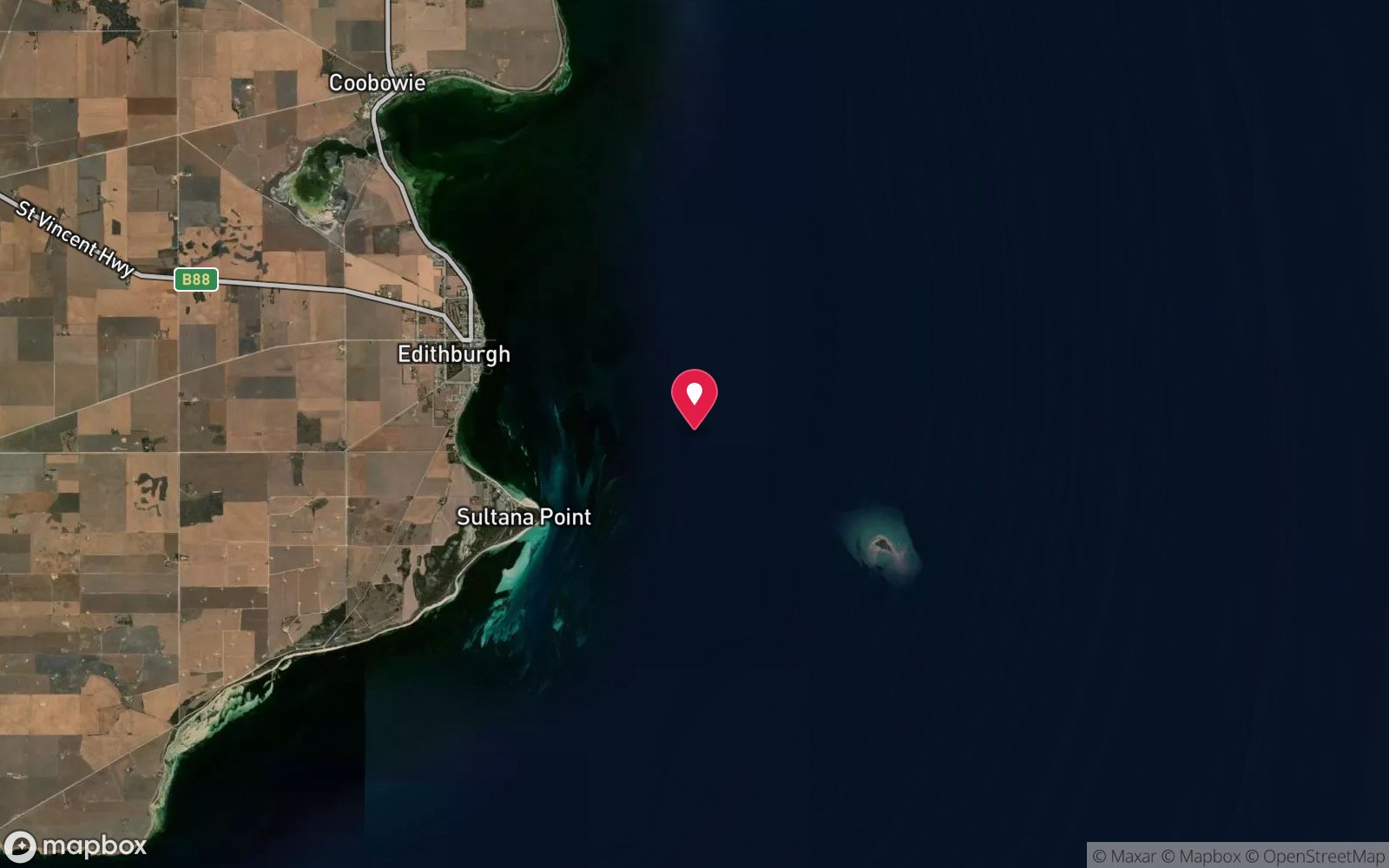
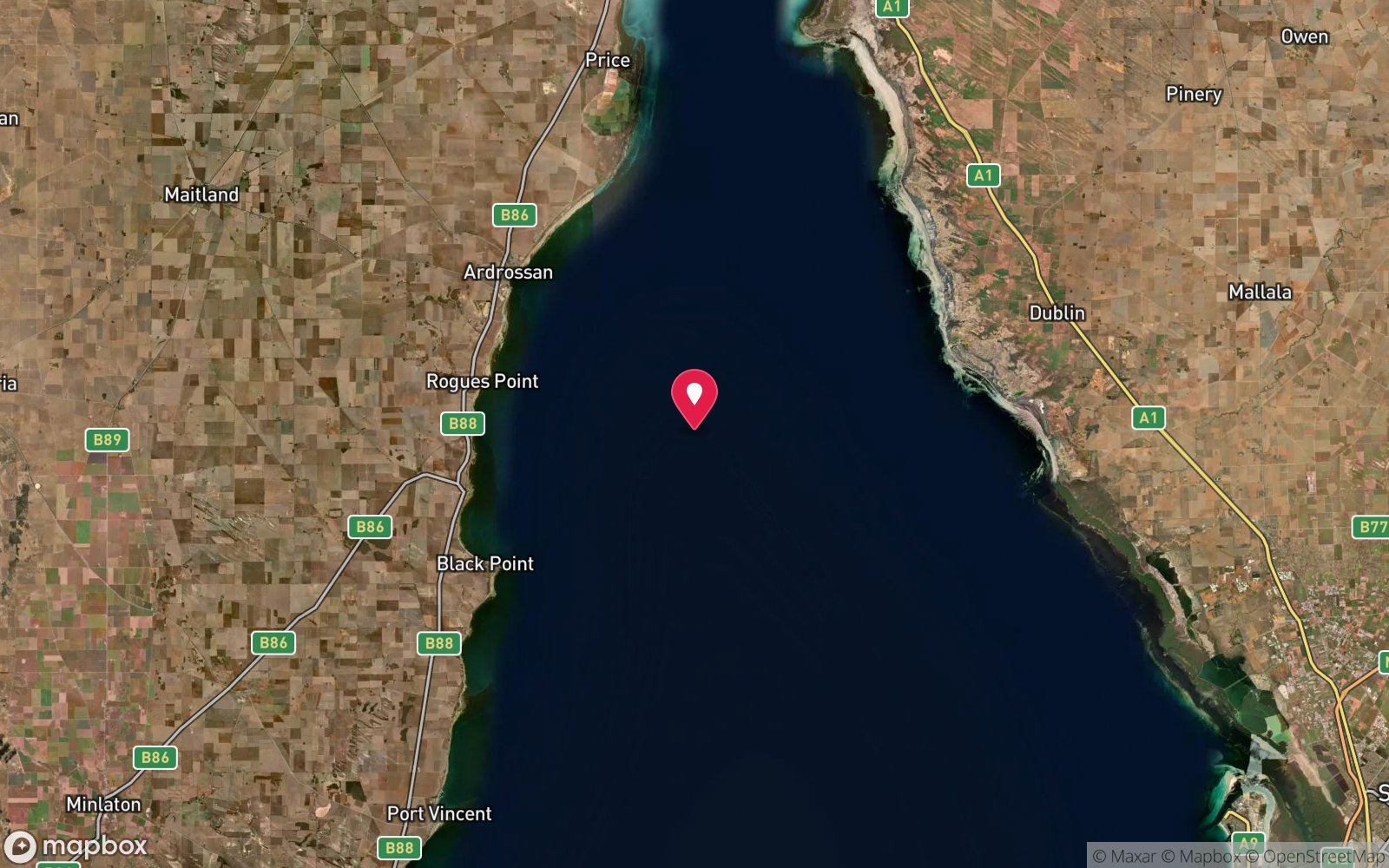
Troubridge Shoal · Yorke Peninsula – East Coast (Gulf St Vincent)
-35.12000, 137.83000
Approximate position — not for navigation.
Open in Google MapsPrimary source: marinelife.org.auMarine park & permits
Troubridge Island Conservation Park (landing restrictions); historic shipwrecks protected
Nearest recompression chamber
Royal Adelaide Hospital hyperbaric medicine unit (Adelaide)
Diving emergency: call 000, then DAN AP 1800 088 200.
Trip planner
Build a trip around Troubridge Island and Marion Reef Wrecks →
A day-by-day plan for Yorke Peninsula with this site locked in.
This guide is a planning aid. Conditions change daily — confirm with a local dive centre and dive within your training. Data & safety notes.
Dive profile
How this site rates
Scores are computed from the recorded data, not opinions. How?
At a glance
Troubridge Island and Marion Reef Wrecks is a reef boat dive in Yorke Peninsula, SA, 2–12 m, suited to Advanced Open Water divers, strong current, about 25 minutes by boat.
Rated advanced because of strong current, cold water.
Why dive here
- The graveyard of six of South Australia's earliest wrecked sailing ships on the shoal beneath the 1856 Troubridge Island lighthouse.
- Sunk in 1851; protected as underwater cultural heritage, so look but do not touch.
- Rarely dived: expect to have the site to yourself, and plan your own logistics.
Conditions to avoid
- Strong southerly or south-east swell and wind
- Any time other than slack water
About Troubridge Island and Marion Reef Wrecks
Troubridge Island is a low, shifting sand island on Troubridge Shoal at the mouth of Gulf St Vincent, crowned by a cast-iron lighthouse prefabricated in England and first lit in 1856. The shoal was a notorious hazard for ships entering the gulf bound for Port Adelaide, and the Marine Life Society of SA notes that Marion Reef, south of the island, holds the remains of six of the earliest sailing vessels wrecked in the colony: the Dart and Parsee (1838), Sultana (1849), Marion (1851), Charles Carter (1854) and Iron King (1873). The Marion was a 919-ton wooden ship carrying emigrants from Plymouth; she struck the reef in slight fog and calm seas in 1851 and all passengers were landed safely.
Her anchor was raised in the 1970s and is displayed in Edithburgh. The Iron King, an 871-ton iron ship built in 1867 and about 60 m long, was wrecked on the shoal in 1873 on a voyage from London to Adelaide with 32 passengers, all of whom were saved. Little remains of most of these ships beyond scattered iron, ballast and fittings among the reef, but for wreck enthusiasts they are among the oldest shipwreck sites in the state.
The reefs themselves support diverse temperate marine life – sponges, gorgonians and ascidians on the harder bottom, and schools of sweep, trevally, old wives and leatherjackets – and the island hosts a little penguin colony and seabirds. This is not a casual dive. The shoal is very exposed, current-swept and dangerous to boats, and the Marine Life Society describes it as rarely dived by all but experienced enthusiasts.
It suits experienced boat divers with maritime history interests and local knowledge, on the calmest days of the year.
Wreck details
Multiple: Marion (wooden ship, 919 tons, 1851); Iron King (iron ship, 871 tons, ~60 m, 1873); Dart, Parsee (1838), Sultana (1849), Charles Carter (1854) · Sunk 1851 · Protected historic shipwreck
Era: colonial sail and steam. Oldest wrecks · Wartime wrecks · Scuttled warships
Other wrecks of the same era
- Cape Jaffa – Margaret Brock Reef · Max 12 m · Limestone Coast
- Osmanli Wreck (D'Estrees Bay) · Max 5 m · Kangaroo Island
- Admella Wreck (Carpenter Reef) · Max 8 m · Limestone Coast
- Fides Wreck · Max 10 m · Kangaroo Island
- SS Marion Wreck · Max 12 m · Yorke Peninsula
- Clarence · Max 5 m · Melbourne & Port Phillip Bay
Getting there & entry
Low sandy island with an 1856 lighthouse about 8 km south-east of Edithburgh, sitting on Troubridge Shoal; Marion Reef to the south holds the remains of six early sailing-ship wrecks (Dart 1838, Parsee 1838, Sultana 1849, Marion 1851, Charles Carter 1854, Iron King 1873).
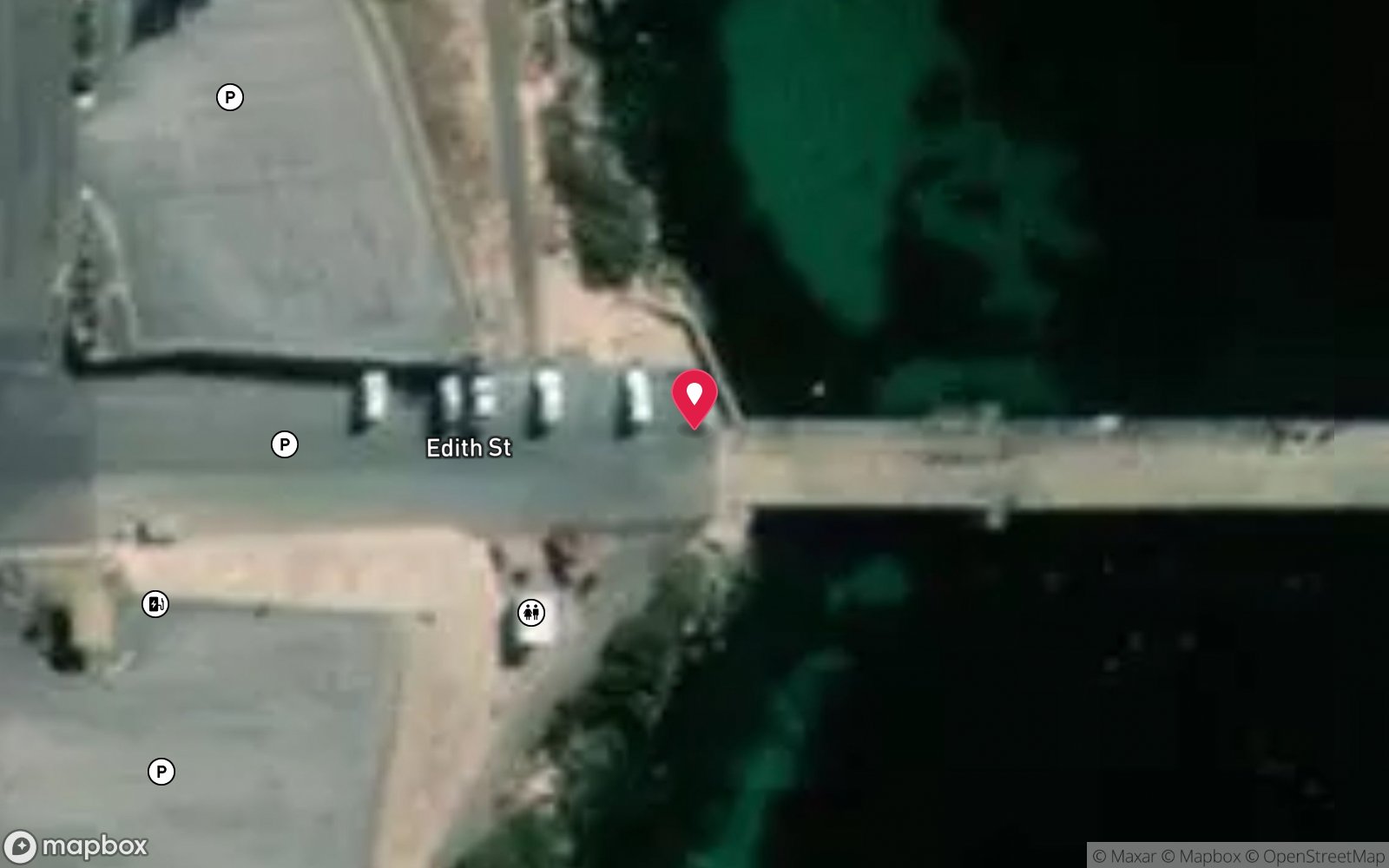
Launch at Edithburgh and run about 8 km south-east to Troubridge Island (20-25 minutes); Marion Reef lies to the south of the island on the shoal. The shoal is shallow, uncharted in detail and dangerous to boats – approach slowly on a rising tide with a sounder and local knowledge. Landing on Troubridge Island (a conservation park with a little penguin colony) is by arrangement only; historically access to the island has been via tours from Edithburgh.
Entry: Back-roll or giant stride from a boat anchored in sand near the reef edge
Facilities: None; boat ramp, toilets and air fills at Edithburgh.
Weather, swell & tides
Troubridge Shoal sits at the junction of Gulf St Vincent and Investigator Strait and is very exposed and current-affected. Strong tidal streams run across the shoal – dive neaps and slack water only – and southerly or south-westerly swell breaks on the reef edges. Wind against tide produces steep, dangerous seas for small boats.
Only attempt it in genuinely settled conditions with winds under about 10 knots and low swell, and with a boat tender following divers' SMBs.
Best season: Calm, low-swell days in summer and autumn at neap tides
If it's blown out
Sheltered or shore sites within 25 km that often work when Troubridge Island and Marion Reef Wrecks doesn't.
- Edithburgh Jetty · 8 km · Max 9 m
- Wool Bay Jetty · 15 km · Max 5 m
- Edithburgh Sponge Garden · 4 km · Max 8 m
- Coobowie Jetty · 12 km · Max 4 m
How the dive is usually run
Anchor in sand off the reef edge at slack water, descend and follow the reef edge looking for scattered iron and ballast of the old wrecks; keep the dive short, carry an SMB and be ready for pick-up drift if the tide turns.
Marine life
- Sweep
- trevally
- old wives
- leatherjackets
- magpie perch
- sponges
- gorgonians
- ascidians; little penguins and seabirds on the island
Linked species have their own page listing every site where they are recorded. All marine life →
Training required
Within the 18 m limit of an entry-level certification.
Courses that help here
- Drift Diver – Current is a feature of the dive.
- Drysuit Diver – Cold water; locals dive dry for much of the year.
Depth tiers: 0–10 m easy · to 18 m Open Water · 18–30 m Advanced (25 m+ is a deep dive) · 30–40 m Deep specialty · 40 m+ technical. All courses
Hazards & warnings
Very exposed; strong tidal currents – slack water only; shallow reef dangerous to boats; breaking swell on reef edges; remote from help; historic shipwrecks – no disturbance or removal; island landing restricted (conservation park).
Dive centres that go here
No operator; very occasionally dived by experienced locals and maritime archaeology groups with their own boats. The Marine Life Society notes it is rarely dived by all but experienced enthusiasts.
Other dive centres in Yorke Peninsula
Adelaide Scuba
ListedGlenelg North · Adelaide Metro · SA
An Adelaide business providing training, equipment and local diving support, located near Glenelg.
adelaidescuba.com.au · (08) 8294 7744
Diving Adelaide
ListedMarleston · Adelaide Metro · SA
An Adelaide training and guided diving operation serving local sites and organised trips.
divingadelaide.com.au · (08) 8122 5003
The Dive Shack
ListedGlenelg · Adelaide Metro · SA
An Adelaide business combining retail, servicing and training for South Australian divers.
thediveshack.com.au
All dive centres in South Australia →
Operators mentioned: Private boats from Edithburgh
Map
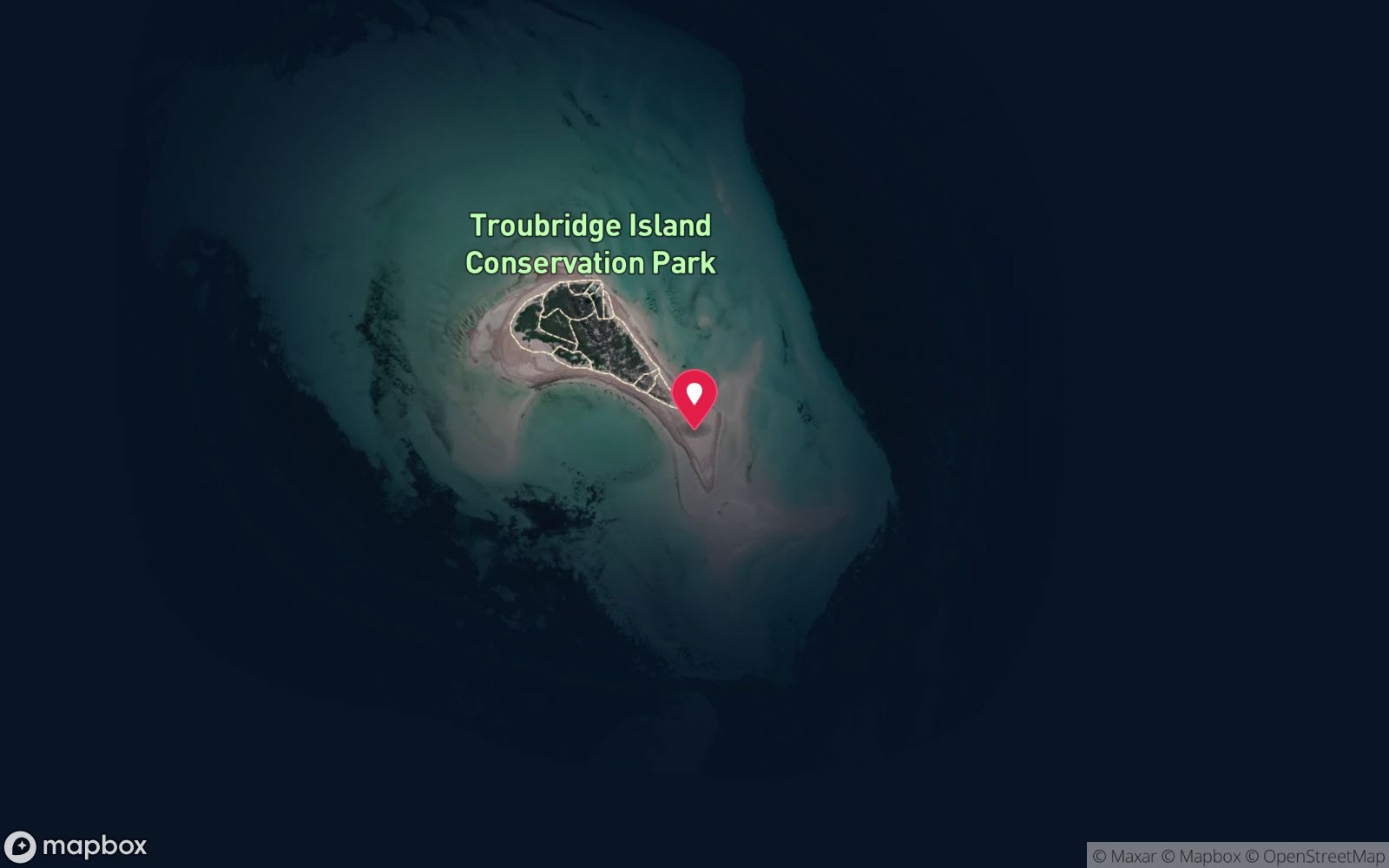
7 pinned sites. Pins marked approximate on their pages show the general area only; not for navigation.
Satellite views
Troubridge Island and Marion Reef Wrecks: frequently asked questions
How deep is Troubridge Island and Marion Reef Wrecks?
Troubridge Island and Marion Reef Wrecks reaches a maximum depth of 12 m, with the shallowest part at about 2 m; most of the dive is spent around 6 m.
What certification do I need to dive Troubridge Island and Marion Reef Wrecks?
Advanced Open Water is the recommended minimum. Rated advanced because of strong current, cold water.
Can I shore dive Troubridge Island and Marion Reef Wrecks?
No, it is reached by boat (about 25 minutes).
When is the best time to dive Troubridge Island and Marion Reef Wrecks?
Calm, low-swell days in summer and autumn at neap tides.
What marine life will I see at Troubridge Island and Marion Reef Wrecks?
Regularly recorded: Sweep, trevally, old wives, leatherjackets, magpie perch, sponges, gorgonians, ascidians; little penguins and seabirds on the island.
What wetsuit do I need at Troubridge Island and Marion Reef Wrecks?
5-7 mm full wetsuit with hood in summer/autumn; 7 mm semi-dry or drysuit in winter.
How cold is the water at Troubridge Island and Marion Reef Wrecks?
Typically 20-24 °C in summer and 12-14 °C in winter.
What are the main hazards at Troubridge Island and Marion Reef Wrecks?
Very exposed; strong tidal currents – slack water only; shallow reef dangerous to boats; breaking swell on reef edges; remote from help; historic shipwrecks – no disturbance or removal; island landing restricted (conservation park). See the hazards section above for the full list.
Where is the nearest recompression chamber to Troubridge Island and Marion Reef Wrecks?
Royal Adelaide Hospital hyperbaric medicine unit (Adelaide). In an emergency call 000, then DAN Asia-Pacific on 1800 088 200.
Diving in Yorke Peninsula
The Yorke Peninsula is jetty country. Edithburgh, Port Hughes, Wool Bay, Stenhouse Bay and Port Victoria have some of the richest macro diving in Australia under their pylons: blue devils, pyjama squid, seahorses, tasselled anglerfish, leafy seadragons and carpets of sponges in 5–12 m. Marion Bay and Innes National Park at the southern tip add wrecks, sea lions and clearer open-coast water.
Getting there: Two to four hours west of Adelaide. All the jetties are walk-in shore dives with ladders or beach entries; Innes National Park sites need a park pass.
Sources
Data confidence: Low · Being verified: Exact positions of individual wrecks not published; wreck_year_sunk given as the Marion (1851).. Last updated September 2026. Know this site better? How to send a correction