Dive slate · divesites.com.au · printed 8 Nov 2026
Corny Point
Yorke Peninsula, South Australia · near Corny Point
| Depth | 3–12 m |
|---|---|
| Minimum level | Advanced Open Water |
| Difficulty | Intermediate |
| Access | Shore or Boat |
| Entry | Rock-platform or beach entries in calm conditions; small boats from the Corny Point ramp |
| Current | Moderate |
| Visibility | 8-15 m |
| Water | summer 20-24 °C, winter 12-14 °C |
| Suit | 5-7 mm full wetsuit with hood in summer/autumn; 7 mm semi-dry or drysuit in winter |
| Best season | Summer and autumn on calm days with easterly or south-easterly winds |
| Bottom time | 45 min |
| Position | -34.90000, 137.02000 (approximate) |
| Permit | Southern Spencer Gulf Marine Park zoning may apply – check sanctuary zones |
| Nearest chamber | Royal Adelaide Hospital hyperbaric medicine unit (Adelaide) |
| Emergency | 000 · DAN Asia-Pacific diving emergency 1800 088 200 |
Corny Point
Also known as Corny Point lighthouse reef
A wild, clear-water reef coast around the 1882 lighthouse at the peninsula's north-western tip – rarely dived.
Near Corny Point · Yorke Peninsula, South Australia
- Depth
- 3–12 m
- Minimum level
- Advanced Open Water
- Access
- Shore or Boat
- Boat ride
- ~10 min
- Water
- 20-24 °C
- Visibility
- 8-15 m
Corny Point3–12 m · Advanced Open Water · Shore
Dive factsDepths, conditions, location & safety
Season
Off-peak nowBest months: January, February, March, April, May, December.
Summer and autumn on calm days with easterly or south-easterly winds
- Best months
- Now (November)
Dive facts
- Depth
- 3–12 m
- Typical depth
- 7 m
- Certification
- Advanced Open Water
- Difficulty
- Intermediate
- Depth tier
- Open Water (10–18 m)
- Access
- Shore or Boat
- Dive centre needed
- No – independently diveable
- Shore / independent
- Possible (experienced only)
- Boat ride
- ~10 min
- Current
- Moderate
- Visibility
- 8-15 m
- Water temp (summer)
- 20-24 °C
- Water temp (winter)
- 12-14 °C
- Water
- Temperate
- Bottom time
- 45 min
- Dive traffic
- Rarely dived (private boat/club only)
- Night dive
- No
- Snorkel friendly
- Partial
Exposure suit
5-7 mm full wetsuit with hood in summer/autumn; 7 mm semi-dry or drysuit in winter
Location
Corny Point · Yorke Peninsula – West Coast (Spencer Gulf)
-34.90000, 137.02000
Approximate position — not for navigation.
Open in Google MapsPrimary source: visityorkepeninsula.com.auMarine park & permits
Southern Spencer Gulf Marine Park zoning may apply – check sanctuary zones
Nearest recompression chamber
Royal Adelaide Hospital hyperbaric medicine unit (Adelaide)
Diving emergency: call 000, then DAN AP 1800 088 200.
Trip planner
Build a trip around Corny Point →
A day-by-day plan for Yorke Peninsula with this site locked in.
This guide is a planning aid. Conditions change daily — confirm with a local dive centre and dive within your training. Data & safety notes.
Dive profile
How this site rates
Scores are computed from the recorded data, not opinions. How?
At a glance
Corny Point is a shore / rock platform shore dive for experienced divers in Yorke Peninsula, SA, 3–12 m, suited to Advanced Open Water divers, moderate current, about 10 minutes by boat.
Rated intermediate because of cold water.
Why dive here
- A wild, clear-water reef coast around the 1882 lighthouse at the peninsula's north-western tip – rarely dived.
- Rarely dived: expect to have the site to yourself, and plan your own logistics.
About Corny Point
Corny Point is the remote north-western tip of the southern Yorke Peninsula 'foot', a windswept landscape of low limestone cliffs, reef platforms, surf beaches and camping grounds around the 1882 Corny Point lighthouse. Few divers make the trip, and the site is only lightly documented, but the combination of clear Spencer Gulf water and rugged reef means it has real potential on calm days. The reef platforms step down from the shore into gutters, ledges and patchy reef interspersed with sand and seagrass, reaching roughly 8-12 m within a reasonable swim.
Kelp and brown algae cover the tops, and the ledges shelter western blue groper, sweep, old wives, magpie perch, harlequin fish and crayfish, with abalone on the rock. Dolphins and occasionally Australian sea lions pass along this coast. The difficulty is exposure: the point takes swell from the west and south-west, tidal currents run past it, and the rock platforms are wave-washed.
It should only be dived in calm easterly weather by experienced divers comfortable with rock entries, and the nearest help is a long way off. Corny Point suits self-sufficient divers camping on the peninsula who want to explore a wild, little-dived coast. Data confidence is low; treat depths and features as indicative and scout the entry carefully before committing.
The surrounding area is popular for camping and surf fishing, and the lighthouse and coastal walks make it a rewarding place to base a few days even if the sea does not cooperate. Bring all your own cylinders or a compressor, and tell someone your dive plan – mobile coverage is patchy along parts of this coast.
Getting there & entry
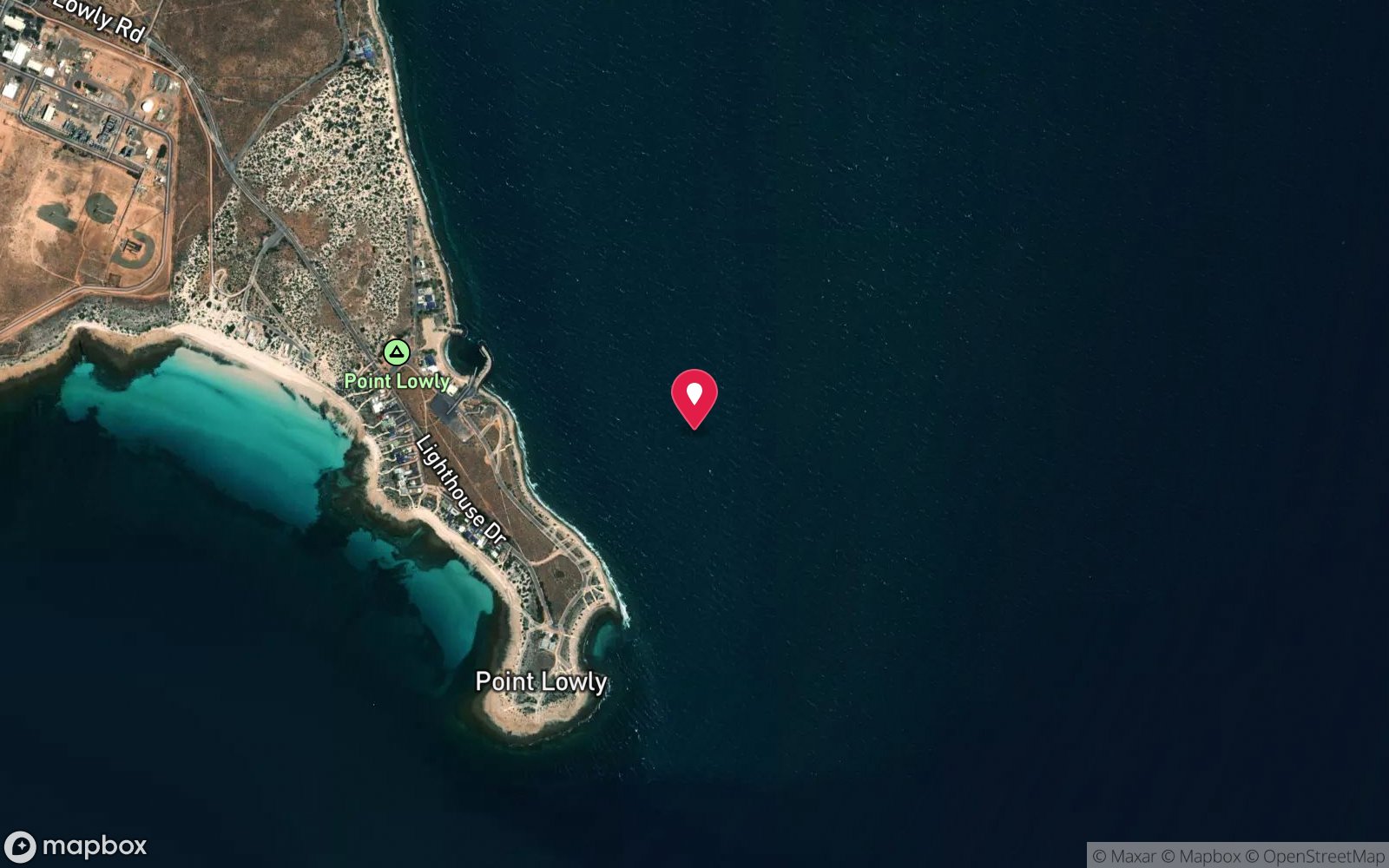
The rugged north-western tip of the Yorke Peninsula 'foot', marked by the Corny Point lighthouse (1882), with limestone reef platforms dropping to sand and reef in clear Spencer Gulf water.
From Adelaide drive about 280 km (3.5 hours) via Minlaton and Warooka to the Corny Point settlement. Gravel roads lead to the lighthouse and to camping and beach areas along the point. Park at the lighthouse or nearby beach access and choose an entry out of the swell – rock platforms can be slippery and wave-washed.
Small boats can launch from the Corny Point ramp in calm weather to reach the outer reefs.
Entry: Rock-platform or beach entries in calm conditions; small boats from the Corny Point ramp
Facilities: Camping grounds and toilets near the lighthouse area; small store at Corny Point; boat ramp; no air fills (nearest Point Turton/Port Victoria area – check).
Weather, swell & tides
Corny Point is exposed to westerly and south-westerly swell entering Spencer Gulf and to onshore westerly winds; the reef platforms become dangerous in any significant swell. Easterly winds, which blow offshore here, provide the best conditions and clearest water. Tidal currents run around the point, so shore dives should be planned for slack water or along sheltered bays.
Winter fronts make it undiveable for days at a time.
Best season: Summer and autumn on calm days with easterly or south-easterly winds
How the dive is usually run
Enter from a sheltered bay beside the point at slack water, follow the reef edge down to 8-12 m, explore ledges and gutters, and return along the reef to the entry. Keep well clear of the wave zone.
Marine life
- Western blue groper →
- sweep
- old wives
- magpie perch
- harlequin fish
- southern rock lobster
- abalone
- kelp; dolphins and occasional sea lions →
Linked species have their own page listing every site where they are recorded. All marine life →
Training required
Within the 18 m limit of an entry-level certification.
Courses that help here
- Drysuit Diver – Cold water; locals dive dry for much of the year.
Depth tiers: 0–10 m easy · to 18 m Open Water · 18–30 m Advanced (25 m+ is a deep dive) · 30–40 m Deep specialty · 40 m+ technical. All courses
Hazards & warnings
Swell-exposed rock platforms; tidal currents around the point; remote – limited services; abalone and lobster fishing rules apply.
Dive centres that go here
No operator; dived occasionally by campers and locals with their own gear or boats.
Other dive centres in Yorke Peninsula
Adelaide Scuba
ListedGlenelg North · Adelaide Metro · SA
An Adelaide business providing training, equipment and local diving support, located near Glenelg.
adelaidescuba.com.au · (08) 8294 7744
Diving Adelaide
ListedMarleston · Adelaide Metro · SA
An Adelaide training and guided diving operation serving local sites and organised trips.
divingadelaide.com.au · (08) 8122 5003
The Dive Shack
ListedGlenelg · Adelaide Metro · SA
An Adelaide business combining retail, servicing and training for South Australian divers.
thediveshack.com.au
All dive centres in South Australia →
Operators mentioned: None
Map
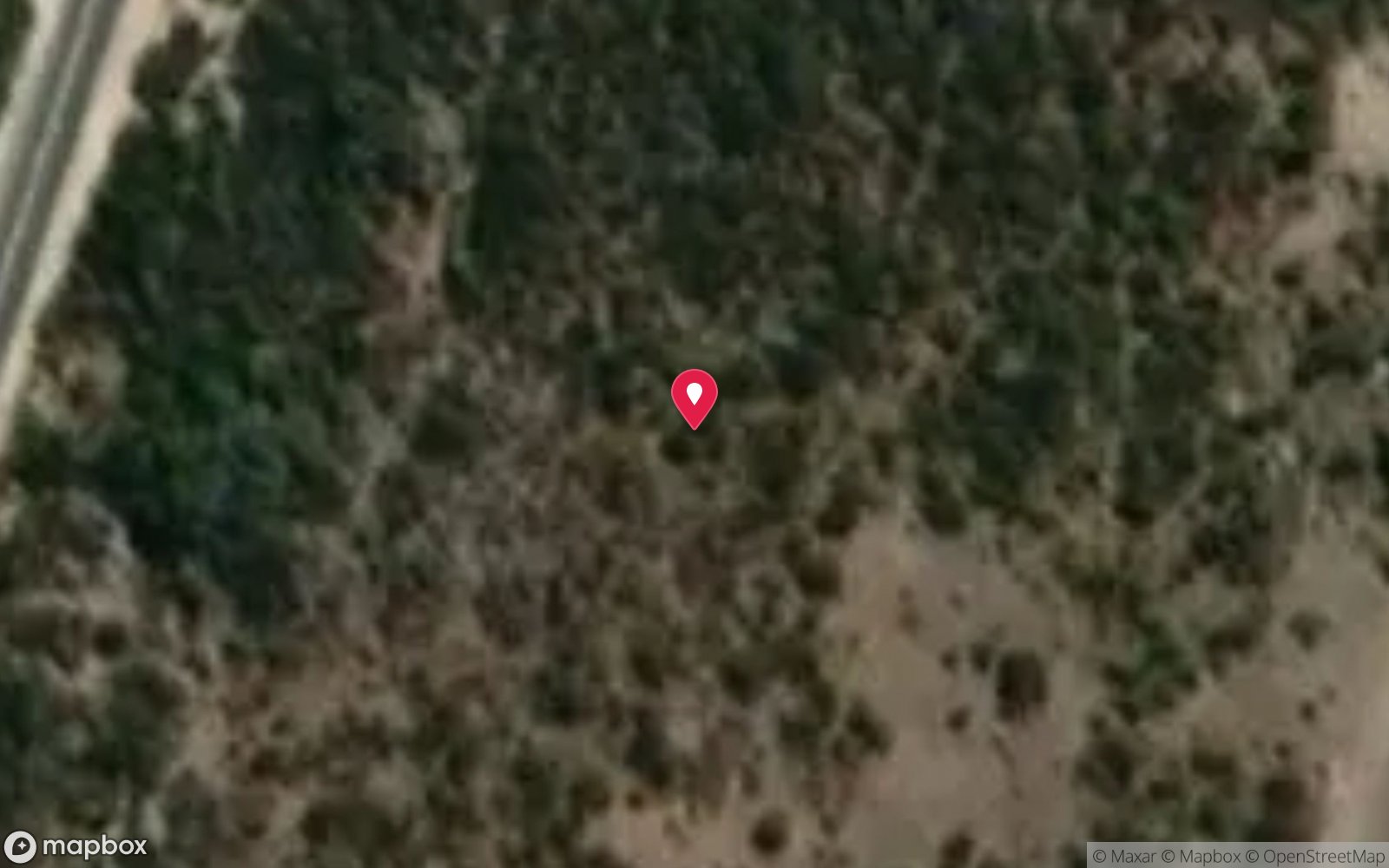
7 pinned sites. Pins marked approximate on their pages show the general area only; not for navigation.
Satellite views
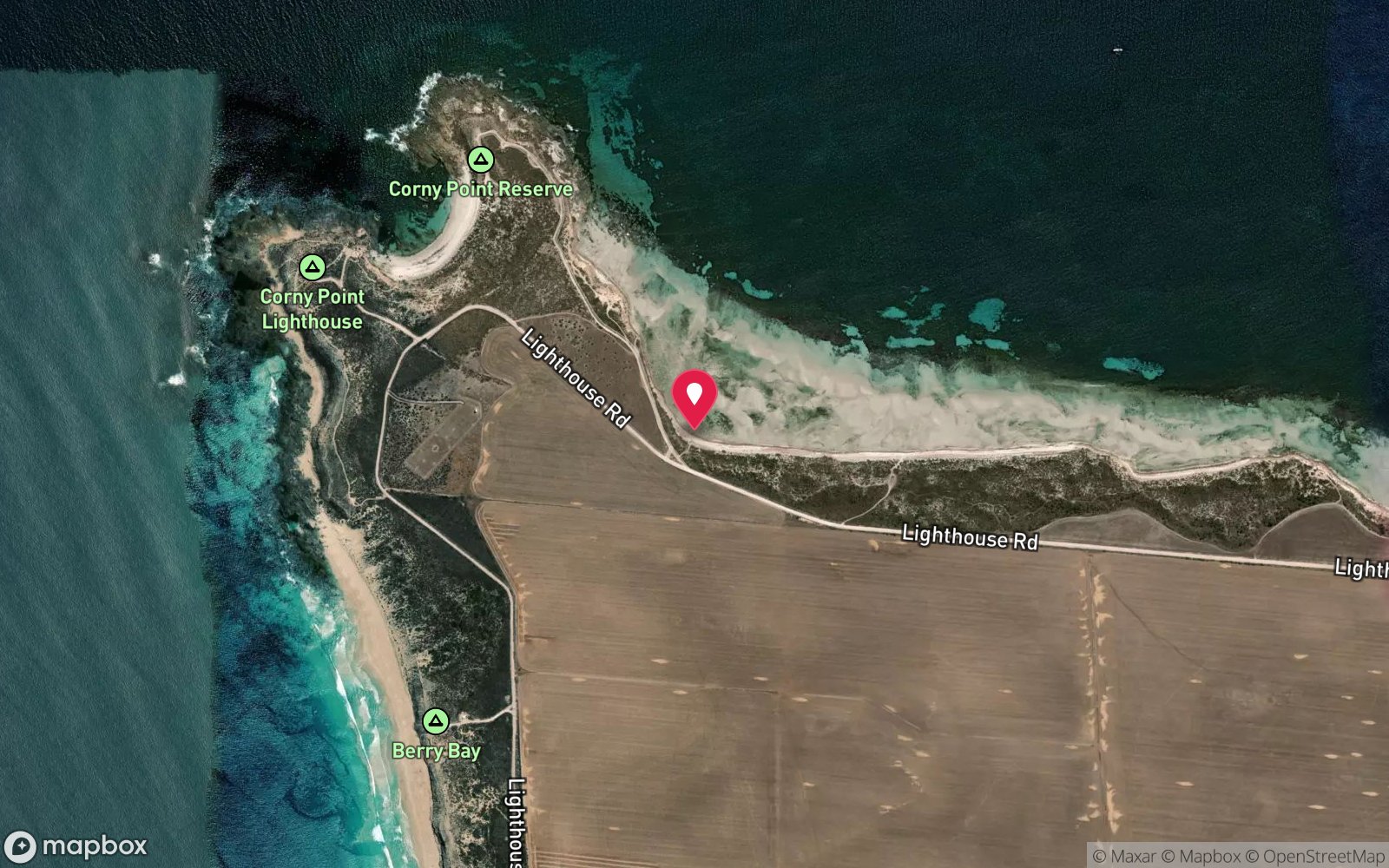
Corny Point: frequently asked questions
How deep is Corny Point?
Corny Point reaches a maximum depth of 12 m, with the shallowest part at about 3 m; most of the dive is spent around 7 m.
What certification do I need to dive Corny Point?
Advanced Open Water is the recommended minimum. Rated intermediate because of cold water.
Can I shore dive Corny Point?
Experienced divers do dive Corny Point from the shore, but the entry or conditions make it unsuitable for newer divers without local guidance. Entry: Rock-platform or beach entries in calm conditions; small boats from the Corny Point ramp.
When is the best time to dive Corny Point?
Summer and autumn on calm days with easterly or south-easterly winds.
What marine life will I see at Corny Point?
Regularly recorded: Western blue groper, sweep, old wives, magpie perch, harlequin fish, southern rock lobster, abalone, kelp; dolphins and occasional sea lions.
What wetsuit do I need at Corny Point?
5-7 mm full wetsuit with hood in summer/autumn; 7 mm semi-dry or drysuit in winter.
How cold is the water at Corny Point?
Typically 20-24 °C in summer and 12-14 °C in winter.
What are the main hazards at Corny Point?
Swell-exposed rock platforms; tidal currents around the point; remote – limited services; abalone and lobster fishing rules apply. See the hazards section above for the full list.
Where is the nearest recompression chamber to Corny Point?
Royal Adelaide Hospital hyperbaric medicine unit (Adelaide). In an emergency call 000, then DAN Asia-Pacific on 1800 088 200.
Diving in Yorke Peninsula
The Yorke Peninsula is jetty country. Edithburgh, Port Hughes, Wool Bay, Stenhouse Bay and Port Victoria have some of the richest macro diving in Australia under their pylons: blue devils, pyjama squid, seahorses, tasselled anglerfish, leafy seadragons and carpets of sponges in 5–12 m. Marion Bay and Innes National Park at the southern tip add wrecks, sea lions and clearer open-coast water.
Getting there: Two to four hours west of Adelaide. All the jetties are walk-in shore dives with ladders or beach entries; Innes National Park sites need a park pass.
Sources
- visityorkepeninsula.com.au/places-to-dive-and-snorkel
- thediveshack.com.au/dive-sites/local-dive-sites-yorke-peninsula
Data confidence: Low · Being verified: Depths and coordinates approximate; no dive-specific source.. Last updated September 2026. Know this site better? How to send a correction
Nearby dive sites
More shore/rock platform dives in South Australia
Explore more
This region