Dive slate · divesites.com.au · printed 7 Nov 2026
SS Willyama Wreck
Yorke Peninsula, South Australia · near Marion Bay
| Depth | 1–12 m |
|---|---|
| Minimum level | Open Water |
| Difficulty | Intermediate |
| Access | Boat |
| Entry | Back-roll from a small boat anchored on sand beside the wreckage; a long surface swim from shore is possible but not recommended |
| Current | Moderate |
| Visibility | 8-15 m |
| Water | summer 20-24 °C, winter 12-14 °C |
| Suit | 5-7 mm full wetsuit with hood in summer/autumn; 7 mm semi-dry or drysuit in winter |
| Best season | Summer and autumn on northerly days |
| Bottom time | 45 min |
| Position | -35.25190, 136.97818 (GPS) |
| Permit | Protected historic shipwreck (Investigator Strait Shipwreck Trail); Southern Spencer Gulf Marine Park zoning |
| Nearest chamber | Royal Adelaide Hospital hyperbaric medicine unit (Adelaide) |
| Emergency | 000 · DAN Asia-Pacific diving emergency 1800 088 200 |
SS Willyama Wreck
Also known as Willyama, Willyame
A 2,705-ton steel collier broken across the reef off Rhino Head, with sternpost and steering quadrant at the surface and boilers, engine and shaft tunnel below.
Near Marion Bay · Yorke Peninsula, South Australia
- Depth
- 1–12 m
- Minimum level
- Open Water
- Access
- Boat
- Boat ride
- ~10 min
- Water
- 20-24 °C
- Visibility
- 8-15 m
SS Willyama Wreck1–12 m · Open Water
Dive factsDepths, conditions, location & safety
Season
Off-peak nowBest months: January, February, March, April, May, December.
Dive facts
- Depth
- 1–12 m
- Typical depth
- 5 m
- Certification
- Open Water
- Difficulty
- Intermediate
- Depth tier
- Open Water (10–18 m)
- Access
- Boat
- Offshore
- 0.2 km
- Dive centre needed
- Recommended
- Shore / independent
- Possible (experienced only)
- Boat ride
- ~10 min
- Current
- Moderate
- Visibility
- 8-15 m
- Water temp (summer)
- 20-24 °C
- Water temp (winter)
- 12-14 °C
- Water
- Temperate
- Bottom time
- 45 min
- Dive traffic
- Moderate (occasional charters/club dives)
- Night dive
- No
- Snorkel friendly
- Partial
Exposure suit
5-7 mm full wetsuit with hood in summer/autumn; 7 mm semi-dry or drysuit in winter
Location
Marion Bay – Rhino Head · Yorke Peninsula – Innes National Park / Southern Tip
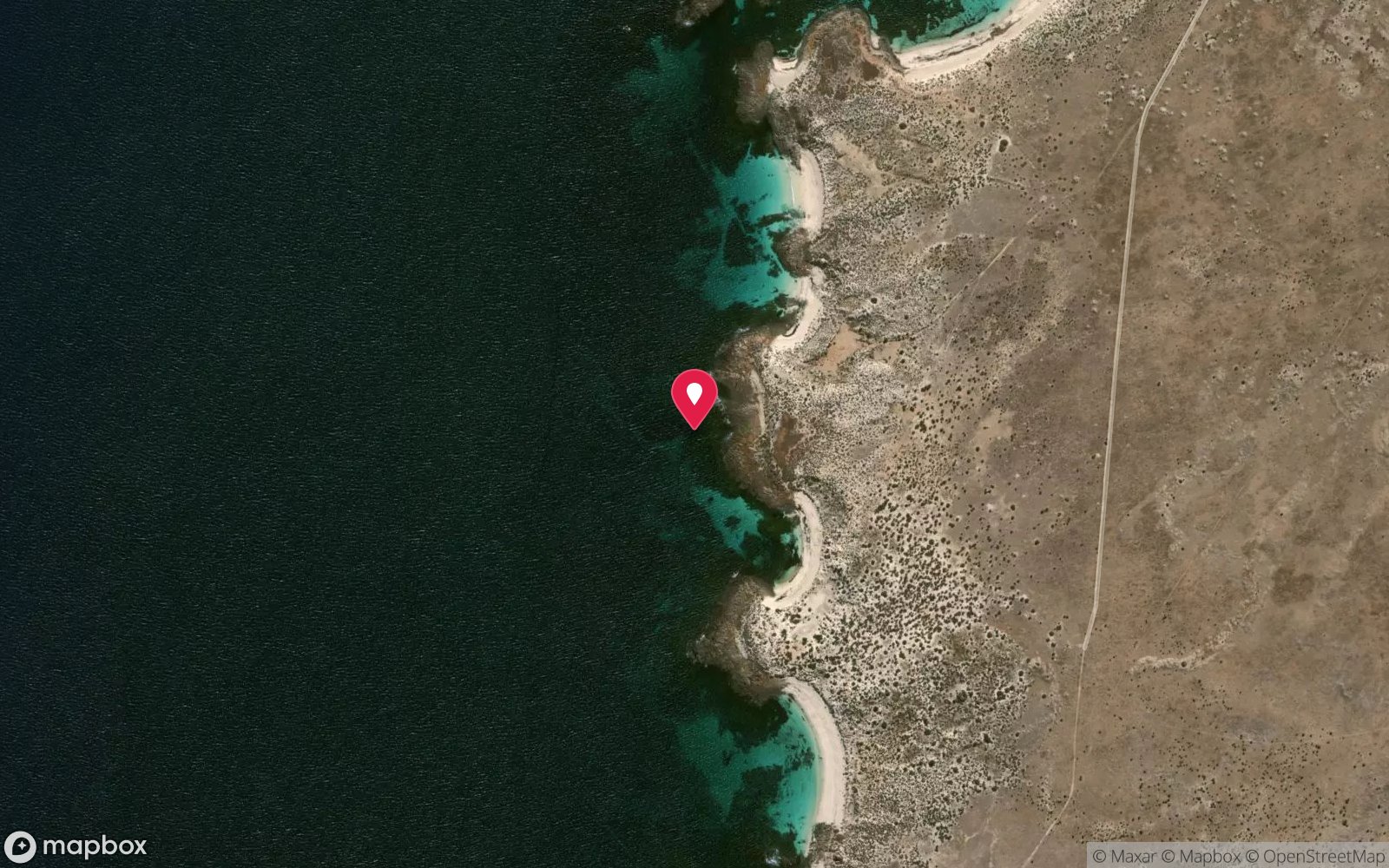
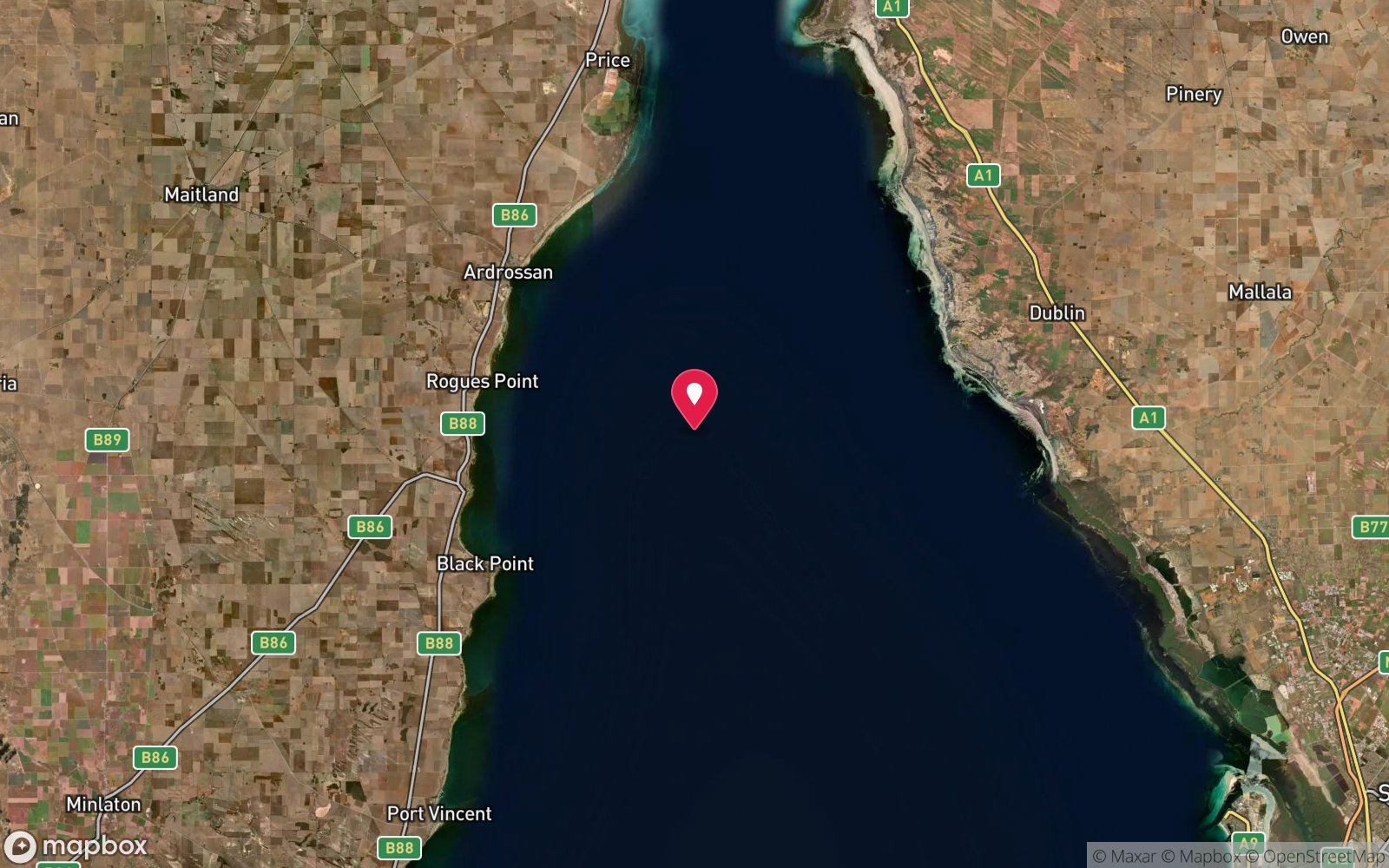
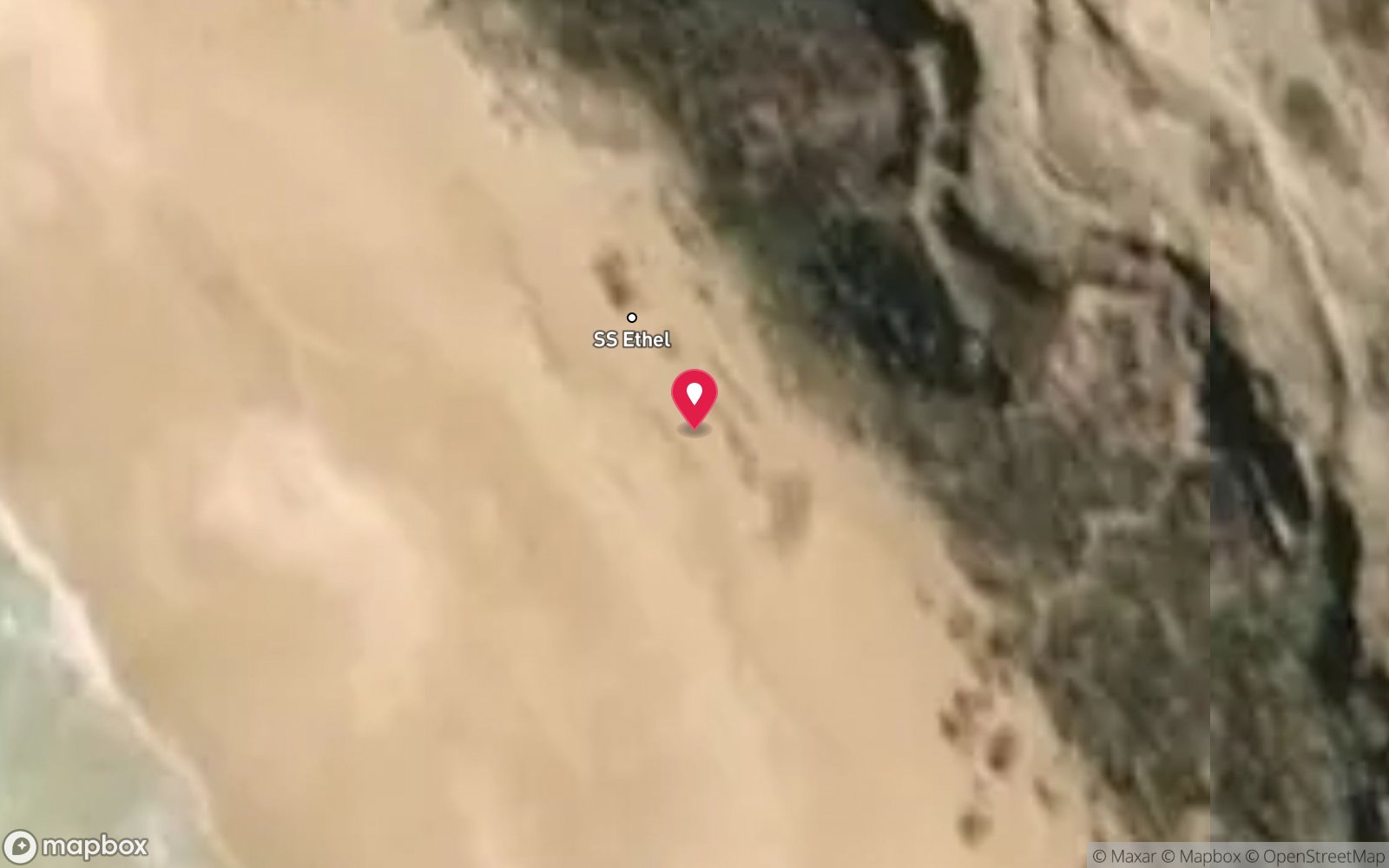
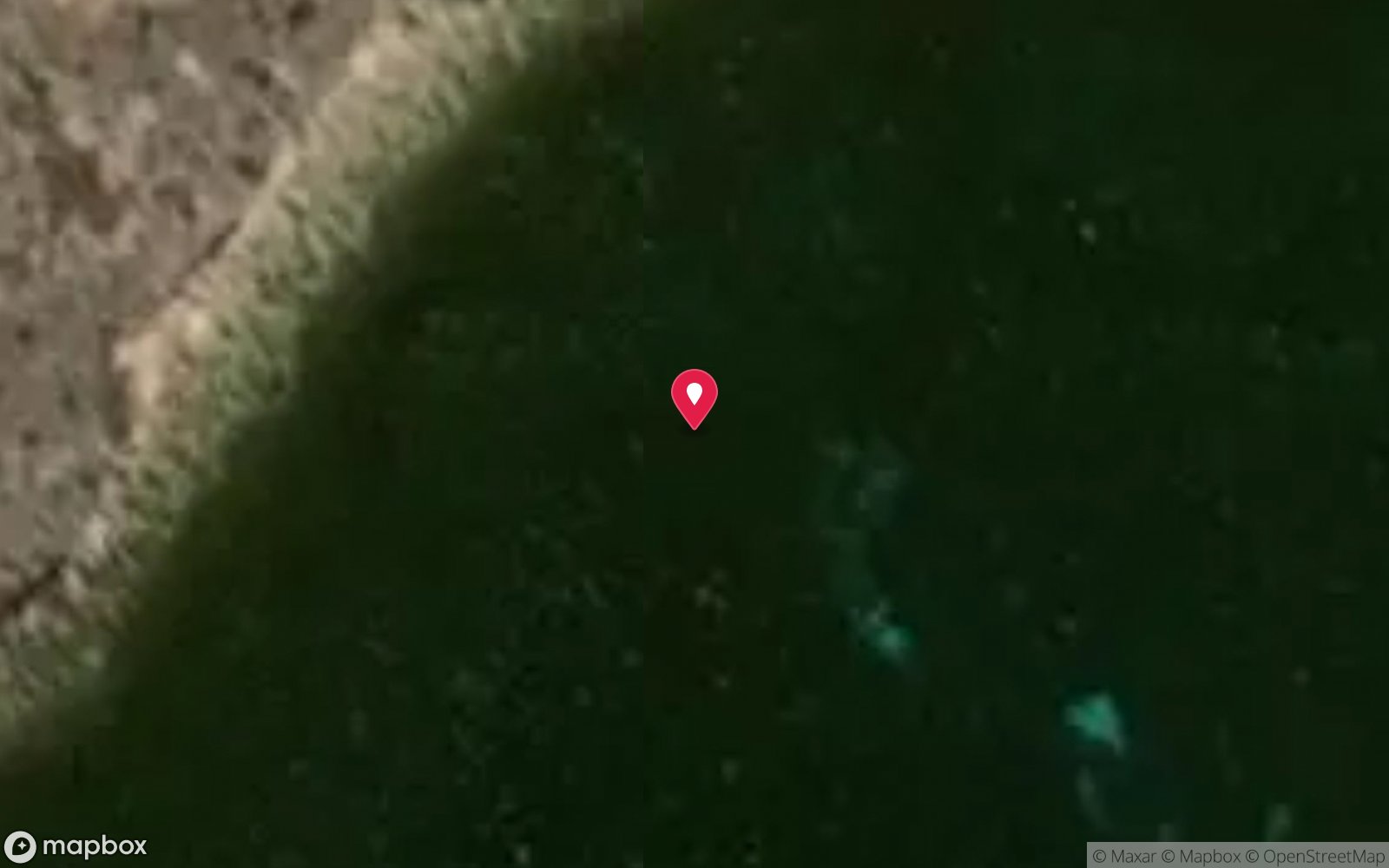
-35.25190, 136.97818
Published GPS position.
Open in Google MapsPrimary source: environment.sa.gov.auMarine park & permits
Protected historic shipwreck (Investigator Strait Shipwreck Trail); Southern Spencer Gulf Marine Park zoning
Nearest recompression chamber
Royal Adelaide Hospital hyperbaric medicine unit (Adelaide)
Diving emergency: call 000, then DAN AP 1800 088 200.
Trip planner
Build a trip around SS Willyama Wreck →
A day-by-day plan for Yorke Peninsula with this site locked in.
This guide is a planning aid. Conditions change daily — confirm with a local dive centre and dive within your training. Data & safety notes.
Dive profile
How this site rates
Scores are computed from the recorded data, not opinions. How?
At a glance
SS Willyama Wreck is a wreck shore dive for experienced divers in Yorke Peninsula, SA, 1–12 m, suited to Open Water divers, moderate current, about 10 minutes by boat.
Rated intermediate because of surge on the entry or in the shallows, cold water.
Why dive here
- A 2,705-ton steel collier broken across the reef off Rhino Head, with sternpost and steering quadrant at the surface and boilers, engine and shaft tunnel below.
- Sunk in 1907; protected as underwater cultural heritage, so look but do not touch.
Conditions to avoid
- Strong southerly or south-east swell and wind
- Afternoon north-easterlies
- Strong westerlies
- Strong northerlies
About SS Willyama Wreck
The Willyama was one of the finest colliers on the Australian coast in her day. Built in 1897 at Newcastle-upon-Tyne, she was a steel, schooner-rigged screw steamer of 2,705 tons and about 99 m (325 ft) long. On 13 April 1907, running from Newcastle NSW towards Port Pirie, she struck the limestone reef off Rhino Head in Marion Bay after her master mistook his position – the Marine Life Society records that he believed he was off Kangaroo Island rather than Yorke Peninsula.
She could not be refloated and broke up where she lay. Today the wreck is fairly broken up and scattered over the reef in 1-12 m, but the major pieces are impressive. The sternpost and steering quadrant still stand at or just above the surface at low water, and the SDFSA notes one of her masts once protruded a couple of metres out of the water.
The boilers, engine, sections of hull plating and a long propeller-shaft inspection tunnel running forward from the stern give plenty to explore, and the steel has become a reef dense with fish: sweep, old wives, magpie perch, zebrafish, leatherjackets and schools of trevally, with blue groper and crayfish in the gutters. The shallowness and moderate depth make it technically easy, but currents around Rhino Head and the swim from shore make it more demanding than it looks; most divers visit by boat as a second dive or tank-finisher, combining it with Rhino Head's limestone reefs nearby. The Willyama is part of the Investigator Strait Shipwreck Trail and is protected.
It suits Open Water divers comfortable in some current, and snorkellers can see the upper wreckage on calm days.
Wreck details
Steel schooner-rigged screw steamer (collier), 2,705 tons, ~99 m (325.5 ft), built Newcastle-upon-Tyne 1897 · Sunk 1907 · Protected historic shipwreck
Era: early 20th century. Oldest wrecks · Wartime wrecks · Scuttled warships
Other wrecks of the same era
- Aagot Wreck · Max 4 m · Yorke Peninsula
- Norma Wreck · Max 15 m · Adelaide Metro
- Montebello Wreck · Max 15 m · Kangaroo Island
- Loch Vennachar Wreck · Max 15 m · Kangaroo Island
- Monarch Wreck · Max 2 m · Yorke Peninsula
- SS Clan Ranald Wreck · Max 21 m · Yorke Peninsula
Getting there & entry
Steel coal steamer wrecked in 1907 on limestone reef about 160-500 m off Pelican Point/Rhino Head, Marion Bay; broken and scattered in 1-12 m with the sternpost and steering quadrant visible at low water.
From Adelaide drive about 300 km (3.5 hours) via Port Wakefield, Minlaton and Warooka to Marion Bay; Dhilba Guuranda-Innes National Park begins just west of the township (vehicle entry fee, pay online or at the Stenhouse Bay visitor centre). Launch at the Marion Bay boat ramp and run a few minutes west along the bay to Pelican Point and Rhino Head; the wreck lies roughly 160 m offshore (DEW) with scattered wreckage extending further, and the sternpost breaks the surface at low tide, making it easy to find. A shore swim from the point is possible but involves a long surface swim in full gear across current-affected water, so most divers treat it as a boat dive to finish a tank.
Entry: Back-roll from a small boat anchored on sand beside the wreckage; a long surface swim from shore is possible but not recommended
Facilities: Boat ramp, toilets, general store, caravan park and pub at Marion Bay.
Weather, swell & tides
The southern tip of Yorke Peninsula faces the open Southern Ocean and Investigator Strait, so south-westerly and southerly swell is the controlling factor: most exposed sites need swell under about 1.5 m and are best after several days of northerly or north-easterly winds, which blow offshore along this coast. Winter cold fronts bring big south-westerly swell and strong winds and can close the area for days. Summer afternoon south-easterly sea breezes make boat runs rough, so launch early.
Visibility is typically 10-20 m in settled conditions but drops sharply with swell-driven surge. The Willyama is inside Marion Bay and somewhat sheltered from westerly swell, but currents around Rhino Head can be strong.
Best season: Summer and autumn on northerly days
If it's blown out
Sheltered or shore sites within 25 km that often work when SS Willyama Wreck doesn't.
- Marion Bay Jetty · 2 km · Max 5 m
- Stenhouse Bay Jetty · 4 km · Max 10 m
- Hougomont Wreck · 4 km · Max 10 m
- SS Marion Wreck · 7 km · Max 12 m
How the dive is usually run
Anchor near the stern, where the sternpost and quadrant break the surface, then follow the propeller-shaft tunnel and scattered plating forward along the reef, exploring the boilers and engine. Return along the other side of the debris field to the stern.
Marine life
- Sweep
- old wives
- magpie perch
- zebrafish
- leatherjackets
- trevally
- western blue groper →
- southern rock lobster
- sponges and kelp
Linked species have their own page listing every site where they are recorded. All marine life →
Training required
Within the 18 m limit of an entry-level certification.
Courses that help here
- Drysuit Diver – Cold water; locals dive dry for much of the year.
Depth tiers: 0–10 m easy · to 18 m Open Water · 18–30 m Advanced (25 m+ is a deep dive) · 30–40 m Deep specialty · 40 m+ technical. All courses
Hazards & warnings
Moderate to strong currents off Rhino Head; long surface swim if attempted from shore; sharp, corroded steel; surge in swell; protected historic shipwreck – no disturbance.
Dive centres that go here
No resident charter at Marion Bay; dived by Adelaide shops and clubs on Innes/Marion Bay boat weekends and by private boats from the Marion Bay ramp.
Other dive centres in Yorke Peninsula
Adelaide Scuba
ListedGlenelg North · Adelaide Metro · SA
An Adelaide business providing training, equipment and local diving support, located near Glenelg.
adelaidescuba.com.au · (08) 8294 7744
Diving Adelaide
ListedMarleston · Adelaide Metro · SA
An Adelaide training and guided diving operation serving local sites and organised trips.
divingadelaide.com.au · (08) 8122 5003
The Dive Shack
ListedGlenelg · Adelaide Metro · SA
An Adelaide business combining retail, servicing and training for South Australian divers.
thediveshack.com.au
All dive centres in South Australia →
Operators mentioned: Adelaide shops (The Dive Shack, Diving Adelaide) on trips; private boats from Marion Bay
Map
7 pinned sites. Pins marked approximate on their pages show the general area only; not for navigation.
Satellite views
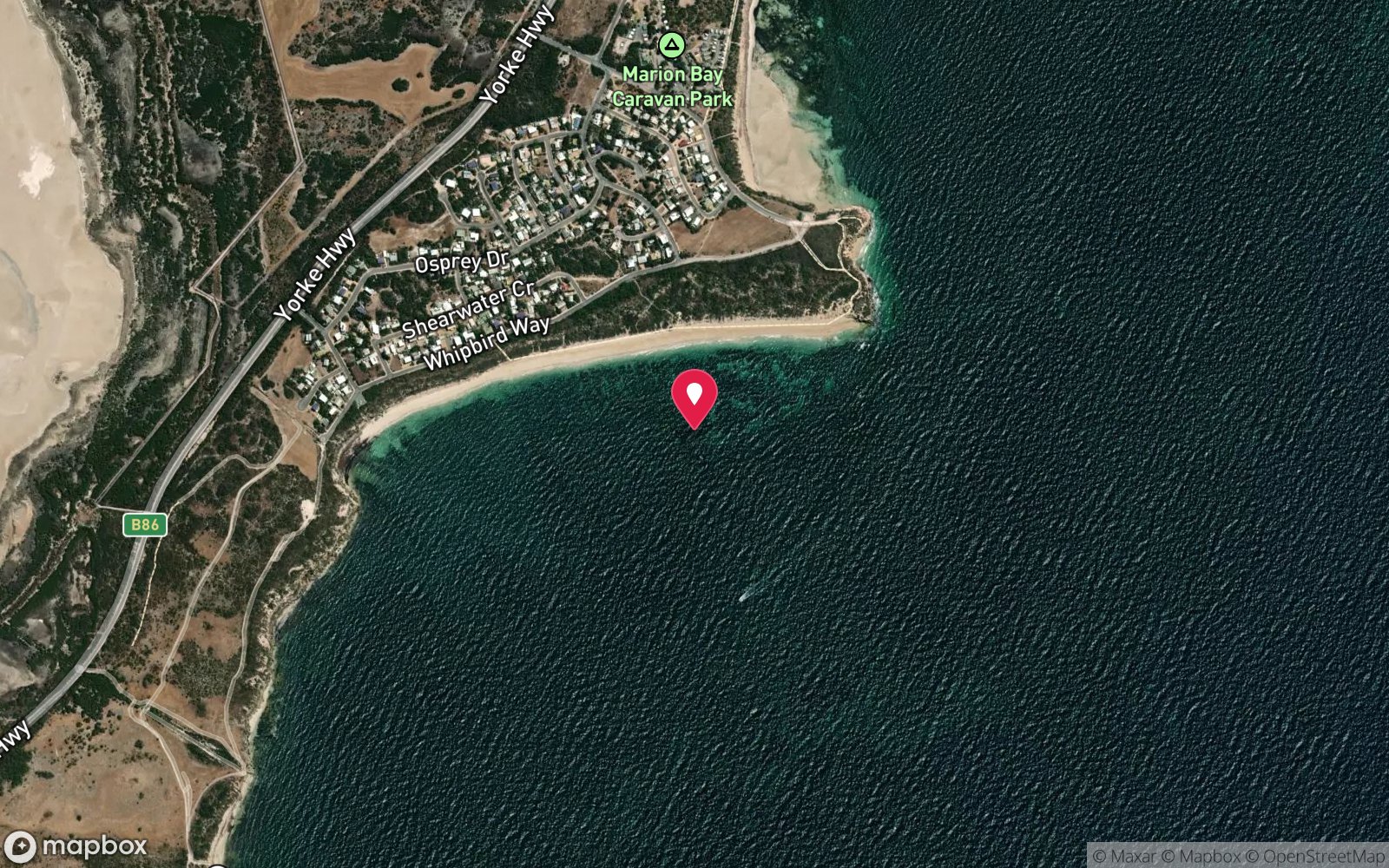
SS Willyama Wreck: frequently asked questions
How deep is SS Willyama Wreck?
SS Willyama Wreck reaches a maximum depth of 12 m, with the shallowest part at about 1 m; most of the dive is spent around 5 m.
What certification do I need to dive SS Willyama Wreck?
Open Water is the recommended minimum. Rated intermediate because of surge on the entry or in the shallows, cold water.
Can I shore dive SS Willyama Wreck?
Experienced divers do dive SS Willyama Wreck from the shore, but the entry or conditions make it unsuitable for newer divers without local guidance. Entry: Back-roll from a small boat anchored on sand beside the wreckage; a long surface swim from shore is possible but not recommended.
When is the best time to dive SS Willyama Wreck?
Summer and autumn on northerly days.
What marine life will I see at SS Willyama Wreck?
Regularly recorded: Sweep, old wives, magpie perch, zebrafish, leatherjackets, trevally, western blue groper, southern rock lobster, sponges and kelp.
What wetsuit do I need at SS Willyama Wreck?
5-7 mm full wetsuit with hood in summer/autumn; 7 mm semi-dry or drysuit in winter.
How cold is the water at SS Willyama Wreck?
Typically 20-24 °C in summer and 12-14 °C in winter.
What are the main hazards at SS Willyama Wreck?
Moderate to strong currents off Rhino Head; long surface swim if attempted from shore; sharp, corroded steel; surge in swell; protected historic shipwreck – no disturbance. See the hazards section above for the full list.
Where is the nearest recompression chamber to SS Willyama Wreck?
Royal Adelaide Hospital hyperbaric medicine unit (Adelaide). In an emergency call 000, then DAN Asia-Pacific on 1800 088 200.
Diving in Yorke Peninsula
The Yorke Peninsula is jetty country. Edithburgh, Port Hughes, Wool Bay, Stenhouse Bay and Port Victoria have some of the richest macro diving in Australia under their pylons: blue devils, pyjama squid, seahorses, tasselled anglerfish, leafy seadragons and carpets of sponges in 5–12 m. Marion Bay and Innes National Park at the southern tip add wrecks, sea lions and clearer open-coast water.
Getting there: Two to four hours west of Adelaide. All the jetties are walk-in shore dives with ladders or beach entries; Innes National Park sites need a park pass.
Sources
Nearby dive sites
More wrecks in South Australia
Explore more
This region
Similar dives
Marine life