Dive slate · divesites.com.au · printed 7 Nov 2026
Glenelg Dredge (SS South Australian)
Adelaide Metro, South Australia · near Glenelg
| Depth | 14–20 m |
|---|---|
| Minimum level | Advanced Open Water |
| Difficulty | Intermediate |
| Access | Boat (day trip) |
| Entry | Back roll or giant stride from private or charter boat |
| Current | Variable/Tidal |
| Visibility | 4-15 m |
| Water | summer 19-23 °C, winter 12-14 °C |
| Suit | 7 mm wetsuit with hood year-round; drysuit popular in winter (June-September) |
| Best season | Late summer to autumn (February-May) for the calmest mornings and best visibility; winter can be clear on easterly days |
| Bottom time | 35 min |
| Position | -34.97864, 138.44067 (GPS) |
| Permit | No permit required; SA recreational fishing rules apply |
| Nearest chamber | Royal Adelaide Hospital Hyperbaric Medicine Unit (Adelaide CBD); DAN emergency hotline 1800 088 200 |
| Emergency | 000 · DAN Asia-Pacific diving emergency 1800 088 200 |
Glenelg Dredge (SS South Australian)
Also known as The Dredge, South Australian, Glenelg Dredge wreck
A near-intact 1911 Dutch-built dredge sitting upright in 20 m and packed with fish – Adelaide's most dived boat wreck, easily combined with the Barge.
Near Glenelg · Adelaide Metro, South Australia
- Depth
- 14–20 m
- Minimum level
- Advanced Open Water
- Access
- Boat (day trip)
- Boat ride
- ~15 min
- Water
- 19-23 °C
- Visibility
- 4-15 m
Glenelg Dredge (SS South Australian)14–20 m · Advanced Open Water
Dive factsDepths, conditions, location & safety
Season
Off-peak nowBest months: January, February, March, April, May, June, July, August, December.
Late summer to autumn (February-May) for the calmest mornings and best visibility; winter can be clear on easterly days
- Best months
- Now (November)
Dive facts
- Depth
- 14–20 m
- Typical depth
- 17 m
- Certification
- Advanced Open Water
- Difficulty
- Intermediate
- Depth tier
- Advanced Open Water (18–30 m)
- Access
- Boat (day trip)
- Offshore
- 5.5 km
- Dive centre needed
- Yes – boat access only
- Shore / independent
- No
- Boat ride
- ~15 min
- Current
- Variable/Tidal
- Visibility
- 4-15 m
- Water temp (summer)
- 19-23 °C
- Water temp (winter)
- 12-14 °C
- Water
- Temperate
- Bottom time
- 35 min
- Dive traffic
- Popular (weekly charters)
- Night dive
- Possible
- Snorkel friendly
- No
Exposure suit
7 mm wetsuit with hood year-round; drysuit popular in winter (June-September)
Location
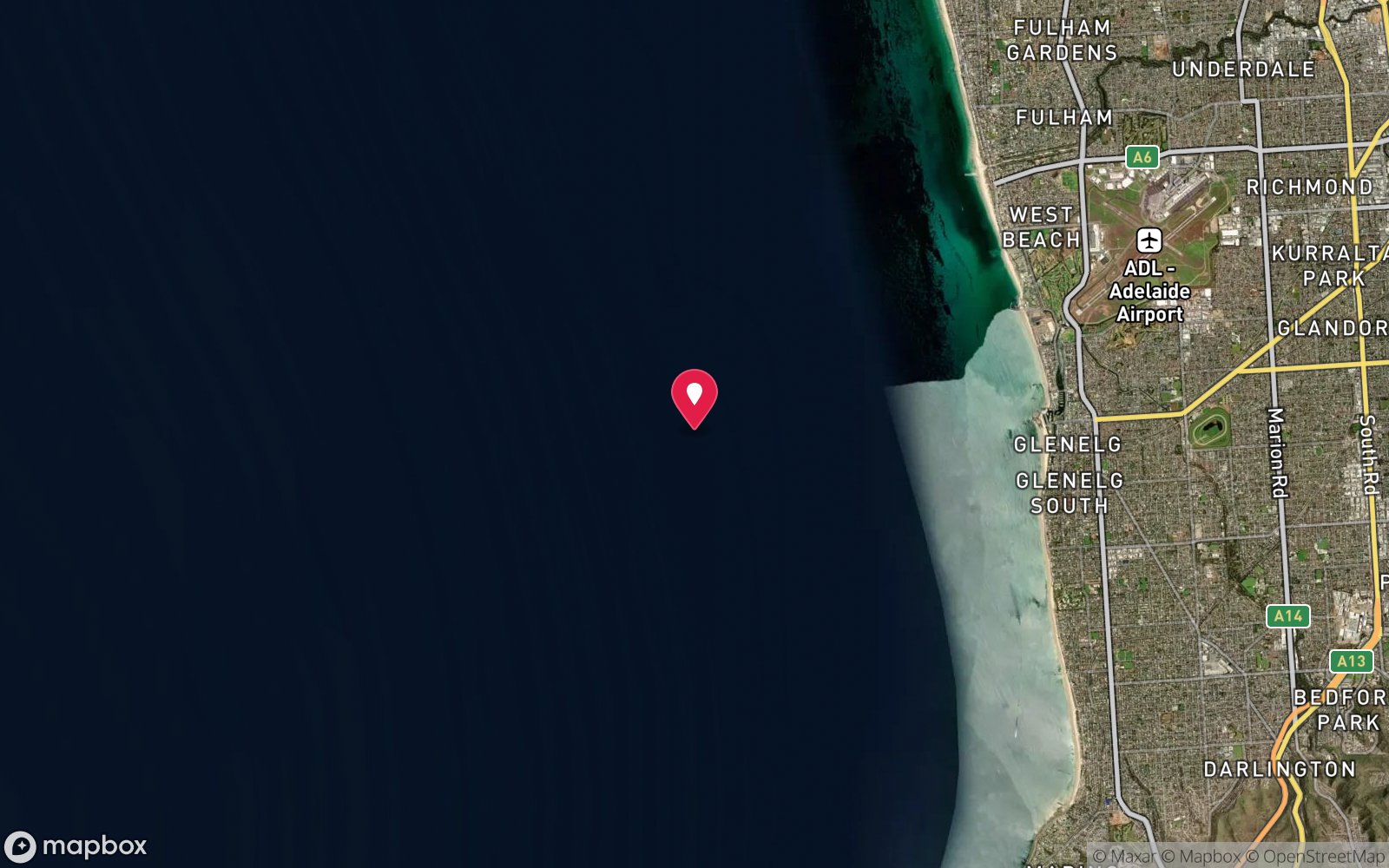
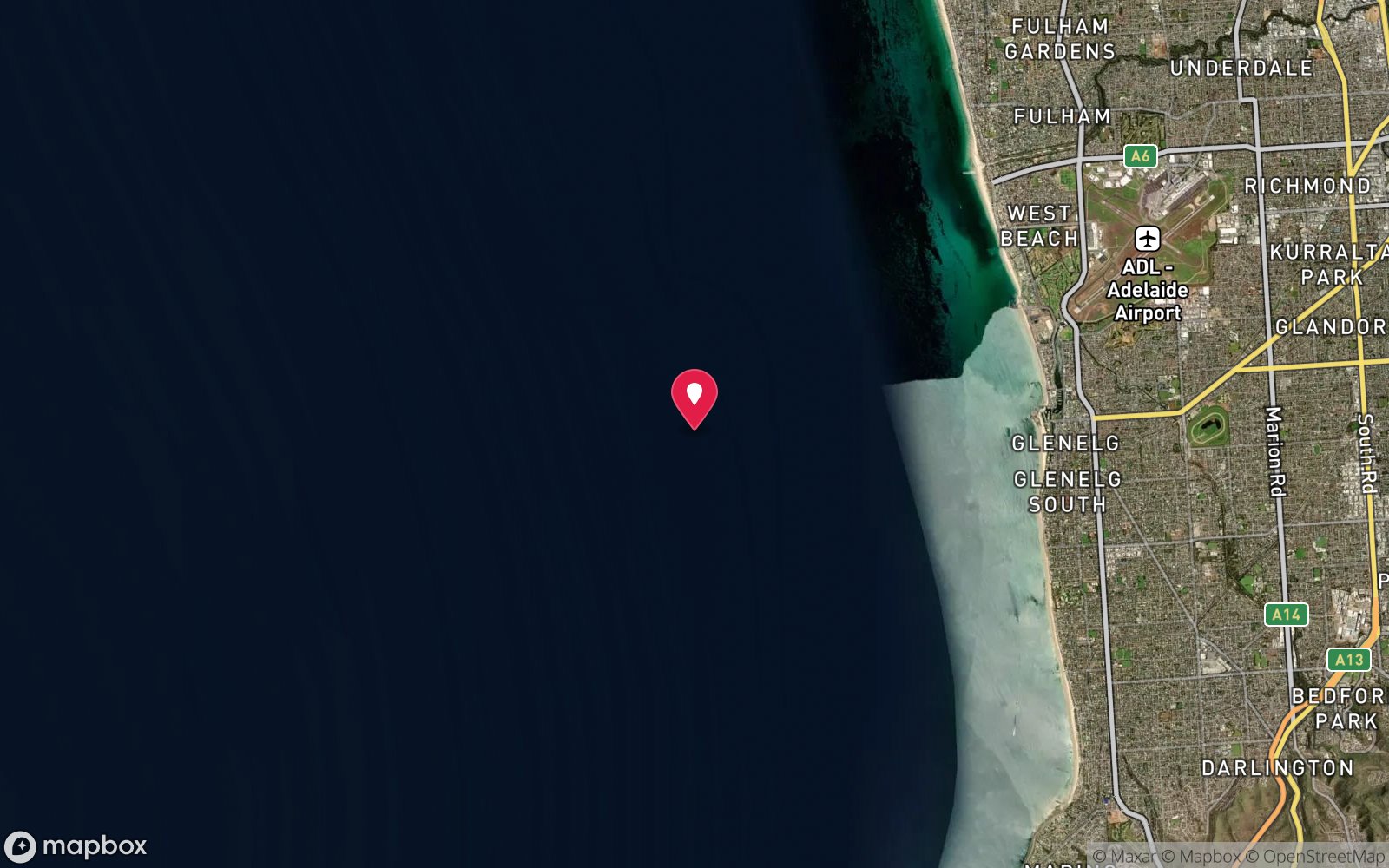
Glenelg artificial reef complex
-34.97864, 138.44067
Published GPS position.
Open in Google MapsPrimary source: sdfsa.netMarine park & permits
No permit required; SA recreational fishing rules apply
Nearest recompression chamber
Royal Adelaide Hospital Hyperbaric Medicine Unit (Adelaide CBD); DAN emergency hotline 1800 088 200
Diving emergency: call 000, then DAN AP 1800 088 200.
Trip planner
Build a trip around Glenelg Dredge (SS South Australian) →
A day-by-day plan for Adelaide Metro with this site locked in.
This guide is a planning aid. Conditions change daily — confirm with a local dive centre and dive within your training. Data & safety notes.
Dive profile
How this site rates
Scores are computed from the recorded data, not opinions. How?
At a glance
Glenelg Dredge (SS South Australian) is a wreck boat dive in Adelaide Metro, SA, 14–20 m, suited to Advanced Open Water divers, variable/tidal current, about 15 minutes by boat.
Rated intermediate because of depth beyond 18 m, tidal current that must be timed, wreck penetration options that need training, cold water.
Why dive here
- A near-intact 1911 Dutch-built dredge sitting upright in 20 m and packed with fish – Adelaide's most dived boat wreck, easily combined with the Barge.
- Sunk in 1985.
Conditions to avoid
- Strong westerlies
- Outgoing tide or run-off after rain (poor visibility)
- Spring tides (strong current)
About Glenelg Dredge (SS South Australian)
The Dredge is the best-known boat dive off Adelaide and, in the words of the local Scuba Divers Federation guide, arguably the best fish dive off the metropolitan coast. The vessel is the South Australian, a self-propelled cutter-suction dredge built in Holland in 1911 and about 35 m (133 ft) long and 7 m wide. She spent decades working for the state, including clearing sand from the Port River, before being scuttled in January 1985 as part of a deliberate artificial reef program alongside the Glenelg Barge (sunk 1984) and the older Glenelg Tyre Reef.
She sits upright on a flat sand and silt bottom in about 20 m, with her deck around 15 m, which puts the whole wreck within reach of Advanced divers on air. After four decades underwater, the steel is thickly covered in sponges, ascidians, bryozoans, soft corals and anemones, and the structure concentrates fish in a way the surrounding bare seabed cannot. Large schools of bullseyes hang in the shadow of the hull, and old wives, blue devilfish, morwong, magpie perch, leatherjackets, strongfish and boarfish are common.
Wobbegongs rest on and under the wreck, cuttlefish are frequent, and stingrays sit in the sand alongside. The wreck is still recognisably a ship: the cabin rooms and the pump hold can be entered by trained wreck divers, but the interior is silty and some deeper spaces around the boiler and engine room are considered unsafe because of deteriorating steel. Most divers are happy on the outside, where two or three laps at different levels fill a 35-minute dive.
A trail of star droppers links the Dredge to the nearby Barge, so on a quiet tide it is possible to see both wrecks on a single dive. The Dredge suits newly Advanced divers wanting their first real wreck, photographers after fish schools and encrusting growth, and anyone looking for a reliable metro boat dive close to town. It is also a good benchmark site for the health of Adelaide's offshore reefs after the 2025 harmful algal bloom.
Wreck details
Self-propelled cutter-suction dredge, built Holland 1911; approx. 35 m (133 ft) x 7 m · Sunk 1985
Era: post-war. Oldest wrecks · Wartime wrecks · Scuttled warships
Other wrecks of the same era
- Glenelg Barge · Max 20 m · Adelaide Metro
- Ardrossan Barge · Max 20 m · Yorke Peninsula
- Mylor Star Wreck · Max 15 m · Yorke Peninsula
- MV Yatala Reef Wreck · Max 12 m · Yorke Peninsula
- Bronzewing Tug Wreck · Max 7 m · Eyre Peninsula
- HA Lumb Wreck · Max 20 m · Adelaide Metro
Getting there & entry
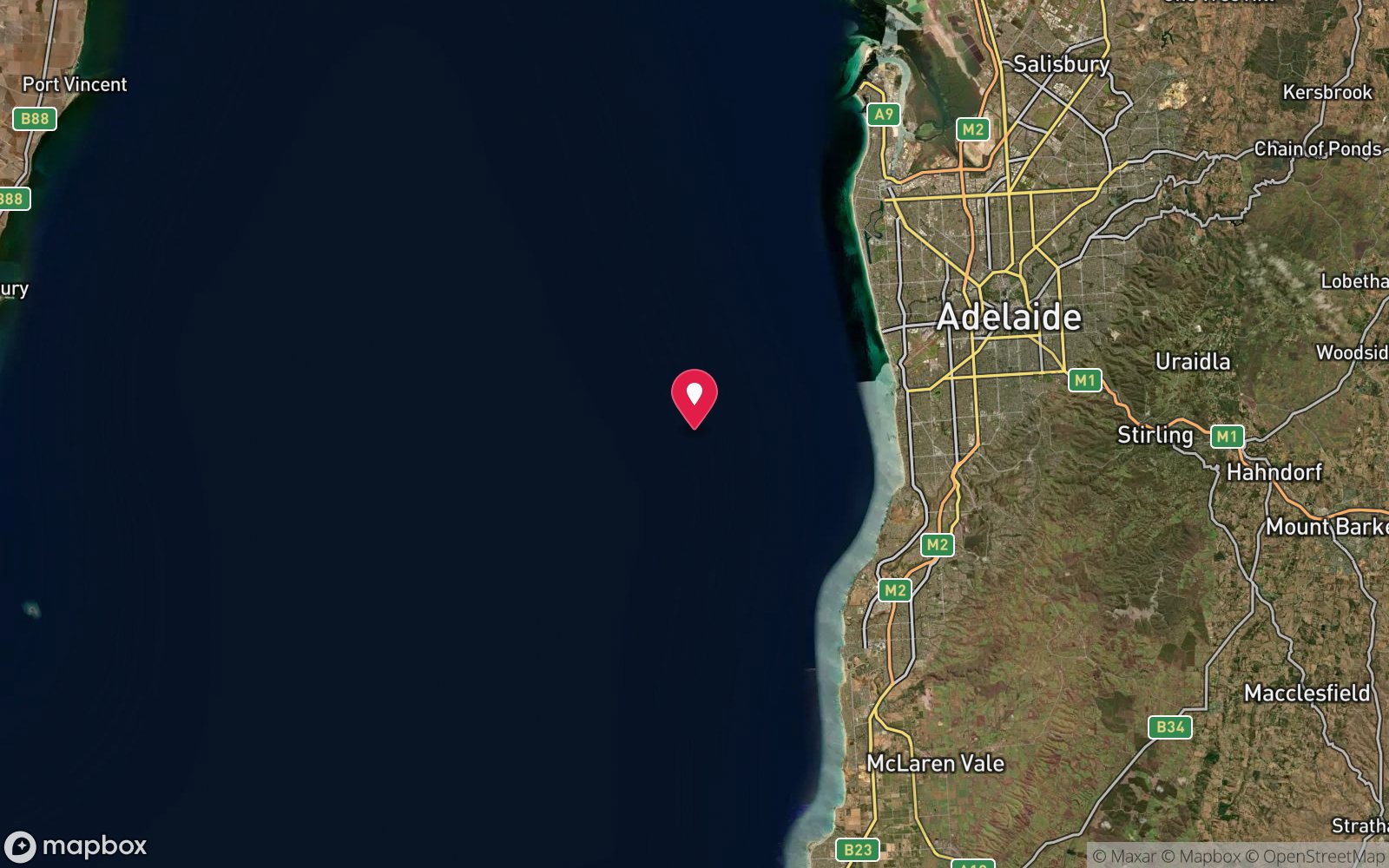
Scuttled suction dredge lying upright in 20 m of water about 5-6 km west of Glenelg, 20-80 m from the Glenelg Barge and about 180 m north of the Glenelg Tyre Reef.
Boat access only. Adelaide Scuba runs its charters from its shop on the Patawalonga at Glenelg North, with the boat leaving through the Patawalonga/Holdfast Shores entrance; private boats launch at the West Beach boat ramp (Barcoo Road end of the West Beach dunes, large trailer park, fee payable) or the Glenelg (Holdfast Shores) ramp. From Glenelg it is a run of about 10-20 minutes due west in flat water.
Use GPS marks: the sites are low-relief and cannot be seen from the surface, and there are no public moorings, so anchor in sand off the structure and leave a boat attendant with a dive flag up because charter and fishing traffic is steady on weekends.
Entry: Back roll or giant stride from private or charter boat
Facilities: West Beach boat ramp (toilets, large trailer park); Adelaide Scuba shop at Glenelg North (air fills, hire, back-deck briefing area); cafes and shops at Glenelg.
Weather, swell & tides
The metro coast faces west into Gulf St Vincent, so the rule is simple: offshore easterly winds flatten the sea and clear the water, while westerlies and south-westerlies build a short, steep chop and stir up the silty bottom. In summer the south-westerly sea breeze usually arrives by late morning or early afternoon, so boats aim to be back in by lunchtime. Northerlies are workable when light.
The gulf has a mixed, small-range tide with 'dodge tides' (neap periods when the water barely moves) that give the easiest diving; strong spring tides can run noticeably across the offshore wrecks. Visibility drops for several days after strong westerly blows and after heavy rain when stormwater and Patawalonga/Torrens outflow reach the coast.
Best season: Late summer to autumn (February-May) for the calmest mornings and best visibility; winter can be clear on easterly days
If it's blown out
Sheltered or shore sites within 25 km that often work when Glenelg Dredge (SS South Australian) doesn't.
- Port Noarlunga Reef & Jetty · 19 km · Max 20 m
- Port Noarlunga Reef Underwater Trail · 19 km · Max 20 m
- Port Noarlunga Southern Reef · 20 km · Max 8 m
- Leatherjacket Alley · 4 km · Max 10 m
How the dive is usually run
Anchor or drop a shot on the sand beside the hull and descend to the main deck at about 15 m. Circuit the outside of the hull at the sand (20 m) first, then come up to deck level and work back along the superstructure and the cabin area. Trained wreck divers can look into the open cabin rooms and pump hold; the boiler and engine spaces are silty and not recommended.
If current is light, follow the star-dropper line across to the Barge for a two-wreck dive, then return to the anchor line for a safety stop.
Marine life
- Bullseyes (large schools)
- old wives
- blue devilfish →
- wobbegongs →
- cuttlefish →
- morwong
- magpie perch
- leatherjackets
- strongfish
- boarfish
- sergeant baker
- stingrays
- nudibranchs →
- sponges
- ascidians
- soft corals
- anemones
- bryozoans
Linked species have their own page listing every site where they are recorded. All marine life →
Training required
Beyond 18 m an Advanced certification (which includes a deep dive to 30 m) is the accepted minimum. Anything past 25 m is a deep dive in practice.
Courses that help here
- Wreck Diver – The wreck has penetration options.
- Drysuit Diver – Cold water; locals dive dry for much of the year.
- Peak Performance Buoyancy – Silt and low visibility punish poor trim.
Depth tiers: 0–10 m easy · to 18 m Open Water · 18–30 m Advanced (25 m+ is a deep dive) · 30–40 m Deep specialty · 40 m+ technical. All courses
Hazards & warnings
Silt-outs inside the hull; rusting, deteriorating steel with sharp edges; boiler and engine room penetrations unsafe; tidal current on spring tides; boat and fishing traffic, discarded fishing line and anchors; open-water boat site with no mooring; white sharks occasionally reported in the area during salmon and snapper runs.
Technical notes
Depth suits air or EANx 32 for longer bottom times. Penetration only with wreck training, a guideline and redundant light; interior silts quickly.
Dive centres that go here
Adelaide Scuba (Glenelg North) – scheduled 'Dredge and Barge' double-dive boat trips, typically weekends in season; Underwater Sports (Edwardstown) and The Dive Shack (Glenelg) – periodic club/shop boat dives; also dived regularly from private boats out of West Beach.
Operators recorded for Glenelg Dredge (SS South Australian)
Adelaide Scuba
ListedGlenelg North · Adelaide Metro · SA
An Adelaide business providing training, equipment and local diving support, located near Glenelg.
adelaidescuba.com.au · (08) 8294 7744
Underwater Sports
ListedHolden Hill · Adelaide Metro · SA
An Adelaide equipment and service business. Retail range and servicing capability require verification.
underwatersports.com.au · (08) 8263 3337
The Dive Shack
ListedGlenelg · Adelaide Metro · SA
An Adelaide business combining retail, servicing and training for South Australian divers.
thediveshack.com.au
Other dive centres in Adelaide Metro
Diving Adelaide
ListedMarleston · Adelaide Metro · SA
An Adelaide training and guided diving operation serving local sites and organised trips.
divingadelaide.com.au · (08) 8122 5003
Divers Delight
ListedStepney · Adelaide Metro · SA
An Adelaide dive business. Retail range, servicing and training availability require verification.
diversdelight.com.au · (08) 8363 7518
Adelaide Technical Diving
ListedPark Holme · Adelaide Metro · SA
An Adelaide operation specialising in technical diving training, relevant to divers preparing for deep, decompression or cave diving in South Australia.
Flinders University Underwater Club
Named by sitesBedford Park · Adelaide Metro · SA
Club, not a shop; open to non-students.
fuuc.com.au
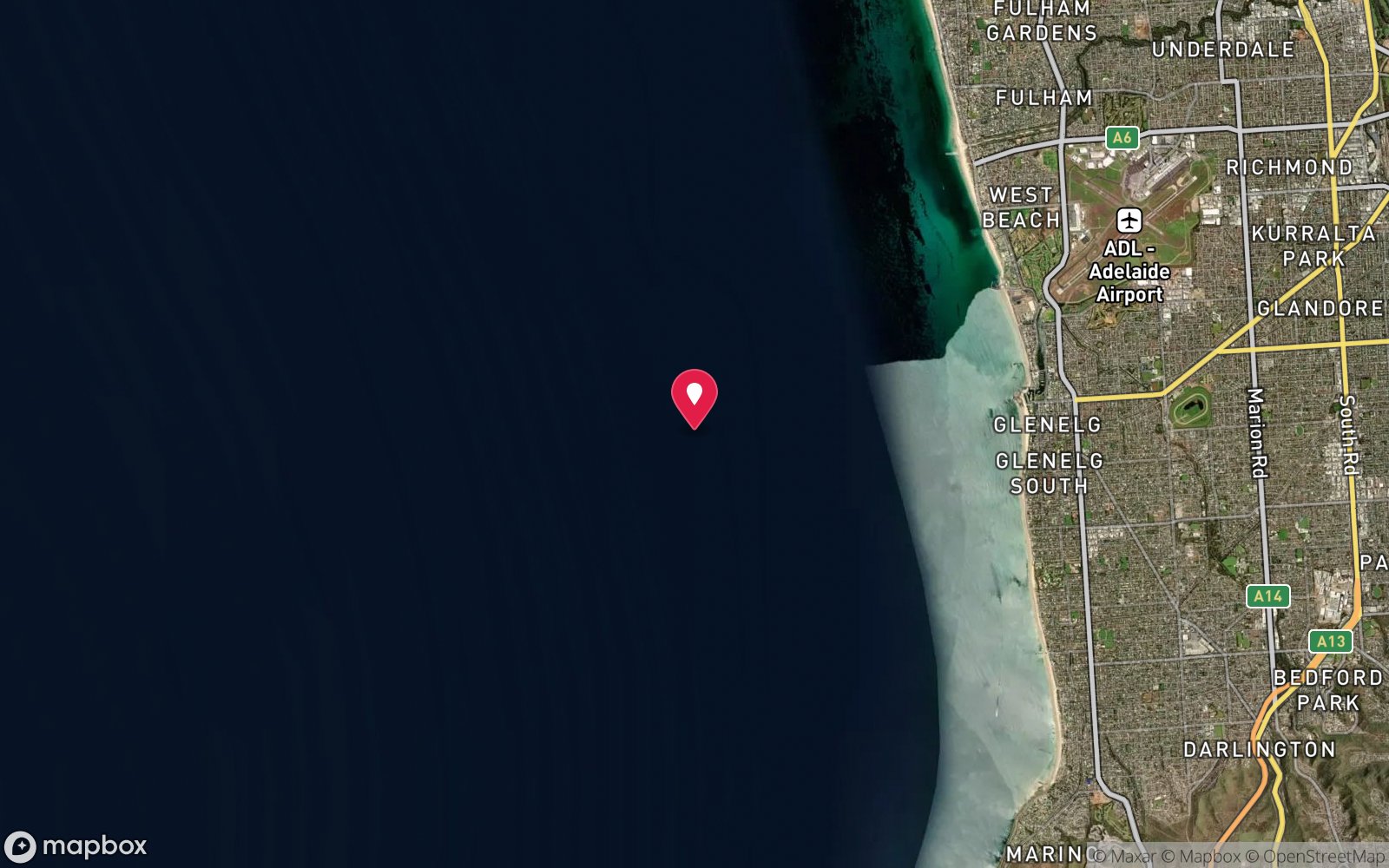
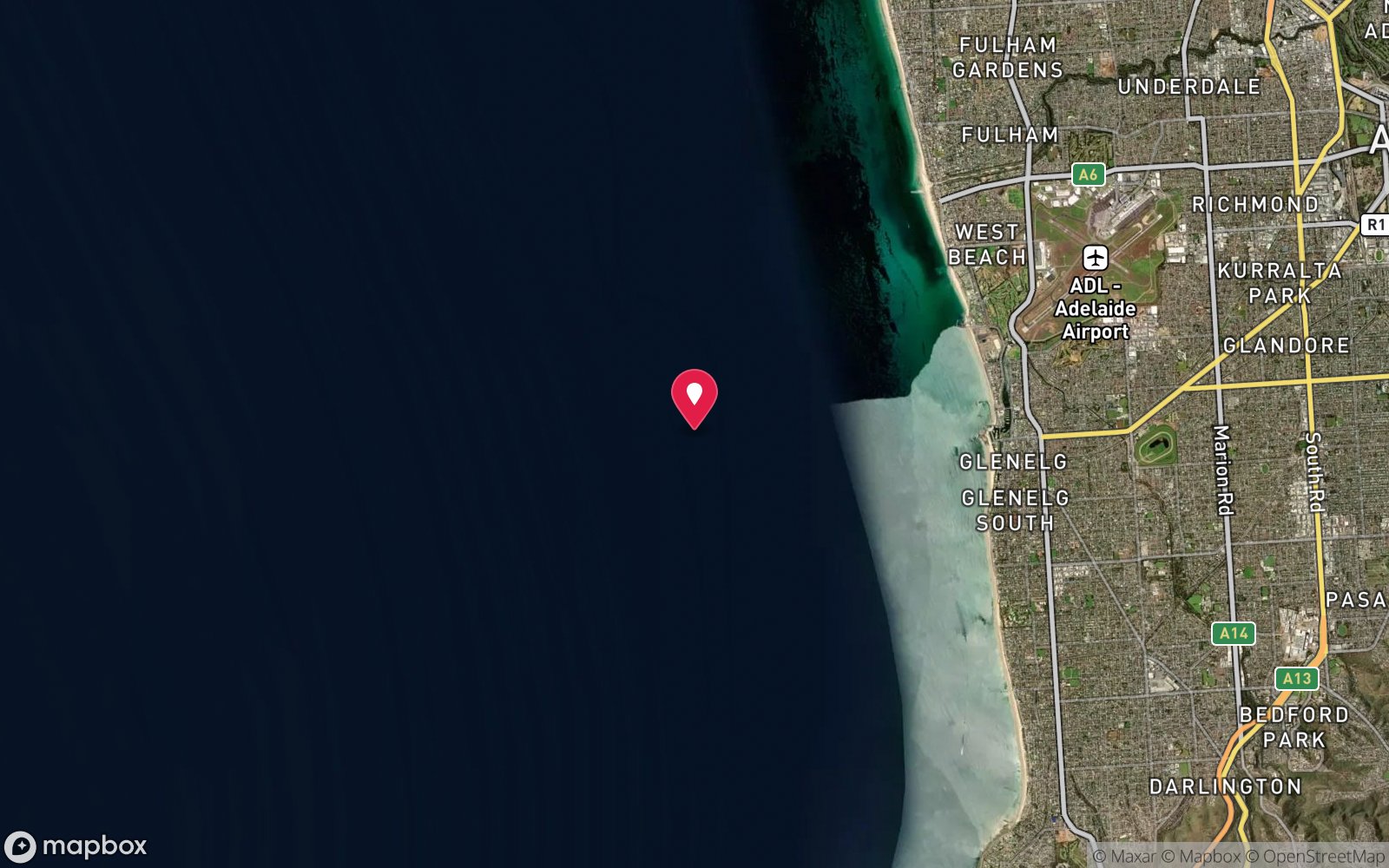
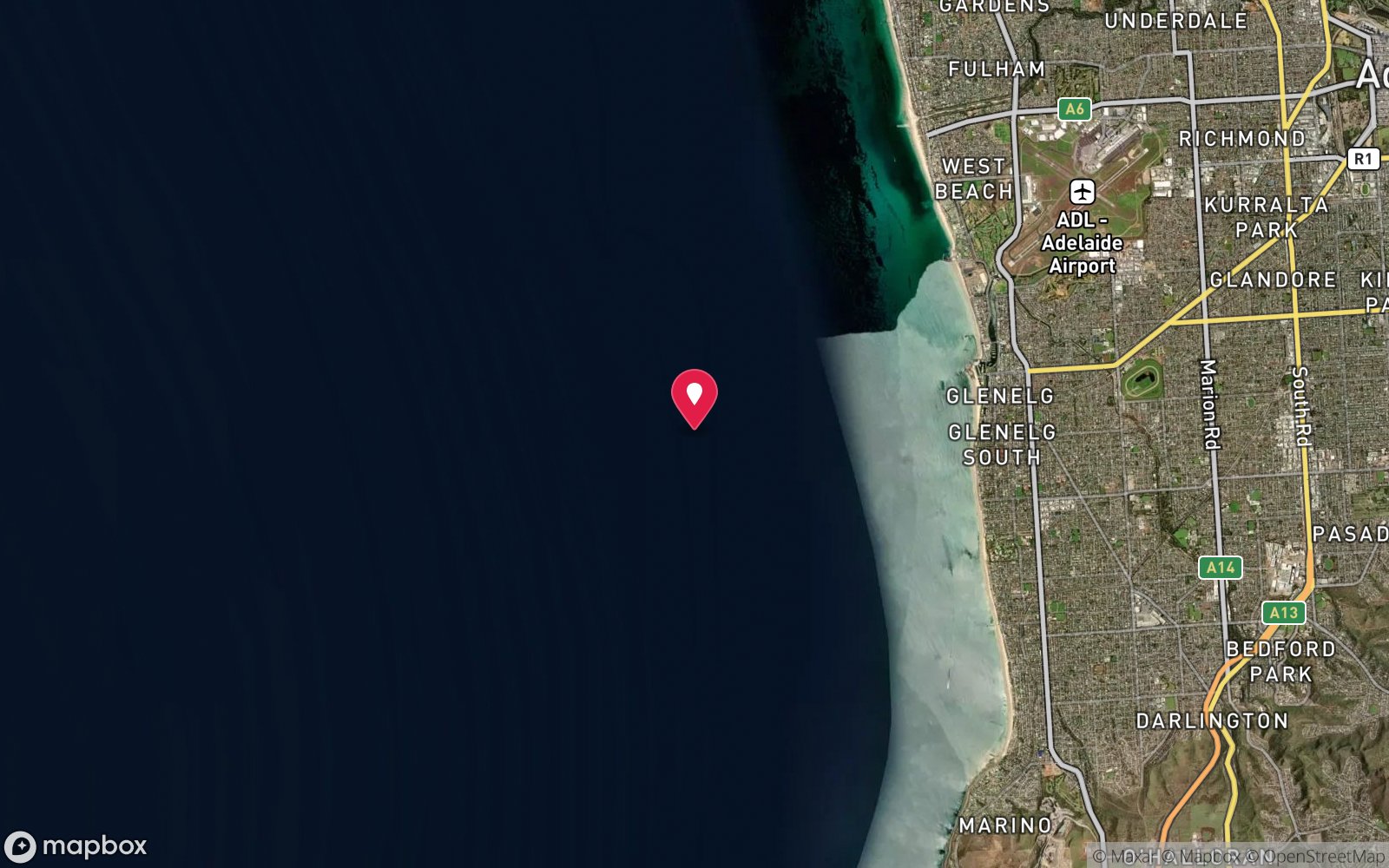
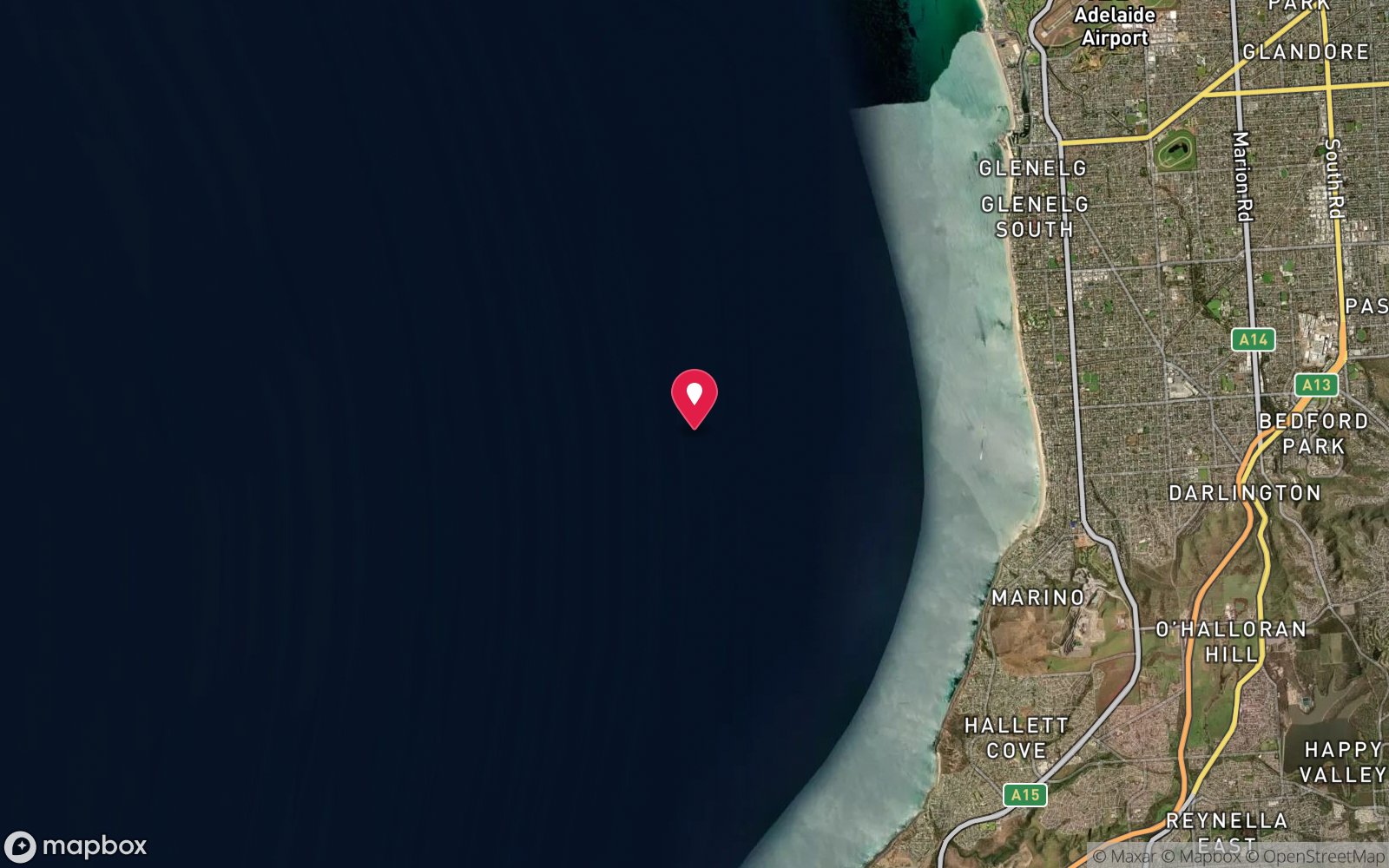
Map
7 pinned sites. Pins marked approximate on their pages show the general area only; not for navigation.
Satellite views
Glenelg Dredge (SS South Australian): frequently asked questions
How deep is Glenelg Dredge (SS South Australian)?
Glenelg Dredge (SS South Australian) reaches a maximum depth of 20 m, with the shallowest part at about 14 m; most of the dive is spent around 17 m.
What certification do I need to dive Glenelg Dredge (SS South Australian)?
Advanced Open Water is the recommended minimum. Rated intermediate because of depth beyond 18 m, tidal current that must be timed, wreck penetration options that need training, cold water.
Can I shore dive Glenelg Dredge (SS South Australian)?
No, it is reached by boat (about 15 minutes). A dive centre is required: boat access only.
When is the best time to dive Glenelg Dredge (SS South Australian)?
Late summer to autumn (February-May) for the calmest mornings and best visibility; winter can be clear on easterly days.
What marine life will I see at Glenelg Dredge (SS South Australian)?
Regularly recorded: Bullseyes (large schools), old wives, blue devilfish, wobbegongs, cuttlefish, morwong, magpie perch, leatherjackets, strongfish, boarfish, sergeant baker, stingrays and more.
What wetsuit do I need at Glenelg Dredge (SS South Australian)?
7 mm wetsuit with hood year-round; drysuit popular in winter (June-September).
How cold is the water at Glenelg Dredge (SS South Australian)?
Typically 19-23 °C in summer and 12-14 °C in winter.
What are the main hazards at Glenelg Dredge (SS South Australian)?
Silt-outs inside the hull; rusting, deteriorating steel with sharp edges; boiler and engine room penetrations unsafe; tidal current on spring tides; boat and fishing traffic, discarded fishing line and anchors; open-water boat site with no mooring; white sharks occasionally reported in the area during salmon and snapper runs. See the hazards section above for the full list.
Where is the nearest recompression chamber to Glenelg Dredge (SS South Australian)?
Royal Adelaide Hospital Hyperbaric Medicine Unit (Adelaide CBD); DAN emergency hotline 1800 088 200. In an emergency call 000, then DAN Asia-Pacific on 1800 088 200.
Diving in Adelaide Metro
Adelaide's coast has more than 40 dive sites in 30 minutes of the city: the Glenelg Dredge and the Barge off Glenelg, the reef and snorkel trail at Port Noarlunga, the Hallett Cove and Seacliff reefs, the ships' graveyard at Garden Island and the Port River dolphins. Most are shore or short-boat dives in 5–20 m.
Getting there: Shore dives have suburban car parks; charters from Glenelg, North Haven and O'Sullivan Beach run the wrecks and the Hobart.
Sources
- sdfsa.net/sa-dive-sites/adelaide-metro
- seawolves.org.au/adelaide-metro-dive-sites
- thediveshack.com.au/dive-sites/local-dive-sites-adelaide-metropolitan
- marinelife.org.au/?page_id=128
- en.wikivoyage.org/wiki/Diving_in_South_Australia
- southaustralia.com/products/adelaide/tour/adelaide-scuba/dredge-and-barge-scuba-tour
- divedb.net/sites/glenelg-dredge
Data confidence: High · Being verified: Deck depth given as 14-15 m by different sources; condition of interior spaces changes as steel corrodes.. Last updated September 2026. Know this site better? How to send a correction
Nearby dive sites
More wrecks in South Australia
Explore more
This region
Similar dives
Marine life