Dive slate · divesites.com.au · printed 7 Nov 2026
Broken Bottom
Adelaide Metro, South Australia · near Glenelg
| Depth | 8–11 m |
|---|---|
| Minimum level | Open Water |
| Difficulty | Beginner |
| Access | Boat (day trip) |
| Entry | Back roll or giant stride from private or charter boat |
| Current | Mild |
| Visibility | 3-10 m |
| Water | summer 19-23 °C, winter 12-14 °C |
| Suit | 7 mm wetsuit with hood year-round; drysuit popular in winter (June-September) |
| Best season | Late summer to autumn (February-May) for the calmest mornings and best visibility; winter can be clear on easterly days |
| Bottom time | 50 min |
| Position | -34.96288, 138.48037 (GPS) |
| Permit | No permit required |
| Nearest chamber | Royal Adelaide Hospital Hyperbaric Medicine Unit (Adelaide CBD); DAN emergency hotline 1800 088 200 |
| Emergency | 000 · DAN Asia-Pacific diving emergency 1800 088 200 |
Broken Bottom
Shallow scattered rock piles with some of the most colourful sponge growth off the metro coast.
Near Glenelg · Adelaide Metro, South Australia
- Depth
- 8–11 m
- Minimum level
- Open Water
- Access
- Boat (day trip)
- Boat ride
- ~8 min
- Water
- 19-23 °C
- Visibility
- 3-10 m
Broken Bottom8–11 m · Open Water
Dive factsDepths, conditions, location & safety
Season
Off-peak nowBest months: January, February, March, April, May, June, July, August, December.
Late summer to autumn (February-May) for the calmest mornings and best visibility; winter can be clear on easterly days
- Best months
- Now (November)
Dive facts
- Depth
- 8–11 m
- Typical depth
- 10 m
- Certification
- Open Water
- Difficulty
- Beginner
- Depth tier
- Open Water (10–18 m)
- Access
- Boat (day trip)
- Offshore
- 2 km
- Dive centre needed
- Yes – boat access only
- Shore / independent
- No
- Boat ride
- ~8 min
- Current
- Mild
- Visibility
- 3-10 m
- Water temp (summer)
- 19-23 °C
- Water temp (winter)
- 12-14 °C
- Water
- Temperate
- Bottom time
- 50 min
- Dive traffic
- Rarely dived (private boat/club only)
- Night dive
- No
- Snorkel friendly
- No
Exposure suit
7 mm wetsuit with hood year-round; drysuit popular in winter (June-September)
Location
Glenelg offshore reefs
-34.96288, 138.48037
Published GPS position.
Open in Google MapsPrimary source: seawolves.org.auMarine park & permits
No permit required
Nearest recompression chamber
Royal Adelaide Hospital Hyperbaric Medicine Unit (Adelaide CBD); DAN emergency hotline 1800 088 200
Diving emergency: call 000, then DAN AP 1800 088 200.
Trip planner
Build a trip around Broken Bottom →
A day-by-day plan for Adelaide Metro with this site locked in.
This guide is a planning aid. Conditions change daily — confirm with a local dive centre and dive within your training. Data & safety notes.
Dive profile
How this site rates
Scores are computed from the recorded data, not opinions. How?
At a glance
Broken Bottom is a reef boat dive in Adelaide Metro, SA, 8–11 m, suited to Open Water divers, about 8 minutes by boat.
Rated beginner: sheltered, shallow and manageable for a newly certified diver on a normal day, though note boat traffic overhead and cold water.
Why dive here
- Shallow scattered rock piles with some of the most colourful sponge growth off the metro coast.
- Rarely dived: expect to have the site to yourself, and plan your own logistics.
Conditions to avoid
- Strong westerlies
- Outgoing tide or run-off after rain (poor visibility)
- Spring tides (strong current)
About Broken Bottom
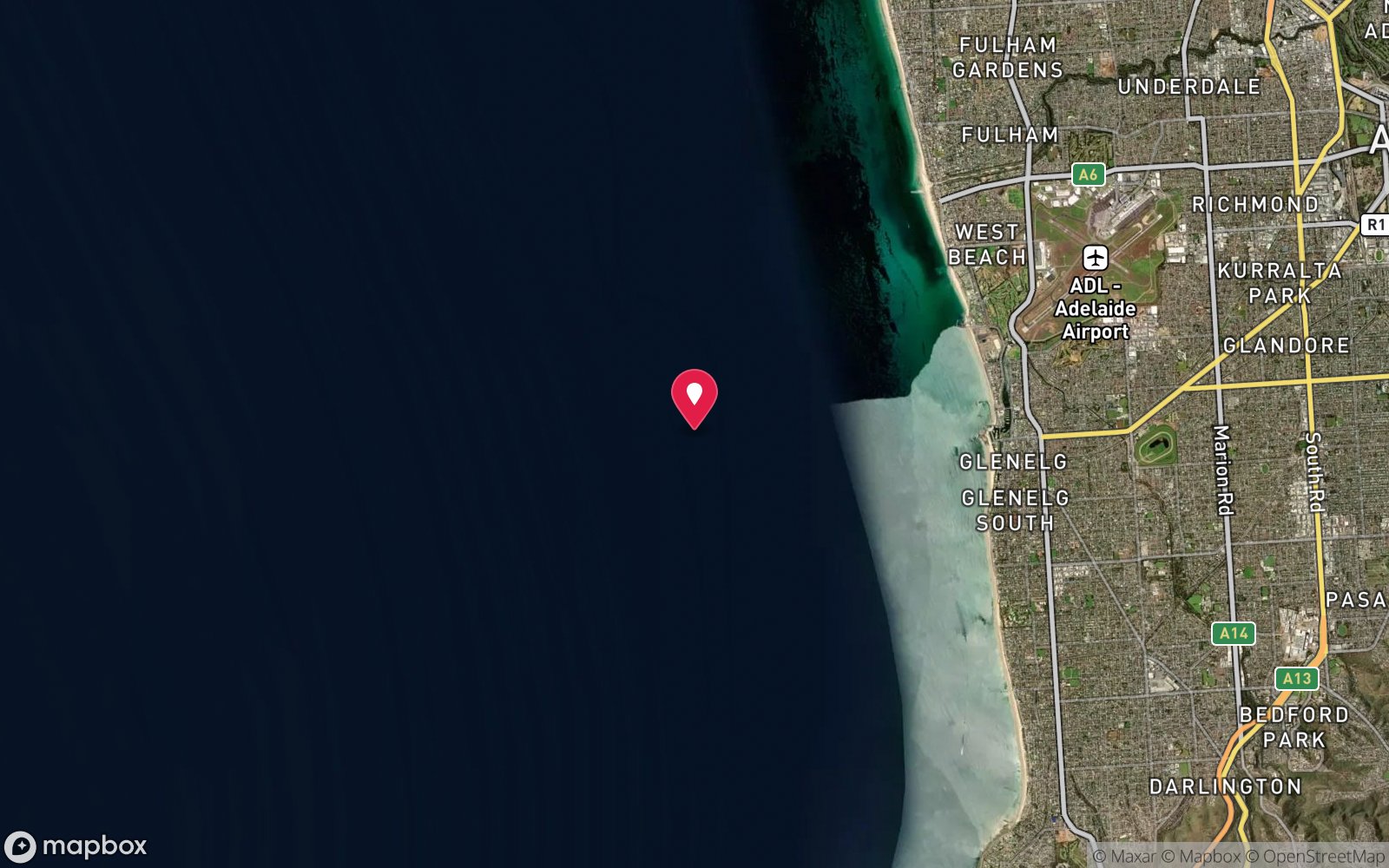
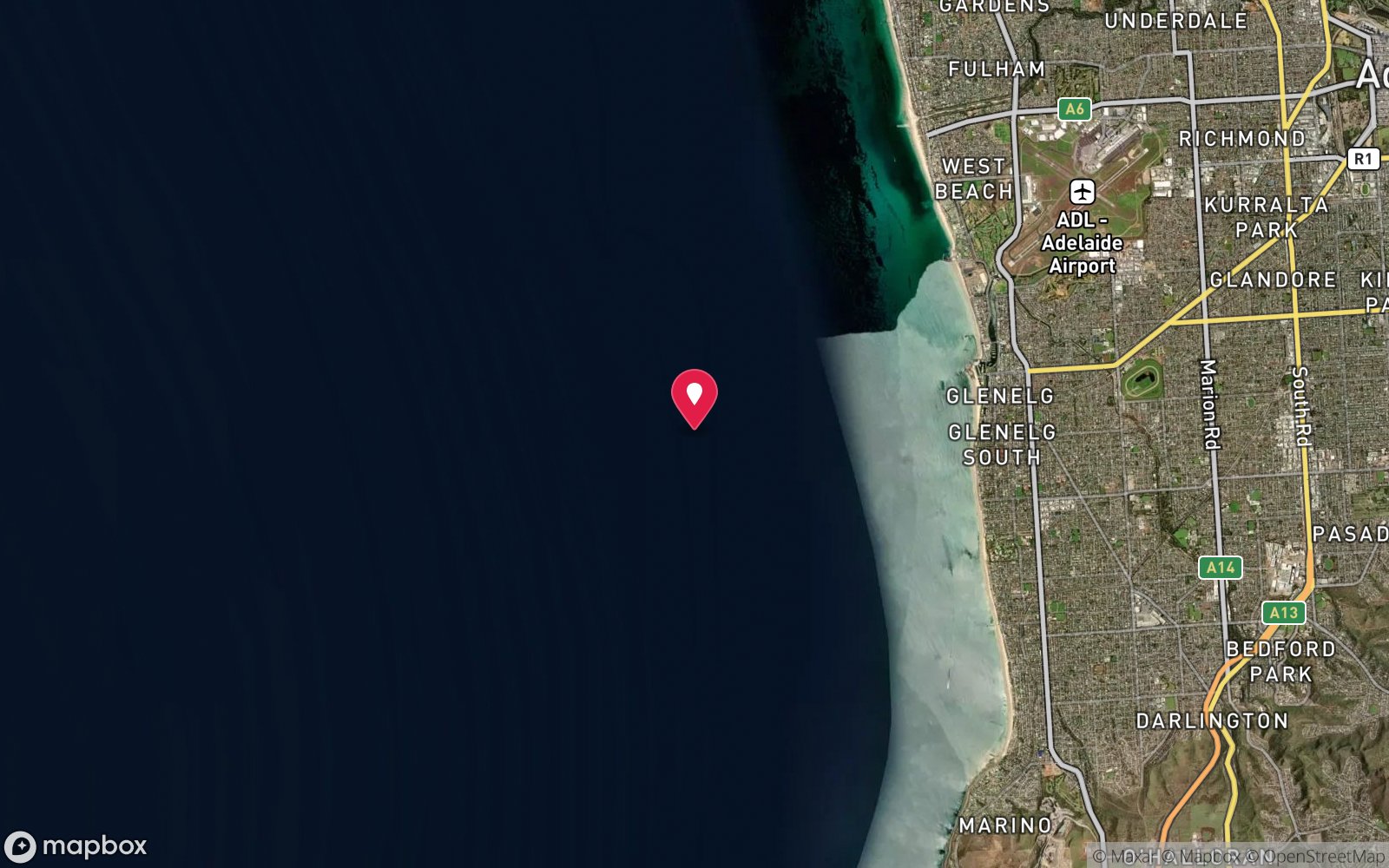
Broken Bottom is a scattered natural reef about 2 km north-west of Glenelg, close to Leatherjacket Alley. It is part of the same ancient shoreline that forms Adelaide's inshore reefs, but here the rock has broken up into a series of piles spread over a wide area of sand at 10-11 m. The Sea Wolves describe the colours of the sponges and flora as exceptional, and this is the site's real strength.
The rock piles are covered with sponges in reds, oranges and yellows, sea tulips, ascidians and algae, and on a clear day the shallow light makes them glow. Between the piles the sand holds razor shells, and spider crabs are common. Rays rest on the sand.
Fish populations vary from visit to visit: some days there are schools of old wives, blue devils, leatherjackets and wrasse; on others the reef is quieter. Because the piles are separate, the dive involves moving from one to the next, and navigation needs care. Carry a compass, note the bearing and distance to the anchor, and keep the dive compact if visibility is low.
A surface marker buoy is sensible, as boats heading north from Glenelg and West Beach pass close by and there is no mooring to mark the site. Broken Bottom suits new divers and photographers wanting a shallow, colourful reef, and it pairs naturally with Leatherjacket Alley for two shallow dives in a morning. Like all inshore Adelaide sites, it is at its best after several days of offshore easterly winds, and quickly becomes murky after westerlies, onshore swell or heavy rain.
Getting there & entry
Natural rock piles spread over a large area in 10-11 m, about 2 km north-west of Glenelg, part of the ancient shoreline.
Boat access only. Adelaide Scuba runs its charters from its shop on the Patawalonga at Glenelg North, with the boat leaving through the Patawalonga/Holdfast Shores entrance; private boats launch at the West Beach boat ramp (Barcoo Road end of the West Beach dunes, large trailer park, fee payable) or the Glenelg (Holdfast Shores) ramp. From Glenelg it is a run of about 5-10 minutes north-west in flat water.
Use GPS marks: the sites are low-relief and cannot be seen from the surface, and there are no public moorings, so anchor in sand off the structure and leave a boat attendant with a dive flag up because charter and fishing traffic is steady on weekends.
Entry: Back roll or giant stride from private or charter boat
Facilities: West Beach or Glenelg boat ramps.
Weather, swell & tides
The metro coast faces west into Gulf St Vincent, so the rule is simple: offshore easterly winds flatten the sea and clear the water, while westerlies and south-westerlies build a short, steep chop and stir up the silty bottom. In summer the south-westerly sea breeze usually arrives by late morning or early afternoon, so boats aim to be back in by lunchtime. Northerlies are workable when light.
The gulf has a mixed, small-range tide with 'dodge tides' (neap periods when the water barely moves) that give the easiest diving; strong spring tides can run noticeably across the offshore wrecks. Visibility drops for several days after strong westerly blows and after heavy rain when stormwater and Patawalonga/Torrens outflow reach the coast.
Best season: Late summer to autumn (February-May) for the calmest mornings and best visibility; winter can be clear on easterly days
If it's blown out
Sheltered or shore sites within 25 km that often work when Broken Bottom doesn't.
- Port Noarlunga Reef & Jetty · 21 km · Max 20 m
- Port Noarlunga Reef Underwater Trail · 21 km · Max 20 m
- Port Noarlunga Southern Reef · 21 km · Max 8 m
- Leatherjacket Alley · 1 km · Max 10 m
How the dive is usually run
Anchor near the GPS mark and swim a slow expanding circuit between rock piles at about 10 m, using a compass to keep track of the anchor. Look for razor shells and spider crabs on the sand between piles.
Marine life
- Sponges (colourful)
- sea tulips
- ascidians
- spider crabs
- razor shells
- rays
- old wives
- blue devilfish →
- leatherjackets
- wrasse
Linked species have their own page listing every site where they are recorded. All marine life →
Training required
Within the 18 m limit of an entry-level certification.
Courses that help here
- Drysuit Diver – Cold water; locals dive dry for much of the year.
- Underwater Navigation – Navigation is part of the dive plan.
- Peak Performance Buoyancy – Silt and low visibility punish poor trim.
Depth tiers: 0–10 m easy · to 18 m Open Water · 18–30 m Advanced (25 m+ is a deep dive) · 30–40 m Deep specialty · 40 m+ technical. All courses
Hazards & warnings
Navigation between scattered piles; boat traffic; no mooring; poor visibility after westerlies and rain.
Dive centres that go here
No regular charter; club and private boats from West Beach or Glenelg.
Operators recorded for Broken Bottom
Adelaide Scuba
ListedGlenelg North · Adelaide Metro · SA
An Adelaide business providing training, equipment and local diving support, located near Glenelg.
adelaidescuba.com.au · (08) 8294 7744
Underwater Sports
ListedHolden Hill · Adelaide Metro · SA
An Adelaide equipment and service business. Retail range and servicing capability require verification.
underwatersports.com.au · (08) 8263 3337
The Dive Shack
ListedGlenelg · Adelaide Metro · SA
An Adelaide business combining retail, servicing and training for South Australian divers.
thediveshack.com.au
Other dive centres in Adelaide Metro
Diving Adelaide
ListedMarleston · Adelaide Metro · SA
An Adelaide training and guided diving operation serving local sites and organised trips.
divingadelaide.com.au · (08) 8122 5003
Divers Delight
ListedStepney · Adelaide Metro · SA
An Adelaide dive business. Retail range, servicing and training availability require verification.
diversdelight.com.au · (08) 8363 7518
Adelaide Technical Diving
ListedPark Holme · Adelaide Metro · SA
An Adelaide operation specialising in technical diving training, relevant to divers preparing for deep, decompression or cave diving in South Australia.
Flinders University Underwater Club
Named by sitesBedford Park · Adelaide Metro · SA
Club, not a shop; open to non-students.
fuuc.com.au
Map
7 pinned sites. Pins marked approximate on their pages show the general area only; not for navigation.
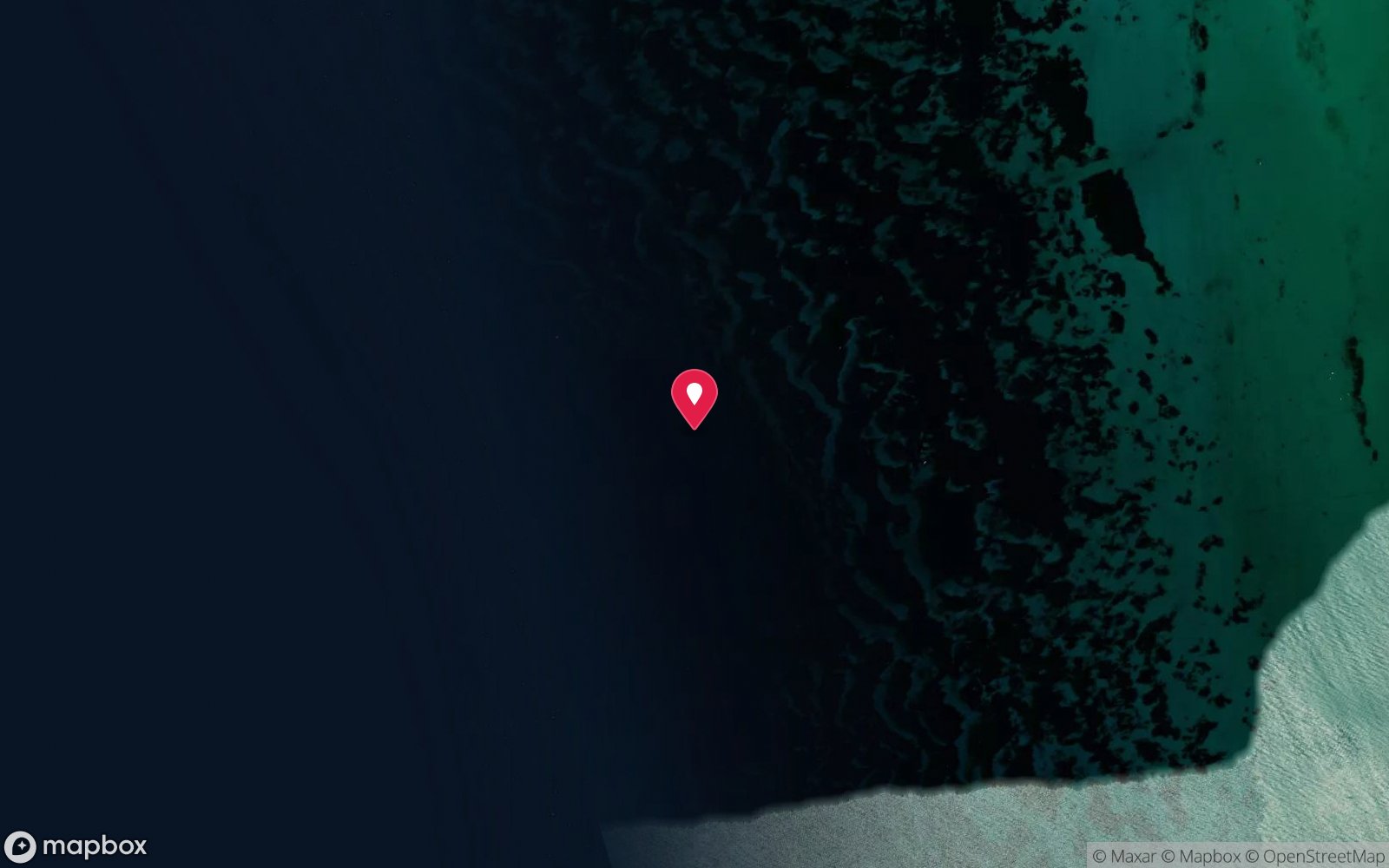
Satellite views
Broken Bottom: frequently asked questions
How deep is Broken Bottom?
Broken Bottom reaches a maximum depth of 11 m, with the shallowest part at about 8 m; most of the dive is spent around 10 m.
What certification do I need to dive Broken Bottom?
Open Water is the recommended minimum. Rated beginner: sheltered, shallow and manageable for a newly certified diver on a normal day, though note boat traffic overhead and cold water.
Can I shore dive Broken Bottom?
No, it is reached by boat (about 8 minutes). A dive centre is required: boat access only.
When is the best time to dive Broken Bottom?
Late summer to autumn (February-May) for the calmest mornings and best visibility; winter can be clear on easterly days.
What marine life will I see at Broken Bottom?
Regularly recorded: Sponges (colourful), sea tulips, ascidians, spider crabs, razor shells, rays, old wives, blue devilfish, leatherjackets, wrasse.
What wetsuit do I need at Broken Bottom?
7 mm wetsuit with hood year-round; drysuit popular in winter (June-September).
How cold is the water at Broken Bottom?
Typically 19-23 °C in summer and 12-14 °C in winter.
What are the main hazards at Broken Bottom?
Navigation between scattered piles; boat traffic; no mooring; poor visibility after westerlies and rain. See the hazards section above for the full list.
Where is the nearest recompression chamber to Broken Bottom?
Royal Adelaide Hospital Hyperbaric Medicine Unit (Adelaide CBD); DAN emergency hotline 1800 088 200. In an emergency call 000, then DAN Asia-Pacific on 1800 088 200.
Diving in Adelaide Metro
Adelaide's coast has more than 40 dive sites in 30 minutes of the city: the Glenelg Dredge and the Barge off Glenelg, the reef and snorkel trail at Port Noarlunga, the Hallett Cove and Seacliff reefs, the ships' graveyard at Garden Island and the Port River dolphins. Most are shore or short-boat dives in 5–20 m.
Getting there: Shore dives have suburban car parks; charters from Glenelg, North Haven and O'Sullivan Beach run the wrecks and the Hobart.
Sources
- seawolves.org.au/adelaide-metro-dive-sites
- sdfsa.net/sa-dive-sites/adelaide-metro
- en.wikivoyage.org/wiki/Diving_in_South_Australia
- divedb.net/sites/broken-bottom
Data confidence: Medium. Last updated September 2026. Know this site better? How to send a correction
Nearby dive sites
More reef dives in South Australia
Explore more
This region
Similar dives
Marine life