Dive slate · divesites.com.au · printed 8 Nov 2026
Glenelg Jetty
Adelaide Metro, South Australia · near Glenelg
| Depth | 1–4 m |
|---|---|
| Minimum level | Open Water |
| Difficulty | Beginner |
| Access | Shore |
| Entry | Beach entry beside the jetty |
| Current | None |
| Visibility | 2-6 m |
| Water | summer 19-23 °C, winter 12-14 °C |
| Suit | 7 mm wetsuit with hood year-round; drysuit popular in winter (June-September) |
| Best season | Late summer to autumn (February-May) for the calmest mornings and best visibility; winter can be clear on easterly days |
| Bottom time | 50 min |
| Position | -34.98070, 138.51070 (approximate) |
| Permit | No permit required |
| Nearest chamber | Royal Adelaide Hospital Hyperbaric Medicine Unit (Adelaide CBD); DAN emergency hotline 1800 088 200 |
| Emergency | 000 · DAN Asia-Pacific diving emergency 1800 088 200 |
Glenelg Jetty
An easy city night dive among jetty piles and debris, with cuttlefish, octopus and nudibranchs.
Near Glenelg · Adelaide Metro, South Australia
- Depth
- 1–4 m
- Minimum level
- Open Water
- Access
- Shore
- Boat ride
- Shore entry
- Water
- 19-23 °C
- Visibility
- 2-6 m
Glenelg Jetty1–4 m · Open Water · Shore
Dive factsDepths, conditions, location & safety
Season
Off-peak nowBest months: January, February, March, April, May, June, July, August, December.
Late summer to autumn (February-May) for the calmest mornings and best visibility; winter can be clear on easterly days
- Best months
- Now (November)
Dive facts
- Depth
- 1–4 m
- Typical depth
- 3 m
- Certification
- Open Water
- Difficulty
- Beginner
- Depth tier
- Easy (0–10 m)
- Access
- Shore
- Dive centre needed
- No – independently diveable
- Shore / independent
- Yes
- Current
- None
- Visibility
- 2-6 m
- Water temp (summer)
- 19-23 °C
- Water temp (winter)
- 12-14 °C
- Water
- Temperate
- Bottom time
- 50 min
- Dive traffic
- Rarely dived (private boat/club only)
- Night dive
- Yes
- Snorkel friendly
- Yes
Exposure suit
7 mm wetsuit with hood year-round; drysuit popular in winter (June-September)
Location
Holdfast Bay jetties
-34.98070, 138.51070
Approximate position — not for navigation.
Open in Google MapsPrimary source: marinelife.org.auMarine park & permits
No permit required
Nearest recompression chamber
Royal Adelaide Hospital Hyperbaric Medicine Unit (Adelaide CBD); DAN emergency hotline 1800 088 200
Diving emergency: call 000, then DAN AP 1800 088 200.
Trip planner
Build a trip around Glenelg Jetty →
A day-by-day plan for Adelaide Metro with this site locked in.
This guide is a planning aid. Conditions change daily — confirm with a local dive centre and dive within your training. Data & safety notes.
Dive profile
How this site rates
Scores are computed from the recorded data, not opinions. How?
At a glance
Glenelg Jetty is a jetty / pier shore dive you can do independently in Adelaide Metro, SA, 1–4 m, suited to Open Water divers.
Rated beginner: sheltered, shallow and manageable for a newly certified diver on a normal day, though note surge on the entry or in the shallows and cold water.
Why dive here
- An easy city night dive among jetty piles and debris, with cuttlefish, octopus and nudibranchs.
- Commonly dived at night, when octopus, cuttlefish and crustaceans are out.
- Snorkel-friendly, so non-diving companions can join at the surface.
- Rarely dived: expect to have the site to yourself, and plan your own logistics.
Conditions to avoid
- Outgoing tide or run-off after rain (poor visibility)
About Glenelg Jetty
The Glenelg Jetty is Adelaide's best-known jetty, but as a dive site it is modest: a shallow dive of 2-4 m among the piles and the bottom debris that has accumulated beneath them over the years. The Marine Life Network lists it as a good day dive and an excellent night dive, and records shells, nudibranchs, cuttlefish, octopus, blennies, cowfish, leatherjackets, wrasse and several species of sea star. The current jetty is a replacement for Glenelg's original, much longer jetty of the 1850s, which was destroyed by storm in 1948; the Glenelg Blocks offshore are remnants of the mooring system from that earlier shipping era.
The piles today carry algae, sponges and small invertebrates, and the scattered debris on the sand provides hiding places for octopus and small fish. At night the site comes alive, with cuttlefish hunting and invertebrates emerging, which is why local divers value it as a convenient night dive right in the city. The drawbacks are shallow depth, variable visibility and crowds.
Heavy seas stir up the sand and create strong surge, and in summer the beach and jetty are packed with swimmers and anglers. The best time to dive is on a calm night or early morning after offshore winds. Glenelg Jetty suits new divers practising skills, macro photographers and anyone wanting a quick night dive near the Glenelg dive shops.
It pairs well with a boat trip to the Dredge in the morning. Keep clear of fishing lines and be highly visible: carry a torch and surface marker so jet skis and boats near Holdfast Shores can see you.
Getting there & entry
Glenelg's public jetty at Moseley Square, a shallow 2-4 m dive among piles and bottom debris.
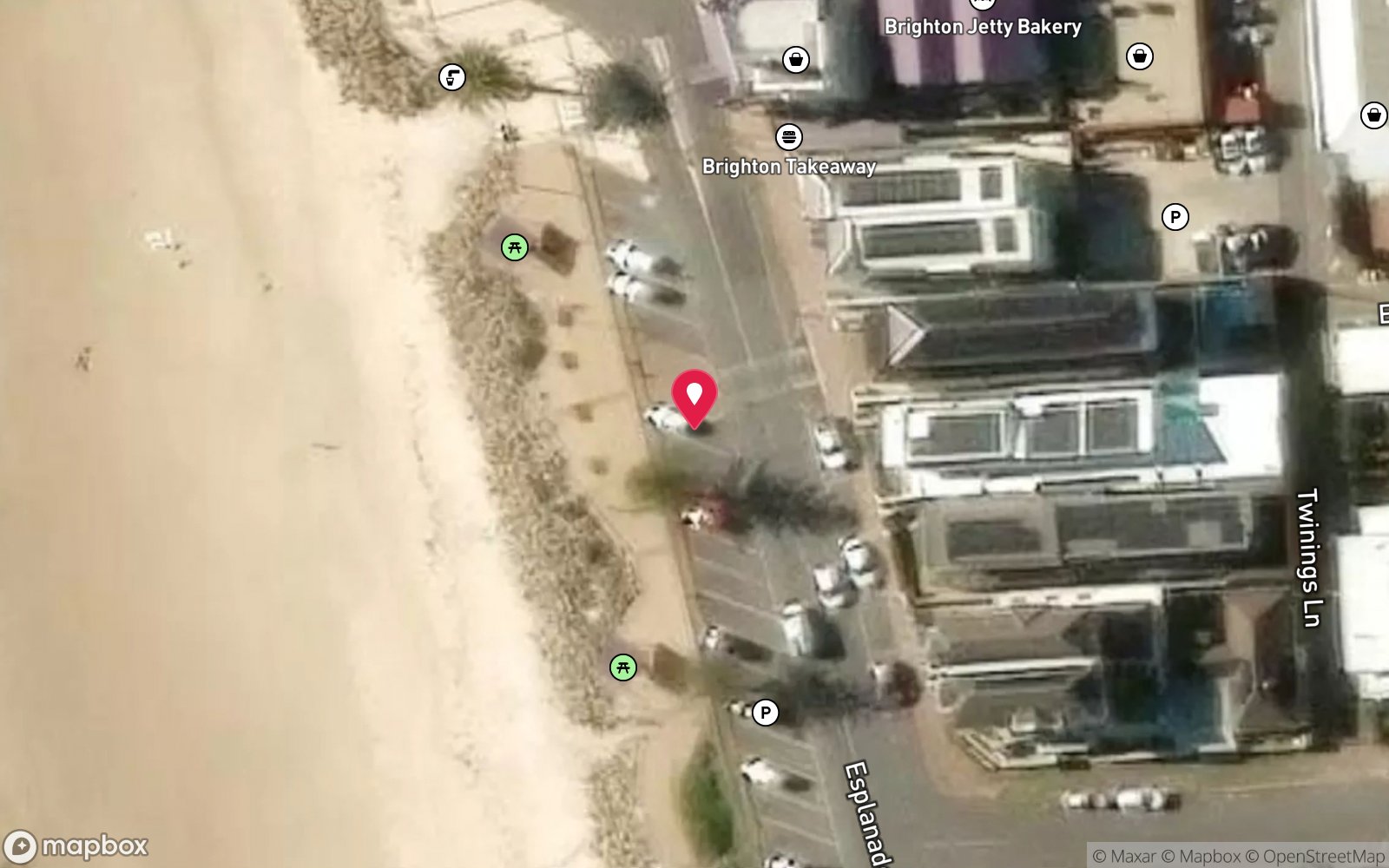
Take the tram from the CBD to Moseley Square or drive via Anzac Highway (20 minutes). Paid parking is available around Moseley Square, Holdfast Shores and side streets. Gear up on the foreshore and enter from the beach beside the jetty, swimming out along the piles.
There is no diver staircase, so exits are via the beach. The site is very busy with swimmers in summer.
Entry: Beach entry beside the jetty
Facilities: Toilets, showers and cafes at Moseley Square; tram to the CBD; air fills at Adelaide Scuba (Glenelg North) and The Dive Shack.
Weather, swell & tides
Very shallow and west-facing: heavy seas stir the area and create strong surge, according to the Marine Life Network. Dive only in flat conditions after easterly (offshore) winds, preferably at night or early morning. Visibility is poor after westerlies and after rain, when the Patawalonga and stormwater outflow affect the bay.
Tidal range is small but low tide leaves very little water.
Best season: Late summer to autumn (February-May) for the calmest mornings and best visibility; winter can be clear on easterly days
If it's blown out
Sheltered or shore sites within 25 km that often work when Glenelg Jetty doesn't.
- Port Noarlunga Reef & Jetty · 19 km · Max 20 m
- Port Noarlunga Reef Underwater Trail · 19 km · Max 20 m
- Port Noarlunga Southern Reef · 20 km · Max 8 m
- Glenelg Blocks · 1 km · Max 6 m
How the dive is usually run
Enter beside the jetty, swim out to the deeper half, then weave slowly between piles at 2-4 m, searching the bottom debris with a torch. Return along the opposite side.
Marine life
- Nudibranchs →
- cuttlefish →
- octopus →
- blennies
- cowfish
- leatherjackets
- wrasse
- sea stars
- shells
Linked species have their own page listing every site where they are recorded. All marine life →
Training required
Shallow enough for snorkellers and for a first dive under supervision. Any certified diver can dive it.
Courses that help here
- Night Diver – Commonly dived at night.
- Drysuit Diver – Cold water; locals dive dry for much of the year.
- Peak Performance Buoyancy – Silt and low visibility punish poor trim.
Depth tiers: 0–10 m easy · to 18 m Open Water · 18–30 m Advanced (25 m+ is a deep dive) · 30–40 m Deep specialty · 40 m+ technical. All courses
Hazards & warnings
Fishing lines and hooks; heavy swimmer traffic in summer; surge in any sea; jet skis and boats near Holdfast Shores; poor visibility after rain.
Dive centres that go here
No regular operator; Adelaide Scuba (Glenelg North) and The Dive Shack are within walking/driving distance for fills and local advice.
Operators recorded for Glenelg Jetty
Adelaide Scuba
ListedGlenelg North · Adelaide Metro · SA
An Adelaide business providing training, equipment and local diving support, located near Glenelg.
adelaidescuba.com.au · (08) 8294 7744
Diving Adelaide
ListedMarleston · Adelaide Metro · SA
An Adelaide training and guided diving operation serving local sites and organised trips.
divingadelaide.com.au · (08) 8122 5003
Underwater Sports
ListedHolden Hill · Adelaide Metro · SA
An Adelaide equipment and service business. Retail range and servicing capability require verification.
underwatersports.com.au · (08) 8263 3337
Other dive centres in Adelaide Metro
The Dive Shack
ListedGlenelg · Adelaide Metro · SA
An Adelaide business combining retail, servicing and training for South Australian divers.
thediveshack.com.au
Divers Delight
ListedStepney · Adelaide Metro · SA
An Adelaide dive business. Retail range, servicing and training availability require verification.
diversdelight.com.au · (08) 8363 7518
Adelaide Technical Diving
ListedPark Holme · Adelaide Metro · SA
An Adelaide operation specialising in technical diving training, relevant to divers preparing for deep, decompression or cave diving in South Australia.
Flinders University Underwater Club
Named by sitesBedford Park · Adelaide Metro · SA
Club, not a shop; open to non-students.
fuuc.com.au
Map
7 pinned sites. Pins marked approximate on their pages show the general area only; not for navigation.
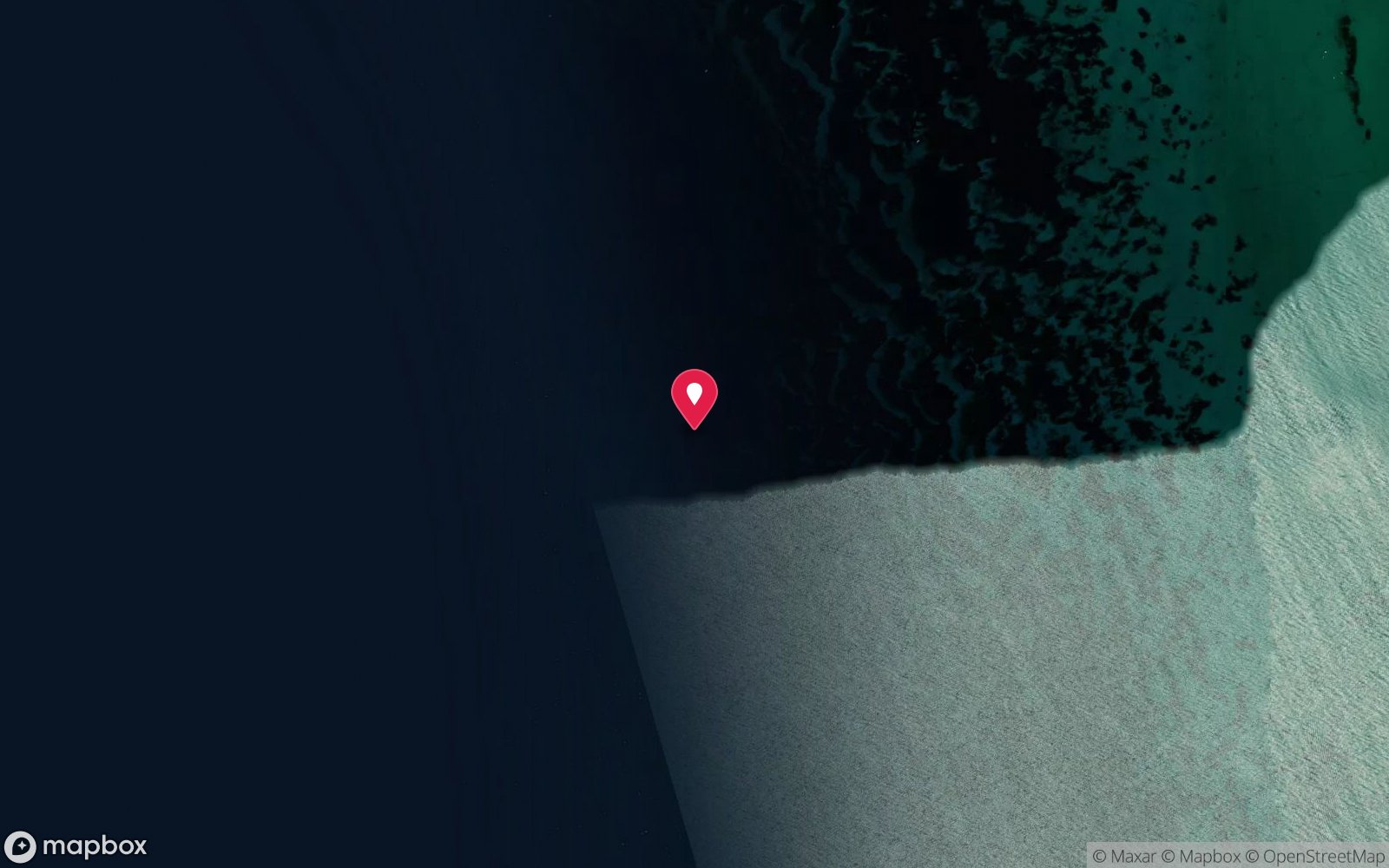
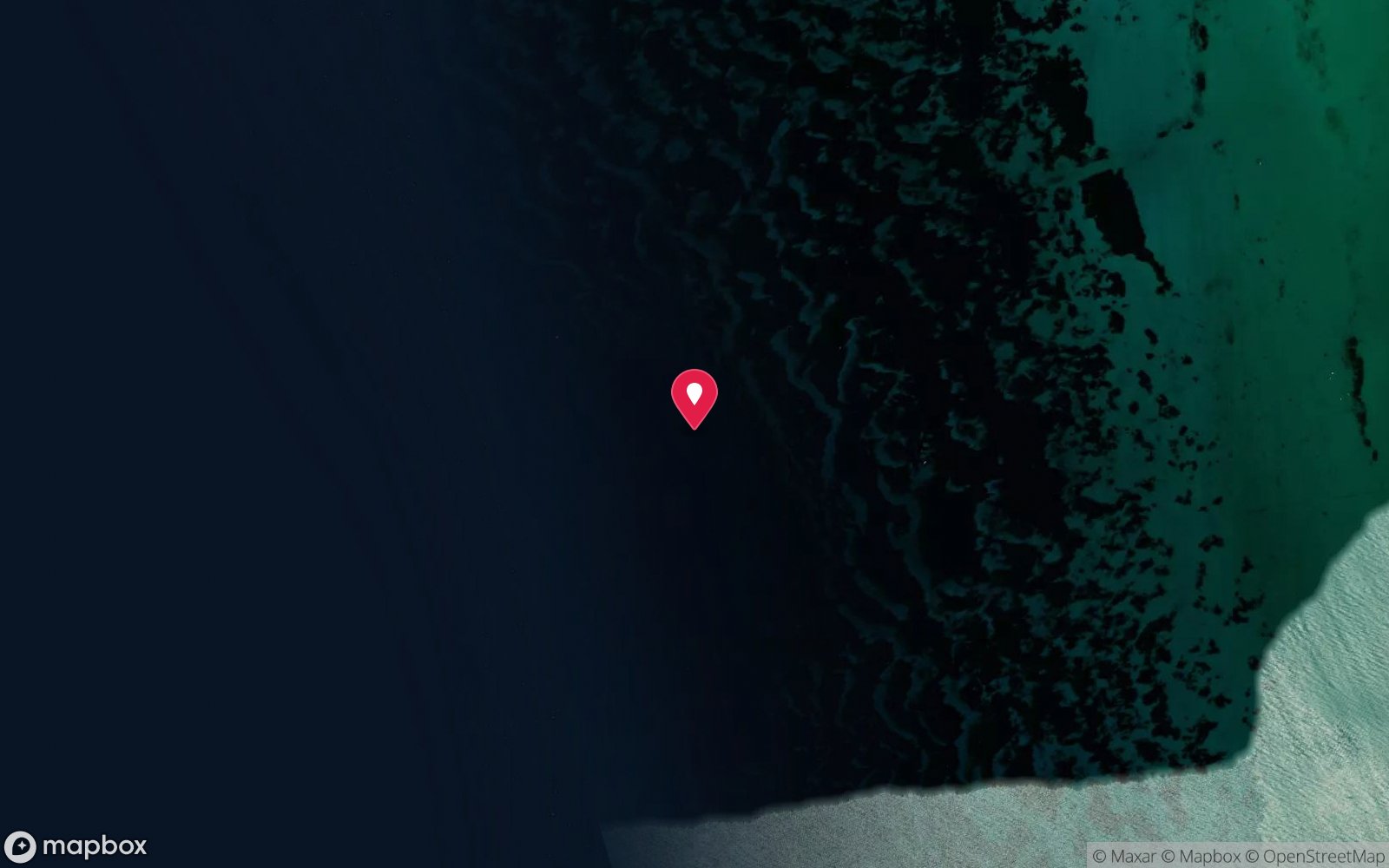
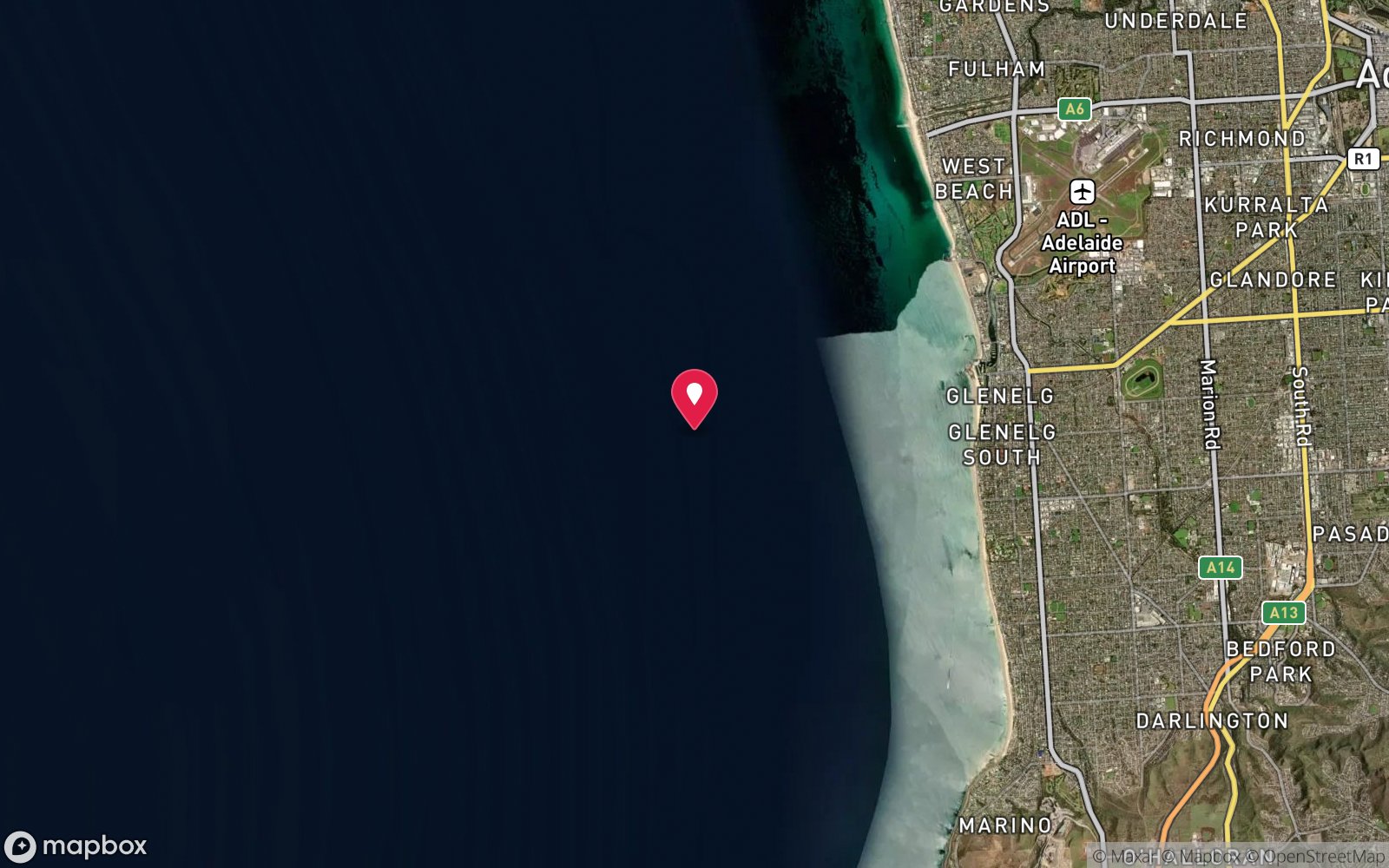
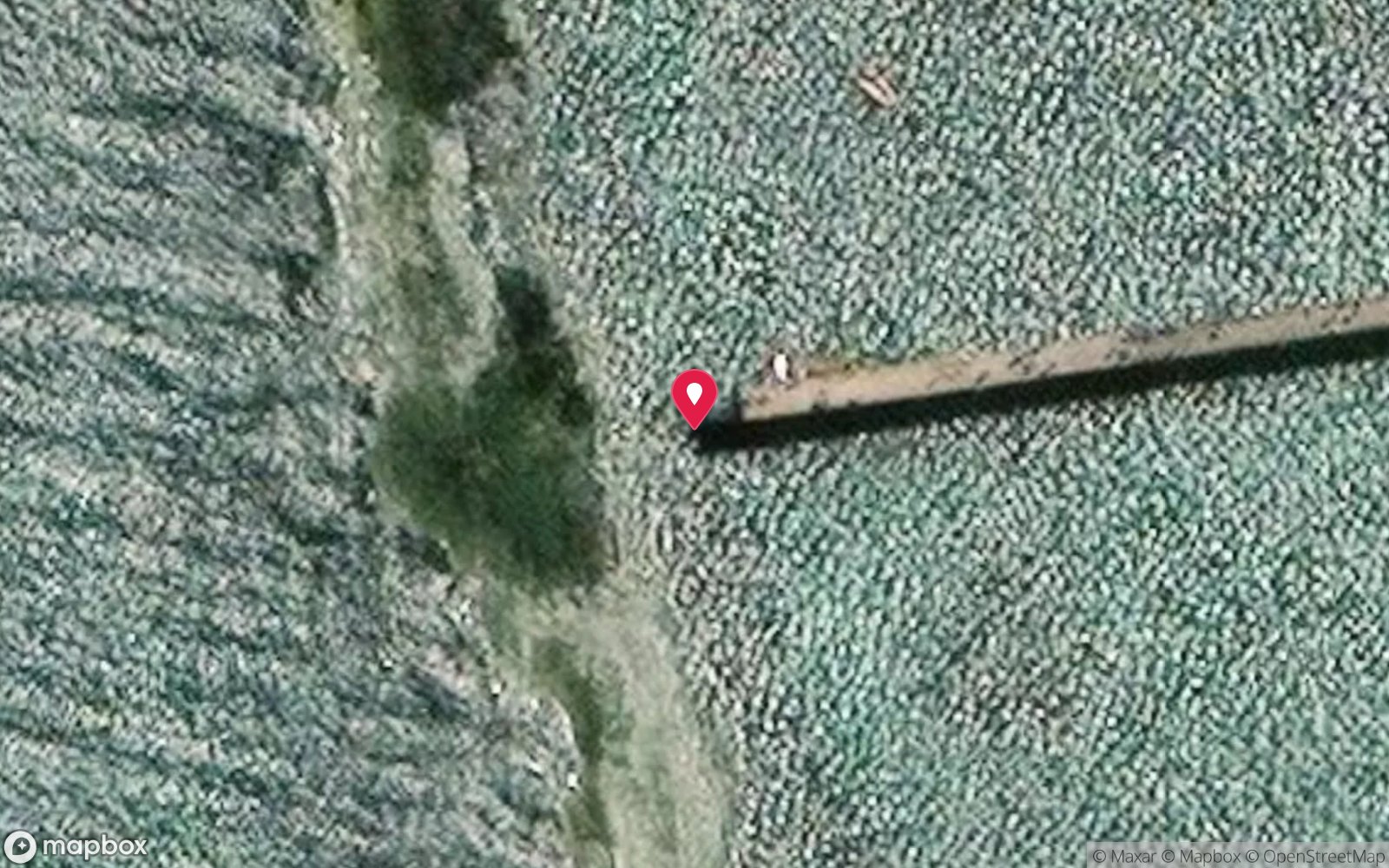
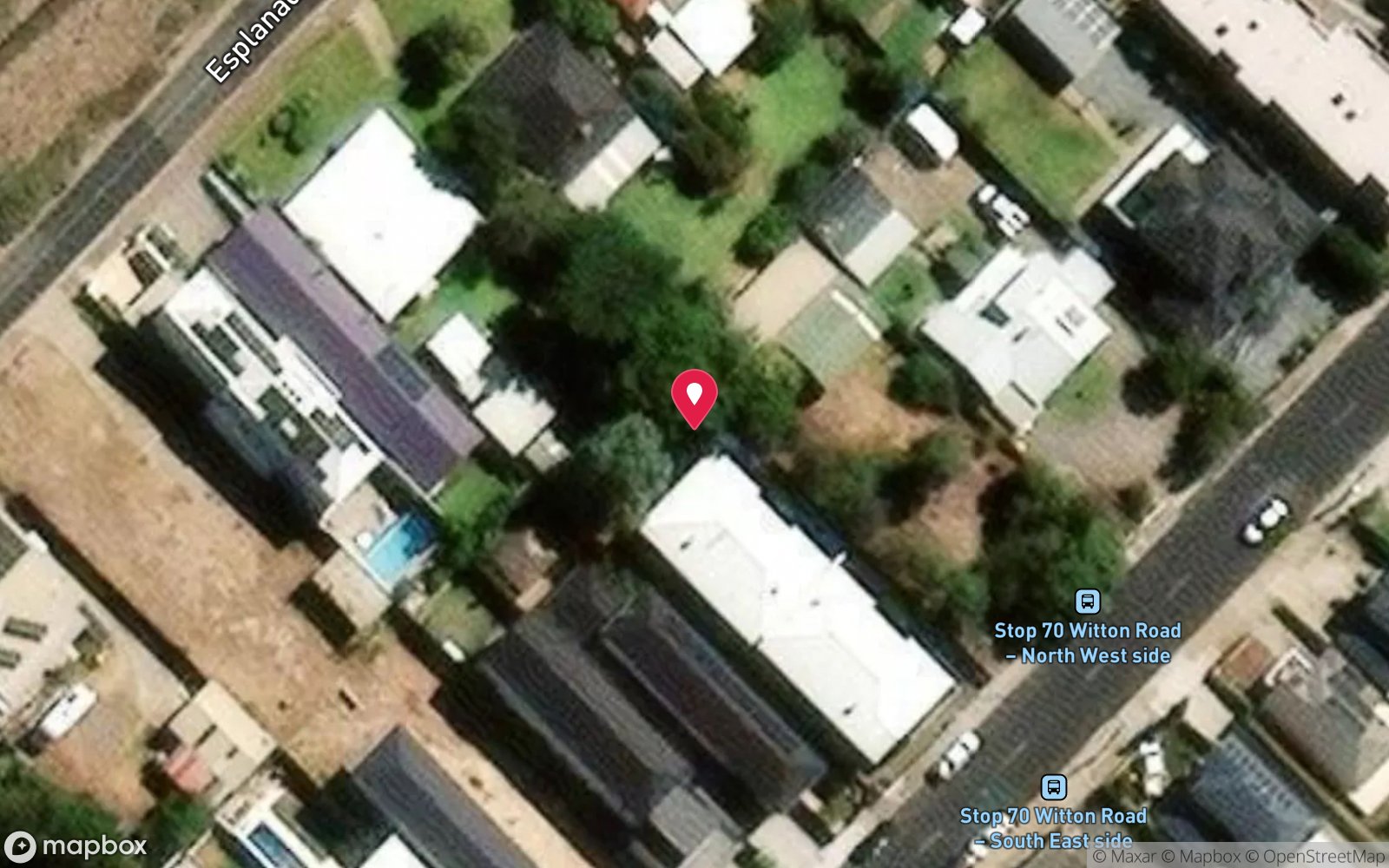
Satellite views
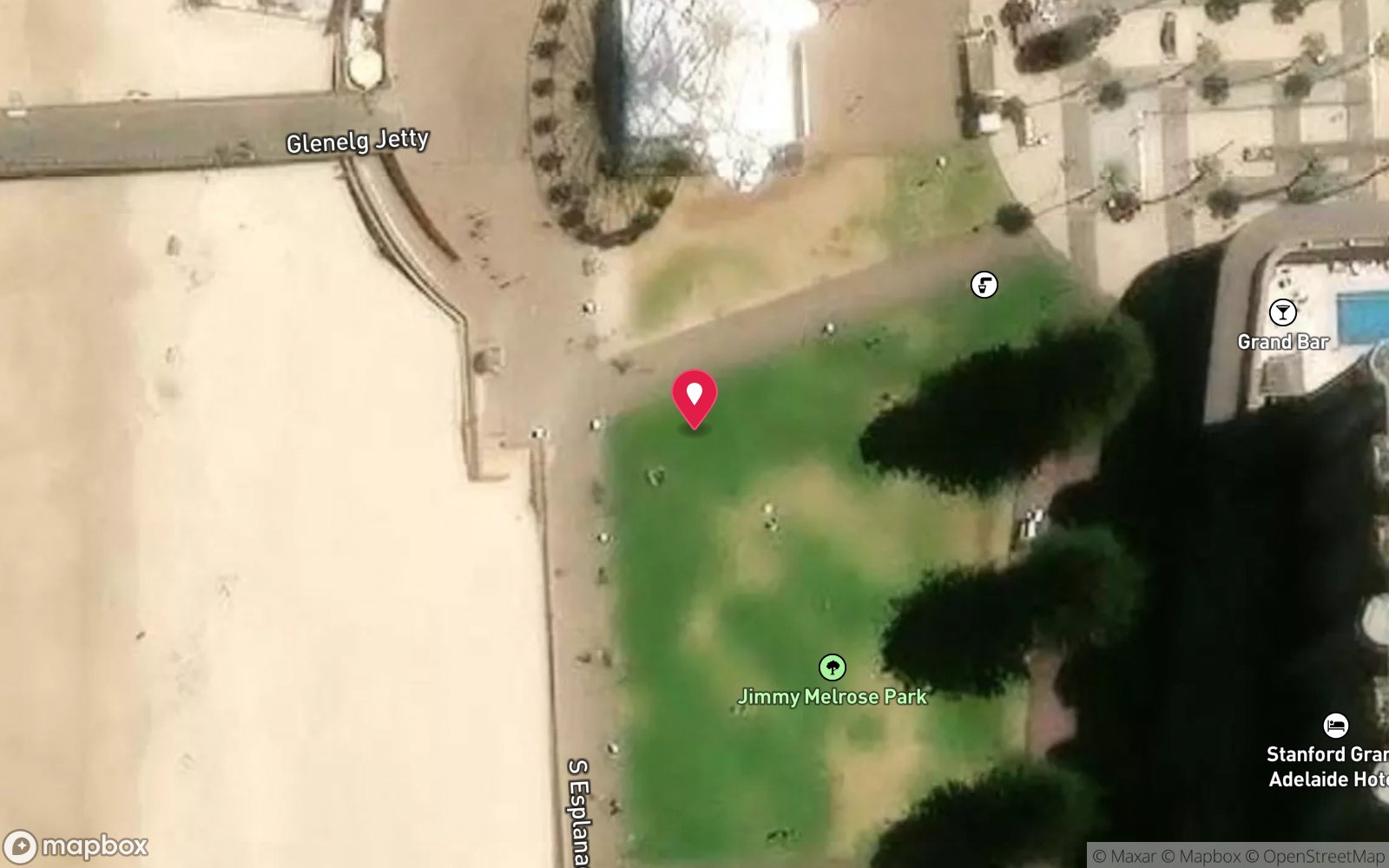
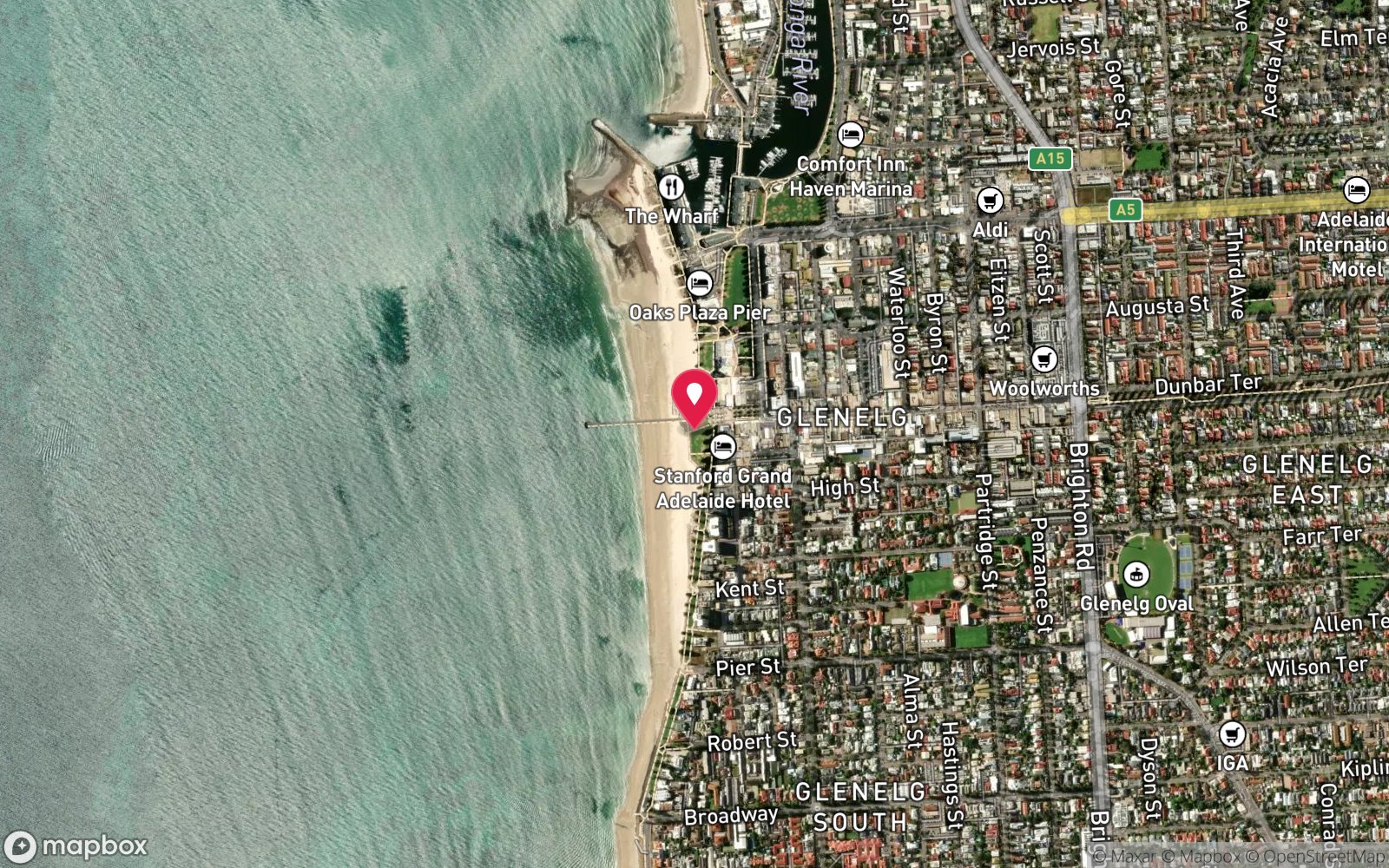
Glenelg Jetty: frequently asked questions
How deep is Glenelg Jetty?
Glenelg Jetty reaches a maximum depth of 4 m, with the shallowest part at about 1 m; most of the dive is spent around 3 m.
What certification do I need to dive Glenelg Jetty?
Open Water is the recommended minimum. Rated beginner: sheltered, shallow and manageable for a newly certified diver on a normal day, though note surge on the entry or in the shallows and cold water.
Can I shore dive Glenelg Jetty?
Yes. Glenelg Jetty is a shore dive that can be done independently: beach entry beside the jetty.
When is the best time to dive Glenelg Jetty?
Late summer to autumn (February-May) for the calmest mornings and best visibility; winter can be clear on easterly days.
What marine life will I see at Glenelg Jetty?
Regularly recorded: Nudibranchs, cuttlefish, octopus, blennies, cowfish, leatherjackets, wrasse, sea stars, shells.
What wetsuit do I need at Glenelg Jetty?
7 mm wetsuit with hood year-round; drysuit popular in winter (June-September).
How cold is the water at Glenelg Jetty?
Typically 19-23 °C in summer and 12-14 °C in winter.
What are the main hazards at Glenelg Jetty?
Fishing lines and hooks; heavy swimmer traffic in summer; surge in any sea; jet skis and boats near Holdfast Shores; poor visibility after rain. See the hazards section above for the full list.
Can you night dive Glenelg Jetty?
Yes, Glenelg Jetty is commonly dived at night.
Diving in Adelaide Metro
Adelaide's coast has more than 40 dive sites in 30 minutes of the city: the Glenelg Dredge and the Barge off Glenelg, the reef and snorkel trail at Port Noarlunga, the Hallett Cove and Seacliff reefs, the ships' graveyard at Garden Island and the Port River dolphins. Most are shore or short-boat dives in 5–20 m.
Getting there: Shore dives have suburban car parks; charters from Glenelg, North Haven and O'Sullivan Beach run the wrecks and the Hobart.
Sources
Data confidence: Low · Being verified: Jetty history (original destroyed 1948) from general knowledge – verify; check council rules on diving near the swimming area.. Last updated September 2026. Know this site better? How to send a correction
Nearby dive sites
More shore dives in South Australia
Explore more
This region
Similar dives