Dive slate · divesites.com.au · printed 9 Nov 2026
Glenelg Blocks
Adelaide Metro, South Australia · near Glenelg
| Depth | 1–6 m |
|---|---|
| Minimum level | Open Water |
| Difficulty | Beginner |
| Access | Shore or Boat |
| Entry | Boat, or a long surface swim from the beach or Glenelg jetty |
| Current | Mild |
| Visibility | 2-8 m |
| Water | summer 19-23 °C, winter 12-14 °C |
| Suit | 7 mm wetsuit with hood year-round; drysuit popular in winter (June-September) |
| Best season | Late summer to autumn (February-May) for the calmest mornings and best visibility; winter can be clear on easterly days |
| Bottom time | 50 min |
| Position | -34.97343, 138.50823 (approximate) |
| Permit | No permit required |
| Nearest chamber | Royal Adelaide Hospital Hyperbaric Medicine Unit (Adelaide CBD); DAN emergency hotline 1800 088 200 |
| Emergency | 000 · DAN Asia-Pacific diving emergency 1800 088 200 |
Glenelg Blocks
Also known as The Blocks, Glenelg Mooring Blocks
Wobbegongs almost guaranteed among historic concrete mooring blocks in 5 m, and one of the best night and muck dives near the city.
Near Glenelg · Adelaide Metro, South Australia
- Depth
- 1–6 m
- Minimum level
- Open Water
- Access
- Shore or Boat
- Boat ride
- ~3 min
- Water
- 19-23 °C
- Visibility
- 2-8 m
Glenelg Blocks1–6 m · Open Water · Shore
Dive factsDepths, conditions, location & safety
Season
Off-peak nowBest months: January, February, March, April, May, June, July, August, December.
Late summer to autumn (February-May) for the calmest mornings and best visibility; winter can be clear on easterly days
- Best months
- Now (November)
Dive facts
- Depth
- 1–6 m
- Typical depth
- 5 m
- Certification
- Open Water
- Difficulty
- Beginner
- Depth tier
- Easy (0–10 m)
- Access
- Shore or Boat
- Offshore
- 0.5 km
- Dive centre needed
- Recommended
- Shore / independent
- Possible (experienced only)
- Boat ride
- ~3 min
- Current
- Mild
- Visibility
- 2-8 m
- Water temp (summer)
- 19-23 °C
- Water temp (winter)
- 12-14 °C
- Water
- Temperate
- Bottom time
- 50 min
- Dive traffic
- Moderate (occasional charters/club dives)
- Night dive
- Yes
- Snorkel friendly
- Partial
Exposure suit
7 mm wetsuit with hood year-round; drysuit popular in winter (June-September)
Location
Glenelg inshore
-34.97343, 138.50823
Approximate position — not for navigation.
Open in Google MapsPrimary source: seawolves.org.auMarine park & permits
No permit required
Nearest recompression chamber
Royal Adelaide Hospital Hyperbaric Medicine Unit (Adelaide CBD); DAN emergency hotline 1800 088 200
Diving emergency: call 000, then DAN AP 1800 088 200.
Trip planner
Build a trip around Glenelg Blocks →
A day-by-day plan for Adelaide Metro with this site locked in.
This guide is a planning aid. Conditions change daily — confirm with a local dive centre and dive within your training. Data & safety notes.
Dive profile
How this site rates
Scores are computed from the recorded data, not opinions. How?
At a glance
Glenelg Blocks is a muck / sand shore dive for experienced divers in Adelaide Metro, SA, 1–6 m, suited to Open Water divers, about 3 minutes by boat.
Rated beginner: sheltered, shallow and manageable for a newly certified diver on a normal day, though note cold water.
Why dive here
- Wobbegongs almost guaranteed among historic concrete mooring blocks in 5 m, and one of the best night and muck dives near the city.
- Commonly dived at night, when octopus, cuttlefish and crustaceans are out.
Conditions to avoid
- Outgoing tide or run-off after rain (poor visibility)
About Glenelg Blocks
The Glenelg Blocks are a line of hollow concrete blocks running parallel to the beach about 500 m off Glenelg, the remains of an old ship mooring system associated with the early Glenelg jetty era. They are spaced over about 200 m in only 5-6 m of water, and at low tide their tops can be seen breaking the surface. What makes the Blocks worth a dive is the life that has made them home.
Wobbegong sharks are almost always found resting in and around the blocks, according to the Sea Wolves, and the concrete is covered with algae, sponges and small invertebrates. The sand between is classic muck-diving ground: the Federation describes it as an interesting second dive and an excellent muck dive. At night the site changes character, with dumpling squid, octopus, southern calamari, sea stars and urchins emerging.
The southern pillars have small swim-throughs. Being so shallow and so close to Glenelg, the Blocks are a common choice for second dives after the Dredge, for night dives, for training and for divers wanting a long, relaxed hour looking for small things. The flip side is visibility: the site is readily stirred up after strong winds and affected by runoff from the Patawalonga.
Pick a calm morning after easterlies. Boats are the practical way to visit, but experienced swimmers can reach the Blocks from the beach on a calm day. Either way, fly a flag or use a surface marker buoy, because this is a busy stretch of water with jet skis, fishing boats and boats heading in and out of Holdfast Shores marina.
Getting there & entry
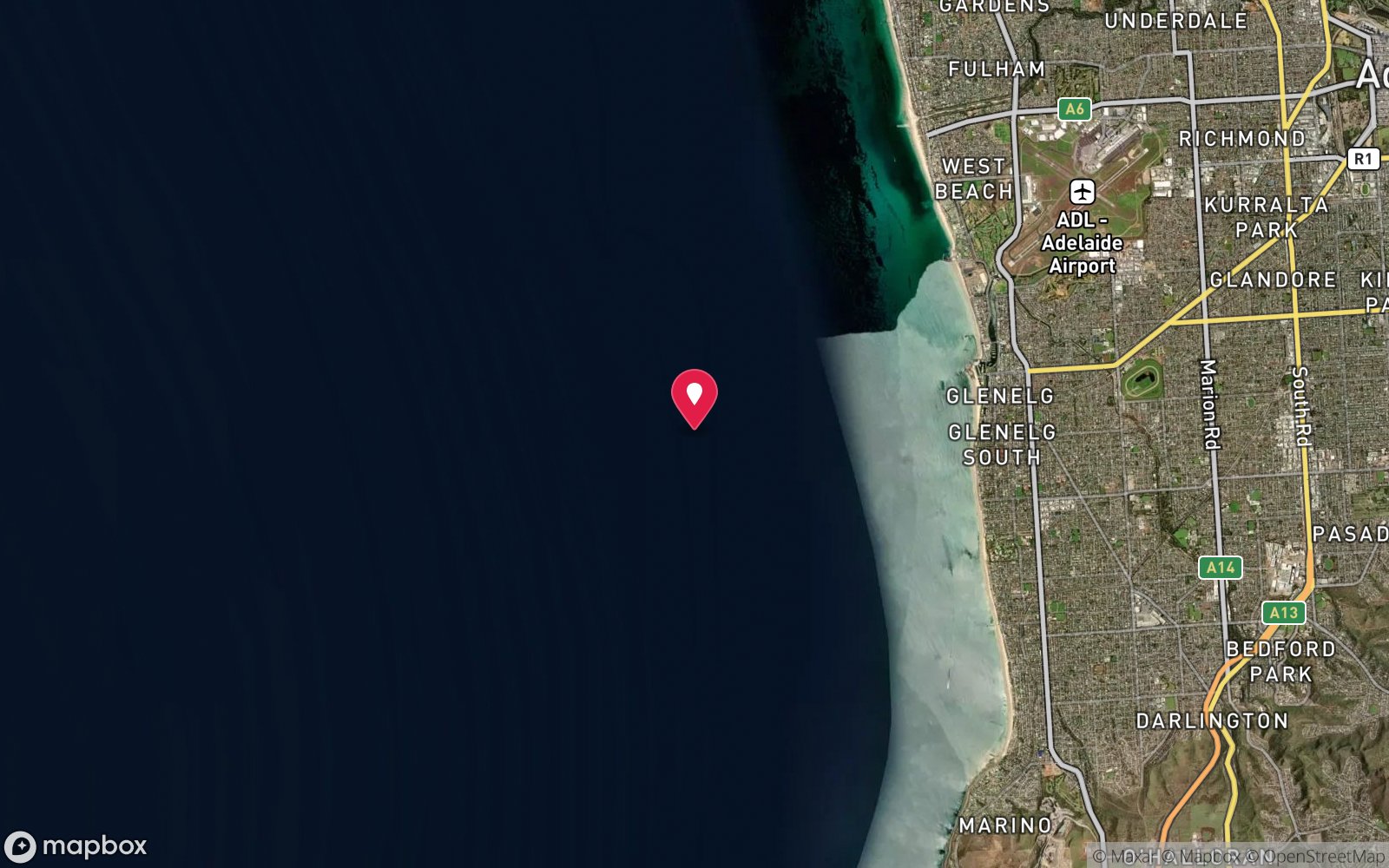
Row of concrete mooring blocks running parallel to the shore about 500 m off Glenelg, between the jetty and the Patawalonga/Holdfast Shores entrance; the tops show at low tide.
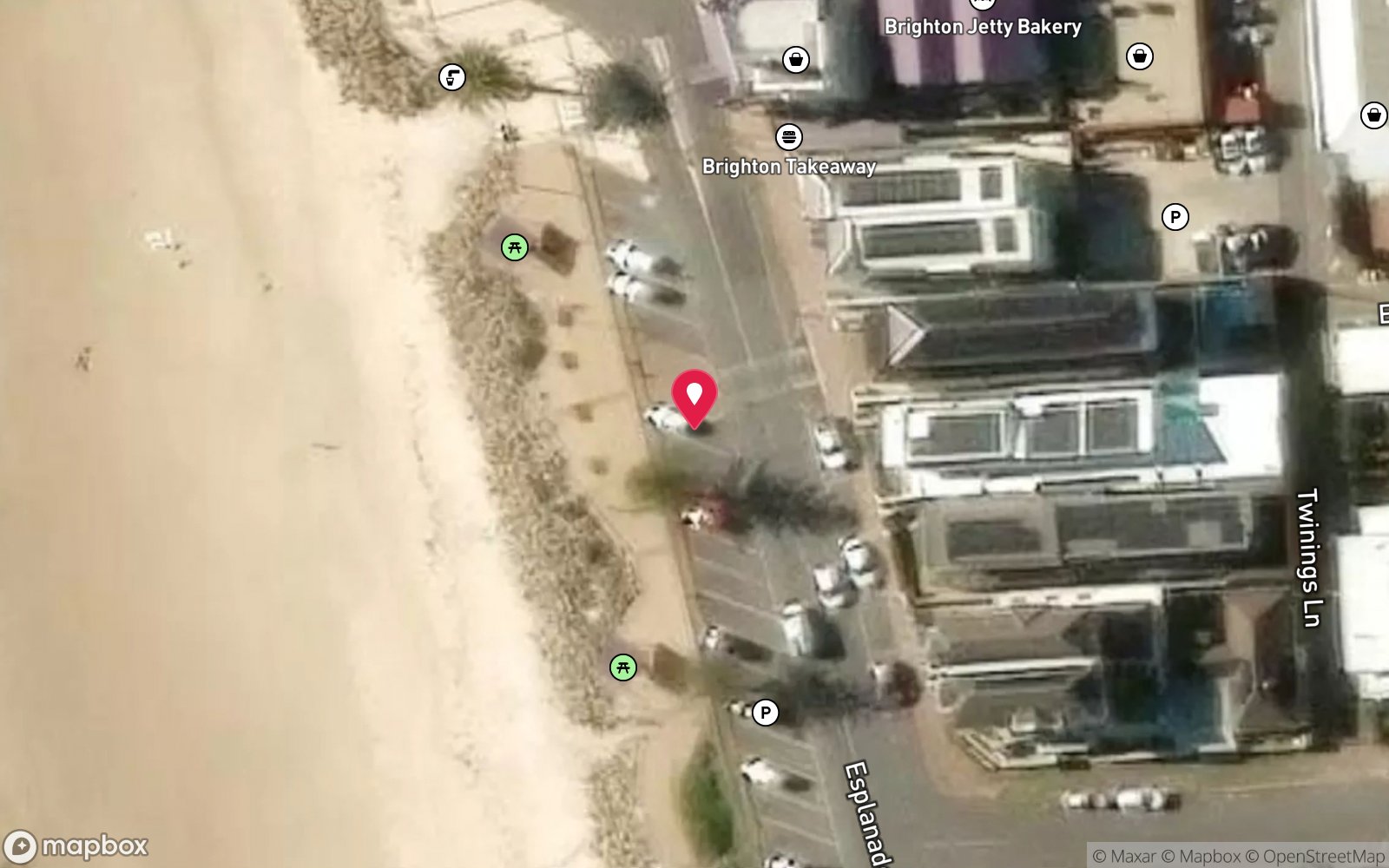
Most divers visit by boat: a two-minute run from the Glenelg (Holdfast Shores) or West Beach ramps, anchoring in sand beside the blocks, which are marked by navigation aids. The blocks can also be reached from shore by strong swimmers: park along the Glenelg foreshore (paid parking around Moseley Square and Holdfast Shores), enter from the beach north of the jetty and fin about 500 m offshore on the surface. This is a long swim in full gear and should only be attempted on calm, clear days, with a surface marker because boats use the area heavily.
Entry: Boat, or a long surface swim from the beach or Glenelg jetty
Facilities: Glenelg foreshore: paid parking, toilets and showers near the jetty and Holdfast Shores, many cafes; air fills at Adelaide Scuba (Glenelg North) and The Dive Shack.
Weather, swell & tides
Shallow and close to the beach, the Blocks are ruined by any westerly or south-westerly wind or swell, which stirs the sand and brings in suspended sediment. Dive after several days of easterly (offshore) winds, early in the day before the summer sea breeze. Low tide exposes the tops of the blocks, which makes them easy to find but reduces depth over them to a metre or so; mid to high tide is more comfortable.
Visibility falls sharply after rain because of outflow from the Patawalonga and stormwater drains.
Best season: Late summer to autumn (February-May) for the calmest mornings and best visibility; winter can be clear on easterly days
If it's blown out
Sheltered or shore sites within 25 km that often work when Glenelg Blocks doesn't.
- Port Noarlunga Reef & Jetty · 20 km · Max 20 m
- Port Noarlunga Reef Underwater Trail · 20 km · Max 20 m
- Port Noarlunga Southern Reef · 20 km · Max 8 m
- Glenelg Jetty · 1 km · Max 4 m
How the dive is usually run
Anchor or drop beside the southern blocks, then swim north along the row at 4-6 m, checking under and between each block for wobbegongs and small invertebrates. The southern pillars have small swim-throughs. Turn at half gas and swim back along the seaward side.
Marine life
- Wobbegong sharks →
- dumpling squid (night) →
- octopus →
- southern calamari
- sea stars
- urchins
- cuttlefish →
- blennies
- leatherjackets
- nudibranchs →
Linked species have their own page listing every site where they are recorded. All marine life →
Training required
Shallow enough for snorkellers and for a first dive under supervision. Any certified diver can dive it.
Courses that help here
- Night Diver – Commonly dived at night.
- Drysuit Diver – Cold water; locals dive dry for much of the year.
- Peak Performance Buoyancy – Silt and low visibility punish poor trim.
Depth tiers: 0–10 m easy · to 18 m Open Water · 18–30 m Advanced (25 m+ is a deep dive) · 30–40 m Deep specialty · 40 m+ technical. All courses
Hazards & warnings
Heavy boat, jet ski and marina traffic – surface marker essential; long surface swim if shore diving; very poor visibility after westerlies or rain; blocks exposed at low tide.
Dive centres that go here
Used by Adelaide boat operators and clubs as a shallow second dive or night dive; no scheduled trips. Private boats from Glenelg or West Beach.
Operators recorded for Glenelg Blocks
Adelaide Scuba
ListedGlenelg North · Adelaide Metro · SA
An Adelaide business providing training, equipment and local diving support, located near Glenelg.
adelaidescuba.com.au · (08) 8294 7744
Underwater Sports
ListedHolden Hill · Adelaide Metro · SA
An Adelaide equipment and service business. Retail range and servicing capability require verification.
underwatersports.com.au · (08) 8263 3337
The Dive Shack
ListedGlenelg · Adelaide Metro · SA
An Adelaide business combining retail, servicing and training for South Australian divers.
thediveshack.com.au
Other dive centres in Adelaide Metro
Diving Adelaide
ListedMarleston · Adelaide Metro · SA
An Adelaide training and guided diving operation serving local sites and organised trips.
divingadelaide.com.au · (08) 8122 5003
Divers Delight
ListedStepney · Adelaide Metro · SA
An Adelaide dive business. Retail range, servicing and training availability require verification.
diversdelight.com.au · (08) 8363 7518
Adelaide Technical Diving
ListedPark Holme · Adelaide Metro · SA
An Adelaide operation specialising in technical diving training, relevant to divers preparing for deep, decompression or cave diving in South Australia.
Flinders University Underwater Club
Named by sitesBedford Park · Adelaide Metro · SA
Club, not a shop; open to non-students.
fuuc.com.au
Map
7 pinned sites. Pins marked approximate on their pages show the general area only; not for navigation.
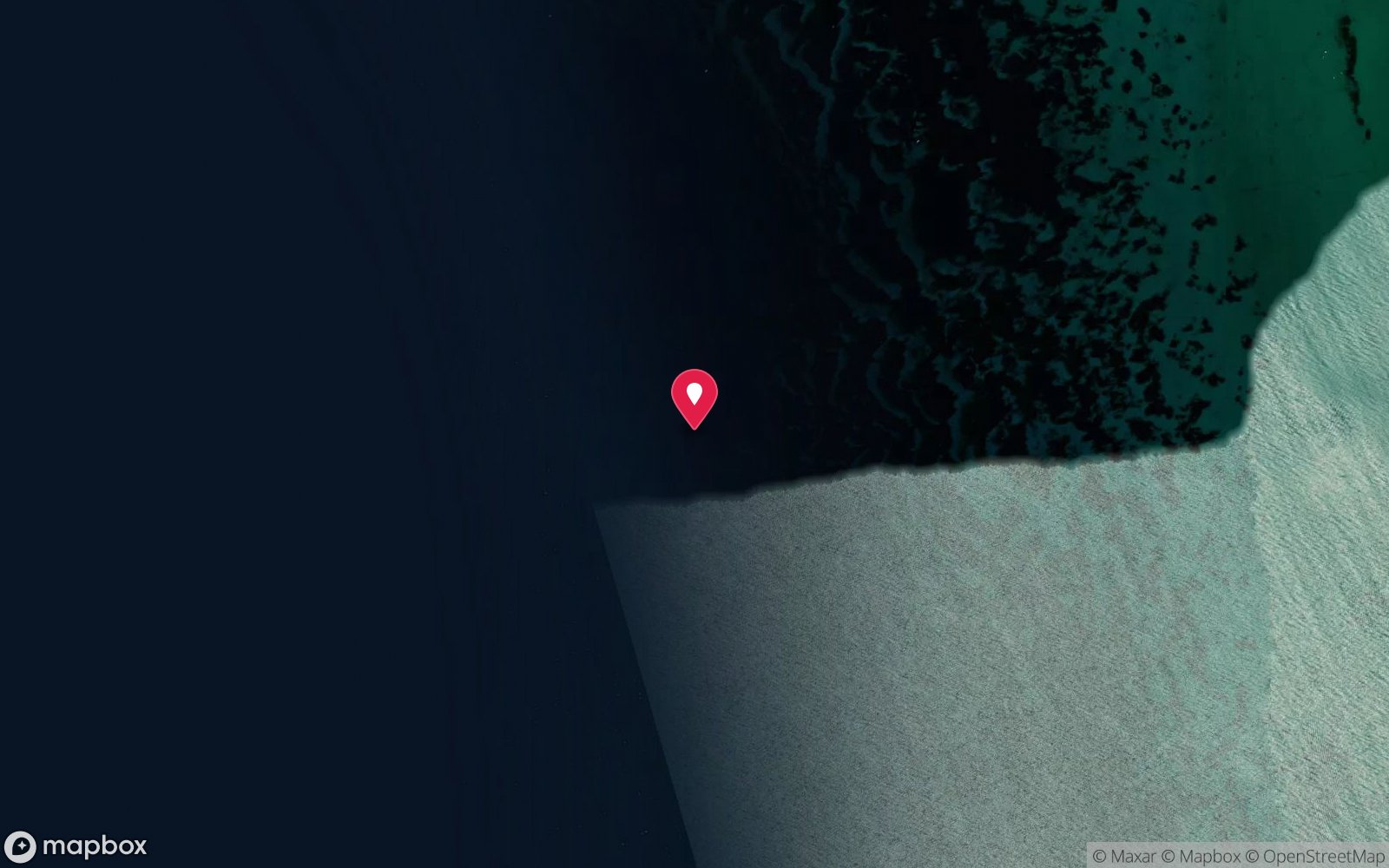
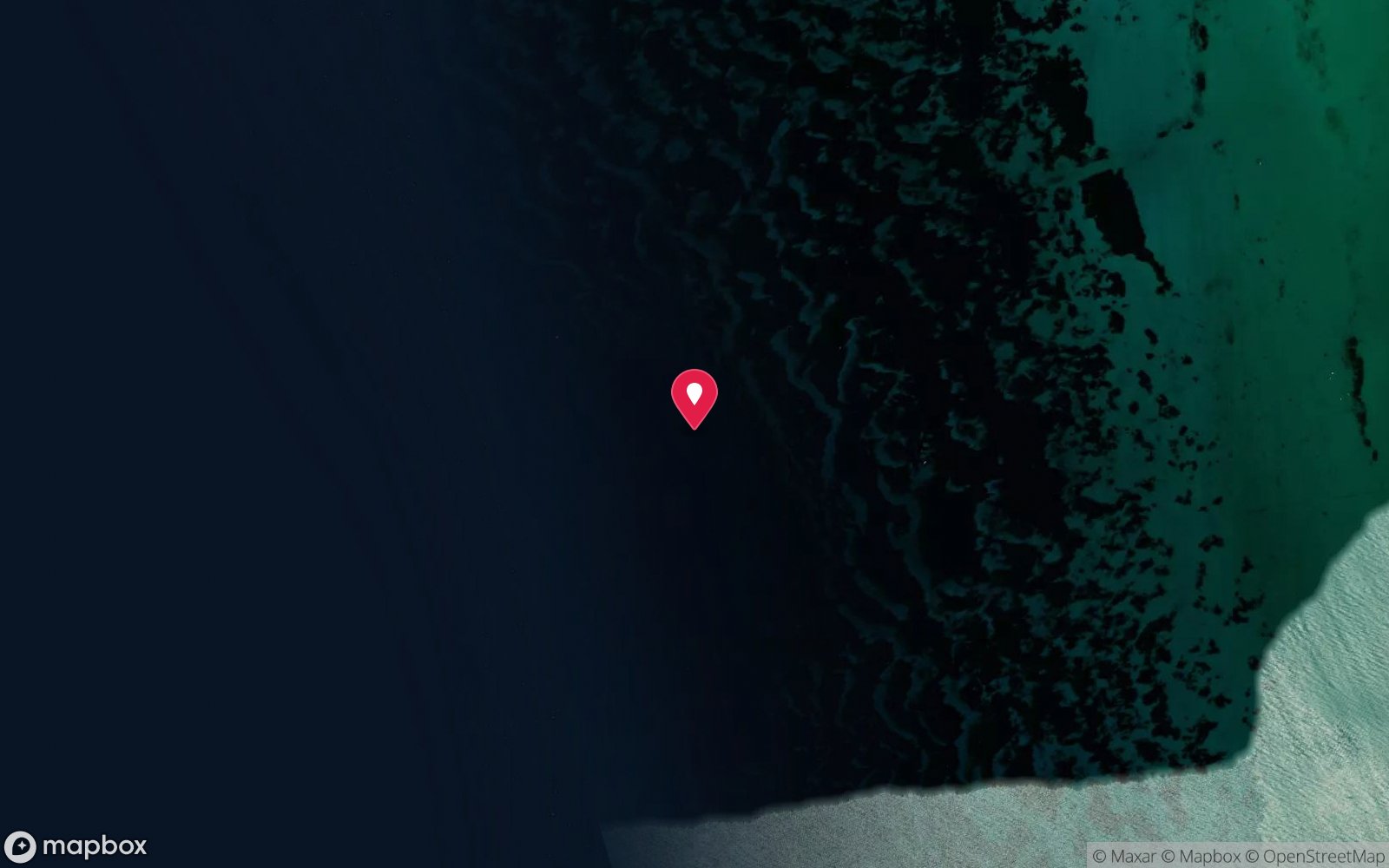
Satellite views
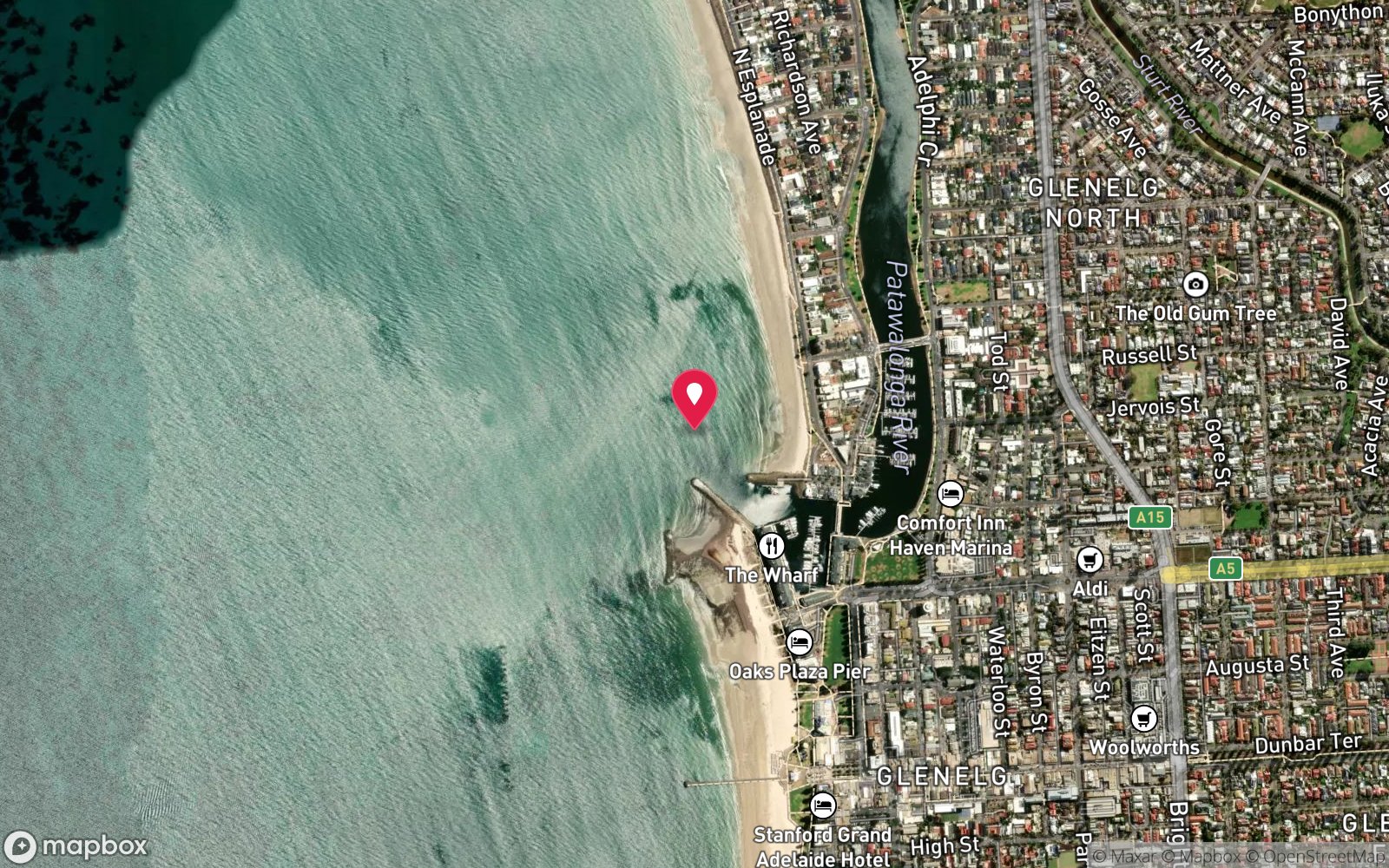
Glenelg Blocks: frequently asked questions
How deep is Glenelg Blocks?
Glenelg Blocks reaches a maximum depth of 6 m, with the shallowest part at about 1 m; most of the dive is spent around 5 m.
What certification do I need to dive Glenelg Blocks?
Open Water is the recommended minimum. Rated beginner: sheltered, shallow and manageable for a newly certified diver on a normal day, though note cold water.
Can I shore dive Glenelg Blocks?
Experienced divers do dive Glenelg Blocks from the shore, but the entry or conditions make it unsuitable for newer divers without local guidance. Entry: Boat, or a long surface swim from the beach or Glenelg jetty.
When is the best time to dive Glenelg Blocks?
Late summer to autumn (February-May) for the calmest mornings and best visibility; winter can be clear on easterly days.
What marine life will I see at Glenelg Blocks?
Regularly recorded: Wobbegong sharks, dumpling squid (night), octopus, southern calamari, sea stars, urchins, cuttlefish, blennies, leatherjackets, nudibranchs.
What wetsuit do I need at Glenelg Blocks?
7 mm wetsuit with hood year-round; drysuit popular in winter (June-September).
How cold is the water at Glenelg Blocks?
Typically 19-23 °C in summer and 12-14 °C in winter.
What are the main hazards at Glenelg Blocks?
Heavy boat, jet ski and marina traffic – surface marker essential; long surface swim if shore diving; very poor visibility after westerlies or rain; blocks exposed at low tide. See the hazards section above for the full list.
Can you night dive Glenelg Blocks?
Yes, Glenelg Blocks is commonly dived at night.
Diving in Adelaide Metro
Adelaide's coast has more than 40 dive sites in 30 minutes of the city: the Glenelg Dredge and the Barge off Glenelg, the reef and snorkel trail at Port Noarlunga, the Hallett Cove and Seacliff reefs, the ships' graveyard at Garden Island and the Port River dolphins. Most are shore or short-boat dives in 5–20 m.
Getting there: Shore dives have suburban car parks; charters from Glenelg, North Haven and O'Sullivan Beach run the wrecks and the Hobart.
Sources
- seawolves.org.au/adelaide-metro-dive-sites
- sdfsa.net/sa-dive-sites/adelaide-metro
- thediveshack.com.au/dive-sites/local-dive-sites-adelaide-metropolitan
- marinelife.org.au/?page_id=128
- en.wikivoyage.org/wiki/Diving_in_South_Australia
- divedb.net/sites/glenelg-blocks-north
Data confidence: Medium · Being verified: Coordinates from Sea Wolves list (converted); check shore access rules near Holdfast Shores marina entrance.. Last updated September 2026. Know this site better? How to send a correction
Nearby dive sites
More muck/sand dives in South Australia
Explore more
This region
Marine life