Dive slate · divesites.com.au · printed 7 Nov 2026
Stickney Island
Eyre Peninsula, South Australia · near Tumby Bay
| Depth | 2–12 m |
|---|---|
| Minimum level | Open Water |
| Difficulty | Intermediate |
| Access | Boat (day trip) |
| Entry | Back-roll or giant stride from a boat |
| Current | Moderate |
| Visibility | 10-20 m |
| Water | summer 17-20 °C, winter 13-15 °C |
| Suit | 5-7 mm full wetsuit with hood in summer/autumn; 7 mm semi-dry or drysuit in winter |
| Best season | Summer and autumn on settled days |
| Bottom time | 50 min |
| Position | -34.70000, 136.29000 (approximate) |
| Permit | Sir Joseph Banks Group Conservation Park / Marine Park zoning |
| Nearest chamber | Royal Adelaide Hospital hyperbaric medicine unit (Adelaide) – evacuation via RFDS Central Operations aeromedical retrieval from the nearest airstrip |
| Emergency | 000 · DAN Asia-Pacific diving emergency 1800 088 200 |
Stickney Island
Also known as Sir Joseph Banks Group – Stickney
A shallow reef honeycombed with caves and crevices full of gorgonians, soft corals, blue devils and boarfish in the Sir Joseph Banks Group.
Near Tumby Bay · Eyre Peninsula, South Australia
- Depth
- 2–12 m
- Minimum level
- Open Water
- Access
- Boat (day trip)
- Boat ride
- ~55 min
- Water
- 17-20 °C
- Visibility
- 10-20 m
Stickney Island2–12 m · Open Water
Dive factsDepths, conditions, location & safety
Season
Off-peak nowBest months: January, February, March, April, May, December.
Dive facts
- Depth
- 2–12 m
- Typical depth
- 6 m
- Certification
- Open Water
- Difficulty
- Intermediate
- Depth tier
- Open Water (10–18 m)
- Access
- Boat (day trip)
- Offshore
- 27 km
- Dive centre needed
- Recommended
- Shore / independent
- No
- Boat ride
- ~55 min
- Current
- Moderate
- Visibility
- 10-20 m
- Water temp (summer)
- 17-20 °C
- Water temp (winter)
- 13-15 °C
- Water
- Temperate
- Bottom time
- 50 min
- Dive traffic
- Remote/expedition only
- Night dive
- No
- Snorkel friendly
- Partial
Exposure suit
5-7 mm full wetsuit with hood in summer/autumn; 7 mm semi-dry or drysuit in winter
Location
Sir Joseph Banks Group · Eyre Peninsula – Sir Joseph Banks Group
-34.70000, 136.29000
Approximate position — not for navigation.
Open in Google MapsPrimary source: marinelife.org.auMarine park & permits
Sir Joseph Banks Group Conservation Park / Marine Park zoning
Nearest recompression chamber
Royal Adelaide Hospital hyperbaric medicine unit (Adelaide) – evacuation via RFDS Central Operations aeromedical retrieval from the nearest airstrip
Diving emergency: call 000, then DAN AP 1800 088 200.
Trip planner
Build a trip around Stickney Island →
A day-by-day plan for Eyre Peninsula with this site locked in.
This guide is a planning aid. Conditions change daily — confirm with a local dive centre and dive within your training. Data & safety notes.
Dive profile
How this site rates
Scores are computed from the recorded data, not opinions. How?
At a glance
Stickney Island is a island boat dive in Eyre Peninsula, SA, 2–12 m, suited to Open Water divers, moderate current, about 55 minutes by boat.
Rated intermediate because of an overhead environment, cold water.
Why dive here
- A shallow reef honeycombed with caves and crevices full of gorgonians, soft corals, blue devils and boarfish in the Sir Joseph Banks Group.
- Rarely dived: expect to have the site to yourself, and plan your own logistics.
- Visibility often reaches 10-20 m.
About Stickney Island
Stickney Island is a 70-hectare island in the Sir Joseph Banks Group. The Marine Life Society describes a shallow, bouldery bottom covered in thick seagrass and kelp, and a shallow reef that offers many caves and crevices, with morwong, groper, old wife, bullseyes, boarfish and blue devilfish, and colourful sponges, gorgonians, soft corals, nudibranchs, cowries, sea stars, feather stars and spider crabs. That list describes a classic temperate invertebrate reef, and the caves and crevices are where most of the colour is found: gorgonians and soft corals in the shaded overhangs, with blue devils and boarfish sheltering inside.
Divers who move slowly with a torch will find cowries, nudibranchs and feather stars, while spider crabs and sea stars crawl across the boulders. Because the reef is shallow, it suits Open Water divers and confident snorkellers on calm days, and it makes a good second dive after a deeper site elsewhere in the group. The kelp and seagrass also support juvenile fish and cuttlefish.
Access requires a boat crossing from Tumby Bay, so it is visited rarely. Combine with Spilsby and Duffield islands or the Langton Island sea lions for a full day in the group. The shallow depths make it an easy dive to fit into a long boat day, and on calm, clear days snorkellers in the party can enjoy the reef from the surface.
Getting there & entry
70-hectare island in the Sir Joseph Banks Group with a shallow, bouldery bottom covered in seagrass and kelp and a shallow reef full of caves and crevices.
Tumby Bay is about 600 km (6.5 hours) from Adelaide via Port Augusta and the Lincoln Highway, or 50 km north of Port Lincoln (airport). Launch at Tumby Bay and cross about 25-30 km south-east into the Sir Joseph Banks Group (50-60 minutes); Stickney Island lies near Spilsby. Anchor in the lee of the island in sand clear of the reef.
Entry: Back-roll or giant stride from a boat
Facilities: None; Tumby Bay services.
Weather, swell & tides
The Sir Joseph Banks Group lies in open water in lower Spencer Gulf, 15-30 km off Tumby Bay. The islands give shelter from one direction or another, but the crossing is exposed to wind from all quarters, and strong south-easterly or south-westerly winds make it rough and unsafe for small boats. Tidal streams run between the islands.
Choose settled days with winds under about 15 knots; summer and autumn mornings are most reliable. Visibility is often good (10-20 m) in the clearer water around the outer islands.
Best season: Summer and autumn on settled days
How the dive is usually run
Explore the shallow reef's caves and crevices at 3-8 m with a torch, then drift over the boulder and kelp bottom.
Marine life
- Morwong
- western blue groper →
- old wives
- bullseyes
- boarfish
- southern blue devils →
- sponges
- gorgonians
- soft corals
- nudibranchs →
- cowries
- sea stars
- feather stars
- spider crabs
- kelp
- seagrass
Linked species have their own page listing every site where they are recorded. All marine life →
Training required
Within the 18 m limit of an entry-level certification.
Courses that help here
- Cavern Diver – An overhead environment.
- Drysuit Diver – Cold water; locals dive dry for much of the year.
Depth tiers: 0–10 m easy · to 18 m Open Water · 18–30 m Advanced (25 m+ is a deep dive) · 30–40 m Deep specialty · 40 m+ technical. All courses
Hazards & warnings
Open-water crossing; tidal currents; overhead environments in caves; remote.
Dive centres that go here
No regular operator; private boats and occasional charters from Tumby Bay.
Other dive centres in Eyre Peninsula
Calypso Star Charters
ListedPort Lincoln · Eyre Peninsula · SA
A Port Lincoln operation running great white shark cage experiences and sea lion swims. Classified as wildlife tourism rather than a scuba dive centre.
sharkcagediving.com.au · 1300 788 378
The Dive Shop Port Lincoln
ListedPort Lincoln · Eyre Peninsula · SA
A Port Lincoln business providing equipment, fills and dive services — a conventional dive business distinct from the region's cage tourism operators.
thediveshopportlincoln.com.au · (08) 8682 1656
Coffin Bay Scuba Co
Named by sitesCoffin Bay · Eyre Peninsula · SA
Website blocked fetch; phone from Tripadvisor listing (latest review 2023).
coffinbayscuba.com · 0401 811 020
Baird Bay Ocean Eco Experience
Named by sitesBaird Bay · Eyre Peninsula · SA
Sea lion and dolphin swim tours (snorkel), not a scuba operator.
bairdbay.com · (08) 8351 1489
Rodney Fox Shark Expeditions
Named by sitesMile End · Eyre Peninsula · SA
Office in Adelaide; expeditions depart Port Lincoln.
rodneyfox.com.au · (08) 8363 1788
Tumby Bay charters
Named by sitesTumby Bay · Eyre Peninsula · SA
No dive charter operator found in Tumby Bay; only fishing charters located.
All dive centres in South Australia →
Operators mentioned: Private boats
Map
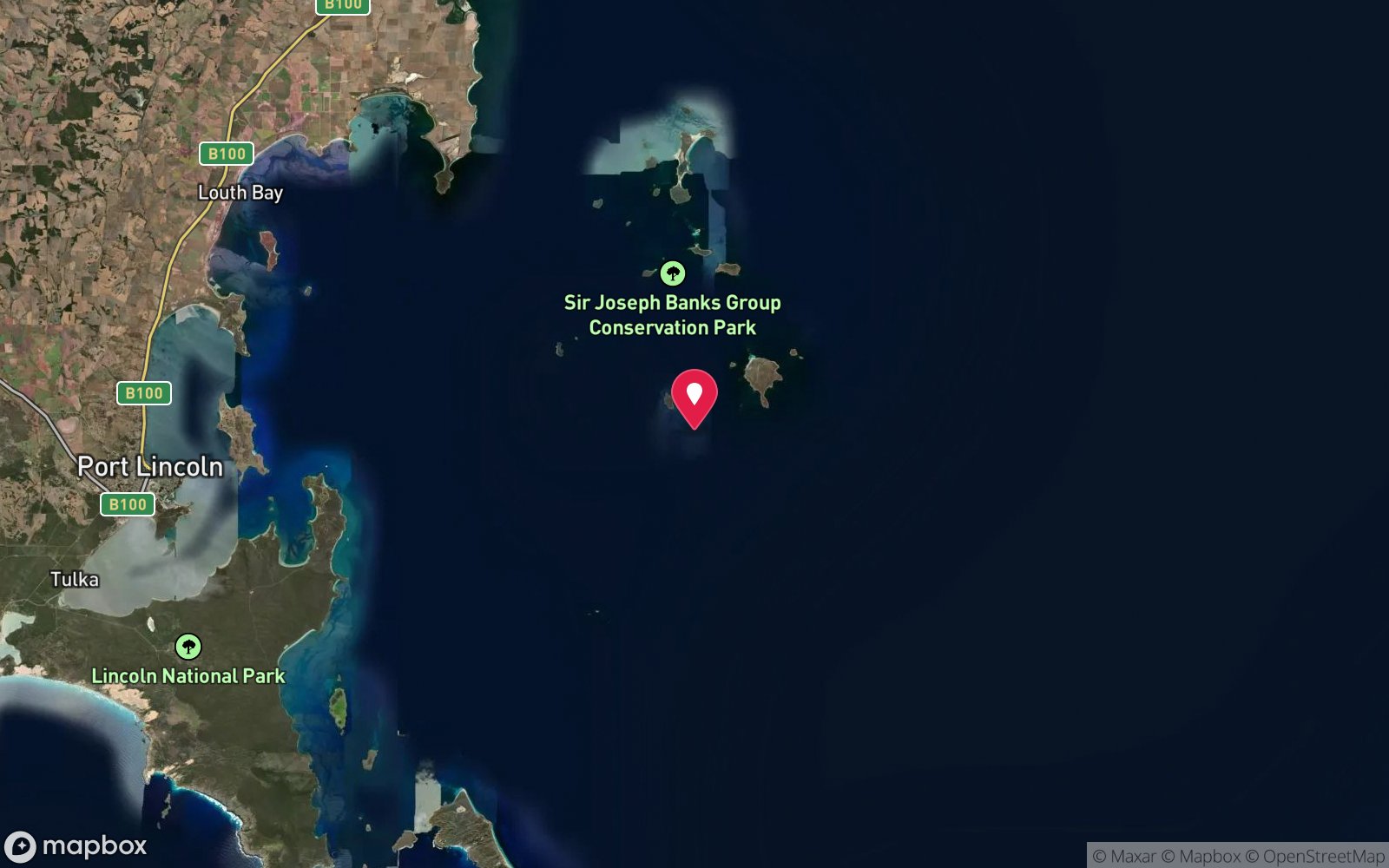
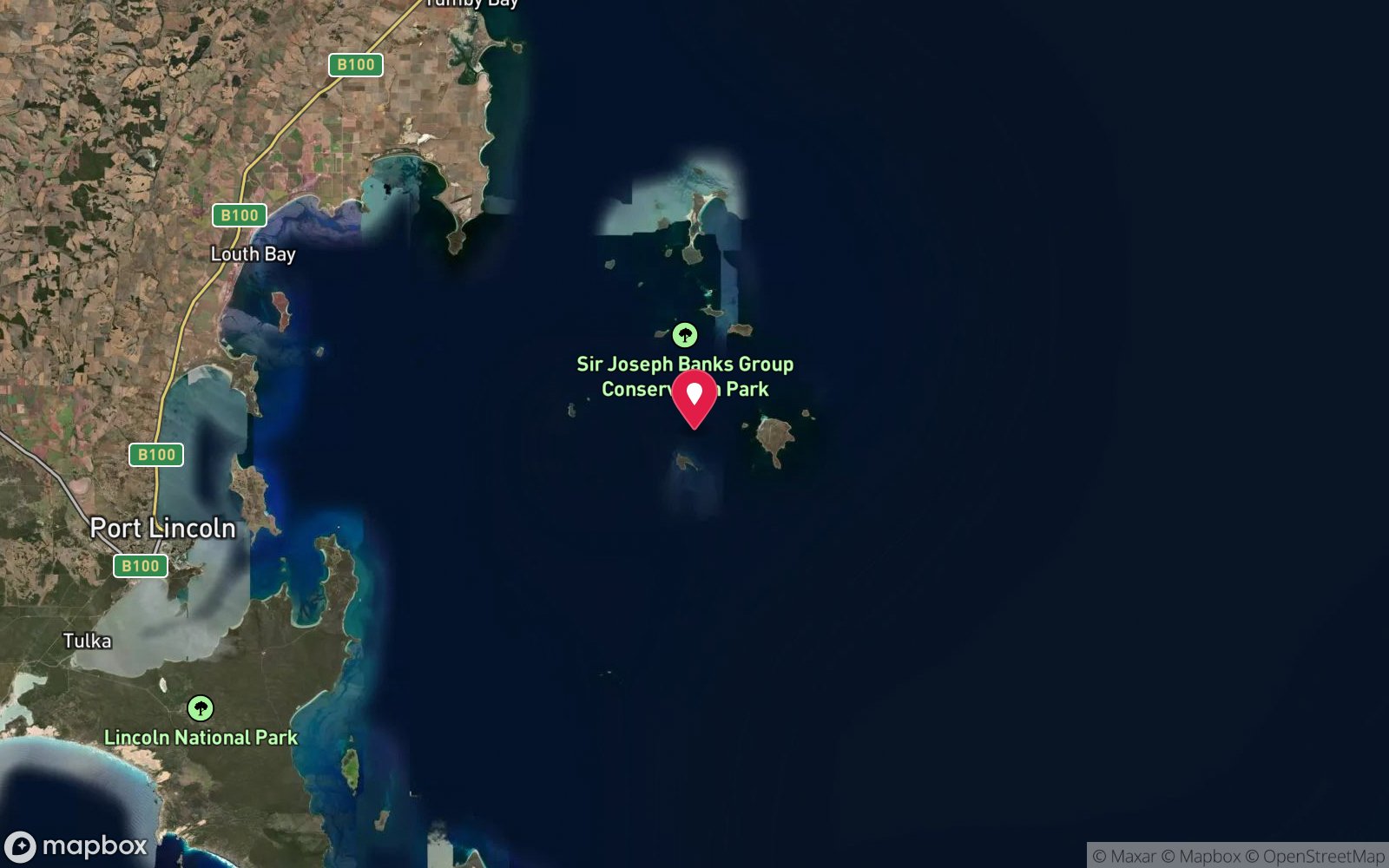
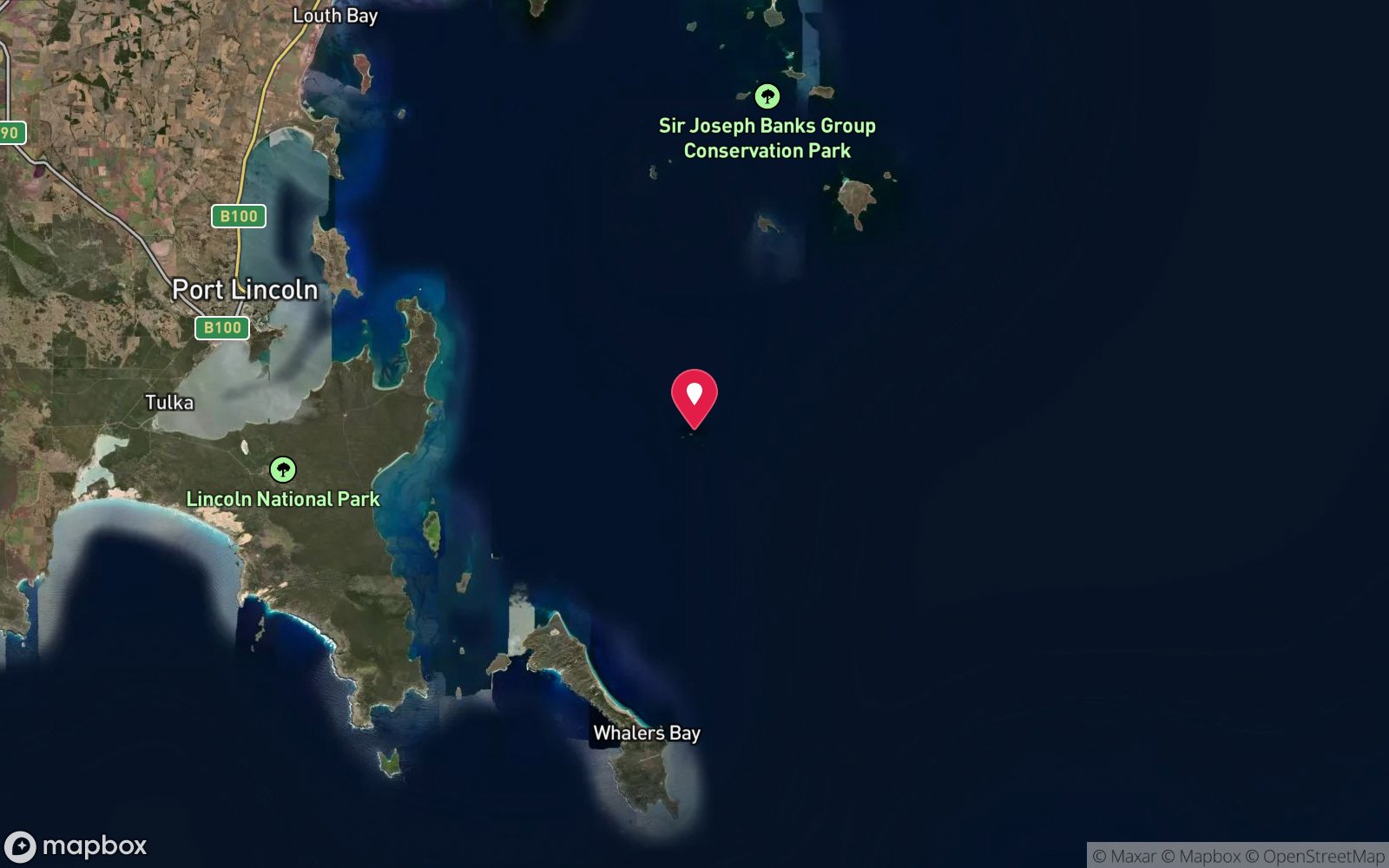
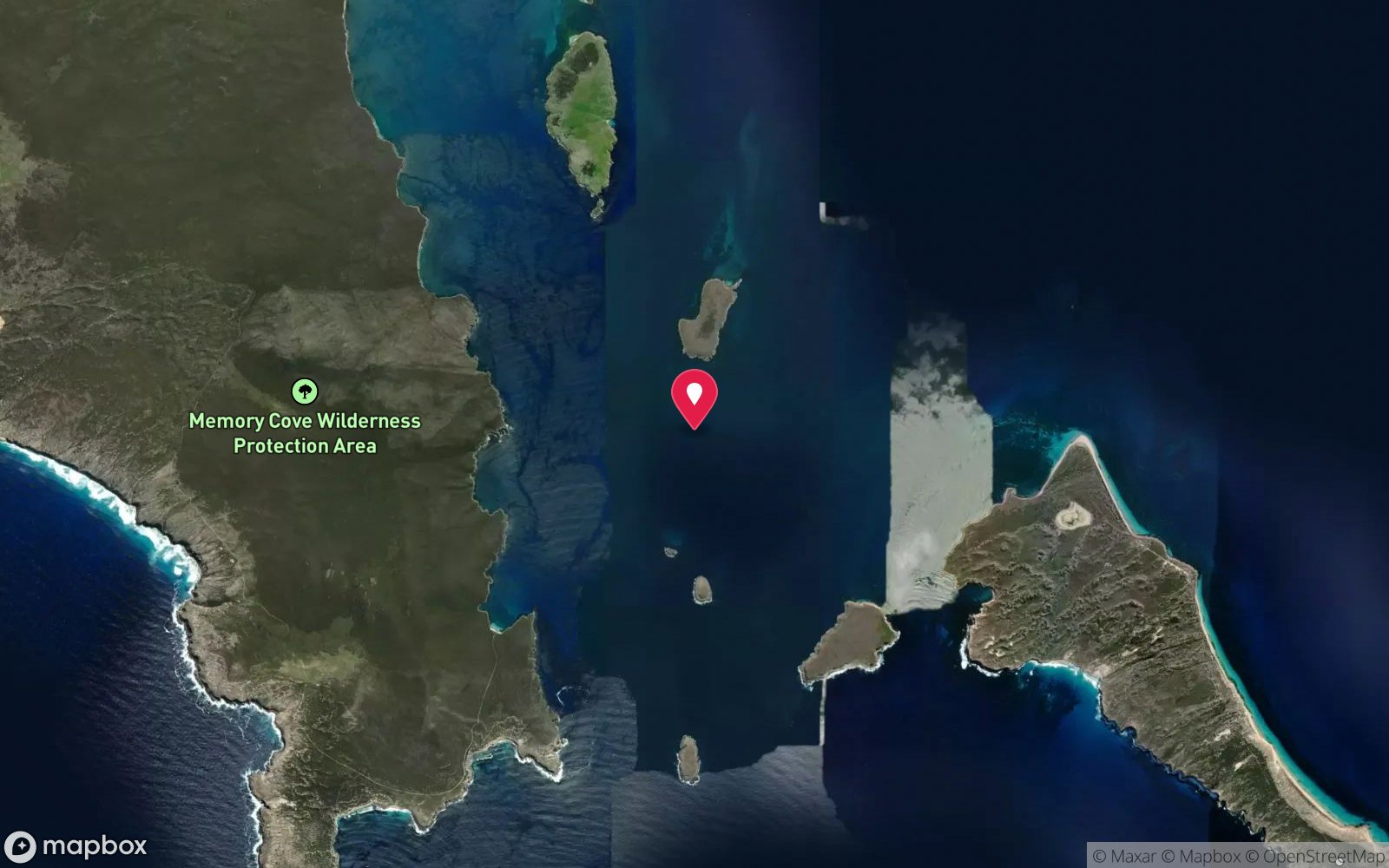
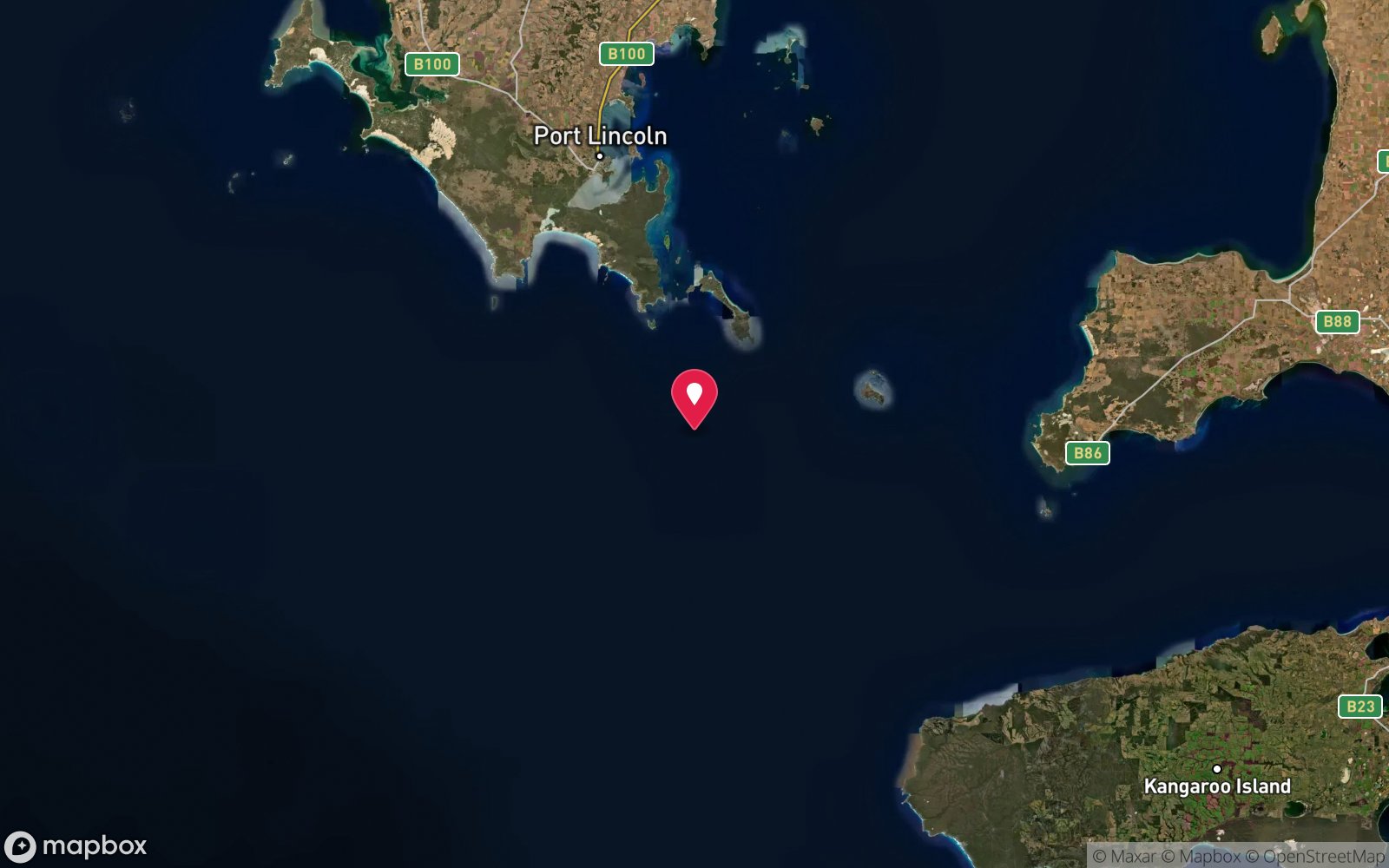
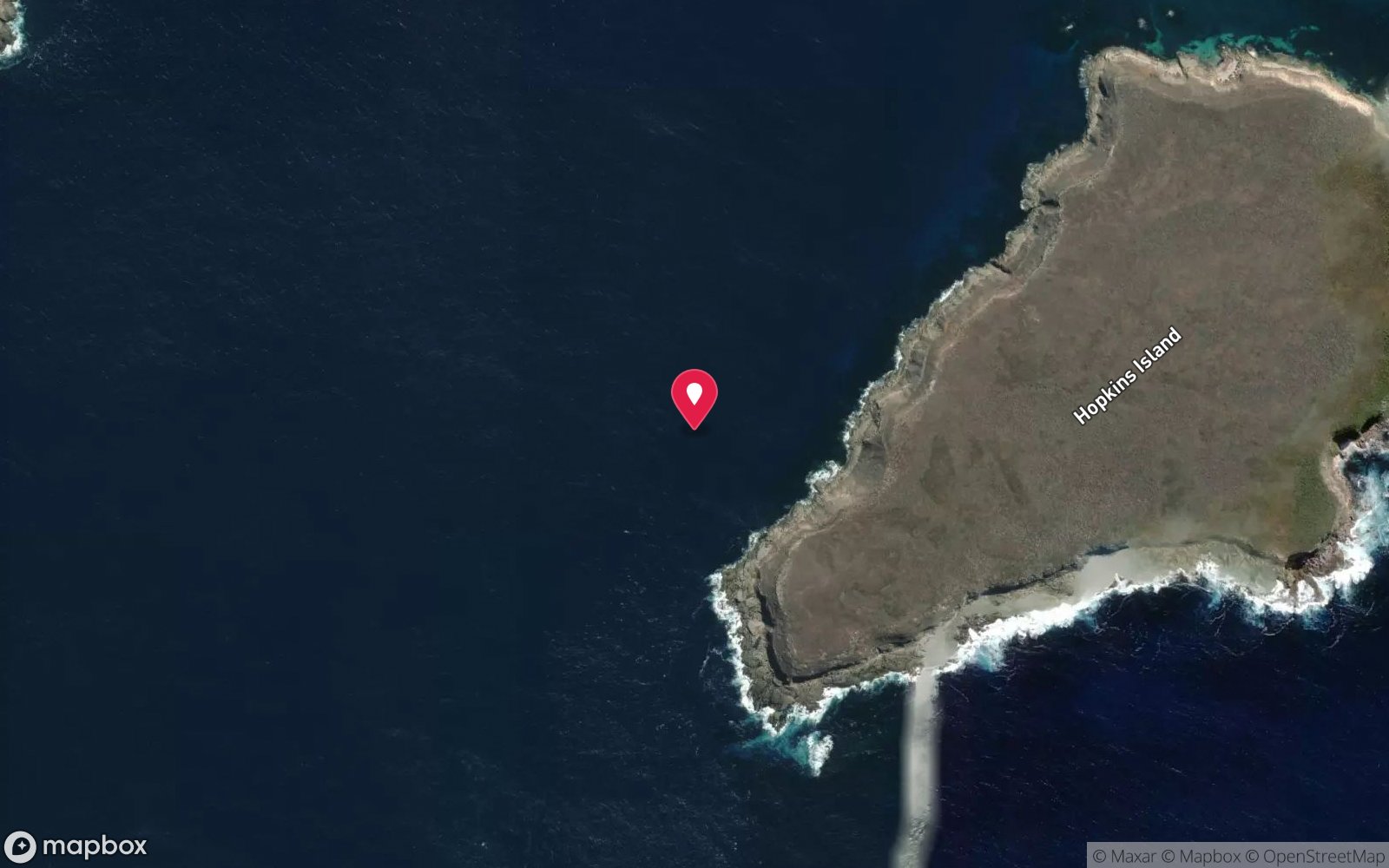
7 pinned sites. Pins marked approximate on their pages show the general area only; not for navigation.
Satellite views
Stickney Island: frequently asked questions
How deep is Stickney Island?
Stickney Island reaches a maximum depth of 12 m, with the shallowest part at about 2 m; most of the dive is spent around 6 m.
What certification do I need to dive Stickney Island?
Open Water is the recommended minimum. Rated intermediate because of an overhead environment, cold water.
Can I shore dive Stickney Island?
No, it is reached by boat (about 55 minutes).
When is the best time to dive Stickney Island?
Summer and autumn on settled days.
What marine life will I see at Stickney Island?
Regularly recorded: Morwong, western blue groper, old wives, bullseyes, boarfish, southern blue devils, sponges, gorgonians, soft corals, nudibranchs, cowries, sea stars and more.
What wetsuit do I need at Stickney Island?
5-7 mm full wetsuit with hood in summer/autumn; 7 mm semi-dry or drysuit in winter.
How cold is the water at Stickney Island?
Typically 17-20 °C in summer and 13-15 °C in winter.
What are the main hazards at Stickney Island?
Open-water crossing; tidal currents; overhead environments in caves; remote. See the hazards section above for the full list.
Where is the nearest recompression chamber to Stickney Island?
Royal Adelaide Hospital hyperbaric medicine unit (Adelaide) – evacuation via RFDS Central Operations aeromedical retrieval from the nearest airstrip. In an emergency call 000, then DAN Asia-Pacific on 1800 088 200.
Diving in Eyre Peninsula
Port Lincoln is the base for Australia's only great white shark cage diving at the Neptune Islands, and for sea lion swims at Hopkins Island and Baird Bay. Around the peninsula's coast are the Port Lincoln jetties, Tumby Bay, the wreck of the Fides and a great deal of clear, cold, unvisited reef.
Getting there: Fly to Port Lincoln or drive seven hours from Adelaide. Shark and sea lion operators run from Port Lincoln and Baird Bay; jetties are shore dives.
Sources
Data confidence: Low · Being verified: Coordinates approximate.. Last updated September 2026. Know this site better? How to send a correction
Nearby dive sites
More island dives in South Australia
Explore more
This region
Marine life