Ranked by how many distinct species or groups are recorded for each site in this directory. It rewards the thoroughly surveyed sites, the Nelson Bay sponge gardens, the Mornington piers, Julian Rocks and the Solitary Islands, as much as the tropical reefs.
Updated daily from the directory. 30 sites listed.
1. Mornington Peninsula · VIC
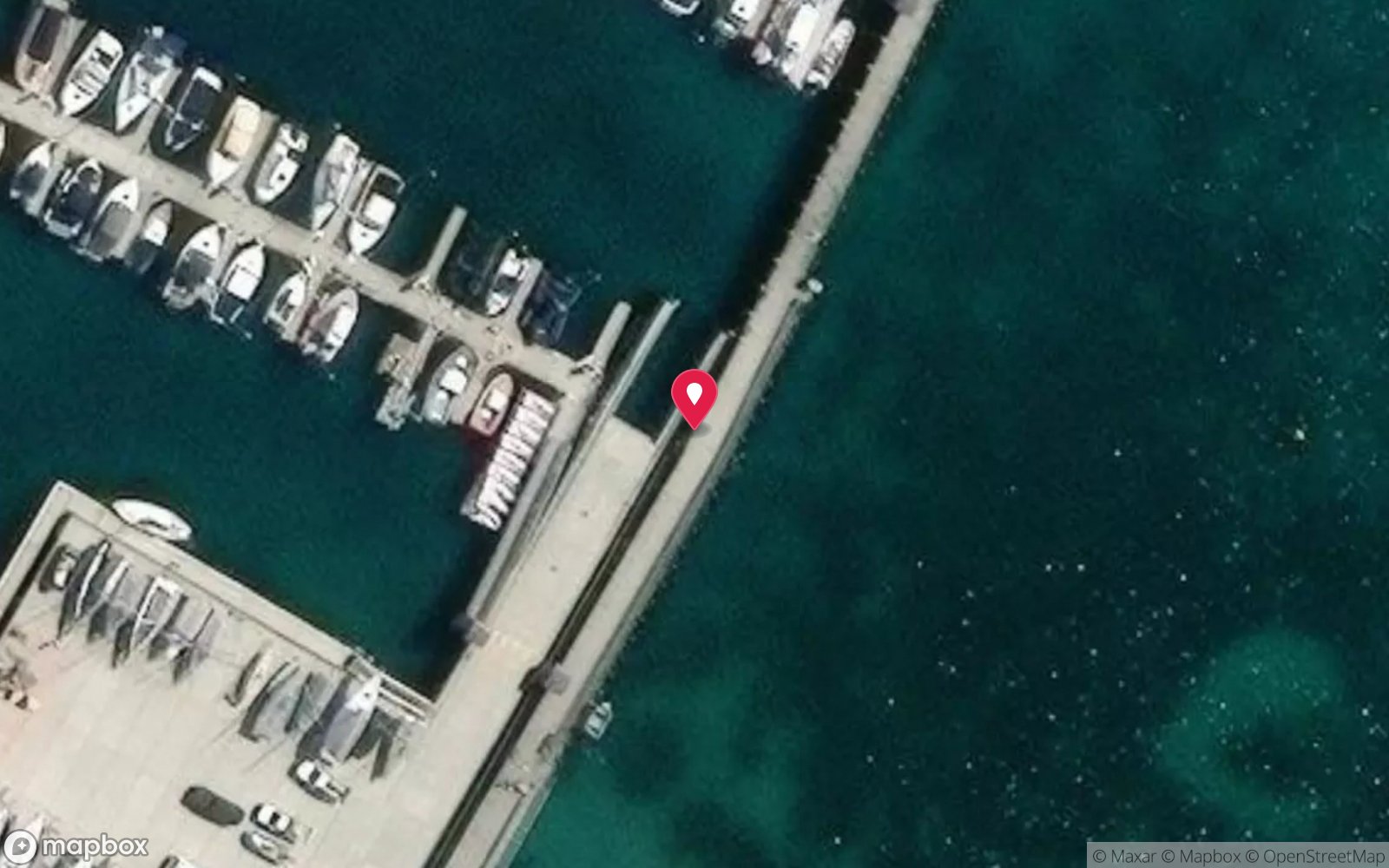
Blairgowrie Pier
23 species recorded · The best pier dive in Australia: seadragons, cuttlefish, frogfish, seahorses and the spider crab aggregation in May.
Our takeThe macro capital of Victoria: more than a hundred nudibranch species recorded, plus seahorses, four species of octopus, cuttlefish and the occasional seadragon, all on sponge-covered pylons in 7 m. Divers do a hundred dives here and keep finding new animals.
2. Surf Coast & Great Ocean Road · VIC
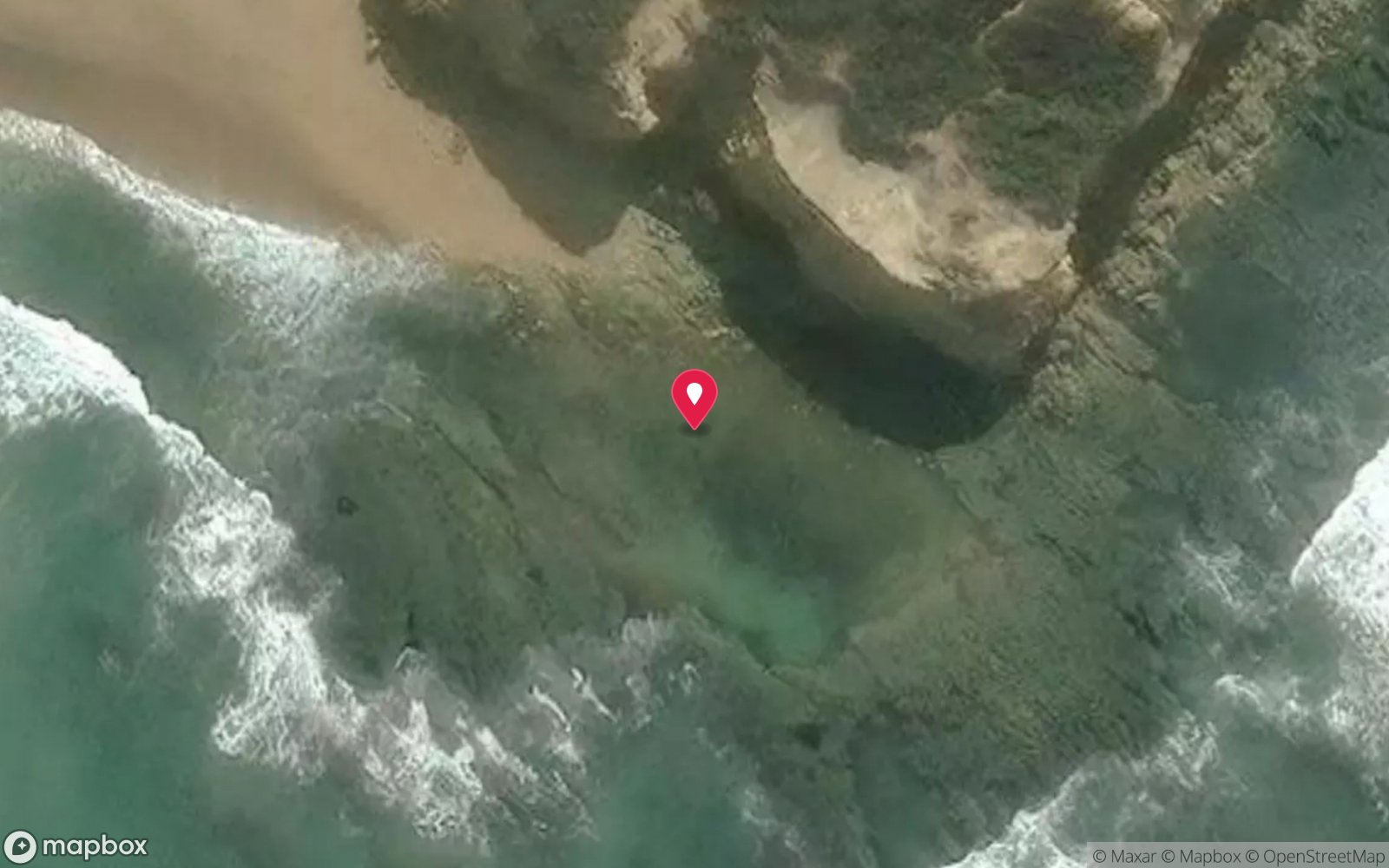
Point Addis
23 species recorded · Sponge-lined limestone gutters running out toward a marine-national-park headland, with seadragons, blue devils and crays; the Surf Coast's signature shore dive on the rare flat day.
3. Surf Coast & Great Ocean Road · VIC
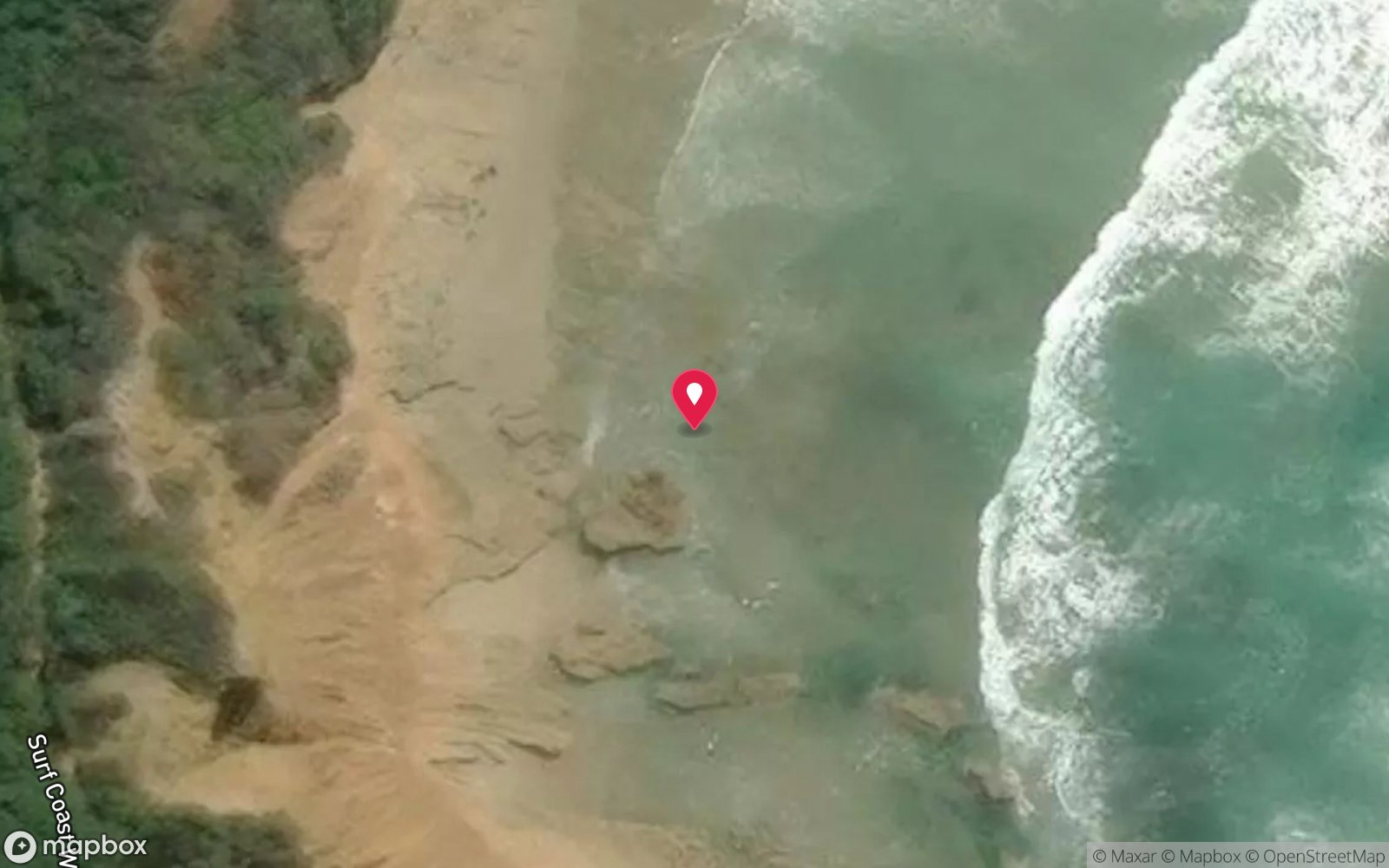
Eagle Nest Reef, Aireys Inlet
22 species recorded · A kilometres-long limestone reef beneath the red bluffs of Aireys Inlet, with a beginner-friendly inner reef and a main reef in 6-10 m; the east-facing beach is the calmest option in a westerly.
4. Surf Coast & Great Ocean Road · VIC
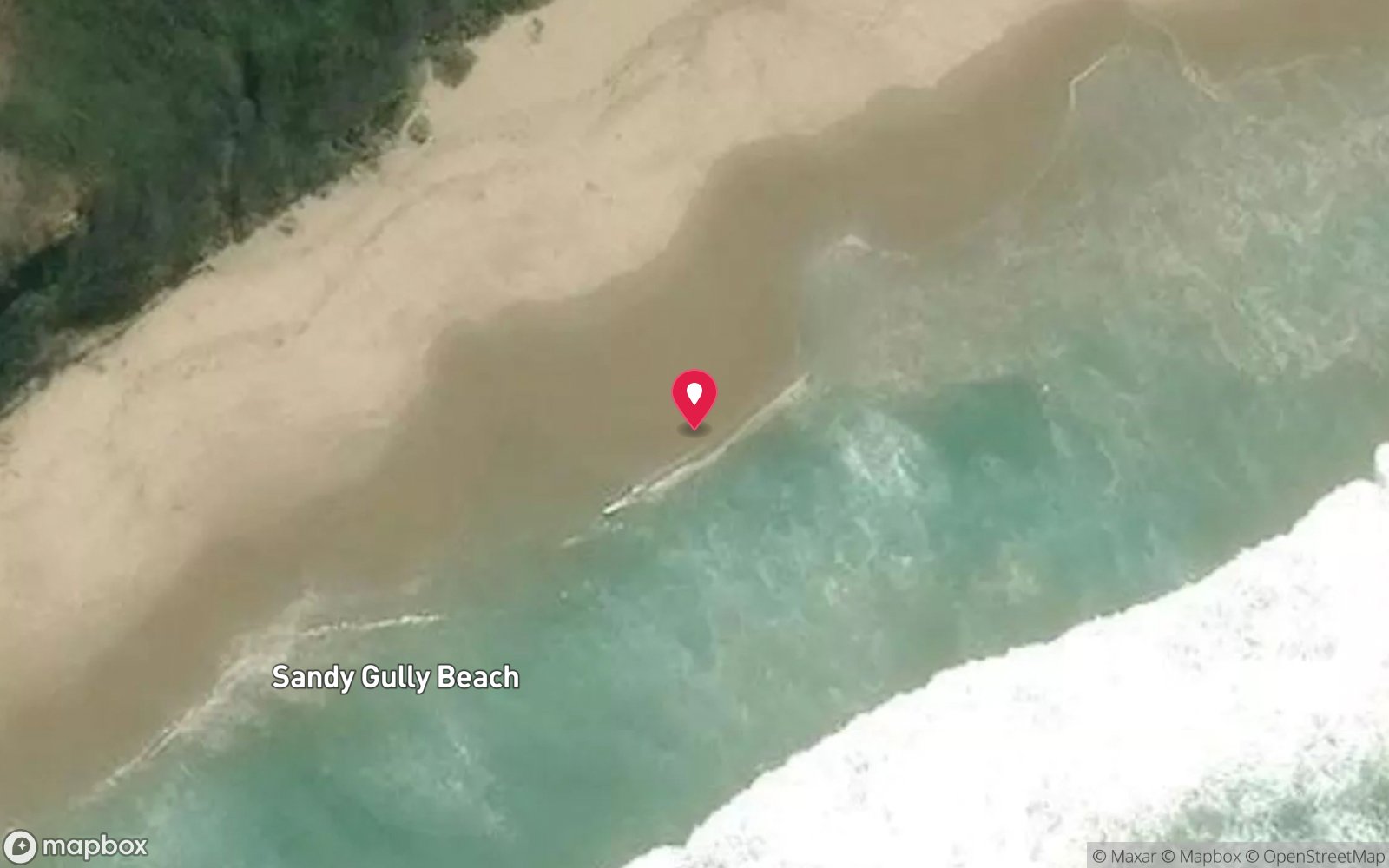
Sandy Gully Beach, Aireys Inlet
21 species recorded · Quiet beach between red sandstone headlands giving access to the southern end of Eagle Nest Reef; a longer, less-visited alternative to Eagle Rock at Aireys Inlet.
5. Mornington Peninsula · VIC
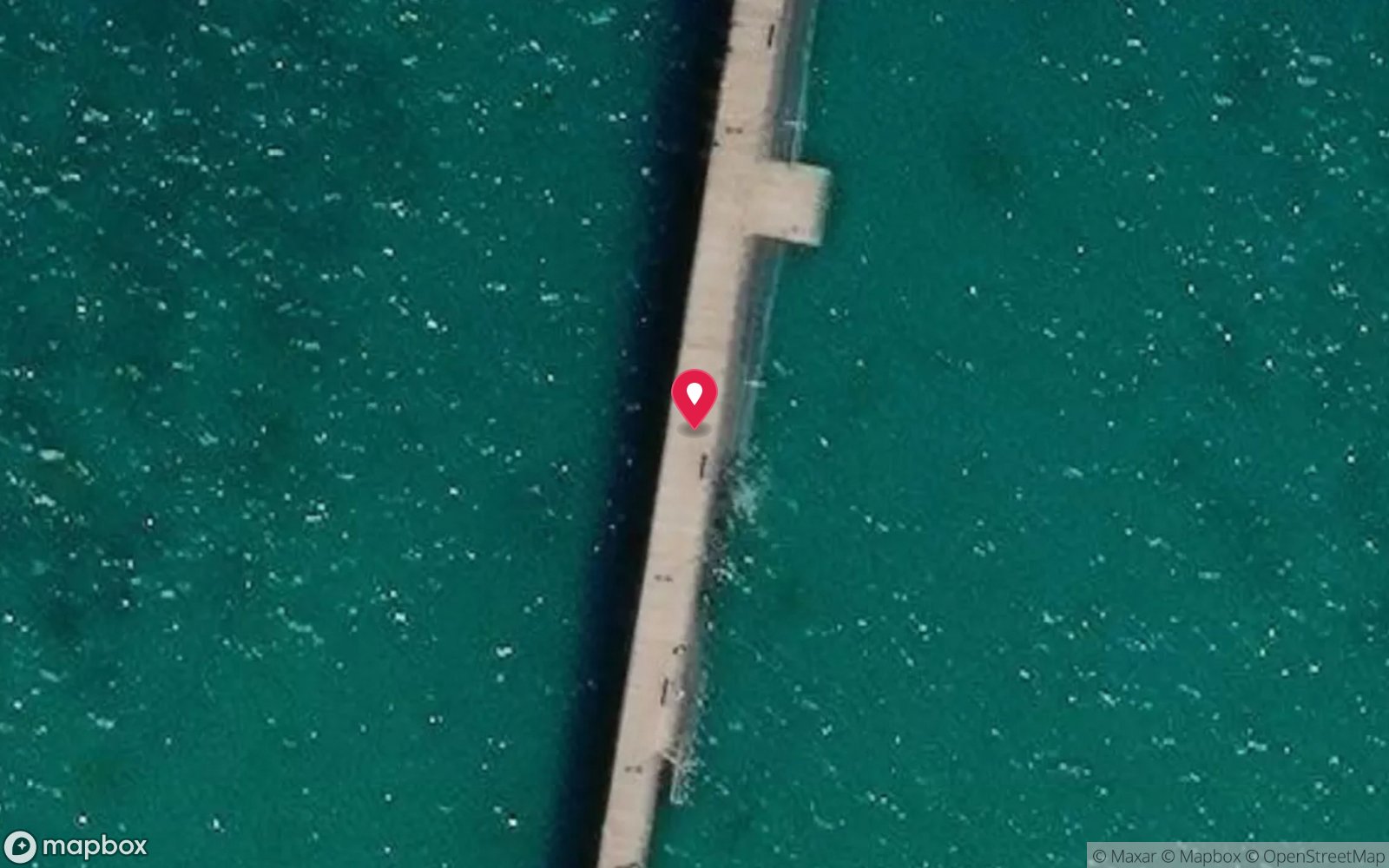
Rye Pier
20 species recorded · Seahorses on nearly every pylon, the annual giant spider crab aggregation, big stingrays and superb night diving – all in 7 m from a car park.
6. Surf Coast & Great Ocean Road · VIC
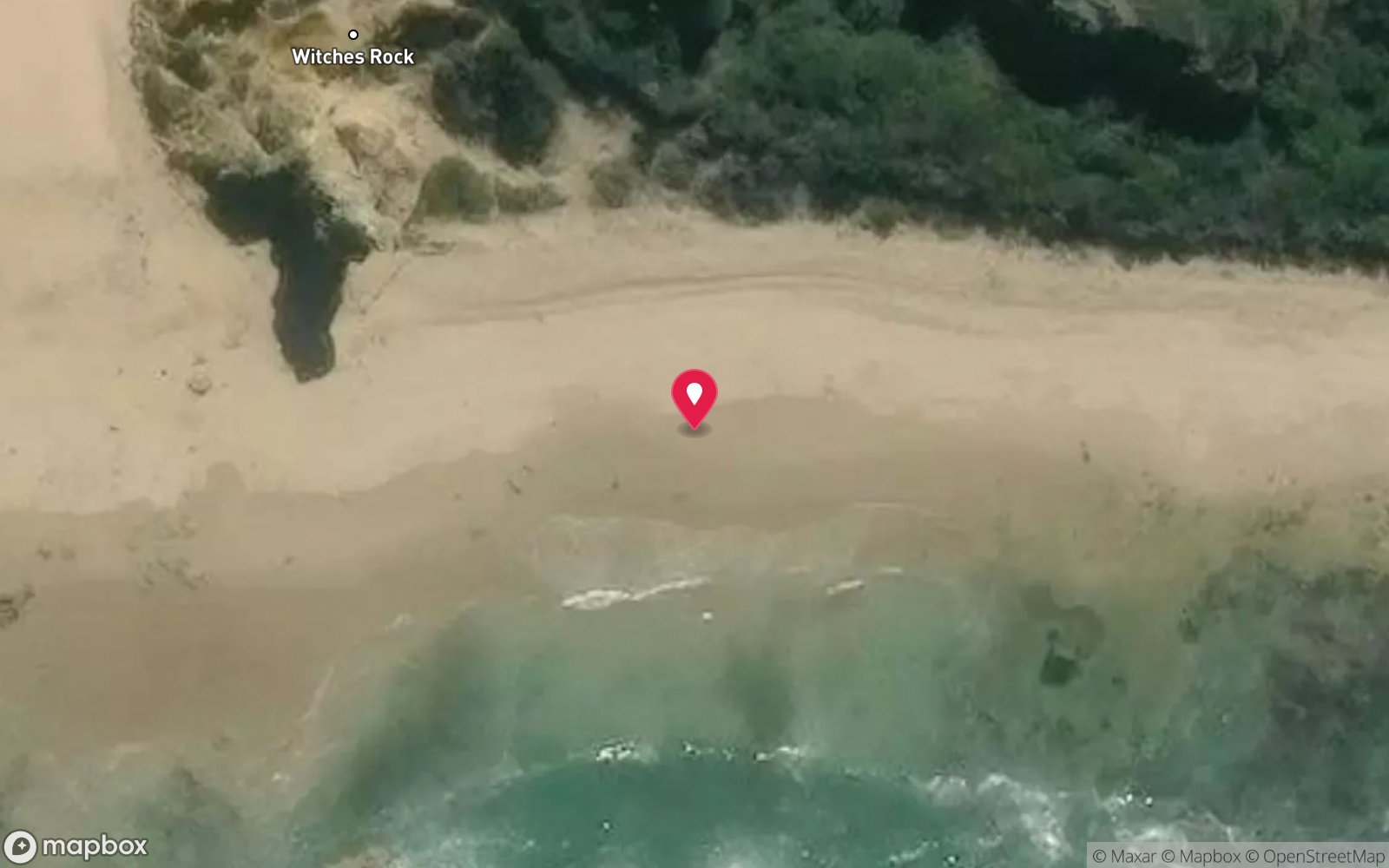
Eagle Rock, Aireys Inlet
20 species recorded · A volcanic sea stack and basalt table below the Split Point lighthouse, ringed by kelp, crays, catsharks and seals inside a marine sanctuary; superb when calm, which is not often.
Shore/Rock PlatformMax 10 mIntermediateOpen WaterShore accessMore in Surf Coast & Great Ocean Road →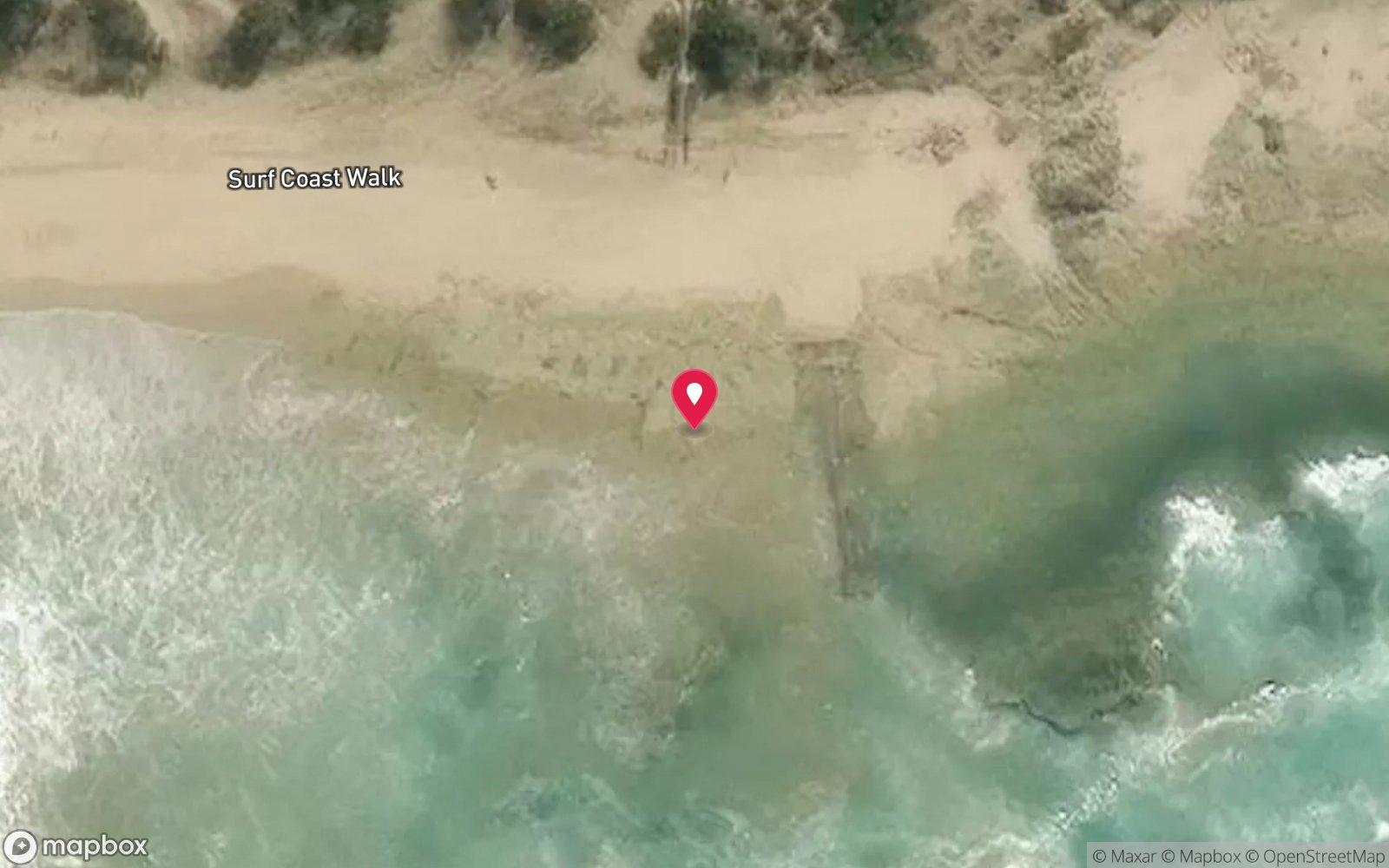
7. Surf Coast & Great Ocean Road · VIC
Point Roadknight South
20 species recorded · A maze of undercut limestone blocks and sand channels on the ocean side of Point Roadknight, full of crays and cuttlefish; flat days and offshore winds only.
8. Melbourne & Port Phillip Bay · VIC
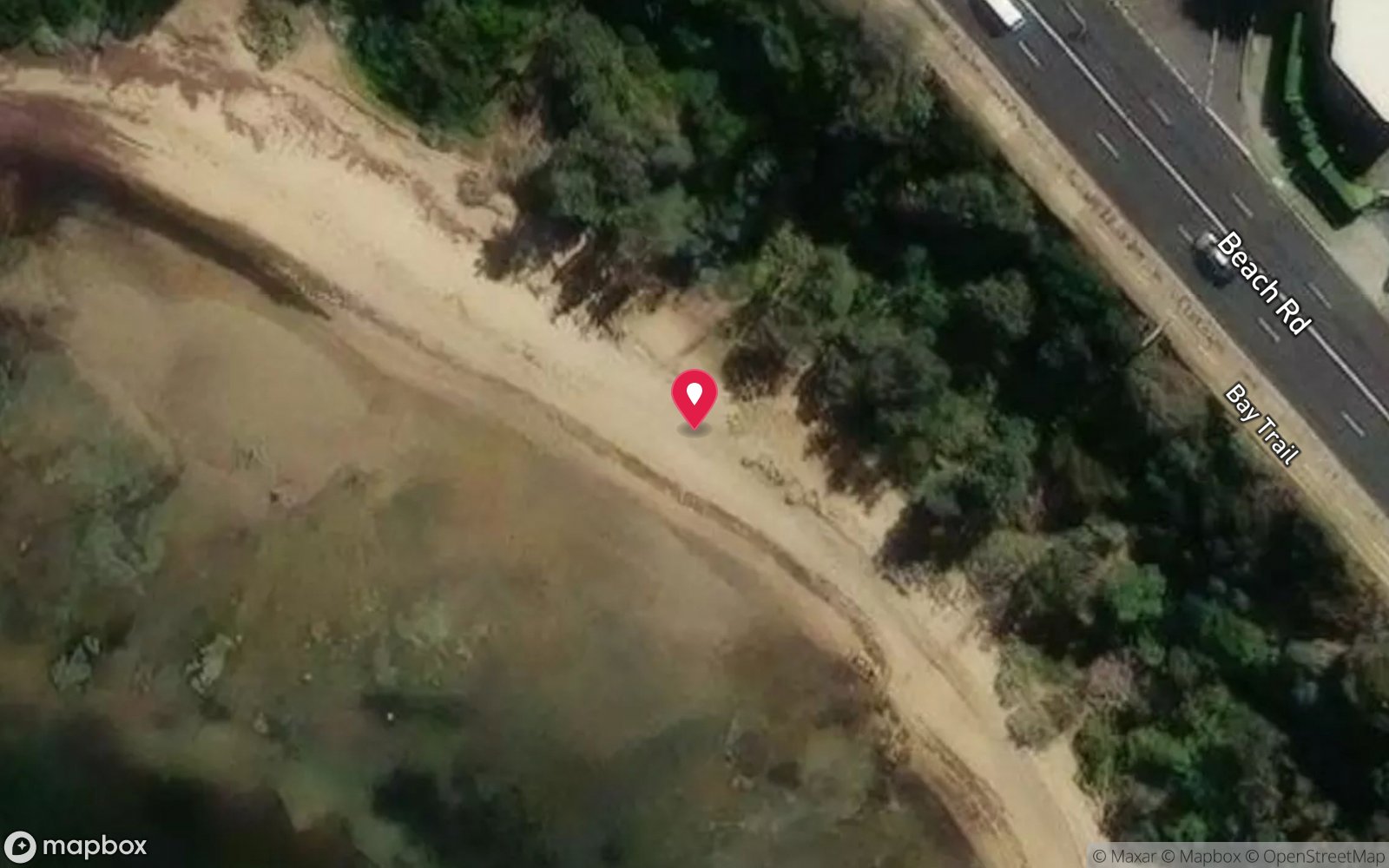
Banksia Point, Ricketts Point
19 species recorded · Quietest entry in the sanctuary; very shallow close-in reef for snorkelling, children and relaxed night dives.
9. Mornington Peninsula · VIC
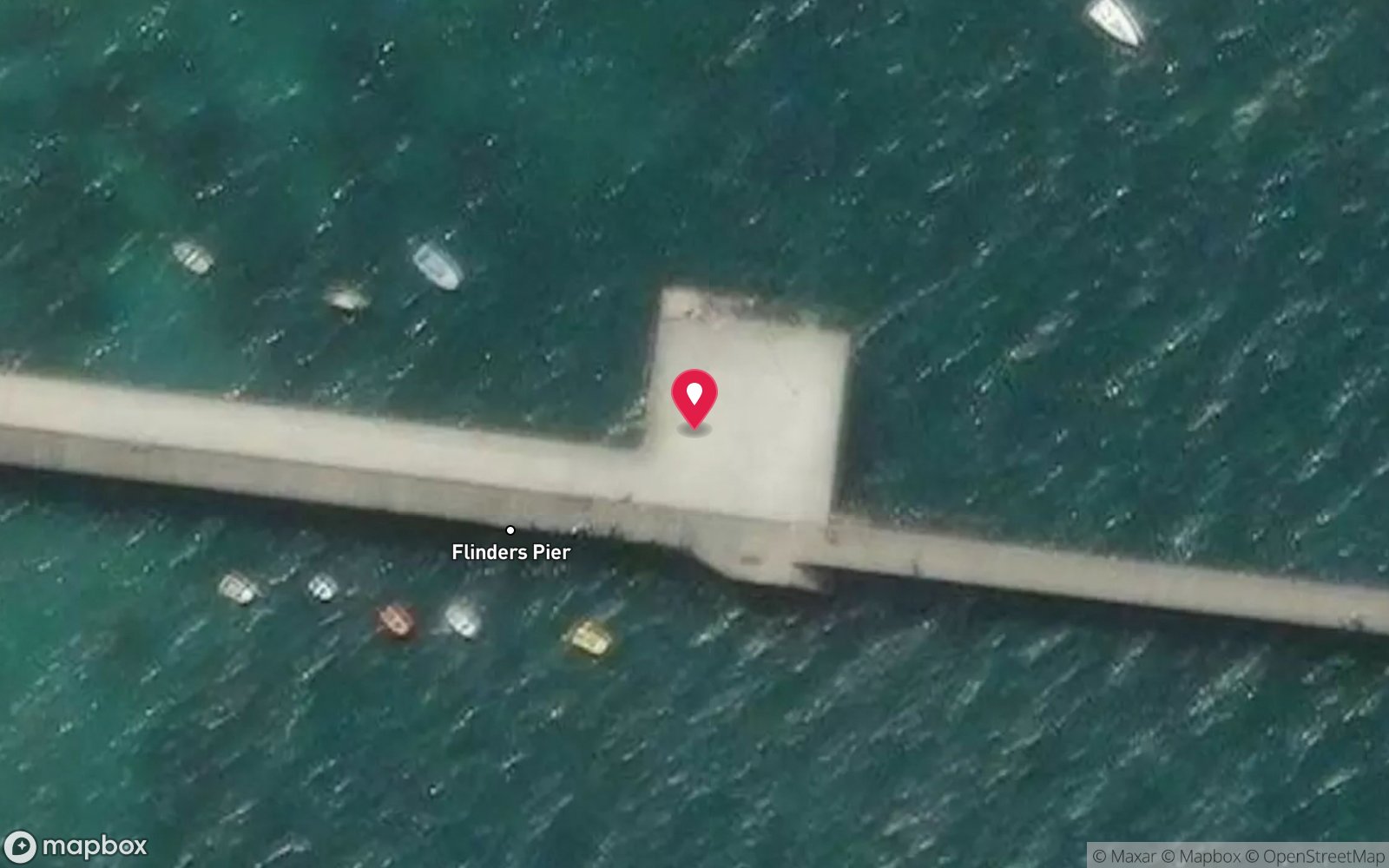
Flinders Pier
19 species recorded · Weedy seadragons almost guaranteed in 5 m of water on Western Port.
10. Melbourne & Port Phillip Bay · VIC
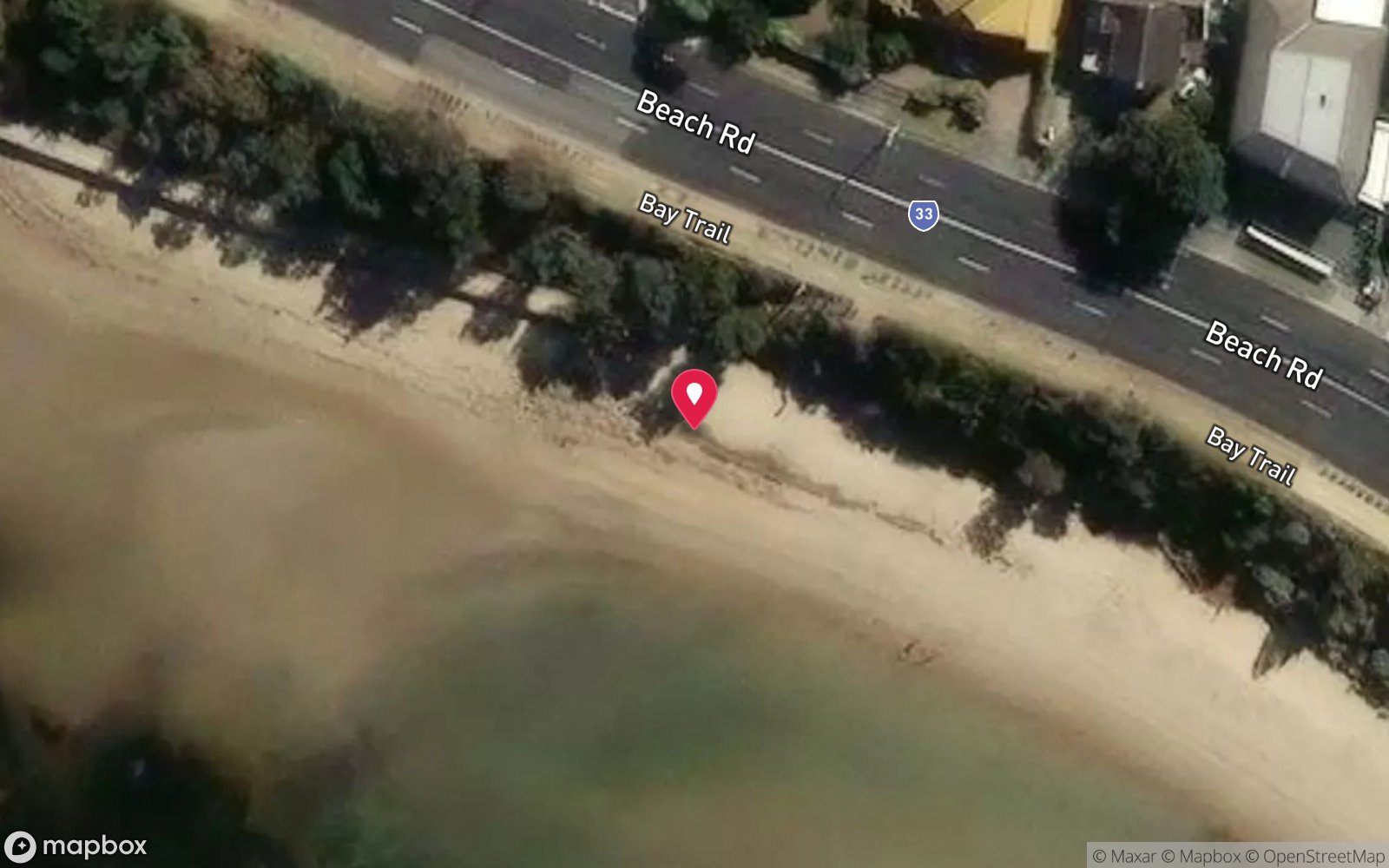
McGregor Rock, Quiet Corner
19 species recorded · The sheltered fallback corner of Ricketts Point; profuse fish life over shallow ledges when other bayside sites are blown out.
11. Melbourne & Port Phillip Bay · VIC
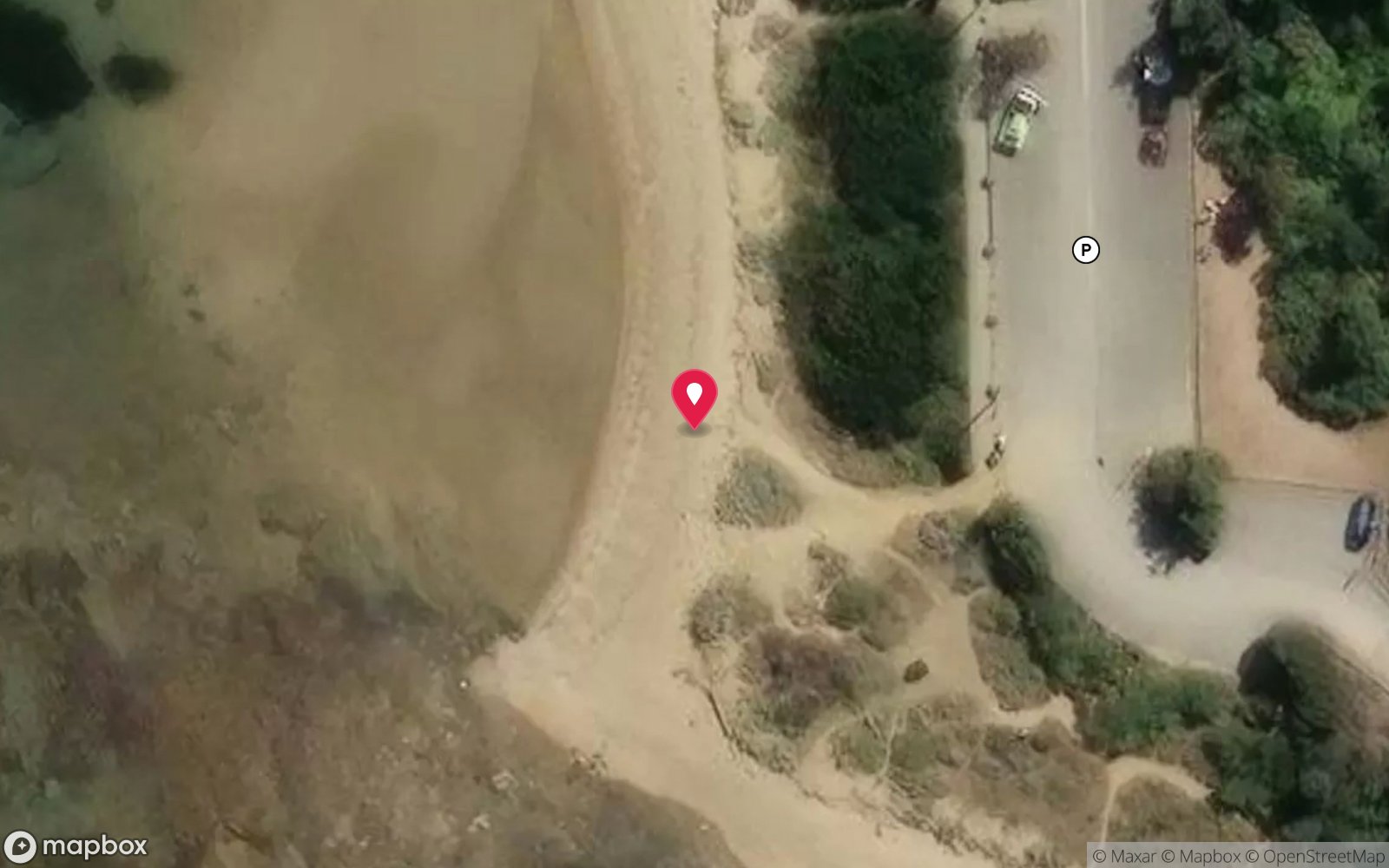
Middle Reef, Ricketts Point
19 species recorded · Uncrowded shallow reef edge between the teahouse and the life saving club; simple night dive and a good intertidal-to-subtidal study site.
12. Melbourne & Port Phillip Bay · VIC
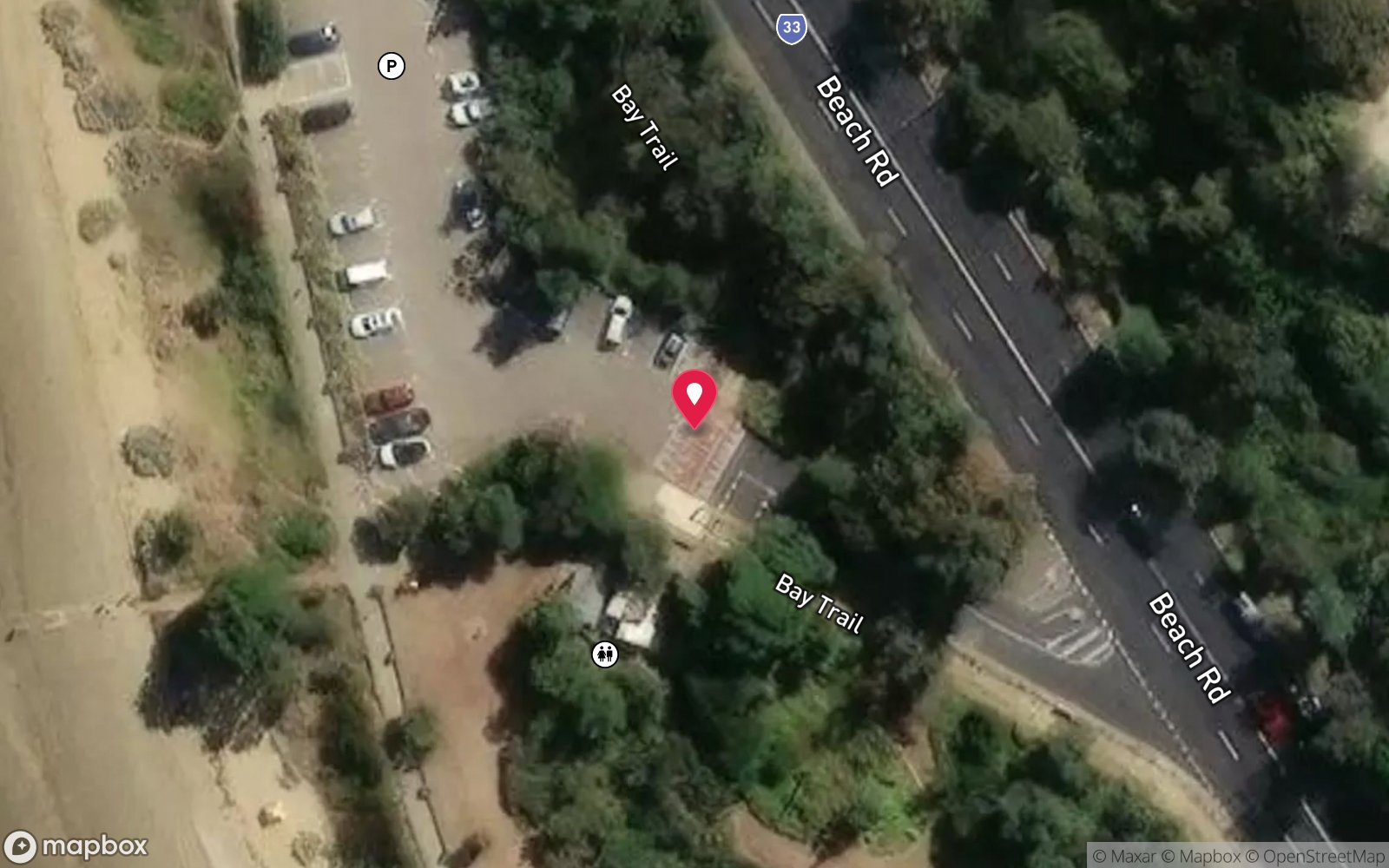
Ricketts Point Marine Sanctuary
19 species recorded · Melbourne's flagship marine sanctuary: eight shallow reef entries, tame fish, sea caves and seagrass twenty minutes from the CBD, perfect for beginners, snorkellers and night dives.
13. Melbourne & Port Phillip Bay · VIC
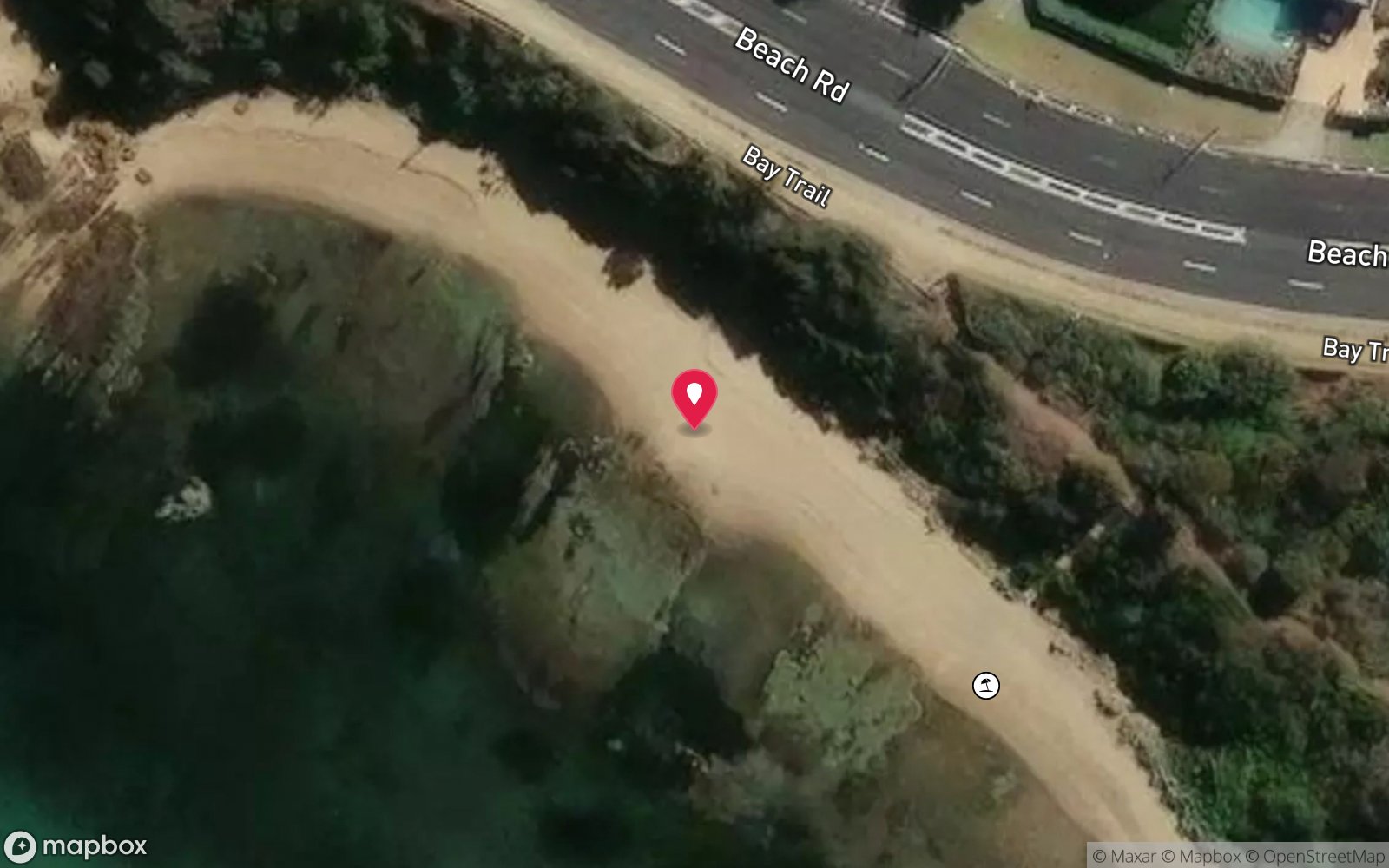
Table Rock, Ricketts Point
19 species recorded · The sanctuary's best terrain: undercut ledges and a cave-like hollow under a sandstone headland, with bigger fish and rays; a favourite Melbourne night dive.
14. Melbourne & Port Phillip Bay · VIC
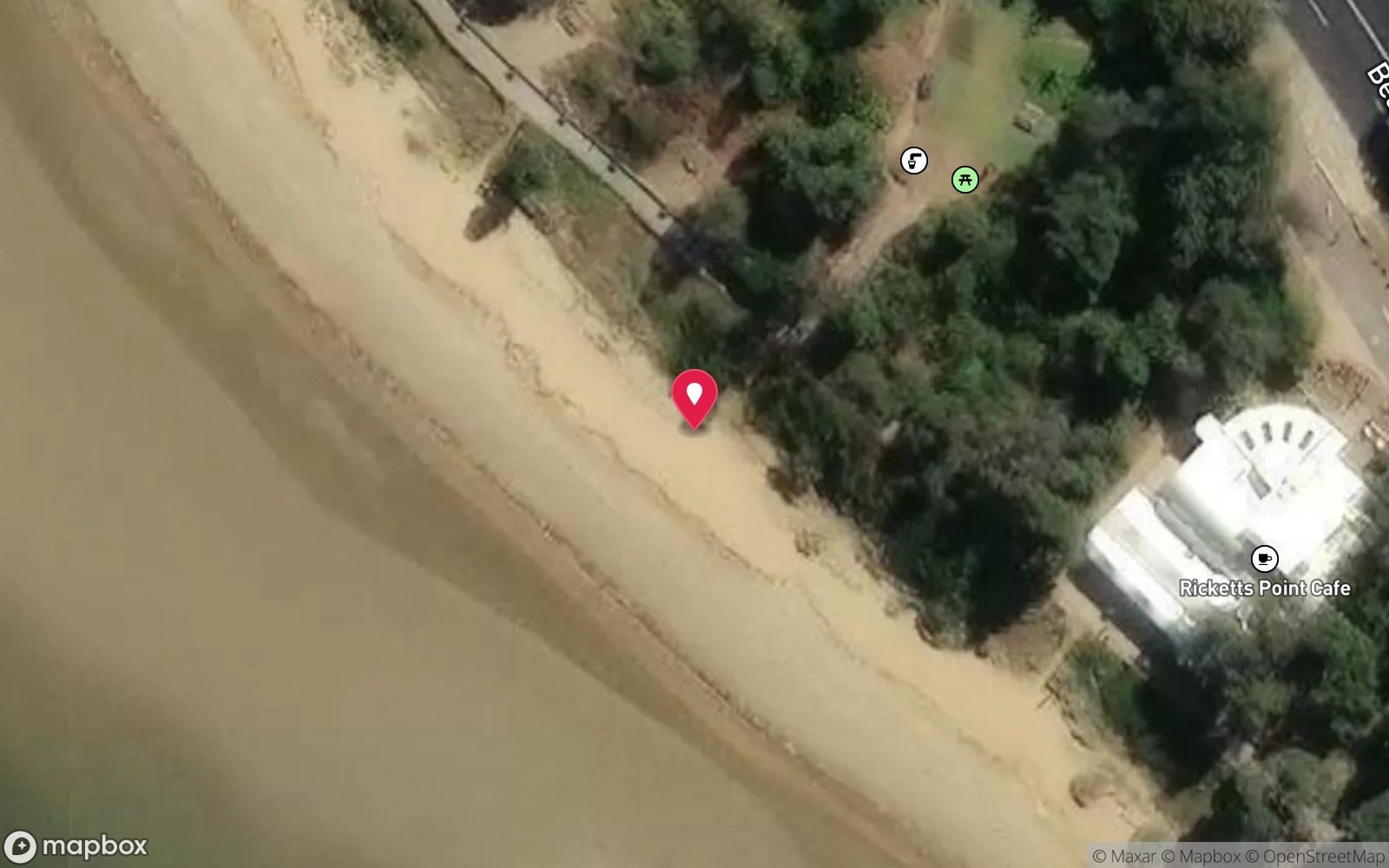
Tea House Bay, Ricketts Point
19 species recorded · The most sheltered and accessible water in the sanctuary, right in front of the teahouse; sand and seagrass critters plus reef edges.
15. Melbourne & Port Phillip Bay · VIC
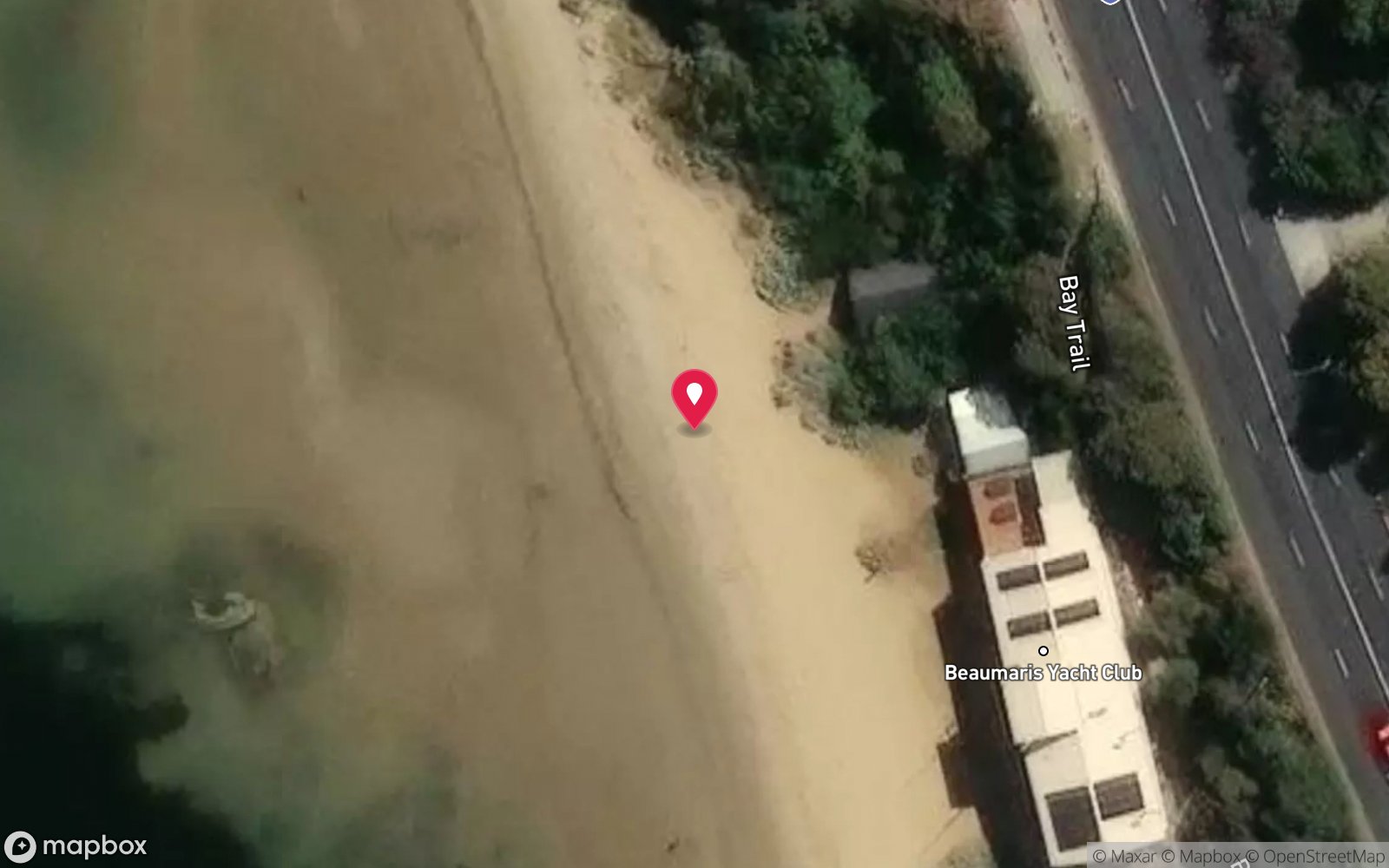
Tea House Reef, Ricketts Point
19 species recorded · The central reef of the sanctuary with navigable channels, dense tame fish and the best facilities of any bayside shore dive; the standard Melbourne night and training site.
16. Melbourne & Port Phillip Bay · VIC
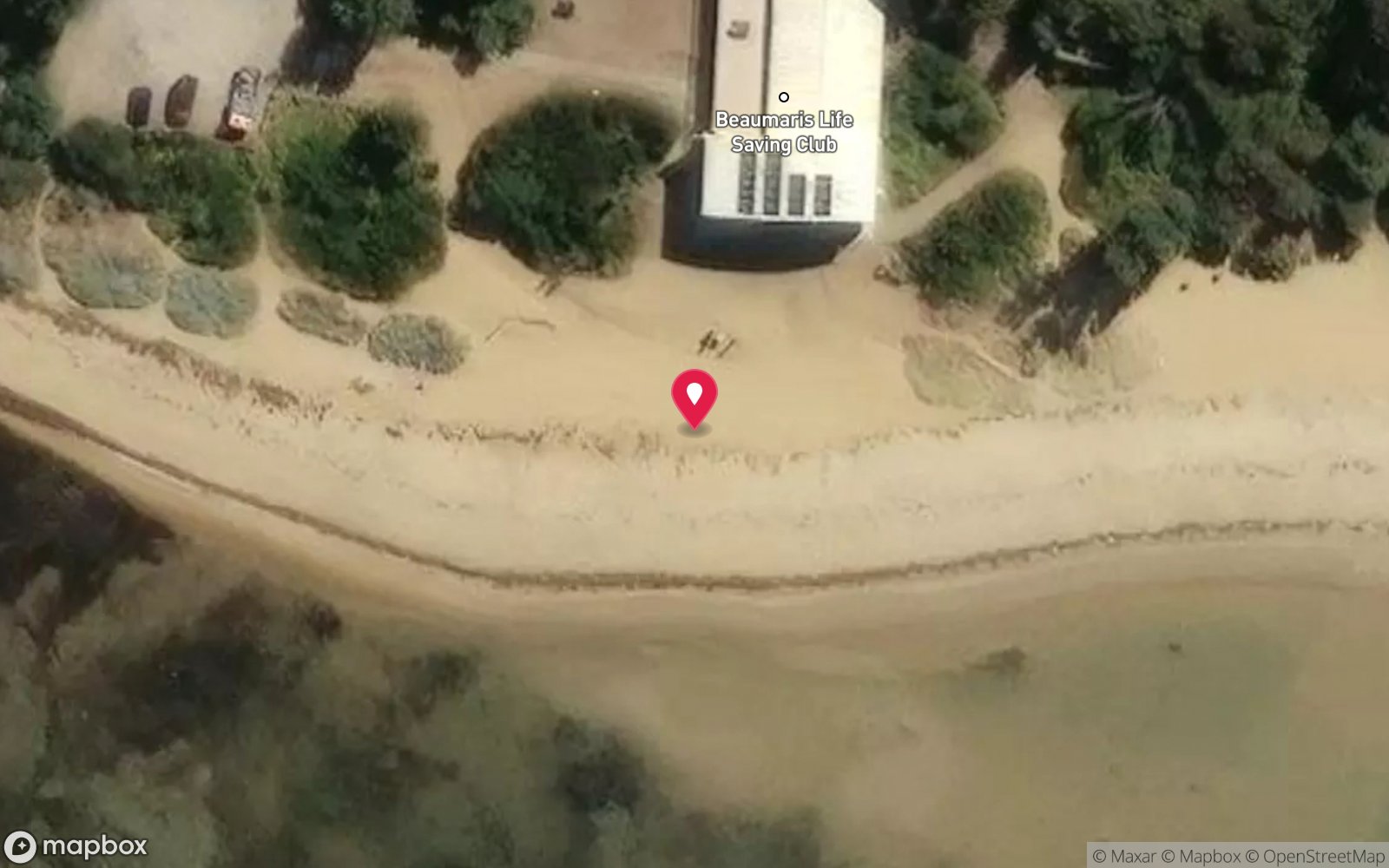
Triangle Reef, Ricketts Point
19 species recorded · Deepest reef in the sanctuary (to 8 m) off a proper beach with showers; the sanctuary's main scuba training site and a fine night dive.
17. Geelong & Bellarine · VIC
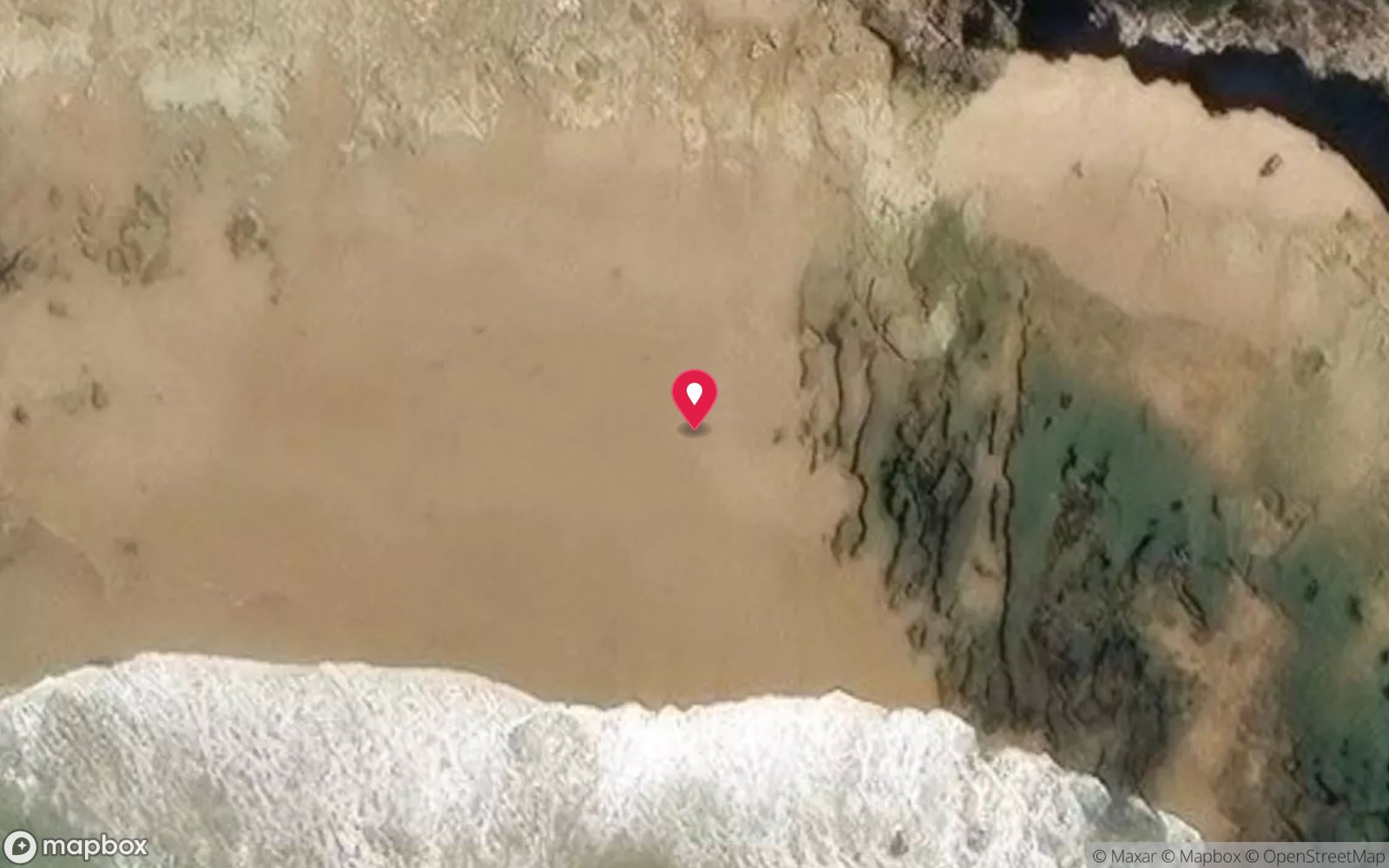
Barwon Bluff South
19 species recorded · Sandstone pincer reef with kelp forests, small arches and sponge gardens on the ocean face of the Bluff; the best of the Barwon Heads dives on a flat day.
18. Melbourne & Port Phillip Bay · VIC
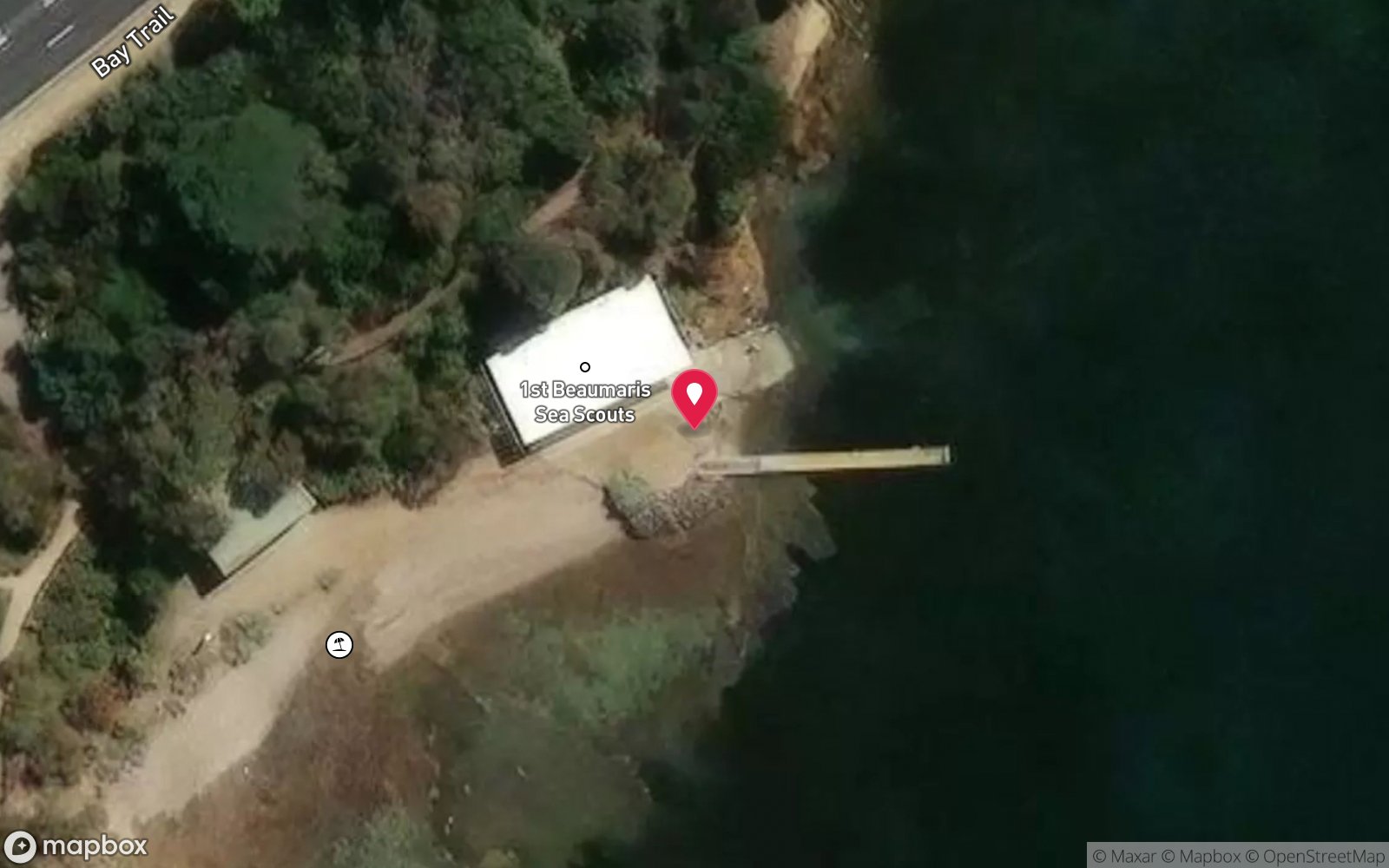
Sea Scouts Jetty, Beaumaris Bay
19 species recorded · Easiest walk-in entry near Ricketts Point via a concrete ramp, leading to a boulder field under towering sandstone cliffs with lively ledges.
19. Surf Coast & Great Ocean Road · VIC
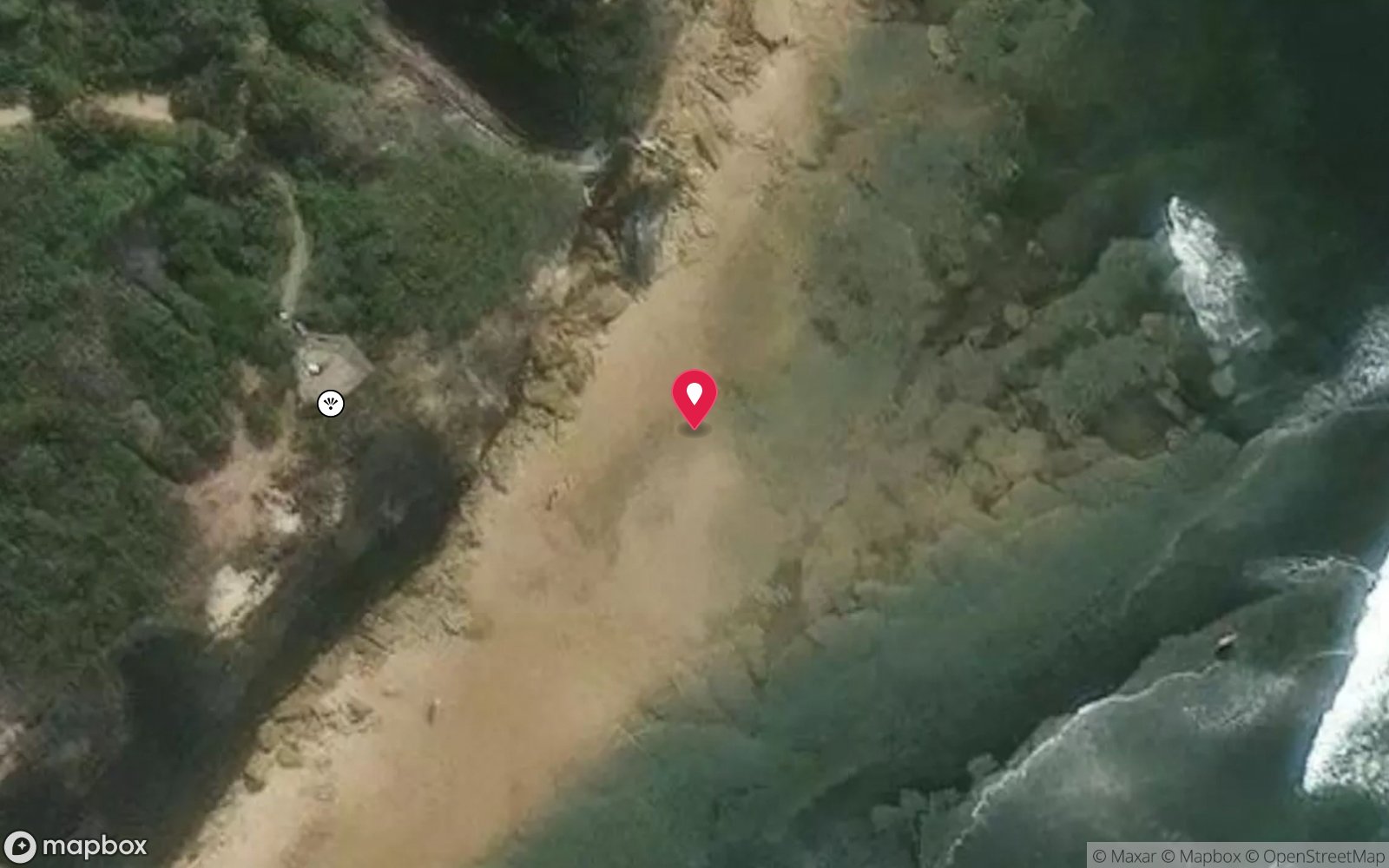
The Steps, Jan Juc
19 species recorded · Cavernous limestone reef in 8-10 m off a famous surf break; the deepest of the Jan Juc shore dives, possible only on flat days.
20. Melbourne & Port Phillip Bay · VIC
Jawbone Marine Sanctuary
18 species recorded · Urban sanctuary with lava-flow boulders, seagrass, saltmarsh and small kelp in one shallow dive; the western suburbs' best snorkel.
21. Mornington Peninsula · VIC
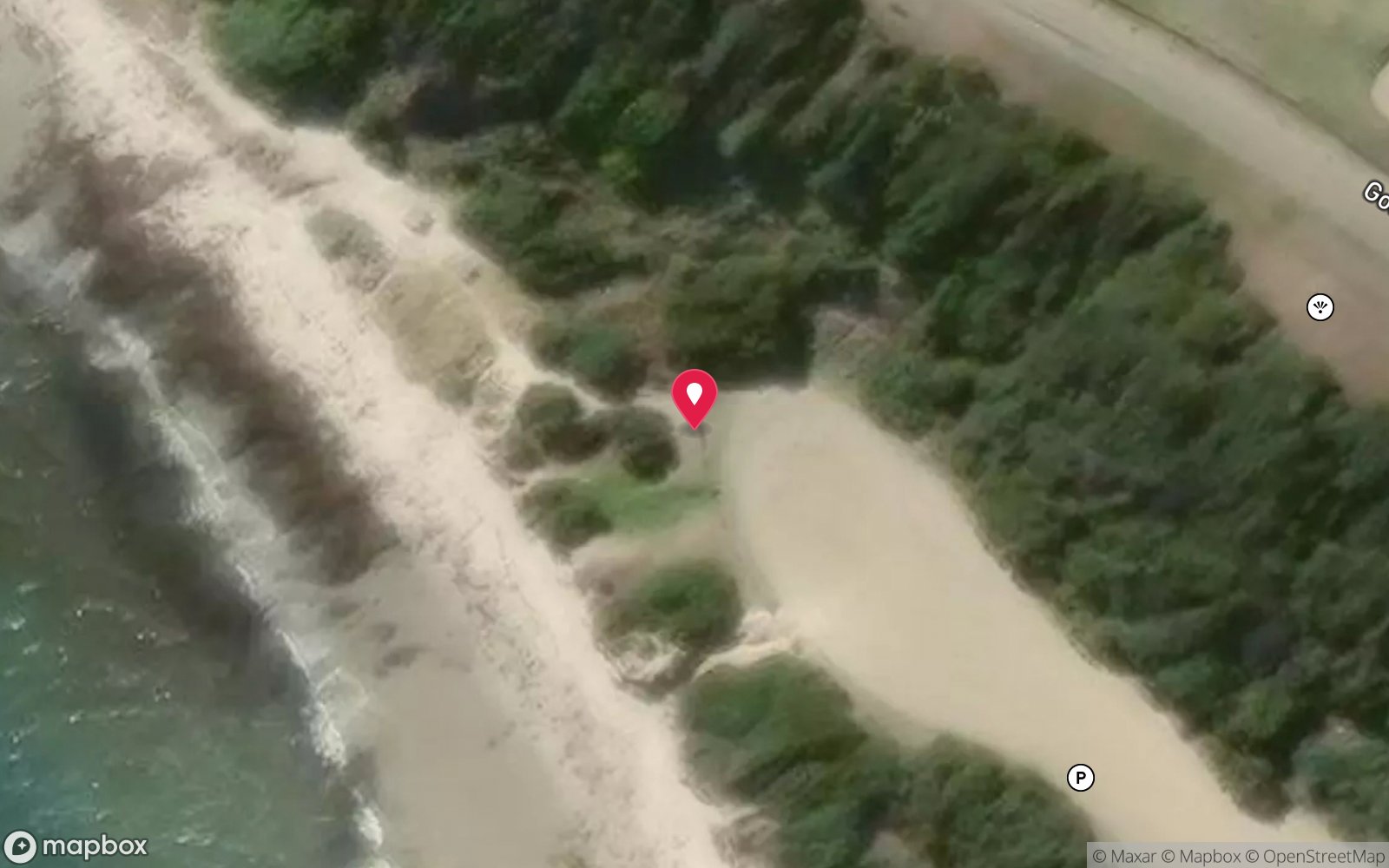
Mushroom Reef Marine Sanctuary
18 species recorded · A protected basalt reef where nothing is taken – crayfish and abalone in the open, seadragons in the seagrass and Victoria's best rock pools at low tide.
22. Shipwreck Coast & Warrnambool · VIC
Port Fairy Lighthouse Reefs (Griffiths Island)
18 species recorded · Boulder ridges and bommies off the Port Fairy lighthouse from 5 to 30 m, rated among the best reef dives in the region, with a sheltered island lagoon for snorkellers.
23. Surf Coast & Great Ocean Road · VIC
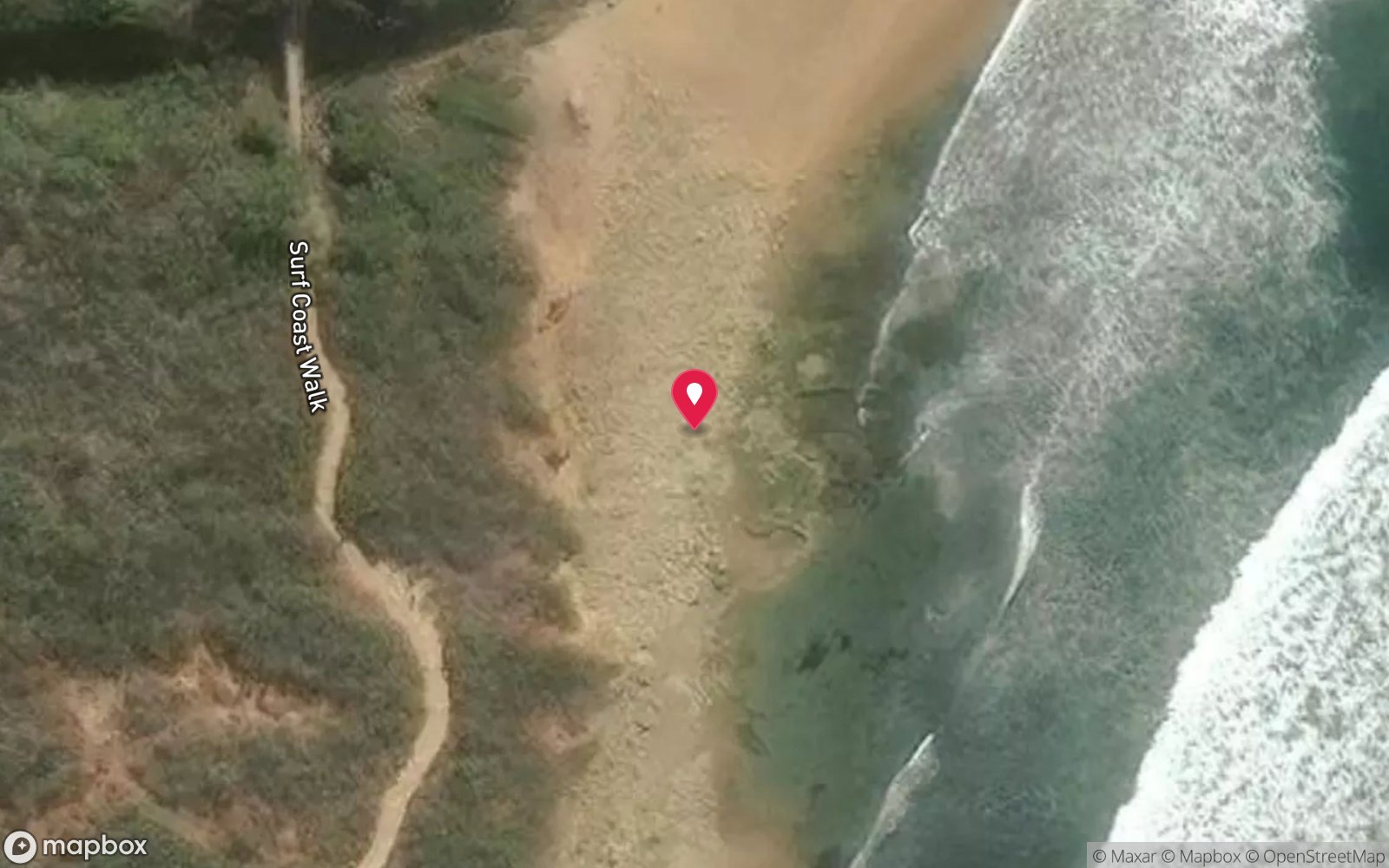
Bells Beach
18 species recorded · Diving the reef that makes Australia's most famous wave: limestone shelves and overhangs with seadragons and blue devils inside Point Addis Marine National Park, on the rare flat day.
24. Surf Coast & Great Ocean Road · VIC
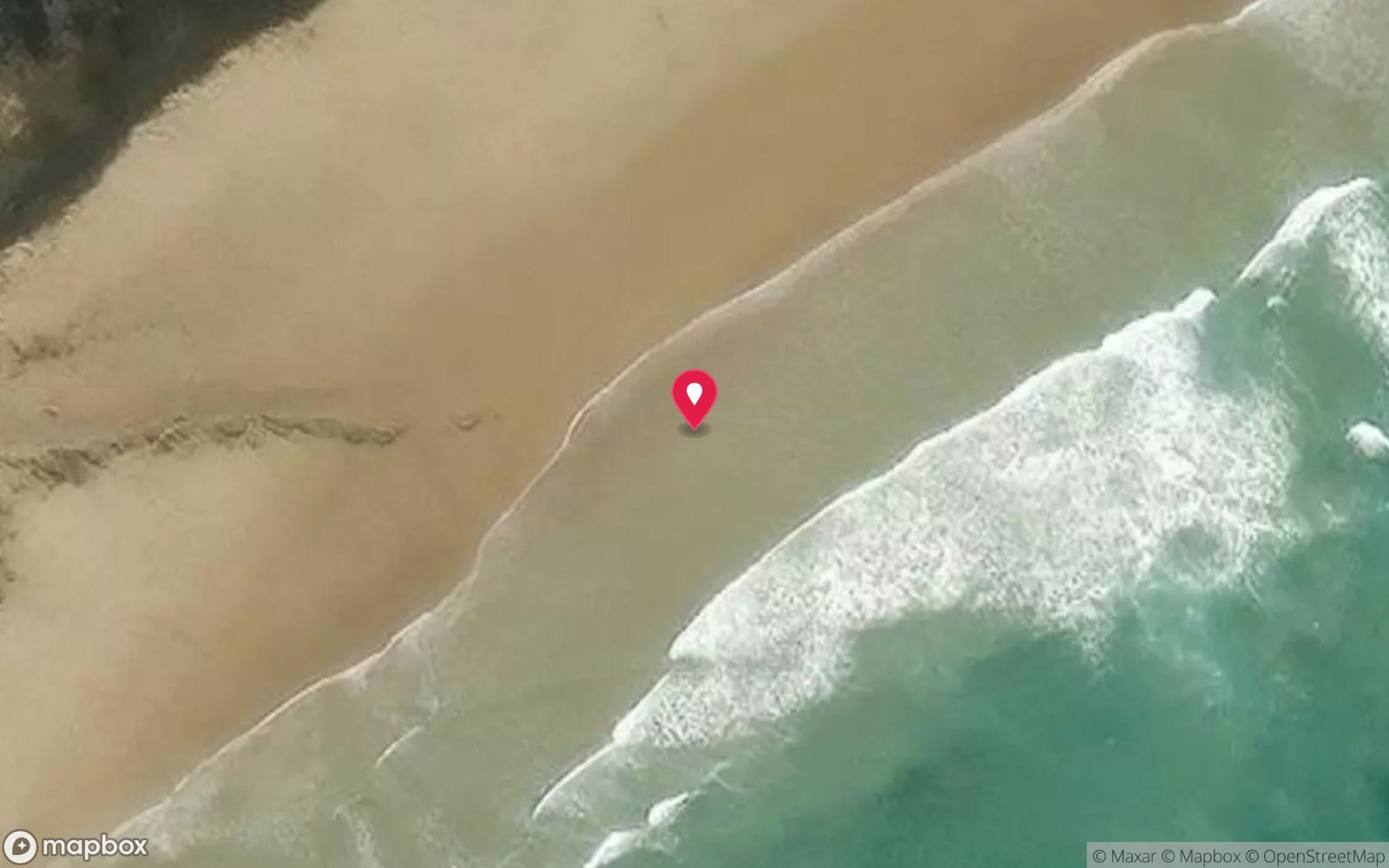
Bird Rock, Jan Juc
18 species recorded · Ledged limestone reef and gullied platforms around a surf-famous headland at Jan Juc; a rarely possible but beautiful Surf Coast shore dive.
25. Mornington Peninsula · VIC
Cape Schanck Cray Reef
18 species recorded · Remote ledged reef full of crayfish off the Cape Schanck lighthouse coast; rarely dived, rich in life.
26. Surf Coast & Great Ocean Road · VIC
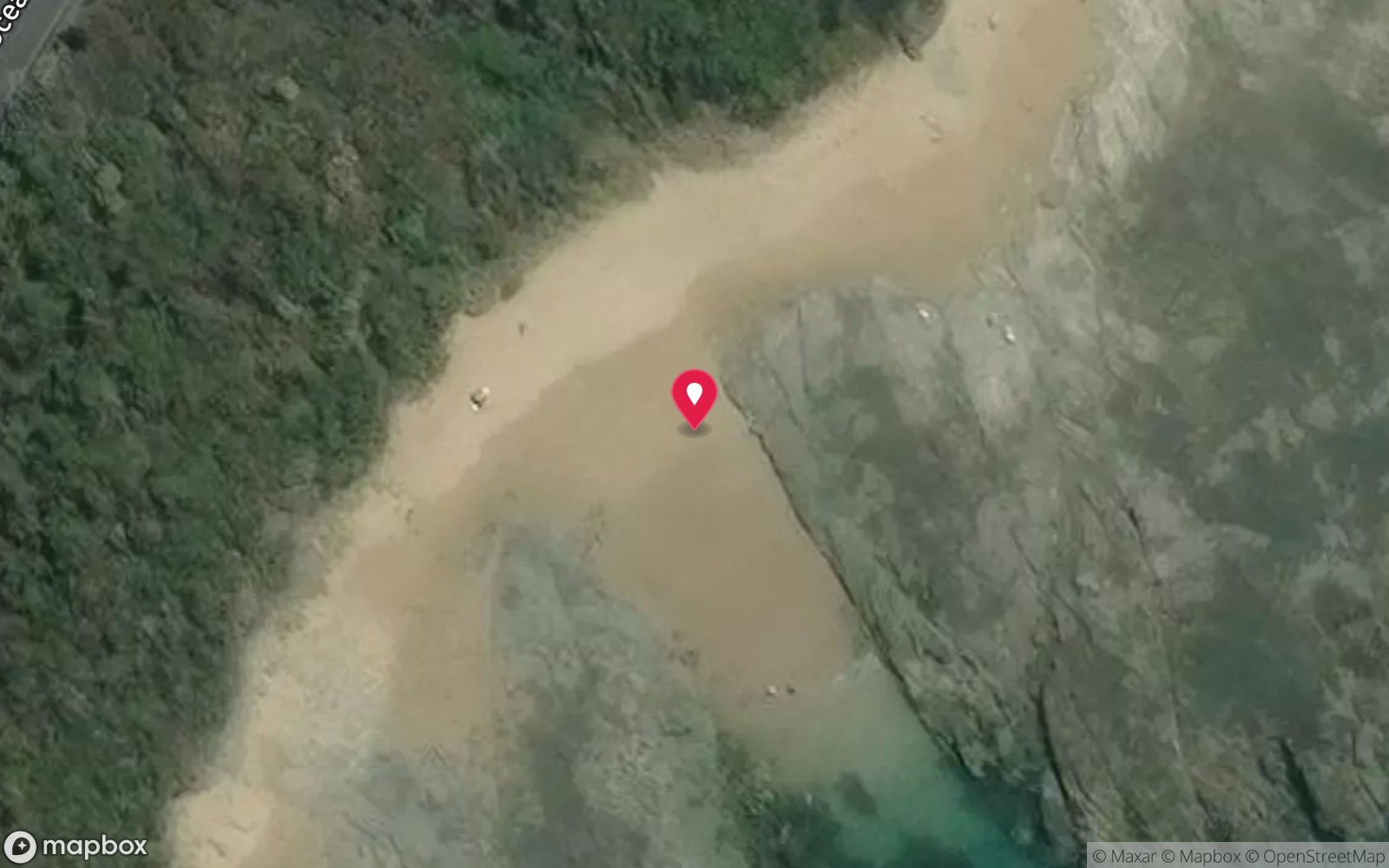
Cathedral Rock, Lorne
18 species recorded · A sheltered-looking cove below the Great Ocean Road east of Lorne with deep water off its northern platform and Otway-sandstone reef; a flat-day dive for experienced divers.
27. Surf Coast & Great Ocean Road · VIC
Ingoldsby Reef
18 species recorded · Lush shallow kelp-and-limestone reef inside Point Addis Marine National Park where crays walk in the open, scattered with iron from the 1902 Inverlochy wreck; a calm-day small-boat dive.
28. Port Phillip Heads · VIC
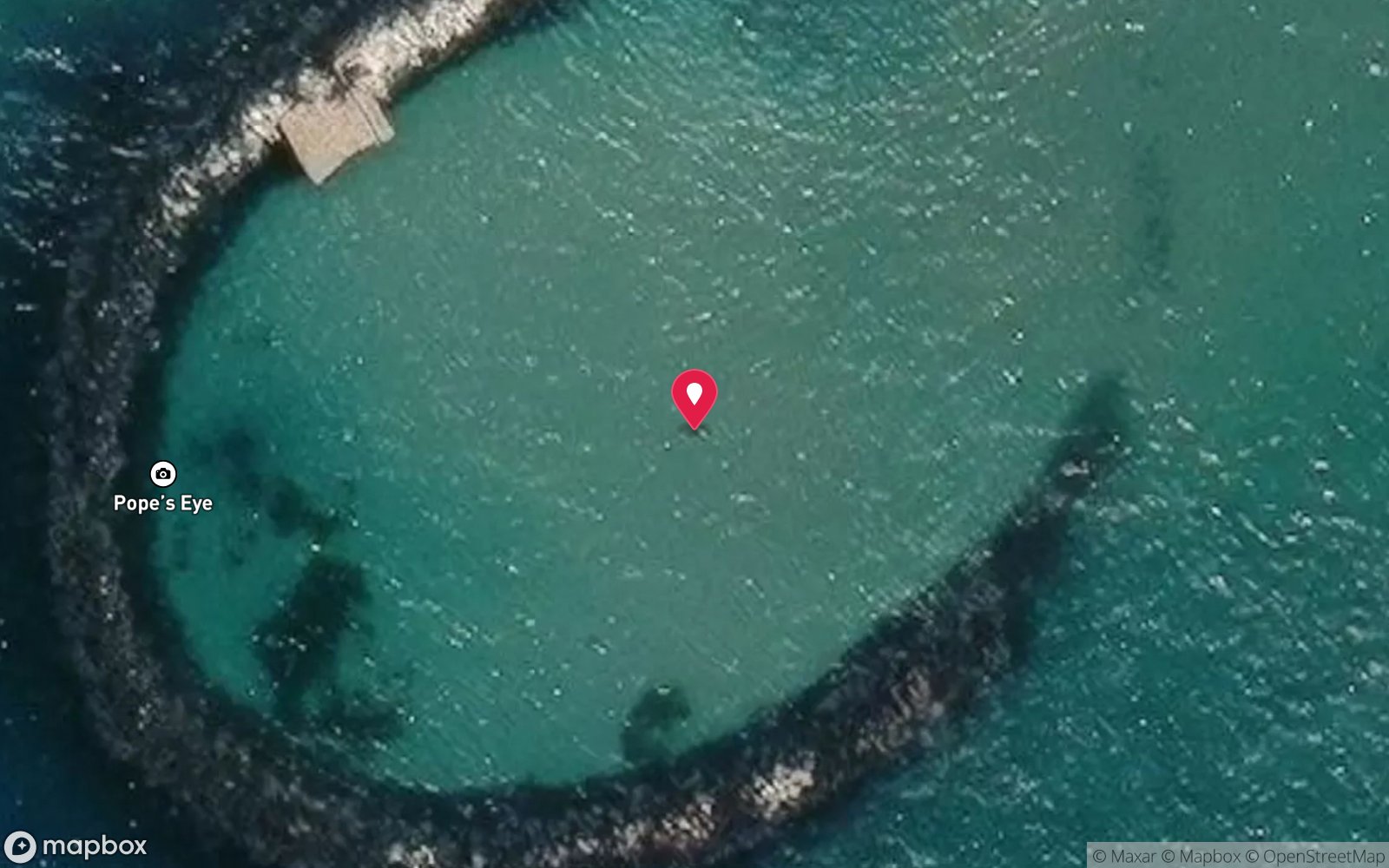
Popes Eye
17 species recorded · An 1880s fort foundation turned marine reserve: a sheltered inner lagoon packed with tame fish, an outer wall of gorgonians and feather stars to 14 m, nesting gannets overhead and seals dropping in – the most reliable easy dive at the Heads.
29. Portland & the West · VIC
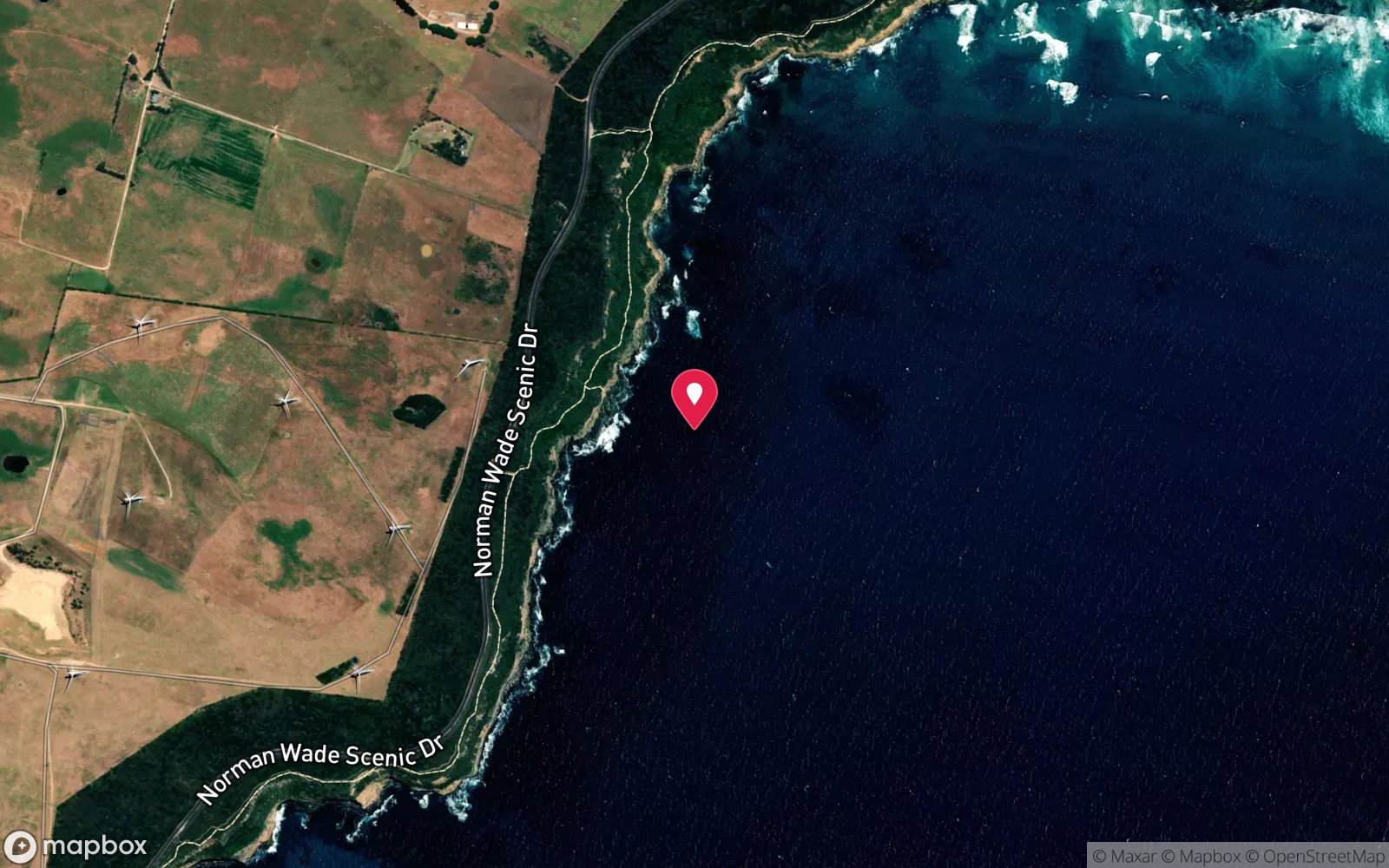
Flat Rock, Cape Nelson
17 species recorded · Swim-throughs, drop-offs and ledges in the shallows and rock walls to 24 m on the sheltered side of Cape Nelson – the cape's most accessible reef.
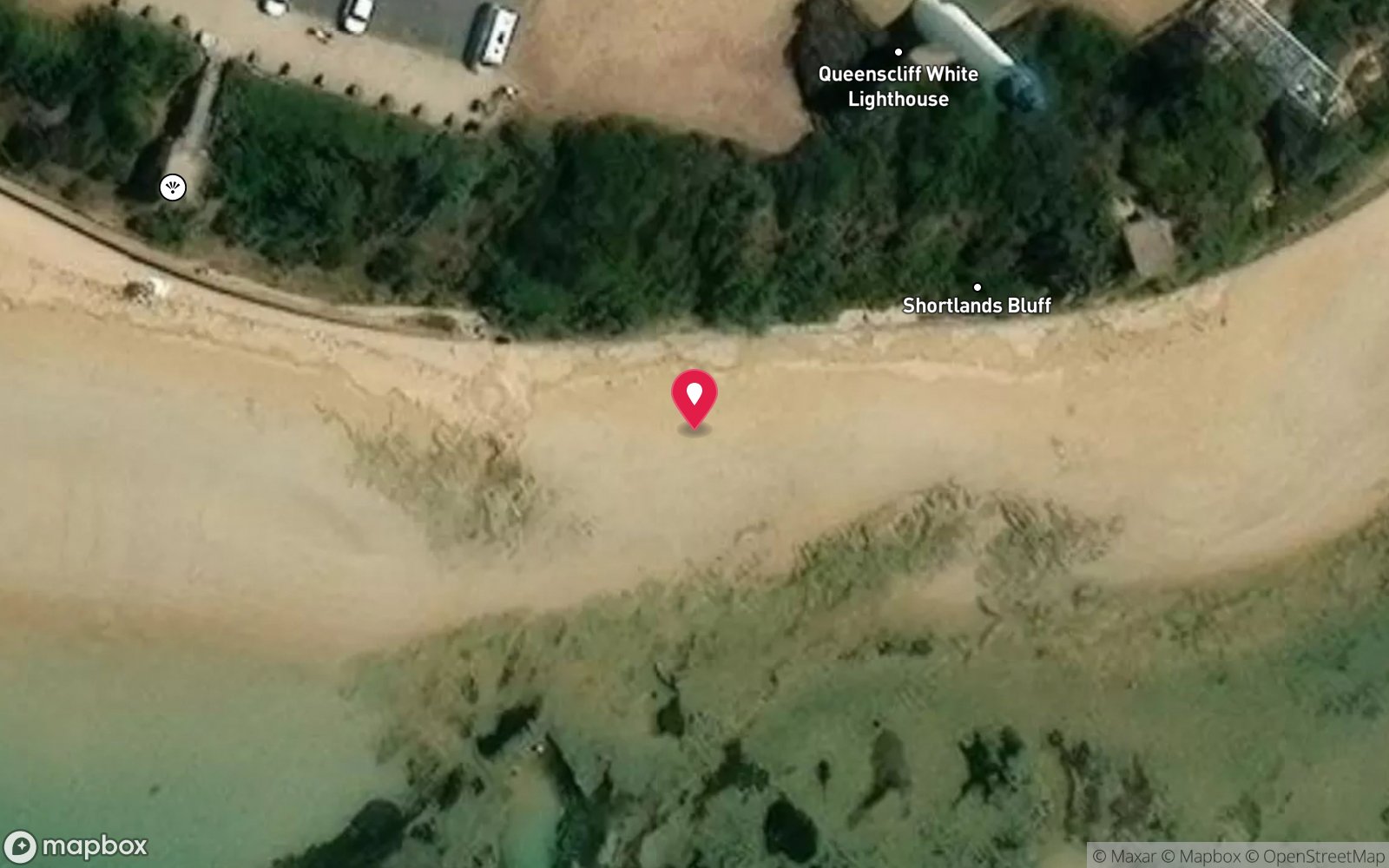
30. Geelong & Bellarine · VIC
Shortland Bluff
17 species recorded · Tide-sculpted sandstone ledges to 15 m beneath Queenscliff's black lighthouse, with Heads-quality sponge growth from the beach; a slack-water dive for experienced divers.
The guide
Counting species
The ranking counts the species and groups recorded in each site's marine-life entry, which favours sites that have been surveyed and written about carefully. That is a reasonable proxy for biodiversity, and it produces a list that experienced divers will recognise: the great macro piers of Victoria and South Australia, the subtropical convergence sites of southern Queensland where tropical and temperate species overlap, and the pinnacles of the Ribbon Reefs.
It undercounts the Great Barrier Reef, where every outer-reef site has hundreds of species and the site records simply say 'reef fish, corals'. It also reflects the temperate south's real strength: southern Australia has the highest proportion of endemic marine species of any temperate coast on earth, and the sponge gardens of Port Phillip and the gulfs are where they live.
Where the overlap is
The subtropical coast from the Gold Coast to the Sunshine Coast and around to Bundaberg is the biodiversity sweet spot for a visiting diver. The East Australian Current brings tropical species south; the temperate species reach north; and structures like the Brisbane, the Seaway walls and Wonder Reef give them all somewhere to live. Winter brings grey nurse sharks and clear water, summer brings mantas and leopard sharks, and the macro life is there all year.
Editorial last reviewed September 2026. The list itself is regenerated from the directory daily.
Frequently asked questions
Which Australian dive site has the most marine life?
By recorded species, the temperate sponge-garden and pier sites (Fly Point, Blairgowrie, Edithburgh) and the subtropical islands (Julian Rocks, the Solitaries) lead, alongside the Great Barrier Reef's best bommies.
More rankings
- The 25 Deepest Dive Sites in Australia
- Australia's Most Remote Dive Sites
- The Longest Boat Rides to a Day Dive
- The Warmest Dive Sites in Australia
- The Coldest Dive Sites in Australia
- Australia's Clearest-Water Dive Sites
- The Oldest Shipwrecks You Can Dive in Australia
- WWII and Wartime Wrecks You Can Dive in Australia
- All rankings →